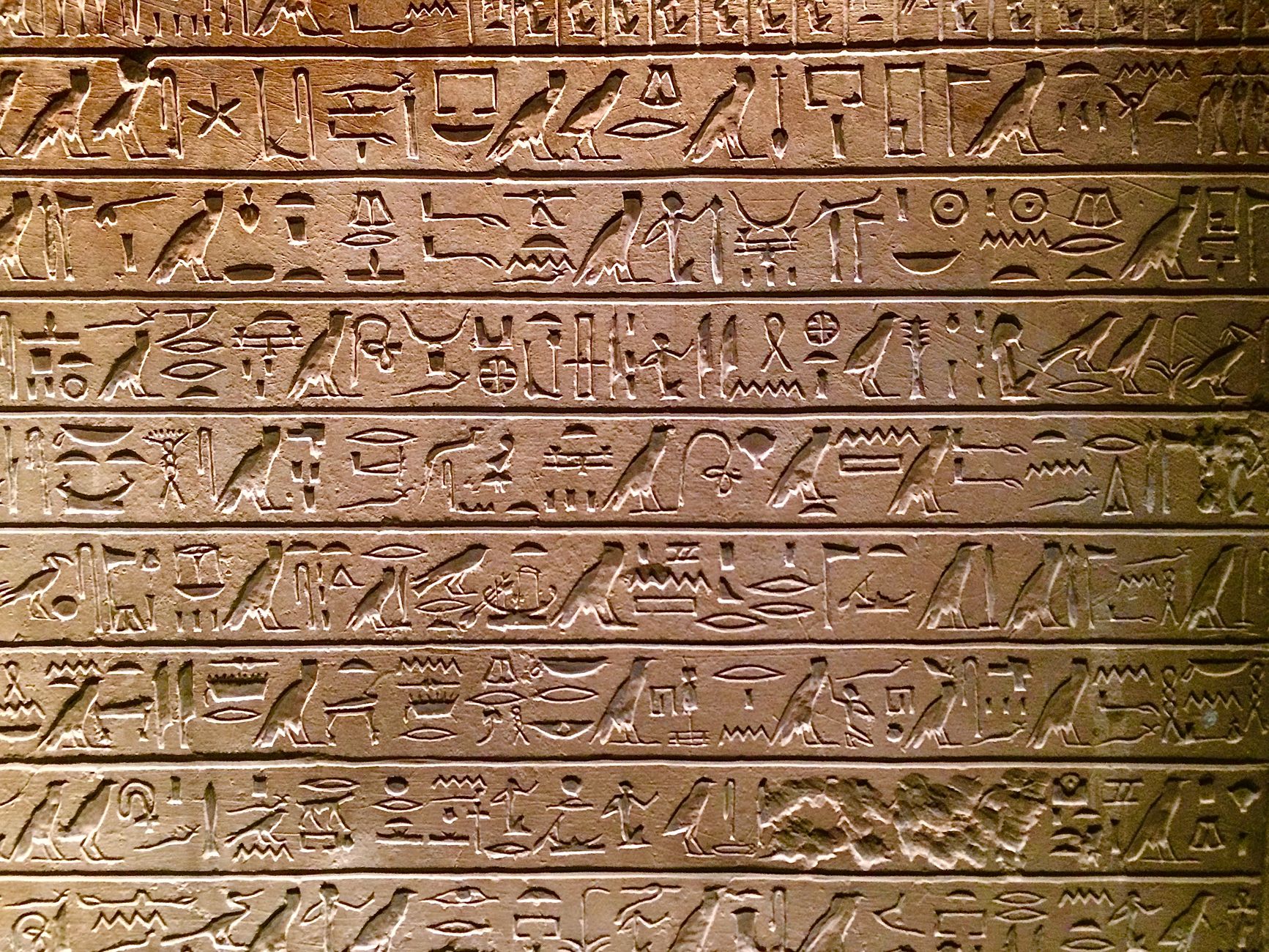
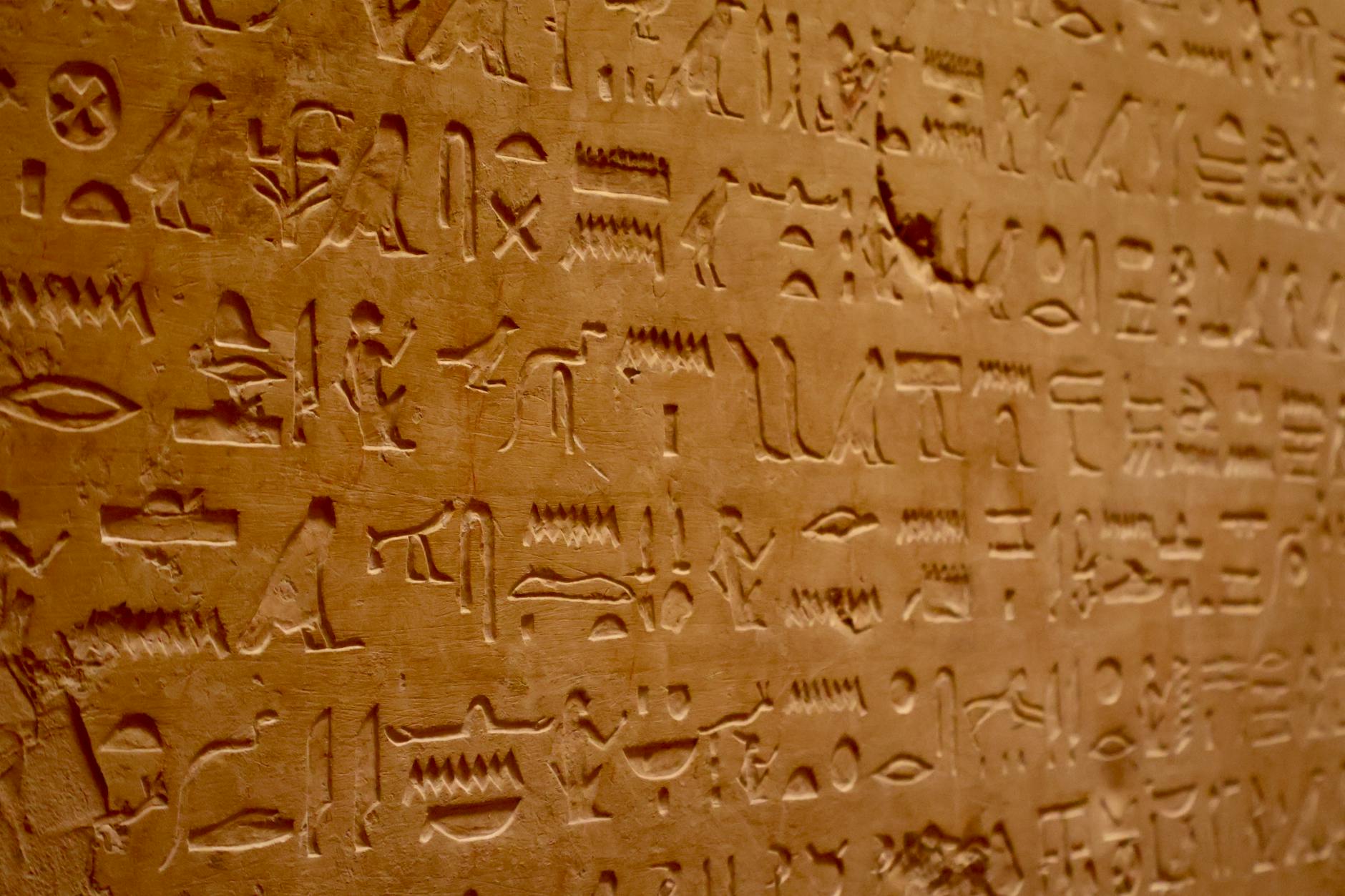
A 3,500-year-old pottery piece found in Egypt 20 years ago turned out to be an ‘alphabet book’. The tablet piece, found 20 years ago near Luxor in Egypt, came from the tomb of Senneferi, a government official who lived during the reign of Tuthmose III. The tablet contains an incomplete list of handwritten words used in Egypt 3000 years ago.
The educational words on the tablet were written in alphabetical order to teach reading. The pottery, deciphered by Egyptologist Ben Haring from Leiden University in the Netherlands, was described as the alphabet table of the modern language. Haring stated that the first letters on the pot were Halaham (HLHM), which is found in ancient Egyptian, Arabic and Ethiopian scrolls and inscriptions.
The tablet, which provides information as the oldest reading teaching book dating back 3500 years, has the meanings of the words read from right to left depicted next to them. One of the words on the tablet is ‘rejoice’. The drawing in the upper left corner of the tablet also shows a rejoicing man. In his research published in the journal Near Eastern Studies, Haring said that a regular alphabet can be observed on the pottery, even though it dates back to the 15th century BC.
Haring stated that the oldest alphabet could be revived by examining the writings on the pottery. Source: http://arkeofili.com/?p=8121
You May Like

Fort San Pedro: The Oldest Fort in the Philippines