Khakassia in 1920 / Plant Scientist Henrik Printz
Khakassia in 1920 / Plant Scientist Henrik Printz 17 Saturday Oct 2015 Original size at 714 × 474 ≈ Leave a comment
Info on popular culture and everyday life
World history, mythology and Turkic history knowledge
Khakassia in 1920 / Plant Scientist Henrik Printz 17 Saturday Oct 2015 Original size at 714 × 474 ≈ Leave a comment
Khakassia in 1920 / Plant Scientist Henrik Printz 17 Saturday Oct 2015 Original size at 615 × 464 ≈ Leave a comment
Khakassia in 1920 / Plant Scientist Henrik Printz 17 Saturday Oct 2015 Original size at 668 × 461 ≈ Leave a comment
Khakassia in 1920 / Plant Scientist Henrik Printz 17 Saturday Oct 2015 Original size at 824 × 474 ≈ Leave a comment
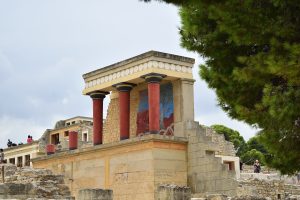
On the island of Crete stands Knossos, the labyrinthine palace of the Minoans — Europe’s first civilization. With its bull frescoes, oldest throne in Europe, and running water, it is the real place behind the legend of the Minotaur.
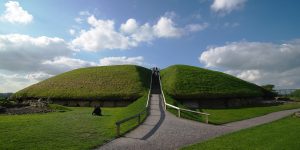
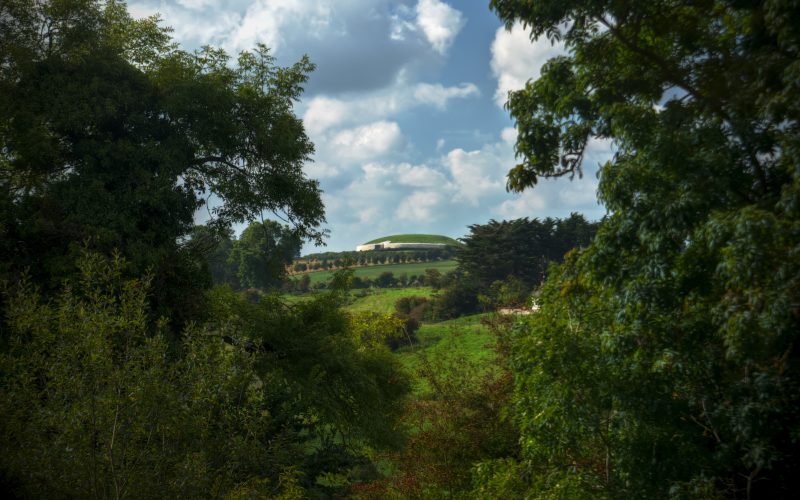
In Ireland’s Boyne Valley, beside its famous neighbour Newgrange, stands Knowth: a vast passage tomb with two passages, a ring of satellite tombs, and the greatest concentration of megalithic art in Europe.

On the Don River, some of Europe’s first modern humans hunted mammoths, carved figurines, and built homes of bone 40,000 years ago.

History and Personality Scientist Aleksandar Kozintsev, son of the famous director and Art Scientist Grigori Kozintsev, donates a very old Kam Drum preserved by his father to the Museum of
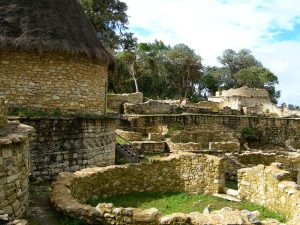
High in Peru’s cloud forest, Kuelap’s Chachapoya builders raised walls taller than a six-story building, defended by narrow funnel gates and a language now almost entirely lost.
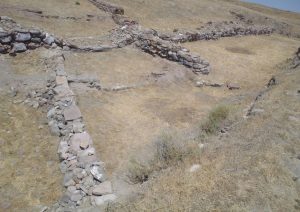
Kultepe is the site of ancient Kanesh in Turkey, where Assyrian merchants left over twenty thousand cuneiform tablets recording Bronze Age trade and family life.


