
Conwy Castle: Edward I’s Perfect Fortress and Its Walled Town
If Caernarfon was Edward I’s imperial showpiece, Conwy was his perfect fortress. Standing on a rock where the River Conwy meets the sea in North Wales, it is, for many
Info on popular culture and everyday life
World history, mythology and Turkic history knowledge
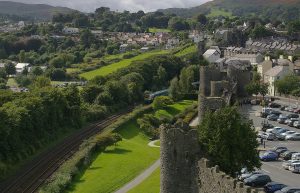
If Caernarfon was Edward I’s imperial showpiece, Conwy was his perfect fortress. Standing on a rock where the River Conwy meets the sea in North Wales, it is, for many
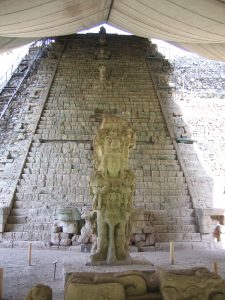
In a lush green valley in the far west of Honduras, near the border with Guatemala, lie the ruins of a Maya city renowned above all for the beauty of

Copan in Honduras was a Classic Maya capital famed for its Hieroglyphic Stairway, Altar Q dynasty record, and finely carved sculpture between 426 and 822 CE.
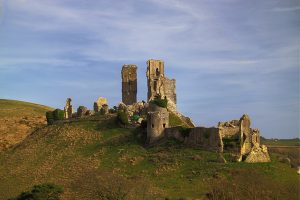
Some ruins look sad. Corfe Castle looks defiant. Torn apart by gunpowder nearly four centuries ago, its great towers left leaning at crazy angles, its walls split and scattered down
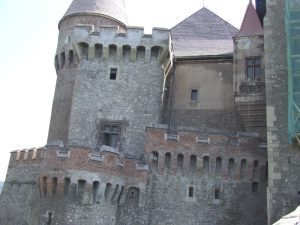
If you had to design the perfect fairy-tale castle, you might well end up with something very like Corvin. Rising above a river in the Transylvanian town of Hunedoara, with
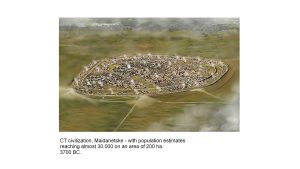
On the plains of Ukraine, 6,000 years ago, people built planned towns of thousands, made dazzling painted pottery, and burned their whole settlements to the ground every few generations. Meet Cucuteni-Trypillia.
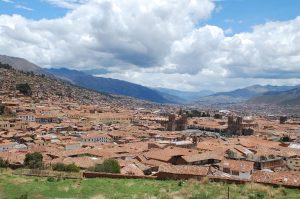
How Cusco became the sacred heart of the Inca Empire, home to Qorikancha’s golden temple, the walls of Sacsayhuaman, and a language still spoken today.

Calakmul ruled the Classic Maya lowlands as the Snake Kingdom, rivaling Tikal for centuries from a jungle capital of over 6,700 structures.
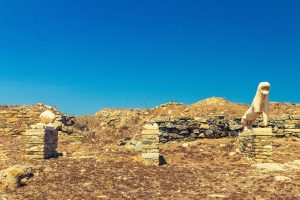
In the middle of the Aegean, ringed by the scattered islands of the Cyclades, lies a small, dry, almost barren island that the ancient Greeks held to be one of
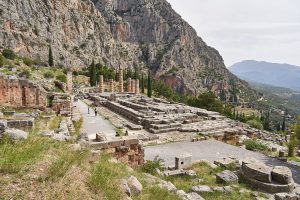
High on the slopes of Mount Parnassus, where two great cliffs called the Phaedriades catch the morning light and throw it down across a valley of silver-green olive trees, the


