For centuries the name Timbuktu has stood, in the imagination of the outside world, for the most remote place on earth. The reality is even more remarkable: a city on the southern edge of the Sahara that grew into one of the great centres of trade, faith and learning in the medieval world.
Built of mud brick where the desert meets the River Niger, Timbuktu was a meeting point of gold, salt and scholarship. Its great mosques and its vast libraries of manuscripts testify to a golden age of African civilisation.
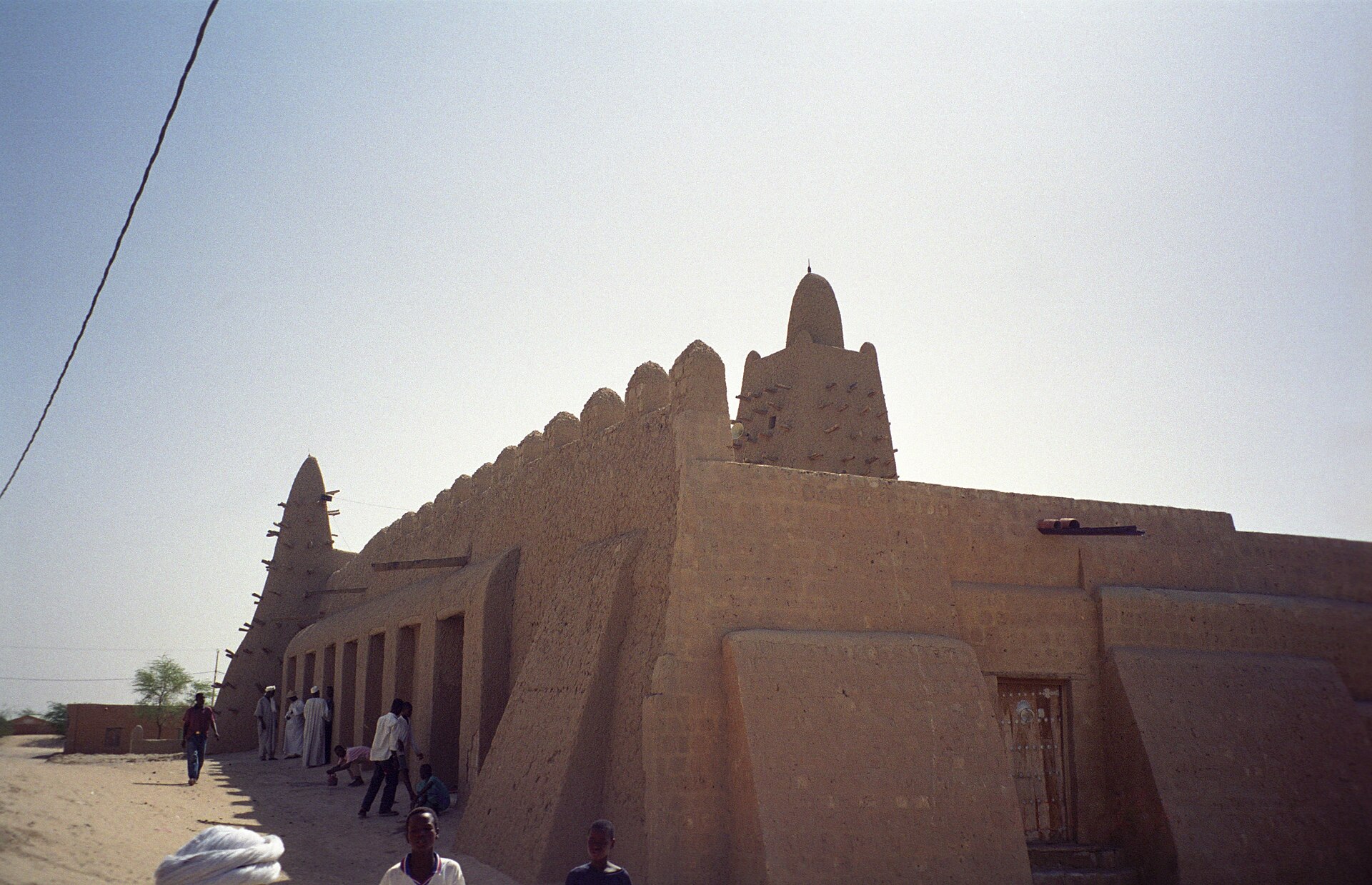
Table of Contents
- The Fabled City at the Edge of the Sahara
- Where the Desert Meets the River
- Gold, Salt, and the Trans-Saharan Trade
- Mansa Musa and the Mali Empire
- The Great Mud Mosques
- Djinguereber, Sankore, and Sidi Yahya
- A Centre of Islamic Learning
- The Manuscripts of Timbuktu
- Decline and the European Quest
- Modern Threats and UNESCO
- Nearby Places
- Closing Thoughts
The Fabled City at the Edge of the Sahara
Timbuktu lies in modern Mali, on the fringe of the Sahara just north of the great bend of the River Niger. This position, where the desert trade routes met the river network of West Africa, was the key to its rise.
To the outside world it became a symbol of the unreachable and exotic, a place spoken of but rarely seen. Behind the legend lay a real and thriving city that once ranked among the most important in Africa.

Where the Desert Meets the River
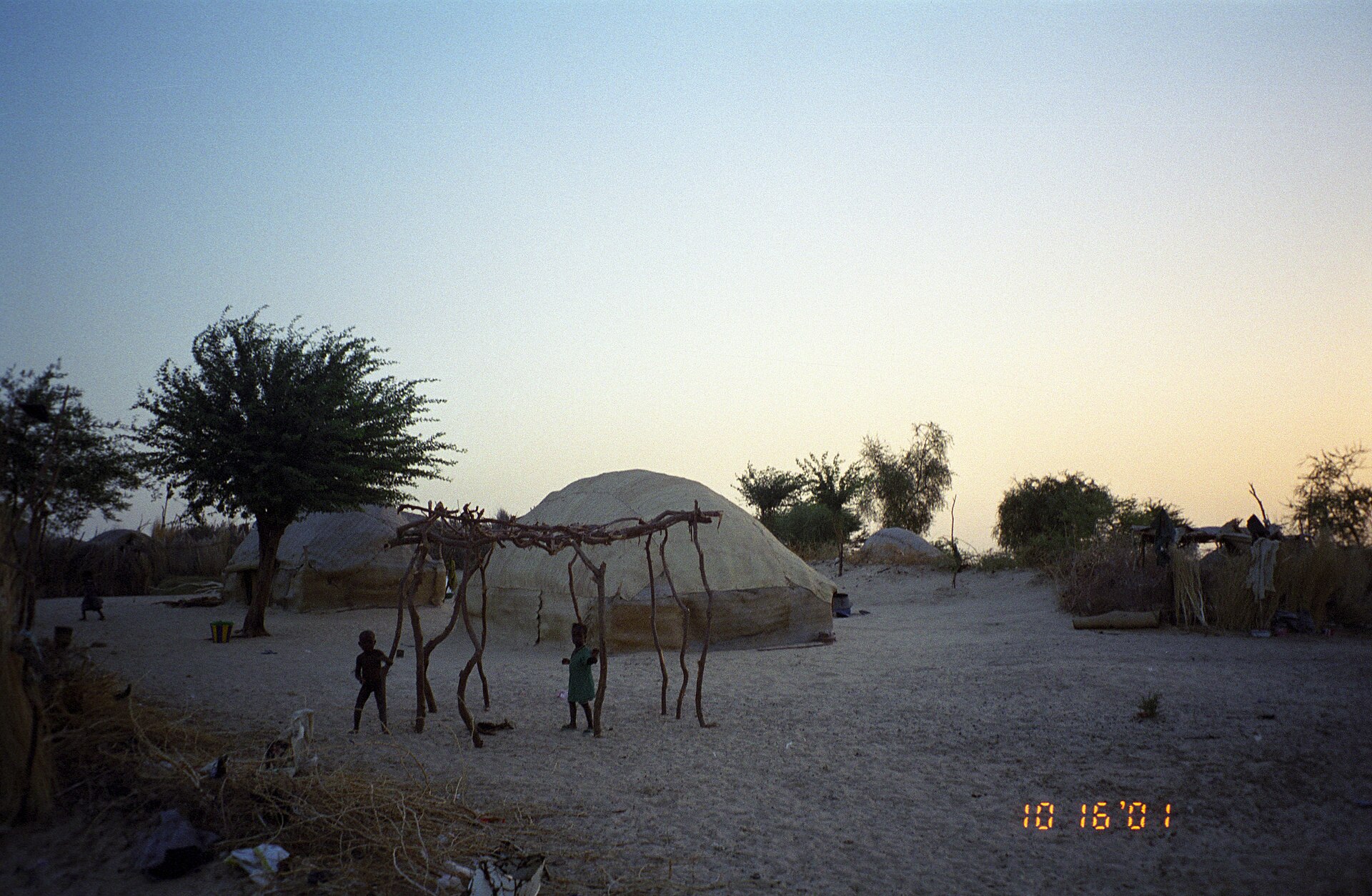
Timbuktu began as a seasonal camp of desert nomads and grew into a permanent town because of its ideal location. Goods carried across the Sahara by camel caravan could here be transferred to boats on the Niger, and vice versa.
This made it a natural marketplace and warehouse for the trade of a vast region. The city was built largely of sun-dried mud brick, giving it the distinctive earthen architecture for which it is still known.
Gold, Salt, and the Trans-Saharan Trade
The wealth of Timbuktu rested on two commodities above all: gold from the mines of West Africa and salt from the mines of the Sahara. Caravans of thousands of camels crossed the desert carrying these and other goods.
So valuable was this trade that gold from the region ultimately reached the mints of Europe and the Middle East. Timbuktu sat at the crossroads of this commerce, taxing and channelling the riches that passed through it.

Mansa Musa and the Mali Empire
In its golden age Timbuktu belonged to the Mali Empire, one of the richest states of its time. Its most famous ruler, Mansa Musa, made a legendary pilgrimage to Mecca in the fourteenth century, distributing so much gold along the way that his fame spread across the known world.
Under Mali, and later the Songhai Empire, Timbuktu flourished. Rulers and wealthy merchants funded mosques and schools, turning the trading city into a centre of religion and learning.
The Great Mud Mosques
Timbuktu is famous for its monumental mosques, built entirely of mud brick and timber. Their thick earthen walls, studded with projecting wooden beams, have to be re-plastered regularly, an act of communal care that has continued for centuries.
These buildings are masterpieces of a distinctive Sahelian style of architecture, adapted to the materials and climate of the region. Their minarets and walls rise above the low city like earthen mountains.

Djinguereber, Sankore, and Sidi Yahya
Three great mosques define historic Timbuktu. The Djinguereber Mosque, dating from the fourteenth century, is the oldest and largest. The Sankore Mosque became the focus of the city’s scholarly life, and the Sidi Yahya Mosque completes the trio.
Around these mosques clustered schools and the homes of scholars. They were not only places of prayer but the institutional heart of a remarkable centre of education.


A Centre of Islamic Learning
At its height Timbuktu was renowned across the Islamic world as a city of scholars. Teachers and students gathered around its mosques to study the Quran, law, theology, but also astronomy, mathematics, medicine and history.
The learning associated with Sankore and the other mosques has led many to describe Timbuktu as home to one of the world’s early universities. Books were among the most valued goods traded in the city.

The Manuscripts of Timbuktu
The greatest treasure of Timbuktu is its manuscripts. Hundreds of thousands of handwritten books and documents, some centuries old, survive in the city and its region, covering religion, science, poetry, law and everyday life.
These manuscripts are precious evidence of a rich written culture in medieval West Africa, countering the false notion that the continent’s history was purely oral. Many are still held by local families who have preserved them for generations.

Decline and the European Quest
As the trans-Saharan trade declined and new sea routes bypassed the interior, Timbuktu gradually lost its wealth and importance. Yet its legend only grew in Europe, where its very existence and location were long uncertain.
European explorers made dangerous journeys in search of the fabled golden city, and several died in the attempt. When they finally reached it, some were disappointed to find a modest desert town rather than a place paved with gold.
Modern Threats and UNESCO
Timbuktu was inscribed on the UNESCO World Heritage List in 1988, recognising its mosques, its cemeteries and its role in the spread of Islam in Africa. In recent years the city has faced serious danger.
During a period of conflict, extremists deliberately destroyed several historic shrines, and the priceless manuscripts were threatened. A remarkable secret effort by local people smuggled many to safety, saving a great part of Timbuktu’s written heritage for the future.
Nearby Places
- Aksum — another great African power that grew rich on trade and left a profound religious legacy.
- Great Zimbabwe — a southern African city whose wealth, like Timbuktu’s, flowed from gold and long-distance trade.
- Lalibela — another African centre of faith and remarkable architecture from the medieval world.
Closing Thoughts
Timbuktu is far more than a byword for remoteness. It was a great African city of gold and salt, of towering mud mosques and, above all, of books and learning that ranked it among the intellectual capitals of its age.
Its manuscripts, saved again in our own time from destruction, are a lasting reminder that the history of Africa was written as well as spoken. The earthen city on the edge of the Sahara remains one of the great monuments of human civilisation.
You May Like
Mafra, the Palace a King Built From a Vow


2 thoughts on “Timbuktu: The Golden City of Salt, Gold, and a Half-Million Manuscripts”