In the cool highlands of western Guatemala, surrounded on three sides by steep ravines, sits a Maya city built less for ceremony than for survival. Zaculeu, the fortified capital of the Mam Maya kingdom, tells a story different from the jungle metropolises further north and east, one that ends not with a slow collapse but with a documented siege against Spanish conquistadors.
Unlike Tikal or Caracol, whose ancient rulers are known mainly through hieroglyphic monuments, Zaculeu’s final chapter survives in written Spanish colonial accounts, giving historians an unusually direct record of the weeks-long confrontation that ended Mam independence in 1525.
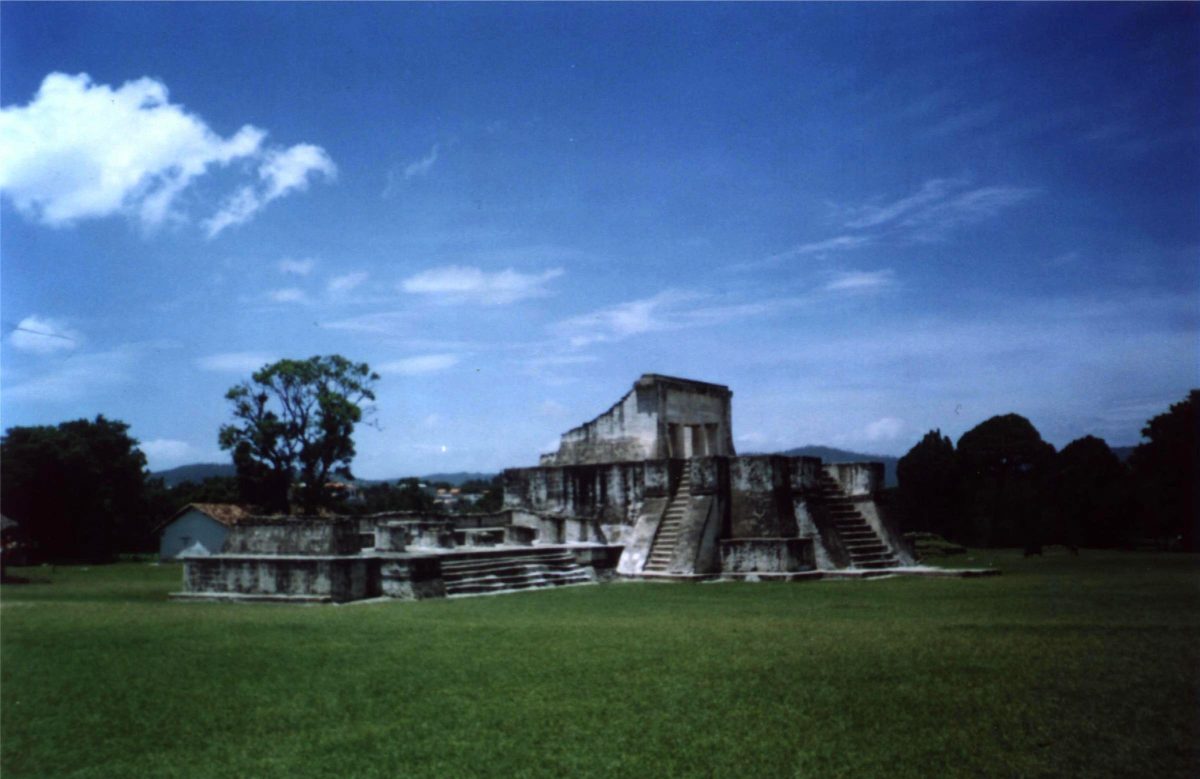
Table of Contents
- A Fortress in the Highlands
- Capital of the Mam Kingdom
- What Does the Name Zaculeu Mean?
- Temples Behind Ravines
- What Language Do the Mam Speak?
- The Siege of 1525
- Starvation and Surrender
- A White Plaster Restoration
- Religion and Highland Maya Life
- Excavation and Visiting Zaculeu Today
- Nearby Places to Explore
A Fortress in the Highlands
Zaculeu sits just outside the modern city of Huehuetenango, at an elevation considerably higher and cooler than the lowland jungle sites most people associate with Maya civilization. That highland setting shaped everything about the city, from its architecture to its defensive strategy to the crops its farmers could grow on the surrounding slopes.
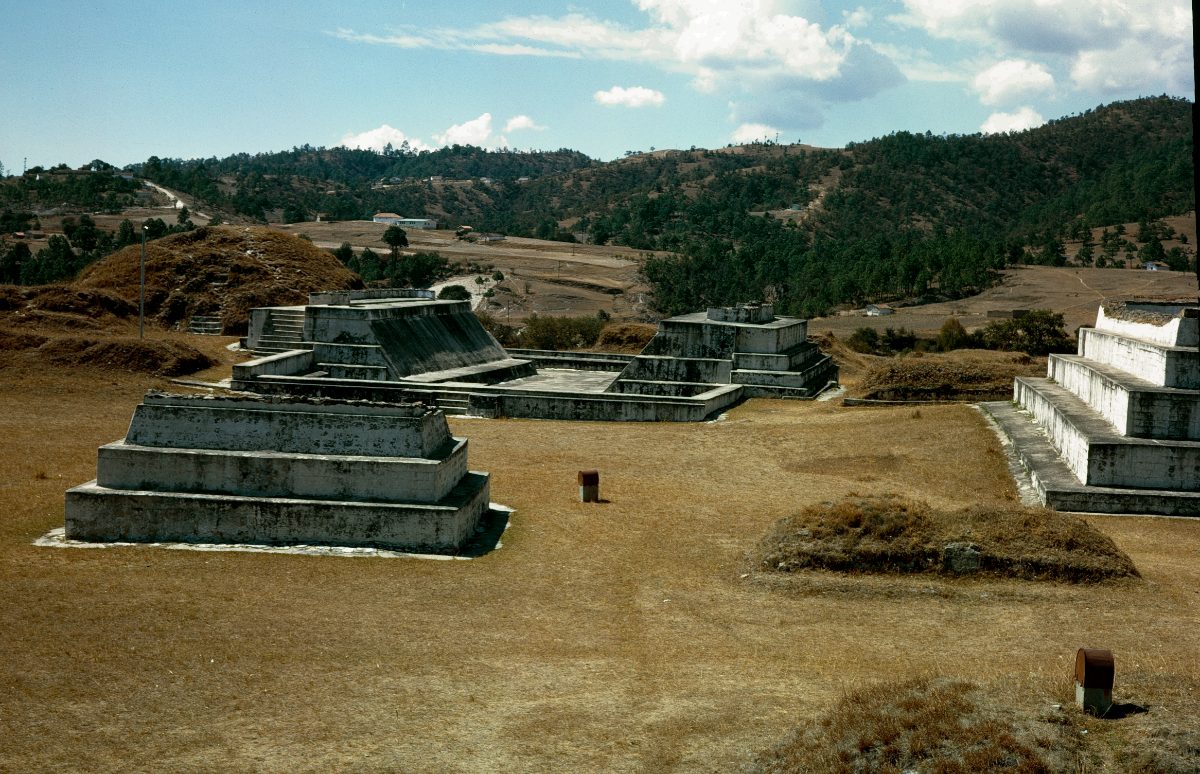
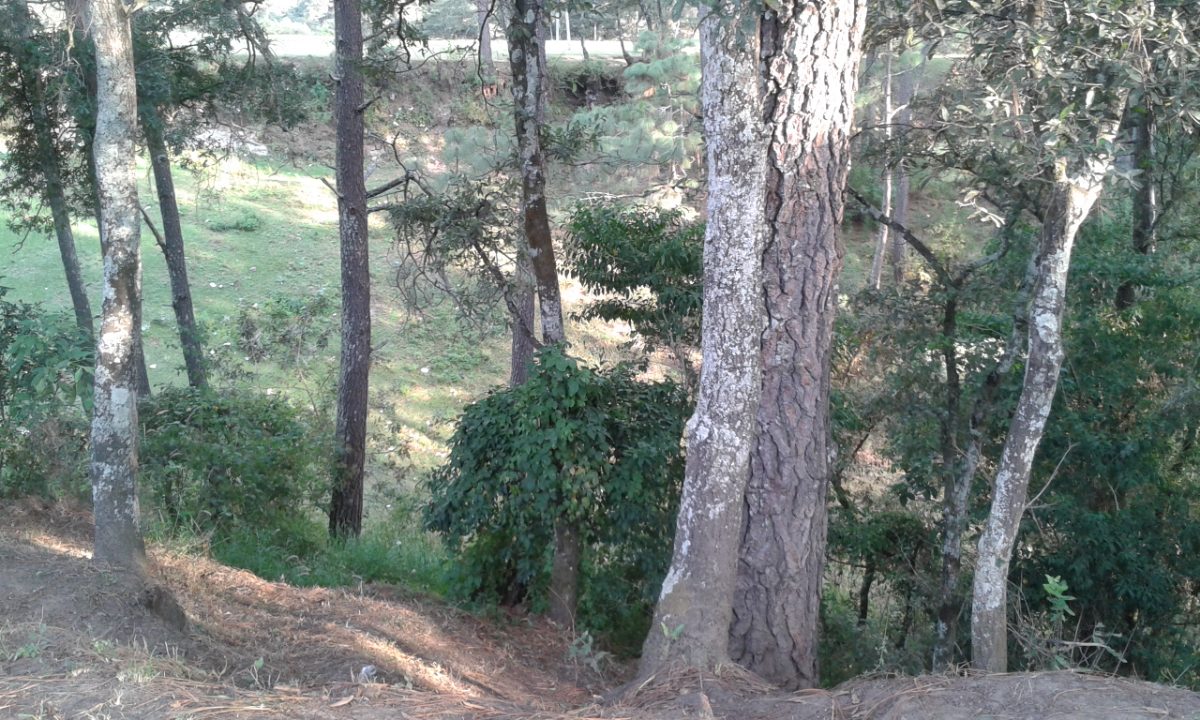
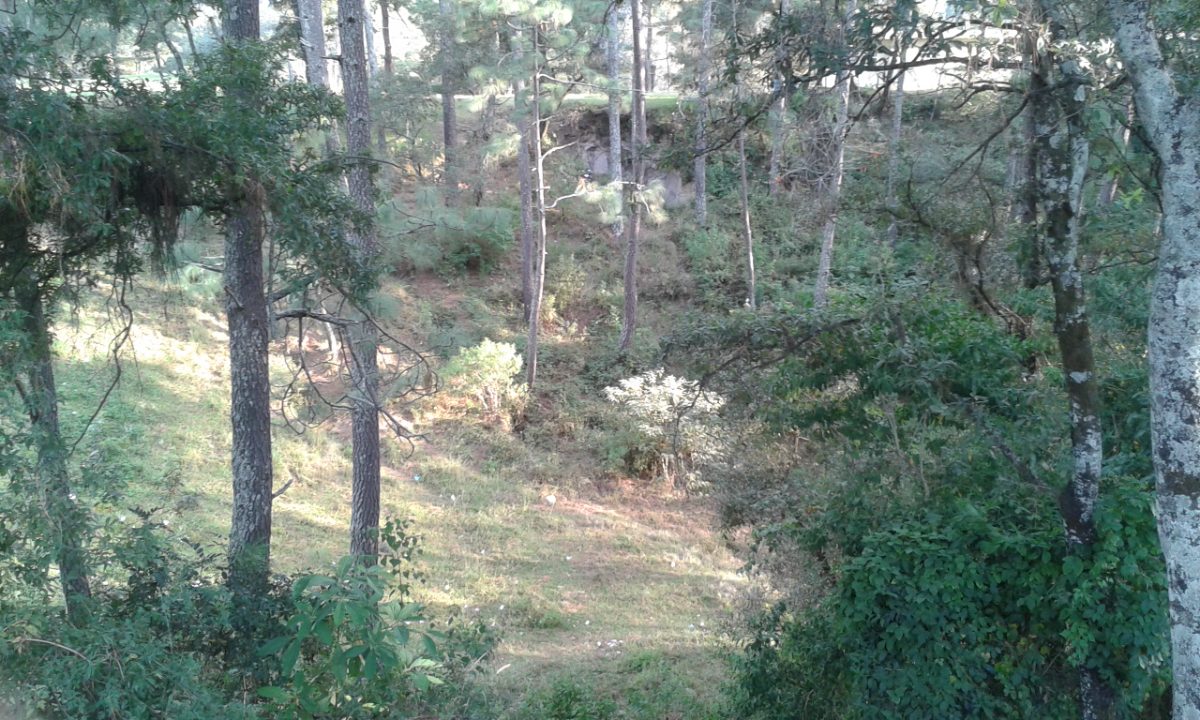
The site occupies a natural plateau bounded by deep ravines carved by two rivers, leaving only a narrow approach vulnerable to attack, a defensive advantage its Mam builders clearly understood and reinforced further with constructed walls and fortifications during the city’s final centuries of use.
The surrounding highland terrain also meant Zaculeu’s farmers cultivated different staple varieties adapted to cooler temperatures and higher elevations than their lowland counterparts, part of a broader pattern in which Guatemala’s highland Maya kingdoms developed agricultural and architectural traditions distinct from, though clearly related to, the lowland Classic civilizations further north.
Access to the site required crossing one of the surrounding rivers or navigating the narrow neck of land connecting the plateau to the wider highland landscape, a geography that made Zaculeu naturally resistant to the kind of surprise attack that could quickly overwhelm a more exposed lowland settlement lacking comparable natural barriers.
Modern Huehuetenango, the regional capital that has grown up nearby, sits at a comparable elevation and continues many of the agricultural traditions, including maize, beans, and highland vegetable cultivation, that sustained Zaculeu’s population across the centuries the city functioned as a political and religious center for the surrounding Mam territory.
Capital of the Mam Kingdom
Zaculeu served as the political capital of the Mam, one of several distinct Maya peoples inhabiting Guatemala’s western highlands alongside the K’iche’, Kaqchikel, and others. Unlike the sprawling lowland kingdoms of the Classic period, highland Maya polities like the Mam kingdom were smaller in scale but no less fiercely independent, frequently locked in conflict with neighboring highland states.
By the Postclassic period, roughly the thirteenth through early sixteenth centuries, Zaculeu had become the Mam’s principal stronghold, a fortified seat of power built to withstand the near-constant threat posed by the expansionist K’iche’ kingdom centered at Q’umarkaj, further south.
Conflict between highland Maya kingdoms was frequent enough that alliance-building and fortification became central features of highland political life, a pattern quite different from the more centralized dynastic rivalries documented among lowland cities like Tikal and Calakmul, where a smaller number of dominant powers competed across a much larger territory.
The K’iche’ kingdom centered at Q’umarkaj, sometimes called Utatlan in Spanish sources, represented the single greatest external threat to Mam independence in the century or so before Spanish contact, and much of Zaculeu’s late Postclassic fortification effort appears to have been aimed specifically at deterring K’iche’ expansion into Mam territory rather than any single external enemy.
Highland Maya kingdoms like the Mam operated through a system of shifting alliances and periodic warfare that in some ways resembled the political dynamics documented among lowland cities such as Caracol and Tikal, though scaled to a more compact geography where rival capitals often sat within a few days’ march of one another rather than separated by the vast distances typical of the Classic period lowlands.
Surviving colonial and later ethnohistorical sources suggest the Mam kingdom itself was not always a single unified polity but rather a loose confederation of related communities that could act together under pressure from external threats, a political structure that helps explain both Zaculeu’s role as a central rallying point and the relatively quick collapse of organized resistance once the capital itself fell to Alvarado’s forces.
What Does the Name Zaculeu Mean?
Zaculeu derives from a K’iche’an-language phrase generally translated as ‘white earth,’ likely a reference either to the pale limestone soil of the site or to the bright white plaster that once coated its temples and palaces, visible from a considerable distance across the surrounding highland valley.
The Mam themselves may well have used a different name for their own capital, since Zaculeu, like many Guatemalan place names recorded by Spanish chroniclers, reached written history through K’iche’ or Nahuatl-speaking intermediaries who accompanied the conquistadors as translators and allies rather than through direct Mam-language documentation.
Similar naming patterns, where a site’s most familiar name comes from a neighboring or rival language rather than its own inhabitants’ speech, appear elsewhere across the Maya world, complicating efforts to reconstruct exactly what any given city’s original founders actually called their own home.
Modern scholars have proposed alternate readings of the site’s original Mam name based on comparative linguistic work, though none has displaced Zaculeu as the standard term used in archaeological literature, tourism materials, and the modern town that has grown up around the ruins themselves.
Place names throughout the Guatemalan highlands frequently carry this layered linguistic history, with K’iche’, Mam, Kaqchikel, and Spanish contributions sometimes blending within a single toponym, reflecting centuries of contact, conflict, and coexistence among the region’s distinct but related Maya-speaking peoples.
This layered naming history is one small reason historians caution against treating any single colonial-era source as a straightforward, unbiased window into pre-Columbian Maya culture, since even something as basic as a city’s name often passed through multiple languages and political agendas before reaching the written record we rely on today.
Temples Behind Ravines
The site’s core includes several temple-pyramids, a ballcourt, and associated plazas, modest in scale compared to giants like Tikal’s Temple IV but notable for their defensive placement and their distinctly highland construction style, using stone and plaster suited to the region’s cooler, wetter climate.
Structures were built and rebuilt repeatedly across the Postclassic period, with later Mam rulers expanding fortifications as pressure from rival highland kingdoms intensified, transforming what may have begun as a more modest settlement into the defensible capital that Spanish forces eventually confronted.
Excavators recovered ceramic styles at Zaculeu showing both local highland traditions and imported influences from other Guatemalan regions, evidence that despite its relative isolation the Mam capital maintained active trade and cultural exchange with neighboring kingdoms even amid ongoing political rivalry.
The ballcourt at Zaculeu, though smaller than examples found at major lowland capitals, confirms that the ritual ballgame’s practice extended into the highland Maya world as well, connecting Mam religious and political life to a shared Mesoamerican tradition practiced from central Mexico down through Guatemala and beyond.
Construction sequences uncovered during excavation show Zaculeu’s builders repeatedly expanding and reinforcing existing structures rather than founding entirely new temple complexes, a pattern consistent with a capital under sustained pressure to strengthen its defenses rather than one enjoying the kind of stable peace that might have encouraged more ambitious new monumental projects.
Later phases of construction at Zaculeu also incorporated defensive features directly into ceremonial architecture, blurring the line between religious and military infrastructure in a way that reflects just how central the threat of conflict had become to daily political life in the Mam capital’s final century of independence.
What Language Do the Mam Speak?
The Mam language belongs to the Mamean branch of the Mayan language family, distinct from but related to K’iche’ and Kaqchikel spoken by neighboring highland groups. Mam remains a living, actively spoken language today, one of the most widely used Mayan languages in Guatemala, with speakers concentrated in the Huehuetenango region surrounding the ancient capital itself.
That continuity is significant. Unlike many Classic-period lowland languages, whose descendants can be harder to pin down precisely, Mam speakers today maintain a direct, unbroken linguistic connection to the population that built and defended Zaculeu five centuries ago, offering scholars a living resource for understanding highland Maya culture that lowland archaeology often lacks.
Linguists estimate several hundred thousand Mam speakers remain active in Guatemala today, along with smaller diaspora communities in Mexico and the United States, making Mam one of the more resilient Mayan languages despite centuries of pressure from Spanish colonial policy and, more recently, from Guatemala’s dominant national language.
Efforts to document and preserve Mam today include bilingual education programs in parts of Huehuetenango department, alongside broader Guatemalan initiatives recognizing the country’s twenty-plus living Mayan languages as an official part of national cultural heritage, a policy shift that came only after decades in which indigenous languages faced considerable institutional pressure to give way to Spanish.
The Siege of 1525
In 1525, Spanish forces under Gonzalo de Alvarado, brother of the conquistador Pedro de Alvarado who had already subdued the K’iche’ and Kaqchikel further south, marched into Mam territory to bring Zaculeu under Spanish control. The Mam king, remembered in Spanish accounts as Kaibil Balam, refused to submit without a fight.
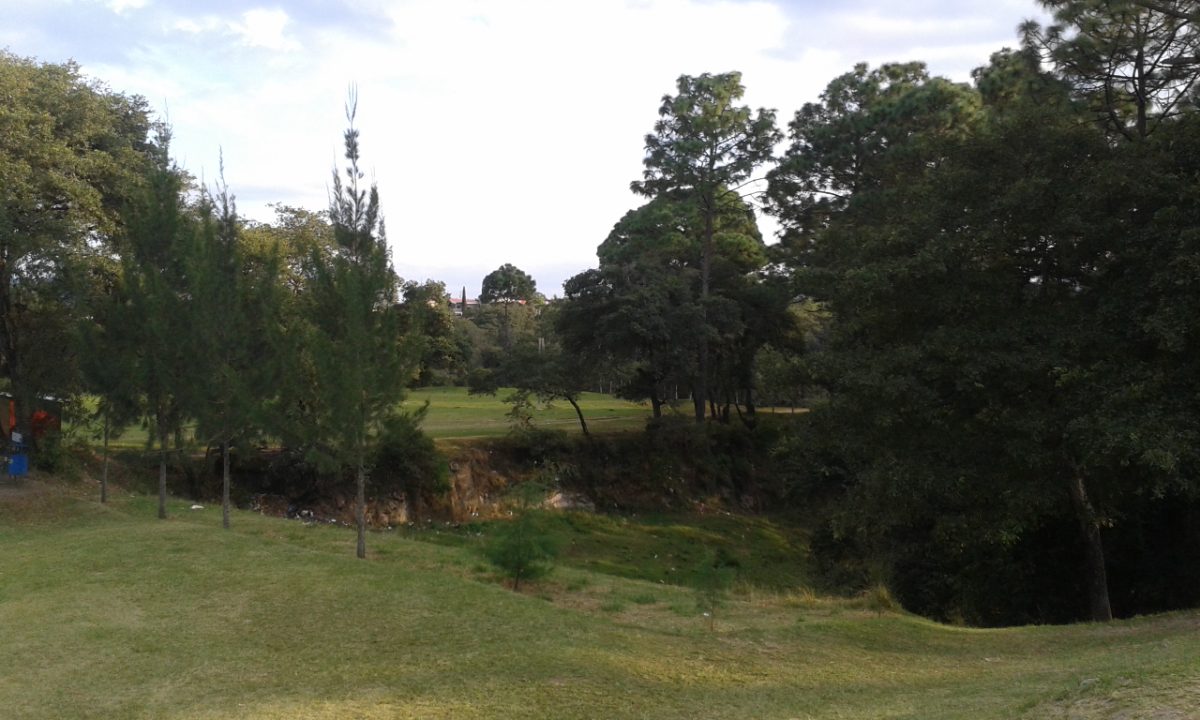
Zaculeu’s defenders retreated behind the city’s natural ravine defenses and constructed fortifications, using the terrain their ancestors had chosen specifically for its defensibility to hold off the better-armed Spanish and allied indigenous forces for an extended siege lasting several weeks.
Spanish accounts of the campaign describe repeated attempts to storm Zaculeu’s defenses directly, each repelled by defenders using the surrounding ravines to their advantage, forcing Alvarado’s forces to shift tactics toward a prolonged blockade rather than risk further costly frontal assaults against a well-defended highland stronghold.
Alvarado’s forces included substantial numbers of indigenous allies from already-conquered K’iche’ and Kaqchikel territory further south, a common feature of Spanish campaigns across Mesoamerica in which existing regional rivalries were leveraged to supply manpower against remaining independent kingdoms like the Mam.
Gonzalo de Alvarado’s campaign against Zaculeu followed closely on the heels of his brother Pedro’s better-documented conquest of the K’iche’ and Kaqchikel kingdoms further south, part of a broader Spanish push to bring the entire Guatemalan highlands under colonial control within just a few years of first contact with the region’s indigenous kingdoms.
Once the initial assaults failed, Spanish forces reportedly established a fortified camp within sight of Zaculeu, maintaining the blockade over multiple weeks despite the logistical challenges of supplying their own troops in unfamiliar highland terrain far from established colonial supply lines further south.
Starvation and Surrender
Unable to break through Zaculeu’s defenses by direct assault, the Spanish forces settled in for a siege, cutting off food supplies to the fortified capital. Spanish chronicles describe conditions inside the city deteriorating badly as stored provisions ran out, with defenders and civilians alike facing severe starvation rather than battlefield casualties as the siege dragged on.
Kaibil Balam eventually surrendered, reportedly leading a starving population out from behind Zaculeu’s defenses rather than watch them die slowly of hunger, a version of events remembered in both Spanish colonial records and later Guatemalan historical memory as a defeat brought on by attrition rather than by conquest in open battle.
Guatemalan historical memory has treated the siege of Zaculeu with a certain ambivalence, honoring Kaibil Balam’s resistance while also recognizing the surrender’s tragic circumstances, a nuance that distinguishes this episode from simpler narratives of either total conquest or total resistance found in accounts of other Spanish campaigns across the Americas.
Some later accounts embellished details of the siege for dramatic or political effect, a common feature of colonial-era conquest narratives generally, meaning modern historians treat the precise numbers and specific events described in Spanish chronicles with appropriate caution even while accepting the broader outline of a prolonged siege ending in starvation-driven surrender.
Estimates of the besieged population’s size vary considerably across different colonial sources, with some accounts describing several thousand people sheltering within Zaculeu’s fortifications by the siege’s final weeks, though the exact figures are difficult to verify given the limitations and biases inherent in Spanish conquest-era record keeping.
A White Plaster Restoration
Zaculeu remained a ruin for centuries after the Mam surrender, until the University of Pennsylvania Museum, with funding partly from the United Fruit Company, conducted major excavations between 1946 and 1950 under archaeologists Richard Woodbury and A. Ledyard Smith.
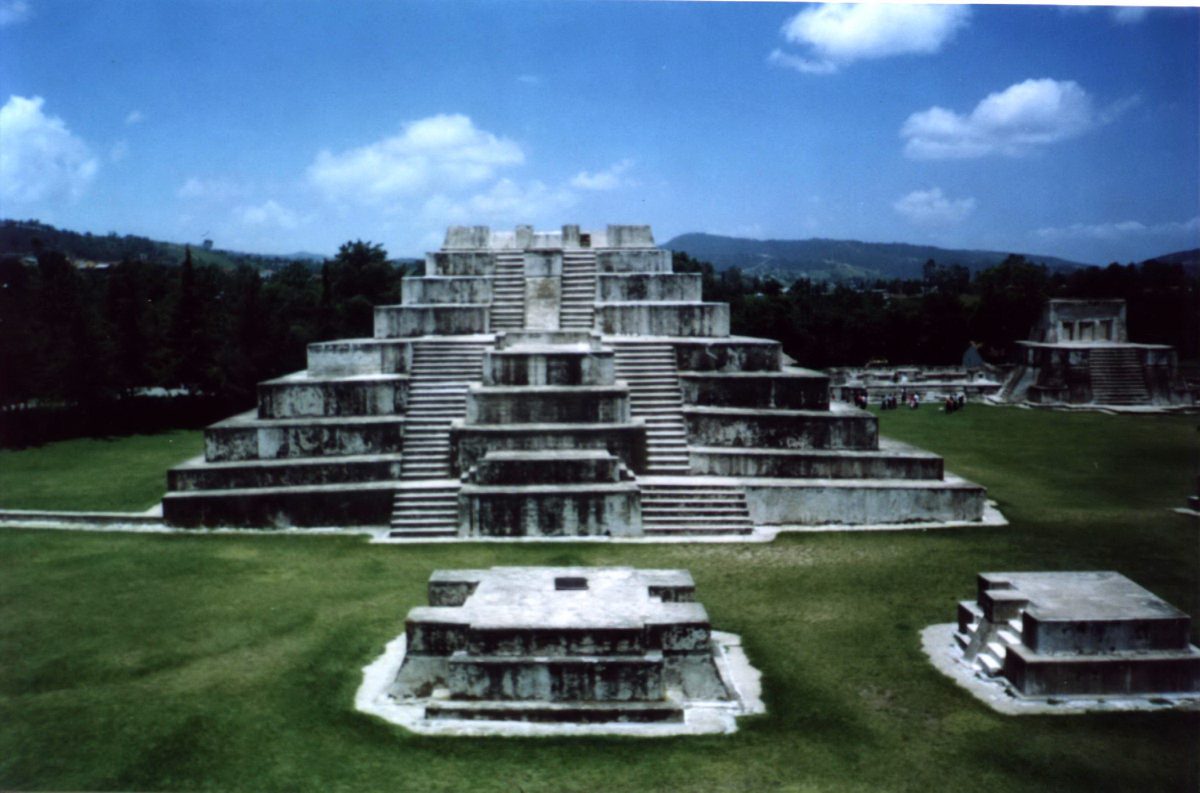
That project reconstructed several of the site’s temples with a smooth white plaster coating intended to approximate their original ancient appearance, a restoration choice that, much like the concrete work at Tazumal in neighboring El Salvador, has drawn both praise for visual clarity and criticism from later archaeologists concerned about authenticity and reversibility.
United Fruit Company involvement in funding the excavation reflects a broader pattern common across mid-twentieth-century Central American archaeology, in which commercial interests with extensive regional landholdings sometimes underwrote scientific projects, a relationship modern scholars view with considerably more scrutiny than was typical at the time.
Photographs taken before the 1940s restoration show Zaculeu’s temples as eroded earthen mounds barely distinguishable from natural hills, a stark visual contrast to the crisp white structures visitors encounter today, illustrating just how dramatically archaeological reconstruction can reshape public perception of an ancient site’s original appearance.
Debate over the ethics and methodology of that restoration continues among Guatemalan heritage professionals today, with some arguing the reconstructed white temples offer valuable public education value by making the site’s original scale and grandeur immediately legible to visitors, while others maintain that less invasive stabilization would have better preserved the archaeological integrity of the original construction materials.
Religion and Highland Maya Life
Highland Maya religious practice at sites like Zaculeu blended ancestor veneration, calendar-based ritual, and deity worship broadly consistent with wider Maya tradition, though shaped by the specific political anxieties of a frontier kingdom surrounded by rivals. Temple orientations and cached offerings recovered during excavation point to ceremonies tied closely to both agricultural cycles and, plausibly, to rituals meant to secure divine favor against military threats.
Modern Mam communities in the Huehuetenango region maintain elements of traditional highland Maya spiritual practice alongside Catholicism introduced during the colonial period, a blending, sometimes called Maya-Catholic syncretism, documented widely across Guatemala’s highland indigenous communities and visible today in local festivals held not far from Zaculeu’s restored plazas.
Cached offerings recovered near temple foundations included ceramic vessels, worked jade, and other items consistent with dedication rituals performed during construction, a practice documented widely across Mesoamerica in which builders symbolically consecrated a structure’s foundations before or during its physical construction.
Local fiestas held in and around modern Huehuetenango continue to incorporate elements with deep roots in pre-Columbian highland Maya calendar traditions, even as they are formally organized around the Catholic saints’ feast days introduced by Spanish missionaries, a living example of the syncretism that has defined highland Guatemalan religious practice for five centuries.
Cofradía organizations, religious brotherhoods that emerged during the colonial period to manage local saints’ cults, remain active in many highland Guatemalan towns today, including communities near Zaculeu, functioning as one of the clearest institutional threads connecting the region’s pre-Columbian ceremonial traditions to its present-day religious and social life.
Excavation and Visiting Zaculeu Today
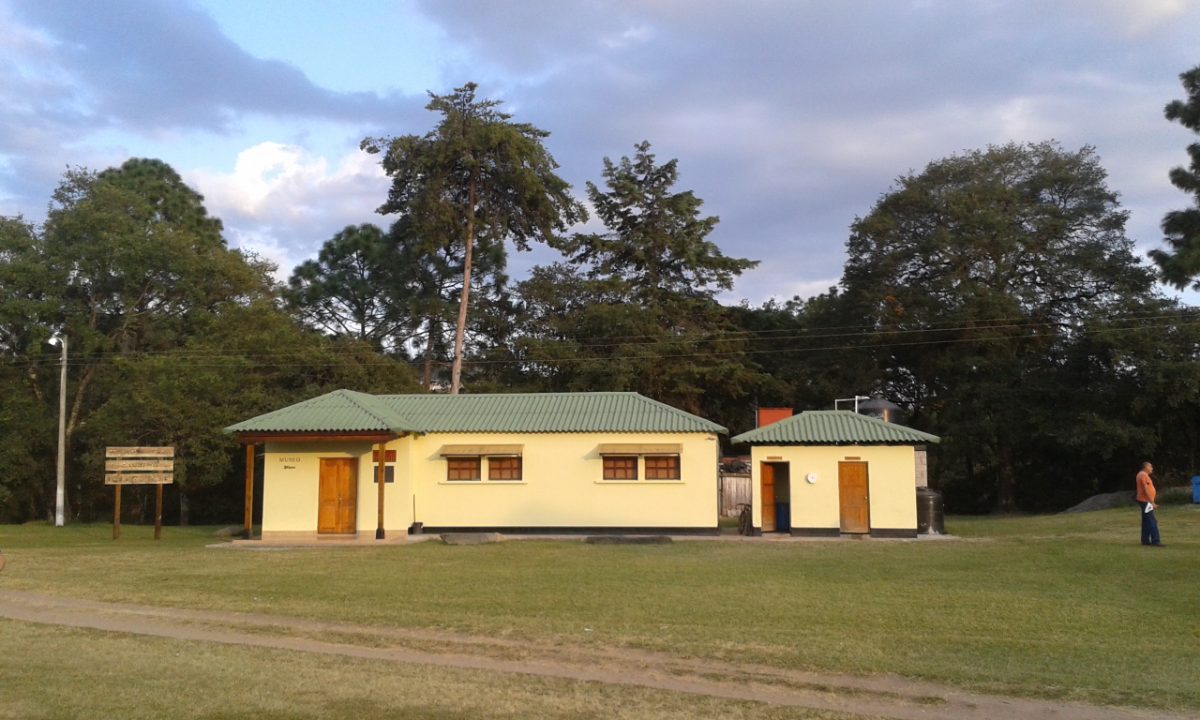
The Woodbury and Smith excavations produced one of the most detailed archaeological records available for any Guatemalan highland Maya site, and their findings, along with recovered artifacts, are displayed in an on-site museum that draws considerably fewer visitors than Tikal despite the site’s historical significance.
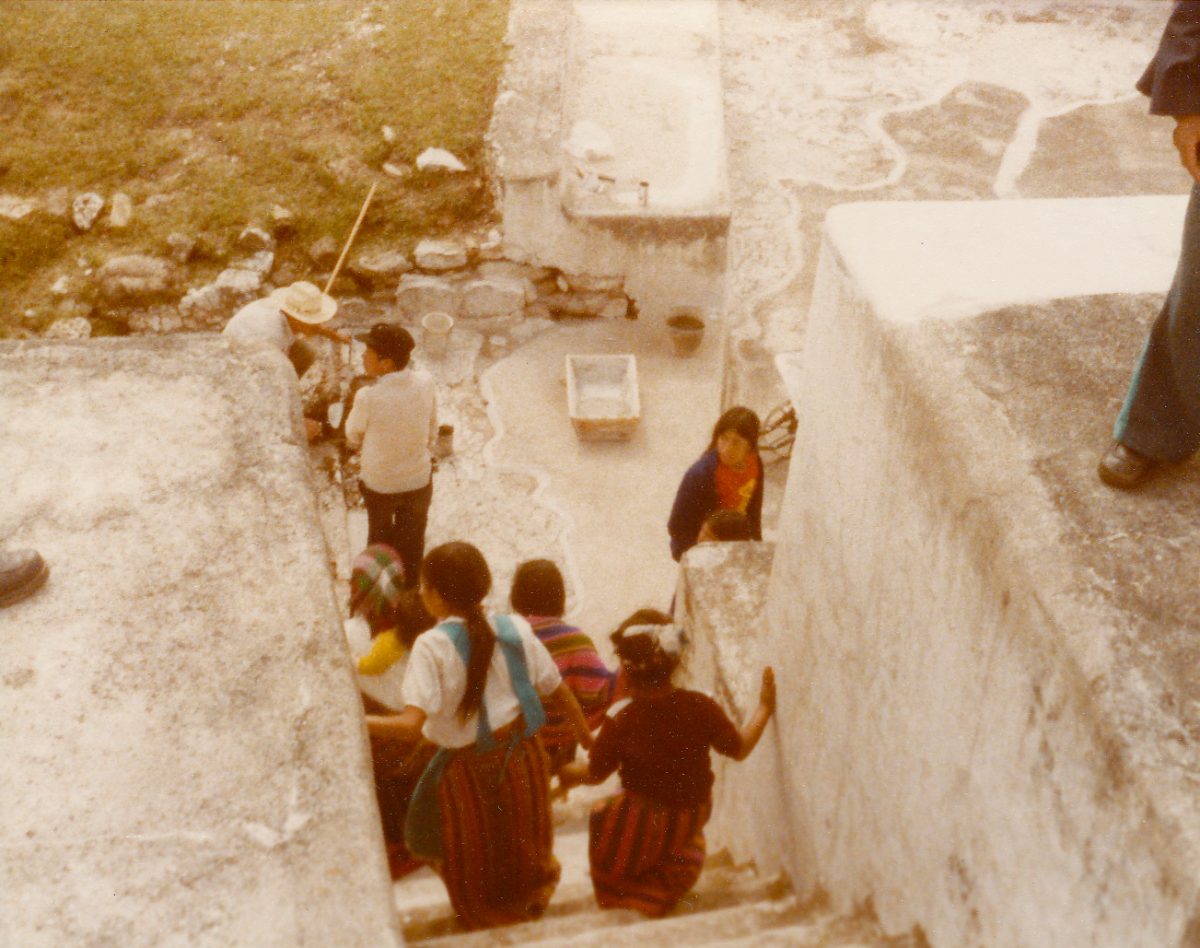
Located within easy reach of Huehuetenango, a regional hub in Guatemala’s western highlands, Zaculeu offers visitors a quieter, less crowded alternative to the country’s more famous lowland ruins, along with a direct physical connection to one of the more dramatic documented episodes of Spanish conquest in the Maya highlands.
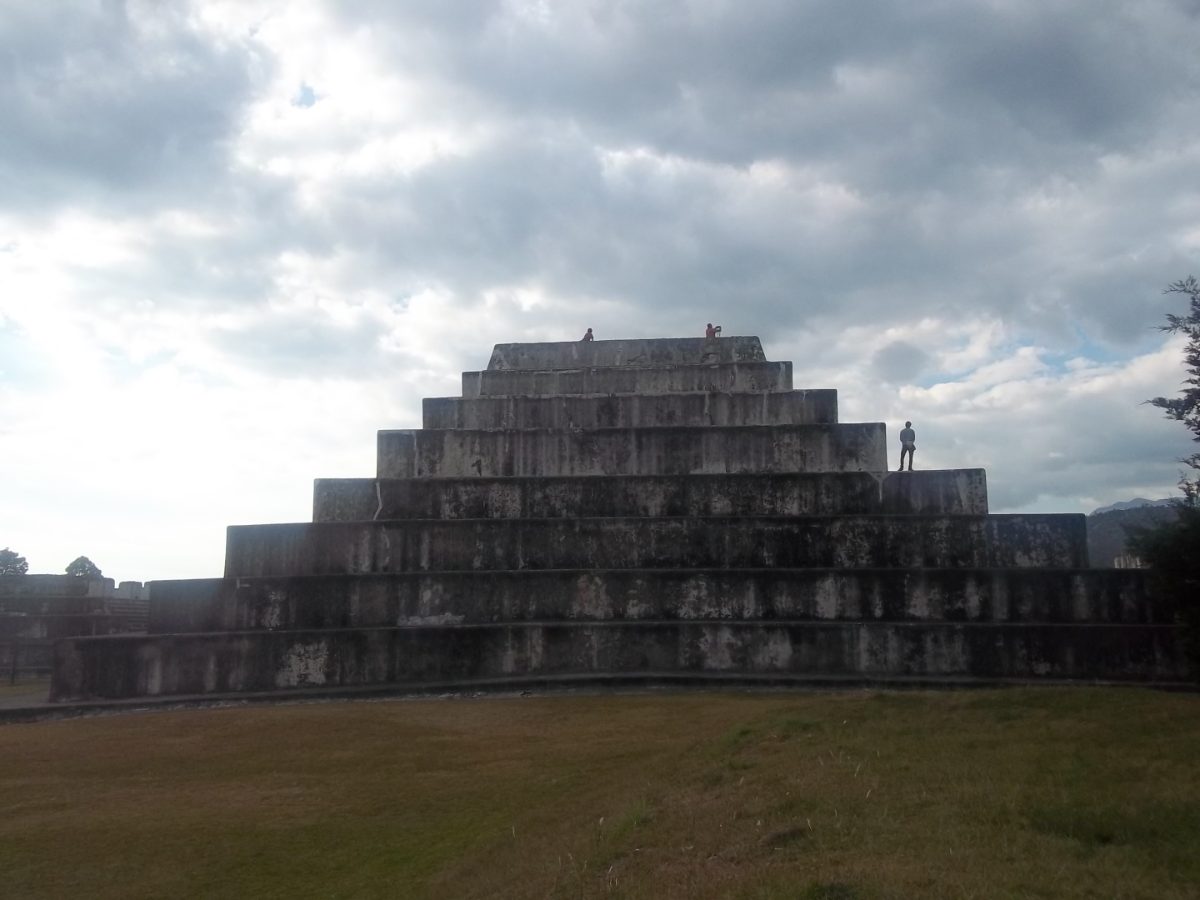
Comparisons between Zaculeu’s restoration and similar mid-century projects at other Guatemalan and Salvadoran sites have become a recurring case study in university archaeology courses examining how conservation philosophy has evolved, illustrating a broader shift away from reconstructive restoration toward more conservative, minimally invasive preservation techniques favored today.
The site museum displays ceramics, obsidian tools, and other artifacts recovered during the mid-century excavations, offering visitors context for the ruins beyond the restored temple facades alone, including material evidence of the trade connections and daily domestic life that supported Zaculeu’s role as a fortified highland capital.
For travelers exploring Guatemala’s western highlands, Zaculeu pairs naturally with visits to nearby indigenous textile markets and colonial-era churches in Huehuetenango itself, offering a fuller picture of a region where pre-Columbian Mam heritage, Spanish colonial history, and vibrant contemporary Maya culture all sit within a short distance of one another.
Nearby Places to Explore
Zaculeu’s history connects it to other Maya cities covered elsewhere in this series.
- Tikal: The Maya Capital of Towering Jungle Temples
- Copan: The Maya City of Kings and Scribes
- Quirigua: The Vassal City That Beheaded Its Overlord’s King
Closing Thoughts
Zaculeu’s story stands apart from the Classic-period collapse narratives told at so many other Maya cities in this series. Its ravine-bound fortifications, its living Mam-speaking descendants, and its documented final siege in 1525 together sketch a highland Maya kingdom that fell not to drought or internal upheaval but to a determined foreign army willing to starve a city into submission.
That history, unusually well documented compared to most Postclassic highland sites, gives Zaculeu a place in the Maya story that is less about mystery and more about a directly recorded, painfully human end to Mam independence, still remembered by the descendants of the people who once defended these walls.
You May Like
Mafra, the Palace a King Built From a Vow