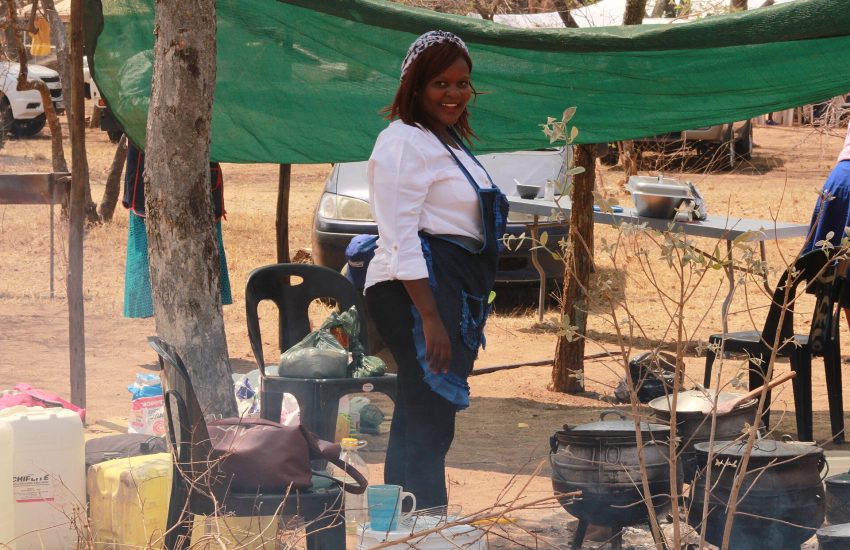
On the forested plateau of Chota Nagpur in eastern India live the Munda, one of the great tribal communities of the subcontinent and among its most ancient peoples. Speakers of the Austroasiatic Mundari language and heirs to a distinctive society of clan and village, they are best known to India as the people of Birsa Munda, the young leader whose rebellion against colonial dispossession made him a national hero.
From the sacred groves of their Sarna religion and the spring festival of Sarhul to the collective clan lands of the khuntkatti and the memorial megaliths raised over their dead, the Munda carry an ancient and cohesive Adivasi culture. This article traces their origins, language, homeland, society, religion, and traditions, and the story of a people whose defence of their land, under Birsa Munda, echoes through Indian history.
The Munda on Film
Contents
- Origins
- The Name
- The Language
- The Homeland
- The Old Way of Life
- Society and Community
- Religion and Belief
- Traditions
- Crafts
- Food
- Festivals
- History
- Today
Origins

The Name

The Language

The Homeland
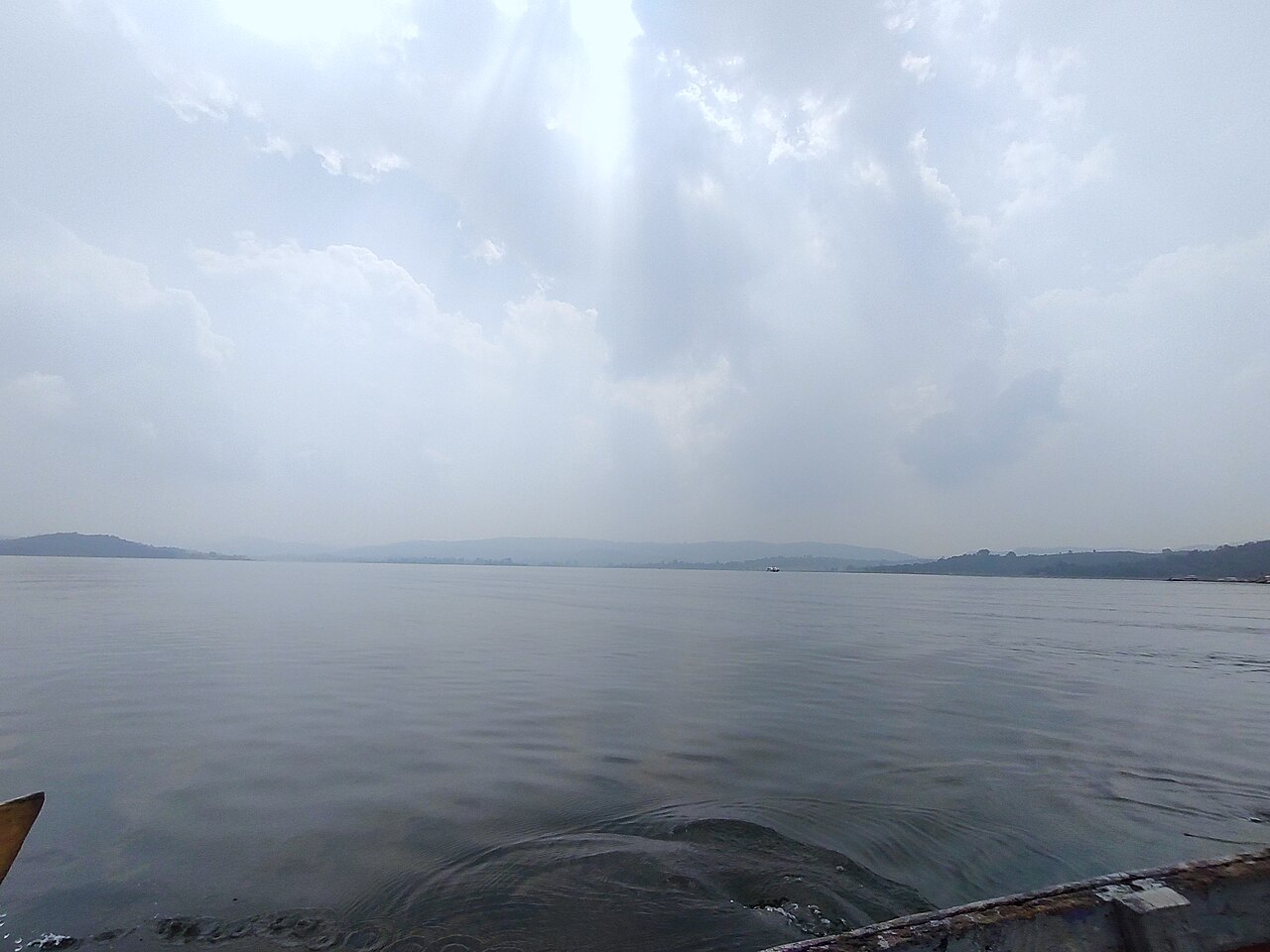
The Old Way of Life

Society and Community
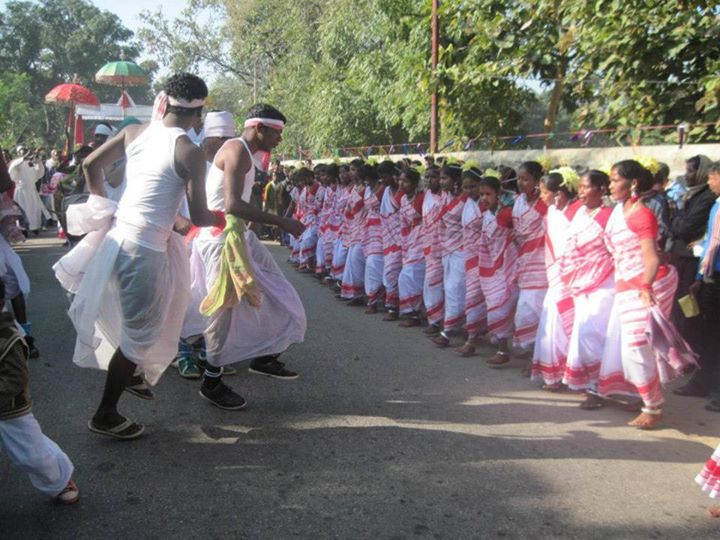
Religion and Belief

Traditions

Crafts

Food
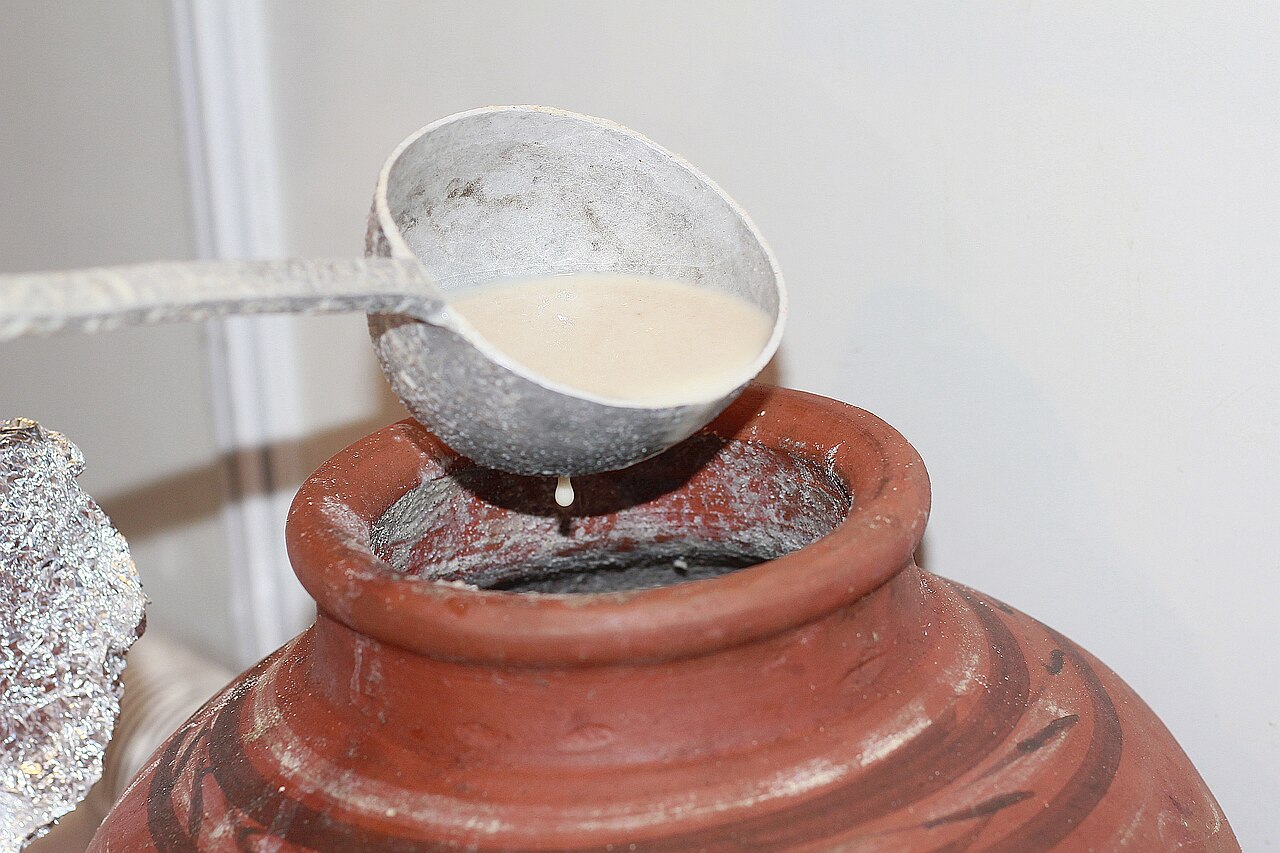
Festivals

History

Today

Related Peoples of the Region
More Peoples of the World
You May Like
The Damara, an Ancient People of Namibia