Among the many temples of ancient Egypt, few are as sacred, or as beautiful, as Abydos. For thousands of years this was the holiest cult centre of Osiris, the god of the dead and of resurrection, and the place every devout Egyptian hoped to be buried or at least to visit on pilgrimage.
At the heart of Abydos stands the temple of the pharaoh Seti I, whose delicately carved reliefs are among the finest in all of Egypt. Behind it lies the mysterious Osireion, and on its walls the famous king list that helped modern scholars reconstruct the long line of the pharaohs.

Table of Contents
- The Holy City of Osiris
- Cult Centre of the God of the Dead
- The Temple of Seti I
- Exquisite Reliefs of the New Kingdom
- The Abydos King List
- The Mysterious Osireion
- Painted Ceilings and Sacred Art
- The Temple of Ramesses II
- The Early Royal Tombs
- Pilgrimage, Rediscovery, and Preservation
- Getting There
- Nearby Places
- Closing Thoughts
The Holy City of Osiris
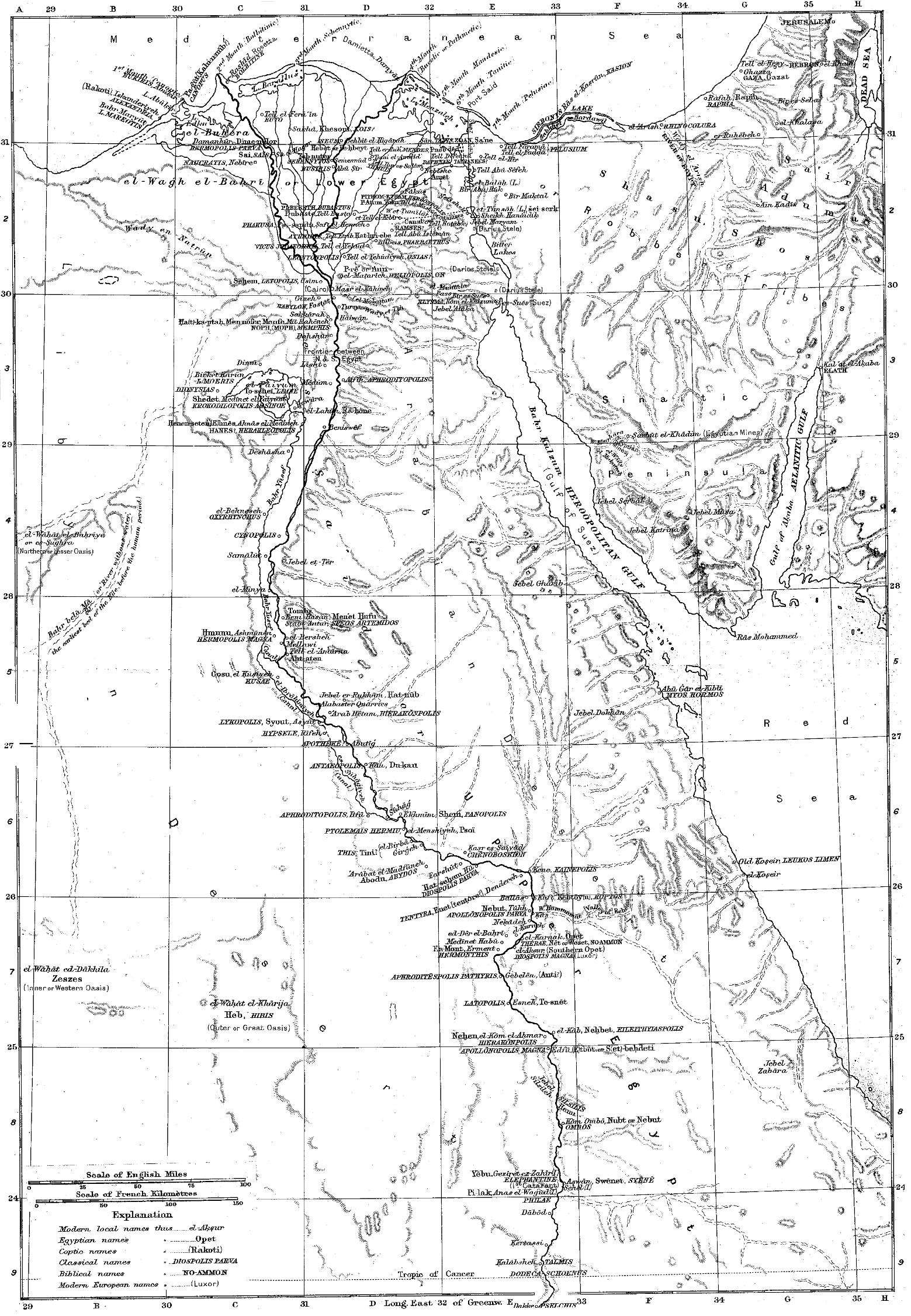
Abydos lies in southern Egypt, west of the Nile, and was one of the most important religious sites in the ancient world. Its sanctity reached back to the very earliest periods of Egyptian history.
Because it was believed to be the burial place of Osiris himself, Abydos became a place of pilgrimage for people from across Egypt, all hoping to share in the god’s promise of life after death.
Cult Centre of the God of the Dead
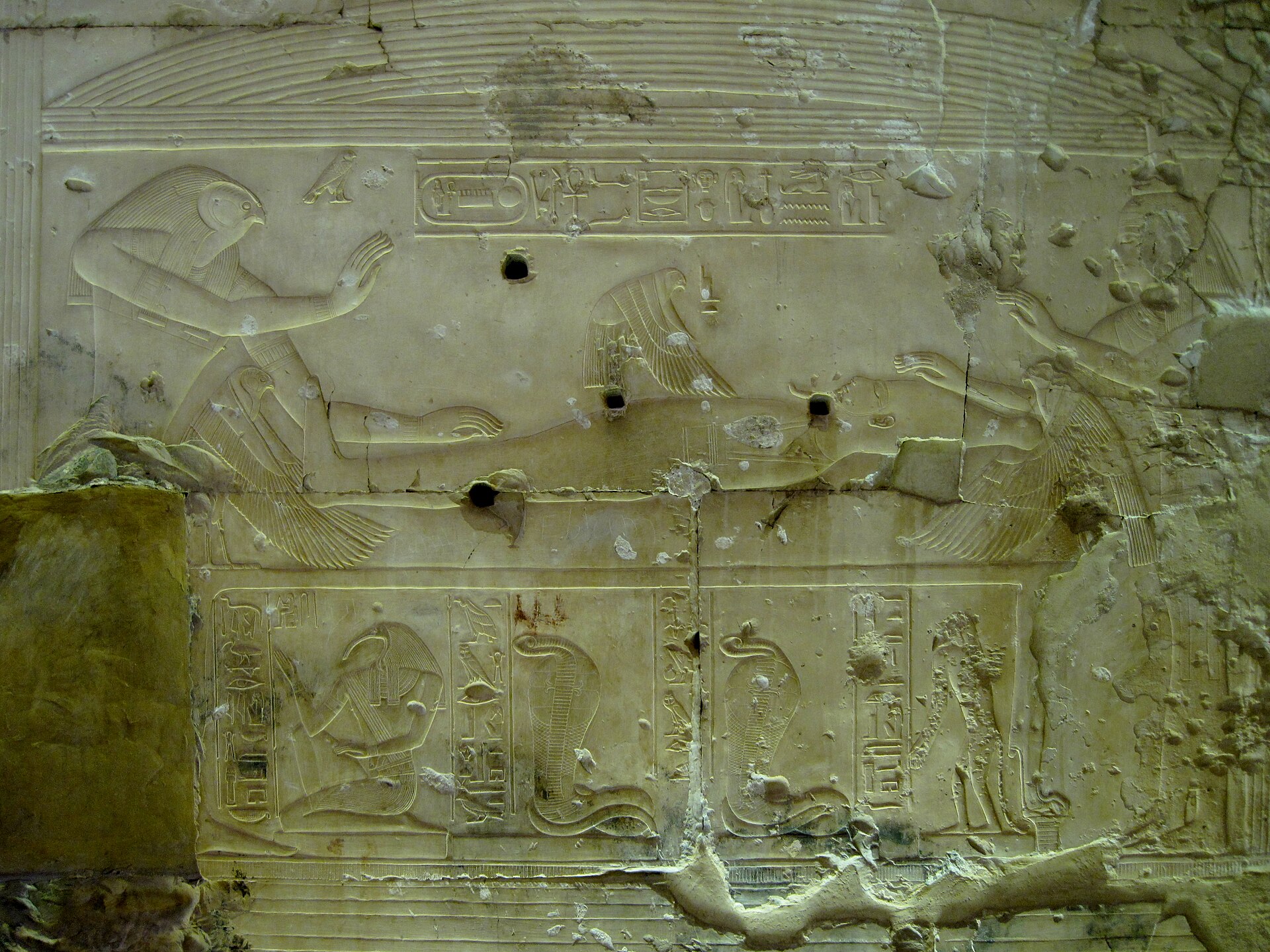
Osiris was the god who died and was reborn, ruler of the underworld and judge of the dead. His myth, of murder, mourning and resurrection, lay at the heart of Egyptian religion and the hope of eternal life.
Abydos was the focus of his cult. Egyptians brought offerings, set up memorial stones, and took part in great festivals re-enacting the death and rebirth of the god, making the city a spiritual centre for the whole nation.
The Temple of Seti I
The greatest surviving monument at Abydos is the temple built by the pharaoh Seti I in the thirteenth century BC, and completed by his son Ramesses II. Unusually, it is dedicated to several gods at once, with seven sanctuaries.
Built of fine limestone, the temple is famous for the quality of its preservation and its decoration. Passing through its halls, the visitor moves through some of the most exquisite sacred spaces the ancient world produced.

Exquisite Reliefs of the New Kingdom
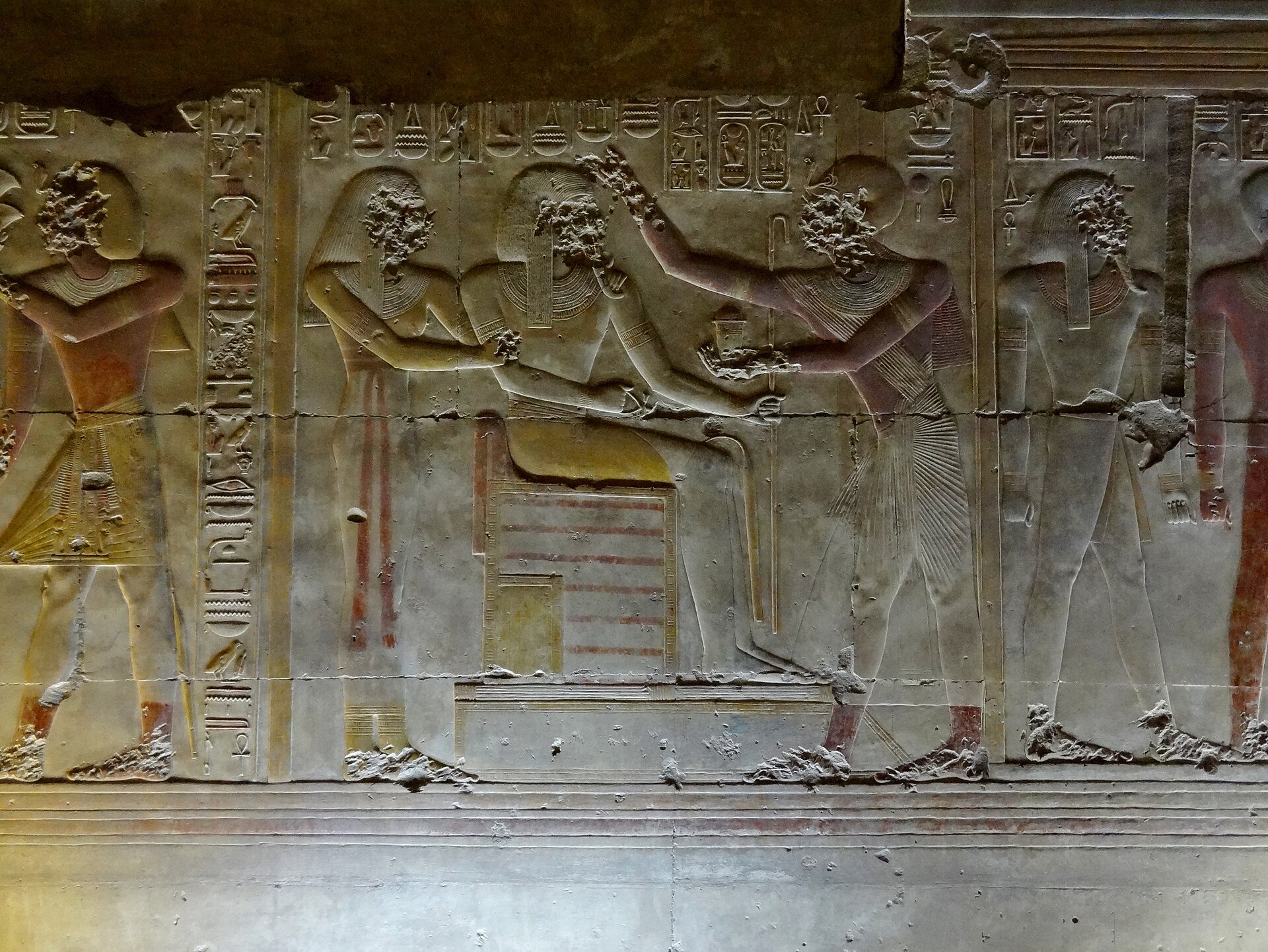
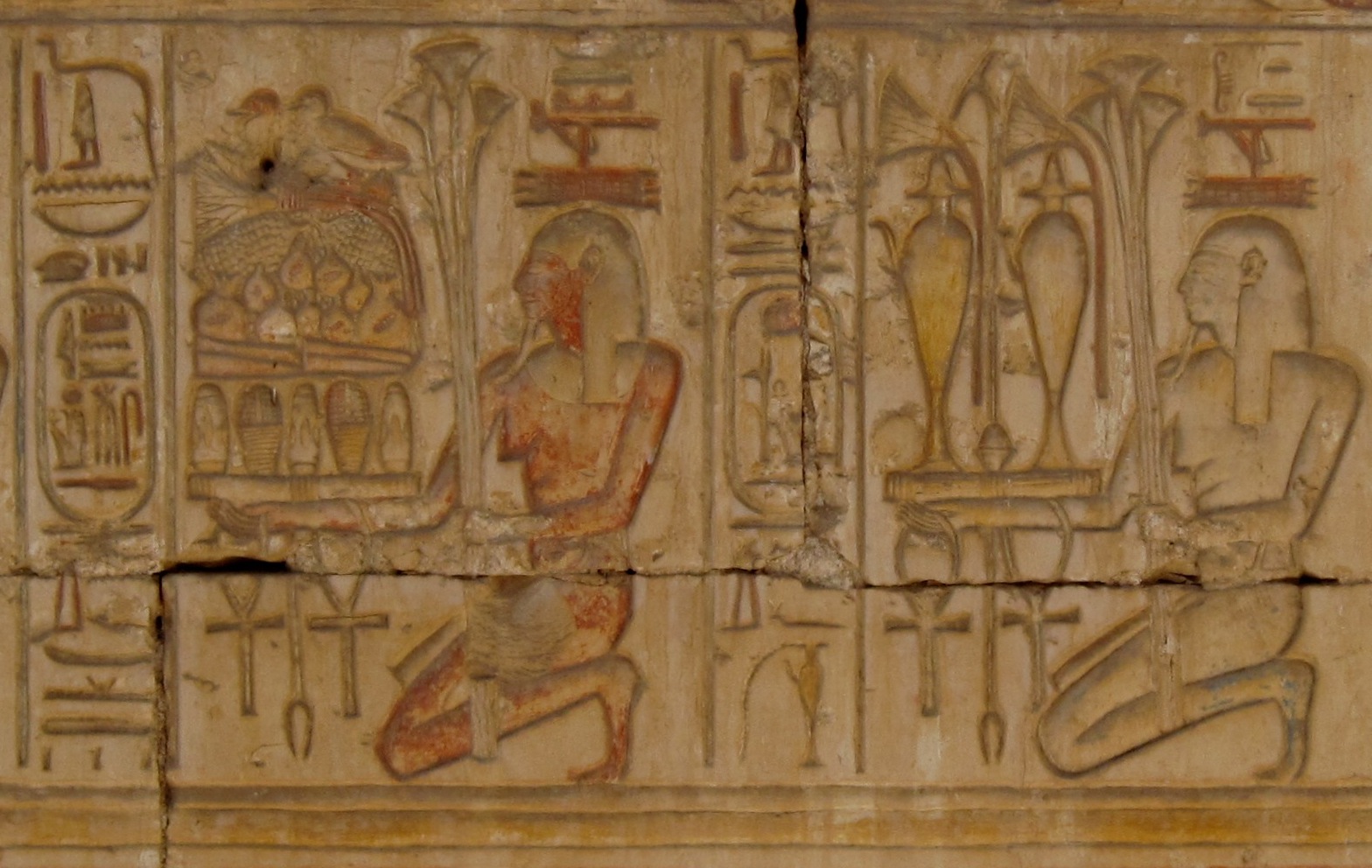
The temple of Seti I is celebrated above all for its reliefs. Carved in delicate raised relief and still bearing much of their original colour, they show the king making offerings and worshipping the gods with extraordinary grace.
The refinement of the carving, the gentle modelling of faces and figures, marks a high point of ancient Egyptian art. Few other temples preserve work of such quality and beauty.
The Abydos King List
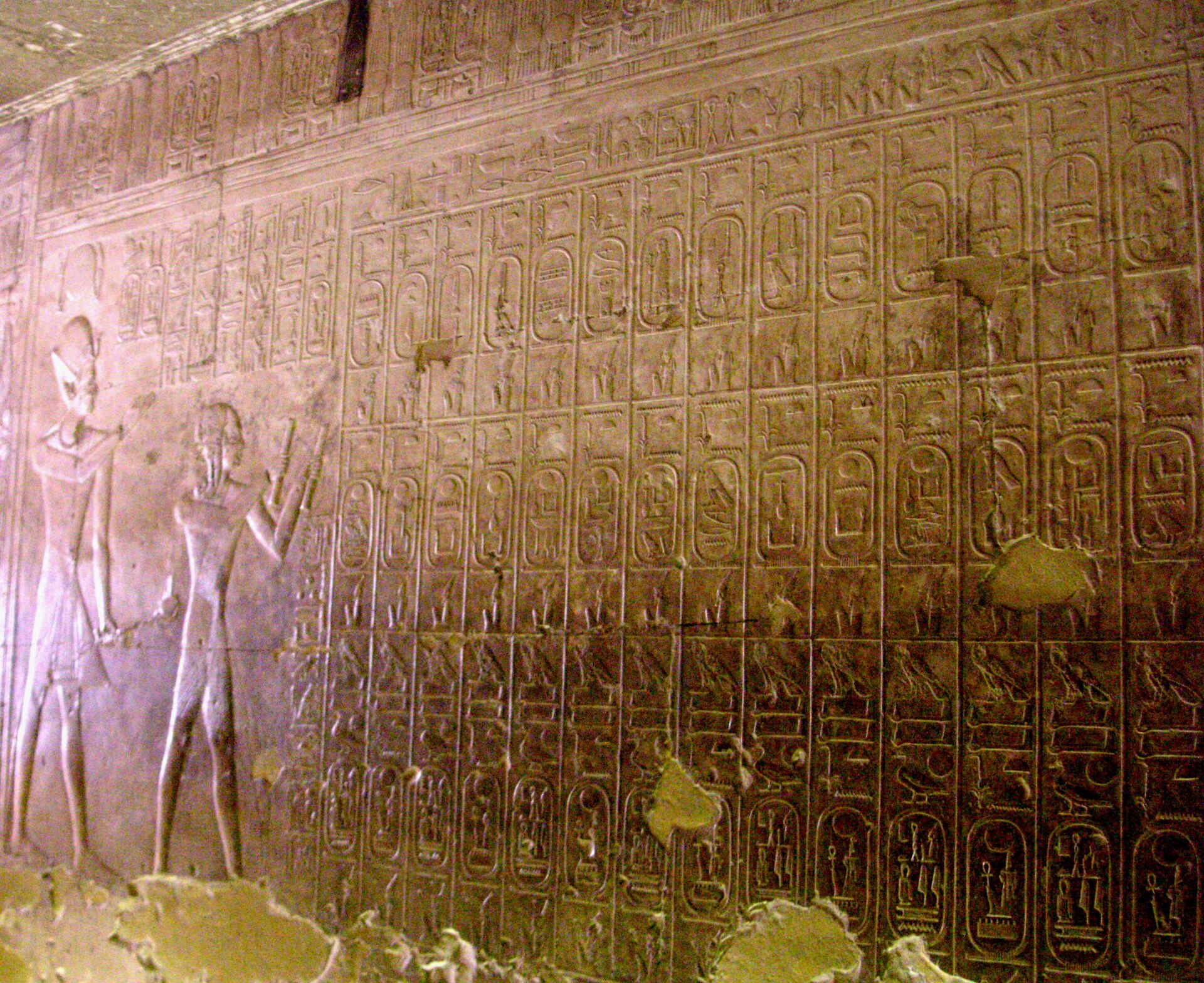
On one wall of the temple is carved the famous Abydos King List, showing Seti I and his young son honouring their royal ancestors. It names dozens of earlier pharaohs stretching back to the unification of Egypt.
This list has been invaluable to modern Egyptologists, helping to reconstruct the order of the kings across many centuries. It is one of the most important historical documents to survive from the ancient world.
The Mysterious Osireion
Behind the temple lies one of Egypt’s most enigmatic structures, the Osireion. Built of huge blocks of granite and sandstone, it was designed as a symbolic tomb of Osiris, with a central island once surrounded by water.
Its massive, austere architecture is unlike the delicate temple in front of it, and its purpose and exact date have long intrigued scholars. It was meant to evoke the mound of creation rising from the primeval waters.
Painted Ceilings and Sacred Art
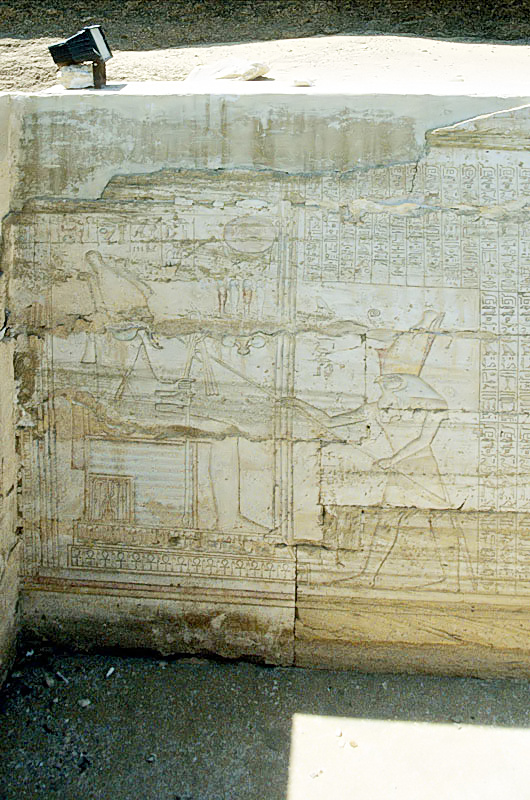
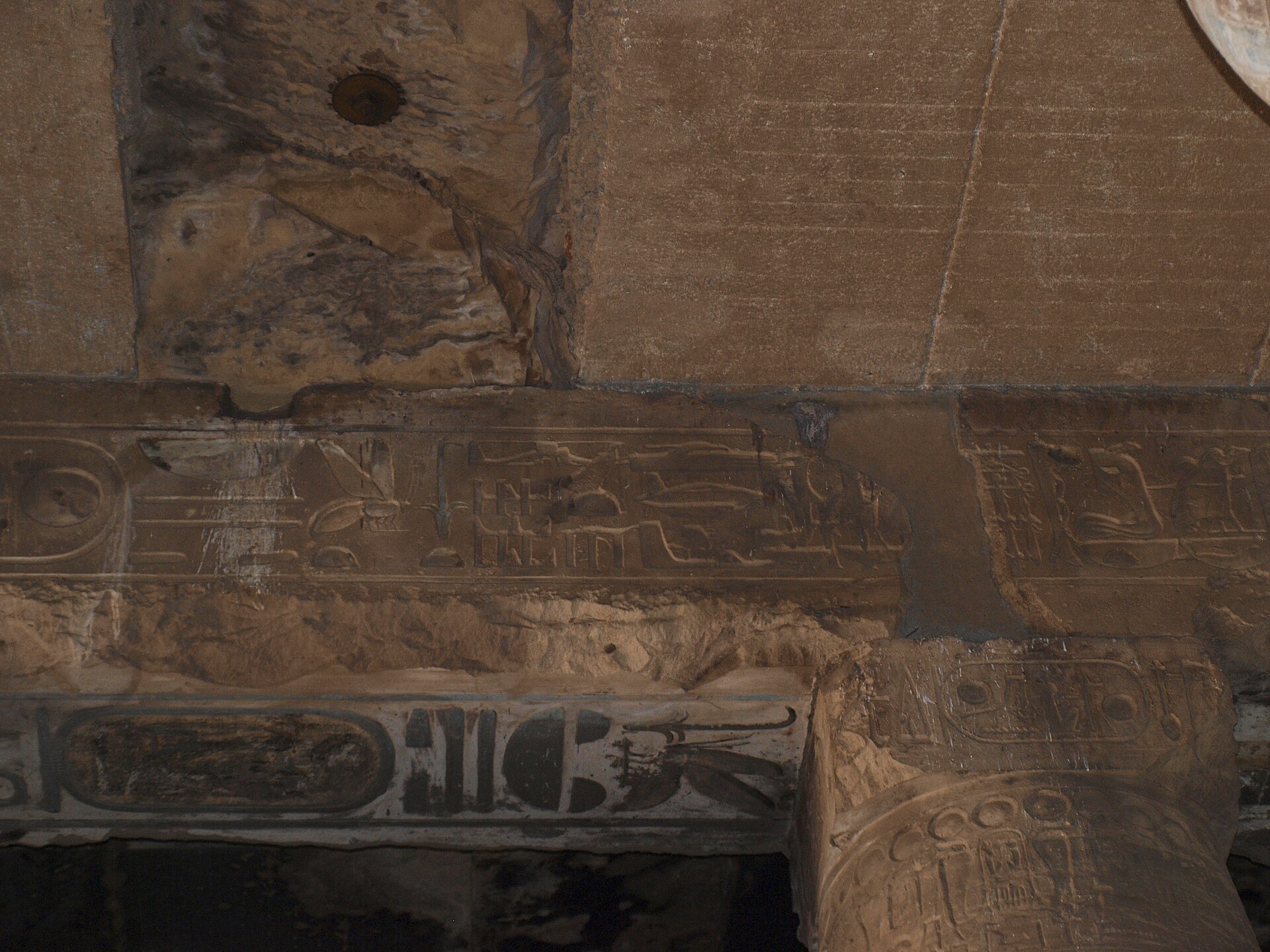
Throughout the temple, ceilings and walls preserve painted decoration, including hieroglyphic texts, star patterns and images of the gods. The colours, protected from the sun inside the temple, remain remarkably vivid.
These paintings turn the temple into a complete sacred environment, where architecture, carving and colour combine to represent the ordered cosmos of Egyptian belief.
The Temple of Ramesses II
A short distance from his father’s great temple, Ramesses II built his own temple at Abydos. Though more ruined, it retains fine reliefs and once boasted a rich decoration of its own.
Its presence shows the continuing importance of Abydos to the greatest pharaohs, who wished to associate themselves forever with the sacred city of Osiris.
The Early Royal Tombs
Long before these grand temples, Abydos was the burial place of Egypt’s very first kings. In the desert beyond the temples lies a field of ancient royal tombs from the dawn of Egyptian history.
It was probably because these earliest rulers were buried here that Abydos came to be linked with Osiris and the afterlife. One of these early tombs was later revered as the tomb of the god himself.
Pilgrimage, Rediscovery, and Preservation
For thousands of years pilgrims came to Abydos, leaving offerings and inscriptions. Even after the ancient religion faded, the site retained its aura, and it was studied and cleared by archaeologists from the nineteenth century onward.
Today the temple of Seti I is one of the highlights of any journey through southern Egypt, admired for its beauty and protected as part of the country’s rich heritage. Excavation in the surrounding desert continues.
Getting There
Abydos lies in Sohag Governorate in southern Egypt, near the modern town of El-Balyana, on the west side of the Nile. It is roughly midway between the cities of Luxor and Asyut.
Most visitors come on a day trip from Luxor, often combined with the temple of Dendera further south. The site is reached by road, and the temple of Seti I is the main focus of any visit.
Coordinates: 26.1852, 31.9192 — open Abydos in Google Maps.
Nearby Places
- Thebes — the great religious capital of the same New Kingdom pharaohs who built the temples of Abydos.
- Saqqara and Memphis — where the very first kings, some later honoured on the Abydos King List, were buried.
- Abu Simbel — another masterpiece of Seti I’s son Ramesses II, who completed the great temple at Abydos.
Closing Thoughts
Abydos is the spiritual heart of ancient Egypt, the holy city of Osiris where the promise of resurrection drew pilgrims for thousands of years, and where the pharaohs built temples of unmatched beauty.
In the exquisite reliefs of Seti I, the enigmatic Osireion and the great king list on its wall, Abydos unites art, mystery and history as few places can. It remains one of the most moving and beautiful of all Egypt’s sacred sites.
You May Like
Mafra, the Palace a King Built From a Vow


One thought on “Abydos: The Holy City of Osiris and the King List That Named the Pharaohs”