Where the great Volga rolls south through the forests and grasslands of the Russian plain, a city rose that became the meeting point of two worlds: Bolgar. Here, on the northern frontier of the medieval Islamic world, the Volga Bulgars built a wealthy metropolis of mosques, baths, and bazaars, grew rich on the fur trade and the silver of distant lands, and famously adopted Islam long before their Rus neighbors turned to Christianity. Bolgar was the place where the North first met Islam, a great trading city on the river road between the Baltic and the Caspian. In this article we will discover its story, from its rise on the Volga to the Mongol storm and its long afterlife as a monument of faith and memory.
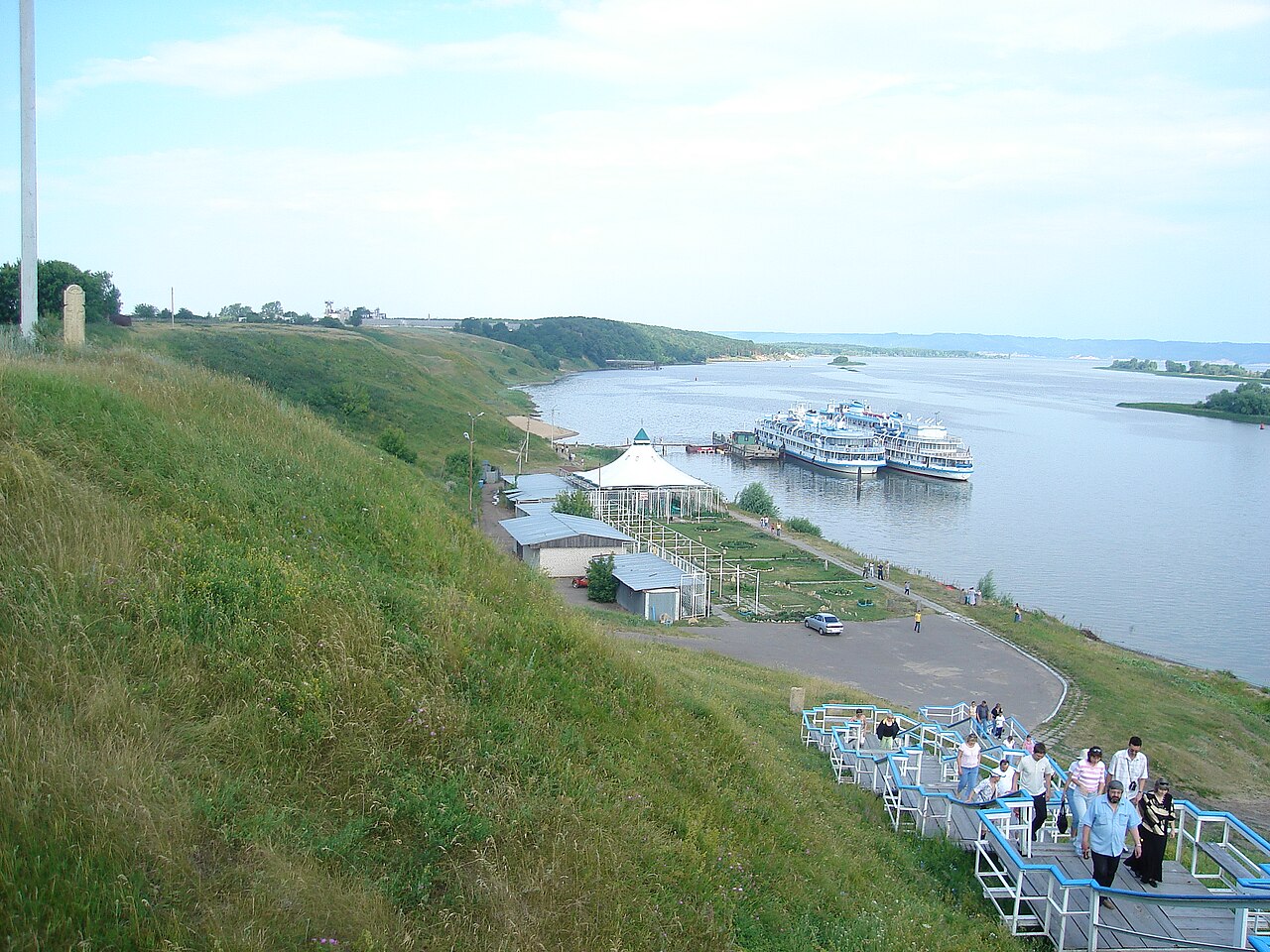
Table of Contents
- A State on the Volga
- The North’s Encounter with Islam
- Fur, Silver, and the Silk Road
- Mosques, Baths, and Bazaars
- The Sister City of Bilyar
- The Mongol Storm
- Rise and Abandonment
- The Islamic Metropolis of the North
- Daily Life in a Trade City
- Learning, Writing, and Faith
- The Rediscovery of the Ruins
- Nearby Places
A State on the Volga
The Volga Bulgars were a people who settled the middle Volga region and, over the centuries, built one of the most remarkable states of medieval Eastern Europe. At the heart of that state stood Bolgar, a city whose position on the great river made it a natural hub of power and trade.
The Bulgar state grew up at the crossroads where the forests of the north met the grasslands of the south, and where the Volga and its tributaries gathered the traffic of an enormous region. This position gave the Bulgars control over trade routes that reached from the Baltic to the Caspian and beyond.
From these advantages the Bulgars built a prosperous and sophisticated society, with towns, agriculture, and crafts, far removed from the stereotype of rootless nomads. Bolgar was its showpiece, a city that embodied the wealth and ambition of the state.
The rulers of Bolgar governed a diverse realm, drawing wealth from trade and tribute and maintaining relations with the powers that surrounded them, from the steppe nomads to the Rus principalities and the distant Islamic caliphate.
The strategic position of the city was the foundation of its greatness. Whoever controlled Bolgar controlled a vital node in the network of rivers and roads that carried goods across the heart of the continent.
The Bulgar state endured for centuries, weathering the shifting fortunes of the region and developing a distinctive culture that blended influences from the steppe, the north, and the Islamic world.
Bolgar was thus far more than a frontier town; it was the capital of a genuine state, a center of power and commerce on one of the great rivers of the world.
The origins of the Volga Bulgars lay in the movements of peoples across the steppe, and their settlement on the middle Volga marked the beginning of a distinctive northern civilization.
Their choice of the Volga as a home was inspired, for the river was the great artery of the region, and command of it brought both wealth and influence.
The North’s Encounter with Islam
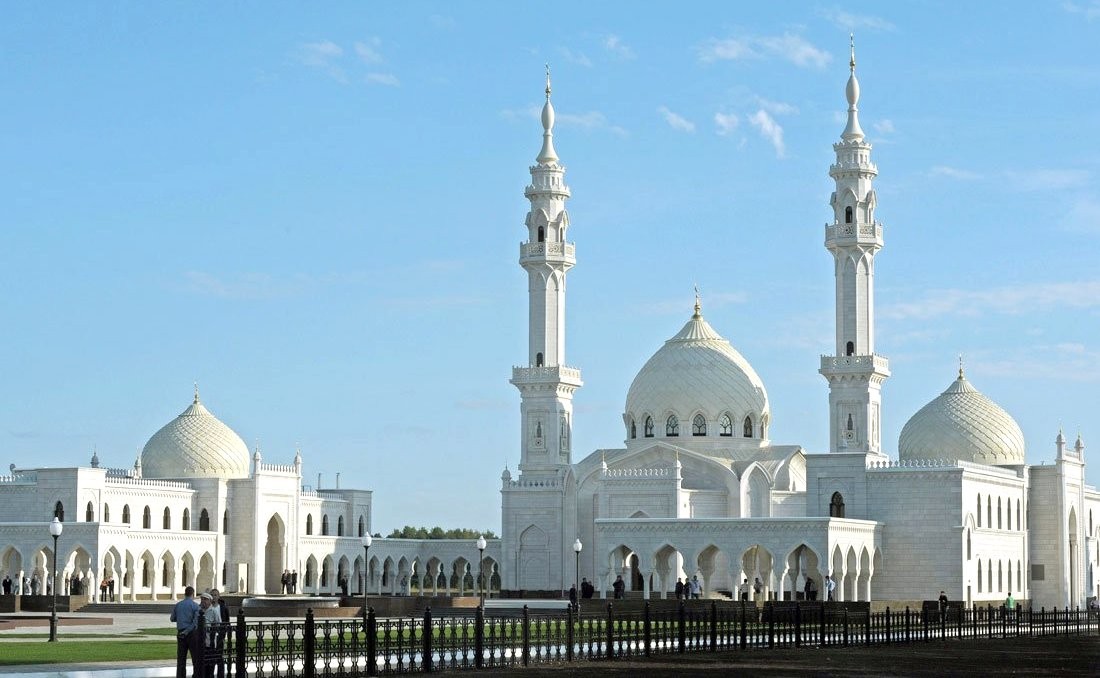
One of the most significant chapters in Bolgar’s history was its adoption of Islam. The Volga Bulgars embraced the faith through their contacts with the Islamic world along the trade routes, making Bolgar one of the northernmost outposts of Islam in the medieval era.
A famous embassy from the Islamic caliphate reached the Bulgars in the tenth century, and the account left by one of its members is a priceless record of the northern frontier of the Muslim world at that time, describing the land, its peoples, and their customs.
The adoption of Islam connected Bolgar to a vast civilization stretching across the Middle East, North Africa, and beyond, bringing with it literacy, law, and the intellectual currents of one of the great cultures of the age.
This conversion set the Bulgars apart from many of their neighbors and gave their state a distinctive identity, oriented toward the Islamic south even as it sat among the forests of the north.
The encounter with Islam was not merely religious but cultural and commercial, reinforcing the ties that bound Bolgar to the markets and cities of the Muslim world along the Volga and Caspian routes.
Mosques rose in the city, and Islamic learning and law took root, transforming Bolgar into a center of the faith on a frontier where few would have expected to find it.
The memory of this early conversion has endured for centuries, and Bolgar is remembered as a foundational site in the history of Islam in the region, a place of deep significance to later generations.
The North’s encounter with Islam at Bolgar was thus a moment of lasting importance, linking a distant northern people to a world civilization and shaping the identity of the region for centuries to come.
The decision to embrace Islam was also a political one, aligning the Bulgars with the powerful and prosperous Muslim world to the south rather than with their pagan or Christian neighbors.
In this the Bulgars anticipated by generations the religious choices that would later define the peoples around them, giving their state a head start in the world of literate, law-based civilization.
Fur, Silver, and the Silk Road
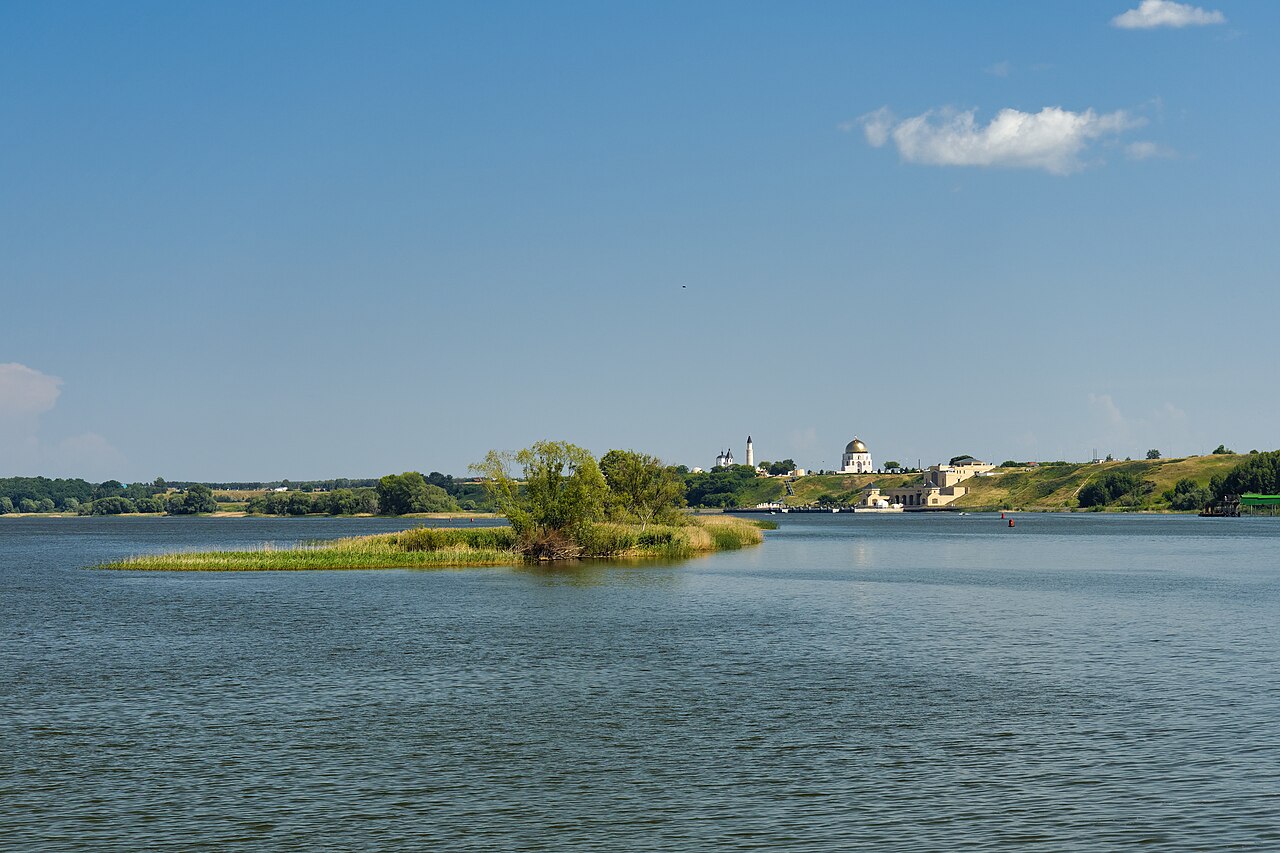
The wealth of Bolgar rested on trade, and above all on furs. The forests to the north produced the finest pelts, prized across the medieval world, and Bolgar was the great emporium where these furs entered the international trade networks.
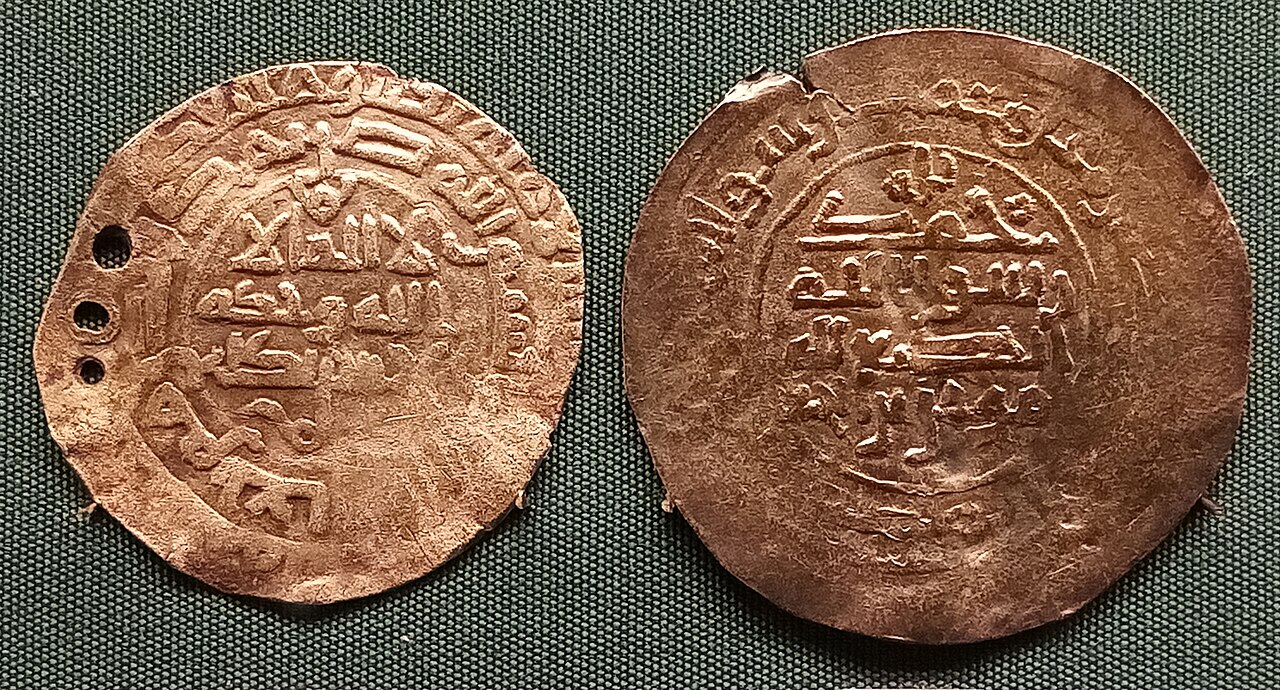
Silver flowed in the other direction. Vast quantities of silver coins from the Islamic world traveled north along the Volga in exchange for furs and other goods, and hoards of these coins found across the region trace the reach of this trade.
Bolgar sat on the northern branch of the great trade routes that linked the Islamic world to the peoples of the north and east, a node on the network sometimes called the fur road and connected to the wider Silk Road system.
Through its markets passed not only furs and silver but honey, wax, slaves, and a host of other goods, making Bolgar a bustling international marketplace where merchants of many origins met.
This commerce made the city and its rulers wealthy and gave them influence far beyond their borders, for control of the fur and silver trade was a source of real power in the medieval world.
The trade also brought cultural exchange, carrying ideas, goods, and influences from the Islamic south and the wider world into the forests of the north, enriching the civilization of the Bulgars.
Archaeology has confirmed the scale of this commerce, with imported goods and coins from distant lands recovered in abundance from the site, testifying to Bolgar’s role as a great trading hub.
Fur, silver, and the routes of the Silk Road were thus the lifeblood of Bolgar, the commerce that built a wealthy metropolis on the northern frontier of the Islamic world.
The silver dirhams that flowed north in exchange for furs have been found in hoards as far away as Scandinavia, a vivid illustration of how far the tendrils of Bolgar’s trade reached.
This long-distance commerce made the city a place where the products of the Arctic forests and the mints of the Islamic world changed hands under the same roof.
Mosques, Baths, and Bazaars
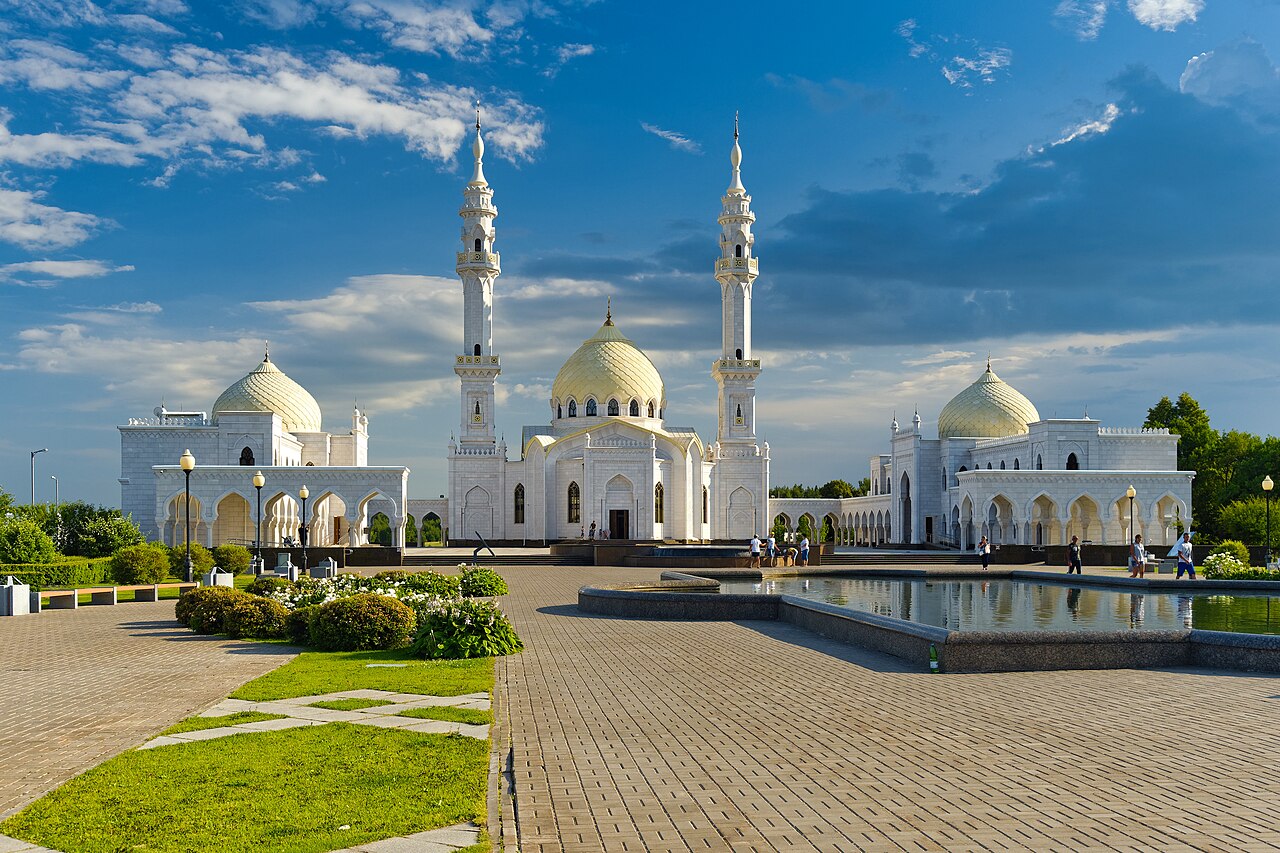
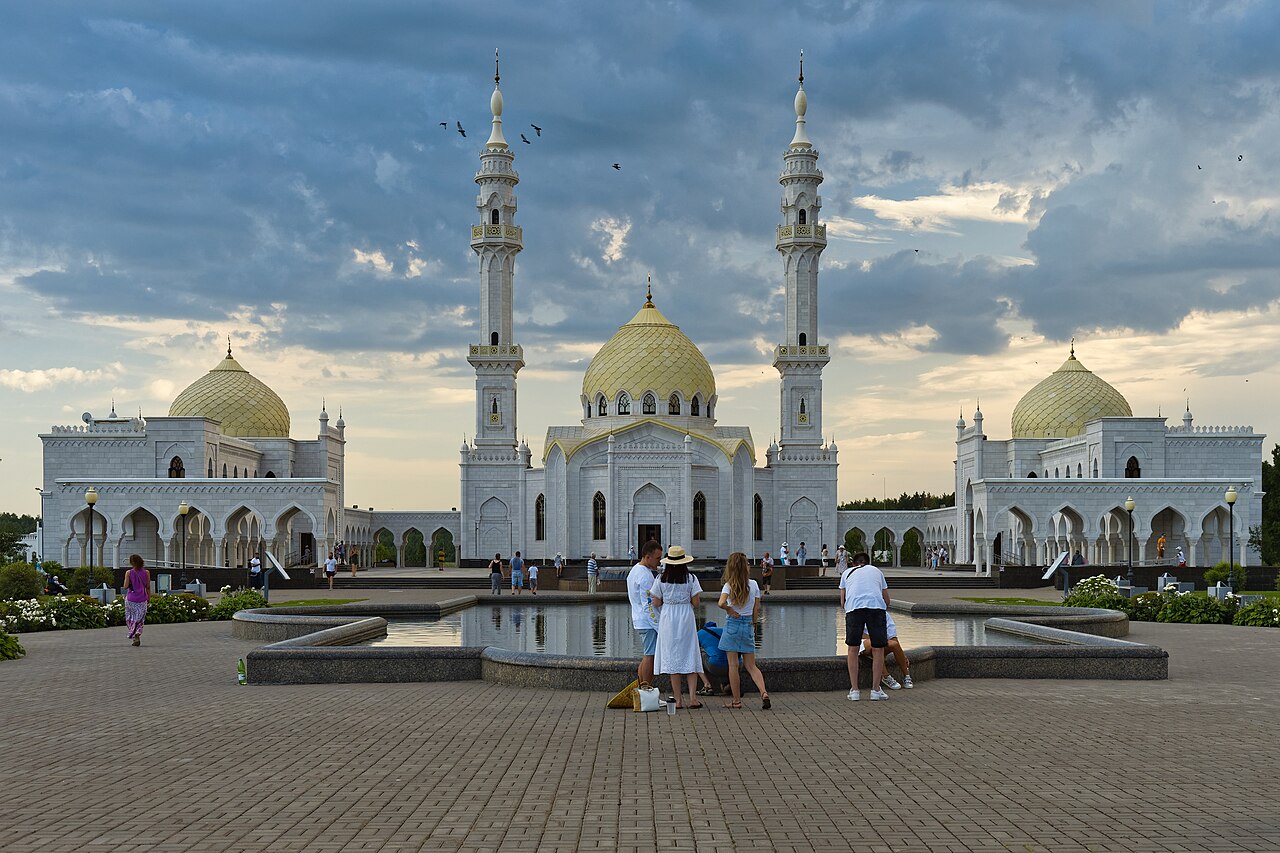
As a wealthy Islamic city, Bolgar was adorned with the characteristic institutions of Muslim urban life: mosques with their minarets, public baths, markets, and monumental buildings that proclaimed its prosperity and its faith.
The great mosque and its minaret dominated the city, a statement of the wealth and religious identity of the Bulgars, and the surviving monuments still convey the ambition of the builders who raised them.
Public baths, an essential feature of Islamic cities, served the population and reflected the sophisticated urban culture the Bulgars had adopted along with their faith, complete with systems for heating and water.
The bazaars were the beating heart of the city’s economy, crowded markets where the furs of the north were exchanged for the silver and luxuries of the south, and where merchants of many nations did their business.
Mausoleums and other monumental structures rose throughout the city, some of which survive today as the most striking remains on the site, testaments to the architectural achievement of medieval Bolgar.
The architecture blended influences from the Islamic world with local traditions, producing a distinctive style suited to the materials and climate of the northern Volga.
Together these buildings made Bolgar a true city in the medieval Islamic sense, an urban center with the institutions, monuments, and public life of the wider Muslim world.
Through its mosques, baths, and bazaars, Bolgar expressed its identity as the Islamic metropolis of the north, a city that had transplanted the urban civilization of the Muslim world to the banks of the Volga.
The scale of the surviving monuments still impresses visitors today, hinting at how grand the city must have appeared at its height.
Each building served not only a practical function but also proclaimed the wealth, faith, and ambition of a metropolis determined to rival the great cities of the south.
The Sister City of Bilyar
Bolgar was not the only great city of the Volga Bulgars. Nearby stood Bilyar, a sister city that at times rivaled or even surpassed Bolgar in size and importance, and the two were closely linked in the history of the state.
Bilyar grew into one of the largest cities of medieval Eastern Europe, with extensive fortifications, monumental buildings, and a large population, a testament to the urban achievement of the Bulgars.
The relationship between the two cities was complex, with each serving as a center of power and trade at different times, and together they anchored the urban civilization of the Bulgar state.
The existence of two such great cities in close proximity underlines the wealth and sophistication of the Bulgars, who could support multiple major urban centers on the northern frontier.
Bilyar, like Bolgar, was a center of Islam and of trade, and the two cities shared in the commerce, culture, and faith that defined the Bulgar world.
The fortunes of the two cities were intertwined, and the fate of one was bound to the fate of the other as the state rose and eventually fell.
Archaeology at both sites has revealed the scale and richness of Bulgar urban life, complementing the picture and showing that Bolgar was part of a wider network of cities rather than an isolated capital.
The sister city of Bilyar thus reminds us that Bolgar belonged to a genuine urban civilization, one capable of building and sustaining several great cities on the medieval Volga.
The Mongol Storm
In the thirteenth century, the Mongol storm that swept across Eurasia reached the Volga Bulgars. The armies of the Mongol Empire, having conquered vast territories, turned against the cities of the Volga, and Bolgar and its sister city could not withstand the onslaught.
The Bulgar cities were stormed and devastated, their populations killed or scattered, in the same campaign that brought destruction to the Rus principalities and so many other peoples of the region.
The Mongol conquest brought the independent Bulgar state to an end, and the region was absorbed into the vast empire that the conquerors established across the steppe and beyond.
Yet the story did not end there. Under Mongol rule, Bolgar was rebuilt and for a time flourished anew, becoming an important center within the successor state that governed the region, the realm of the Golden Horde.
In this second life, Bolgar enjoyed a period of renewed prosperity, and some of its finest surviving monuments date from this era of revival under Mongol overlordship.
The city thus experienced both destruction and rebirth at the hands of the Mongols, a pattern that shaped the later history of the whole region.
The Mongol storm was therefore not simply the end of Bolgar but a turning point, closing one chapter of its history and opening another under new masters.
Through conquest and revival alike, the Mongol era left a deep mark on Bolgar, transforming the independent Bulgar capital into a city of the Golden Horde.
The dual experience of destruction and rebirth gave Bolgar a complicated relationship with its conquerors, who both shattered and then restored the city.
Rise and Abandonment
The later history of Bolgar was one of revival followed by gradual decline. After its rebuilding under Mongol rule, the city flourished for a time, but the shifting fortunes of the region eventually turned against it.
As the power of the Golden Horde waned and new centers rose, Bolgar lost its former importance, and the trade and political currents that had sustained it began to flow elsewhere.
The rise of rival cities and the changing patterns of power in the region drew away the wealth and population that had made Bolgar great, and the city entered a long twilight.
Eventually Bolgar was abandoned as a living city, its monuments left to the elements and its streets falling silent, though its memory and its ruins endured.
The abandonment was gradual rather than sudden, a slow ebbing of importance as the center of gravity in the region shifted toward newer and better-placed cities.
By the later medieval period, the great metropolis of the Volga Bulgars had faded into ruins, its former grandeur preserved only in its surviving monuments and in memory.
Yet even in abandonment, Bolgar retained a powerful significance as a sacred site and a symbol of the early history of Islam in the region, drawing reverence long after its commercial life had ended.
The rise and abandonment of Bolgar traced the arc of the whole Bulgar world, from prosperous metropolis to revered ruin on the banks of the Volga.
The slow decline of Bolgar mirrored the wider transformation of the region, as power and trade gravitated toward newer centers better placed for the changing world.
The Islamic Metropolis of the North
Bolgar holds a distinguished place in history as the Islamic metropolis of the north, the great city where Islam took root far from its heartland and flourished on the banks of the Volga.
Its legacy is preserved in its surviving monuments—the minaret, the mausoleums, and the ruins of its mosques—which stand as reminders of a civilization that thrived at the meeting point of the northern forests and the Islamic world.
As the place where the Volga Bulgars adopted Islam, Bolgar carries a deep significance in the religious history of the region, remembered as a foundational site of the faith.
The city’s role as a great trading hub, linking the fur of the north to the silver of the south, gives it an important place in the economic history of medieval Eurasia.
For the peoples of the region today, Bolgar is a cherished heritage, connecting them to a distinguished medieval past and to the early history of Islam in their lands.
The site is recognized as a place of outstanding cultural value, and its monuments are preserved and studied as a treasure of world heritage.
For scholars, Bolgar remains an important source for the study of the Volga Bulgars, of medieval trade, and of the spread of Islam into the north.
As the Islamic metropolis of the north, Bolgar endures in memory and in stone, a monument to a remarkable civilization that flourished where few would have expected it, on the great river road of the medieval world.
The endurance of Bolgar as a sacred site long after its commercial life had ended shows how deeply its association with the coming of Islam was woven into the memory of the region.
Daily Life in a Trade City
Daily life in Bolgar was shaped by its role as a great trading hub, where merchants, craftsmen, and travelers from many lands mingled in the markets and streets of a cosmopolitan city.
The city was home to a diverse population, and the languages of Slavs, Turks, and Arabs might all be heard in a single marketplace, giving Bolgar a cosmopolitan character rare in the medieval north.
Craftsmen worked in leather, metal, and other materials, producing goods for local use and for the international trade, and the debris of their workshops has helped archaeologists reconstruct the city’s economy.
Merchants weighed silver, bargained over furs, and arranged the long-distance trade that made the city rich, while travelers rested before continuing their journeys along the river roads.
Homes ranged from modest dwellings to comfortable houses, and the objects recovered from them reveal the domestic world of the city’s inhabitants, from cooking vessels to personal ornaments.
Food reflected the setting and the trade of the city, drawing on the produce of the surrounding land and the goods that flowed through the markets from near and far.
Religious life structured the calendar, with the rhythms of Islamic worship shaping the days and the year in this city of the faith on the northern frontier.
In its daily life, Bolgar was a bustling, cosmopolitan trade city, its ordinary routines shaped by its extraordinary position between the forests of the north and the Islamic world of the south.
The very ordinariness of these daily routines, recovered through archaeology, brings the medieval city to life in a way that its grand monuments alone cannot.
Learning, Writing, and Faith
The adoption of Islam brought with it literacy, law, and learning, and Bolgar became a center of scholarship and faith on the northern frontier of the Muslim world.
Scholars and jurists gave the city an authority in religious matters that extended well beyond its walls, and the prestige of Bolgar as a center of learning helped cement its influence across the region.
Writing spread with the faith, and the use of Arabic script and the traditions of Islamic scholarship took root, connecting Bolgar to the intellectual currents of the wider Muslim world.
Religious institutions supported education and the transmission of knowledge, and the city became a place where the learning of the Islamic world was cultivated far from its heartland.
The famous account left by the caliphal embassy is itself a product of this world of writing and learning, a record that has preserved invaluable information about the early Bulgars.
Faith permeated the life of the city, from its mosques and scholars to the daily routines of its inhabitants, giving Bolgar a distinctive identity as an Islamic center in the north.
The combination of learning, writing, and faith made Bolgar not merely a commercial hub but a genuine center of culture and religion, a beacon of Islamic civilization on the Volga.
Through learning, writing, and faith, Bolgar took its place in the wider world of Islamic civilization, a northern outpost that shared in the intellectual and spiritual life of a great culture.
The survival of written accounts from and about Bolgar sets it apart from many contemporary societies of the north, whose stories must be pieced together from archaeology alone.
The Rediscovery of the Ruins
The ruins of Bolgar were rediscovered and studied by antiquarians and scholars over the centuries, and the site gradually gave up its secrets to the tools of modern archaeology.
Early visitors marveled at the surviving monuments, and their descriptions helped preserve the memory of the city and drew attention to its historical importance.
Systematic excavation revealed the layout of the city, its buildings, and the deep stratigraphy that records its long history from the Bulgar era through the Mongol period and beyond.
The finds recovered range from monumental architecture to the everyday objects of ordinary life, together building a detailed picture of the medieval metropolis.
Imported goods and coins from distant lands confirmed the scale of Bolgar’s trade, while the surviving monuments illuminated its architecture and its faith.
Conservation efforts have sought to protect the surviving monuments and to present the site to visitors, balancing preservation with the desire to share this heritage.
The recognition of Bolgar as a site of outstanding cultural value has spurred further study and protection, ensuring that the ruins endure for future generations.
Through its rediscovery and study, Bolgar has emerged from the past as one of the great medieval cities of the region, its story reconstructed piece by piece from the evidence in the earth.
Each season of study adds nuance to our understanding, revealing a city more complex and more connected than earlier generations of scholars had imagined.
Nearby Places
- The White Fortress Byzantine Engineers Built for the Khazars, Now Beneath a Reservoir: The Story of Sarkel
- Where Vikings, Slavs, and Silver Met on the Road to Byzantium: The Story of Gnyozdovo
- The Rus Capital That Fell to the Mongols in a Single Winter: The Story of Old Ryazan
Final Word
Bolgar was the place where the North first met Islam, a great metropolis on the Volga where the Volga Bulgars built mosques, baths, and bazaars and grew rich on the trade in fur and silver. Destroyed and then revived by the Mongols, it flourished as a city of the Golden Horde before fading into revered ruins. Today its minaret and mausoleums still rise above the river as reminders of a remarkable civilization that thrived where the forests of the north met the Islamic world, and Bolgar endures as a cherished monument of faith, trade, and memory.
You May Like
Mafra, the Palace a King Built From a Vow


3 thoughts on “Bolgar: The Volga Metropolis Where the North First Met Islam”