Cities; It shows us how a nation, a civilization lived in history in the past and what and how they achieved it. With its 1131 numerous cultural artifacts registered as Cultural Assets to be Protected and its success in protecting these artifacts, Safranbolu was included in the list of World Architectural Heritage Cities by UNESCO in 1994.
It was chosen as one of the “20 Best Preserved Cities” in Europe at the European Historical Cities Association Meeting held in Rhodes in 2003.
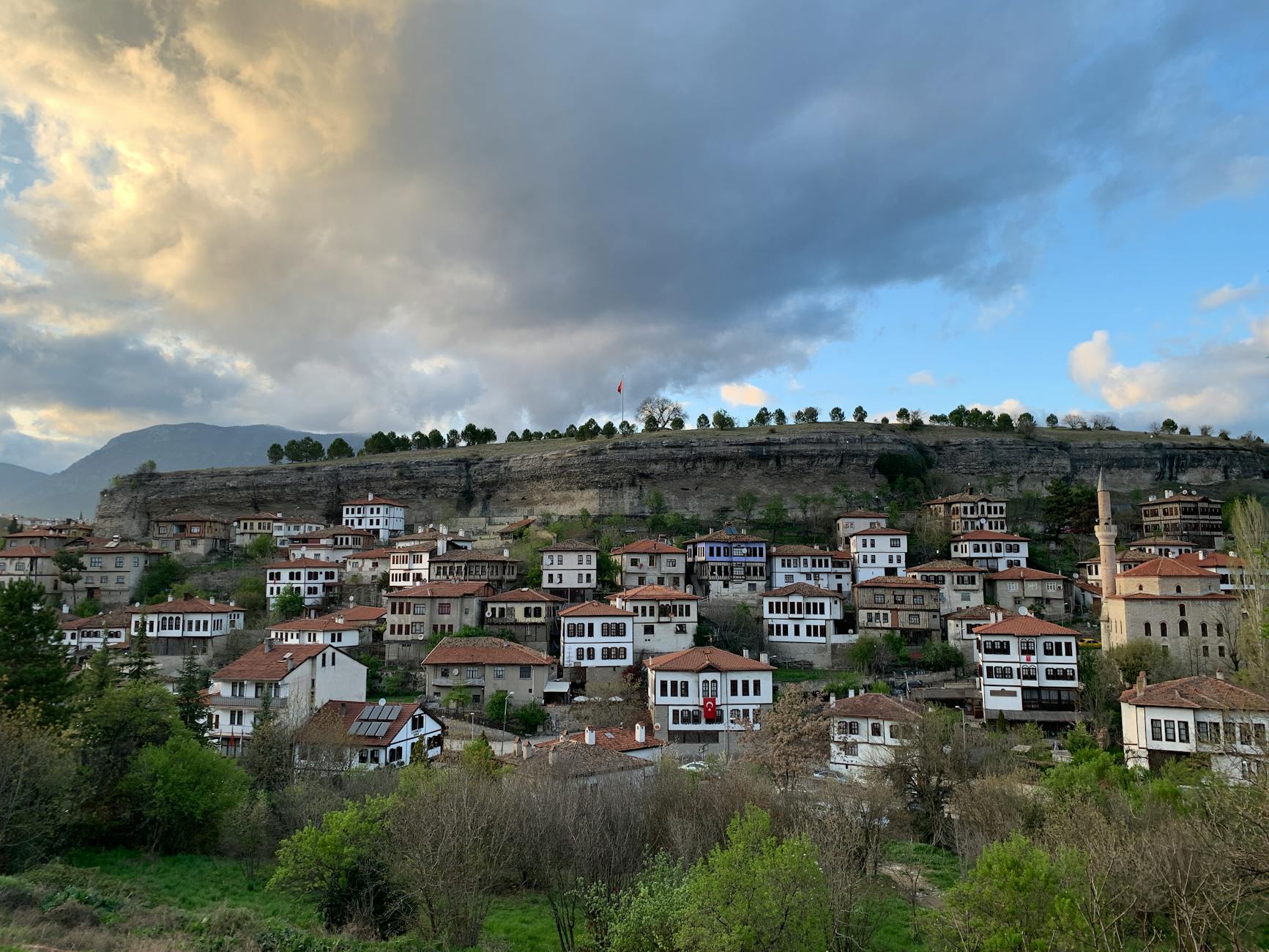
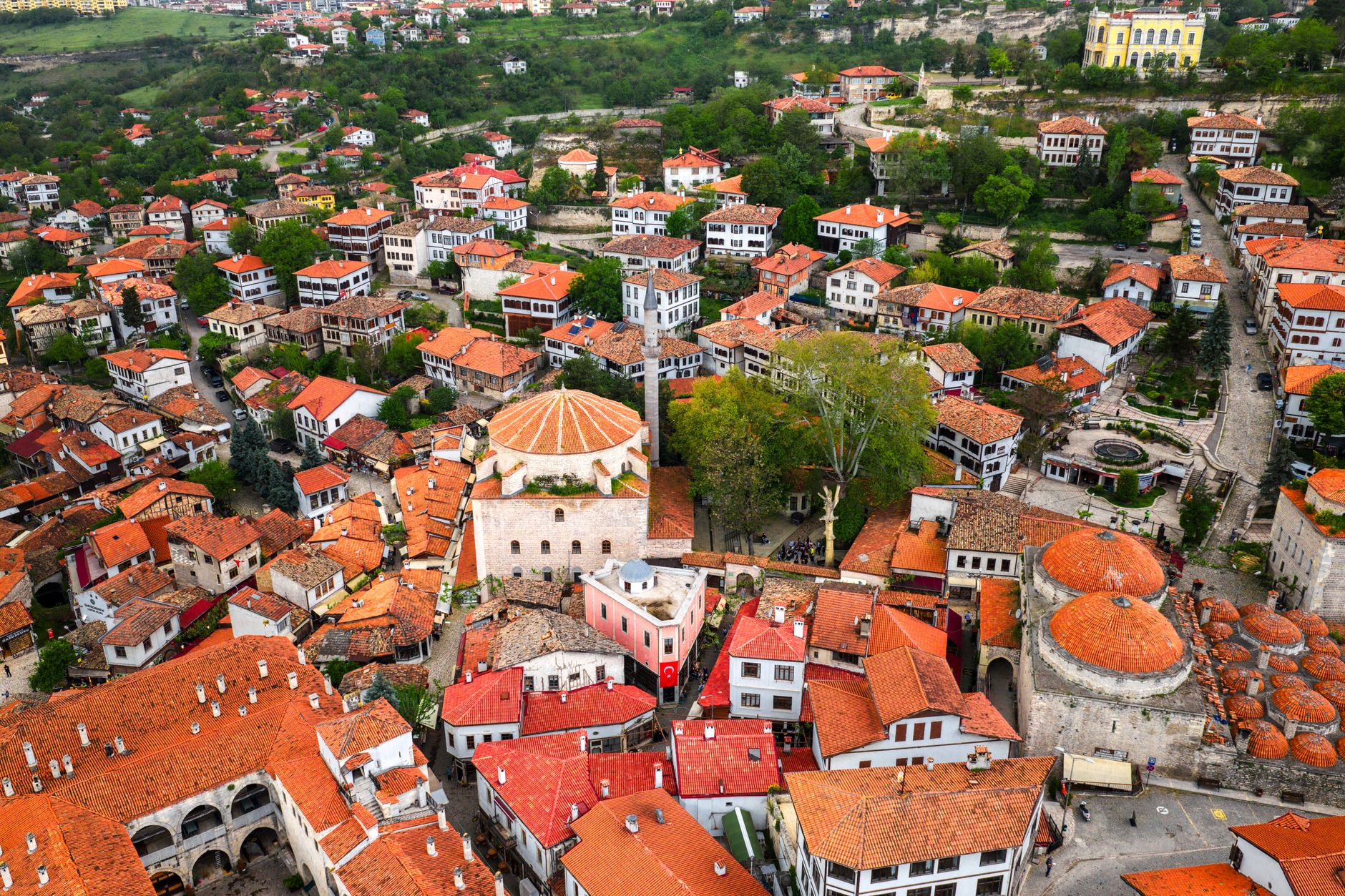
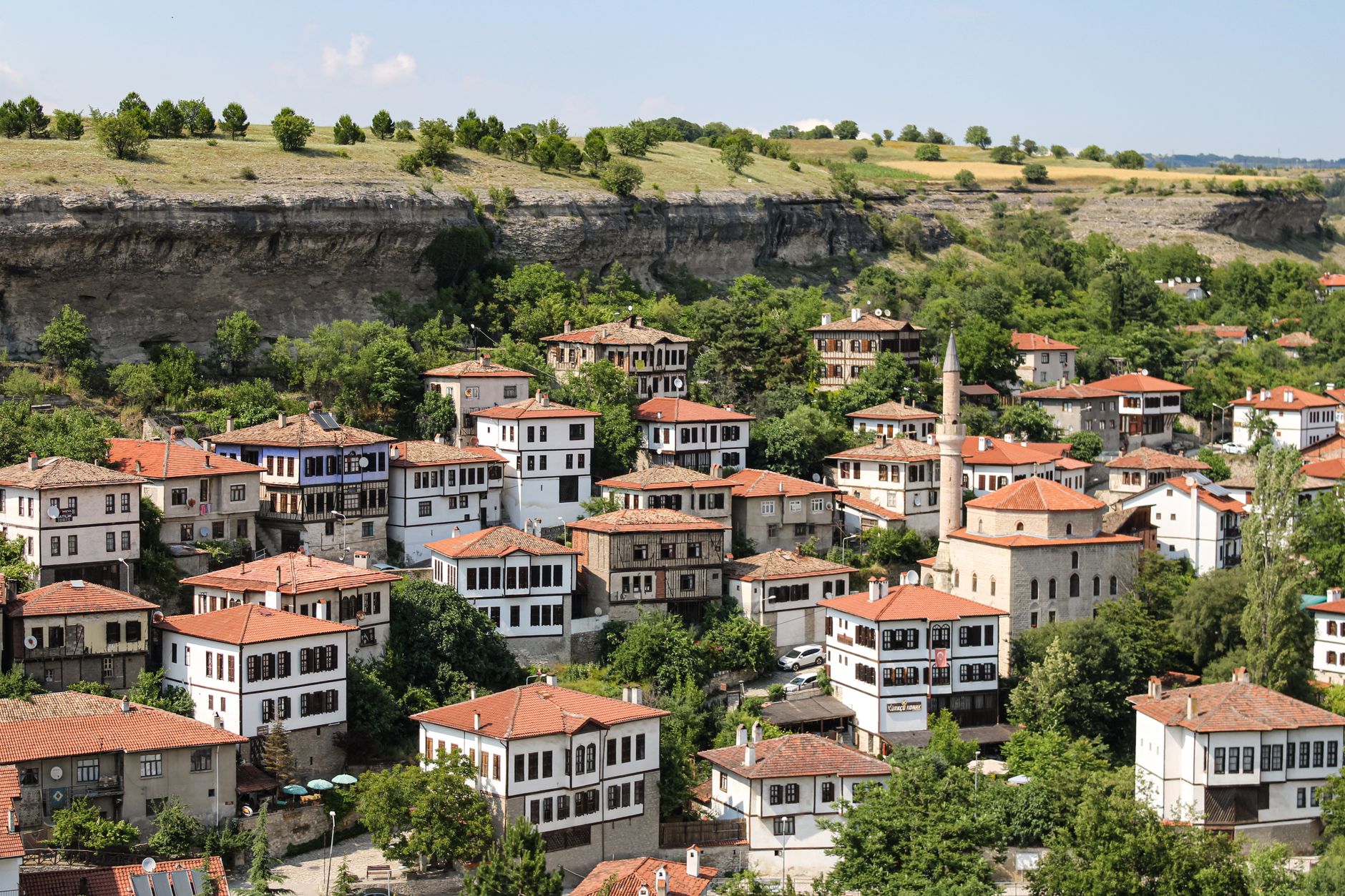
There are many historical artifacts in many parts of our country. These artifacts are scattered like pearls in our other cities. While they have been preserved until today, they are artifacts that do not have integrity with their surroundings and have certain distances between them. The features that distinguish Safranbolu and Safranbolu Houses, history and culture from other cities are different. In Safranbolu, an entire city stands tall in all its glory.
The houses, stone-paved streets and neighborhoods still contain all the unique historical monuments with the same freshness and serenity. The difference between them is a difference in integrity and quality.
Today, in our world where everything is artificial and many human values and concepts are rapidly disappearing, Safranbolu welcomes everyone with all its naturalness, like a rare treasure forgotten in history. The best example of Urban Scale Conservation.
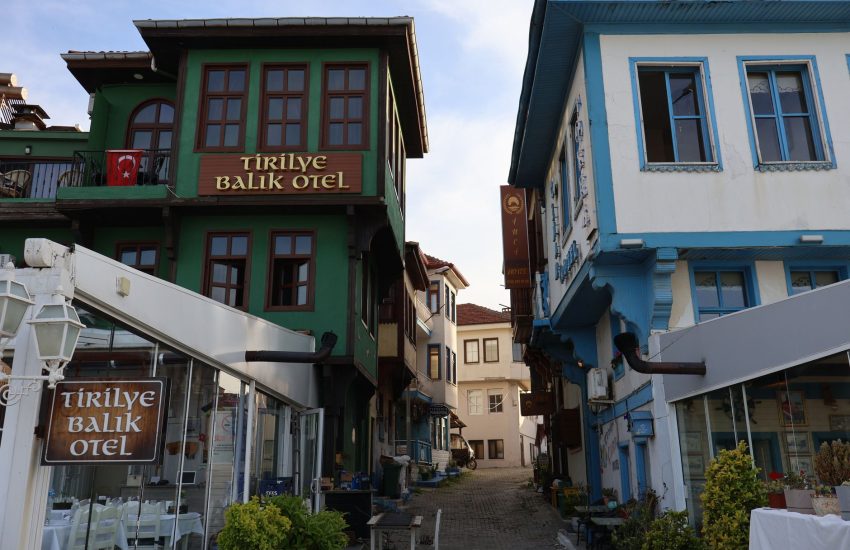
You will suddenly find yourself in a time tunnel in the past, with its centuries-old houses, fountains, castles, clock towers, mosques, inns and baths, stone paved streets and bridges. While walking along the narrow cobblestone streets, you will see rows of houses, lean on 200-year-old walls, drink water from the fountains you will come across at every corner, or even sip your coffee at the guild café.
In addition to this unique historical identity, our district has become an important tourism center with Safranbolu’s rich natural beauties: caves, canyons, plateaus, king and rock tombs, tumuli, historical villages, vineyards, saffron gardens and uniquely delicious Turkish delight varieties.
We read history in books, see it in museums, feel the history in some cities, learn it and get emotional. But in Safranbolu, we see, live, travel and breathe in the history. Wouldn’t you like to look into history from this window extending from past to present?
HISTORY OF SAFRANBOLU
The northwestern part of Anatolia is mentioned as Paplagonia in the Iliad epic of the historian Homer in ancient times. The Hittites, Phrygians, indirectly the Lydians, Persians, Hellenistic Kingdoms (Ponds), Romans, Seljuks, Çobanoğulları, Candaroğulları and Ottomans respectively dominated the region.
Safranbolu was captured by the Turks in 1196, during the time of Muhiddin Mesut Shah, the son of the Seljuk Sultan Kılıç Arslan II. During the historical process, it came under the rule of the Çobanoğulları between 1213-1280, the Candaroglus between 1326-1354, and the Ottomans between 1354-1402 and 1423.
In its historical past, Safranbolu reached its highest economic and cultural level during the Ottoman period. The fact that the city was an important accommodation center on the Istanbul-Sinop caravan route in the 17th century enabled the development of trade in the region and enriched it. (During this period, there were intense relations with Istanbul and Kastamonu, and some of the Ottoman statesmen left important works to the city.
Safranbolu is an exemplary city that reflects all the characteristics of traditional Turkish social life and preserves the cultural heritage it created in its long historical past within its environmental texture.
Its success in preserving its rich cultural heritage on a city scale has made Safranbolu famous as a “World City” and has been included in the “World Heritage List” by UNESCO. 1131 of the approximately 50 thousand Cultural and Natural assets that need to be protected in the whole country are in Safranbolu. This wealth has made the city a Museum City, and its success in conservation has earned the city the title of “Capital of Conservation”.
Safranbolu Houses, which make up the city’s reputation, date back to the 18th and 19th centuries. They were built with excellent architectural knowledge, reflecting the history, culture, economy, technology and way of life of Turkish life. There are approximately 2000 traditional Turkish houses. About 800 of these houses are under legal protection.
Safranbolu, which has a history of 3000 years, has hosted many civilizations and has survived to the present day as a cultural wealth. Especially inns, baths, mosques, fountains, bridges and unique mansions from the Ottoman period will amaze visitors.
Interest in the city, which started at the academic level when the High Council of Monuments declared Safranbolu as an urban site in 1975, has spread beyond the borders of our country over time.
Since the early 90s, with the formation of small and medium-sized tourist facilities, tourism has begun to make its place in the district economy felt; abandoned mansions have been transformed into hotels and restaurants, damaged cobblestones have been rebuilt, monumental works have begun to be restored, and handicrafts that were about to disappear have regained their vitality for touristic purposes.
Names of Safranbolu
Safranbolu’s first known documented history begins in the Byzantine Period (395-1453). During the Byzantine Period, Safranbolu Dadybra (Dadibra) was established as a fortified castle (Akratia) against Muslim Arab raids and gained importance.
During the Byzantine period, the name of the city was Dadybra. In 1196, during the Seljuk period, the name of the city was Zalifre. During the principalities period and the early Ottoman period, the name of the city took the form of Borglu and Borlu. 16th century As can be seen from the Ottoman Land Registry and Tahrir book, Borlu became “Taraklıborlu” due to the Taraklı Tribe who settled in the region.
After the name Taraklıborlu, other names used for Safranbolu during the Ottoman period, 18th century. “Zağfiran-ı Borlu”, 19th century. “Zağfiran-ı Benderli” for a short time in the second half of the 19th century. Starting from the last quarter, it turned into “Zağfiranbolu”, and finally into “Zafranbolu” and “Safranbolu”.
The Saffron plant, which gives its name to the city, has the ability to dye liquid yellow up to a hundred thousand times its own weight. It is used in the food, pharmaceutical and cosmetic industries. Safranbolu is one of the rare places in the world where this interesting plant is produced.
Places to Visit
Don’t Return Without Doing
Taking photos from Hıdırlık Hill and the Castle (Old Government House),
Museum houses, Yemeni people’s palace,
Before visiting the Blacksmiths and Coppersmiths Bazaar,
From accommodation in historical houses,
Before Visiting the City History Museum,
Before seeing Incekaya aqueduct and Bulak Mencilis Cave,
Before Eating Saffron Zerde Dessert
Without eating Safranbolu burrito, baklava and Turkish delight,
Before visiting Safranbolu with Mini Touring Vehicles
Don’t leave without drinking coffee in a mansion with a pool…
You May Like
Amasya Hotel Pension Accommodations