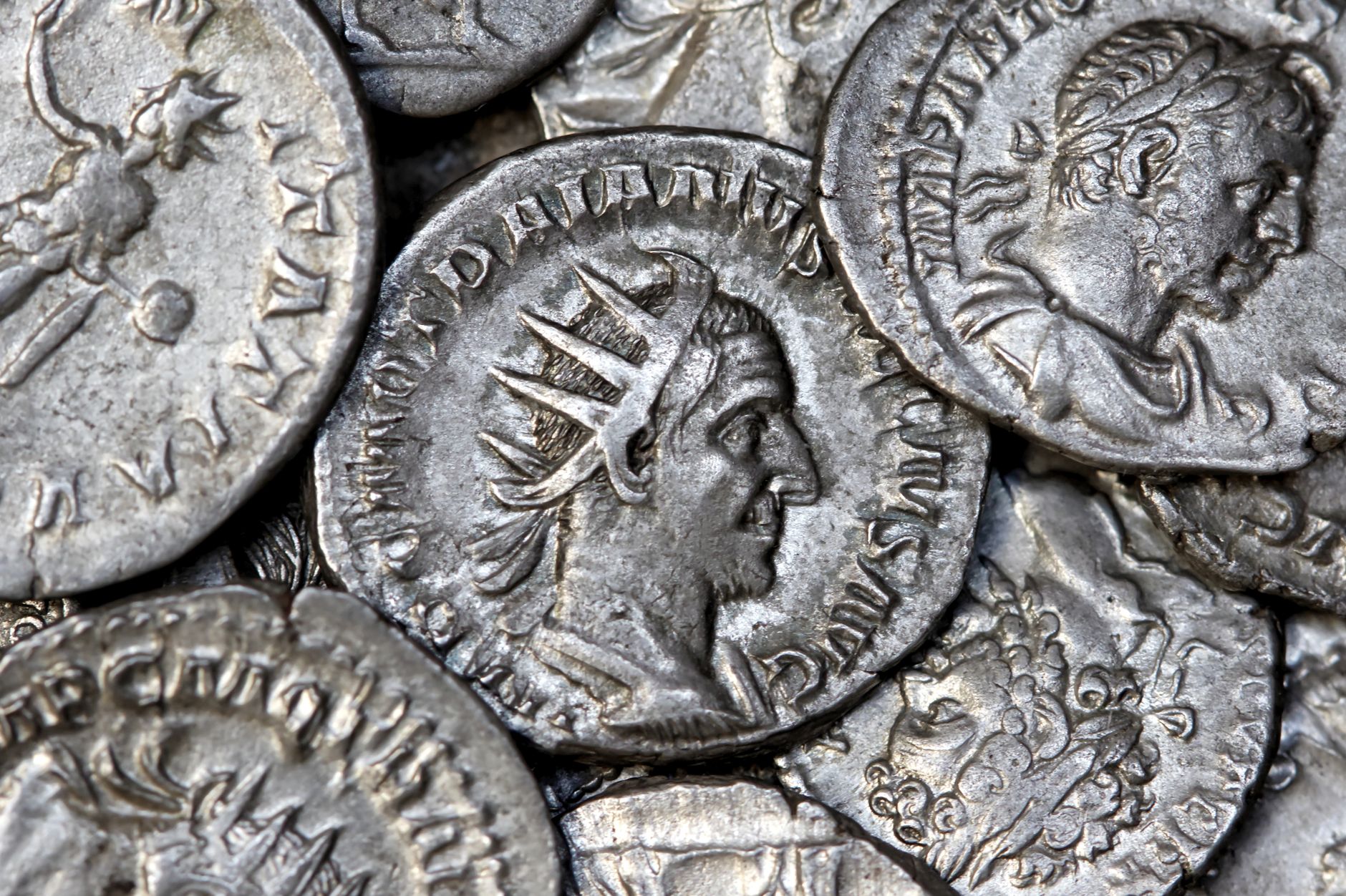
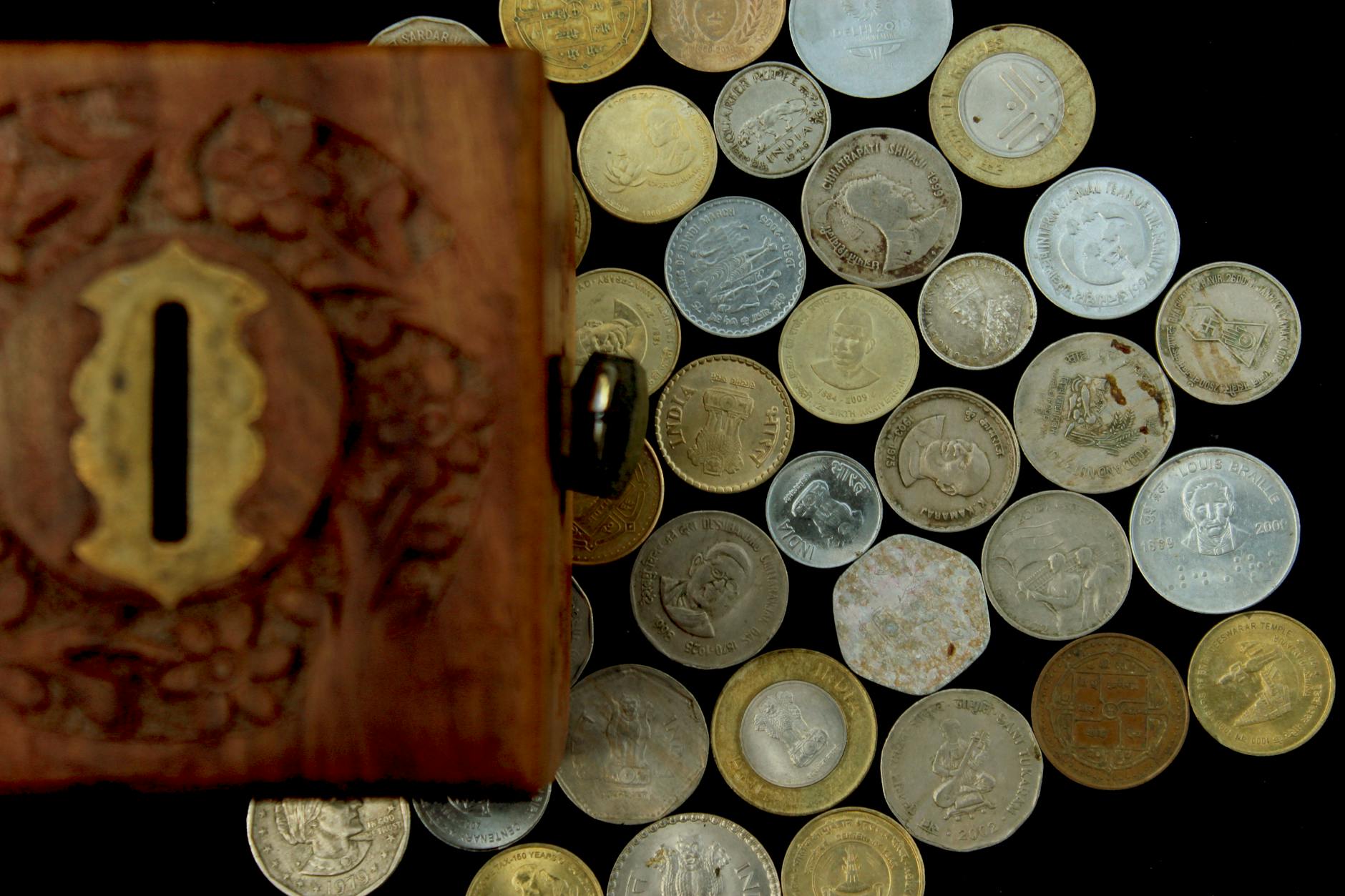
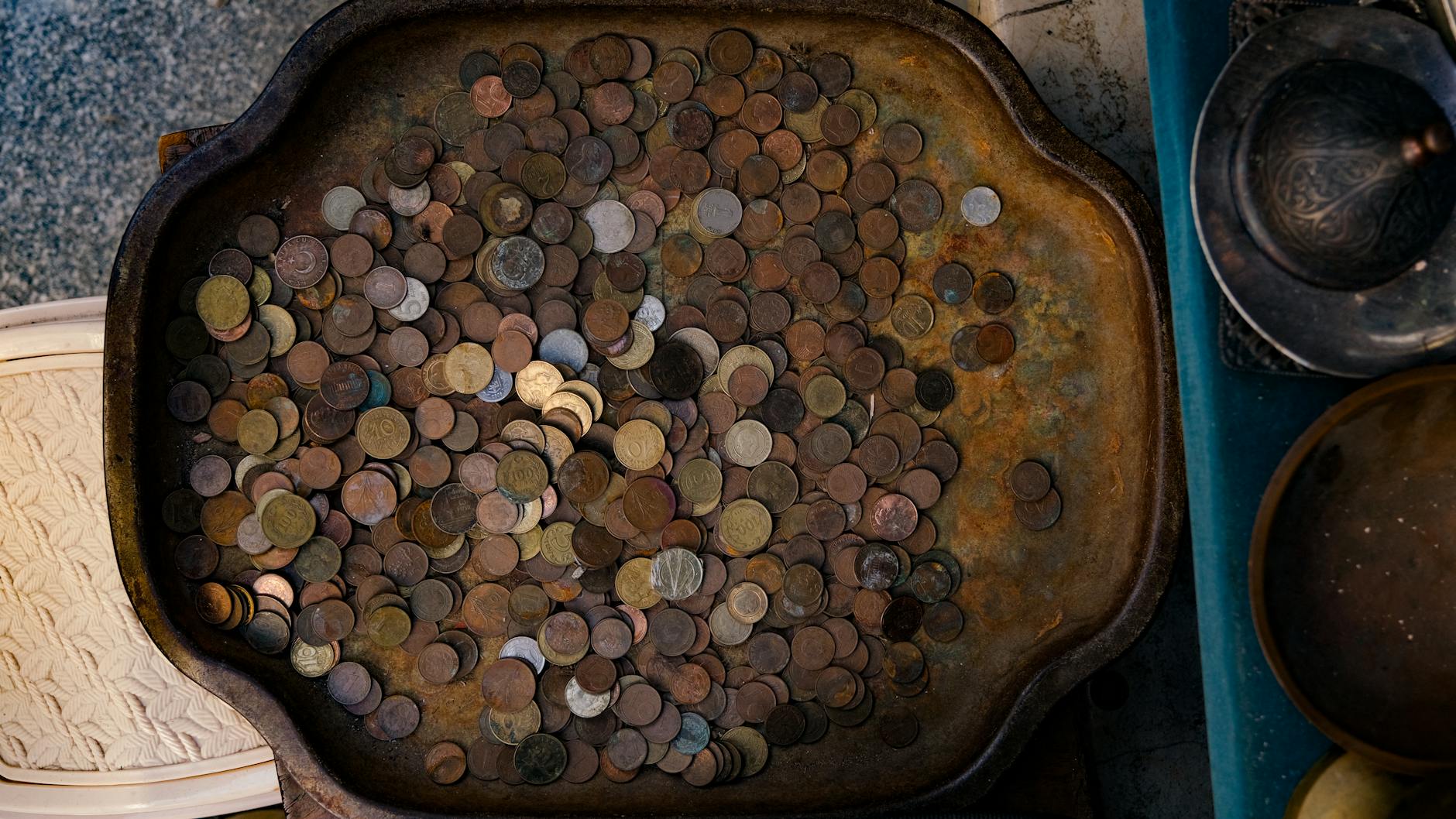
“The first money was found by the Lydians.” Is there anyone who hasn’t memorized this information? So to speak, it is engraved in the mind of every student, whether they like history class or not. Yes, we encounter the first traces of money in the Lydian kingdom in the 7th century BC. While copper, silver and gold coins were minted until the end of the 5th century BC, bronze coins became widespread in the 7th century BC.
Since we will focus on the coins used by Muslims in the article, we will prefer the word “coin”, which is of Arabic origin. In Islamic states, coins were minted in gold, silver and copper. What about before Islam? We know that Arabs used Iranian, Roman and Byzantine coins during this period. Arabs called a miskal of silver “dirham”, gold “dinar” and copper “fels”.
In the first years of Islam, no coins were minted, and the Byzantine-Sassanid coins that were on the market at that time continued to be used. With the Umayyads, Muslims began to have similar coins cut. That’s why they were called Arab-Byzantine, Arab-Sassanid coins. Umayyad caliph Abdülmelik b.
During the reign of Mervân (680-705), minting of Byzantine-Sassanid type coins with figures was stopped and new coin models with only verses from the Holy Quran were adopted. Abdülmelik broke new ground by showing the power of Islam against Byzantine coins and ended the dependence of the Islamic world on Byzantium in terms of money.
Abdülmelik’s monetary reform stands out as a development that should be underlined in the history of Islamic economics. This was also a vital step towards strengthening the central authority. Continued in Deep History April Issue…
You May Like

Norse Explorers Reached Canada 500 Years Before Columbus