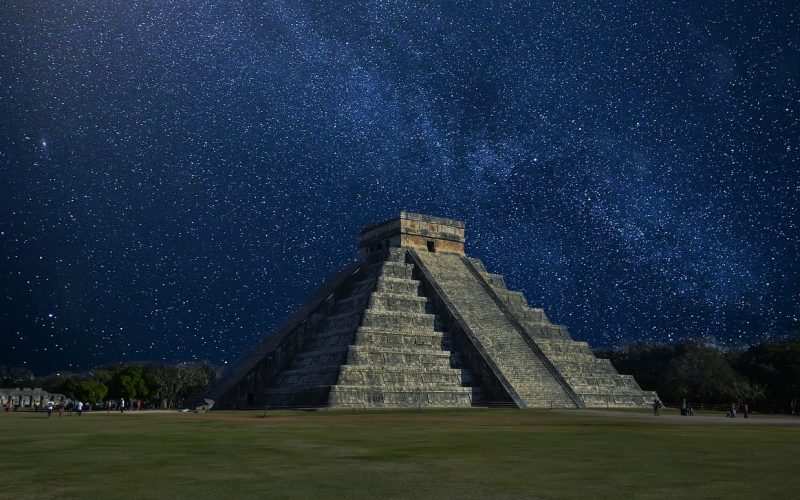

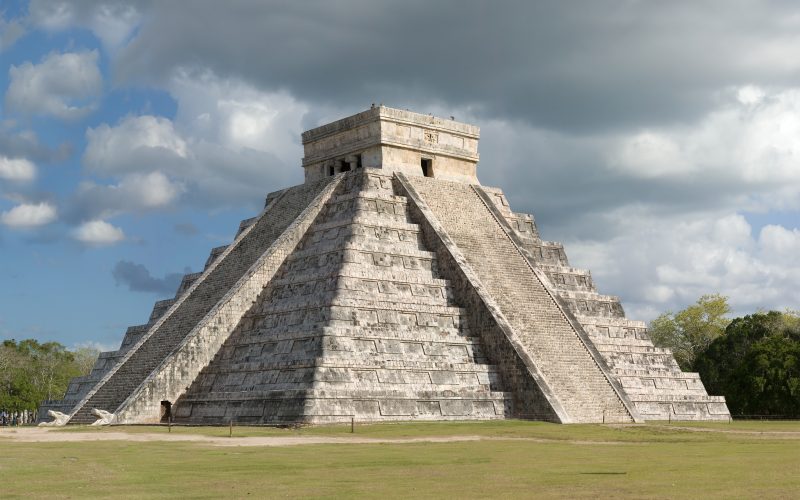

Chichen Itza’s Pyramid Casts a Serpent’s Shadow Twice a Year
Chichen Itza blended Maya tradition with outside influence to build a serpent shadow pyramid, a giant ballcourt, and an observatory tracking Venus.
Info on popular culture and everyday life

Chichen Itza blended Maya tradition with outside influence to build a serpent shadow pyramid, a giant ballcourt, and an observatory tracking Venus.
In a remote pocket of the Guatemalan highlands, wrapped in cloud forest and cut off by steep mountains from the rest of the country, lives a small Maya people whose
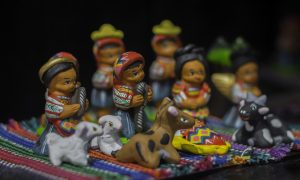
High in the mountains of western Guatemala lives a people whose story stretches from an age of kings and sacred cities to the crowded markets and migrant routes of the
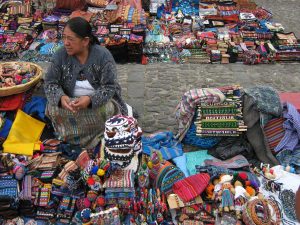
In the central highlands of Guatemala, within sight of the volcanoes that ring Lake Atitlán and close to the valley where the Spanish would build their first colonial capital, lives
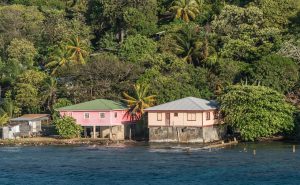
In the pine-clad highlands where Honduras meets El Salvador lives one of Central America’s largest Indigenous peoples, and one of its most quietly remarkable. The Lenca have farmed these mountains

In the far west of Guatemala, where the land rises to the highest mountains in Central America and the border with Mexico cuts across ancient territory, lives a Maya people
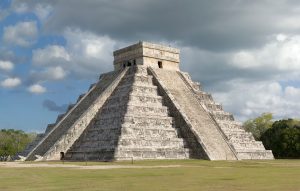
El Castillo at Chichén Itzá is a calendar carved in stone that summons a serpent of light twice a year. A look inside the brilliant world of Maya pyramids and how they differ from Egypt.
Long before Spanish ships reached the Gulf of Mexico, the mountains and valleys of what is now the state of Oaxaca were home to one of Mesoamerica’s most sophisticated Indigenous
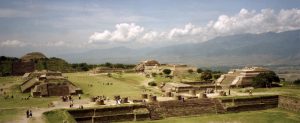
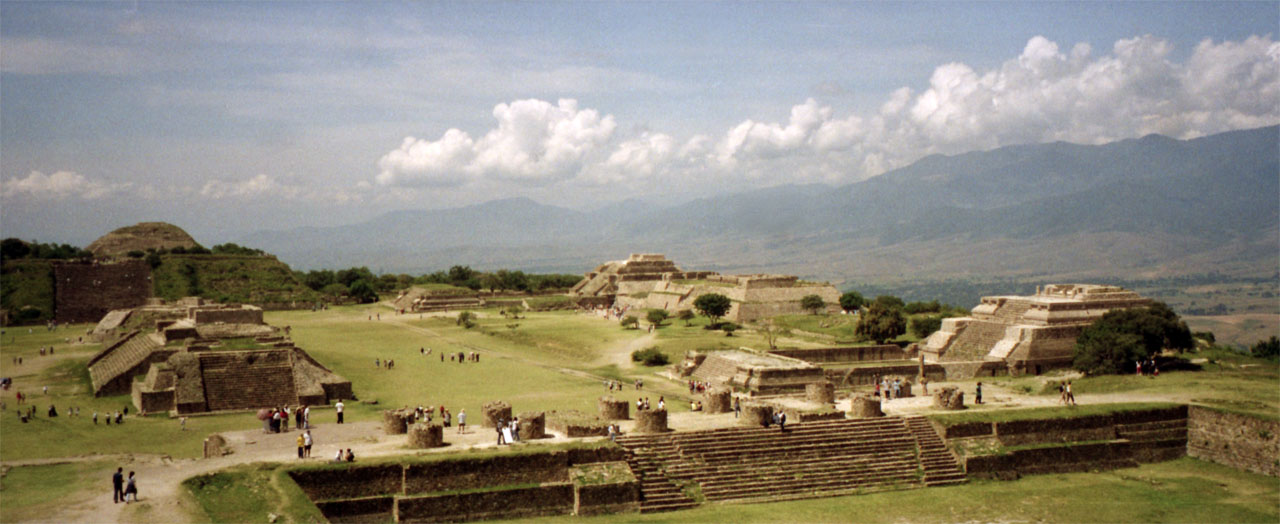
Above the city of Oaxaca in southern Mexico, on a mountain ridge that was artificially levelled to make room for it, spreads the ancient capital of the Zapotec people. Monte
Nahua people form the largest Indigenous population in Mexico today, the linguistic and cultural heirs of a world that produced the Mexica capital of Tenochtitlan and dozens of other city-states


