


Topkapi Palace: The Secret City of the Ottoman Sultans Above the Bosphorus
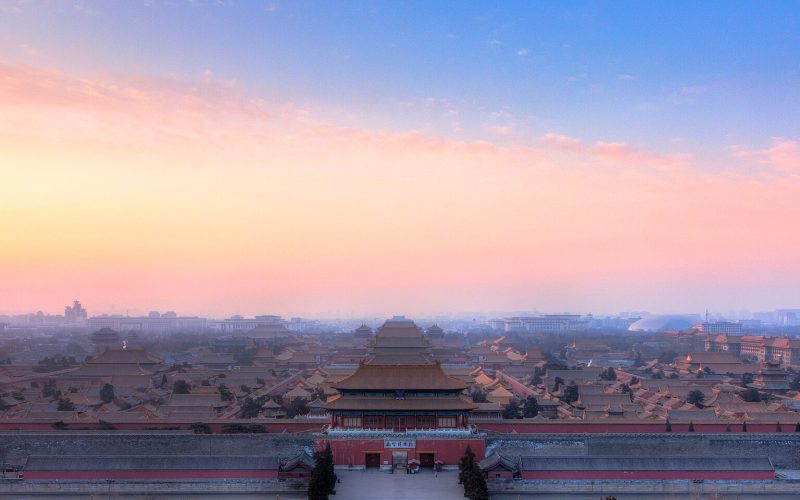
Stand on a hill above the meeting point of the Bosphorus and the Golden Horn, where Europe and Asia gaze at each other across the water, and you find yourself
Where the World’s Past Meets Your Next Journey
Stand on a hill above the meeting point of the Bosphorus and the Golden Horn, where Europe and Asia gaze at each other across the water, and you find yourself
On a small island in a clear blue lake in the heart of Lithuania, ringed by water and reflected in its still surface, stands one of the most romantic castles

Mirrored in two lakes at the heart of Agartala, Ujjayanta Palace was built by Tripura’s ancient Manikya dynasty, named by the poet Tagore, and lives on as a museum of the northeast.
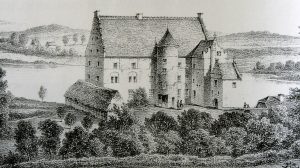
A Renaissance moated castle built by Ulrich von Maltzahn in 1562, burnt to a shell under the GDR, bought back and rebuilt by his descendants, and now the summer home of a music festival. Ulrichshusen is a story of return.

Above Jodhpur rises Umaid Bhawan, a golden Art Deco palace and one of the largest private homes on earth, built by a maharaja to give work to his people through years of famine.
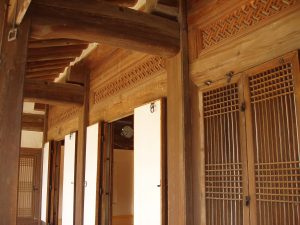
Not every palace is a seat of kings. Some of the most consequential places in a nation’s history are the homes where power was quietly gathered before it stepped into
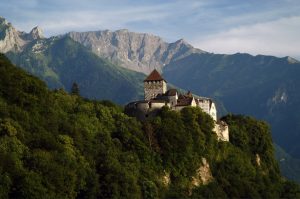
Above the tiny capital of Liechtenstein, Vaduz Castle is the private home of one of Europe’s last truly reigning princes, a medieval fortress the ruling family only made its residence in the twentieth century.
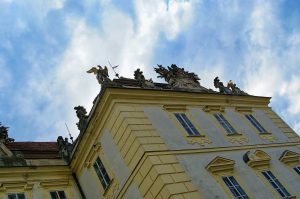
On the southern edge of Moravia, close to the Austrian border, the little town of Valtice is dominated by a vast baroque chateau that was for centuries the main seat
A white moated castle with a round tower, rebuilt by an Italian engineer against the Turks and held by the Erdody counts for three centuries, in a Baroque town that was the capital of Croatia for twenty years until a cow kicked over a lantern. Varazdin is the Zagorje’s grandest address.
The château that Nicolas Fouquet, Louis XIV’s finance minister, built with Le Vau, Le Brun and Le Nôtre in five years, the rehearsal for Versailles, where a single fête in August 1661 so dazzled and enraged the young king that Fouquet was arrested three weeks later and died in prison, leaving the most perfect house of the French seventeenth century to its ruin and its rescue.


