When the world pictures India, it is very often picturing the world of the North Indians. The Taj Mahal, the holy city of Varanasi on the Ganges, the spice scented bazaars, the great Hindu festivals of color and light, the rich curries that fill restaurants from London to New York, all of these belong above all to the vast plains of northern India and the hundreds of millions of people who live there. They are not a single tidy nation but a great family of related peoples spread across the heartland of the subcontinent, bound together by the Hindi language, by the sacred geography of the Ganges, and by a civilization that is among the oldest and most influential on earth. This is the story of the people of the northern plains.
In This Article
- The People of the Great Plains
- The Roots of the Hindi Tongue
- The Sacred River and the Spiritual Heart
- Empires of the Plain
- Delhi, the Eternal Capital
- Festivals of Color and Light
- The Food the World Calls Indian
- A Society of Many Layers
- Bollywood and the Dream Factory
- The Village and the Family
- Music, Poetry, and the Courtly Arts
- Cities, Crafts, and the Bazaar
- The Heartland of a Civilization
The People of the Great Plains
The homeland of the North Indians is the Indo Gangetic plain, one of the largest and most fertile stretches of flat, river watered land anywhere in the world. Fed by the Ganges and its tributaries flowing down from the Himalayas, this immense plain has supported dense human populations for thousands of years, and it remains one of the most crowded places on earth. Across the great states of this region, from the deserts of Rajasthan in the west to the plains of the east, live a vast number of closely related peoples.
It would be a simplification to call them a single ethnic group, for the region contains enormous diversity of caste, custom, and local identity. Yet they share a great deal, a family of closely related languages, a common religious and cultural inheritance, the everyday rhythms of life on the plains, and a sense of belonging to the ancient core of Indian civilization. Together they form the demographic and cultural heartland of the world’s most populous nation.
The Roots of the Hindi Tongue
The great unifying language of the north is Hindi, one of the most widely spoken languages in the world, which together with its very close relative Urdu is understood by hundreds of millions of people. Hindi belongs to the Indo Aryan branch of the vast Indo European language family, the same enormous family that includes Punjabi, Bengali, and Persian, as well as English, Russian, and most of the languages of Europe. It descends from ancient Sanskrit, the sacred and classical language of India, through a long process of evolution.
Hindi is written in the elegant Devanagari script, while its sister tongue Urdu, sharing almost the same everyday grammar and vocabulary, is written in a Persian derived script and carries more words from Persian and Arabic. The two are really registers of a single spoken language, divided largely by religion and script and history. Beneath standard Hindi lies a rich layer of regional languages and dialects, such as Bhojpuri, Awadhi, and Braj, many with their own proud literary traditions, so that the linguistic world of the north is both unified and wonderfully varied.
The Sacred River and the Spiritual Heart
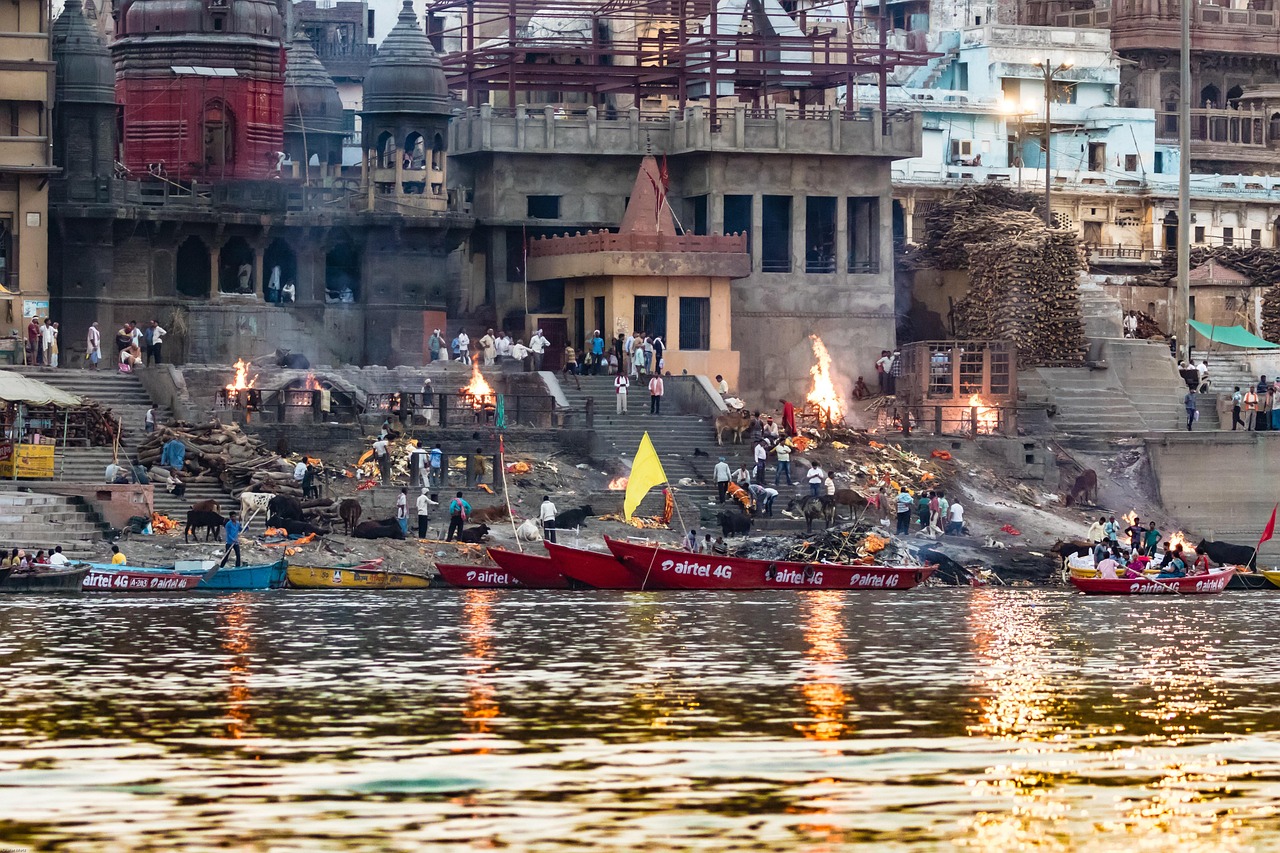
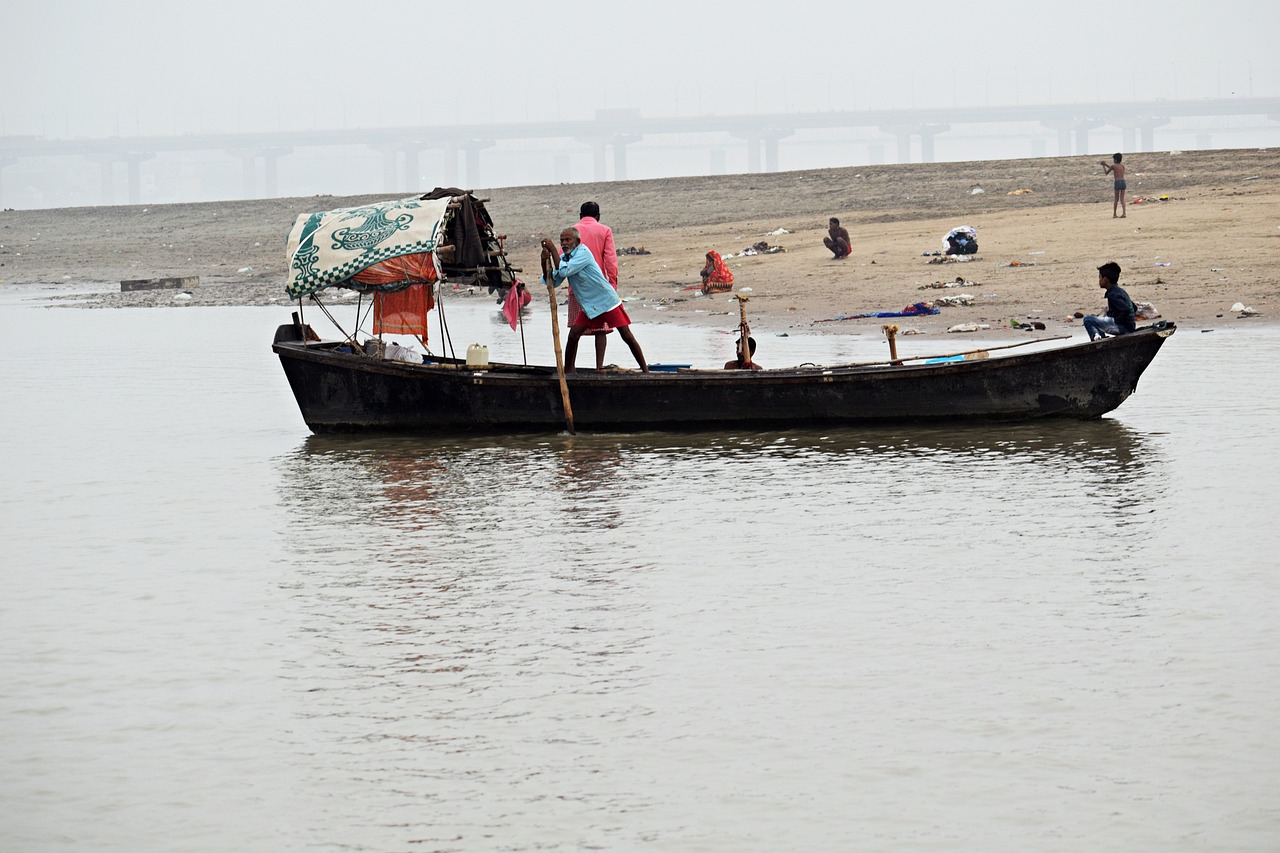
No feature shapes the soul of North India more than the river Ganges. To the Hindus who form the great majority of the region, the Ganges is not merely a river but a goddess, a living source of purity and salvation whose waters are believed to cleanse sins and carry the souls of the dead toward liberation. Along its banks lie some of the holiest places in the Hindu world, and millions of pilgrims travel each year to bathe in its sacred waters and to perform the rituals that mark the great moments of life and death.
Greatest of the sacred cities is Varanasi, also called Kashi or Benares, one of the oldest continuously inhabited cities in the world and the spiritual capital of Hinduism. On its riverfront steps, the ghats, the full drama of Indian religious life unfolds, pilgrims bathing at dawn, priests chanting evening prayers with great lamps of fire, and the smoke rising from the cremation grounds where the dead are burned beside the holy water. To witness Varanasi is to glimpse the deepest currents of the North Indian spiritual imagination.
Empires of the Plain
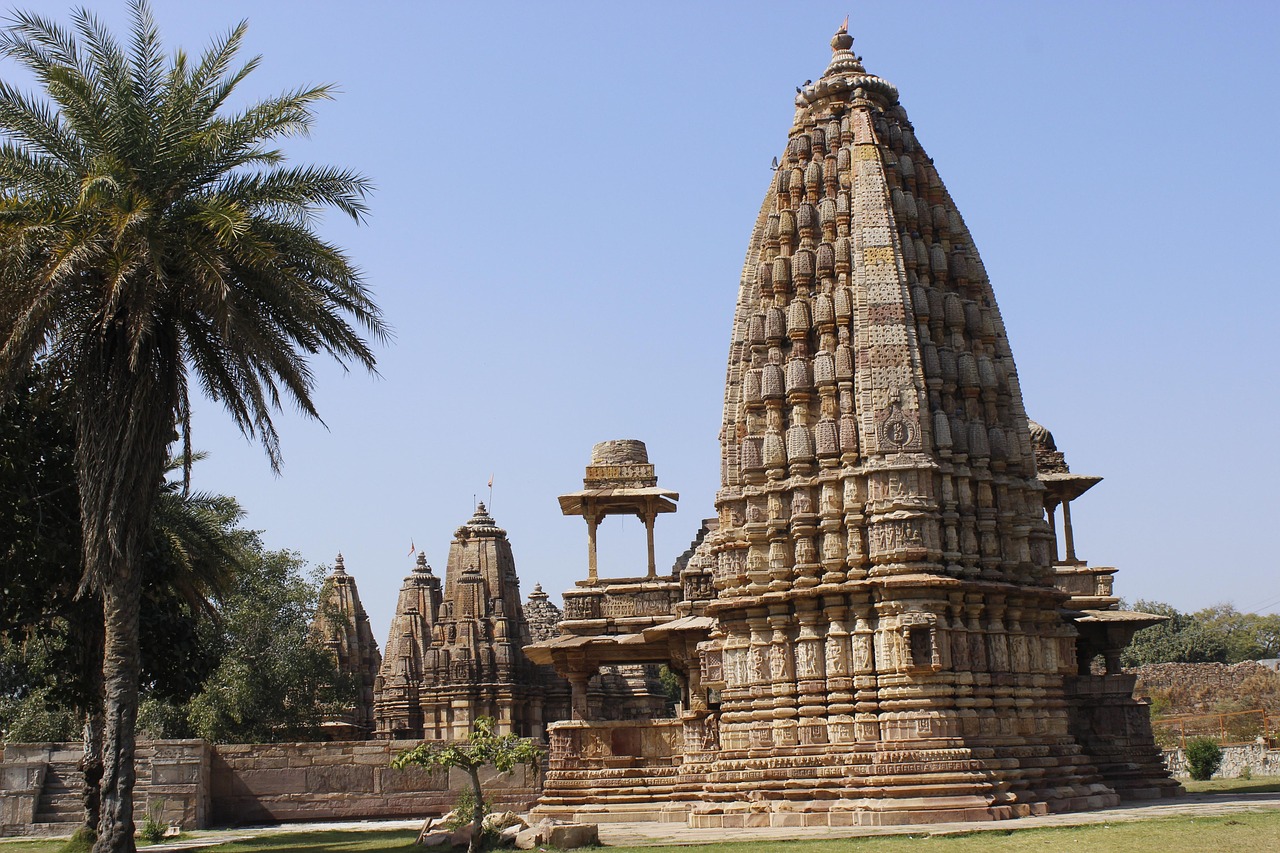
The northern plains have been the seat of empire after empire for thousands of years. Here arose some of the earliest kingdoms of ancient India, the setting of the great Sanskrit epics, the Mahabharata and the Ramayana, that remain the foundational stories of Hindu culture. Here the Buddha taught and the Mauryan and Gupta empires built classical Indian civilization to a golden height of art, science, and learning that influenced all of Asia.
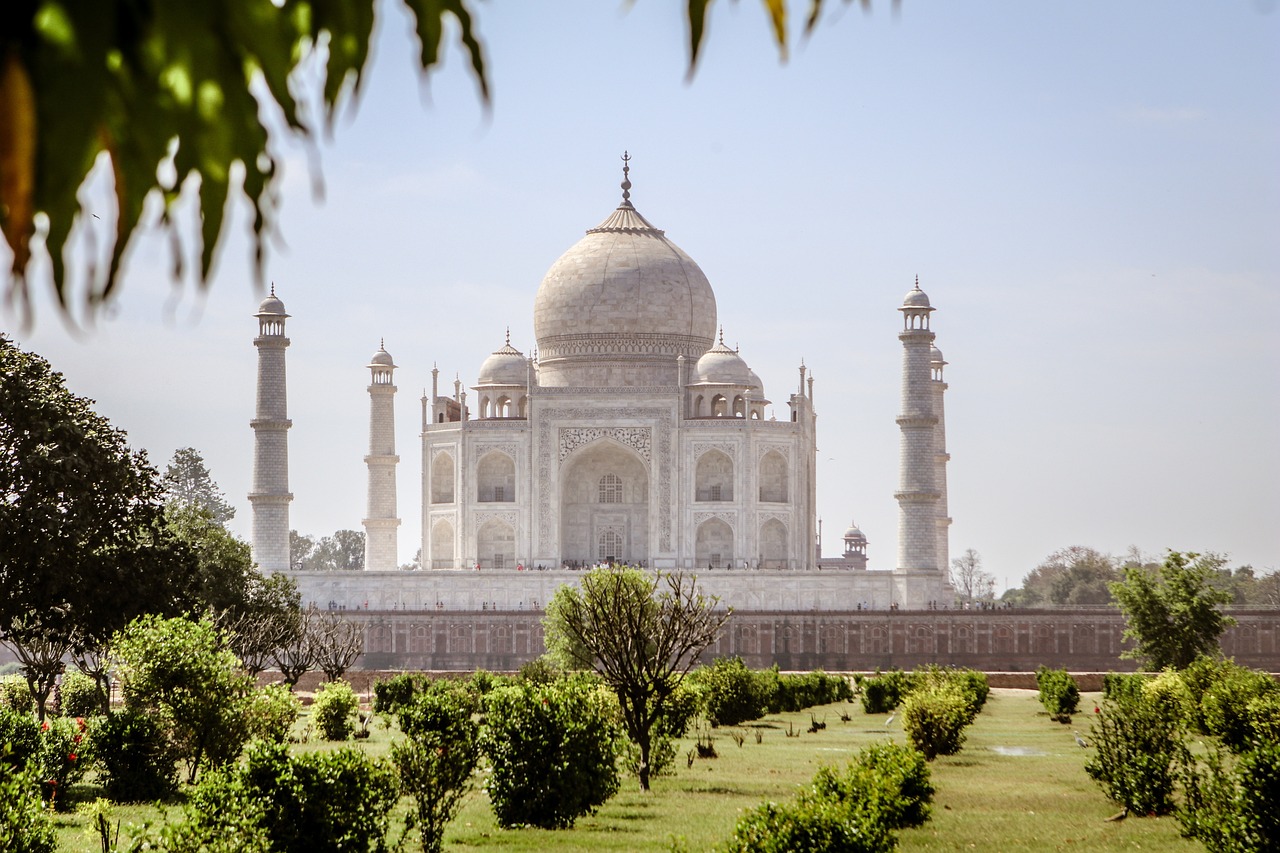
Later the north became the center of the Delhi Sultanate and then the magnificent Mughal Empire, whose Muslim emperors ruled much of the subcontinent from cities like Delhi and Agra. The Mughals fused Persian and Indian culture into something dazzling, building monuments of unmatched beauty, above all the Taj Mahal, raised by an emperor as a tomb for his beloved wife. This long imperial history left the north studded with forts, palaces, and tombs, and gave its culture a courtly refinement that blends Hindu and Islamic traditions.
Delhi, the Eternal Capital
At the center of the northern plains stands Delhi, a city that has served as the capital of empires for the better part of a thousand years and remains the capital of modern India. It is really a layering of many cities built one upon another across the centuries, the ruins and monuments of vanished dynasties scattered among the bustle of a vast modern metropolis. The mighty Red Fort, from whose ramparts the rulers of the Mughal Empire once held court, stands as the symbol of this imperial heritage.
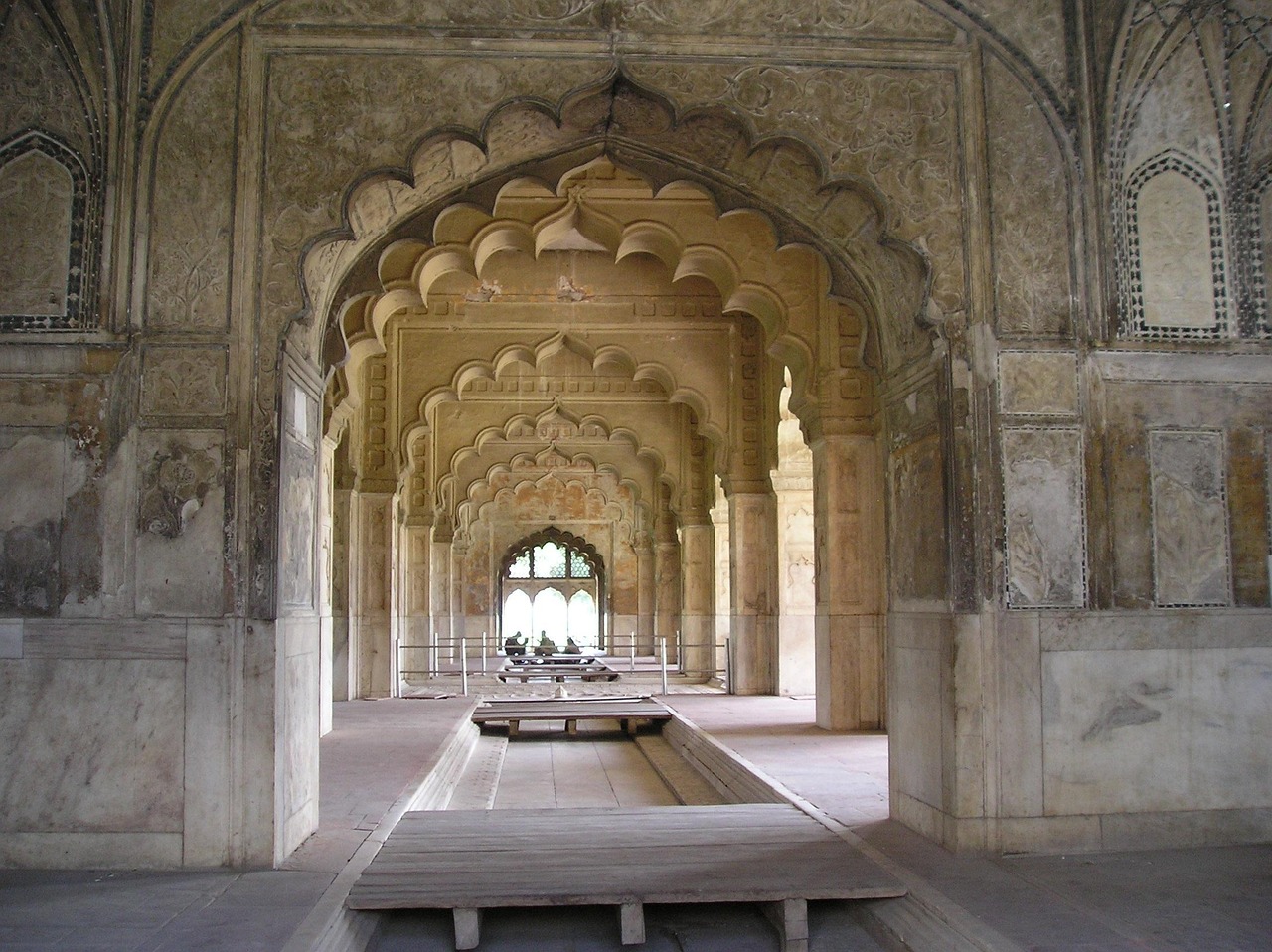
Delhi today is a sprawling capital of many millions, a place where the marble tombs of medieval sultans sit beside government ministries and shopping malls, where the old walled city of narrow lanes and ancient mosques presses against the broad avenues of the colonial era. It embodies the way North Indian culture absorbs layer upon layer of history without ever discarding the old, a living museum of the civilization of the plains.
Festivals of Color and Light
North Indian life turns on a calendar of festivals famous around the world for their exuberance. Greatest of all is Diwali, the festival of lights, when homes and streets blaze with countless lamps and candles to celebrate the triumph of light over darkness, and the night sky fills with fireworks. Families clean and decorate their homes, exchange sweets and gifts, and gather to worship the goddess of prosperity, in a celebration that is to North India what Christmas is to the West.
Even more riotous is Holi, the festival of colors that welcomes the spring, when people of all ages pour into the streets to throw brilliantly colored powders and water at one another in joyful, laughing chaos, dissolving for a day the ordinary barriers of age, caste, and status. These festivals, along with countless others tied to the gods and the seasons, fill the year with communal joy and express the North Indian genius for turning faith into spectacle and celebration.
The Food the World Calls Indian
When people around the world order Indian food, they are most often eating the cuisine of the north. The rich, creamy curries, the tandoori meats roasted in clay ovens, the buttered naan and other breads, the fragrant biryanis, the paneer cheese dishes, are largely the creations of North India and its Mughal influenced kitchens. It is a cuisine built on wheat as much as rice, on dairy in the form of butter, ghee, yogurt, and cream, and on the masterful blending of warm spices into complex, layered flavors.
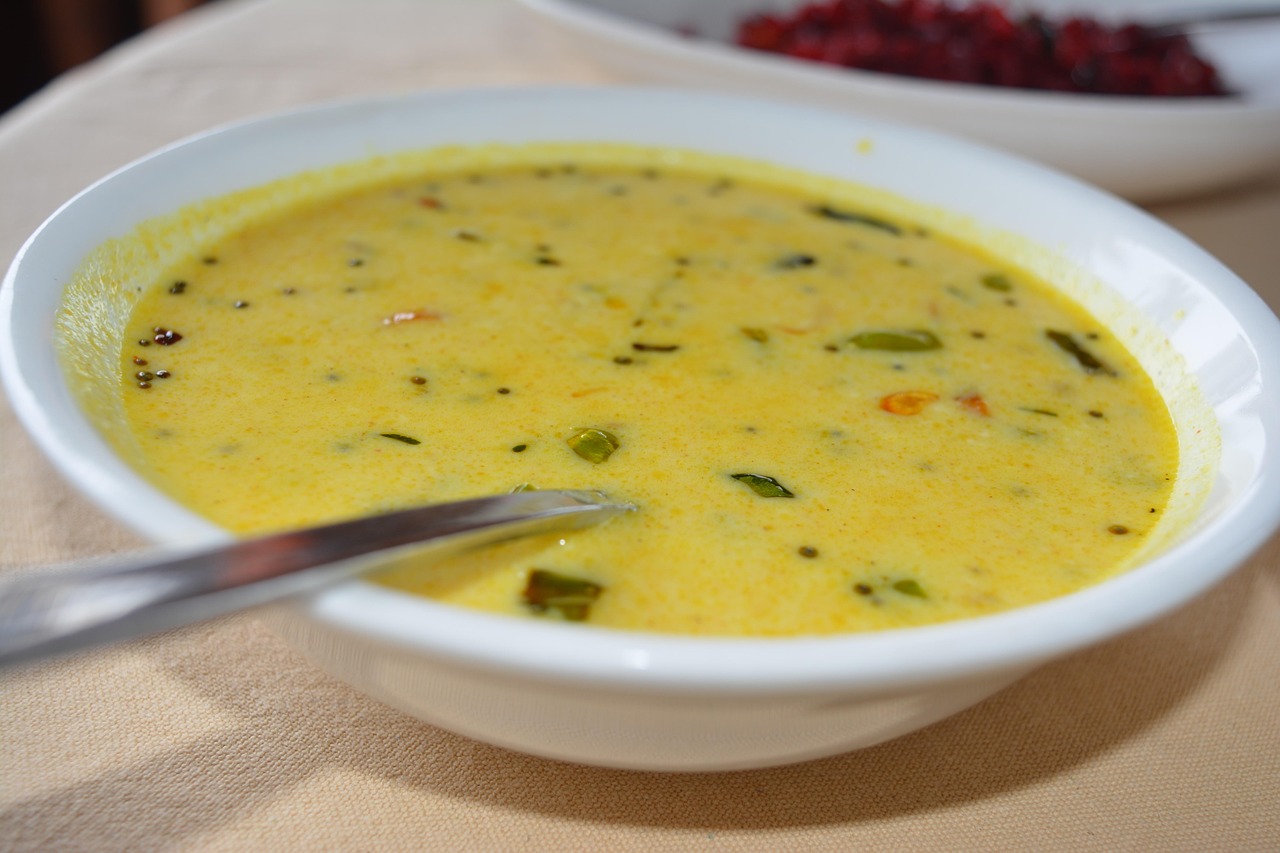
The Mughal courts gave North Indian food much of its richness and refinement, the slow cooked meat dishes and the perfumed rice creations that are the glory of the table. Street food is a whole world of its own, the savory snacks and chaat sold from carts in every town, tangy, spicy, and irresistible. From the simple lentils and flatbread of the village meal to the elaborate banquets of the cities, the food of the north is among the great cuisines of humanity.
A Society of Many Layers
North Indian society is famously complex, organized historically around the caste system, the ancient and intricate hierarchy of hereditary social groups that has shaped Indian life for millennia. An honest account must acknowledge the deep injustice this system inflicted, especially on those at the bottom, the communities once labeled untouchable, who suffered terrible discrimination and oppression. Modern India has outlawed such discrimination and worked to lift these communities, but the legacy of caste remains a living and painful reality.
The region is also marked by the great divide and intertwining of Hindu and Muslim, two communities whose shared history on the plains has produced both a magnificent fused culture and, at times, terrible conflict. The Partition of 1947 tore the north apart along religious lines with appalling violence, and communal tensions have flared periodically since. Yet for all these fault lines, the everyday culture of the north, its language, music, food, and manners, remains a deeply shared inheritance across the lines of faith and caste.
Bollywood and the Dream Factory
In the modern era, North Indian culture found a powerful new voice in the Hindi film industry, known the world over as Bollywood, centered in Mumbai but speaking largely in Hindi to the whole nation and far beyond. Producing a staggering number of films each year, Bollywood became one of the largest and most influential film industries on the planet, its spectacular musicals of love, family, and destiny watched and adored from the Middle East to Africa to the Indian diaspora across the globe.
Bollywood did more than entertain, it helped forge a shared popular culture across the diverse regions of India and spread the Hindi language and North Indian sensibilities far and wide. Its songs became the soundtrack of Indian life, its stars achieved a fame approaching the divine, and its dreamlike vision of romance and melodrama gave hundreds of millions a common storehouse of stories and music. In the dream factory of Bollywood, the ancient North Indian love of epic storytelling found its modern, global form.
The Village and the Family
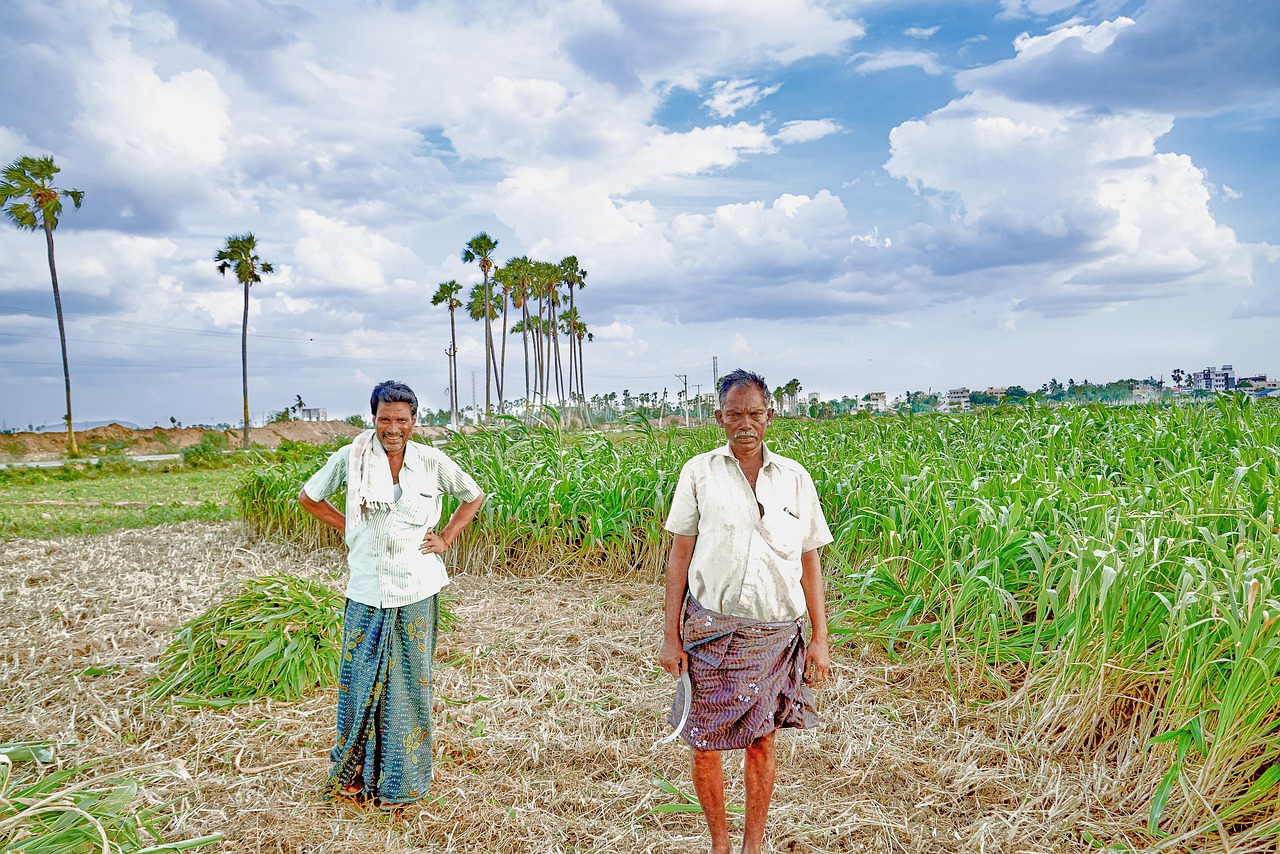
For all the fame of its cities and monuments, the great majority of North Indians have always lived in villages, and the village remains the imaginative heart of the culture. Life in the countless villages of the plains revolves around farming, the cycle of the monsoon and the harvest, and the dense web of family and community. The extended family, with several generations under one roof or in one compound, has been the basic unit of society, a source of identity, security, and obligation that shapes every individual life.
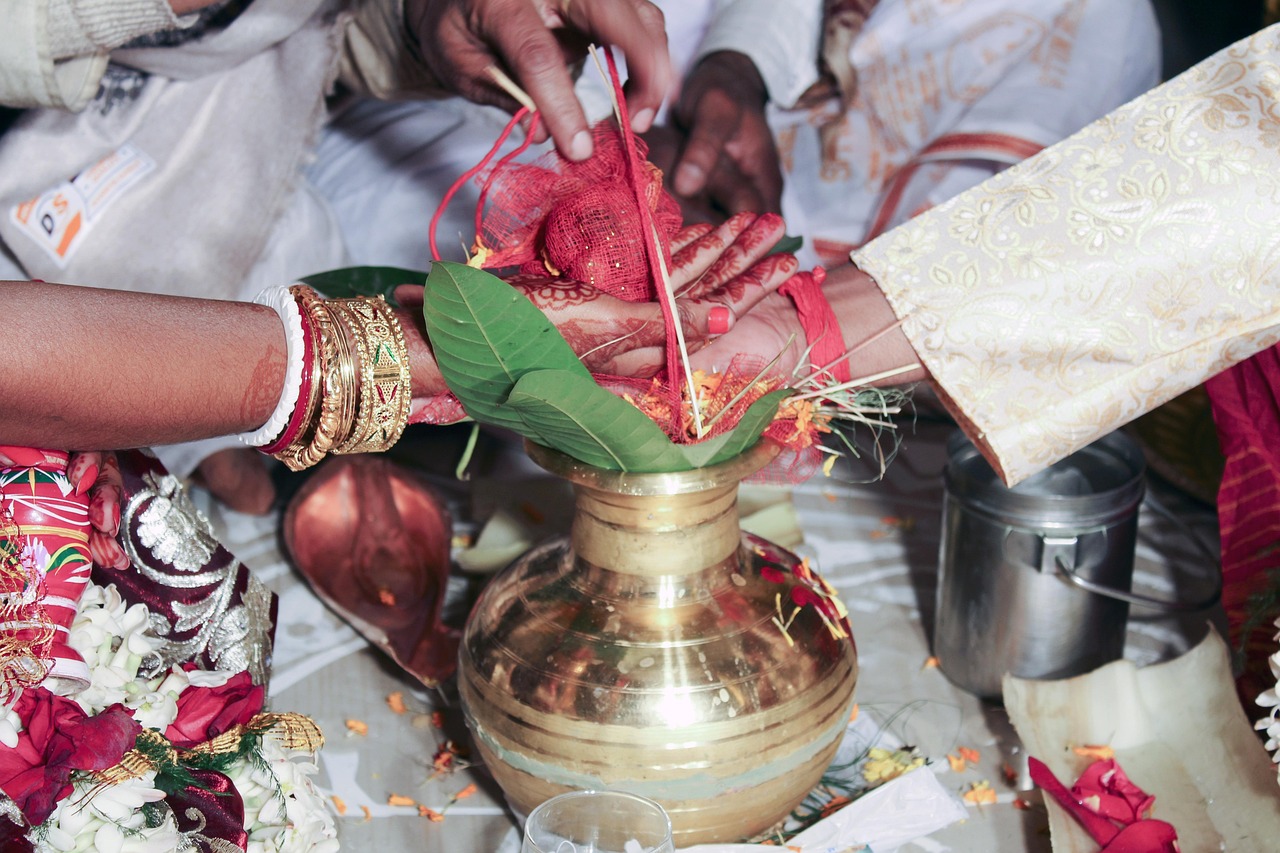
Within this world, traditions of hospitality, respect for elders, and devotion to family run very deep. Marriages, still often arranged by families, are vast and joyous affairs that can involve whole communities and last for days. The bonds of kinship and the duties they carry are felt as the very structure of a meaningful life. Even as North Indians move to the cities and across the world in growing numbers, this family centered village ethos travels with them and continues to shape their values.
Music, Poetry, and the Courtly Arts
North India is the home of one of the world’s great classical music traditions, the Hindustani music that grew up in the courts of kings and emperors over many centuries. Built on the intricate system of melodic frameworks called ragas, each associated with a particular mood, season, or time of day, and on complex cycles of rhythm, this music is performed on instruments like the sitar and the tabla and through a refined vocal art. It is a tradition of deep subtlety, where a master can improvise for hours within the discipline of a single raga.
The courtly culture of the north, especially under Mughal and later Muslim patronage, also nurtured a magnificent tradition of poetry, above all in Urdu, whose ghazals of love and longing are still recited and sung with passion across the subcontinent. The gatherings where poets traded verses, and the devotional Sufi music called qawwali that can lift listeners into ecstasy, are among the glories of North Indian culture. In this refined world of music and verse, the fusion of Hindu and Islamic, Indian and Persian, reached its most beautiful expression.
Cities, Crafts, and the Bazaar
The towns and cities of the north have long been famous for their crafts and their crowded, vibrant bazaars. Each region developed its own specialties, the fine muslins and brocades of the weaving cities, the carpets, the inlaid metalwork, the perfumes and the carved stone, the glass bangles and the embroidered fabrics. The bazaar, a labyrinth of narrow lanes packed with tiny shops and the cries of vendors, is far more than a marketplace, it is the social and economic heart of the traditional town.
To walk through a North Indian bazaar is to be assaulted, in the best way, by color, sound, and smell, the heaps of brilliant spices, the pyramids of sweets, the bolts of shimmering cloth, the haggling and the hospitality. This commercial vitality, the endless energy of buying and selling and making, is as much a part of North Indian life as the temples and the festivals, and it has continued unbroken from the great trading cities of the ancient plains to the teeming markets of today.
The Heartland of a Civilization
To know the North Indians is to encounter the demographic and cultural core of one of humanity’s great civilizations. On their fertile plains arose ancient epics and empires, classical art and science, two of the world’s major religions in Hinduism’s heartland and the birthplace of Buddhism, in contrast to the Dravidian world of the Tamils to the south, and the fused Hindu Muslim culture that produced the Taj Mahal. They gave the world the food it thinks of as Indian, the films it watches in their billions, and festivals of light and color admired everywhere.
Theirs is a culture of profound antiquity and dizzying diversity, carrying both extraordinary richness and real injustices and tensions that an honest account must name. But across all the divisions of caste, faith, and region, the peoples of the northern plains share the sacred river, the Hindi tongue, and the deep inheritance of a civilization thousands of years old. They are, in the fullest sense, the heartland of India, and through their language, faith, and culture, one of the most influential peoples on earth.



2 thoughts on “On the Banks of the Sacred River, the Story of the People of India’s Northern Plains”