It is one of those questions that sounds like science fiction but gets typed into search bars millions of times: can my phone read my mind? The fear feels intuitive. Your phone seems to know what you want before you do, it serves up eerily relevant ads, and it sits inches from your brain all day long. So it is worth answering the question seriously and honestly. The short version is that your phone cannot read your thoughts. But the longer, more interesting version involves real brain-reading technology that exists in laboratories, a different kind of “mind reading” your phone genuinely does perform, and a set of privacy questions that are no longer hypothetical. Let us separate the science from the spookiness.
Table of Contents
- Two Very Different Questions
- Why Your Phone Can’t Read Your Thoughts
- How Scientists Actually Read Brains
- The Non-Invasive Breakthroughs
- Brain Wearables That Plug Into Phones
- The Mind Reading Your Phone Really Does
- How Behavioral Prediction Works
- The Neuro-Privacy Frontier
- Where This Is Genuinely Heading
- Closing Thoughts
Two Very Different Questions
The confusion at the heart of this topic comes from blending two completely different ideas under the same phrase. The first is literal: can a device detect the electrical and chemical activity of your neurons and translate it into your actual thoughts? The second is looser: can a device predict what you are thinking, feeling, or about to do by watching your behavior? These are not the same thing, and keeping them apart is the key to understanding what is real.
The first is true brain reading, and it requires sensors that can actually detect neural activity. The second is behavioral inference, and it requires no access to your brain at all, only a record of what you tap, type, and look at. Your phone does plenty of the second and essentially none of the first. Much of the public unease comes from experiencing the second and assuming it must be the first. Once you see the difference, the whole subject becomes far less frightening and far more interesting.
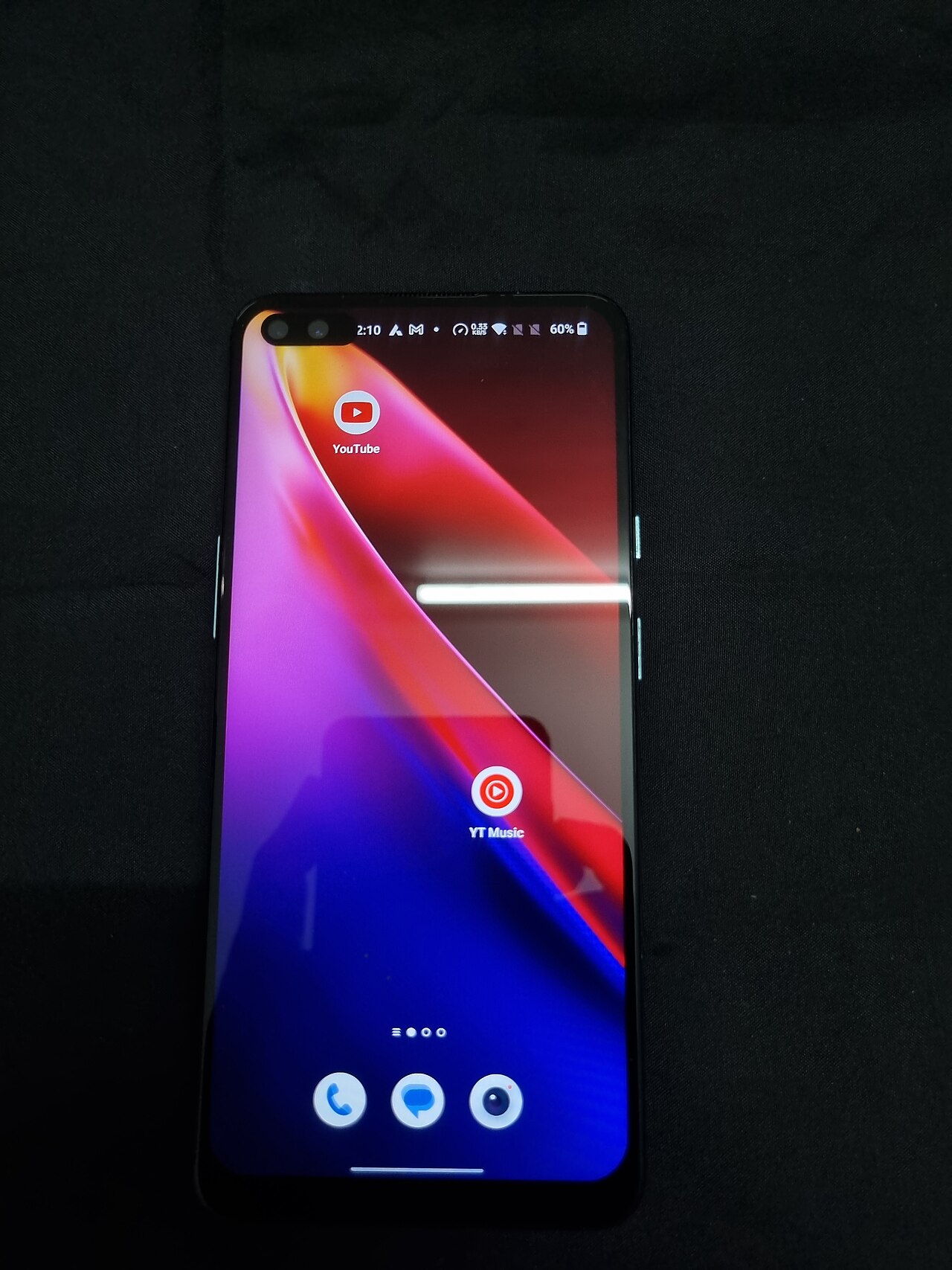
Why Your Phone Can’t Read Your Thoughts
Let us be clear about the physics. Reading thoughts directly means detecting the activity of neurons, and neurons communicate using tiny electrical and chemical signals. To pick those up, you need a sensor in close contact with the brain or skull, and even then the signals are faint and easily drowned out. A phone sitting in your pocket or held to your ear has no sensor capable of detecting neural activity. It measures touch, motion, sound, and light, none of which reveal what your neurons are doing.
The radio waves a phone uses to communicate travel outward to cell towers; they do not come back carrying a readout of your brain. There is no known mechanism by which a standard phone could detect the activity of individual neurons through your skull from across the room or even pressed against your head. So when people worry that their phone is secretly listening to their thoughts, the reassuring truth is that the hardware to do so simply is not there. Whatever your phone knows about you, it learned by watching your behavior, not by peering inside your head.
How Scientists Actually Read Brains
That said, brain reading is real, and it is one of the most remarkable areas of modern science. It just requires serious, specialized equipment that looks nothing like a phone. The most direct method involves implanting tiny electrode arrays directly into or onto the brain, which can pick up the activity of individual neurons with great precision. This is how the most advanced brain-computer interfaces work, and the results have been astonishing.
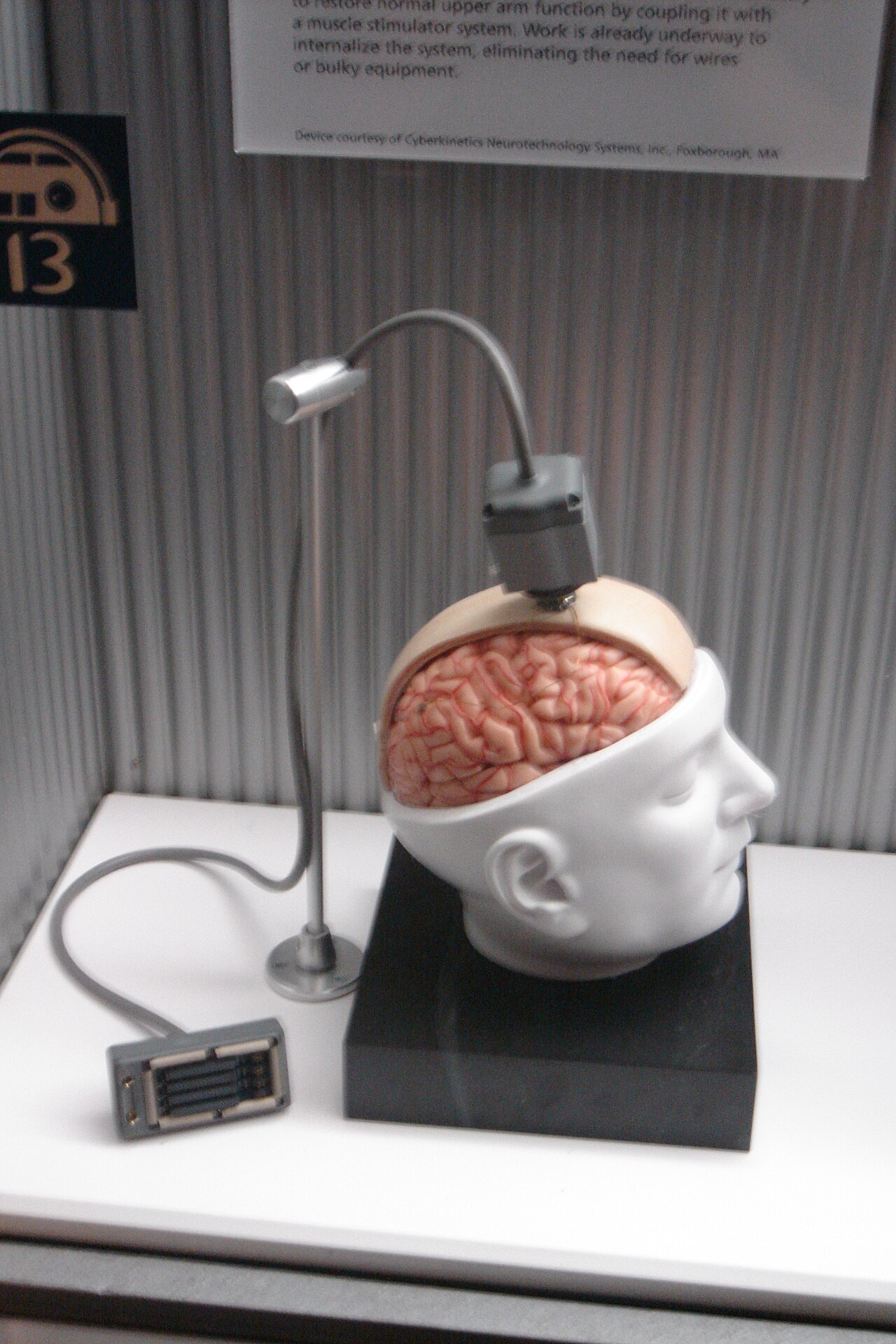
In two landmark studies published in Nature in 2023, separate research teams demonstrated systems that could decode attempted speech directly from the brain activity of people who had lost the ability to talk. One system, described by Willett and colleagues, translated neural signals into text at remarkable speed. Another, reported by Metzger and colleagues, went further by driving a speaking avatar, turning brain activity into both words and facial expressions. These are genuine examples of reading something out of a brain, but notice what they require: surgically placed electrodes, powerful computers, and extensive training for each individual user. This is brain reading, and it is light-years from anything a phone could do.
The Non-Invasive Breakthroughs
You might reasonably ask whether brains can be read without surgery, since that is what would be needed for anything mainstream. The answer is a cautious and qualified yes, and one study in particular captured headlines. Researchers led by Tang, in work published in Nature Neuroscience in 2023, built what they called a semantic decoder that could reconstruct the gist of continuous language from non-invasive brain recordings while people listened to stories or imagined telling them.
This sounds exactly like the mind reading people fear, so the details matter enormously. The system did not recover exact words but rather the general meaning of what someone was hearing or thinking. Crucially, it relied on functional MRI, a room-sized scanner that requires the person to lie still inside a giant magnet for hours of training. Even more important for privacy, the researchers found the decoder did not work if the person actively resisted by thinking about something else, and a decoder trained on one person did not work on another. In other words, even this striking result needed massive cooperation, enormous equipment, and the subject’s active participation. It is a scientific milestone, not a pocket-sized threat.
Brain Wearables That Plug Into Phones
Here is where the phone re-enters the story, though not in the way the scary version imagines. A growing market of consumer brain wearables, mostly headbands or earbuds with EEG sensors, can detect the brain’s electrical activity through the scalp and send that data to a phone app. These devices are real, and your phone can indeed display and process the brain signals they capture. So in a narrow sense, a phone paired with the right accessory can show you information derived from your brain.
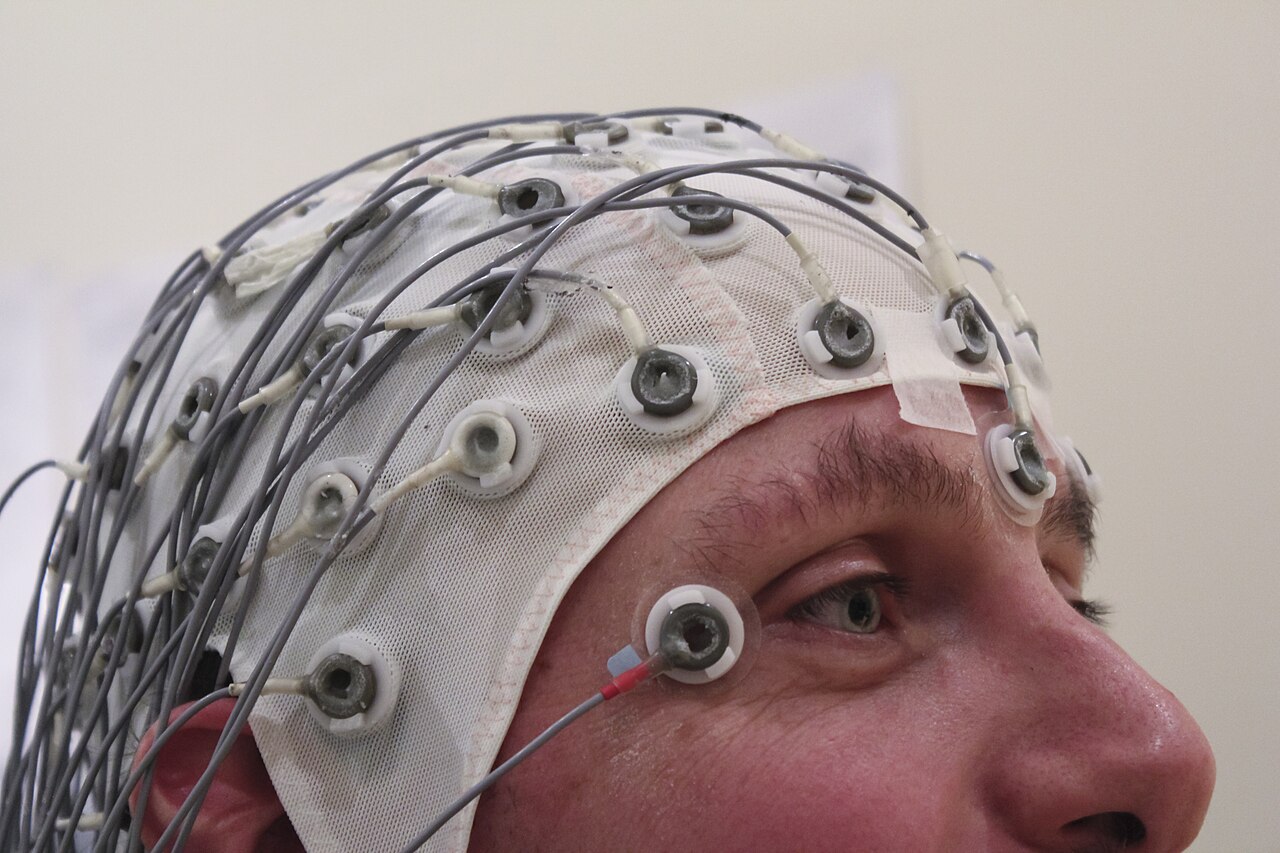
But it is important to be realistic about what these wearables can and cannot do. EEG picked up from outside the skull is blurry and noisy, a smeared average of the activity of millions of neurons rather than a clear signal from any one. These devices can reasonably estimate broad states like relaxation, drowsiness, or focus, which is why they are popular for meditation and sleep tracking. What they cannot do is decode specific thoughts, read sentences forming in your mind, or extract private memories. The gap between detecting “this person seems relaxed” and reading “this person is thinking about their bank password” is vast, and current consumer hardware lands firmly on the harmless side of it. Your phone is the display screen, not a mind reader.
The Mind Reading Your Phone Really Does
Now we get to the part that actually deserves attention, because it is real, it is happening, and most people underestimate it. Your phone does not read your neurons, but it reads your behavior in extraordinary detail, and from that behavior it can infer a surprising amount about your inner state. Researchers call this digital phenotyping, and it has become a serious area of study, including in mental health.
The basic idea, explored in reviews such as one published in Frontiers in Digital Health in 2021, is that the way you use your phone leaves a rich trail of clues about how you are doing. How much you move, how you sleep, how quickly you type, how often you reach out to others, how your patterns shift over days and weeks: all of this can be passively sensed by a phone. From these signals, researchers have built models that try to detect signs of depression, anxiety, or relapse, sometimes before a person consciously recognizes the change themselves. Used ethically and with consent, this is a genuinely promising tool for catching mental health problems early.
How Behavioral Prediction Works
It is worth walking through how this feels like mind reading without being anything of the sort. Imagine your phone notices that over two weeks you are moving less, staying home more, messaging friends less, scrolling late into the night, and typing more slowly. None of these individually means much, but together they form a pattern that often accompanies a low mood. A model trained on many people’s data can flag that pattern. To you it might feel uncanny, as if the phone sensed your sadness, when really it just noticed the footprints that sadness leaves on your behavior.
The same logic powers the everyday “how did it know?” moments with advertising and recommendations. Your taps, searches, pauses, and purchases feed models that predict what you are likely to want next. These systems are often right not because they read your mind but because human behavior is more predictable than we like to admit, and because they have enormous amounts of data to learn from. The feeling of being read is real; the mechanism is statistics, not telepathy. Understanding this is oddly empowering, because behavior is something you can be aware of and adjust, unlike thoughts you imagine being plucked from your skull.
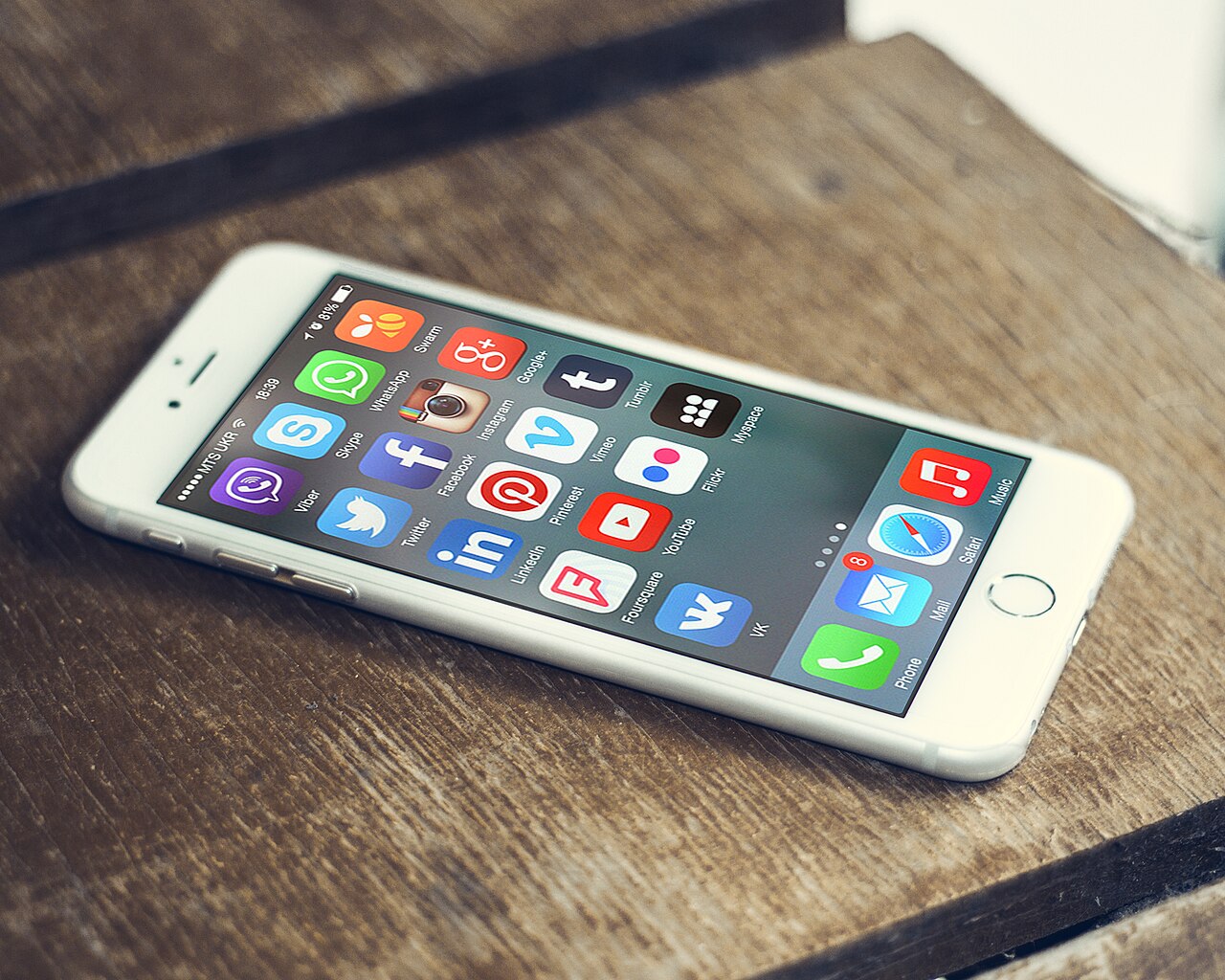
The Neuro-Privacy Frontier
None of this means there is nothing to worry about; it means the worries belong in the right place. Two distinct privacy concerns deserve attention. The first is behavioral data, the detailed record of what you do on and around your phone. This is already collected at scale, already used to infer sensitive things about your mood and life, and already worthy of stronger protection. The mind reading that matters today is this kind, and it is mostly invisible because it does not feel like brain data.
The second concern is genuinely new and forward-looking: as brain-sensing wearables spread, the data they capture, sometimes called neural data, is uniquely intimate. Even if today’s devices only read crude brain states, the trajectory points toward richer signals, and the information from your nervous system is about as personal as data gets. Lawmakers and ethicists have begun debating special protections for neural data precisely because, unlike a password, you cannot change your brain if its data leaks. The responsible message is not panic but vigilance: the real frontier is ensuring that both behavioral and neural data are governed by strong consent and strong limits before the technology outpaces the rules.
Where This Is Genuinely Heading
Looking ahead, two trends will continue in parallel. Laboratory brain reading will keep getting more capable, restoring speech and movement to people with paralysis and deepening our understanding of how thought is encoded. This is medical and scientific progress worth celebrating, and it will remain, for the foreseeable future, the domain of specialized equipment and willing participants, not consumer phones. The dream and the dread of a phone that decodes your thoughts directly is not on any near-term horizon, because the physics and biology stand firmly in the way.
Behavioral inference, meanwhile, will keep getting sharper, woven ever more tightly into the apps and services we use. This is where the meaningful action is for ordinary people, and where attention, regulation, and personal awareness should focus. The honest framing is that your phone is not a window into your mind, but it is a remarkably detailed mirror of your behavior, and behavior reveals a lot. Treating it as the second rather than the first leads to better decisions about what to share and what to guard.
Closing Thoughts
So, can your phone read your brain? Not in the literal, neuron-decoding sense that the question implies, and not anytime soon. The hardware to read thoughts exists, but it lives in laboratories, often requires surgery or a room-sized scanner, and demands the subject’s active cooperation. What your phone actually does is subtler and, in its own way, more impressive: it reads the trail your behavior leaves, and from that trail it infers your moods, habits, and intentions with unsettling accuracy. That is the mind reading worth understanding, because it is real, it is here, and it shapes the digital world we live in. The thoughts inside your head remain yours alone. The footprints they leave on your screen are the part worth watching. For more, explore our coverage of neuroscience, brain-computer interfaces, and privacy.