Imagine trying to build a great city in a place that has almost no water. Not a river running through it, not a lake beside it, not even reliable rain — just a harsh, salt-crusted island in one of the most punishing landscapes on Earth, where the monsoon arrives for a few weeks and then vanishes, leaving months of blistering drought behind. Most of us would look at such a place and keep walking. The people who built Dholavira looked at it and saw a home worth engineering into existence.
Dholavira sits on a barren island in the Great Rann of Kutch, in the modern Indian state of Gujarat, and it was one of the greatest cities of the Indus Valley Civilization — the same remarkable Bronze Age culture that gave us Mohenjo-daro. But where Mohenjo-daro sat beside a mighty river and worried mostly about floods, Dholavira faced the opposite problem, and its answer to that problem is, for my money, one of the most quietly heroic achievements of the entire ancient world. These people did not just survive in a near-waterless desert. They built a thriving city there, and they did it by becoming, four and a half thousand years ago, some of the most brilliant water engineers our species has ever produced.
So let me take you to Dholavira. I want to show you its enormous reservoirs and its ingenious drains, walk you through a city built almost entirely of stone, and make the case that this dusty, half-forgotten site in the desert deserves to be spoken of in the same breath as any wonder of the ancient world.
A City in an Impossible Place
To understand Dholavira, you first have to understand just how unforgiving its setting is. The Great Rann of Kutch is a vast expanse of salt marsh and desert, a place that floods briefly with the monsoon and then bakes into a cracked, white, salt-encrusted wasteland for the rest of the year. Dholavira was built on an island within this Rann, hemmed in by two seasonal streams that ran only when the rains came. For most of the year, there was no flowing water at all. The sun was merciless. The ground was salty. By any sensible measure, it was a terrible place to found a city.
And yet, for something like fifteen hundred years, a city flourished there. At its height, Dholavira was one of the five largest cities of the entire Indus Valley Civilization, a bustling urban centre covering a huge area, home to thousands of people, connected by trade to distant lands. Ships may have reached it when the Rann flooded, linking it to the wider Harappan world and beyond. This was not a marginal outpost clinging to survival. It was a major city, prosperous and sophisticated, thriving in a place that should have defeated it.
How? That is the whole story, really, and the answer comes down to one thing above all others: water. The people of Dholavira became masters of capturing, storing, and conserving every single drop that the brief monsoon offered them. They turned a fundamental weakness — the near-total absence of water — into the organizing genius of their entire city. Everything at Dholavira, its layout, its architecture, its very survival, revolved around water. And what they achieved has left modern engineers genuinely impressed.
The Genius of the Water System
Here is the core of what makes Dholavira so special. When the monsoon came and the two seasonal streams briefly ran, the people of Dholavira did not simply let that precious water rush past and drain away into the salt flats. They caught it. They built dams across the streams to divert the flow, and they channelled that water into a vast, interconnected network of reservoirs, tanks, drains, and channels that threaded through the entire city. In a few short weeks of rain, they harvested enough water to last the long dry months ahead.
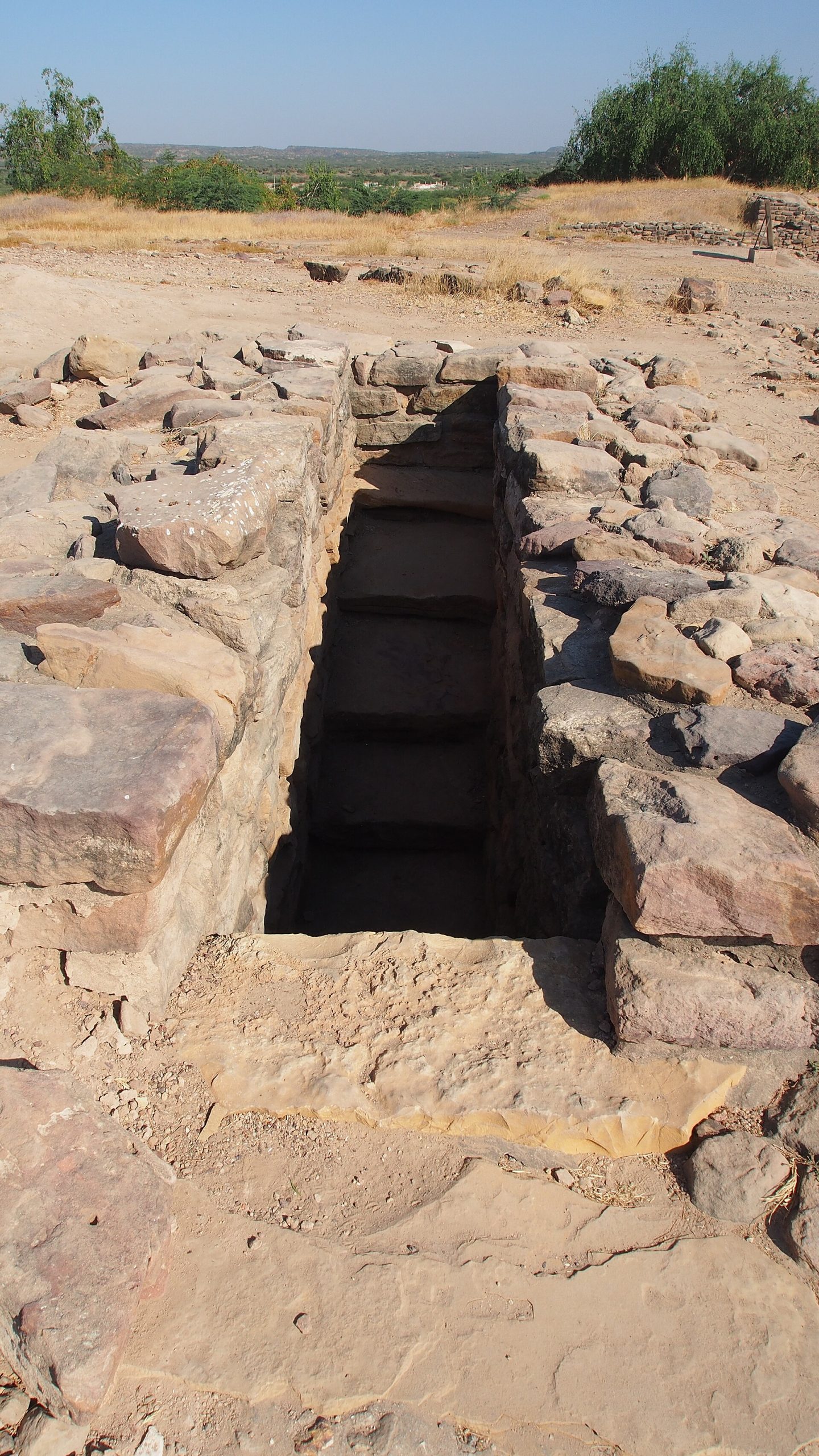
Think about the level of planning this required. You cannot improvise a system like that. Someone had to understand where the water would come from, how much there would be, where it needed to go, and how to move it there using nothing but gravity, stone, and clever design. They had to build it before the rains arrived and trust that it would work when they did. And they had to maintain it, year after year, generation after generation, because a single failed monsoon or a broken channel could mean disaster. The entire life of the city depended on getting the water engineering exactly right.
What strikes me most is that this was not a system bolted onto the city as an afterthought. The water network was woven into the very fabric of Dholavira, integrated with its streets and buildings and defences. The reservoirs were not just functional; some of them were monumental, carefully cut and lined, clearly objects of civic pride as well as survival. When a society pours that much ingenuity, labour, and care into managing water, it tells you that water was not merely a practical concern for them. It was the sacred, central fact of their existence, the thing that made everything else possible.
Reservoirs Carved From Rock
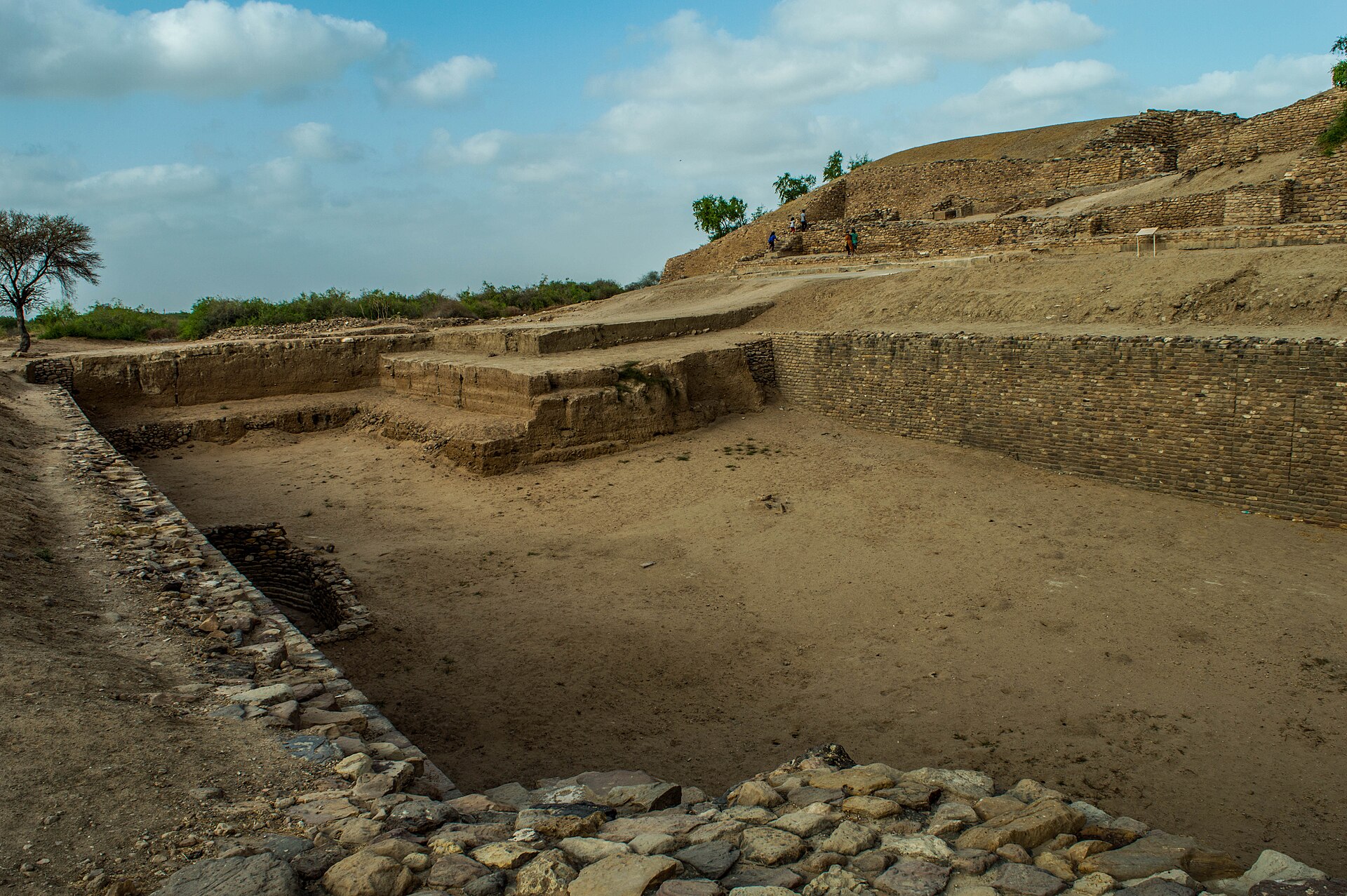
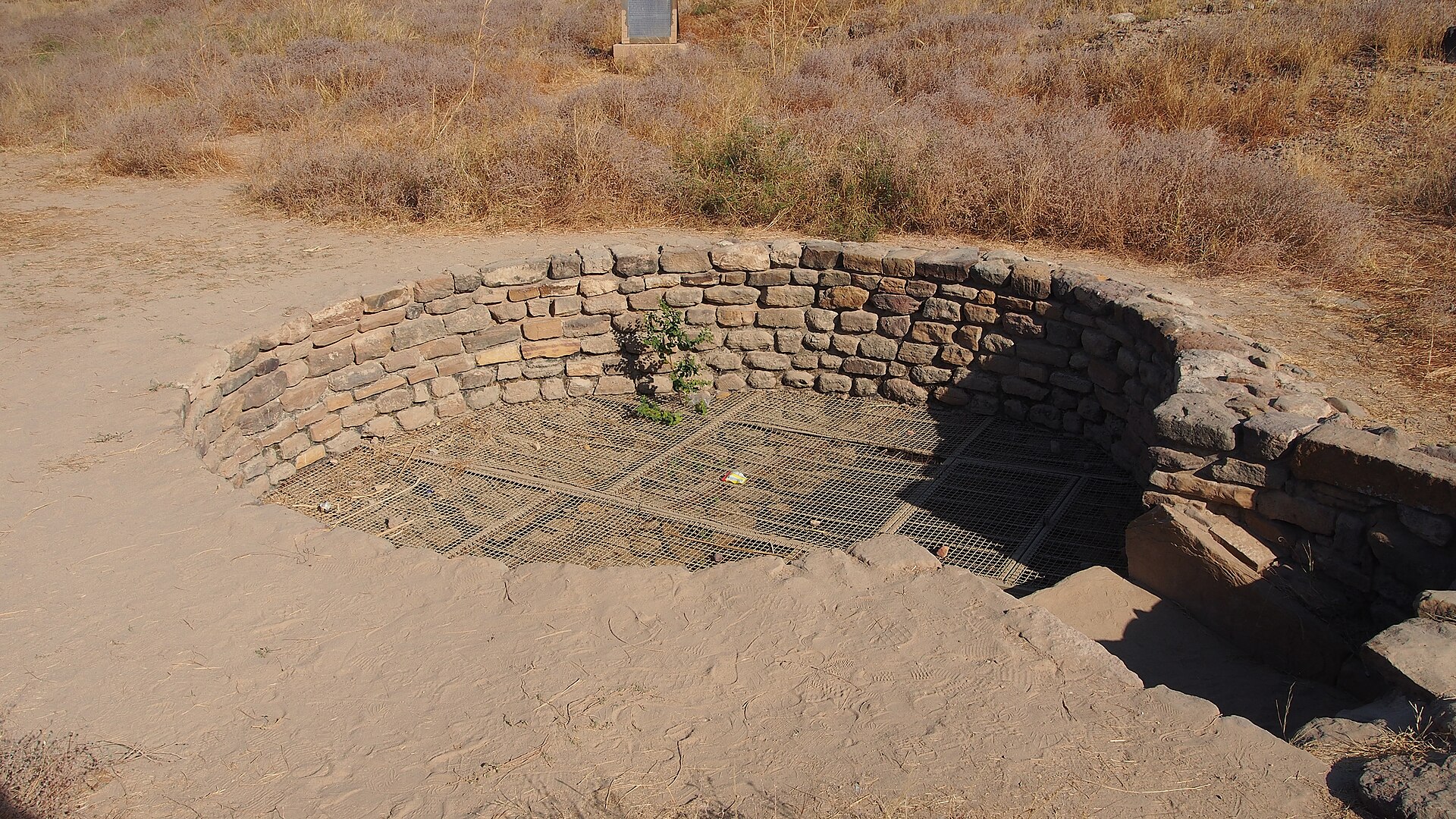
Let us linger on the reservoirs themselves, because they are the crowning glory of Dholavira and genuinely breathtaking in scale. The city was ringed and threaded with a series of enormous water reservoirs, some of them cut directly down into the bedrock, lined with stone, and stepped so that people could descend to reach the water as its level dropped through the dry season. By some counts, these reservoirs and tanks covered a remarkable proportion of the entire walled city — a huge fraction of Dholavira’s footprint was, in effect, dedicated to holding water.
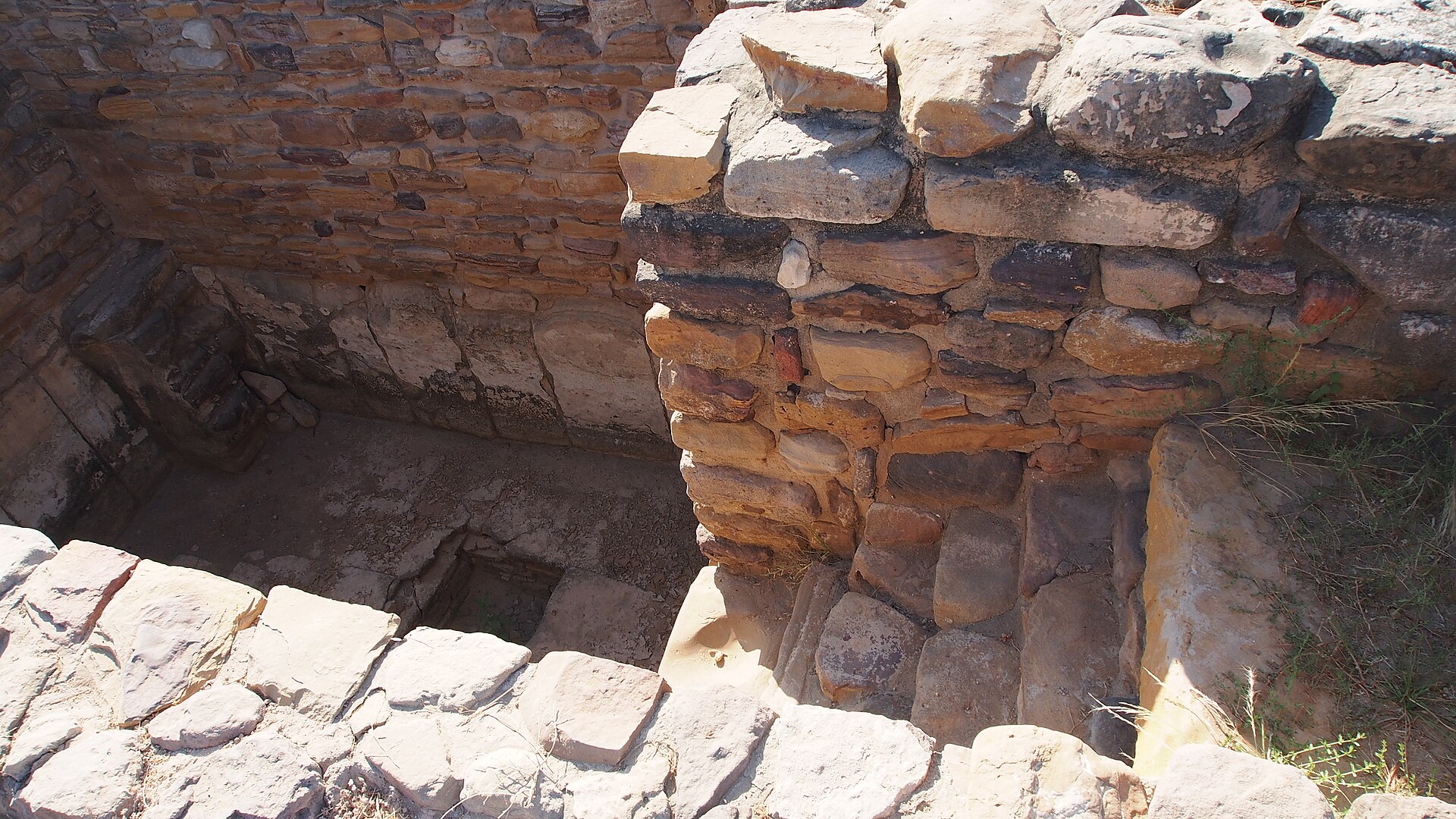
Some of these reservoirs were vast — tens of metres long, several metres deep, capable of holding staggering volumes of water. To dig them out of rock and earth, line them, and connect them into a working system, using only Bronze Age tools and human muscle, represents an astonishing investment of collective effort. Standing at the edge of one of these great stone tanks today, empty and dry, you can still feel the ambition of it. This was a civilization that decided it would not be beaten by the desert, and then built, quite literally, the infrastructure to prove it.
And they thought about every stage of the water’s journey. There were channels to bring water in, tanks to store it, drains to move it around, and even features that look designed to let water overflow safely from one reservoir to the next when the rains were heavy, so that nothing was wasted and nothing caused damage. There were wells, too, reaching down to whatever groundwater could be found. It was a complete, integrated water economy, thought through from the first drop of rain to the last cup drawn in the dry season. Honestly, the more you learn about it, the more the word that comes to mind is not “ancient” but “advanced.”
A City in Three Parts
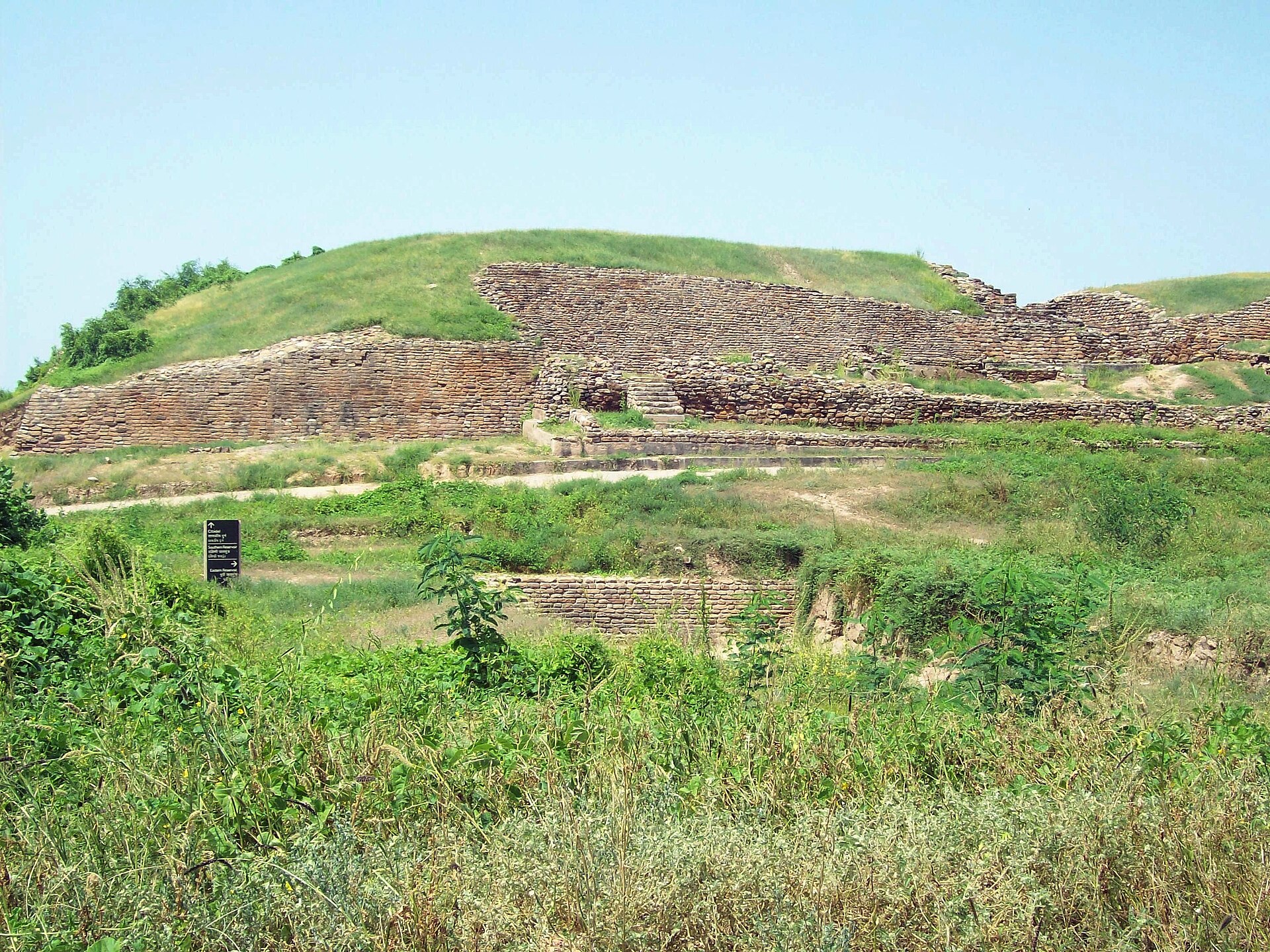
Dholavira was not a jumble of buildings thrown together. Like the best of the Indus cities, it was carefully planned, and it had a clear and deliberate structure, divided into three main parts. There was a heavily fortified upper area, often called the citadel or castle, the most protected and probably the most important part of the city, where the ruling elite or administration seem to have been based. Below and beside it lay a middle town. And beyond that spread a lower town, where much of the general population lived and worked.
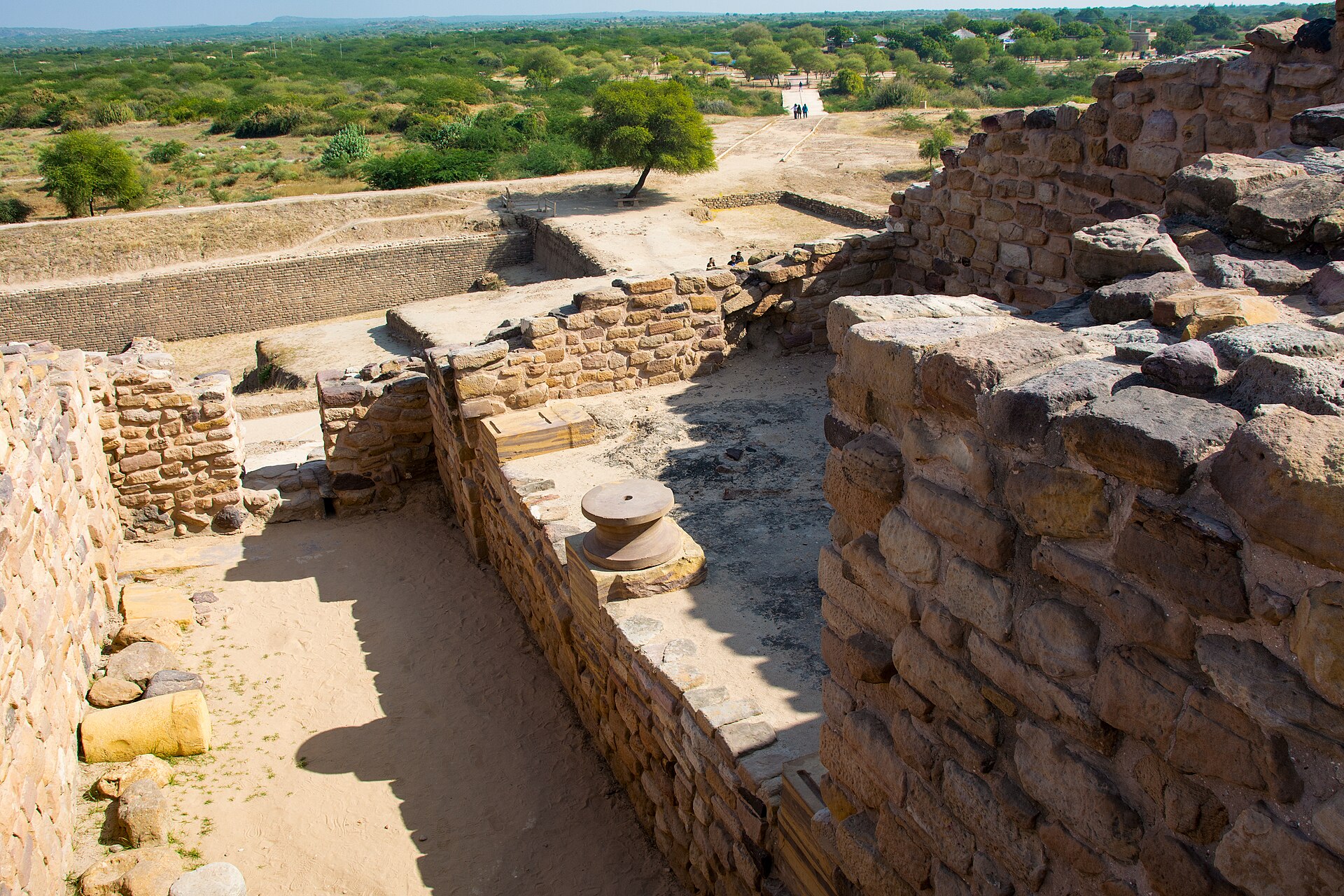
This three-part division is fascinating because it speaks to a structured, organized society with clear distinctions of status and function — a place with rulers and ruled, with administrative centres and residential districts, with a plan imposed by some guiding authority. The whole city was enclosed and defended by massive fortification walls, built of stone and mud brick, thick and imposing. Between the divisions ran gateways, streets, and open spaces, all laid out with the characteristic Harappan love of order that we saw so vividly at Mohenjo-daro.
There was also a large open ground, a kind of stadium or ceremonial space, stretching alongside the citadel — a place, perhaps, where the whole community could gather for festivals, markets, or public spectacles. I love imagining it full: the citadel rising above, the reservoirs glinting after the monsoon, crowds gathered in the great open ground for some celebration we can no longer name. For all its harsh setting, Dholavira was clearly a place of community and public life, not merely a grim struggle for survival. People did not just endure here. They lived, and gathered, and celebrated.
Built of Stone, Not Just Brick
Here is a detail that sets Dholavira apart from its famous Indus siblings and that I find quietly telling. Mohenjo-daro and Harappa were, above all, cities of baked and mud brick — the standardized bricks that were the hallmark of Harappan building. Dholavira, by contrast, made lavish use of stone. Its walls, its reservoirs, its structures all made heavy use of the local stone that the island provided, cut and dressed and fitted with real skill.
Why the difference? The simplest answer is that Dholavira built with what it had. The Rann of Kutch offered stone in abundance, and so the people used it, quarrying and shaping it into the walls and tanks and buildings of their city. But the result is something distinctive: a Harappan city with a character all its own, more massive and stony than the brick cities of the river plains, its architecture shaped by the particular gifts and demands of its landscape. It is a lovely reminder that even within a single civilization, local conditions produce local genius. The Harappans were not building from a rigid template. They were adapting, thoughtfully, to wherever they found themselves.
And the stonework was skilled. The people of Dholavira dressed and polished stone, fitted large blocks together, and even, in places, used stone columns and pillars. Some of the polished stone pieces found at the site are beautifully finished, the work of craftspeople who clearly took pride in their material. This was not crude, makeshift building. It was accomplished masonry, evidence of a mature tradition of working with stone that the river cities, with their endless supply of brick clay, never developed to the same degree.
The World’s Oldest Signboard?
Now for one of the most tantalizing discoveries at Dholavira, and one that connects straight back to a mystery we have met before in this journey: the undeciphered Indus script. Near one of the great gateways of the citadel, archaeologists found the remains of what may be the oldest signboard in the world. It consisted of a row of large symbols, made from pieces of white gypsum inlaid into a wooden board, spelling out — something. Ten great signs of the Indus script, mounted above a gateway for all to see.
The wooden board itself decayed long ago, but the arrangement of the gypsum symbols survived where they fell, letting archaeologists reconstruct this remarkable object. Picture it in its day: ten large, bright white characters, mounted high above one of the main entrances to the city, clearly meant to be read by everyone who passed beneath. It is one of the earliest examples anywhere of monumental public writing — a sign, in the most literal sense, hanging over the gate of an ancient city.
And of course, we cannot read it. Like all Indus script, those ten grand symbols remain silent, their meaning lost. Was it the name of the city? The name of a king or a god? A welcome, a warning, a blessing? We will probably never know, unless the Indus script is one day deciphered. But there is something wonderful and a little heartbreaking about it all the same. Four and a half thousand years ago, someone wanted to say something to everyone who entered their city, something important enough to spell out in gleaming white letters above the gate. The message still hangs there, in a sense, perfectly preserved and utterly unreadable. We can see that they spoke. We just cannot hear what they said.
Daily Life in the Desert City
What was it actually like to live in Dholavira? The finds from the site let us sketch a surprisingly rich picture. This was a working, trading, crafting city. Its people made pottery, worked with copper and other metals, fashioned beautiful beads from semi-precious stones, and carved seals of the kind found across the Harappan world. Dholavira was, in fact, a notable centre for bead-making and shell-working, its craftspeople turning out goods that travelled far along the trade routes of the ancient Indian Ocean and beyond.
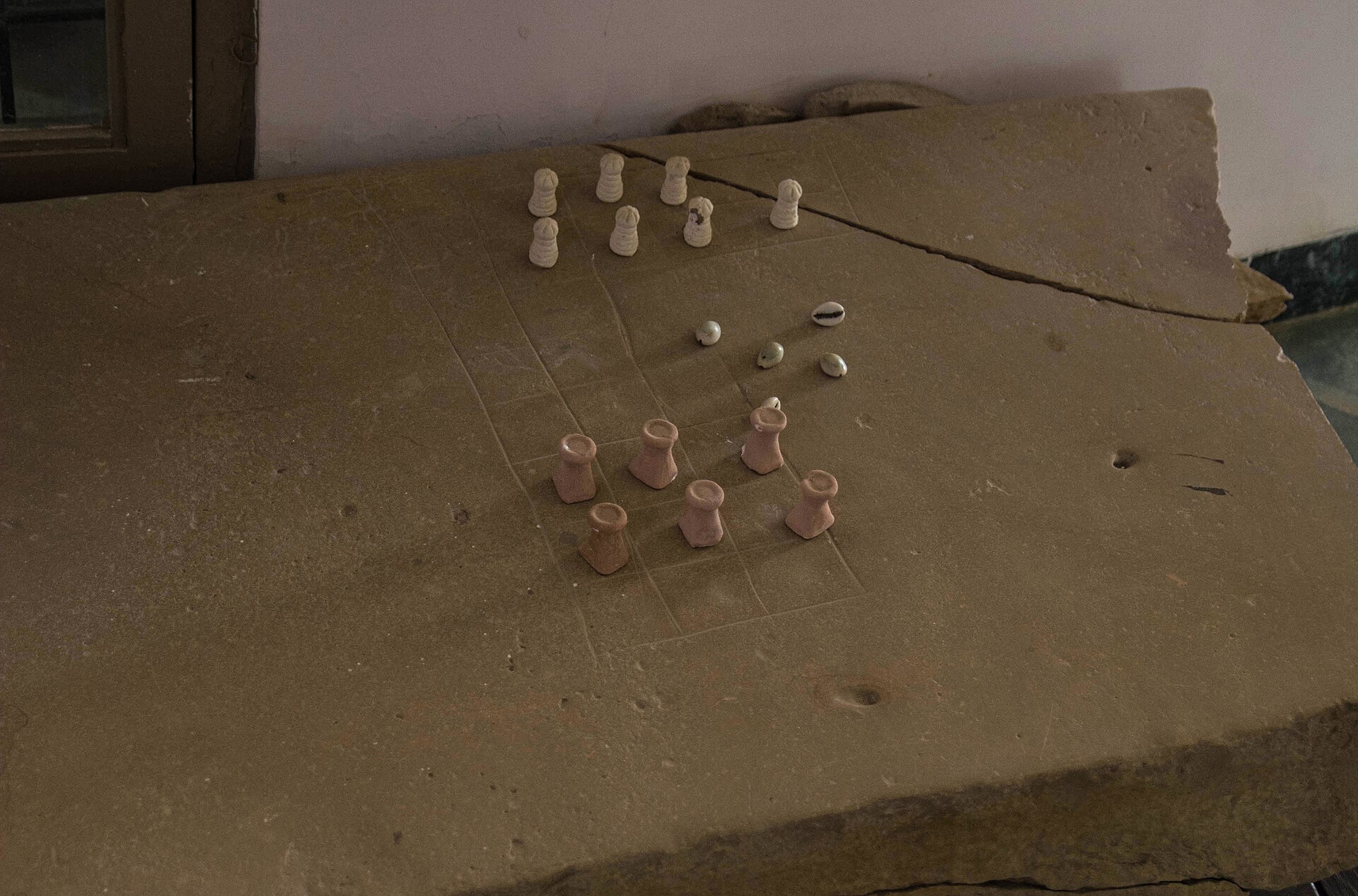
They traded widely. Dholavira’s position, reachable by sea when the Rann flooded, made it a hub linking the Indus heartland with distant markets. Goods and materials flowed in and out. And the people found time for pleasure as well as work: among the finds is a stone gaming board, a reminder that the citizens of this desert city sat down together to play, just as people always have. It is such a small, human thing — a board for a game — but it reaches across the millennia and taps you on the shoulder. These were not grim survivalists eking out a miserable existence. They were people with leisure, with craft, with games and beauty and trade, living full lives in a city they had willed into being.
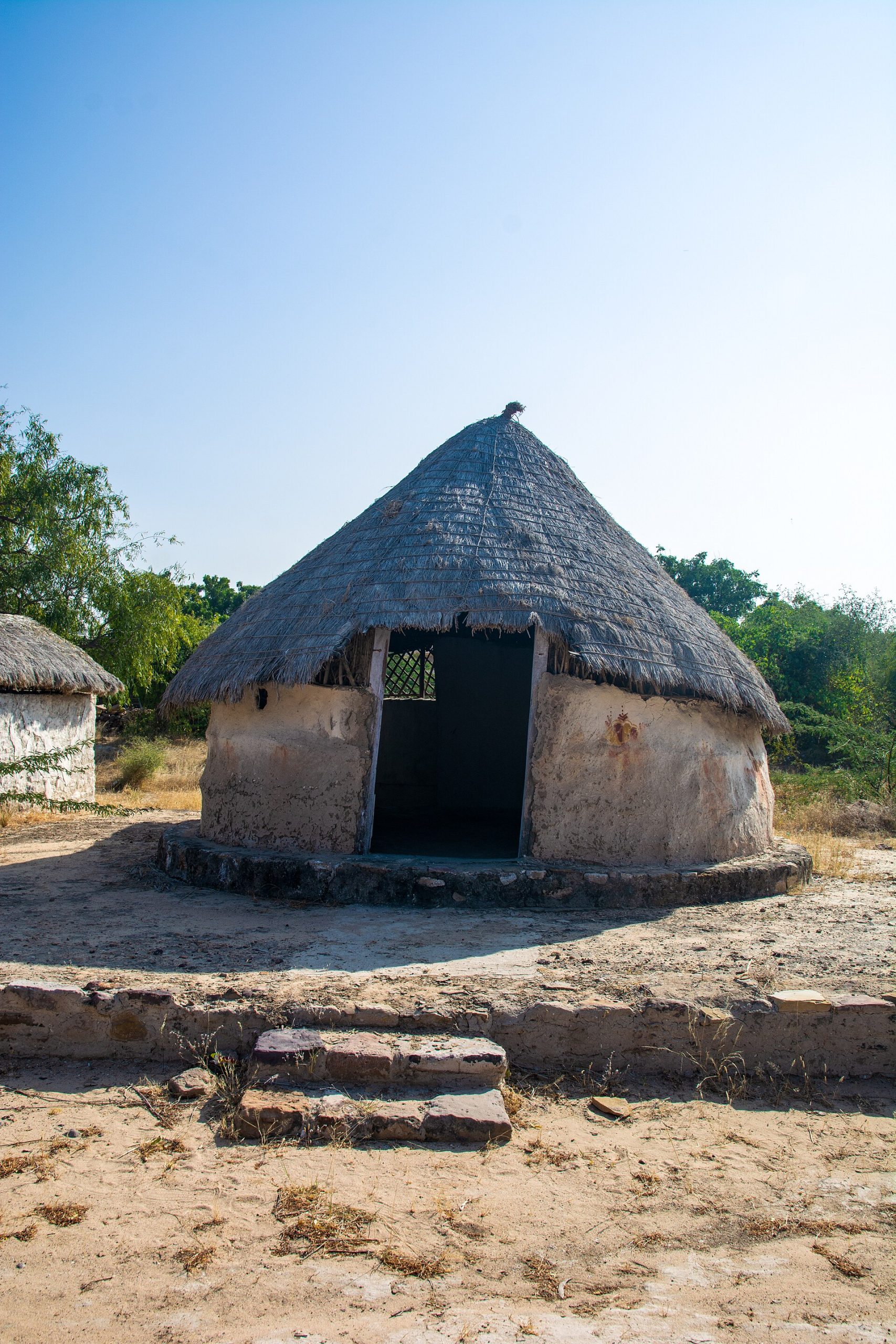
Their homes were solid and practical, built of stone and brick, arranged along the planned streets of the town. They had access, through the great communal water system, to that most precious of desert resources. They had craft workshops and marketplaces and public spaces. For all the harshness of the surrounding Rann, life inside Dholavira seems to have been comfortable, ordered, and prosperous — a little island of civilization, in every sense, in a sea of salt and sand.
When the Rains Failed
So what brought this desert triumph to an end? The story of Dholavira’s decline is, in a sense, the story of its founding run in reverse — and it carries a warning that feels uncomfortably relevant to our own time. Dholavira lived and died by water. And around four thousand years ago, the water began to fail.
The evidence suggests that the region experienced a long, severe shift in climate: the monsoon weakened, drought deepened and lengthened, and the seasonal streams that fed the city’s reservoirs grew less and less reliable. For a city whose entire existence was a magnificent act of water conservation, a fundamental drop in the amount of water available was an existential threat that no amount of clever engineering could fully overcome. You can harvest the monsoon brilliantly, but you cannot harvest a monsoon that no longer comes.
Archaeologists have actually traced this decline in the layers of the city itself, watching Dholavira shrink and simplify over time as conditions worsened. The grand phase of monumental building gave way to humbler construction. The population appears to have dwindled. Eventually, the great desert city that had defied the odds for so long was abandoned, its reservoirs dry, its gates silent, its bright signboard fallen. The same water that had made Dholavira possible, by its long absence, finally unmade it. There is a hard, honest lesson in that, about the limits of even the most brilliant engineering when the climate itself turns against you.
Lost, Found, and Honoured
After its abandonment, Dholavira did what so many ancient cities do: it slept. The desert reclaimed it, the mounds settled into the landscape, and for thousands of years the memory of the great water city faded almost entirely from human awareness. It was not until the modern era that archaeologists rediscovered the site, and only in the latter part of the twentieth century that major excavations, led by the Archaeological Survey of India, began to reveal the true scale and sophistication of what lay beneath the dust.
What they uncovered astonished them. Layer by layer, the excavations exposed the reservoirs, the walls, the three-part city, the signboard, the whole magnificent water-engineered world of Dholavira. It became clear that this was not a minor Harappan outpost but one of the crown jewels of the Indus Valley Civilization, and one of the most remarkable examples of ancient water management anywhere on the planet. In recognition of all this, Dholavira was inscribed as a UNESCO World Heritage Site in 2021, formally taking its place among the treasures of human history.
I find something deeply satisfying in that arc — a city that triumphed over the desert, was defeated by drought, slept forgotten for millennia, and has now been woken and honoured before the whole world. The people who built Dholavira could never have imagined it, but their extraordinary achievement is now protected and celebrated, studied by engineers and archaeologists, visited by travellers who come to marvel at what human ingenuity accomplished in one of the harshest corners of the ancient world. The desert took the city back for a while. In the end, though, Dholavira was not forgotten. It was found.
Why Dholavira Matters
When I try to say why Dholavira has lodged itself so firmly in my imagination, it comes down to the sheer audacity of the thing. Anyone can build a city where there is water. It takes a special kind of vision and determination to build a great one where there is almost none, and to sustain it for fifteen centuries through nothing but brilliance and collective effort. Dholavira is a monument to human ingenuity in the face of a hostile world, and there are few things I find more inspiring than that.
It matters, too, because it expands our picture of the Indus Valley Civilization and reminds us how varied and adaptable these people were. We met them first at Mohenjo-daro, obsessed with drains and river floods. Here at Dholavira we meet the same civilization solving the opposite problem, in a completely different landscape, with completely different materials, and solving it just as brilliantly. That flexibility, that ability to read a place and answer its particular challenges, is one of the deepest marks of a truly sophisticated culture. The Harappans were not one-trick builders. They were problem-solvers of the highest order.
And Dholavira speaks to us, across four and a half thousand years, about something we are only now relearning: that water is precious, that it must be caught and saved and honoured, and that the failure of the rains can bring even the cleverest city to its knees. In an age of drought and climate change, the desert engineers of Dholavira feel less like distant ancestors and more like colleagues, wrestling with a problem we recognize all too well. They built a whole civilization around the careful conservation of water. We could do worse than to listen to what their ruins are telling us.
A City Built to a Plan
Before we leave Dholavira, I want to dwell for a moment on something that gets less attention than the reservoirs but that I find just as remarkable: the almost mathematical care with which the whole city was laid out. The Harappans, as we have seen throughout this journey, loved order and standardization — their famous bricks, their standardized weights, their grid-planned streets. At Dholavira, that instinct for proportion and precision reached a kind of peak.
Archaeologists studying the dimensions of Dholavira’s different sections — the citadel, the middle town, the various enclosures — have found that they seem to follow consistent, deliberate ratios. The proportions of the city’s parts were not accidental; they appear to have been planned according to a system of measurement and design, as though the whole settlement were composed like a piece of architecture writ large. To lay out an entire city to consistent proportions, across its walls and divisions and open spaces, requires a sophisticated grasp of measurement and geometry, and a planning authority capable of imposing that vision on the ground.
This is the same deep Harappan mind we met in the standardized bricks of Mohenjo-daro, expressed now at the scale of a whole city carved into a desert island. It speaks of a people who did not just build, but designed — who approached the making of a city as a deliberate, ordered, almost intellectual act. When you combine that planning genius with the water engineering, the stone masonry, and the sheer will to build in such a place, you begin to appreciate that Dholavira was not merely a survival story. It was a masterpiece of ancient urban design, composed with a precision that would not look out of place on a modern architect’s drawing board.
And perhaps that is the deepest reason these old places move me so much. Strip away the millennia, and you find minds not so different from our own — measuring, planning, problem-solving, dreaming of order and beauty and permanence. The people of Dholavira looked at an impossible desert and imagined a city. Then they did the hard, patient, brilliant work of making the dream real, and it stood for fifteen hundred years. That is what human beings can do. That is what, at our best, we have always done. And in the dry stone reservoirs of a forgotten island in the Rann of Kutch, that ancient, stubborn, glorious human genius is still plainly visible for anyone willing to go and look.
The City That Beat the Desert
Dholavira is not as famous as the pyramids, or Stonehenge, or even its own sister city Mohenjo-daro. It should be. In a salt desert where survival itself seems impossible, a people four and a half thousand years ago built a great city of stone, harvested the fleeting monsoon into vast reservoirs, hung a gleaming signboard above their gate, played games and traded beads and lived full lives — and held it all together for fifteen hundred years through sheer, stubborn brilliance. If that is not a wonder of the ancient world, I do not know what is. The next time someone tells you the great achievements of antiquity were all pyramids and palaces, tell them about the city that beat the desert.
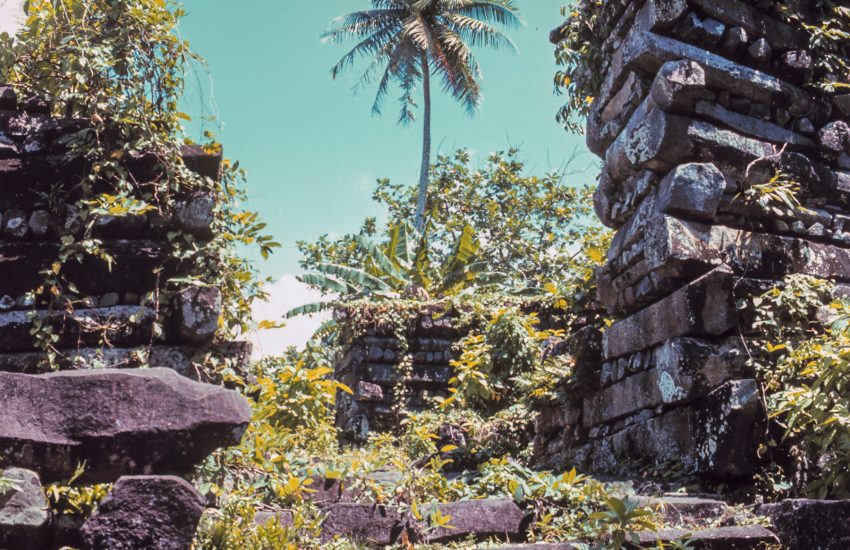
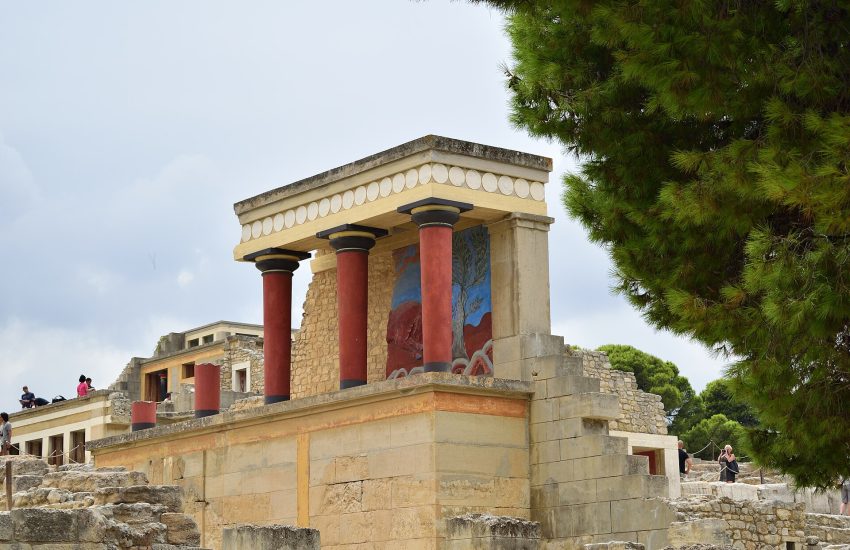
Dholavira brings our long wander through the oldest places on Earth to a close, and what a journey it has been. If you have travelled all the way here with me, you have seen humanity take its very first steps toward everything that followed. We began at the dawn of monumental building with Göbekli Tepe and Karahan Tepe in Turkey, watched the first towns rise at Çatalhöyük and the first true cities at Jericho and Uruk in Sumer. We stood among the great stones of Stonehenge, slipped into the solstice tomb of Newgrange, marvelled at the temples of Malta, and sheltered in the stone houses of Skara Brae. We crossed oceans to the water-city of Liangzhu in China, the immaculate streets of Mohenjo-daro, the desert pyramids of Caral in Peru, and the labyrinth of Knossos on Crete — and we glimpsed the very origins of art in the painted caves of Lascaux and Chauvet. Fourteen windows into the deep human past, and every one of them a reminder of how inventive, how resilient, and how endlessly surprising our ancestors truly were.
You can revisit any of these ancient worlds through our Ancient Cities and Archaeology tags. And nothing quite prepares you for Nan Madol, a megalithic city floated into place on a Micronesian reef.