In the rain-drenched mountains of northern Guatemala lives a Maya people whose story runs against the grain of much Indigenous history. Where many native languages retreat, theirs advances; where many communities shrink, theirs pushes outward into new land. The Q’eqchi’ are one of the largest and most dynamic of Guatemala’s Maya nations, a people shaped by cloud forest and cave, by cacao and coffee, and by an ethic of respect toward the sacred lords of the hills.
Distinct from their western neighbors the K’iche’ in language, landscape, and history, the Q’eqchi’ were brought under colonial rule not by conquest but by a famous experiment in peaceful conversion that gave their homeland the name “true peace.” This is an account of who they are: their forested homeland, their remarkably vital language, their beliefs and festivals, the upheavals they have endured, and the restless expansion that has carried them far beyond where they began.
Contents
- Roots in the Cloud Forests of Verapaz
- The Meaning Behind the Name Qʼeqchiʼ
- A Tongue That Keeps on Growing
- Between the Highlands and the Rainforest
- Life in the Days Before Spanish Rule
- How a Community Holds Together
- Mountain Spirits and the Christian Calendar
- Dress, Music, and the Marimba
- Skilled Hands and Highland Workshops
- Maize, Cacao, and the Flavors of the Verapaz
- Feast Days and the Ritual Calendar
- The Land of True Peace and What Came After
- A People on the Move in the Modern World
Roots in the Cloud Forests of Verapaz
The Q’eqchi’ are one of the largest Maya peoples of Guatemala, and their traditional heartland lies in the misty, rain-soaked mountains of the country’s north-central interior, a region long known as the Verapaz. This is a land of steep green ridges, cloud forest, caves, and rivers that vanish underground, quite different from the drier western highlands of their K’iche’ neighbors. The wetness of the country shapes everything, from the crops that grow there to the pace of daily life beneath frequent rain.
Long before European contact, the ancestors of the Q’eqchi’ occupied these forested uplands and the fringes of the lowlands that stretch toward the north. They were farmers and traders, connected by rivers and footpaths to the wider Maya world, exchanging goods with peoples of the hot lowlands and the cooler mountains alike. Their territory sat at a meeting point between highland and lowland ecologies, and that in-between position gave them access to a wide range of resources.
Unlike some of their neighbors, the Q’eqchi’ did not build a single dominant kingdom remembered in later chronicles. Instead their strength lay in a dense web of communities bound by language and kinship, spread across a rugged landscape that resisted central control. That decentralized pattern would prove important later, allowing Q’eqchi’ society to absorb shocks and to expand outward when pressures at home grew too great.
This setting in a wet, cave-riddled borderland between ecological zones helps explain why the Q’eqchi’ developed differently from the Maya of the drier western valleys. Their world was greener, their travel routes ran along rivers and forest trails, and their sense of the sacred was bound up with water, caves, and the fertile darkness of the earth. Understanding the Q’eqchi’ therefore begins with understanding this distinctive country and the ways it molded a people over many generations.
The Meaning Behind the Name Qʼeqchiʼ
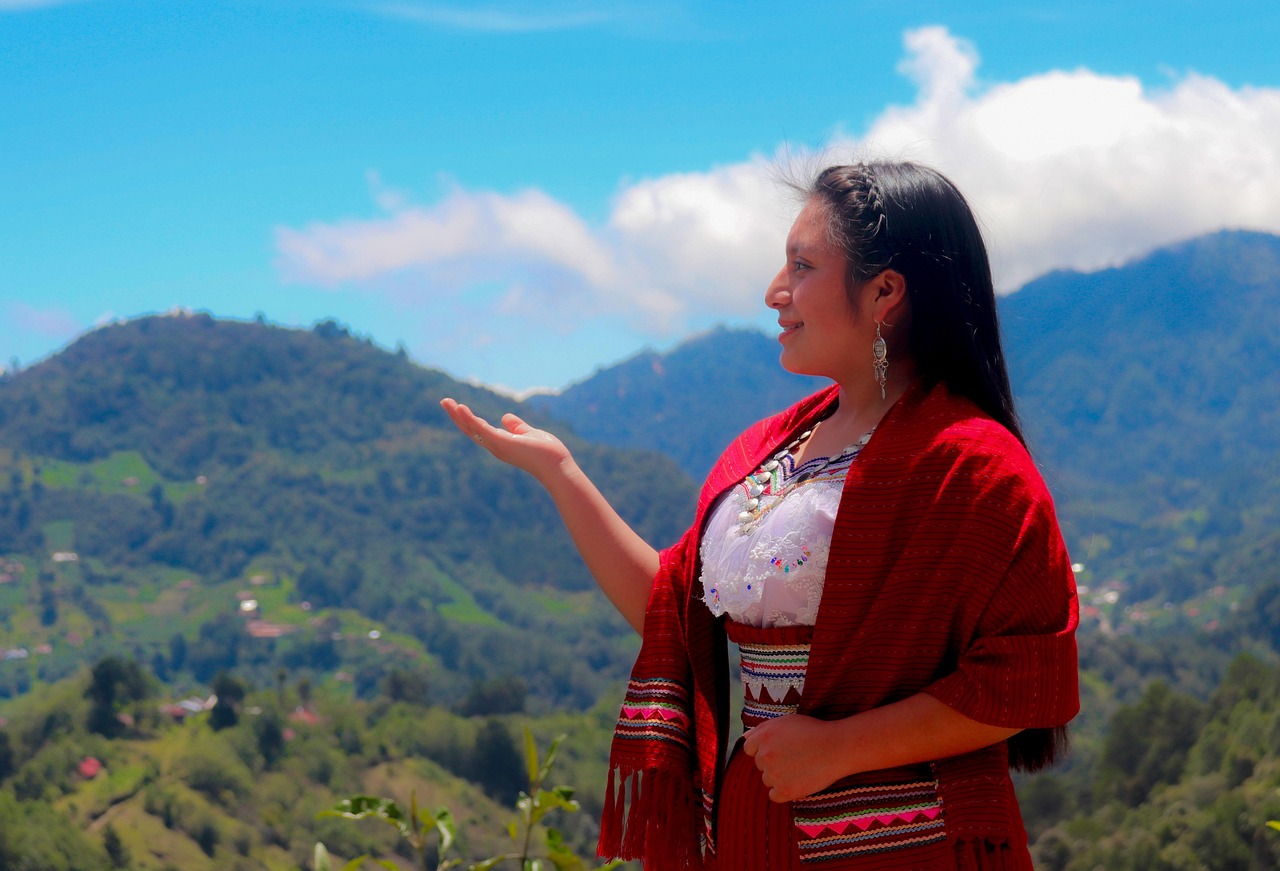
The name Q’eqchi’ has been written in many ways over the centuries, most often as “Kekchí” or “Kekchi” in older Spanish and English sources. The modern spelling, developed with Maya linguists, better reflects the sounds of the language, including the glottalized consonants and the distinctive “q” pronounced deep in the throat that Spanish orthography could never quite capture. As with other Maya peoples, the shift toward this spelling is part of a broader movement to represent Indigenous languages accurately and on their own terms.
The word itself is generally understood to refer to the people and their speech together, a common pattern among Maya groups where the name of the language and the name of the nation are one and the same. To be Q’eqchi’ is above all to be a speaker of Q’eqchi’, and the language remains the single clearest marker of belonging, more reliable even than dress or place of residence in a population that has spread far from its original home.
This linguistic core of identity has become especially important as the Q’eqchi’ have expanded across new territory. Families who have migrated hundreds of kilometers from the Verapaz still recognize one another instantly through speech, and the shared tongue knits together communities that might otherwise have drifted apart. In this sense the name is not just a label but a living bond, carried in every conversation.
A Tongue That Keeps on Growing
Q’eqchi’ belongs to the Mayan language family and, within it, to the K’ichean branch, making it a relative of K’iche’, Kaqchikel, and Tz’utujil. Yet it is distinct enough from these that speakers cannot simply understand one another, and it has followed its own path of development over many centuries. Linguists regard it as one of the more internally uniform Maya languages, with fewer sharp dialect divisions than some of its cousins, a feature that has helped it stay coherent even as its speakers scattered.
What sets Q’eqchi’ apart in the present day is its remarkable vitality. While many Indigenous languages are shrinking, the number of Q’eqchi’ speakers has been growing, and the language is expanding into new areas carried by migrants seeking land. It is spoken by roughly a million people or more, and in many communities children still learn it as their first language, absorbing Spanish only later at school or in town.
This strength owes much to the relative isolation of the Verapaz and to the tight-knit character of Q’eqchi’ communities, where the language governs family, farming, and ceremony alike. Radio programs, church services, and a growing body of written material in Q’eqchi’ all reinforce its use. In an age when so many mother tongues are fading, the persistence and even the spread of Q’eqchi’ stands out as a striking exception.
Scholars often point to Q’eqchi’ as a hopeful counterexample in discussions of language endangerment. Where the usual story is one of decline, here is a Maya language that has been gaining ground, spilling into new regions with each wave of migration and holding firmly to its place in the home. The reasons are debated, but the strong sense of community, the relative remoteness of the heartland, and the sheer number of speakers all appear to reinforce one another in keeping the language alive.

Between the Highlands and the Rainforest
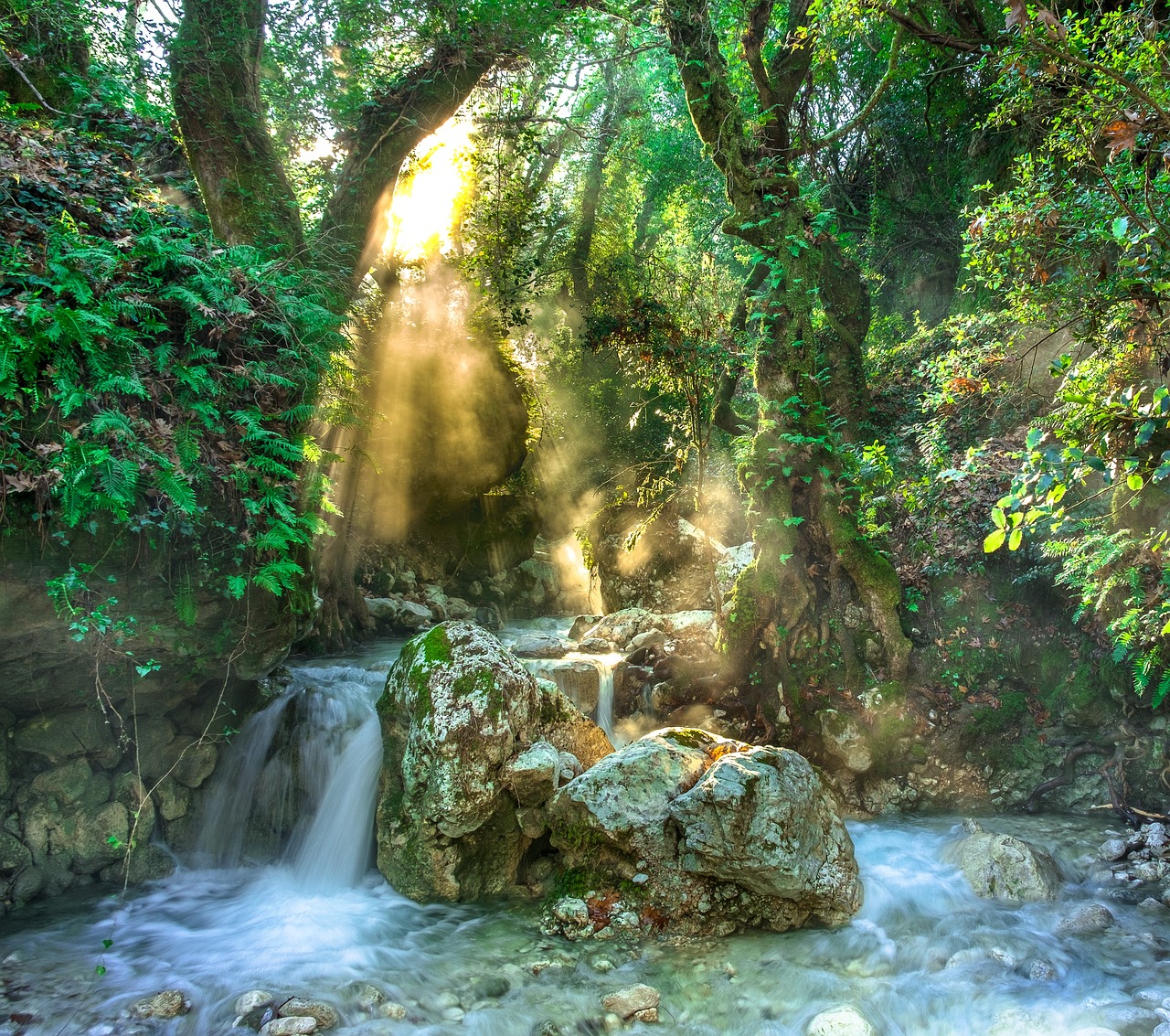
The core Q’eqchi’ homeland occupies a transitional zone where the cool highlands descend toward the humid lowlands of the north. Rain falls heavily and often, feeding dense forests, swift rivers, and a landscape riddled with limestone caves and sinkholes. This wet, green country supports a rich diversity of plants and animals, and it shaped a way of life attuned to abundant water and near-constant cloud cover.
Caves hold particular meaning in this landscape. In Maya thought, caves are entrances to the sacred interior of the earth, dwelling places of powerful beings and sources of rain and fertility. Across the Q’eqchi’ region, caverns have long served as sites of pilgrimage and offering, where people leave candles, incense, and prayers to the guardians of the hills. The land is thus not merely a backdrop but a living presence woven into religious life.
Because their original territory could not support an ever-growing population, the Q’eqchi’ have become one of the most mobile of Maya peoples. Over the past century and more they have pushed north and east into the lowland forests, clearing new farmland and establishing communities far from the Verapaz. This expansion has made their homeland a moving frontier rather than a fixed boundary, and today Q’eqchi’ villages can be found across a vast swath of northern Guatemala and beyond into neighboring Belize.
Life in the Days Before Spanish Rule
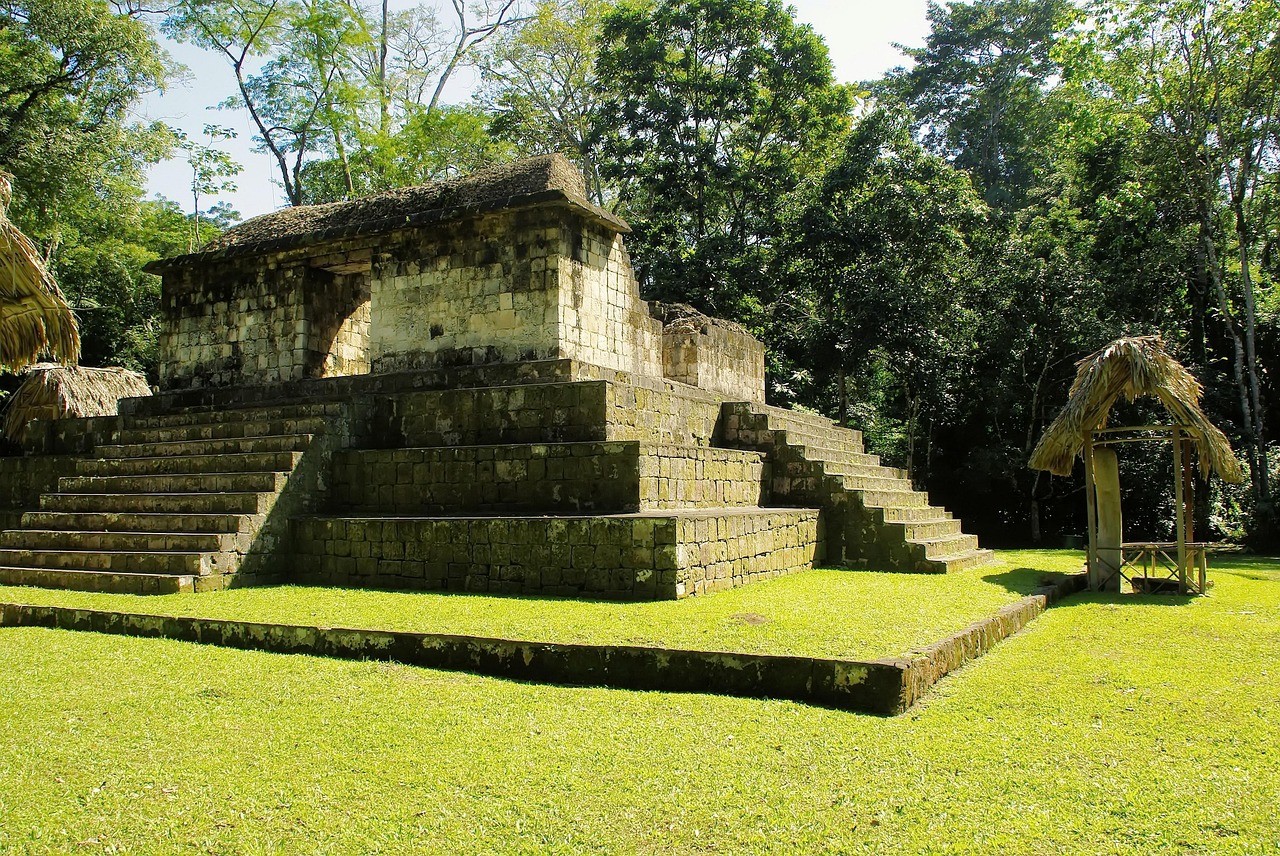
In the centuries before European arrival, the Q’eqchi’ lived in scattered communities across their forested territory, governed by local lords and organized around farming, trade, and warfare. Their lands lay along important routes linking the highlands to the lowlands, and they participated in the long-distance exchange of prized goods such as cacao, feathers, and jade that circulated through the Maya world. Control of these trade paths gave certain groups wealth and influence.
The region had a reputation for fierceness. Neighboring peoples and later the Spanish described the Q’eqchi’ and their allies as difficult to subdue, defending their rugged, rain-soaked country with determination. The broken terrain of ridges, gorges, and forest favored defenders and made large-scale conquest costly, a fact that would shape the unusual way in which the region was eventually brought under colonial control.
Religion, farming, and the rhythms of the sacred calendar structured daily life, as they did throughout the Maya area. Offerings to the powers of the earth and rain accompanied the planting and harvesting of maize, and specialists tracked the count of days to guide ceremony and decision. This inheritance of ritual knowledge, tied intimately to the local landscape, would survive in altered form long after the political world of the pre-conquest lords had passed away.

How a Community Holds Together
Q’eqchi’ society has long been built less on grand kingdoms than on the strength of local communities bound by kinship and mutual obligation. Extended families form the basic unit, linked through marriage, godparenthood, and networks of shared labor. Neighbors help one another clear fields, build houses, and prepare for festivals, and this web of reciprocal aid remains the backbone of village life even as economic pressures pull at it.
Leadership traditionally combined civil and religious authority. Elders and those who had served the community through cycles of ceremonial and civic duty earned respect and a voice in collective decisions. To take on the burdens of organizing a festival or caring for the images of the saints was to gain standing, and this ladder of service gave social life a shared moral order that did not depend on wealth alone.
Land is central to how the Q’eqchi’ understand community. Access to fields, forests, and water has historically been managed through collective arrangements as much as individual ownership, and disputes over land are also disputes about belonging. As outsiders and large enterprises have pressed into their territory, defending communal land has become one of the defining struggles of Q’eqchi’ society, binding questions of livelihood to questions of identity.
Mountain Spirits and the Christian Calendar
Q’eqchi’ religious life is famous for the depth with which it has preserved older Maya beliefs beneath a Christian surface. At its heart stands the veneration of the Tzuultaq’a, the sacred lords of the hills and valleys, powerful beings who own the land, the game, and the rain, and who must be honored before people can farm, hunt, or travel safely through their domain. Before clearing a field or entering the forest, a Q’eqchi’ farmer may make offerings to seek their permission and goodwill.
These offerings often involve candles, cacao, and copal incense burned at caves, springs, and mountain shrines, sometimes accompanied by periods of fasting and abstinence to show respect. The Tzuultaq’a are neither simply good nor evil but demanding and reciprocal, giving abundance to those who honor them and misfortune to those who take without asking. This ethic of respect and exchange with the living land runs through the whole of Q’eqchi’ spirituality.
Over this ancient foundation lies a layer of Catholicism introduced in the colonial period, and today many Q’eqchi’ move easily between the two, attending Mass while also making offerings to the hills. In recent decades Protestant and evangelical churches have also grown rapidly in the region, adding yet another strand to a religious landscape that remains dynamic. Through all of it, the sense that the land itself is alive and must be treated with care has proved remarkably enduring.
The relationship with the Tzuultaq’a is best understood as a kind of contract between people and the living land. Nothing may simply be taken; permission must be sought, gifts offered, and restraint observed, or the mountain lords will withhold their bounty or send sickness and misfortune. This principle of reciprocity, of giving in order to receive, extends beyond religion into the whole Q’eqchi’ way of relating to nature, and it gives their spirituality a strikingly ecological character.

Dress, Music, and the Marimba
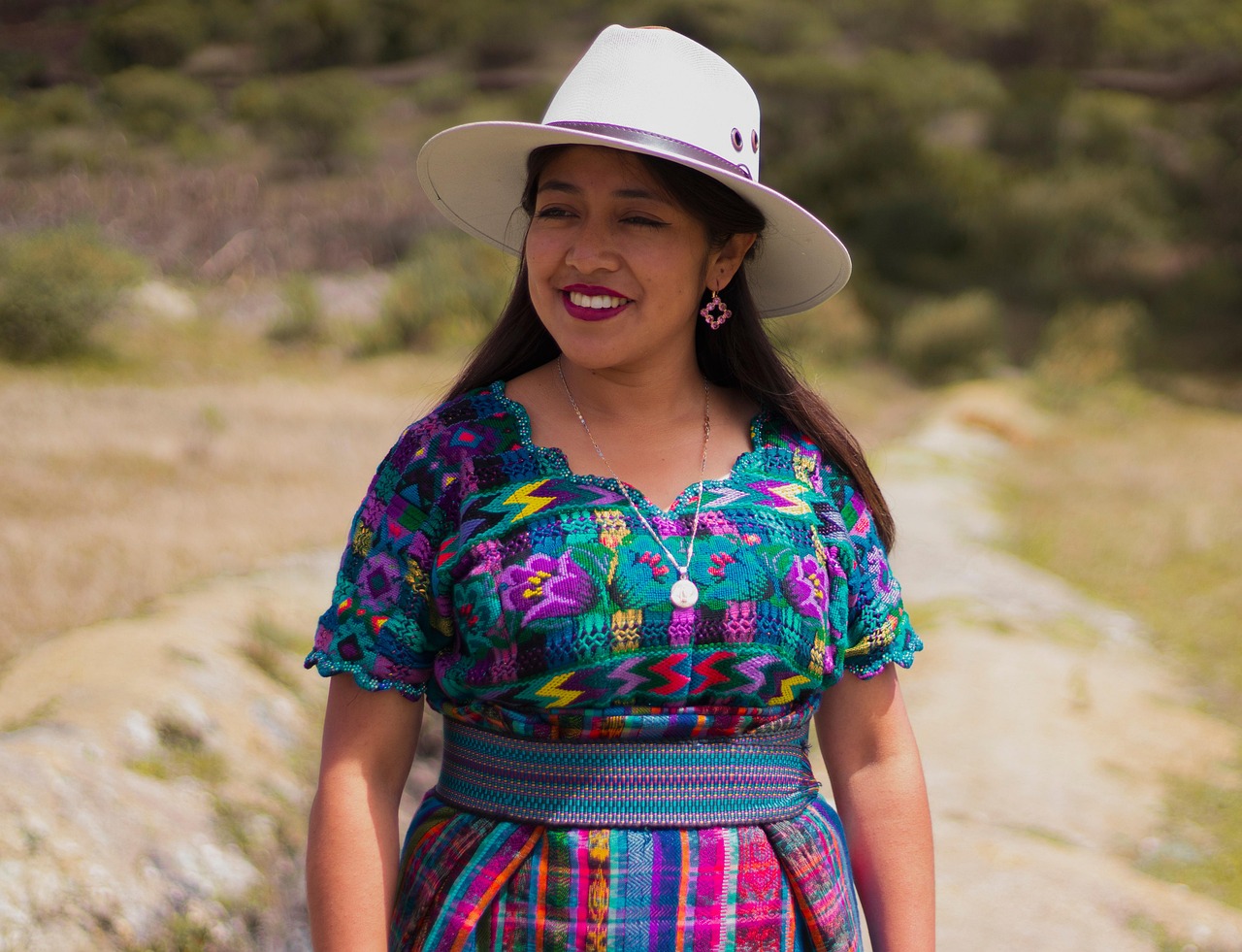
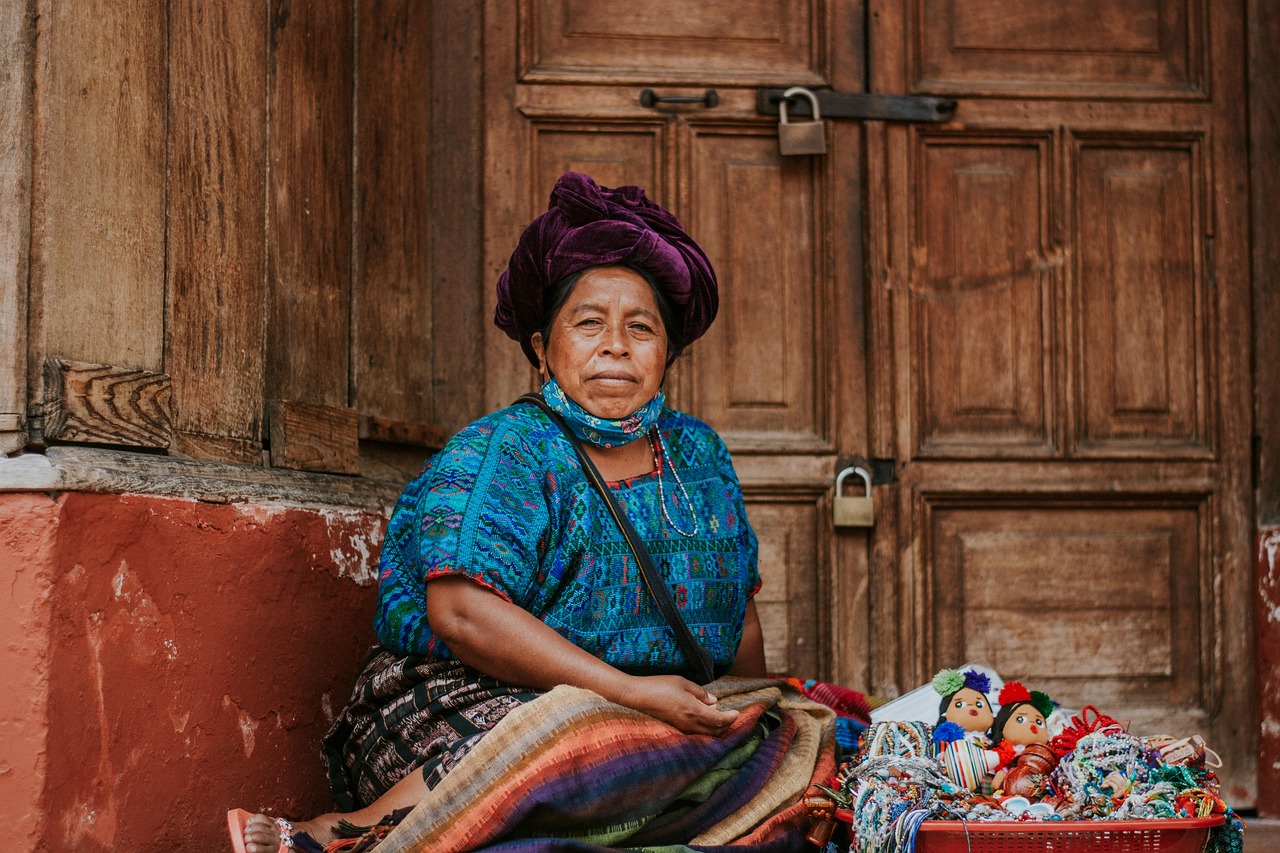
Like other Maya peoples, the Q’eqchi’ express identity through handwoven clothing, though their textiles have their own distinctive character. Women’s blouses, often light and airy in keeping with the warm, humid climate, carry embroidered and brocaded designs, while wrapped skirts and sashes complete an outfit that varies from one community to another. The gauzy white huipil associated with the Cobán area is especially well known, a garment suited to the region’s heat and rain.
Music is woven deeply into Q’eqchi’ life, and the marimba holds pride of place. This large wooden xylophone, played by several musicians at once, provides the sound of festivals, weddings, and gatherings across the region, its rippling melodies instantly recognizable. Certain traditional tunes and dances are tied to specific ceremonies and to the courtship and marriage customs that structure social life.
Everyday tradition also lives in the small courtesies and rituals that govern Q’eqchi’ behavior: forms of respectful speech, the careful etiquette of asking permission, and the ceremonies that mark births, marriages, and deaths. These customs, transmitted quietly from one generation to the next, give Q’eqchi’ communities their distinctive texture and reinforce a shared sense of how a person ought to live among others.
Skilled Hands and Highland Workshops
Craft traditions among the Q’eqchi’ reflect both their environment and their history of exchange. Weaving remains the most celebrated skill, with women producing textiles on the backstrap loom whose patterns encode local meaning and belonging. The fine, translucent cloth of the region requires great patience and expertise, and a well-made huipil represents weeks of careful labor as well as a statement of identity.
Beyond weaving, Q’eqchi’ artisans work with the materials their forested country provides. Basketry, netmaking, and the crafting of tools and containers from reeds, gourds, and wood serve everyday needs, while potters shape vessels for cooking and storage. These practical crafts, though less celebrated than textiles, form part of a self-sufficient way of life adapted to a landscape rich in natural materials.
In modern times, craft has also become a link to wider markets. Cooperatives help Q’eqchi’ weavers sell their work beyond the region and secure better prices, giving families a source of cash income that complements farming. This engagement with outside buyers brings both opportunity and risk, offering income while raising the perennial questions of fair payment and the preservation of authentic technique that face Indigenous artisans everywhere.
Each finished textile is, in a quiet way, a record of knowledge passed from mother to daughter across generations, and the choice to keep weaving by hand in an age of cheap manufactured cloth is itself a statement about what the Q’eqchi’ value. The loom, the thread, and the patient building of pattern thread by thread carry a whole philosophy of care, memory, and belonging that no factory garment can replace.

Maize, Cacao, and the Flavors of the Verapaz
As with all Maya peoples, maize lies at the foundation of the Q’eqchi’ diet and worldview. Tortillas and tamales made from lime-treated corn accompany nearly every meal, supplemented by beans, chiles, squash, and the greens and roots that grow readily in the wet highlands. The agricultural year, with its planting and harvest, sets the rhythm of both diet and ceremony, and maize retains a sacred dimension as the very stuff from which humanity was believed to be formed.
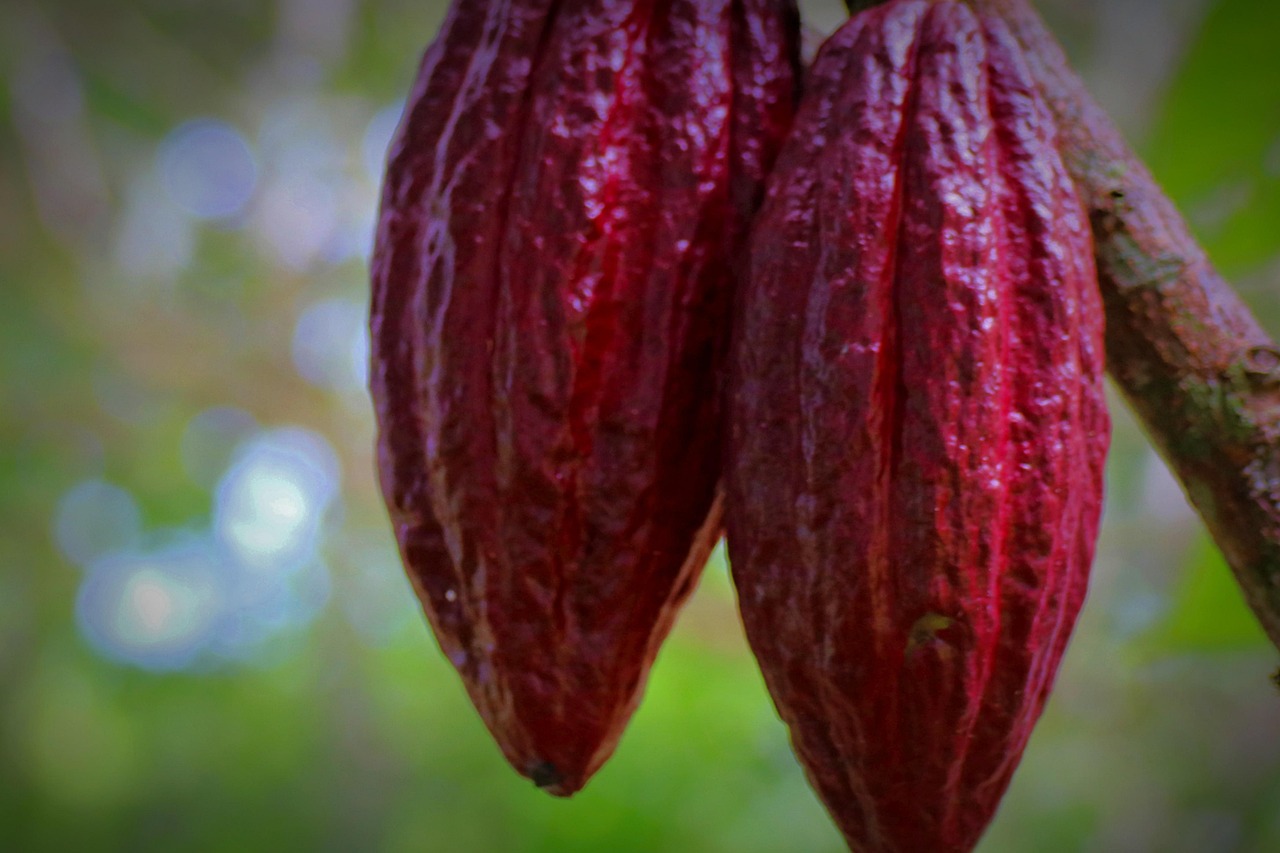
The Verapaz is also historically a land of cacao, the plant whose seeds were prized across ancient Mesoamerica and once used as currency and as a ceremonial drink. Cacao remains meaningful in Q’eqchi’ culture, appearing in ritual offerings and in traditional beverages, and its cultivation ties the modern economy to a very old regional specialty. Alongside it, the region produces cardamom, coffee, and other cash crops that shape both landscape and livelihood.
Distinctive local dishes give Q’eqchi’ cuisine its own identity within the broader Guatemalan table. Rich stews thickened with ground seeds and spices, tamales wrapped in leaves, and preparations built around turkey or chicken feature at celebrations, while everyday food remains simple and rooted in what the fields and forests provide. Sharing food, whether at a festival or with an unexpected guest, expresses the reciprocity that lies at the heart of community life.
Feast Days and the Ritual Calendar
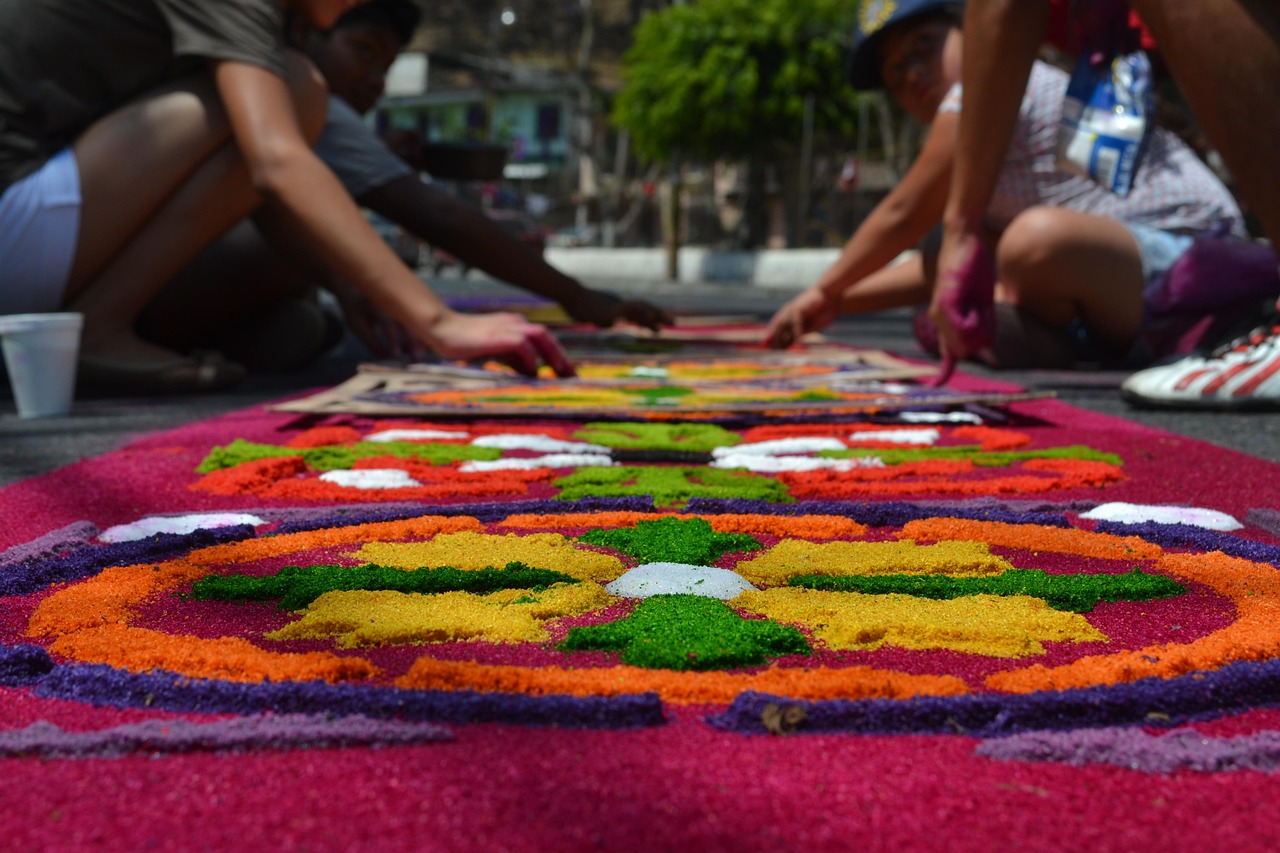
The Q’eqchi’ festival calendar, like that of other highland Maya, weaves together Catholic feast days and older cycles of observance. Each town celebrates its patron saint with an annual fiesta that fills the streets with marimba music, dance, processions, and shared meals, drawing home those who have moved away and reaffirming the ties that bind the community together. These celebrations are among the high points of the year and a powerful expression of collective identity.
The town of Cobán is especially known for a great annual gathering that brings together Q’eqchi’ and other Maya communities in a celebration of Indigenous culture, including the selection of a young woman to represent Maya heritage and the performance of traditional dress, dance, and music. Such events have become important stages on which Q’eqchi’ identity is displayed with pride, both to the community itself and to the wider nation.
Religious brotherhoods and community elders organize much of this ceremonial life, taking on the honor and the burden of sponsoring festivities. Offerings to the saints blend with older gestures of respect toward the sacred hills, so that a single celebration can carry layers of meaning drawn from different traditions. Through these gatherings, the calendar keeps time for the community and renews the bonds of faith, kinship, and belonging year after year.
The Land of True Peace and What Came After
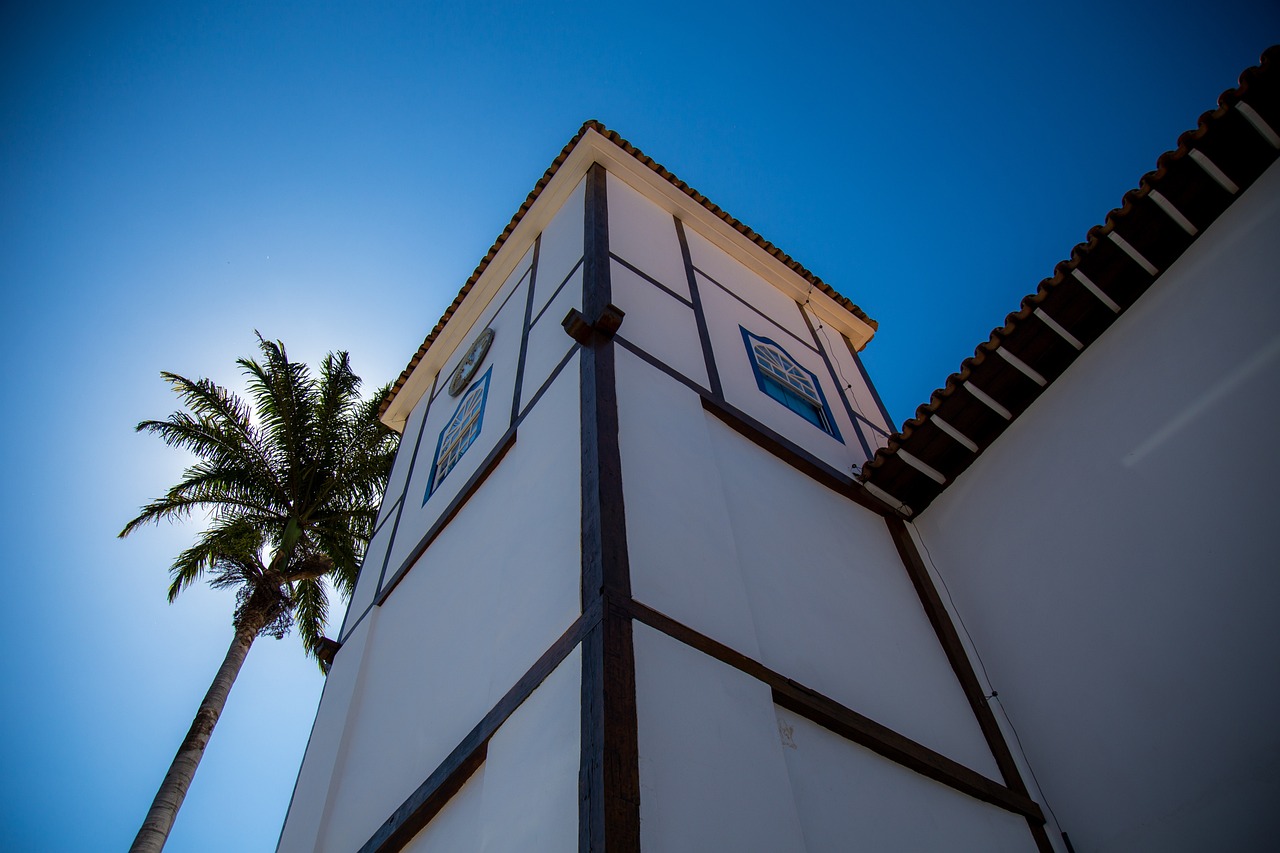
The Q’eqchi’ region entered the colonial era by an unusual route. After Spanish arms failed to subdue the fierce, forested country by force, Dominican friars proposed a different approach: to bring the region under Christian rule through peaceful persuasion rather than conquest. Their mission gave the area the name by which it became known, a phrase meaning “true peace,” and it became a celebrated experiment in converting a people without the sword.
Whatever its intentions, colonial rule reshaped Q’eqchi’ life all the same. Communities were reorganized into towns for easier administration and religious instruction, labor and tribute were demanded, and the friars introduced new crops, institutions, and forms of authority. The peaceful founding did not spare the Q’eqchi’ the diseases, disruptions, and pressures that fell upon Indigenous peoples across the Americas, even if it softened the initial violence of contact.
The greatest upheavals came later. In the nineteenth and twentieth centuries, the spread of coffee estates seized highland land and drew Q’eqchi’ families into harsh labor on plantations, while the twentieth-century armed conflict brought violence and displacement to many communities. Pushed off their land and squeezed by these pressures, the Q’eqchi’ responded in part by migrating outward into new territory, carrying their language and customs into forests far from the old Verapaz heartland.
Historians have long debated how genuinely peaceful the so-called peaceful conquest really was, noting that persuasion backed by imperial power is never fully free of coercion. What is clear is that the encounter set the Q’eqchi’ on a distinctive colonial path, one in which the church loomed especially large, and that the memory of a region converted by word rather than sword became part of how the area understood its own history for centuries afterward.
A People on the Move in the Modern World
Today the Q’eqchi’ are among the most numerous and widely dispersed of Guatemala’s Maya peoples, numbering perhaps a million or more and spread across a huge area of the country’s north, with communities reaching into Belize as well. Their continuing expansion into lowland forests in search of farmland has made them a frontier people, establishing new villages and clearing new fields far from their ancestral mountains, even as this brings them into conflict with conservation efforts and with other landholders.
Modern life presses on Q’eqchi’ communities in familiar and difficult ways. Large-scale agriculture, mining, and energy projects have moved into their territory, sparking disputes over land, water, and consent that have sometimes turned bitter and even violent. For many Q’eqchi’, defending the land against outside interests has become inseparable from defending their way of life, and community leaders have taken prominent roles in these struggles.
Yet the Q’eqchi’ also show remarkable resilience. Their language continues to thrive and even spread, their ceremonies to the sacred hills endure alongside churches old and new, and a younger generation increasingly asserts its identity with pride. Balancing tradition with the demands of a changing economy, moving between village and town and sometimes across borders, the Q’eqchi’ carry an ancient highland heritage into a mobile and uncertain future with striking determination.
The story of the Q’eqchi’ in the present is thus one of movement in every sense: geographic movement into new lands, social movement between village and city, and political movement to defend their rights and recognition. Few Maya peoples have adapted so restlessly to changing circumstances, and few have carried their language and worldview so far from their point of origin while keeping them so intact along the way.

Related Peoples of the Region
You May Like
The Damara, an Ancient People of Namibia


One thought on “Q’eqchiʼ Maya, a Rainforest People of Guatemala’s Land of True Peace”