Heian Shrine is one of Kyoto’s most striking sights, instantly recognizable by the enormous vermilion torii gate that rises over the approach. Built in 1895 to mark the 1,100th anniversary of the founding of the city, it is a relatively young shrine that recreates the grandeur of Kyoto’s imperial past in bright, oversized form. Behind its colorful halls lies one of the finest strolling gardens in the city. This guide covers the giant gate, the main complex, the garden, and how to visit.
The Towering Torii Gate
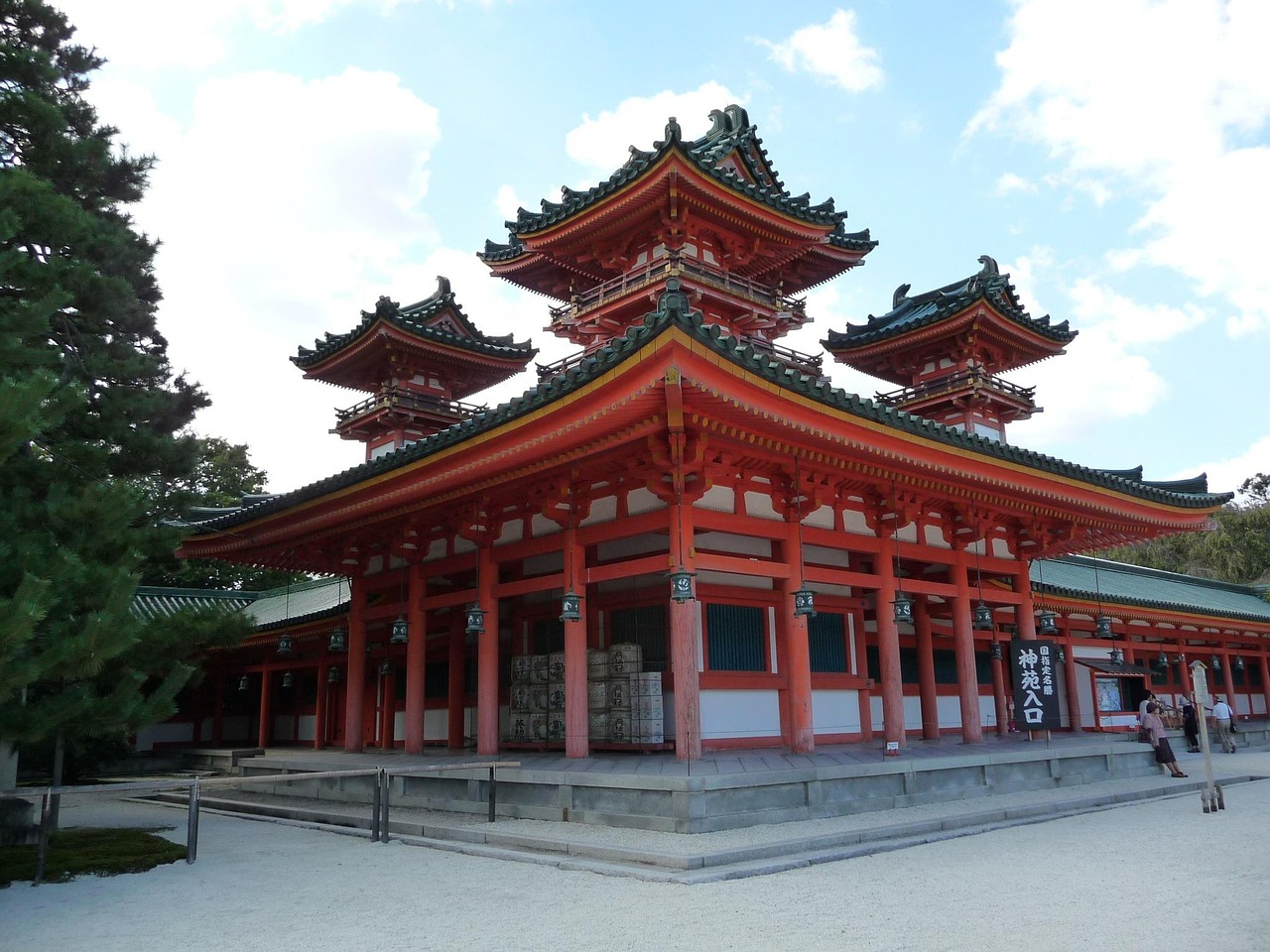
The approach to Heian Shrine passes beneath one of the largest torii gates in Japan, a vivid vermilion arch that dwarfs the people walking under it. Standing roughly twenty-four meters tall, it frames the wide avenue leading toward the shrine and has become a landmark of the surrounding Okazaki district. The sheer scale makes it a favorite photo stop and sets the tone for the bold, ceremonial architecture beyond.
The Main Halls and Courtyard
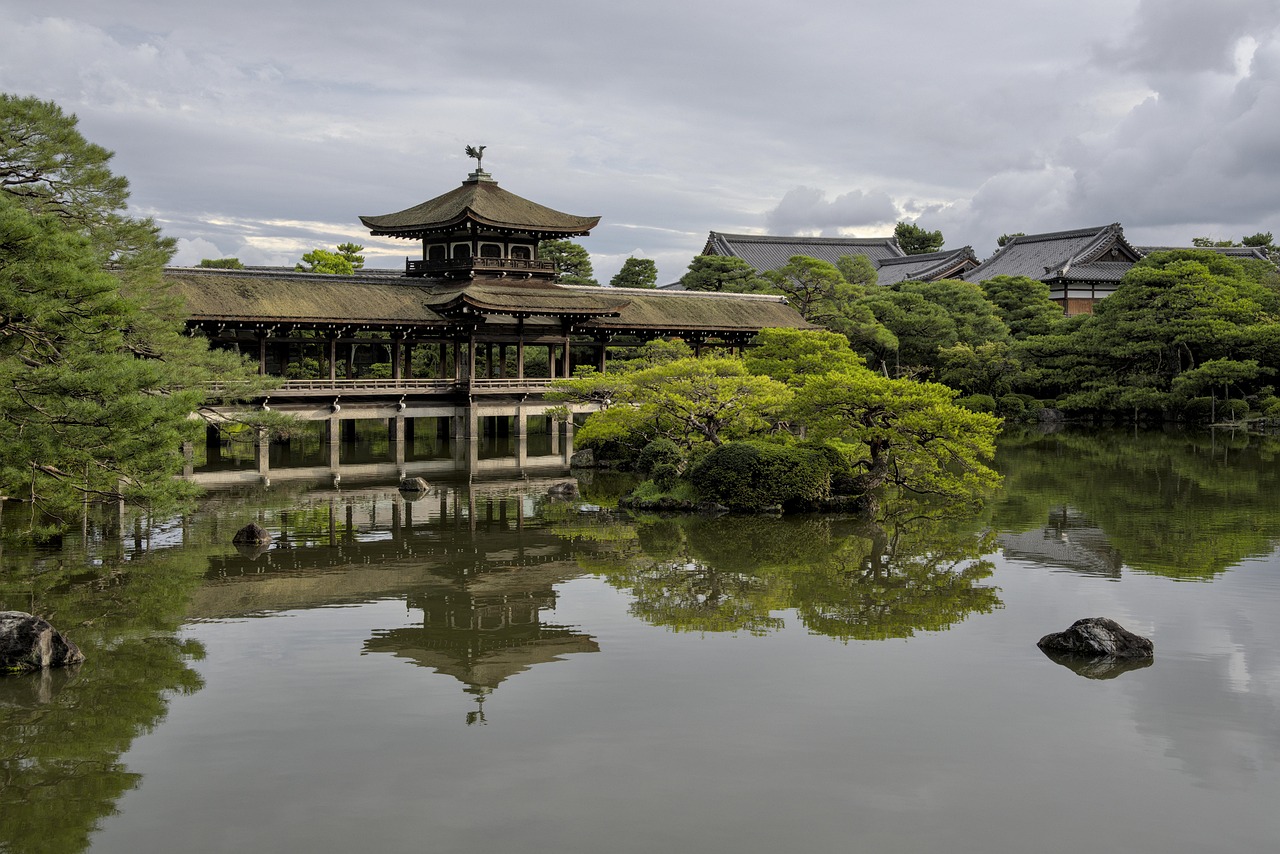
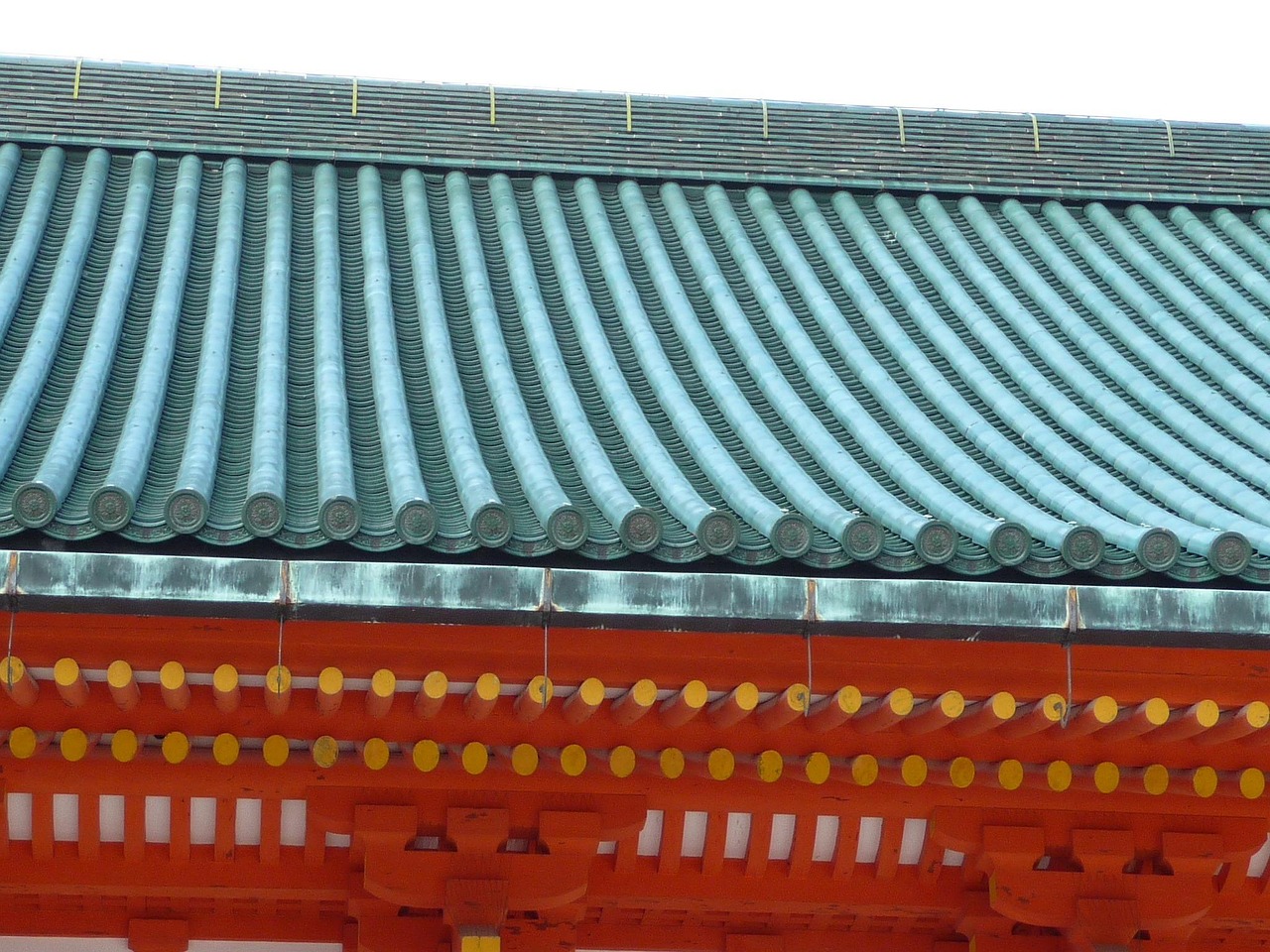
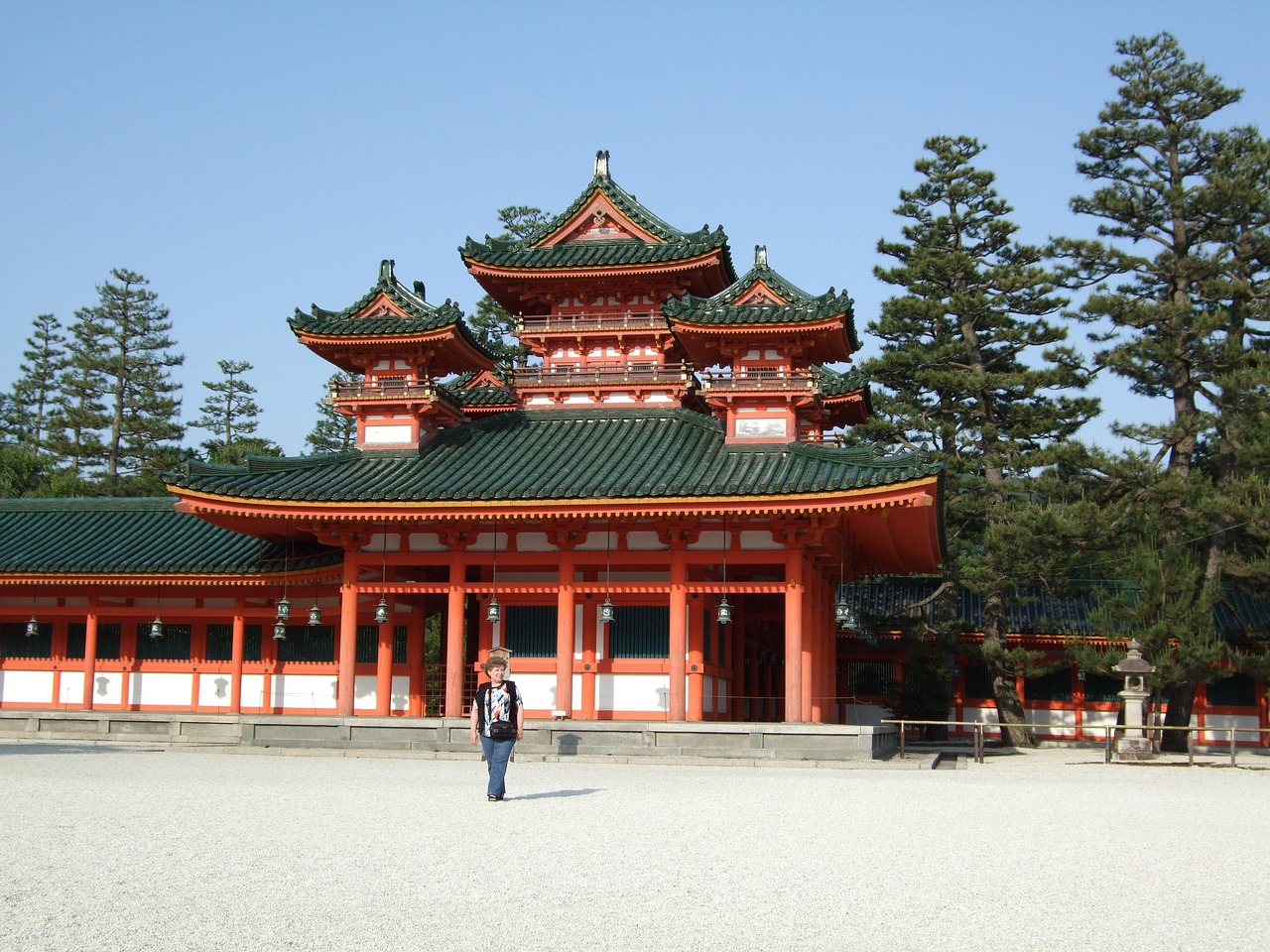
Inside, the shrine recreates the old Imperial Palace at a reduced scale, with bright orange pillars, green-tiled roofs, and a vast gravel courtyard. The buildings are modeled on Heian-era design, evoking the era when Kyoto was Japan’s capital. The open layout feels grand and airy, and the contrast of color against the sky is especially vivid on clear days. It remains an active site of worship and seasonal festivals.
The Garden Behind the Shrine
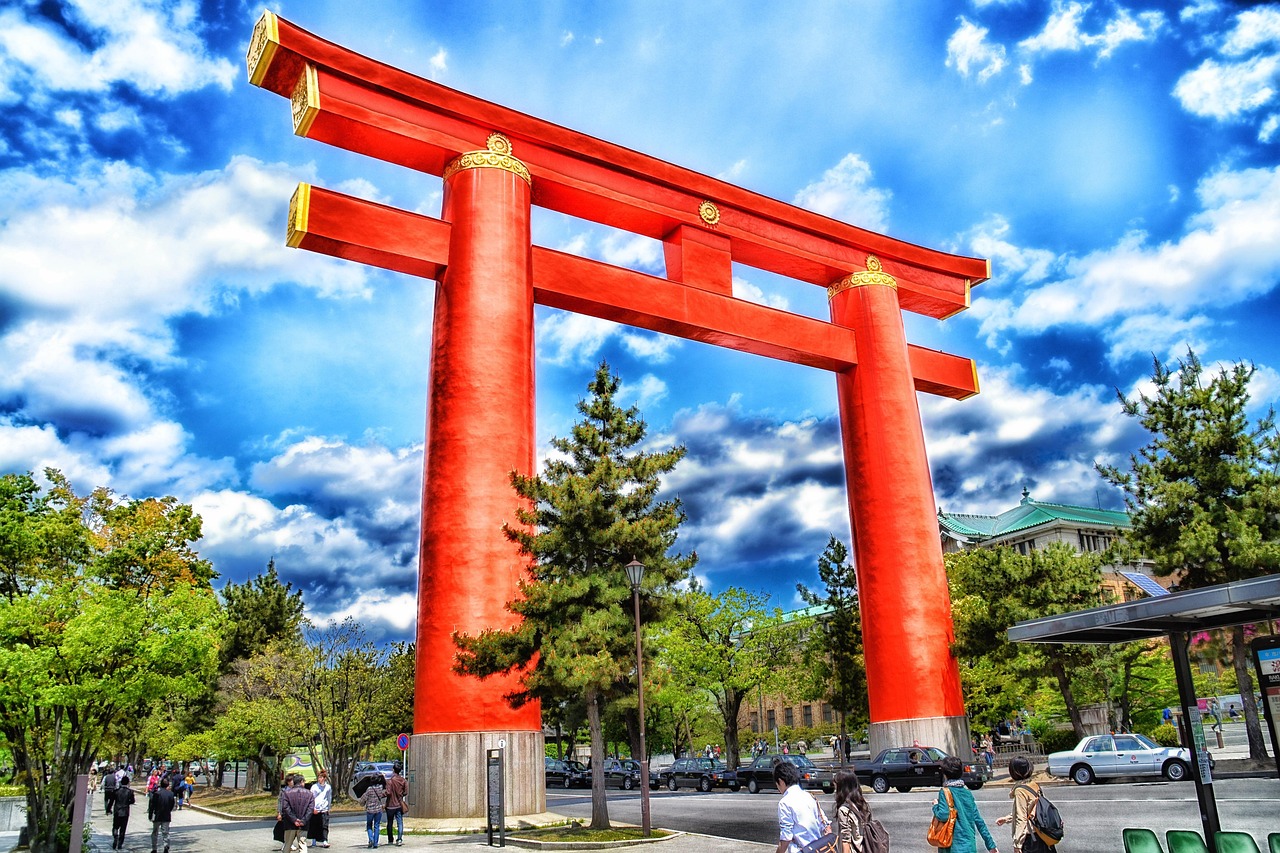
Beyond the main hall lies the Shin’en garden, a circular strolling garden wrapped around ponds and connected by stepping stones and a covered bridge. It is famous for weeping cherry trees in spring, irises in early summer, and bright foliage in autumn. The garden unfolds in carefully composed scenes, rewarding a slow walk. A modest separate admission applies, and it is well worth the time.
Planning Your Visit
Heian Shrine sits in the Okazaki cultural district, near museums and the Kyoto zoo, and is easy to reach by bus or a short walk from nearby subway stops. The shrine grounds are free to enter, with a small fee for the garden. Spring and autumn are the most rewarding seasons. Combine a visit with the surrounding parks and galleries for a relaxed half-day in eastern Kyoto.
Heian Shrine pairs bold, photogenic architecture with a quietly beautiful garden, making it a satisfying stop on any Kyoto itinerary. It sits comfortably alongside the temples and districts featured across our growing series on Japan’s old capital.
Planning a trip? See our full Kyoto Travel Guide for the best things to see and do.
More Kyoto Travel Guides
- Fushimi Inari Taisha
- Kinkaku-ji: the Golden Pavilion
- Arashiyama Bamboo Grove
- Kiyomizu-dera
- Gion
- Ginkaku-ji: the Silver Pavilion
See everything in one place: The Complete Kyoto Guide.


One thought on “Heian Shrine, Kyoto: the Giant Torii and Garden”