In June 1381 something happened that medieval England was simply not supposed to allow. Tens of thousands of ordinary people — farmers, labourers, tradesmen, the sort of folk who appear in the records only as names paying their dues — put down their tools, picked up whatever weapons they had, and marched on London. For a few extraordinary days the common people of England held the capital, confronted the king face to face, and came closer to overturning the social order than anyone would have believed possible. We call it the Peasants’ Revolt, though that name rather undersells who was involved and what they wanted.
The roots of the rising go back to the Black Death, which we looked at last time. With so many workers dead, the survivors found their labour was suddenly worth far more, and they had begun to demand better pay and more freedom. The landowning classes pushed back hard, passing laws to hold wages down and to keep the lower orders in their place. Decades of this tug-of-war had left the countryside simmering with resentment.
What finally lit the fuse was a tax. England’s long, grinding war with France had drained the treasury, and the government reached for a blunt instrument: the poll tax, a flat charge levied on nearly every adult regardless of whether they were a wealthy merchant or a struggling labourer. It was deeply unfair by design, and when officials came round trying to collect arrears in the spring of 1381, the response in Essex and Kent was not grumbling but violence. Tax collectors were driven off, sometimes killed. The revolt had begun.
The rebels were better organised than the authorities expected. In Kent they found a leader in Wat Tyler, a man about whom we know frustratingly little but who clearly had a gift for command. They also drew inspiration from a radical priest named John Ball, who had spent years preaching that all men were created equal and asking the famous question of who was the gentleman and who the labourer back when Adam delved and Eve span. It was incendiary stuff, and it spread.
Marching on London, the rebels swept aside the feeble resistance offered to them, and once inside the city — helped by sympathisers who opened the gates — they made straight for the targets of their anger. They burned the Savoy Palace, the magnificent London home of John of Gaunt, the king’s uncle and the man many blamed for the kingdom’s misrule. They opened the prisons. They hunted down lawyers and royal officials, and a number were dragged out and beheaded in the street, including the Archbishop of Canterbury, who was also the king’s chancellor.
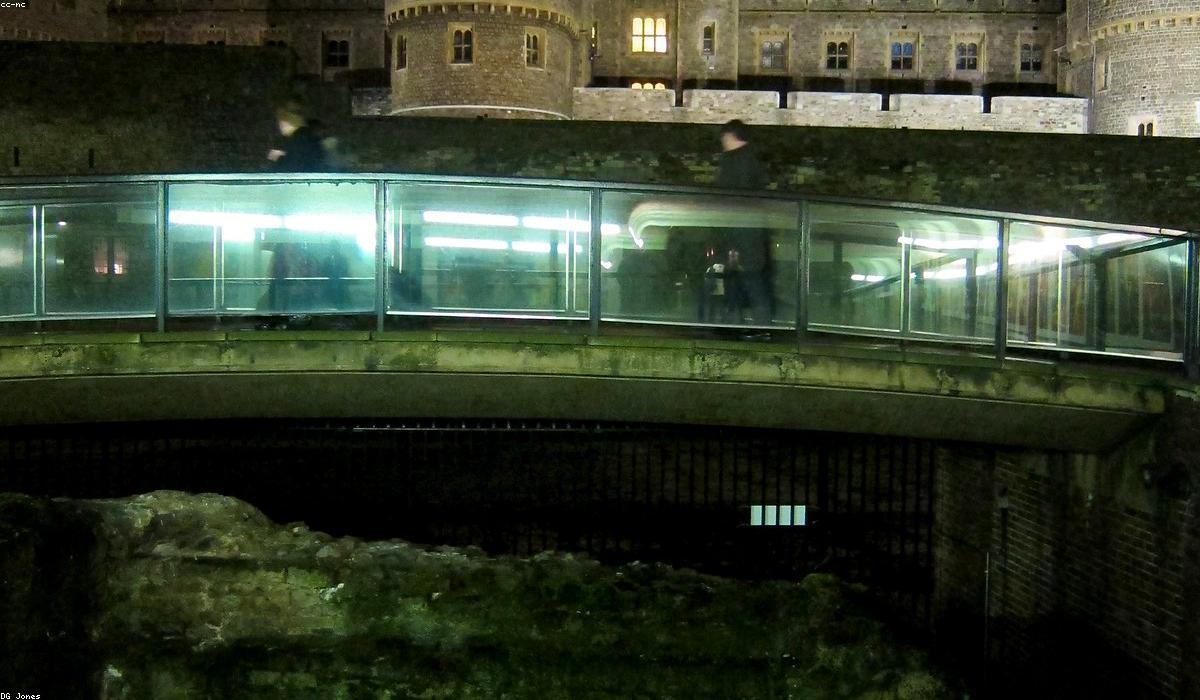
Into this chaos stepped the king — and remarkably, the king was a fourteen-year-old boy. Richard II had inherited the throne as a child, and now, with his government in disarray and the Tower of London itself overrun, the teenager rode out to meet the rebels in person. At Mile End he listened to their demands, which were startling: an end to serfdom, the freedom to work for fair wages, a general pardon. Astonishingly, Richard agreed to all of it on the spot, and many of the rebels, satisfied with the young king’s promises, began to drift home.
But not Wat Tyler. At a second meeting, at Smithfield, the confrontation turned deadly. Accounts differ on exactly what was said, but tempers flared, the mayor of London struck Tyler down, and the rebel leader was killed in front of his own followers. It was the moment everything could have collapsed into a massacre. Instead the young king did something extraordinary: he rode forward alone toward the leaderless crowd and declared that he would be their leader now. Whether it was courage, cunning or sheer adolescent nerve, it worked. The crowd followed him out of the city, and the moment of danger passed.
What came next was depressingly predictable. Once the immediate threat had dissolved, the promises evaporated. The charters of freedom Richard had granted were revoked. The ringleaders were hunted down and executed; John Ball was hanged, drawn and quartered. When the men of Essex reminded the king of his pledges, he is said to have replied that they were villeins and villeins they would remain. The revolt, in the narrow sense, had failed completely.
And yet it cast a very long shadow. The hated poll tax was quietly dropped, and no government dared try anything quite like it again for centuries. More importantly, the rising had shown that the common people of England could organise, could act, and could frighten the powerful to their core. Serfdom did not end in 1381, but it was already fading, and within a century or so it had withered away almost entirely. In the next part we’ll move into a darker, more tangled chapter, when the nobility turned on each other in the long dynastic bloodletting we call the Wars of the Roses.
You May Like
Mafra, the Palace a King Built From a Vow