On a low headland overlooking the Gulf of Tunis lie the ruins of a city that once came close to ruling the western Mediterranean. This was Carthage, the great maritime power of the ancient world and the rival whose long duel with Rome decided the future of the West.
Carthage was destroyed so completely by the Romans that for a long time little was thought to remain. Yet beneath and beside the later Roman city, archaeologists have uncovered the harbours, sanctuaries and streets of one of antiquity’s richest and most feared civilisations.

Table of Contents
- The City That Challenged Rome
- Phoenician Origins and the Legend of Dido
- Byrsa Hill and the Punic City
- The Ports of Carthage and Its Sea Power
- The Tophet and Punic Religion
- Hannibal and the Punic Wars
- The Destruction of 146 BC
- Roman Carthage: A New African Capital
- The Antonine Baths and a City of Mosaics
- Vandals, Byzantines, and UNESCO Today
- Nearby Places
- Closing Thoughts
The City That Challenged Rome
For more than a century Carthage and Rome were locked in a struggle for control of the Mediterranean. At its height Carthage commanded a trading empire reaching across North Africa, into Spain, Sicily, Sardinia and beyond, grown rich on commerce and a powerful navy.
That rivalry ended in one of the most total destructions in ancient history. Yet the memory of Carthage, and of its greatest general Hannibal, haunted Rome for generations and still shapes how we imagine the clash of ancient powers.
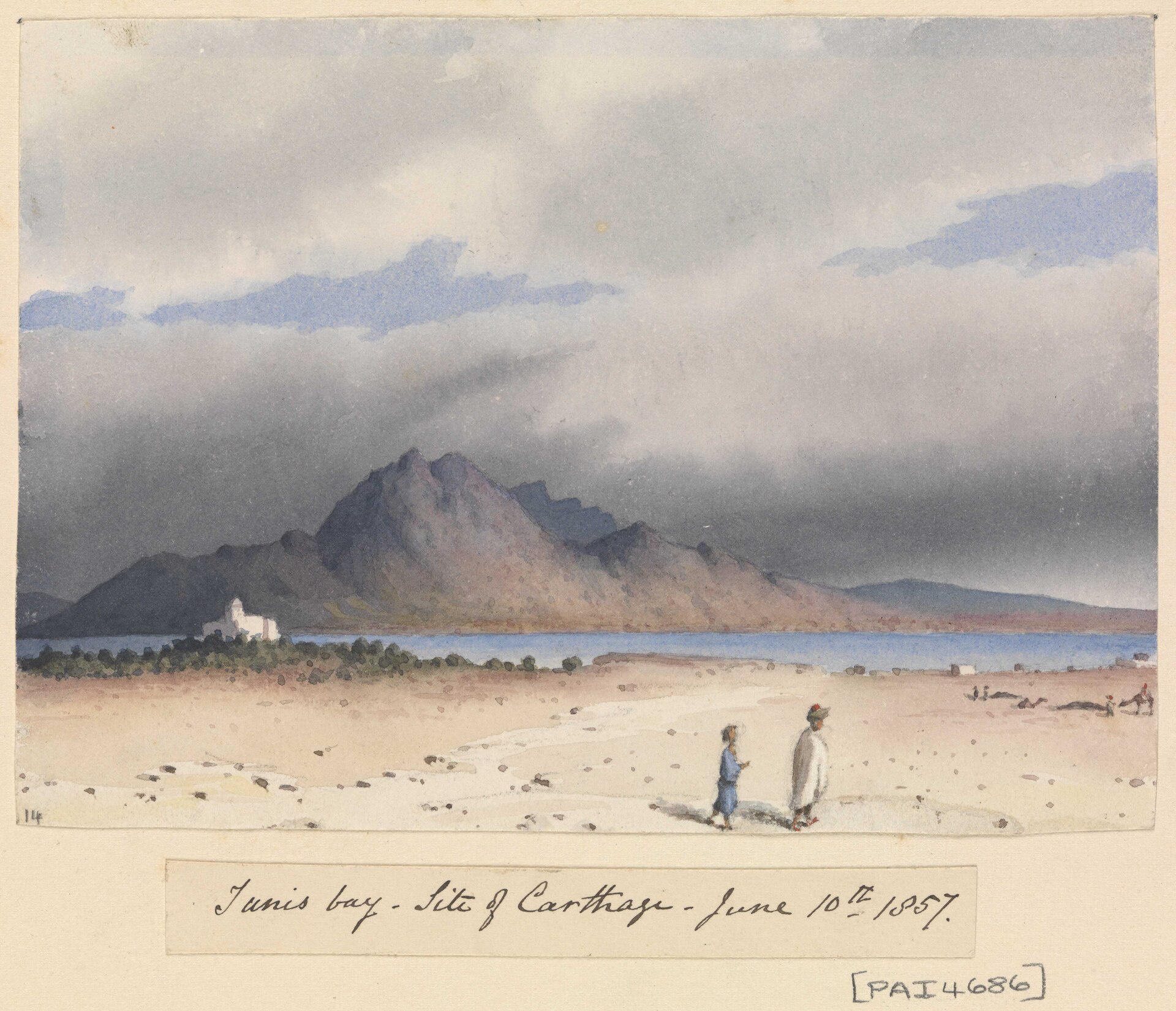
Phoenician Origins and the Legend of Dido
Carthage was founded by Phoenician settlers from the city of Tyre, on the coast of modern Lebanon, traditionally in the late ninth century BC. As traders and sailors, the Phoenicians planted colonies across the Mediterranean, and Carthage became the greatest of them.
Legend credited its founding to Queen Dido, who fled her homeland and, so the story goes, secured land for her new city by a clever trick with an ox-hide. The Romans later wove her into their own myths as the tragic queen abandoned by the hero Aeneas.
Byrsa Hill and the Punic City
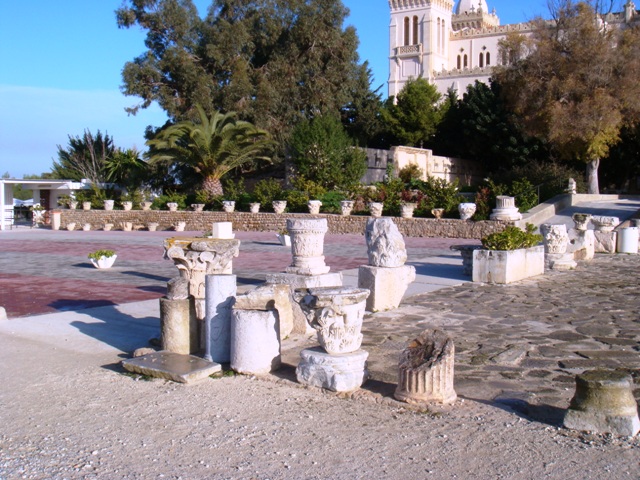
The heart of Carthage was Byrsa Hill, a citadel crowned with temples and public buildings, around which the city spread down toward the sea. Excavations have revealed a dense grid of Punic houses, streets and workshops on its slopes.
At its peak Carthage was one of the largest cities of the ancient Mediterranean, with tall apartment blocks, running water and a population in the hundreds of thousands, a bustling commercial metropolis rather than a mere trading post.
The Ports of Carthage and Its Sea Power
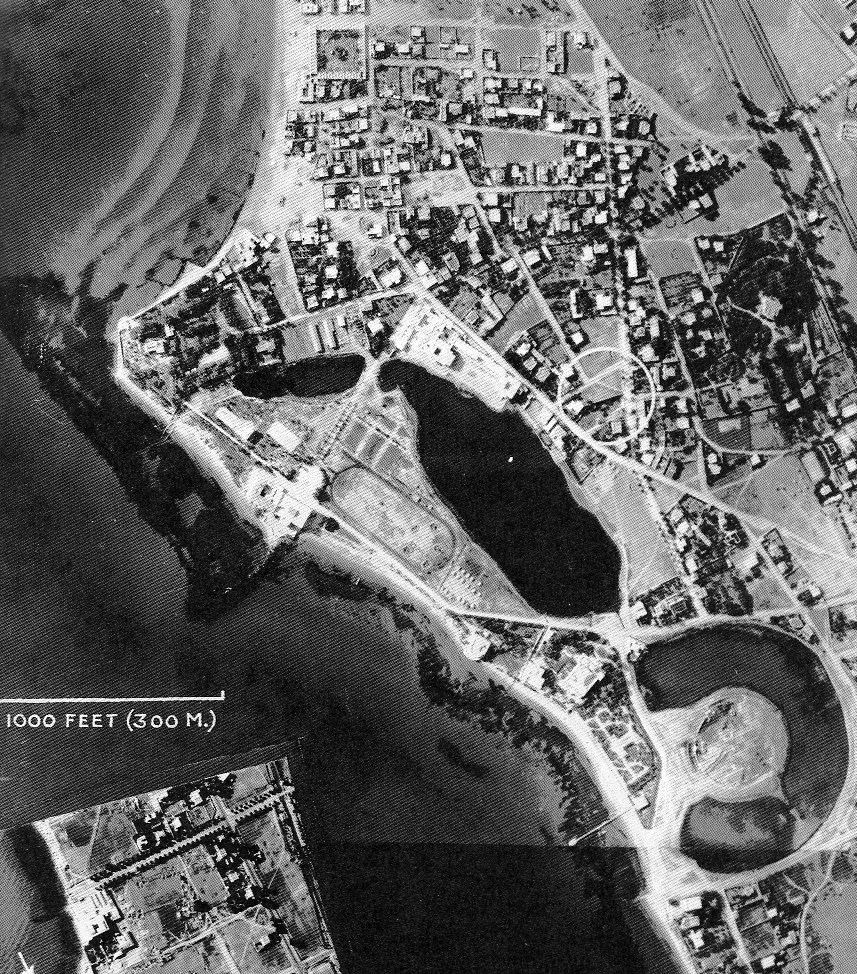
Carthage owed its power to the sea, and at its centre lay a remarkable double harbour. A rectangular commercial port opened into a circular military harbour, ringed with covered docks that could shelter and service a large fleet of warships.
This engineering allowed Carthage to build, hide and launch its navy with astonishing speed, and control of these ports was one of the keys to its dominance of Mediterranean trade.
The Tophet and Punic Religion
The Carthaginians worshipped Phoenician gods, above all the god Baal Hammon and the goddess Tanit. One of the most debated sites of the city is the Tophet, a sacred precinct filled with urns and carved stone stelae.
Ancient authors, mostly hostile Greeks and Romans, accused the Carthaginians of sacrificing children there, and scholars still argue over how far these charges reflect reality or enemy propaganda. Either way, the Tophet remains a haunting window onto Punic belief.

Hannibal and the Punic Wars
The rivalry between Carthage and Rome erupted into three great conflicts known as the Punic Wars. In the most famous, the Carthaginian general Hannibal led an army, complete with war elephants, over the Alps and inflicted crushing defeats on Rome in Italy itself.
For years Hannibal ranged almost unchecked through the peninsula, and Rome came close to collapse. In the end Roman persistence prevailed, and the war was carried back to Africa, where Hannibal was finally defeated near Carthage.
The Destruction of 146 BC
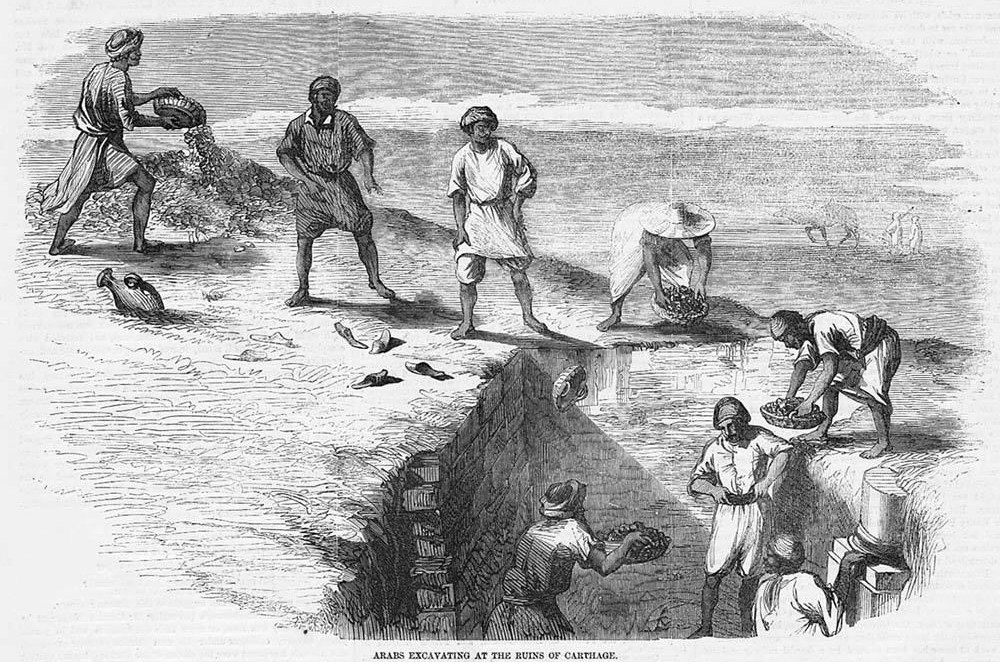
Rome never forgot the terror Hannibal had caused. The stern senator Cato is said to have ended every speech by declaring that Carthage must be destroyed. In the Third Punic War the Romans besieged the city and, in 146 BC, stormed and burned it.
The destruction was almost complete. The survivors were sold into slavery, the buildings were levelled, and the site was cursed, a deliberate act meant to erase a rival forever from the map of the Mediterranean.
Roman Carthage: A New African Capital
Yet the location was too valuable to abandon. Within a century Rome founded a new colony on the ruins, and Roman Carthage grew into one of the greatest cities of the empire, the capital of the wealthy province of Africa and a centre of grain, trade and learning.
It gained temples, an amphitheatre, a circus and a theatre, and became a stronghold of early Christianity, home to influential thinkers whose writings shaped the western church.

The Antonine Baths and a City of Mosaics
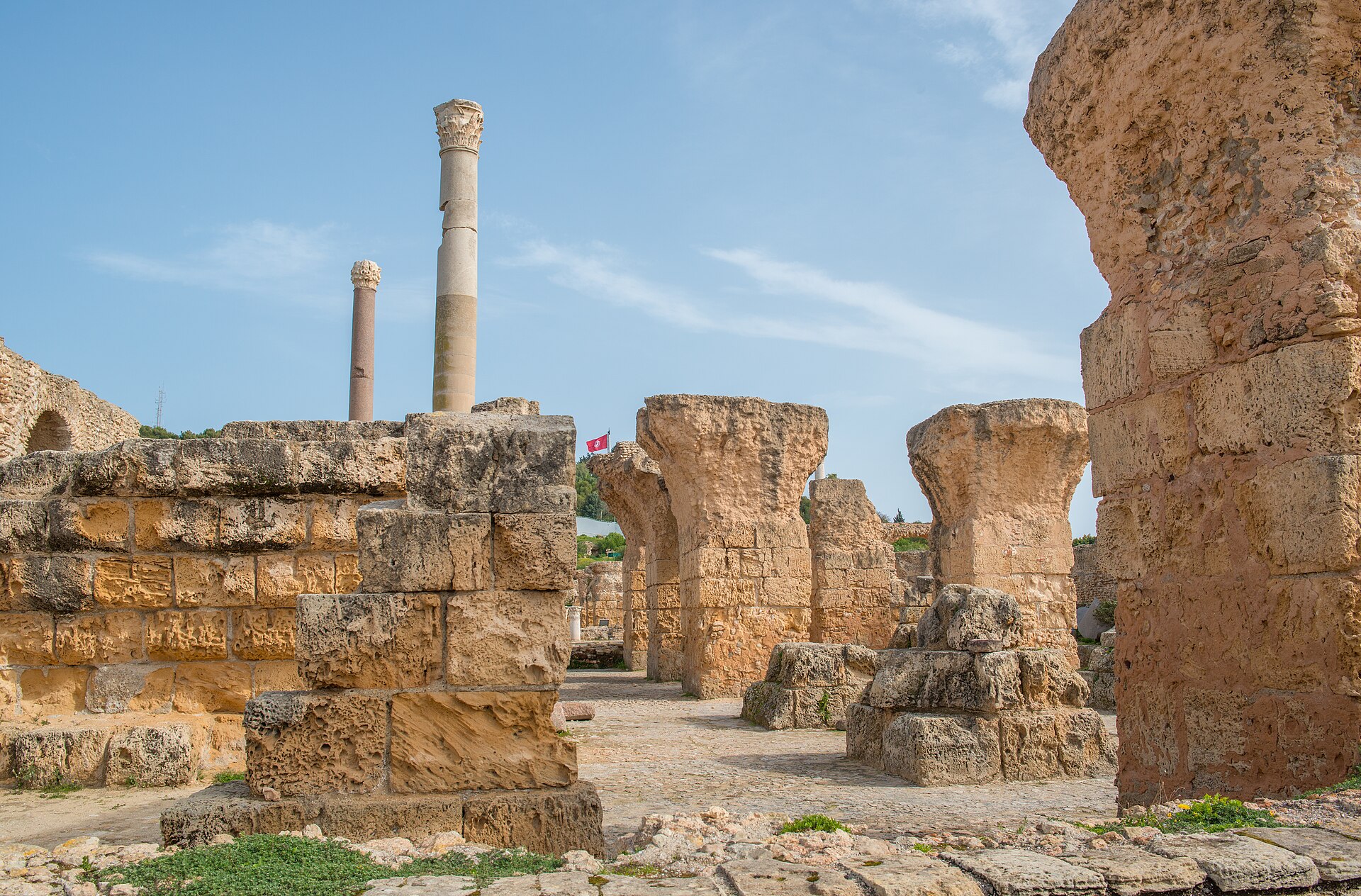
The grandest surviving monument of Roman Carthage is the Antonine Baths, an enormous seaside bathing complex whose towering ruins still stand beside the water. It was among the largest such establishments anywhere in the Roman world.
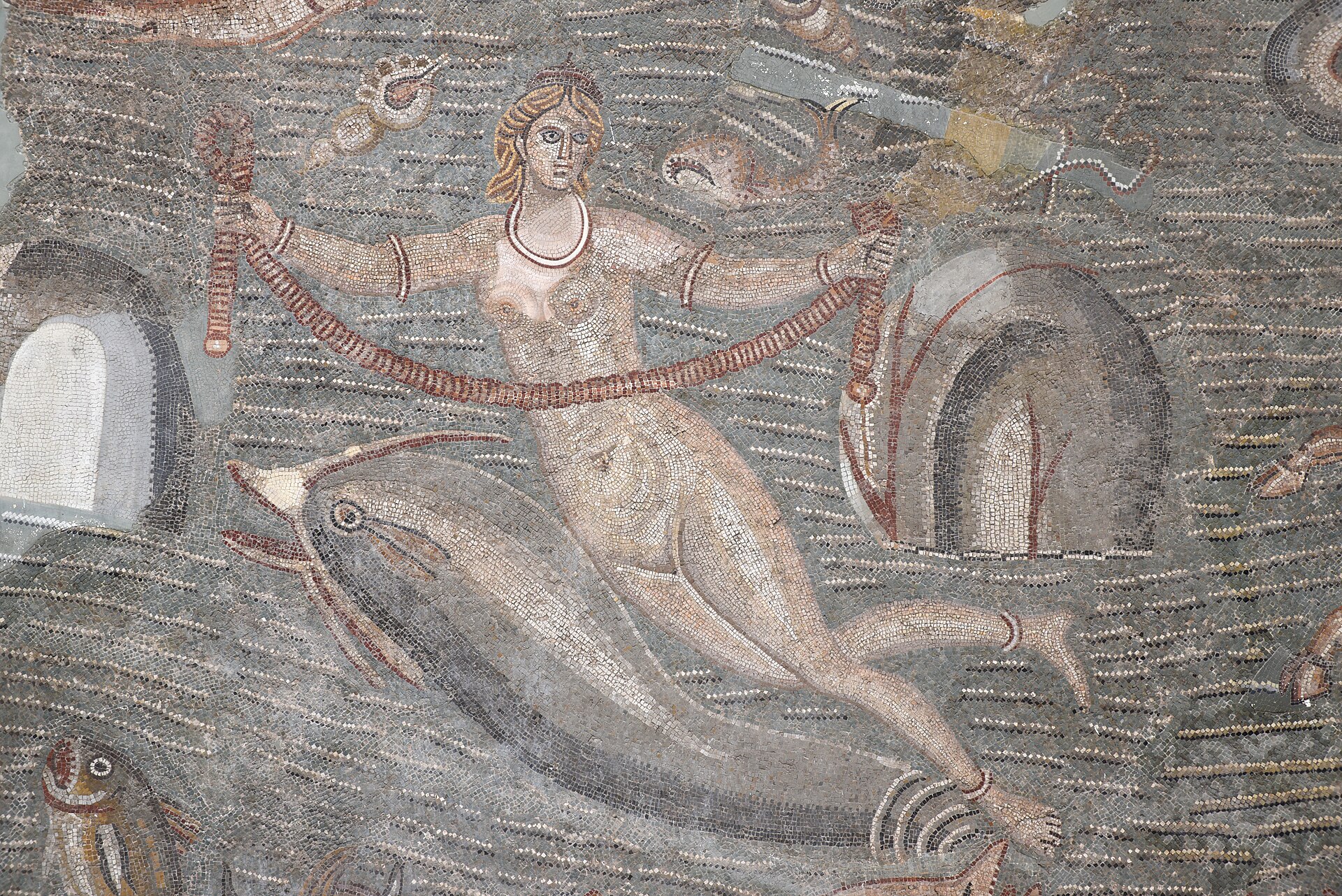
The wealth of the city is reflected in its art, above all the brilliant floor mosaics recovered from its villas, which today fill museums in Tunisia and give a vivid picture of daily life in Roman Africa.
Vandals, Byzantines, and UNESCO Today
In late antiquity Carthage passed to the Vandals, who made it the capital of their kingdom, and later to the Byzantines, before falling to the Arab conquest, after which nearby Tunis rose in its place and the old city faded.
The archaeological remains of Carthage were inscribed on the UNESCO World Heritage List in 1979. Today the ruins sit among the leafy suburbs of Tunis, a quiet setting for a city whose name once made Rome tremble.
Nearby Places
- The Roman Forum and the Colosseum — the heart of the empire that fought Carthage for mastery of the Mediterranean.
- The Acropolis of Athens — the Greek world whose colonies and culture surrounded Punic Carthage.
- Thebes: The Egyptian City of a Hundred Gates — another great power of the ancient Mediterranean and Near East.
Closing Thoughts
Carthage is a rare example of a civilisation we know largely through the words of its enemies, its own libraries lost in the flames of 146 BC. What survives in the ground, the harbours, sanctuaries and streets, lets its people speak again in their own right.
To walk the ruins above the Gulf of Tunis is to stand at one of the great turning points of history. Had the long duel with Rome gone the other way, the language, laws and faith of the western world might have been utterly different.
You May Like
Mafra, the Palace a King Built From a Vow


3 thoughts on “Carthage: The Sea Power That Nearly Beat Rome, and the City Rome Erased”