Every other site in this series has centered on kings, temples, and the monumental ambitions of Maya rulers. Joya de Ceren offers something entirely different: a small farming village in what is now El Salvador, buried so suddenly and so completely by volcanic ash around 600 CE that it preserved, in extraordinary detail, the daily life of ordinary Maya commoners rather than the palaces and inscriptions of their kings.
Archaeologists and journalists have long nicknamed Joya de Ceren the Pompeii of the Americas, and the comparison to the famously ash-buried Roman town is apt in one crucial respect: both sites owe their remarkable preservation to a sudden volcanic disaster that entombed everyday objects and structures in a way that gradual decay or later rebuilding almost never allows archaeologists to study directly.
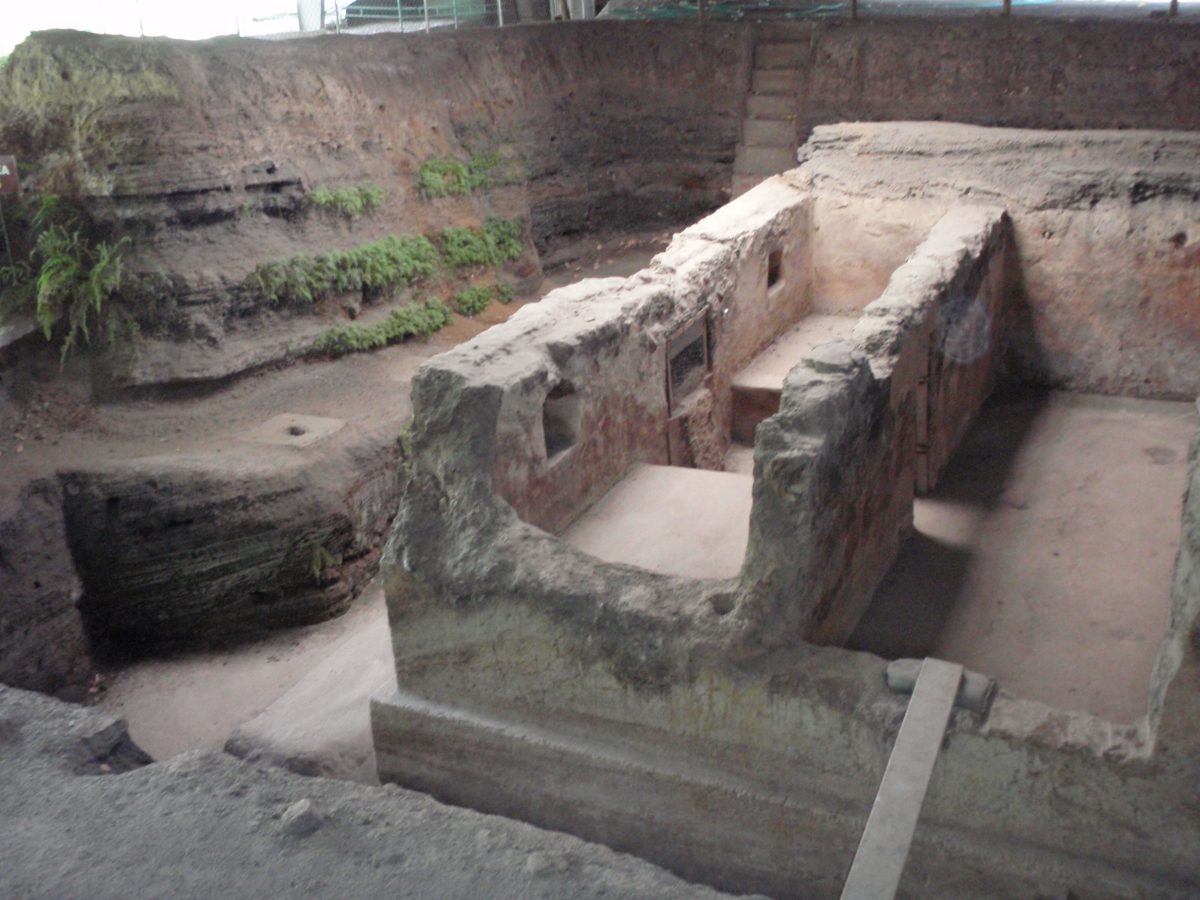
Table of Contents
- Buried Alive: Arriving at the Pompeii of the Americas
- The Night Loma Caldera Erupted
- Houses Frozen in Time
- The Gardens and Fields of an Ordinary Village
- What Language Did the People of Joya de Ceren Speak?
- The Sweat Bath and Daily Ritual Life
- A Village Without Kings
- No Bodies Found: Evidence of a Successful Evacuation
- Excavation and the Challenge of Digging Through Ash
- Visiting Joya de Ceren Today
- Nearby Places to Explore
- Closing Thoughts
Buried Alive: Arriving at the Pompeii of the Americas
Unlike the towering pyramids of Tikal or the elaborately carved stelae of Quirigua, Joya de Ceren presents visitors with something quieter and, in its own way, considerably more intimate: modest adobe and thatch houses, kitchen gardens, storage buildings, and a communal structure, all preserved beneath layers of volcanic ash thick enough to protect organic materials that almost never survive at other Maya sites.
UNESCO recognized Joya de Ceren as a World Heritage Site in 1993, specifically citing its unparalleled ability to illustrate the daily life of a Mesoamerican farming community, a designation that distinguishes it clearly from the royal capitals and monumental temple complexes that dominate most other UNESCO-listed Maya sites.
Protective roofing now covers the excavated areas, shielding the fragile ash-preserved structures from further weather damage while still allowing visitors to walk close enough to see remarkable details: finger impressions left in wet clay plaster, storage vessels still standing where their owners left them, and the low walls of houses whose thatched roofs collapsed under the weight of accumulated ash centuries ago.
The site’s name, Joya de Ceren, is actually a modern Spanish label rather than any ancient designation, since the community’s own original name has been entirely lost to history, another reminder of just how completely this village existed outside the kind of self-documenting royal record-keeping that preserved the names of cities like Tikal and Copan for later generations.
Because Joya de Ceren lies within a still-agriculturally active region of modern El Salvador, the protected archaeological zone itself represents a relatively small excavated portion carved out of surrounding farmland, meaning careful coordination between archaeological preservation and local agricultural land use remains an ongoing practical consideration for site management.
The Night Loma Caldera Erupted
Sometime around 600 CE, precisely dated through radiocarbon analysis and confirmed by the specific volcanic material involved, the nearby Loma Caldera vent erupted with a violent, phreatomagmatic explosion, a type of eruption caused when rising magma encounters groundwater, producing a fast-moving, superheated cloud of ash and gas rather than the slower lava flows more commonly associated with volcanic activity.
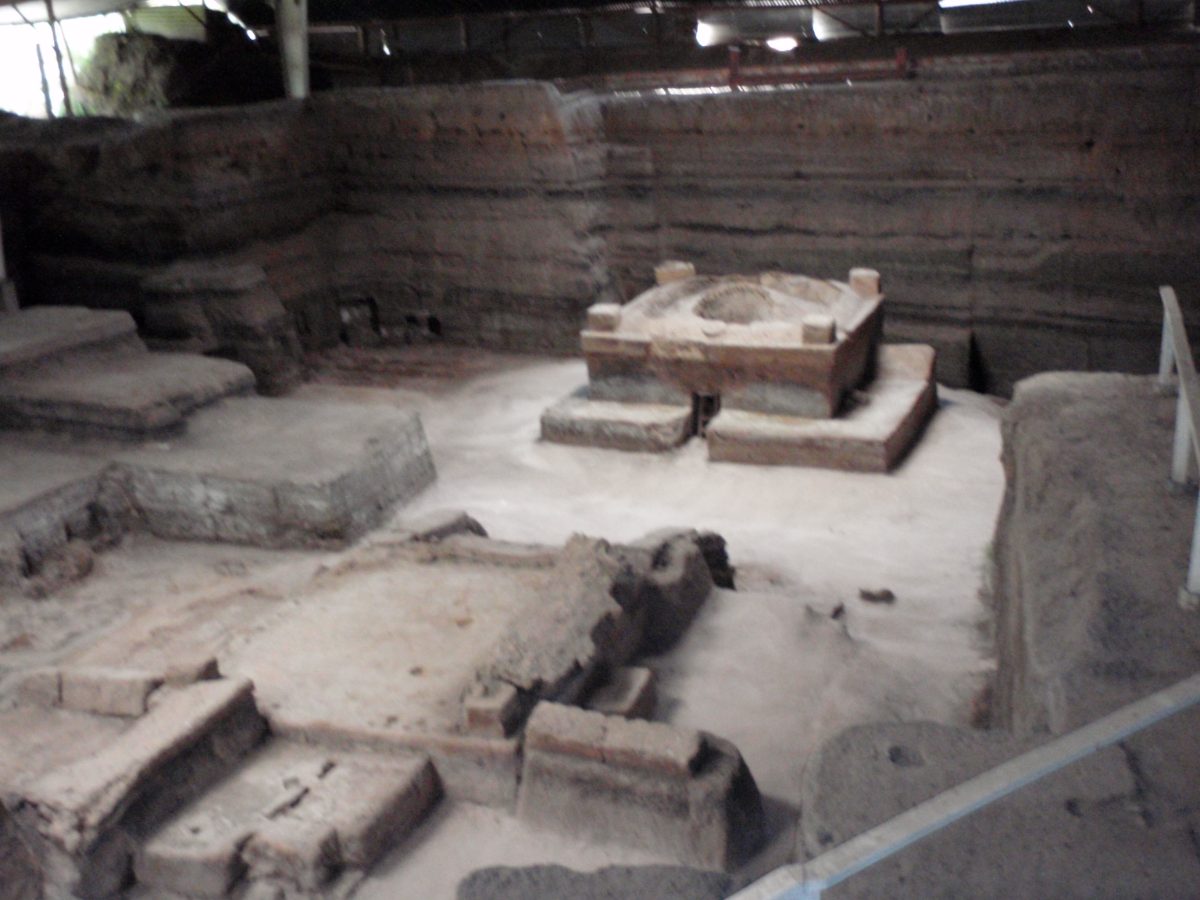
This eruption buried the village of Joya de Ceren under multiple successive layers of volcanic ash reaching several meters in total depth, burying structures, garden plots, and everyday objects so quickly and so thoroughly that organic materials, including roof thatch, wooden tool handles, and even food crops still growing in the fields, were preserved in a way archaeologists almost never encounter at other ancient sites where such perishable materials typically decompose within years or decades at most.
The specific sequence of ashfall layers has allowed researchers to reconstruct the eruption’s timeline in remarkable detail, distinguishing between initial warning tremors, the main explosive eruption phase, and subsequent smaller ashfalls, providing a rare moment-by-moment geological record directly tied to the human community it simultaneously destroyed and preserved.
The Loma Caldera vent itself was a relatively small, previously unremarkable volcanic feature rather than part of a major well-known volcanic system, underscoring how even minor local eruptions could produce catastrophic, if narrowly localized, destruction capable of burying an entire community within hours.
Houses Frozen in Time
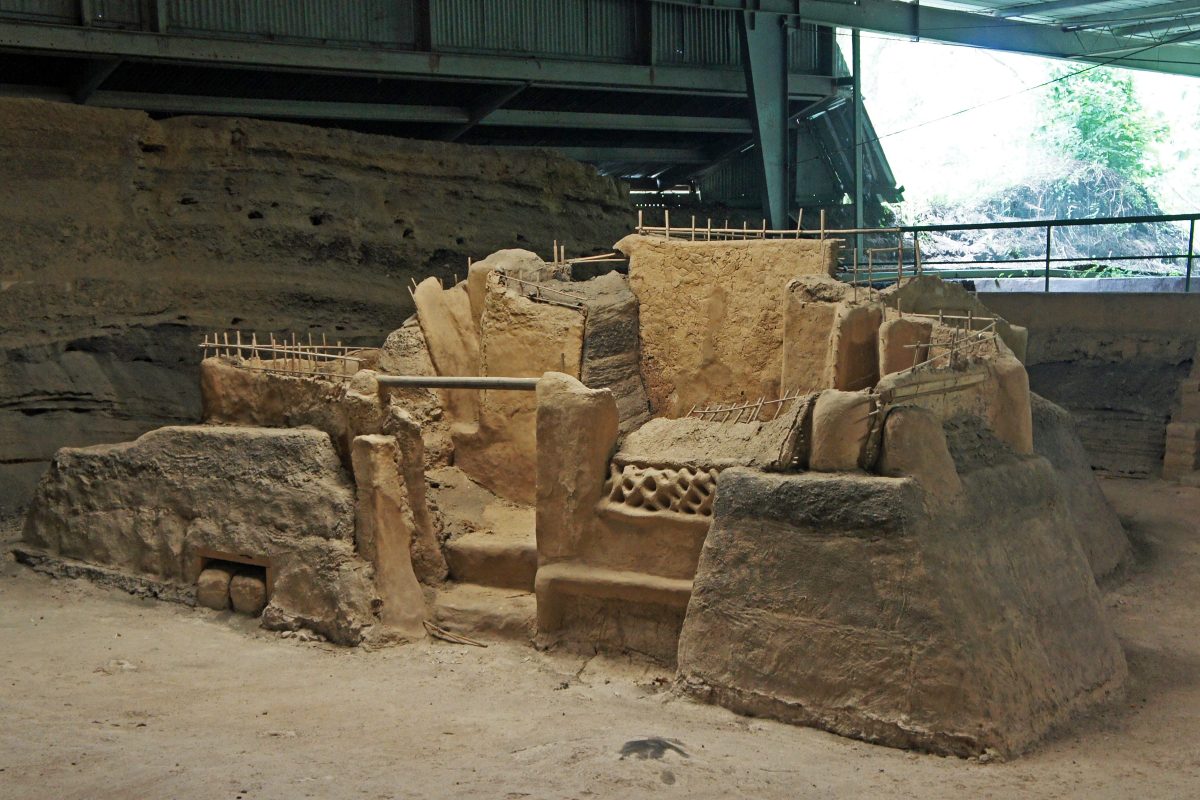
Excavation has revealed multiple household compounds at Joya de Ceren, each typically consisting of several distinct buildings serving different functions: a main residential structure, a separate kitchen building, storage structures for maize and other crops, and in some cases workshop areas where residents produced specific craft goods.
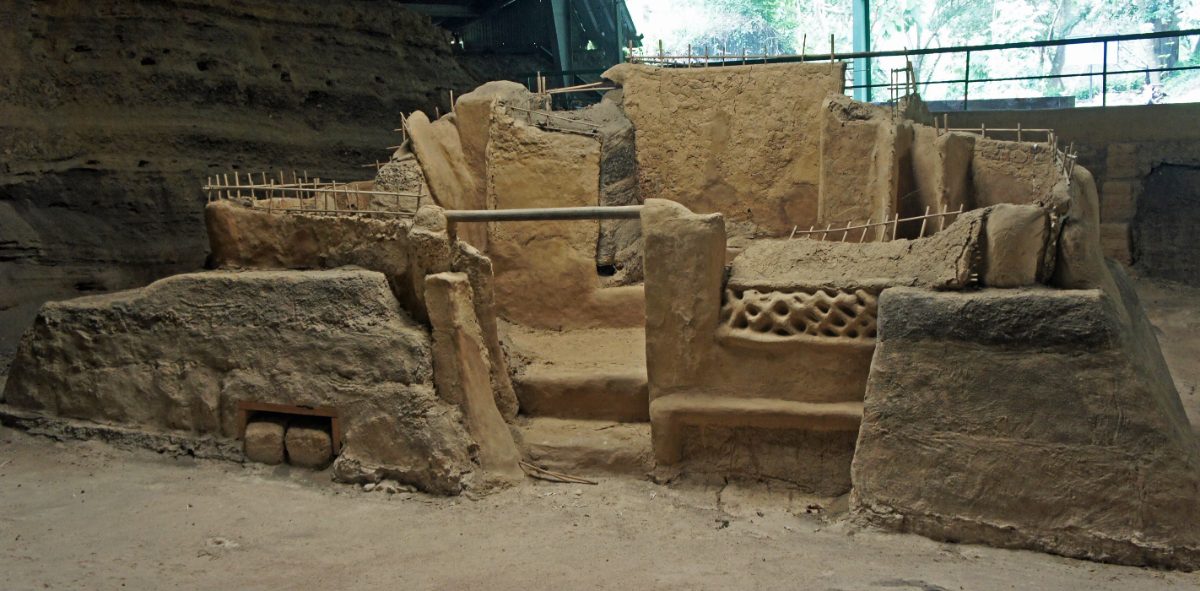
Because the volcanic ash preserved these structures essentially as they stood at the moment of eruption, archaeologists have recovered household objects in their original functional context rather than as isolated artifacts removed from any clear physical setting, including ceramic vessels still containing traces of food, tools left exactly where their owners had been using them, and furniture arrangements that reveal how specific rooms were actually used in daily life.
This level of preservation extends to construction details rarely visible at other Maya sites, including the specific techniques used to bind wooden roof supports, the exact composition of adobe wall plaster, and even decorative elements like painted designs on interior walls, giving architectural historians an unusually complete picture of ordinary Maya residential construction methods.
Some preserved structures at Joya de Ceren appear to have served specialized craft production functions, including evidence of ceramic manufacturing tools and workspace arrangements, suggesting the village’s economy involved more than subsistence farming alone and likely included small-scale craft specialization supporting broader regional trade networks.
Wall plaster recovered from several structures preserves not only construction technique but also traces of painted decoration, giving researchers rare direct evidence of how ordinary Maya households, rather than royal palaces, incorporated color and decorative elements into everyday domestic architecture.
The Gardens and Fields of an Ordinary Village
Perhaps Joya de Ceren’s single most remarkable contribution to Maya archaeology comes from its preserved agricultural fields, where volcanic ash captured the actual growing crops present at the moment of the eruption, providing direct physical evidence of specific plants under cultivation rather than the indirect evidence, such as pollen samples or written references, that archaeologists typically rely on elsewhere.
Excavators identified rows of manioc, also known as cassava, still standing in cultivated furrows, representing the first direct archaeological confirmation that ancient Maya farmers grew this crop at significant scale, a finding that meaningfully revised earlier assumptions about ancient Mesoamerican agriculture that had focused heavily on maize while underestimating the importance of root crops like manioc in the broader ancient diet.
Household gardens preserved alongside the main agricultural fields contained cacao trees, chili peppers, and other crops grown in smaller quantities close to individual homes, giving researchers a detailed picture of how ordinary Maya families combined larger-scale field agriculture with more intensive small-scale household gardening to meet their full range of dietary and economic needs.
Beyond manioc and cacao, excavators also recovered evidence of maize, beans, squash, and agave plants under cultivation, confirming that Joya de Ceren’s farmers practiced a genuinely diverse polyculture agricultural system rather than relying on any single dominant staple crop, a pattern increasingly recognized as typical of sustainable ancient Mesoamerican farming more broadly.
The discovery of manioc under active cultivation at Joya de Ceren has prompted broader reassessment of ancient Maya dietary reconstruction efforts at other sites, since root crops like manioc leave far less obvious archaeological traces than grain crops such as maize, meaning their importance may have been significantly underestimated at sites lacking Joya de Ceren’s exceptional preservation conditions.
What Language Did the People of Joya de Ceren Speak?
Determining the specific language spoken by Joya de Ceren’s residents presents genuine difficulty, since the village left behind no hieroglyphic inscriptions of its own, an expected absence given that written monumental texts were generally the exclusive domain of royal courts and elite scribes rather than ordinary farming communities anywhere in the ancient Maya world.
Most archaeologists studying the region place Joya de Ceren within the broader zone of Maya cultural influence during the Classic period, and material culture recovered from the site, including ceramic styles and architectural conventions, shows clear connections to broader Maya traditions, suggesting the community likely spoke some variety of Maya language, though the specific branch remains uncertain given the site’s location near the southeastern edge of the broader Maya cultural and linguistic zone.
This same border region of modern El Salvador later saw significant Pipil-speaking populations, a Nahuatl-related language associated with groups who migrated into the area from central Mexico at some point after Joya de Ceren’s destruction, meaning honest scholarly caution requires acknowledging that the exact linguistic identity of this specific farming community remains less certain than for major inscribed capitals like Tikal or Copan, where royal hieroglyphic texts provide much clearer, if still imperfect, evidence.
Future research combining detailed ceramic style analysis with any additional inscribed material that might yet be recovered from unexcavated portions of the site could potentially refine current understanding of Joya de Ceren’s specific linguistic and ethnic identity, though for now the honest scholarly position remains one of informed uncertainty rather than confident assertion.
The Sweat Bath and Daily Ritual Life
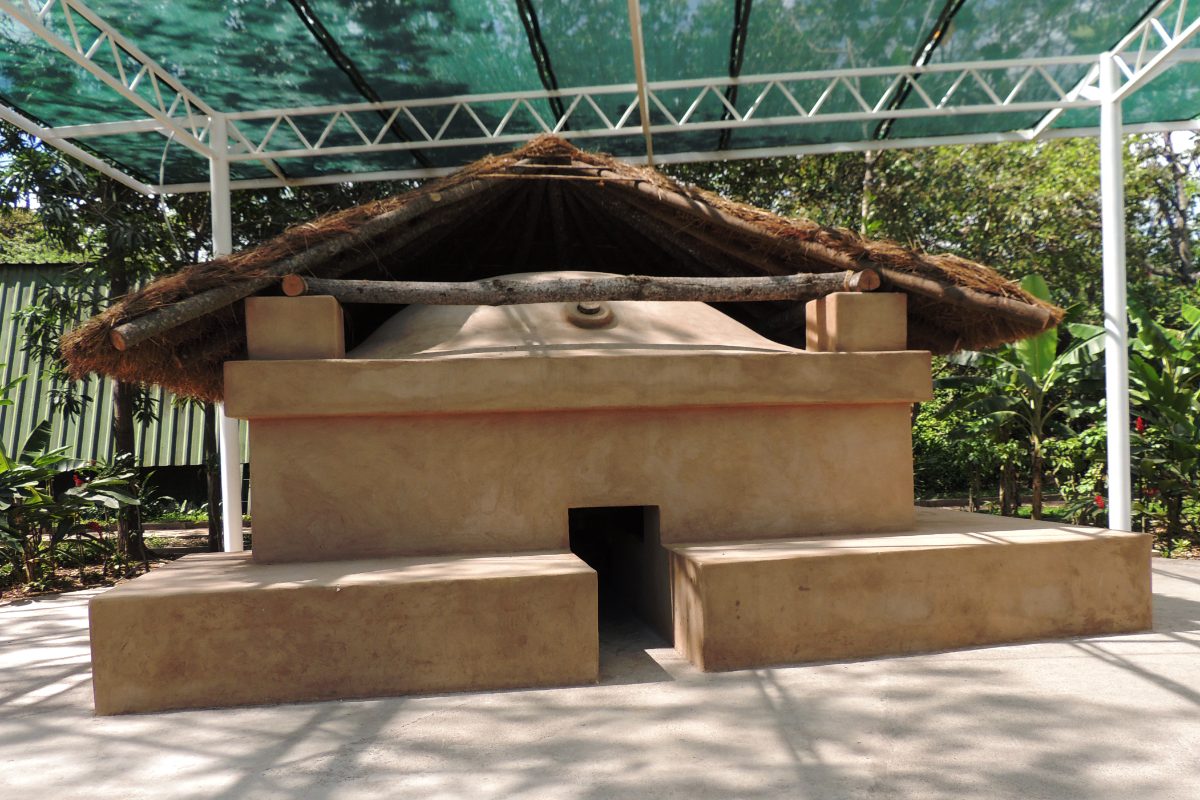
Among Joya de Ceren’s preserved structures, archaeologists identified a well-built sweat bath, called a temazcal, a small enclosed structure used for ritual and hygienic steam bathing found across many ancient Mesoamerican cultures, its walls and interior heating chamber preserved clearly enough to reconstruct exactly how residents would have used the structure.
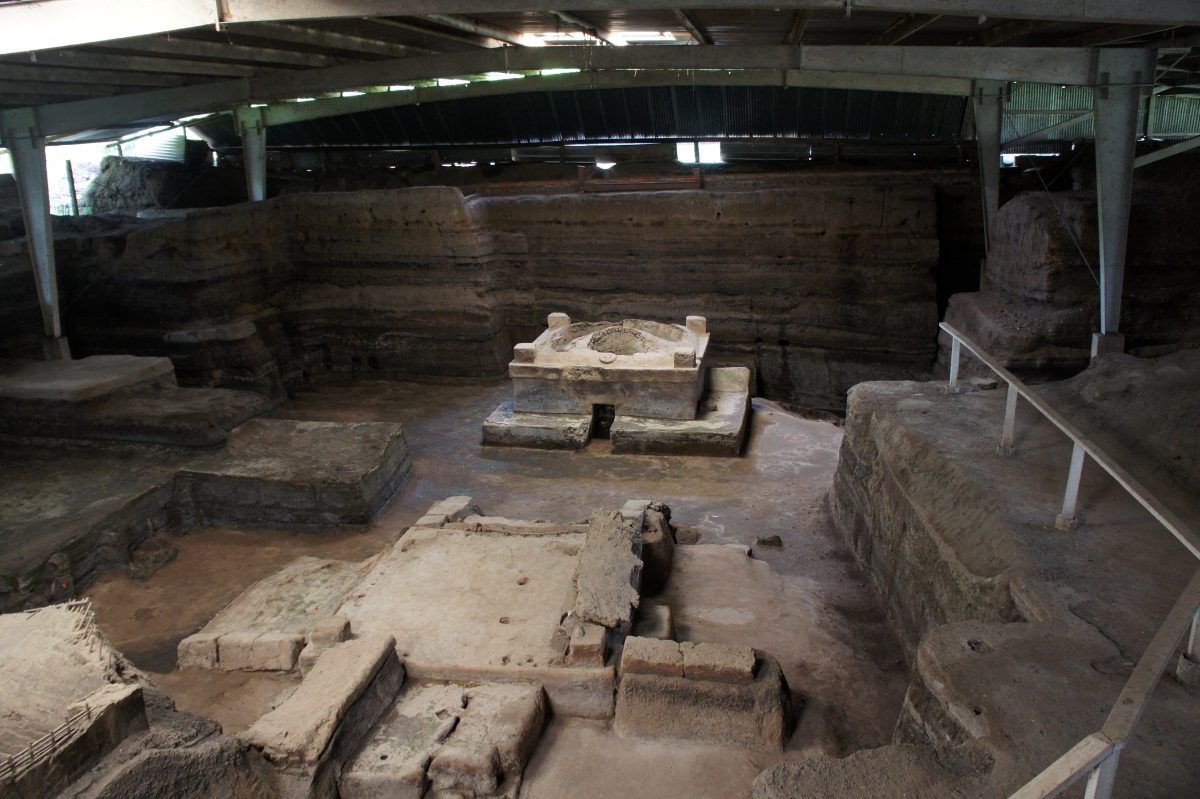
Sweat bathing carried both practical hygienic and deeper ritual significance across ancient Mesoamerica, often associated with healing practices, purification before religious ceremonies, and, in some documented traditions, rituals surrounding childbirth, and the well-preserved condition of Joya de Ceren’s temazcal has made it one of the most frequently studied examples of this specific building type anywhere in the ancient Maya world.
Beyond the sweat bath, evidence of small household shrines and ritual deposits found within individual residential compounds suggests religious practice at Joya de Ceren operated primarily at the household and community level rather than through the kind of grand public temple ceremony associated with royal capitals, offering a valuable counterpoint to the heavily elite-focused religious evidence that dominates most other Maya archaeological sites.
Comparable temazcal structures appear at other Mesoamerican sites spanning many centuries and considerable geographic distance, from central Mexico down through the Maya region, reflecting how widespread and culturally persistent sweat bathing traditions were across ancient Mesoamerica generally, well beyond any single specific ethnic or linguistic group.
A Village Without Kings
Joya de Ceren’s greatest scholarly significance lies precisely in what it lacks: no royal palace, no carved stelae commemorating kings, no monumental temple pyramid dominating the settlement. This was, by every available piece of evidence, an ordinary farming village rather than any kind of political or religious capital, populated by commoners whose lives are almost entirely invisible in the hieroglyphic record left by Maya kings.
This absence of elite monuments makes Joya de Ceren uniquely valuable precisely because so much of what modern audiences know about Maya civilization comes filtered through royal inscriptions, elite burial goods, and monumental architecture, sources that inevitably emphasize the perspective and priorities of a small ruling class rather than the much larger population of farmers, craftspeople, and laborers who actually sustained Maya civilization’s economic base.
By preserving an entire ordinary community essentially intact at a single moment in time, Joya de Ceren allows archaeologists to study questions that royal inscriptions simply never address: what specific crops ordinary families grew, how household space was organized and used, what tools farmers actually worked with day to day, and how a small rural community functioned economically and socially without direct evidence of royal administration on site.
Some archaeologists studying Joya de Ceren have specifically framed the site as a crucial corrective to what they call the royal bias inherent in most Maya archaeology, where the sheer durability of stone monuments and elite burial goods naturally skews the surviving evidence toward kings and nobility even though such individuals represented only a small fraction of the total ancient Maya population.
Comparing Joya de Ceren’s material culture directly against elite goods recovered from royal tombs at Copan or Tikal reveals a genuinely modest standard of material wealth among its residents, without the jade ornaments, elaborate ceramics, or imported luxury goods characteristic of royal and noble burials elsewhere, offering a valuable economic baseline for understanding social inequality across Classic Maya society more broadly.
No Bodies Found: Evidence of a Successful Evacuation
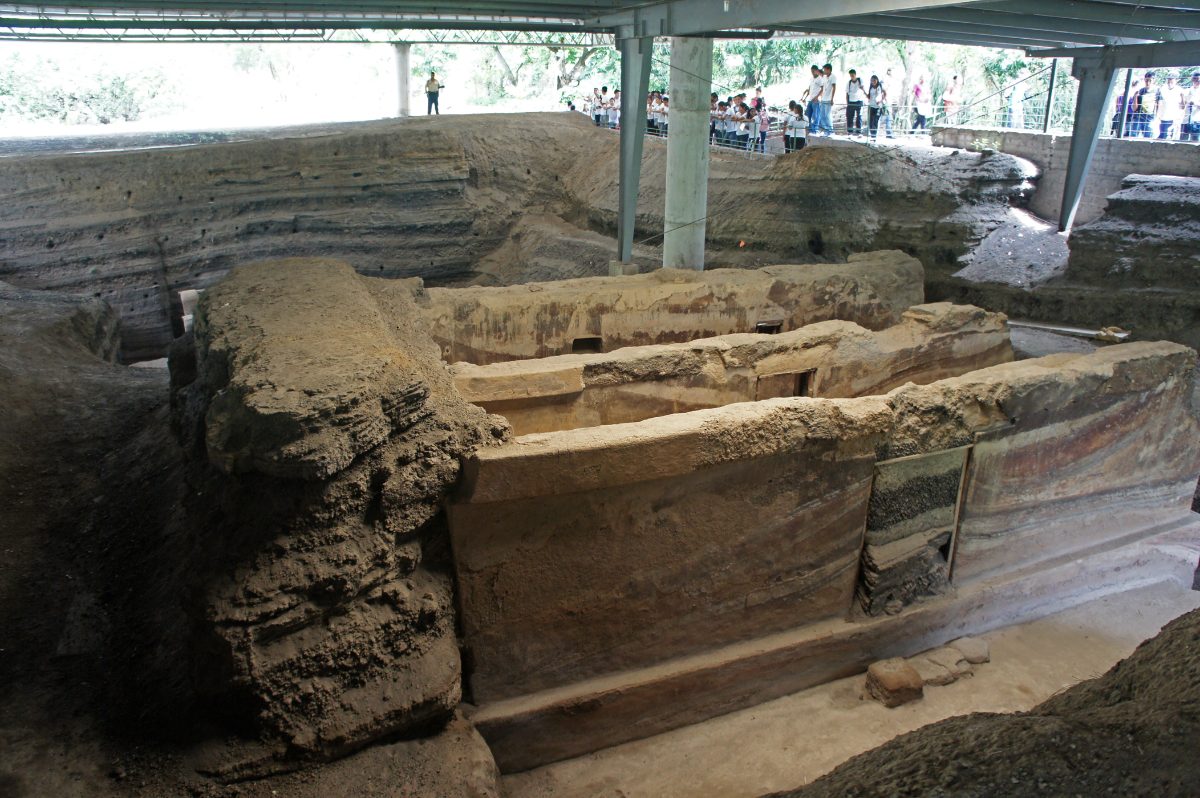
Perhaps the most striking fact about Joya de Ceren, especially given the comparison to Pompeii, is what excavators did not find: despite extensive excavation across multiple household compounds, archaeologists have recovered no human remains, strongly suggesting that the village’s residents received enough warning, likely from preliminary tremors or minor initial ashfall preceding the main eruption, to evacuate safely before the most destructive volcanic activity began.
This absence of casualties stands in sharp contrast to Pompeii, where thousands of residents died attempting to flee or shelter from Vesuvius’s eruption, and it suggests either that Joya de Ceren’s community had sufficient advance warning to organize an orderly evacuation, or that the specific sequence of the eruption allowed enough time between initial warning signs and the most lethal explosive phase for residents to escape toward safer ground.
Some archaeologists have noted evidence suggesting residents left in apparent haste, including partially prepared meals and tools left in mid-use, indicating an evacuation driven by genuine urgency rather than a calm, fully planned departure, even though that urgency ultimately proved successful in preserving human life while nevertheless leaving behind an entire community’s worth of everyday material culture for future archaeologists to study.
Researchers have proposed various specific warning signs that might have prompted the evacuation, including minor earthquakes, unusual gas emissions, or visible steam activity at the Loma Caldera vent in the hours or days preceding the main eruption, though the precise sequence of events immediately before the community’s departure remains difficult to reconstruct with full certainty.
A small number of skeletal remains belonging to domesticated animals, rather than humans, have been recovered from the site, suggesting residents prioritized saving themselves and possibly some portable possessions during their evacuation while necessarily leaving behind livestock and the bulk of their household belongings.
Excavation and the Challenge of Digging Through Ash
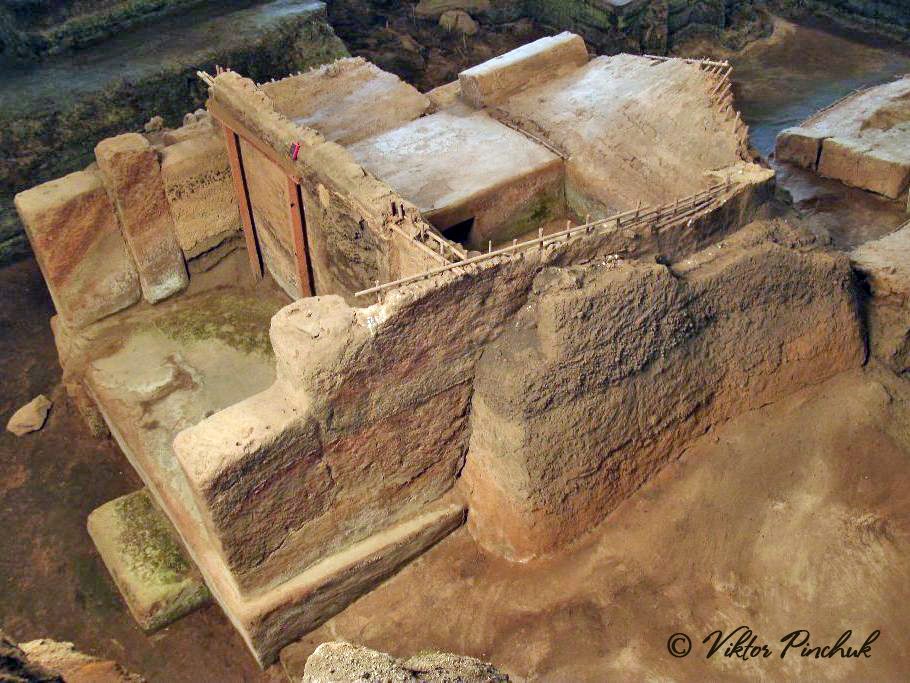
University of Colorado archaeologist Payson Sheets began excavating Joya de Ceren in 1978, after agricultural bulldozing work in the area accidentally exposed a buried structure, launching decades of subsequent research that gradually revealed the exceptional scale and quality of preservation across the wider buried village.
Excavating through hardened volcanic ash presents genuinely distinct technical challenges compared to typical Maya archaeological work, since the material requires careful, often painstaking removal to avoid damaging the delicate impressions and preserved organic remains contained within it, a slower and more specialized process than the excavation techniques typically used at sites without this kind of volcanic burial.
Sheets and subsequent research teams have continued excavating additional sections of the buried village across the following decades, and archaeologists believe substantial portions of Joya de Ceren likely remain unexcavated beneath modern agricultural land surrounding the current protected archaeological zone, suggesting the site still holds considerable potential for future discovery.
Sheets has described the excavation process at Joya de Ceren as considerably slower and more meticulous than typical archaeological fieldwork, given the need to carefully expose fragile ash-preserved surfaces without damaging delicate details like finger impressions in plaster or the exact arrangement of household objects left in their original positions.
Beyond Sheets’s original team, subsequent generations of researchers, including Salvadoran archaeologists working through the country’s cultural heritage institutions, have continued expanding and refining excavation and conservation work at the site, ensuring Joya de Ceren remains an active and ongoing area of archaeological research rather than a site whose scientific study concluded decades ago.
Visiting Joya de Ceren Today
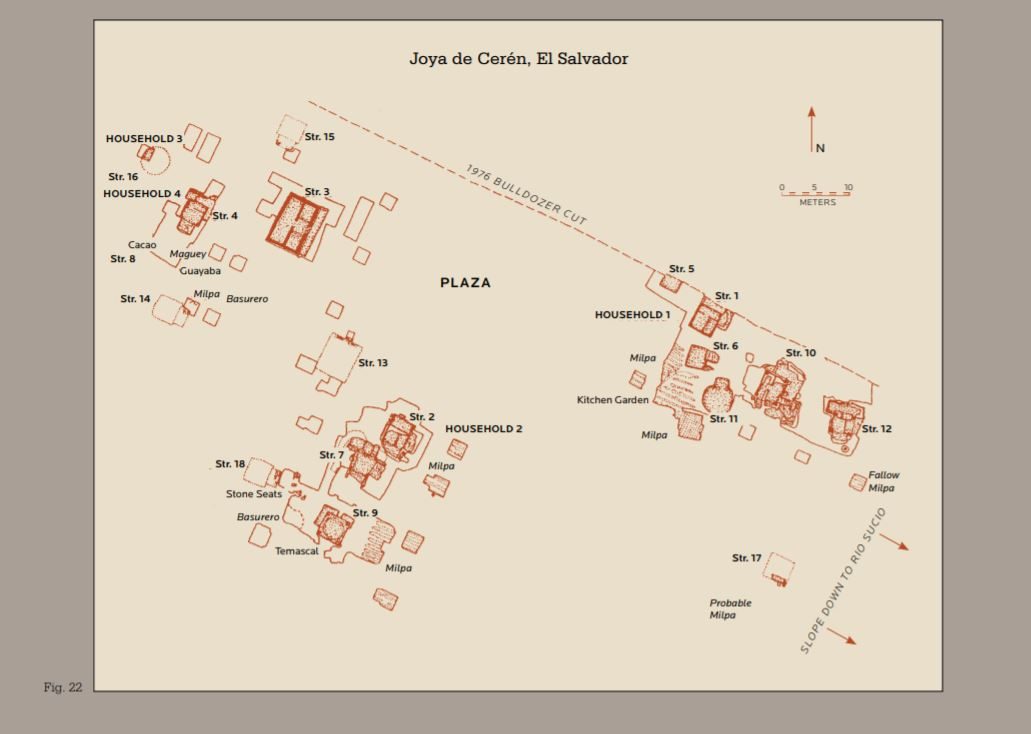
Joya de Ceren sits a relatively short distance from El Salvador’s capital, San Salvador, making it considerably more accessible than remote sites like El Mirador or Tikal, and the protected archaeological park includes a site museum displaying recovered artifacts alongside the excavated and roofed structures themselves.
Because the site emphasizes ordinary domestic life rather than monumental royal architecture, visitors often find the experience genuinely different from touring larger Maya capitals, walking among low adobe walls and preserved kitchen gardens rather than climbing towering pyramids, an intimate, almost domestic encounter with ancient Maya life that few other archaeological sites anywhere in the region can offer.
Guided tours at the site museum typically emphasize the contrast between Joya de Ceren and the grander royal capitals that dominate most popular narratives of Maya civilization, using the village’s preserved kitchen gardens and modest household compounds to illustrate daily agricultural and domestic life in a way that larger monumental sites simply cannot replicate.
Nearby Places to Explore
Joya de Ceren’s unique window into ordinary Maya life complements the more elite-focused history documented at several larger Classic Maya capitals covered elsewhere on this site, together offering a fuller picture of ancient Maya society across all social levels.
- Copan: The Maya City of Kings and Scribes
- Quirigua: The Vassal City That Beheaded Its Overlord’s King
- Tikal: The Maya Capital of Towering Jungle Temples
Closing Thoughts
Joya de Ceren offers a genuinely different kind of encounter with ancient Maya civilization than the royal capitals and towering temples that dominate most popular understanding of the culture. Its preserved houses, gardens, and communal sweat bath tell the story not of kings and conquest but of ordinary families growing manioc and cacao, bathing in steam, and, when volcanic disaster struck without full warning, managing to escape with their lives even as their entire material world was buried and preserved for archaeologists to rediscover well over a thousand years later.
In a series otherwise dominated by pyramids, palaces, and royal inscriptions, Joya de Ceren stands as an essential reminder that the vast majority of people living within any ancient Maya kingdom were farmers whose daily lives, however rarely documented directly, made every temple and royal monument elsewhere in this series ultimately possible.
You May Like
Mafra, the Palace a King Built From a Vow


One thought on “The Maya Village of Joya de Ceren, Buried in Ash”