In the deserts of southern Iraq lie the ruins of Uruk, which has a strong claim to be the first true city in human history. Around five thousand years ago it was the largest settlement the world had ever seen, a place where writing was invented, monumental temples rose, and the very idea of urban civilisation took shape.
Uruk was the city of the legendary king Gilgamesh and the goddess Inanna, and it gave its name to a whole age of human development. From its temples and tablets came innovations, above all writing, that would transform the world forever.
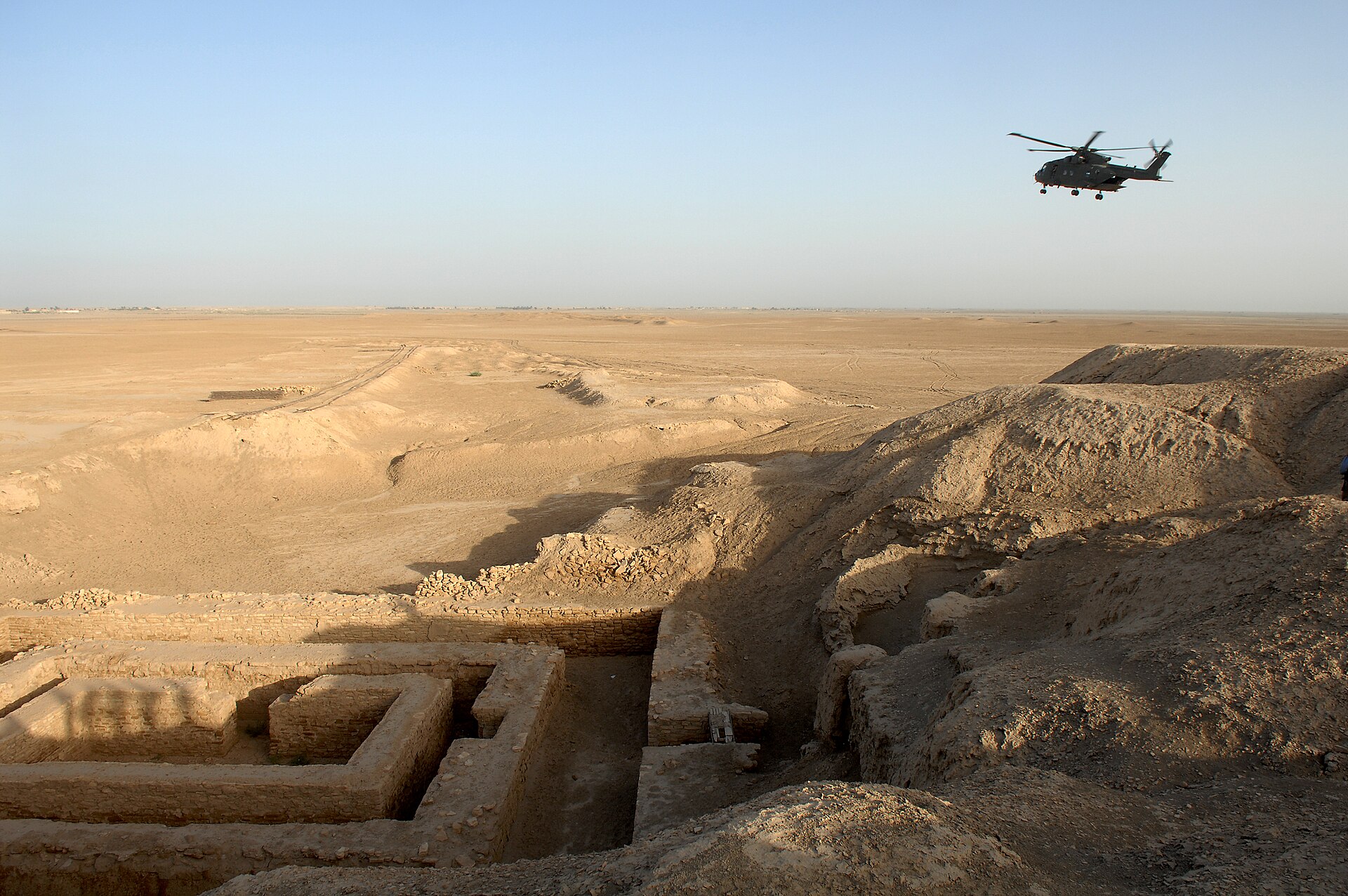
Table of Contents
- The World’s First Great City
- The Land of Sumer
- The Birth of Writing
- Inanna and the Sacred Precinct
- The Warka Vase
- The Mask of Warka
- Cylinder Seals and Administration
- The Walls of Uruk and Gilgamesh
- Decline and Abandonment
- Rediscovery and Heritage
- Getting There
- Nearby Places
- Closing Thoughts
The World’s First Great City
Around 3200 BC, Uruk grew into a settlement of unprecedented size, perhaps home to tens of thousands of people within its walls. Nothing on this scale had existed before, and Uruk is often called the world’s first city.
Its growth marked a turning point in human history, the shift from villages to true urban life, with all its specialisation, administration and monumental building. So important was it that the whole period is named the Uruk period after the city.
The Land of Sumer
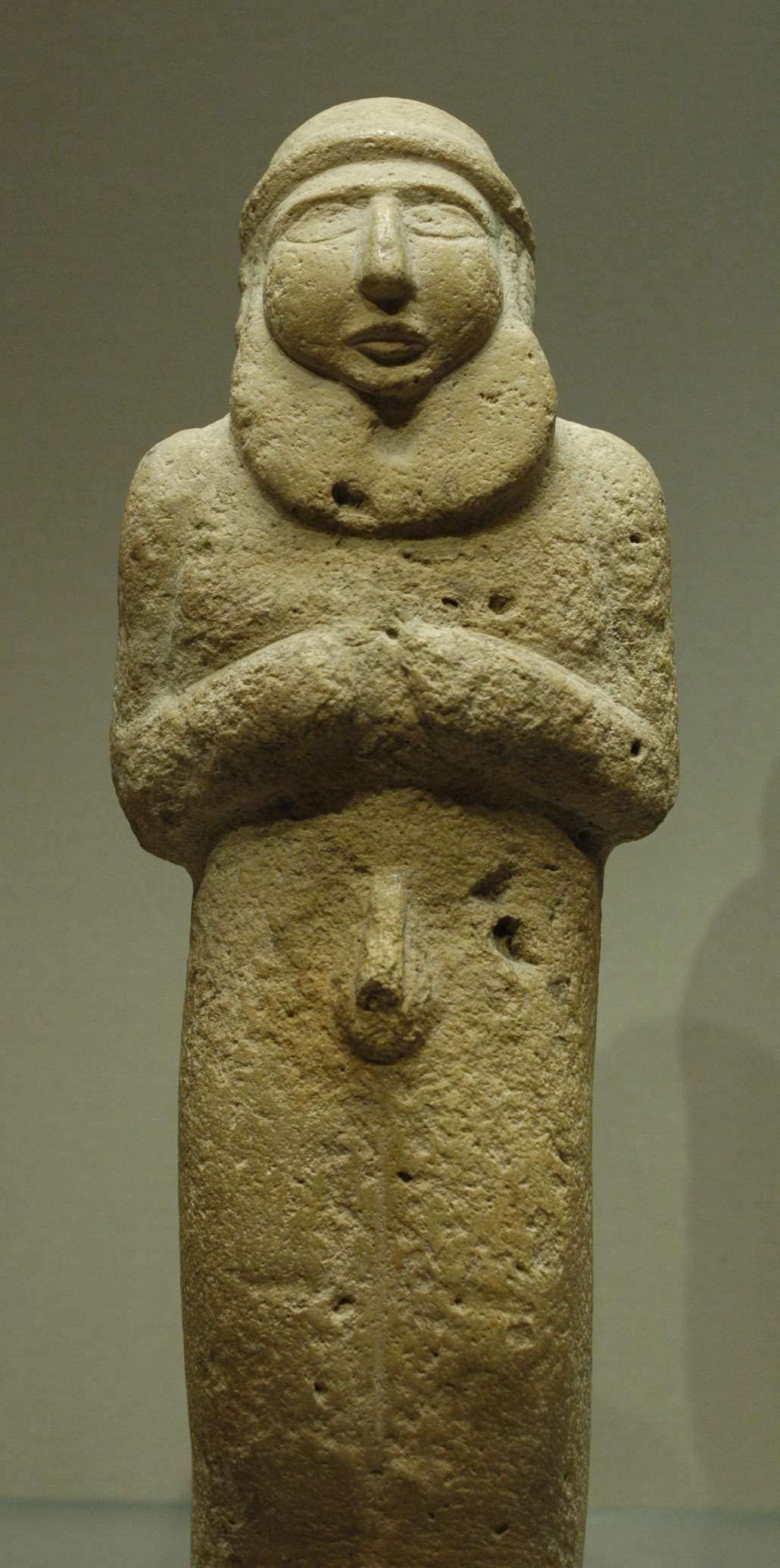
Uruk lay in the heart of Sumer, the civilisation of southern Mesopotamia that pioneered so much of what we think of as civilisation. Fed by irrigation from the rivers, its farmland could support a large concentrated population.
This agricultural surplus freed people to become priests, scribes, craftsmen and traders. Uruk stood at the forefront of this new world, a laboratory of the first urban society.
The Birth of Writing
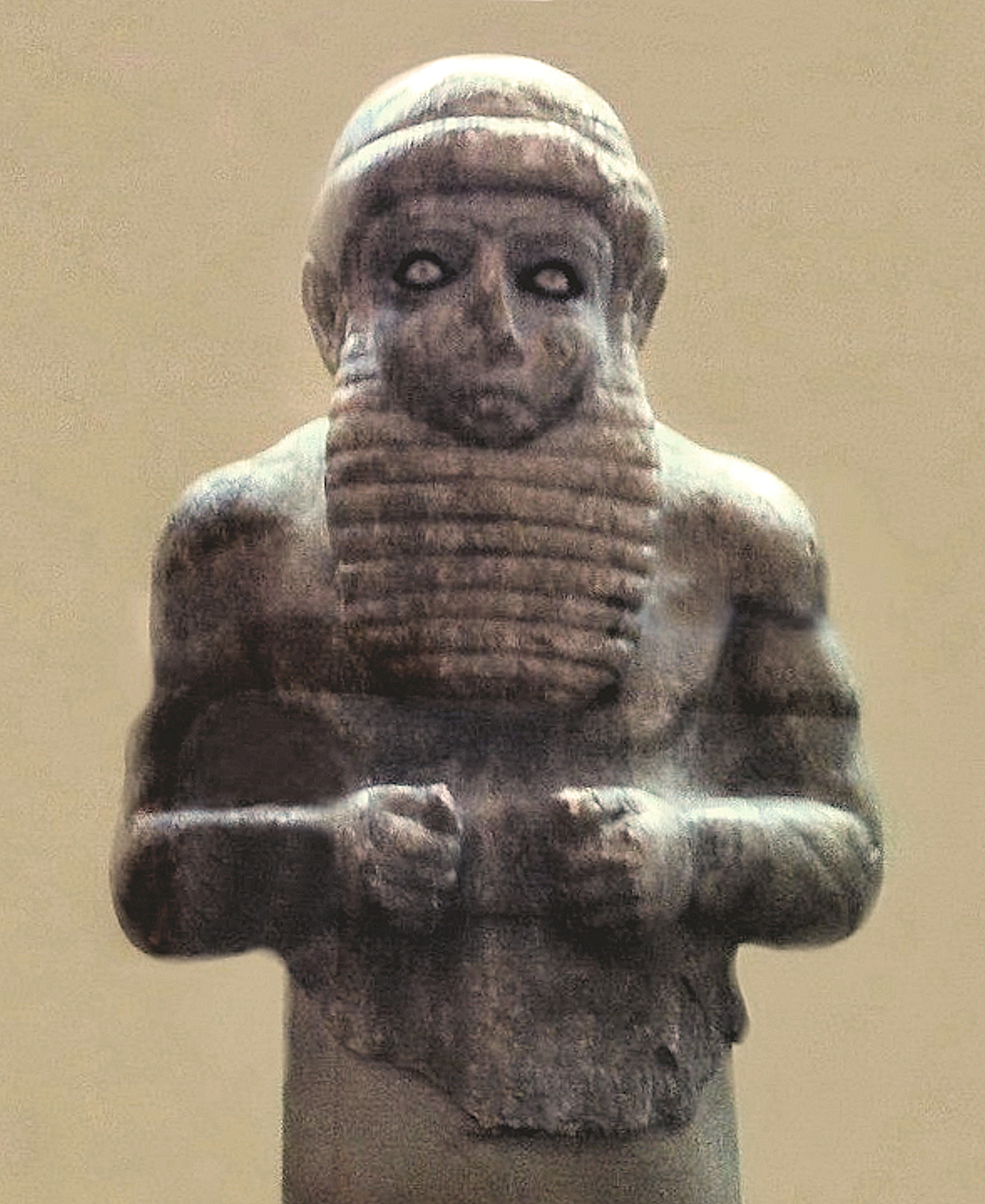
Perhaps the single most important development associated with Uruk is the invention of writing. To keep track of goods, land and transactions, the people of Uruk began pressing signs into clay tablets, creating the earliest known script.
These first written records were practical, listing quantities of grain and livestock, but they were the beginning of everything that writing would become. From these humble accounts grew literature, law, science and history.
Inanna and the Sacred Precinct
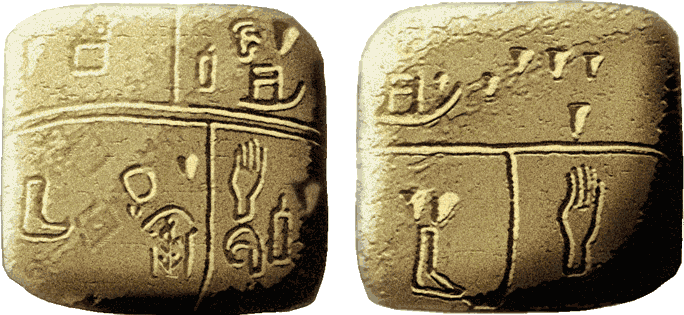
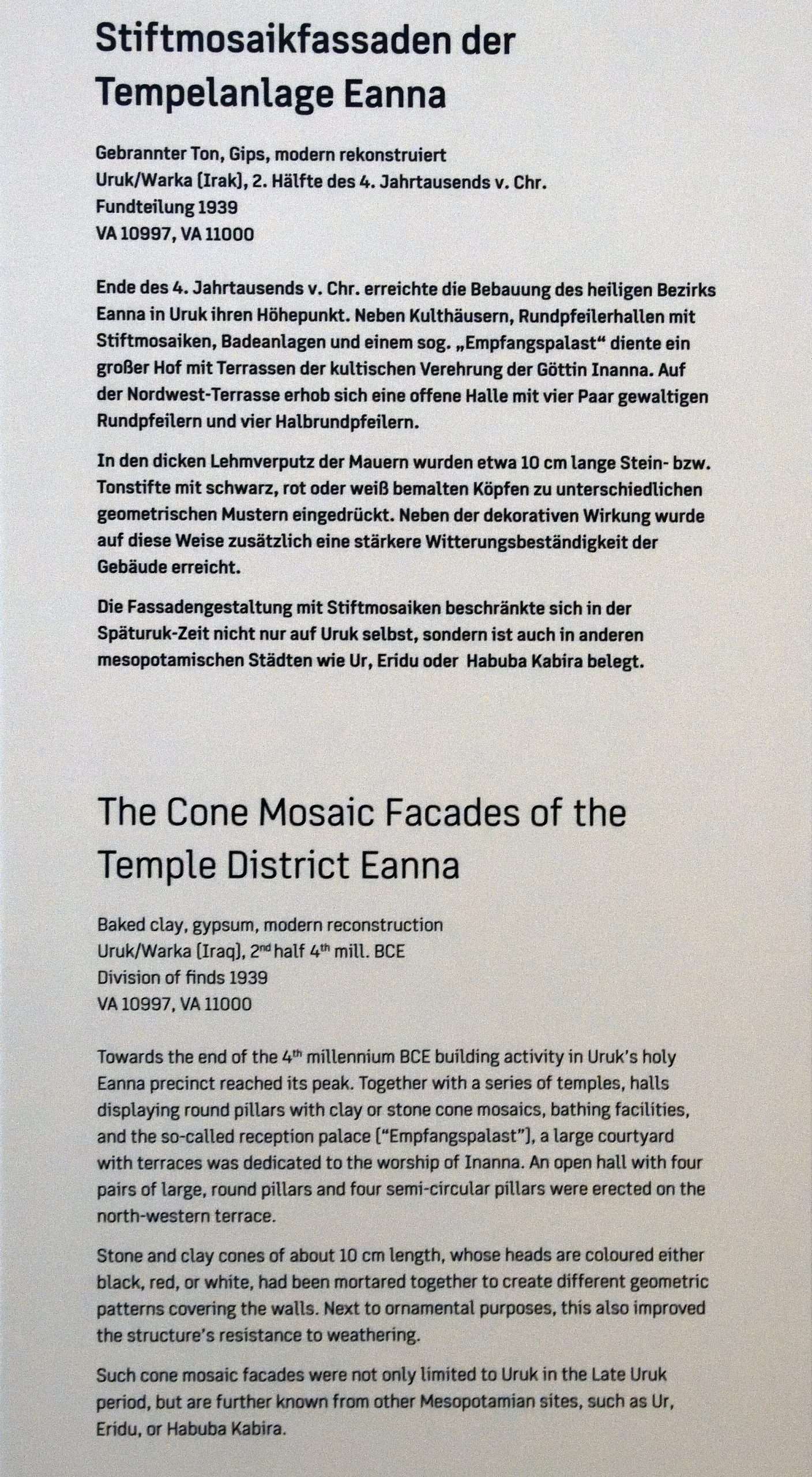
At the heart of Uruk lay great temple precincts dedicated to its gods, above all Inanna, the goddess of love and war, and the sky god Anu. Here rose some of the earliest monumental architecture in the world.
These temples, raised on high platforms and decorated with coloured cones set into their walls, were the focus of the city’s religious and economic life. They show the wealth and organisation that urban life made possible.
The Warka Vase
One of the greatest treasures from Uruk is the Warka Vase, a tall alabaster vessel carved with rows of figures. It shows a procession bringing offerings to the goddess Inanna, and is one of the earliest known works of narrative art.
The vase captures the religion and society of early Uruk in stone, with its ordered ranks of animals, plants, people and gods. It is a priceless witness to the world’s first urban culture.
The Mask of Warka
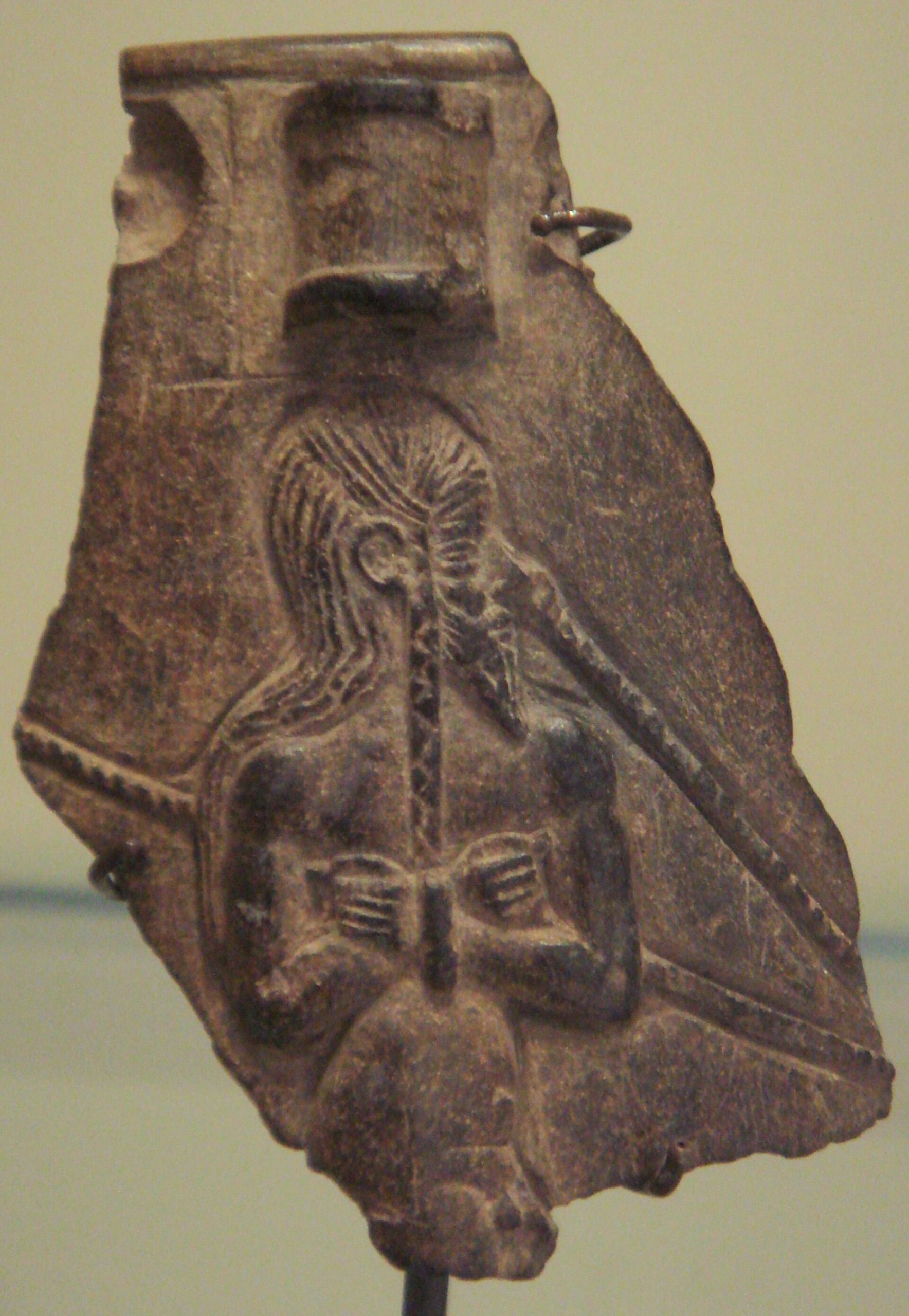
Another masterpiece from Uruk is the Mask of Warka, a life-sized marble face of a woman, perhaps the goddess Inanna herself. Dating to around 3100 BC, it is one of the earliest accurate representations of the human face.
Its calm, naturalistic features are astonishing for their age. Sometimes called the first lady of Uruk, it reveals the artistic sophistication of the world’s first city.
Cylinder Seals and Administration
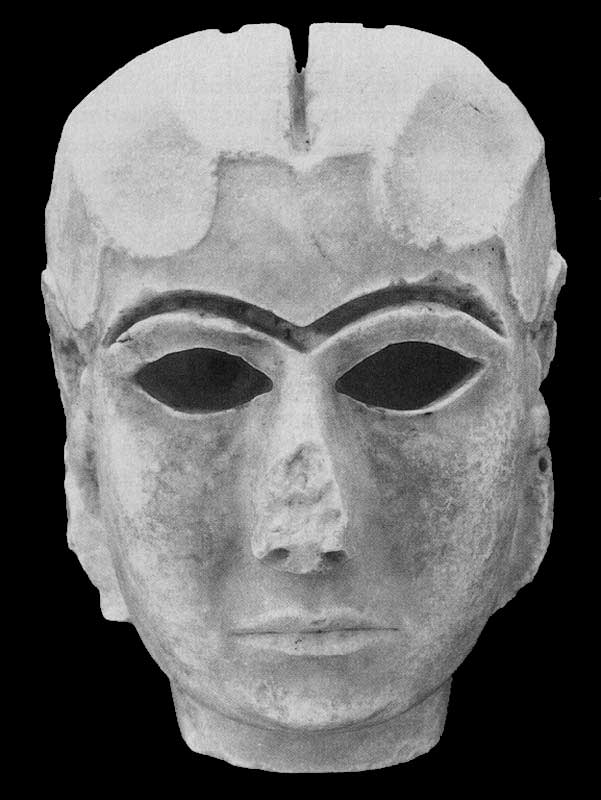
To manage the affairs of a large city, the people of Uruk developed the cylinder seal, a small carved stone rolled across clay to leave a distinctive impression. It served as a signature and a mark of ownership.
These seals, often beautifully carved, were essential to trade and administration and remained in use across Mesopotamia for thousands of years. They reflect the complex organisation of urban life pioneered at Uruk.
The Walls of Uruk and Gilgamesh
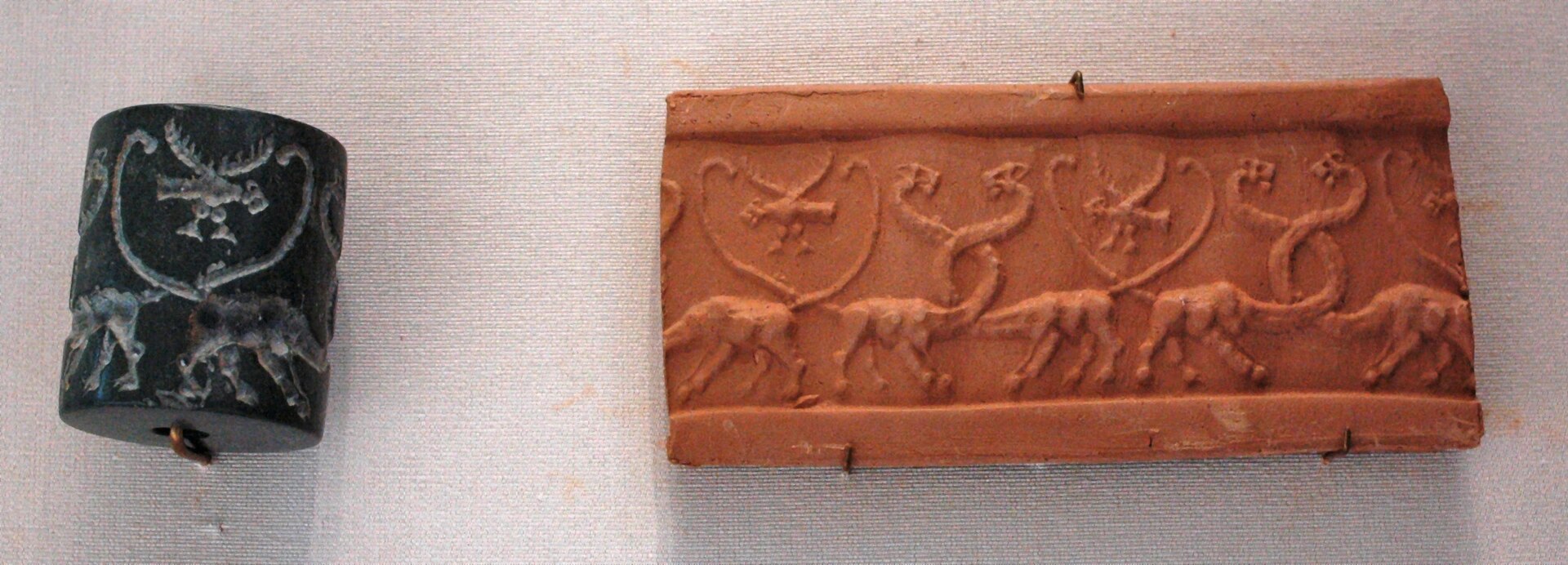
According to tradition, the great walls of Uruk were built by its legendary king Gilgamesh, hero of the world’s oldest surviving epic poem. The Epic of Gilgamesh praises these walls as the wonder of the city.
Whether or not Gilgamesh was a real king, the epic reflects the pride the people of Uruk took in their city. The remains of massive walls still trace the outline of the ancient metropolis.
Decline and Abandonment
Uruk remained important for thousands of years, through the rise and fall of many later powers in Mesopotamia. But over time, as the rivers shifted their courses and the region changed, the city gradually declined.
Eventually it was abandoned to the desert, its great temples and walls crumbling into mounds of mud brick. The first city in the world slowly returned to the earth from which it had risen.
Rediscovery and Heritage
Uruk was rediscovered and excavated by archaeologists, especially German expeditions, who revealed its temples, tablets and treasures and confirmed its extraordinary importance in human history.
Uruk appears in the Bible as Erech, and it lies at the very foundation of recorded history. As one of the birthplaces of the city and of writing, it is among the most significant archaeological sites on earth.
Getting There
Uruk lies in Muthanna Province in southern Iraq, in the desert between the cities of Samawah and Nasiriyah, some way from the modern course of the Euphrates. The nearest towns are the usual bases for a visit.
The site is remote and reached by road, and travel in this part of Iraq depends heavily on the security and political situation. Visitors should check current conditions and requirements carefully in advance.
Coordinates: 31.3224, 45.6361 — open Uruk in Google Maps.
Nearby Places
- Ur — another great Sumerian city of southern Mesopotamia, with its own famous ziggurat and royal tombs.
- Babylon — the later great capital of Mesopotamia, heir to the urban civilisation that began at Uruk.
- Mohenjo-daro — one of the first cities of the Indus, a contemporary of the world Uruk helped create.
Closing Thoughts
Uruk is where the city was born: the first great urban centre, home to the earliest writing, monumental temples and the legendary Gilgamesh, at the very dawn of recorded history.
From its clay tablets came the written word that made history itself possible. Though its walls have melted back into the desert, Uruk remains one of the most important places in the entire human story.
You May Like

Fasil Ghebbi: The Castle-City of the Ethiopian Emperors


