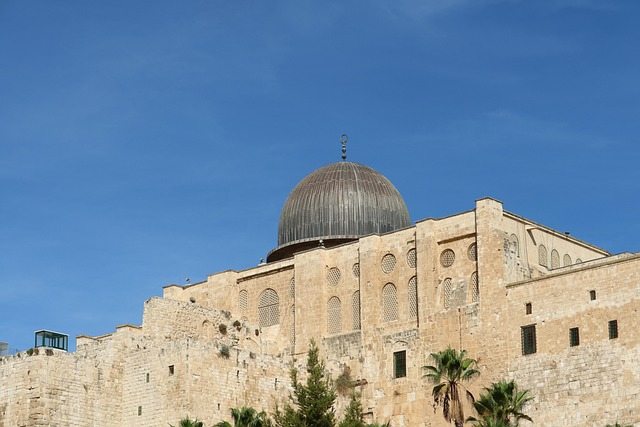
Much of the deep reverence Muslims hold for Jerusalem flows from a single night described in Islamic tradition: the Night Journey and Ascension, known in Arabic as the Isra and Miraj. This is the account that ties the sacred mosque of Mecca to the farthest mosque in Jerusalem, and it is the reason Al-Aqsa occupies such a cherished place in the hearts of believers.
The Night Journey
According to tradition, the Prophet Muhammad was carried in a single night from the sacred mosque in Mecca to the farthest mosque in Jerusalem. The opening verse of one chapter of the Quran refers to this miraculous journey, praising the One who took His servant by night from one sacred place to another whose surroundings had been blessed. The journey is said to have been made upon a remarkable steed, and upon arriving, the Prophet is described as leading the earlier prophets in prayer at the site.
The Ascension
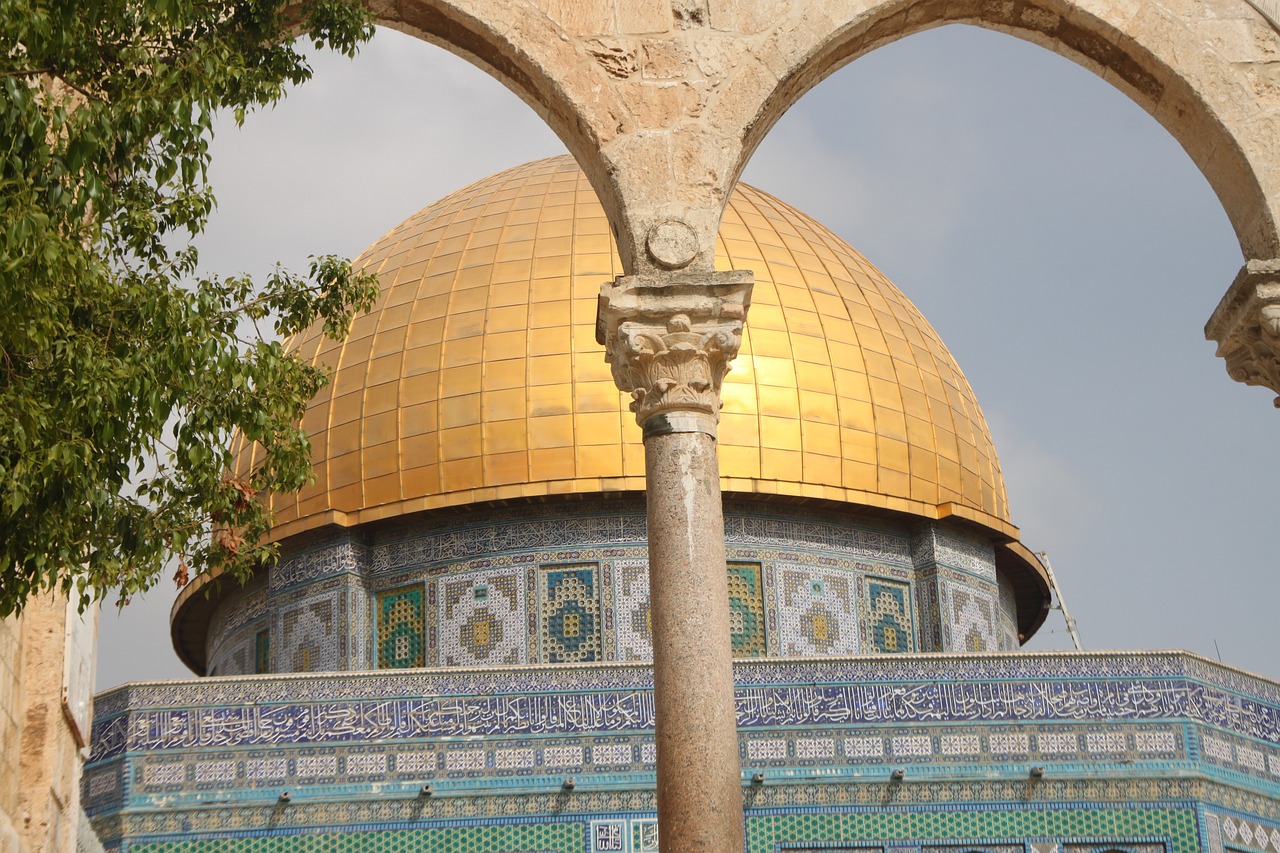
From Jerusalem, tradition continues, the Prophet ascended through the heavens, meeting earlier prophets such as Adam, Moses, and Abraham along the way, before drawing near to the divine presence. It was during this ascension, according to Islamic belief, that the obligation of the daily prayers was established. The rock at the centre of the compound, over which the golden Dome of the Rock was later built, is associated in tradition with this moment of ascent, which is part of why the site is treated with such honour.
Why the Story Matters
For Muslims, the Night Journey is far more than a tale of travel. It binds together the three holiest cities of their faith and roots Jerusalem firmly within the Islamic tradition. It also explains the spiritual gravity that draws believers to the compound and shapes the way they speak of it. Understanding this narrative is essential to understanding why Al-Aqsa means so much to so many.


One thought on “The Night Journey: Isra and Miraj and the Story of Al-Aqsa”