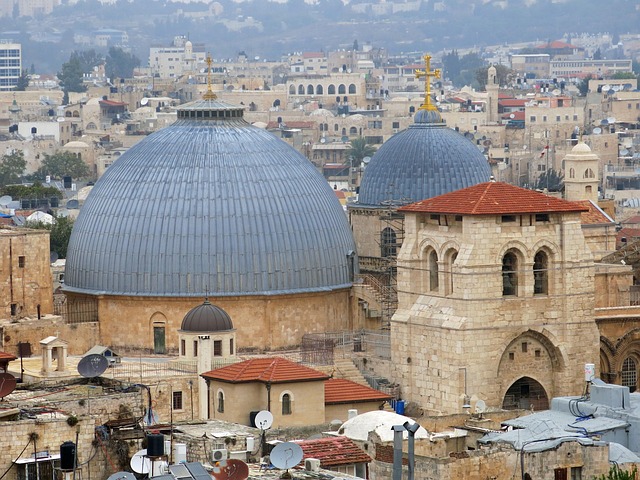
The Al-Aqsa compound does not stand in isolation. It sits within the walled Old City of Jerusalem, a dense maze of ancient streets, markets, and gates that has been sacred to multiple faiths for millennia. For Muslim visitors, the area surrounding the holy precinct is itself rich with history, and exploring it deepens any understanding of why Jerusalem holds such enduring importance.
The Walled Old City
The Old City is ringed by imposing stone walls, much of which were rebuilt in the sixteenth century during the reign of the Ottoman sultan Suleiman the Magnificent. Several great gates pierce these walls, each with its own name and history, leading into quarters that have grown up over centuries. The compact, layered streets reflect the many peoples and rulers who have left their mark on the city, from early times through successive Islamic dynasties and the Ottoman era.
The Structures Within the Compound
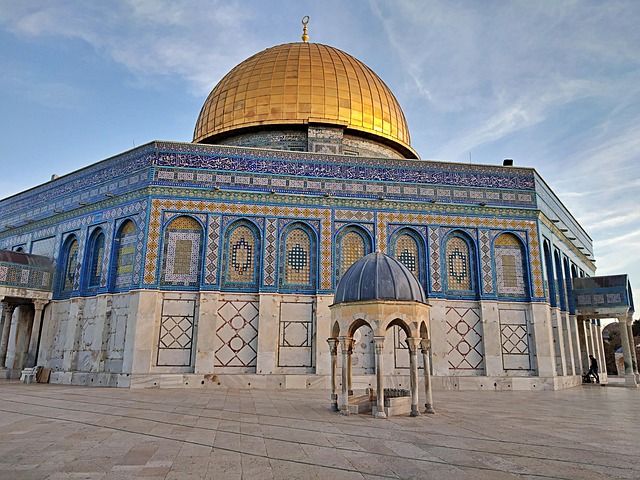
The sacred platform holds far more than its two most famous buildings. Scattered across it are smaller domes, fountains, arched gateways, schools, and prayer niches added by different rulers over the centuries. Among them is a historic pulpit associated with the era of Saladin, who recovered the city in the twelfth century and undertook major restorations of the compound. Each addition tells part of the long story of how the site was cared for and adorned across generations.
A City of Layered History
Jerusalem’s significance reaches far beyond any single tradition, and its Old City remains one of the most storied places on earth. For Muslims, walking through its gates toward the Al-Aqsa compound is a journey through centuries of devotion, conquest, and renewal. The Ottomans, who governed the city for four centuries, treated it with particular honour, and their walls, fountains, and inscriptions still shape the character of the Old City today.


