In the densely peopled forests of southeastern Nigeria lives a people who built one of the world’s most remarkable political experiments: a civilization of thousands of independent villages governed by assembly, crowning no king and obeying no central power, a nation of small republics bound by language, kinship, and a fierce spirit of enterprise. The Igbo, casters of the thousand-year-old Igbo-Ukwu bronzes, are famous as a people without kings and as one of Africa’s most ambitious and mobile nations.
This portrait follows the Igbo of the southeast: the republican villages and the rule of assembly, a tonal language of hundreds of dialects, the yam farms and age grades and the ozo title, the philosophy of the chi and the oracle of Arochukwu, the mmanwu masquerades and the New Yam Festival, the Igbo-Ukwu bronzes and uli art, the trauma of the Atlantic trade and of Biafra, and a global diaspora of enterprising millions.
Contents
- The Republican Villages of the Forest
- Igbo, Ibo, and the Long Debate Over a Name
- A Tonal Language of Six Hundred Dialects
- The Densely Peopled Forests of the Southeast
- Yam Farms, Age Grades, and the Village Assembly
- A People Without Kings
- Chukwu, the Chi, and the Long Juju of Arochukwu
- Masquerades, the New Yam, and the Ozo Title
- Igbo-Ukwu Bronze, Uli Art, and the Blacksmiths
- Yam, Egusi, and the Kola of Welcome
- The New Yam Festival and the Masked Seasons
- Slave Coast, Colonial Shock, and Biafra
- Entrepreneurs of a Global Diaspora
The Republican Villages of the Forest
The Igbo are one of the great peoples of West Africa, and among the most distinctive: a nation of some tens of millions in the forests of southeastern Nigeria who, almost uniquely among large African societies, built no kingdom and crowned no king, organizing themselves instead into thousands of independent villages governed by assembly, a civilization of small republics that has puzzled and impressed outsiders for centuries.
Their settlement of the southeastern forests is ancient, reaching back several thousand years, and the Nsukka area in the north of Igboland holds some of the oldest evidence of iron smelting in West Africa, the mark of a people long rooted in their land and long skilled at working it.
By the ninth century the Igbo were producing art of astonishing sophistication: the bronzes of Igbo-Ukwu, cast by the lost-wax method with a delicacy that rivals anything of its age, testify to a wealthy, organized, and artistically brilliant society flourishing in the forest a thousand years ago and more.
From these deep roots the Igbo grew into one of the most densely populated regions of pre-colonial Africa, a land of intensively farmed villages whose people spread as traders and, later, as one of the continent’s most mobile and enterprising diasporas.
The Igbo-Ukwu finds overturned assumptions about the forest’s past: a village in the ninth century commanding the copper and tin of a continent-spanning trade and the skill to cast them into art of the first rank implied wealth, specialization, and long-distance commerce far earlier and deeper than outsiders had imagined, a hidden classical age in the Igbo forest.
The Igbo-Ukwu finds overturned assumptions about the forest’s past: a village in the ninth century commanding the copper and tin of a continent-spanning trade and the skill to cast them into art of the first rank implied wealth, specialization, and long-distance commerce far earlier and deeper than outsiders had imagined, a hidden classical age in the Igbo forest.

Igbo, Ibo, and the Long Debate Over a Name
The name Igbo, older spelling Ibo, refers to the language and the people who speak it, but for most of their history the Igbo did not think of themselves as a single nation. A person was of their village and their clan, Onitsha, Owerri, Nsukka, Awka, Nri, and knew the neighboring villages as much as rivals as kin; the sense of a single Igbo people is largely a modern development.
The meaning of the word is itself debated, glossed variously as community, the people, or as a term outsiders applied to the forest dwellers, and the very uncertainty reflects the decentralized world it names, a people who had no capital, no court, and no need of a collective name until the colonial and modern eras thrust one upon them.
The colonial spelling Ibo has given way to Igbo, closer to the language’s own sound, and the people now embrace the national name their ancestors did without, forged in the shared experience of colonialism, migration, and, above all, the trauma of the Biafran war.
Today Igbo identity is strong and self-aware, a nation conscious of itself as one of Nigeria’s three great peoples, even as it keeps the fierce local pride in village and town that a thousand years of republican self-rule bred into it.

A Tonal Language of Six Hundred Dialects
Igbo is a tonal language of the Niger-Congo family’s Volta-Niger branch, spoken by tens of millions in southeastern Nigeria, and like its Yoruba cousin it uses tone to distinguish words, meaning riding on pitch, so that the same syllables can carry different senses according to whether the voice rises or falls.
Its most striking feature is its diversity: Igbo is a cluster of hundreds of dialects, so varied that speakers from distant corners of Igboland can struggle to understand one another, a fragmentation that mirrors the political fragmentation of the old village world and that long delayed the emergence of a single standard.
A standard literary Igbo, drawn mainly from the central dialects, was developed by missionaries and scholars for the Bible, the school, and the page, though it has never fully displaced the local speech, and debates over the standard, its spelling and vocabulary, have run for over a century.
The language now faces modern pressures: English dominates education and the cities, and some observers have warned that Igbo could weaken among the young, prompting a revival movement of writers, broadcasters, and campaigners determined that the tongue of Achebe, whose novels carry its proverbs into world literature, will not fade.
Chinua Achebe’s Things Fall Apart carried the Igbo world into world literature, its English dense with translated Igbo proverbs, and made the culture’s proverbs, the palm-oil with which words are eaten, famous far beyond Igboland, so that a people once without a written literature became, within a century, central to the African novel.
Chinua Achebe’s Things Fall Apart carried the Igbo world into world literature, its English dense with translated Igbo proverbs, and made the culture’s proverbs, the palm-oil with which words are eaten, famous far beyond Igboland, so that a people once without a written literature became, within a century, central to the African novel.
The Densely Peopled Forests of the Southeast
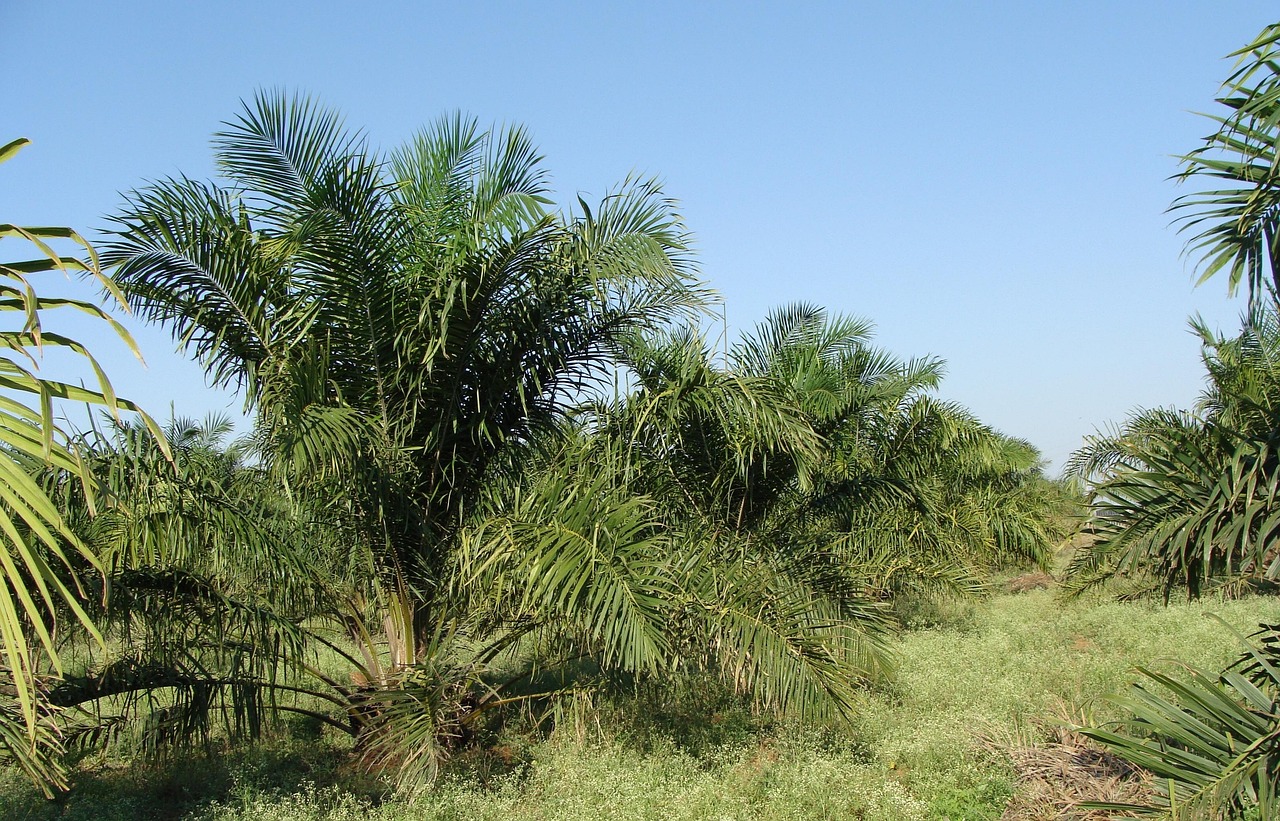
The Igbo homeland is the forest and farmland of southeastern Nigeria, on both banks of the lower Niger, a green, well-watered country of oil palms and dense settlement, one of the most densely populated rural regions in all of Africa, its villages so close-packed that the land was farmed to its limits centuries ago.
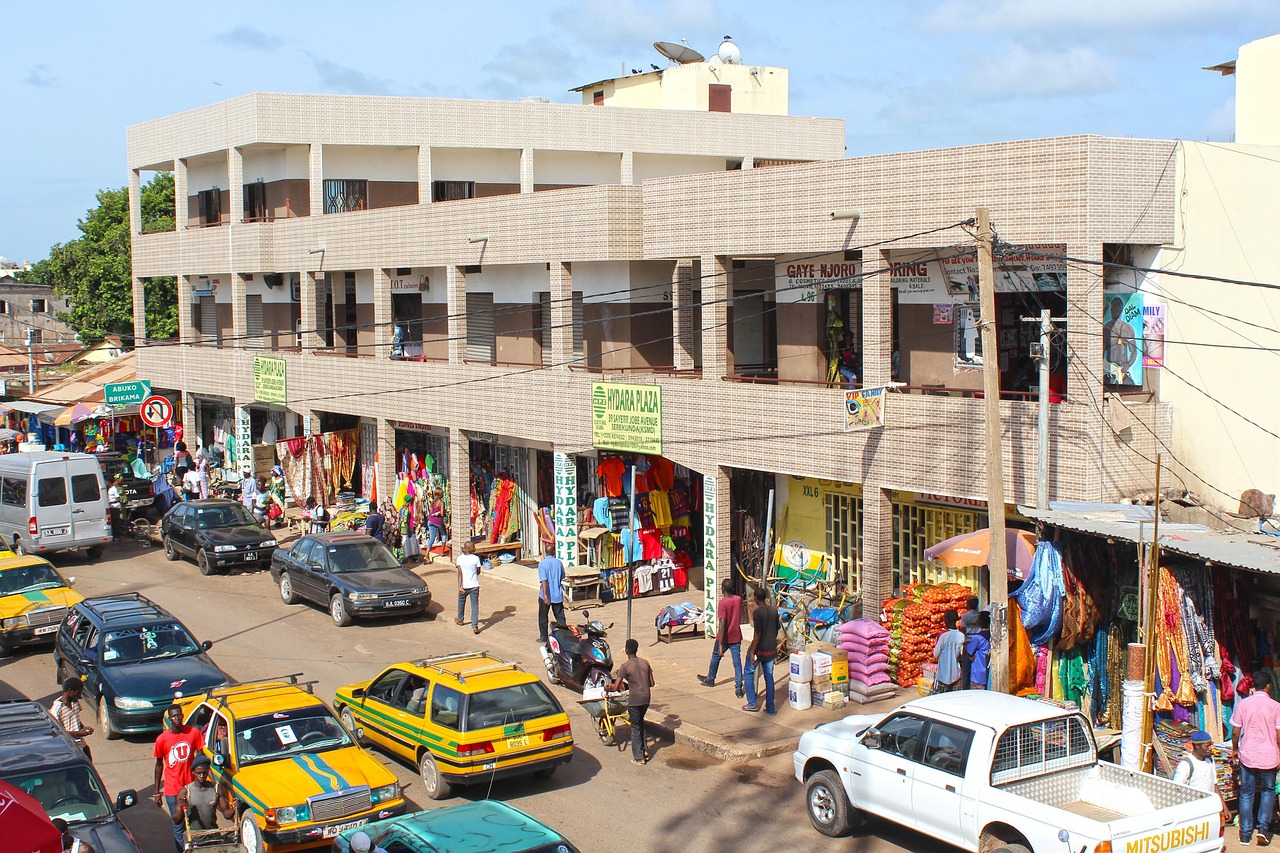
The great cities anchor it, Onitsha with its vast market on the Niger, Enugu the coal city, Aba the manufacturing town, Owerri, Nnewi, and the sacred old towns of Nri and Arochukwu, and around them spread the thousands of villages and towns that are the true Igbo world.
The land shaped the people: dense population on limited land bred intensive farming, a hunger for education and enterprise, and, above all, migration, for there was never enough forest to hold everyone, and the Igbo have always spilled outward, first as traders across Nigeria and then across the world.
To the south the forest gives way to the creeks and mangroves of the Niger Delta, where the Igbo meet the peoples of the coast and where the oil beneath the ground has, in the modern era, made the homeland both rich and cursed, a resource that fed conflict as much as it fed development.
Yam Farms, Age Grades, and the Village Assembly
The old Igbo world was built of villages and yams. The yam was king, the prestige crop whose cultivation was men’s work and whose size and abundance measured a man’s worth, so that the great yam farmers held titles and the yam barn was the visible bank of a household’s standing.
Government was by assembly. In most of Igboland there was no chief with power to command; decisions were made in the village meeting where any adult man might speak, consensus was sought through long debate, and the community was steered by its elders, its titled men, its age grades, and its councils rather than ruled by a king.
The age grades organized the generations: men and women born within a few years of one another formed a named set that moved through life together, taking on the community’s work, road-clearing, defense, sanitation, festivals, at each stage of life, a system of civic labor and mutual loyalty that ran the village without a state.
Wealth and title, not birth, made a big man: through farming, trade, and industry a man accumulated the resources to take the ozo and other titles, buying his way step by expensive step into the ranks of the honored, a competitive, achievement-driven society that rewarded enterprise and gave the Igbo their enduring reputation for ambition.
The achievement ethic ran deep: because titles and standing were earned, not inherited, the Igbo bred a restless, competitive drive that colonial observers noted with a mixture of admiration and unease, and that modern commentators trace directly into the entrepreneurial energy for which the Igbo became famous across Nigeria and the world.
The achievement ethic ran deep: because titles and standing were earned, not inherited, the Igbo bred a restless, competitive drive that colonial observers noted with a mixture of admiration and unease, and that modern commentators trace directly into the entrepreneurial energy for which the Igbo became famous across Nigeria and the world.
A People Without Kings
The Igbo are famous as a people without kings, and the description, though not universal, captures the heart of their society: across most of Igboland authority was diffused among many hands, elders, title-holders, age grades, women’s associations, oracles, and secret societies, no one of them able to dominate the rest, a balance of powers that a political scientist would call a republic.
The lineage was the frame: patrilineal descent groups tracing to a common ancestor held the land, ordered marriage, and formed the building blocks of the village, and a man’s identity was rooted first in his umunna, his father’s kin, the brotherhood that supported and constrained him through life.
Women held their own organized power: the umuada, the daughters of a lineage, and the market women’s associations wielded real authority, could discipline men through collective action, the practice called sitting on a man, and ran the trade that was largely in female hands, a countervailing force the men could not ignore.
A few Igbo communities did develop kingship, the obi of Onitsha, the eze of the Nri priest-kings, but even these were more sacred and ceremonial than commanding, and the deep Igbo instinct remained republican, suspicious of concentrated power, a temperament that shaped their encounter with colonial rule and Nigerian politics alike.
The kinglessness was a philosophy, not an absence: the Igbo distrust of concentrated power, expressed in the proverb that no single tree makes a forest and in the endless consultation of the assembly, was a deliberate order that valued the autonomy of the village and the voice of the individual, a republican temper that made colonial indirect rule, built for kingdoms, almost unworkable among them.
The kinglessness was a philosophy, not an absence: the Igbo distrust of concentrated power, expressed in the proverb that no single tree makes a forest and in the endless consultation of the assembly, was a deliberate order that valued the autonomy of the village and the voice of the individual, a republican temper that made colonial indirect rule, built for kingdoms, almost unworkable among them.
Chukwu, the Chi, and the Long Juju of Arochukwu
The traditional religion, odinani, centers on Chukwu, the supreme creator, remote and high, approached through a host of lesser deities and spirits, the alusi, who govern the forces of the world, and through the ancestors, who remain present and must be honored, the living and the dead bound in one continuous community.
At the heart of Igbo thought is the chi, the personal spirit or destiny each person carries, the inner god that shapes a life, so that the Igbo say that when a man says yes his chi says yes also, a philosophy of individual fate and personal responsibility that runs deep in the culture and its proverbs.
The oracles held the old world’s higher justice: the most famous, the Ibini Ukpabi oracle at Arochukwu, the Long Juju, drew supplicants from across Igboland to settle disputes and answer questions, and the Aro traders who controlled it built a commercial and religious network across the region, their oracle’s word feared and obeyed.
Christianity, arriving with the missionaries in the nineteenth century, swept Igboland with remarkable speed and completeness, embraced together with the Western education the Igbo pursued so avidly, so that the Igbo became one of the most Christian peoples in Africa, though the old beliefs persist beneath and beside the churches, in the reverence for ancestors, the fear of the oracle, and the philosophy of the chi.
The philosophy of the chi gives Igbo religion its individualist cast: each person negotiating a personal destiny with a personal god, responsible for their own fortune, a theology of self-determination that fits, and perhaps helped shape, the achievement-driven, self-reliant temper of the whole culture.
The philosophy of the chi gives Igbo religion its individualist cast: each person negotiating a personal destiny with a personal god, responsible for their own fortune, a theology of self-determination that fits, and perhaps helped shape, the achievement-driven, self-reliant temper of the whole culture.
Masquerades, the New Yam, and the Ozo Title
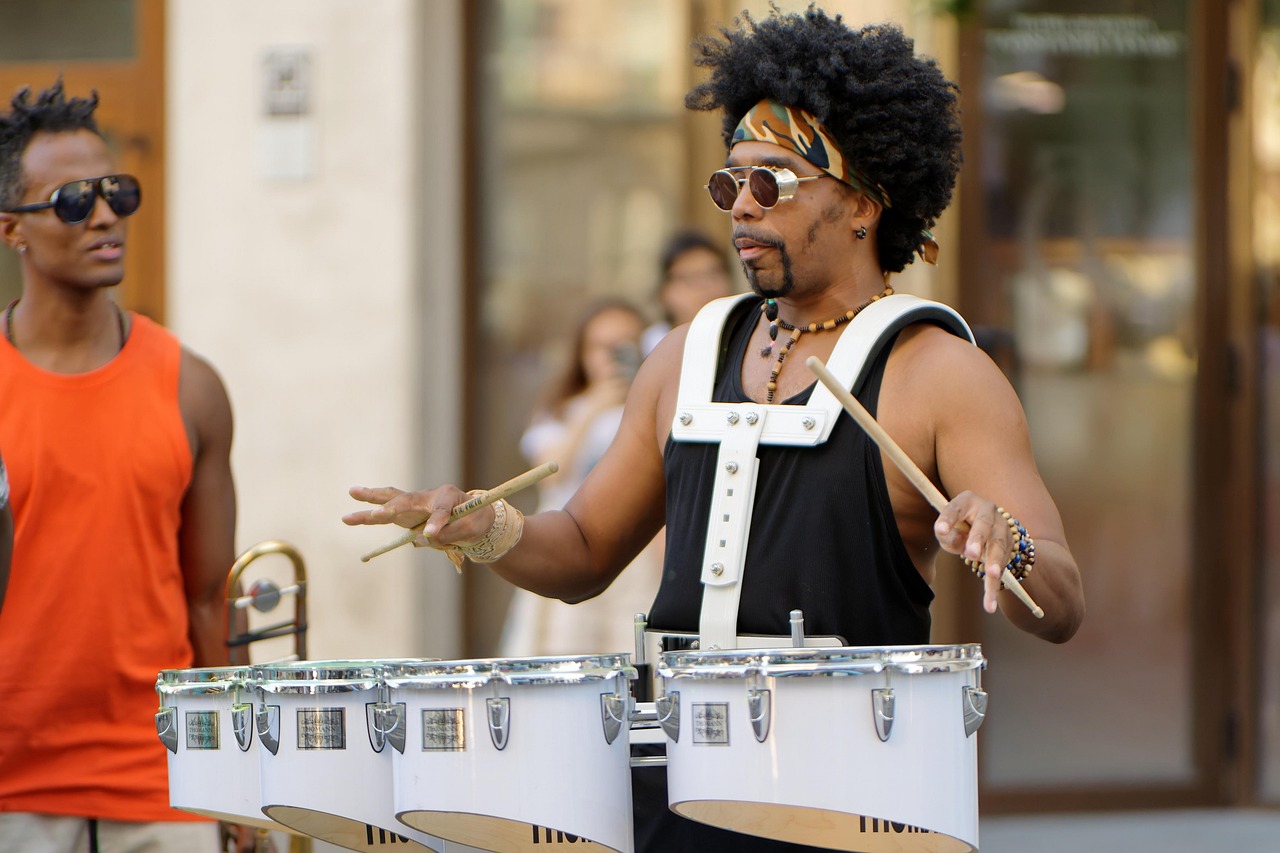
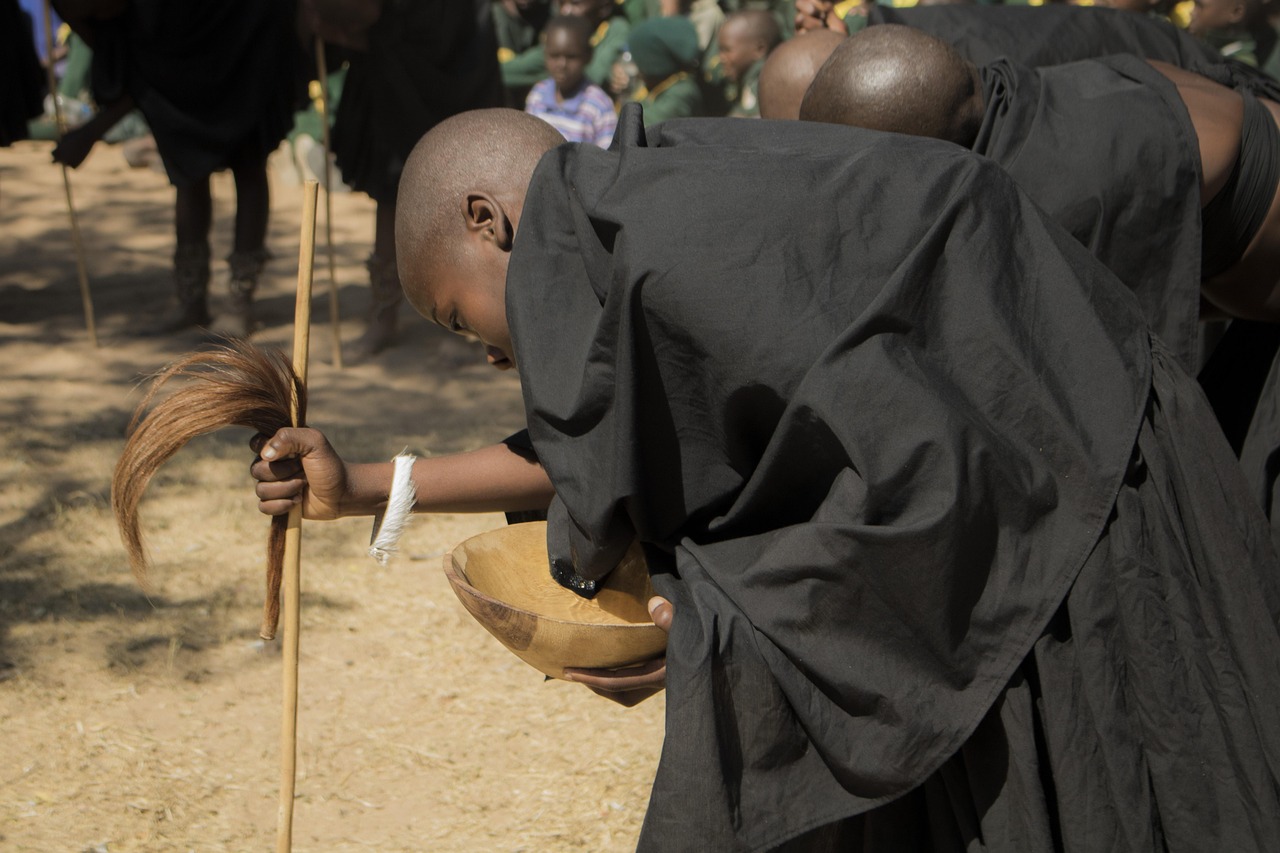
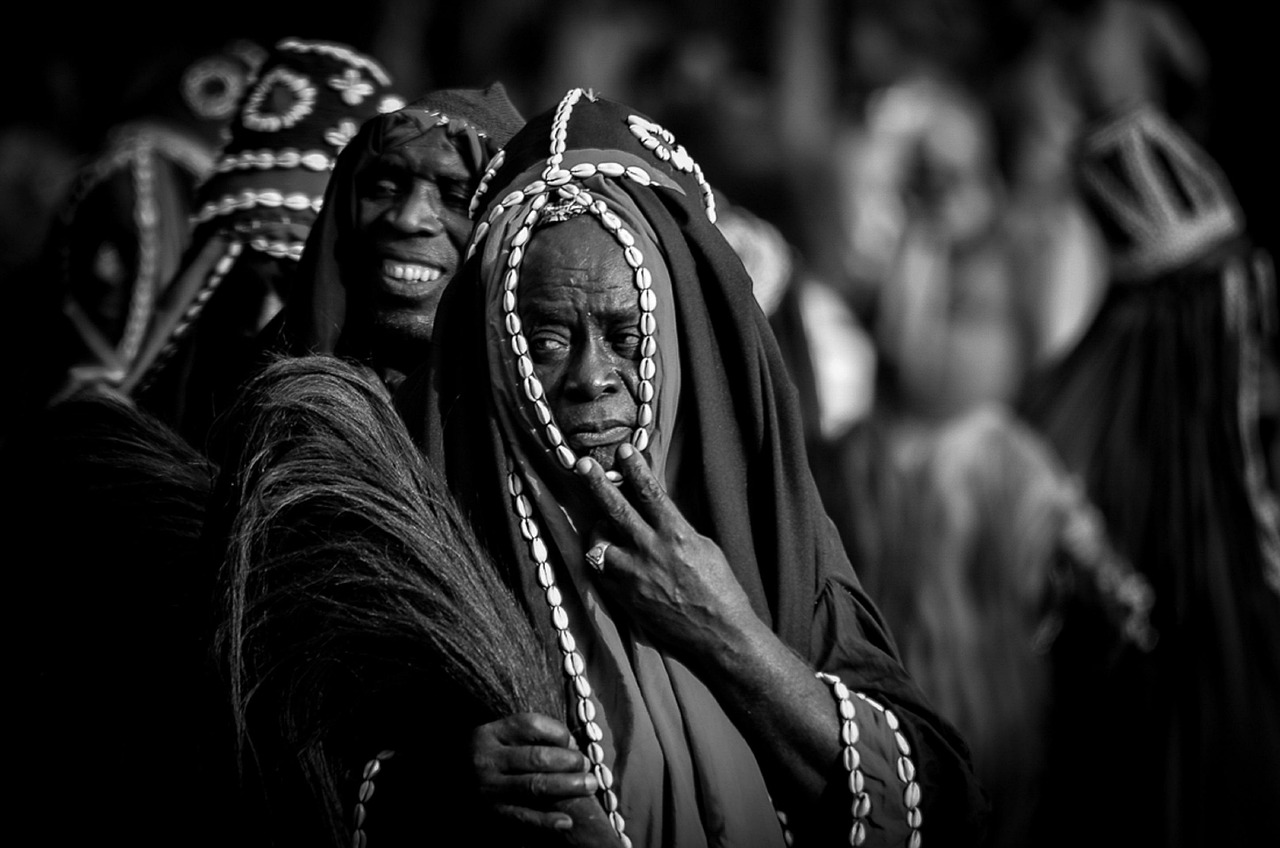
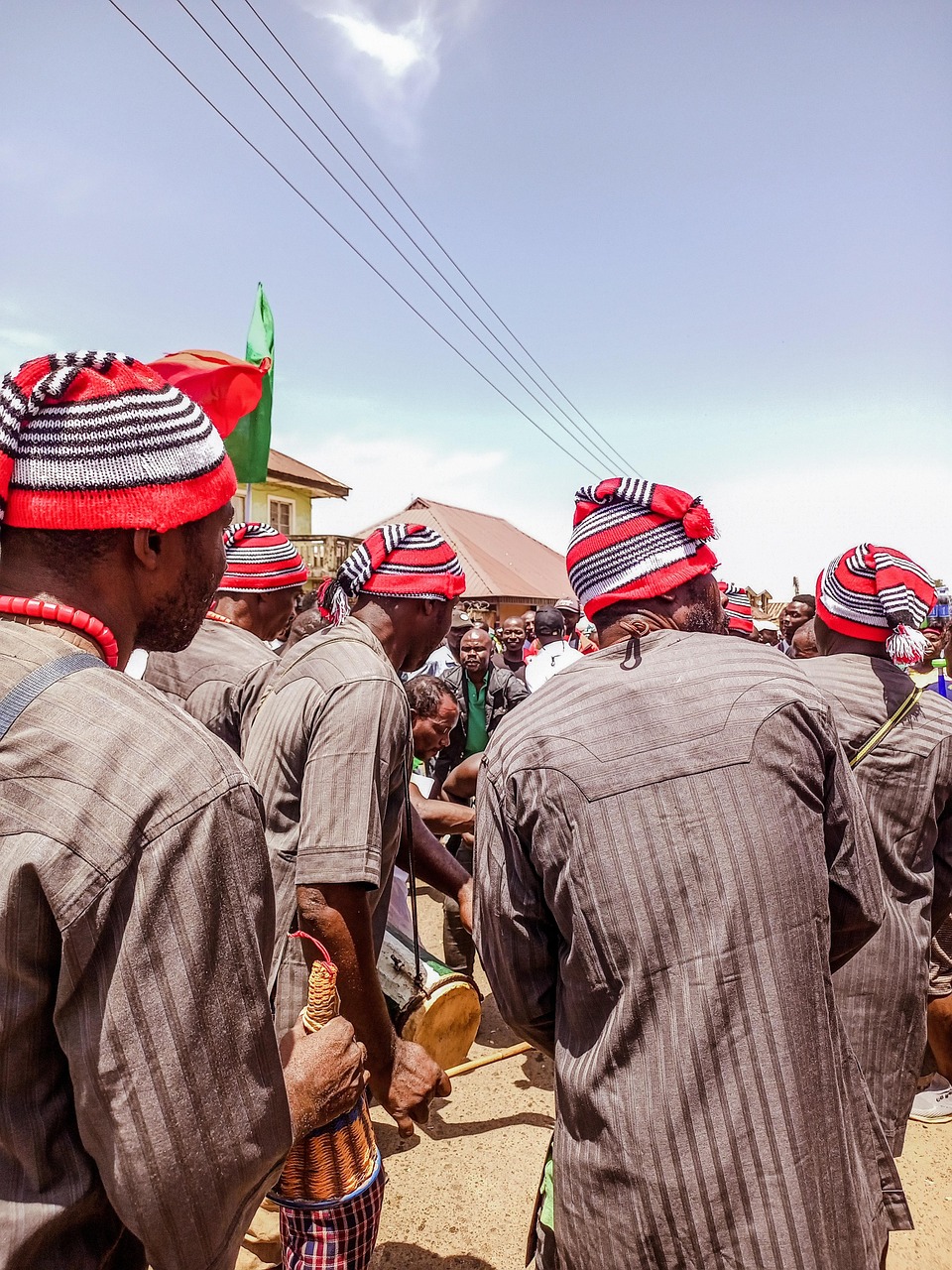
The masquerade, mmanwu, is the great Igbo tradition made flesh: masked spirits who embody the ancestors and the forces of the other world, danced by initiated men whose identity is hidden, appearing at festivals and funerals to entertain, to judge, and to enforce, some benign and beautiful, some fierce and dangerous, the visible presence of the spirit world among the living.
The taking of titles marks the Igbo passion for honor: the ozo title above all, an expensive, prestigious rank that a man ascends step by step through feasts and payments, entering the ranks of the community’s honored elders and earning the right to break kola and speak with weight in the assembly.
The breaking of kola opens every important gathering: the kola nut, presented, blessed, and broken with prayer and proverb, is the sacrament of Igbo hospitality and community, and its sharing, its rules of who presents and who breaks, is an etiquette learned from childhood, he who brings kola brings life.
Life passages fill the calendar with ceremony: the naming of a child, the elaborate marriage negotiations and the payment of bride price, and the second burial, the great funeral feast that properly sends the dead into the world of the ancestors, occasions of feasting, music, and the dancing of the masks.
Igbo-Ukwu Bronze, Uli Art, and the Blacksmiths
Igbo art reaches its summit in the bronzes of Igbo-Ukwu, cast more than a thousand years ago in a delicacy that astonished the archaeologists who found them: ceremonial vessels, staffs, and ornaments of a ruler-priest, worked in a distinctive lost-wax style with an intricacy of surface, insects, cords, and beadwork rendered in metal, that ranks among the finest early bronze work anywhere in the world.
Uli is the living art of the line: the graceful, flowing designs that women painted on the body in vegetable dye and on the walls of houses and shrines, abstract and elegant, a tradition of drawing that modern Igbo artists have revived and carried into contemporary painting as a distinctively Igbo visual language.
The blacksmiths held a special place: the smithing towns, Awka above all, sent their craftsmen across Igboland and beyond, and iron-working, one of the region’s most ancient skills, made the tools, weapons, and the fine wrought objects on which the farming and fighting society depended.
Woodcarving, pottery, and the weaving of cloth and mats complete the register, and the ikenga, the carved wooden shrine to a man’s right hand, his strength and achievement, horned and fierce, is among the most characteristic of Igbo objects, the personal altar of a self-made man in a self-made society.
Yam, Egusi, and the Kola of Welcome
The Igbo table begins with the yam, pounded into the smooth dough eaten with soup, roasted, or boiled, the prestige food of feast and ceremony, and with the other roots and starches of the forest, cassava into garri and fufu, cocoyam, and plantain, the heavy foundations of the meal.
The soups carry the flavor and the pride: egusi of ground melon seed, ofe onugbu the bitterleaf soup, oha, nsala the white soup, and the pepper soups, thick with meat, fish, and the greens and seeds of the forest, eaten with the pounded staples in the communal style.
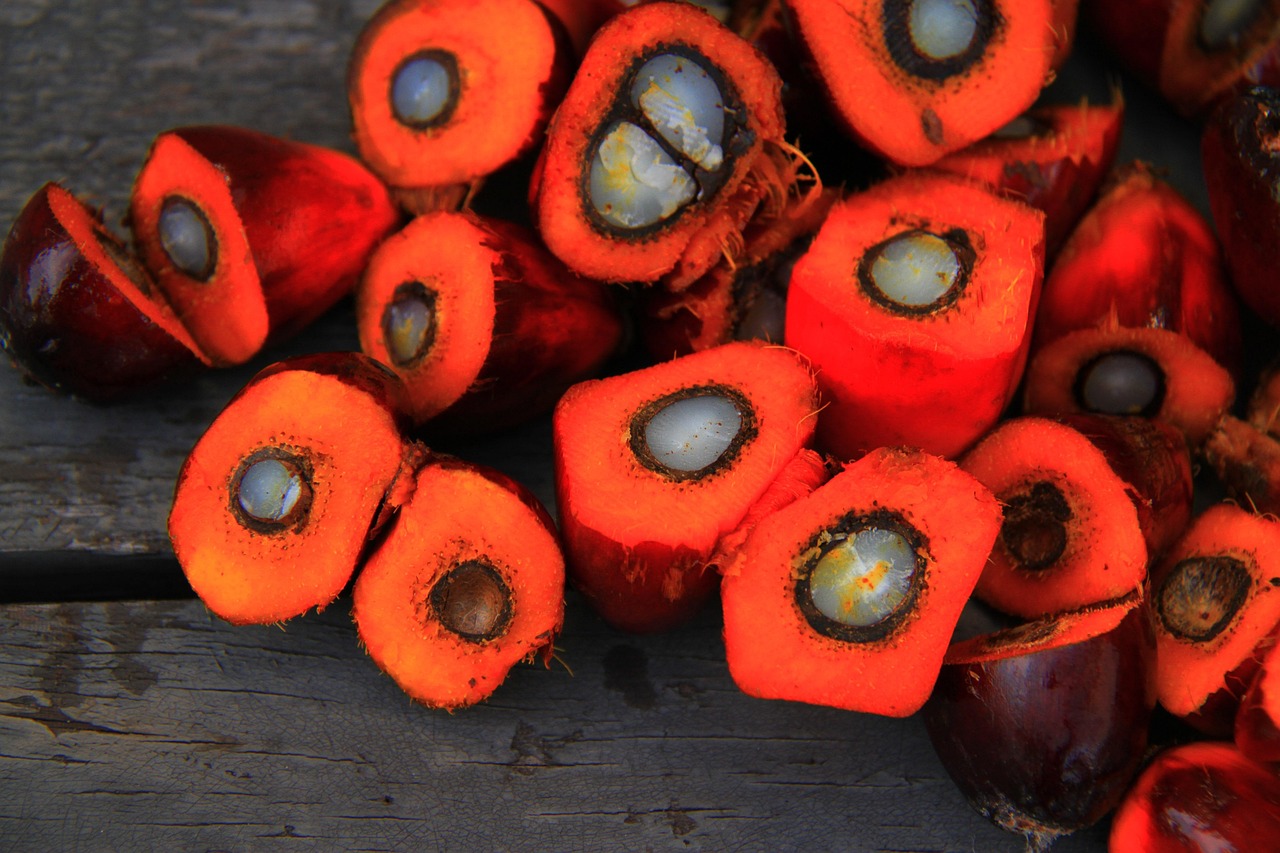
Palm produce runs through the cuisine: red palm oil coloring and enriching the soups, palm wine tapped from the tree for ceremony and pleasure, and the oil-bean, breadfruit, and the abundant produce of a fertile, intensively worked land.
The kola nut and the palm wine open every welcome: no guest is properly received without kola, presented and broken with prayer, and no celebration is complete without the gourds of palm wine passing from hand to hand, the hospitality of a people for whom the sharing of food and drink is the first law of community.
The New Yam Festival and the Masked Seasons
The New Yam Festival, Iri Ji, is the great festival of the Igbo year, held at harvest across Igboland when the first new yams are ready: no one may eat the new crop until the eldest man or the priest has offered the first yams to the gods and ancestors in thanksgiving, and then the whole community feasts, dances, and celebrates the harvest that is life itself.
The festival binds the community and marks the year: masquerades come out, the age grades parade, wrestling matches are held, and the yam, king of crops, is honored with the ceremony due a monarch in a land that crowned no other, a celebration now carried by the diaspora to cities around the world.
The masked seasons fill the rest of the calendar: the mmanwu festivals when the spirits walk, the funerals of great men and women with their second burials and their dancing, and the local festivals of each town’s deities and shrines, occasions of color, music, and the fierce beauty of the masquerades.
Christian and civic celebrations now overlay the old, Christmas above all, when the diaspora comes home and the villages fill, the great annual homecoming that has become perhaps the most important season of the Igbo year, a reunion of a scattered people with the land that remains their center.
Slave Coast, Colonial Shock, and Biafra
The Igbo entered recorded history through the Atlantic slave trade, which fell heavily on their densely peopled land: hundreds of thousands of Igbo were carried across the ocean, so many that Igbo became one of the largest African contributions to the peoples of the Americas, and the enslaved Igbo of Virginia, the Caribbean, and beyond left a deep mark, remembered in traditions like the Igbo Landing where captives chose the water over slavery.
Colonial conquest came late and hard: the decentralized Igbo, with no king to defeat, had to be subdued village by village into the twentieth century, and the British, baffled by a society with no chiefs to rule through, invented warrant chiefs whose illegitimate authority provoked revolts, including the Women’s War of 1929, when Igbo women rose in mass protest against colonial taxation and rule.
The Igbo seized colonial opportunity with famous energy, embracing education and Christianity, spreading across Nigeria as traders, clerks, and professionals, and producing many of the leaders of Nigerian nationalism and independence, their enterprise and ambition carrying them to prominence throughout the new nation.
That very success bred resentment, and in 1966 anti-Igbo pogroms in the north killed tens of thousands and drove millions home; in 1967 the Igbo southeast seceded as the Republic of Biafra, and the civil war that followed, with its blockade and famine, killed perhaps a million, mostly children, a catastrophe that scarred the Igbo nation and defines its modern consciousness.
Biafra remains the central fact of modern Igbo consciousness: the war’s famine images shocked the world and gave the language the word for a starving child, and the defeated Igbo returned to a Nigeria that had declared no victor and no vanquished but in which they long felt neither safe nor fully welcome, a grievance that still shapes the nation’s politics.
Biafra remains the central fact of modern Igbo consciousness: the war’s famine images shocked the world and gave the language the word for a starving child, and the defeated Igbo returned to a Nigeria that had declared no victor and no vanquished but in which they long felt neither safe nor fully welcome, a grievance that still shapes the nation’s politics.

Entrepreneurs of a Global Diaspora
The Igbo today number some forty million and more, the majority in southeastern Nigeria but spread across every Nigerian city and around the world, one of the country’s three great peoples and among the most mobile and enterprising communities on the continent, their traders and professionals a presence in markets and universities everywhere.
Enterprise is the modern Igbo signature: the apprenticeship system, igba boi, in which a young man serves a established trader for years and is then set up in his own business, has been called one of the world’s largest business incubators, a homegrown engine of commerce that has spread Igbo entrepreneurs across Africa and beyond, and the manufacturing town of Nnewi and the great market of Onitsha are monuments to it.
The diaspora has become a nation in itself: Igbo communities thrive in Britain, the United States, and across the world, famously high-achieving in the professions and business, and the Christmas homecoming binds them to the villages, the remittances and the returning sons and daughters a lifeline and a bond.
The wounds of Biafra have not fully healed: a sense of grievance and marginalization within Nigeria persists, and separatist movements periodically revive the dream of Biafra, while the Igbo debate their place in a nation many feel has never fully embraced them. Yet the deep Igbo strengths, enterprise, education, self-reliance, and the republican confidence bred by a thousand years without kings, carry the nation forward, a people who have survived catastrophe and scattered across the world without losing their center in the forest villages of the southeast.
The igba boi apprenticeship deserves its growing fame: by binding master and servant in a contract that ends with the junior’s own establishment in business, it spreads capital and skill through the community without banks, replicating enterprise generation after generation, a system economists now study as a model of inclusive, self-generating capitalism.
The igba boi apprenticeship deserves its growing fame: by binding master and servant in a contract that ends with the junior’s own establishment in business, it spreads capital and skill through the community without banks, replicating enterprise generation after generation, a system economists now study as a model of inclusive, self-generating capitalism.
Related Peoples of the Region
- Fulani Herders of the Sahel and Their Nation Scattered Across a Continent
- Hausa City-Builders of the Northern Savanna and Their Thousand-Year Market Civilization
- Yoruba of the Forest Cities and Their Gods That Crossed the Atlantic
More Peoples of the World
You May Like
The Zaza, a Mountain People of Eastern Anatolia


3 thoughts on “Igbo of the Republican Villages and Their Nation That Crowned No King”