A thousand years ago, navigators reading stars and swells found the most isolated islands on earth and made them the northern point of the Polynesian triangle. Their descendants, the Kanaka Maoli of Hawai’i, built terraced valleys and walled fishponds, invented surfing, raised a literate nineteenth-century kingdom recognized by the powers of the age, and lost it to an armed overthrow their people never accepted. Their story since is one of the great cultural recoveries of modern times.
This portrait follows Native Hawaiians from the first Marquesan landfalls to the present: a language rebuilt from fifty child speakers, the ahupua’a that ran from ridge to reef, Pele’s fire and the four great gods, hula as chanted history, the feather cloaks and voyaging canoes, the luau table descended from a divine elder brother, and a nation remembered out loud in its own homeland.
Contents
- Star Paths to the Most Isolated Islands on Earth
- Kanaka Maoli, the True People
- ‘Olelo Hawai’i, a Language Back from the Brink
- Eight Islands Born of One Hot Spot
- Ahupua’a, Fishponds, and the First Surfers
- Chiefs, Kapu, and the Order of the Land
- Pele’s Fire and the Four Great Gods
- Hula, Chant, and the Gift of the Lei
- Featherwork, Kapa, and Canoes of Koa
- Kalo, Poi, and the Luau Table
- Makahiki Peace and the Merrie Monarch
- A Kingdom Overthrown and a Nation Remembered
- Kanaka Maoli Rising in Their Own Homeland
Star Paths to the Most Isolated Islands on Earth
No landfall in human history required more nerve than Hawai’i. The archipelago is the most isolated major island group on earth, nearly four thousand kilometers from the nearest continent, yet Polynesian navigators found it, most likely from the Marquesas around 1000 AD, steering double-hulled canoes by stars, swells, and the flight of birds across an ocean without edges.
Later traditions tell of a second stream of voyages from Tahiti, of the navigator-priest Pa’ao and chiefs who sailed the two-thousand-mile corridor between the archipelagos as a known road, before the long isolation closed around 1400 and Hawai’i’s culture grew inward and distinct.
In isolation the settlers engineered abundance: they terraced valleys for irrigated taro, walled the shallows into fishponds unique in Polynesia for their scale, and multiplied into a population that scholars number in the hundreds of thousands by the eighteenth century.
Genealogical chants like the Kumulipo, two thousand lines linking the ruling chiefs back through taro and coral to the first flicker of life in the sea’s darkness, carried that history as sacred record; when the world doubted, the chants did not.
The dates are argued, earlier scholarship favored 300 AD, radiocarbon revisions now cluster near 1000, but the achievement is not: the same century in which Norse ships crept along a known coast to Newfoundland, Polynesian families sailed a third of the planet’s width to an unmarked point in the largest ocean, carrying pigs, taro, and genealogies, and they did it in both directions.
The dates are argued, earlier scholarship favored 300 AD, radiocarbon revisions now cluster near 1000, but the achievement is not: the same century in which Norse ships crept along a known coast to Newfoundland, Polynesian families sailed a third of the planet’s width to an unmarked point in the largest ocean, carrying pigs, taro, and genealogies, and they did it in both directions.

Kanaka Maoli, the True People
Hawai’i is in tradition the name of the ancestral homeland, Hawaiki, planted on the largest island of the new archipelago as settlers everywhere plant old names on new ground. The people themselves are Kanaka Maoli, the true or real people, a name that predates every flag the islands have flown.
The word aloha, worn thin on souvenirs, is in Hawaiian thought a discipline: love, compassion, and mutual regard as the proper stance toward people and land. Aloha ‘aina, love of the land, names both an ancient ethic and the modern movement that carries it.
Under the kingdom the people were Hawaiian subjects of every race; under the American territory Hawaiian became an ethnicity check-box; today Kanaka Maoli and Native Hawaiian mark the indigenous nation within the state’s mixed multitude.
Names, like land, are contested inheritance here: the restoration of the ‘okina and kahako to Hawai’i’s words and places, on road signs and in law, is part of the same long correction as the return of Kaho’olawe island itself.
‘Olelo Hawai’i, a Language Back from the Brink
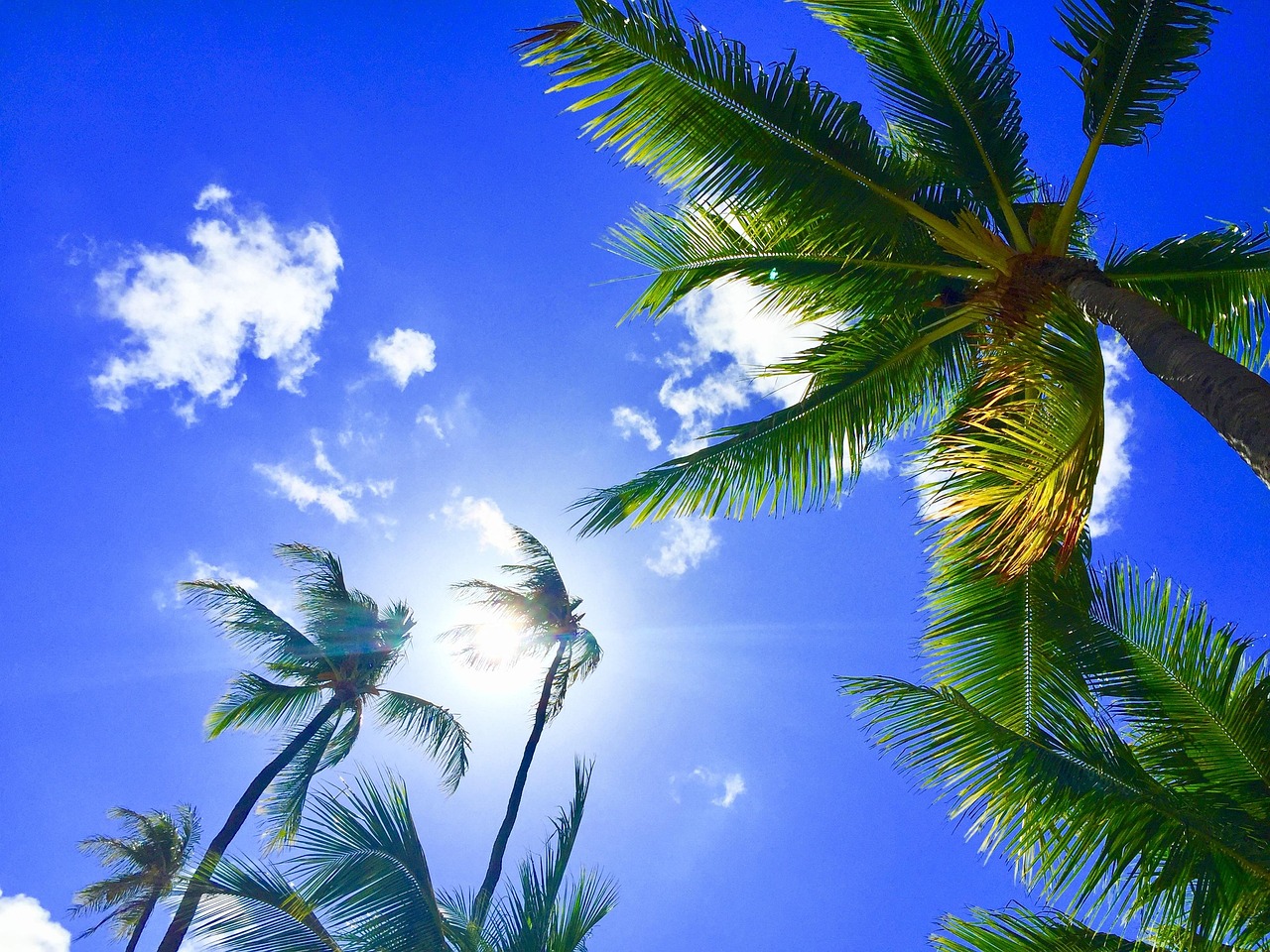
‘Olelo Hawai’i is an Eastern Polynesian language, sister to Tahitian and Marquesan and cousin to Maori, pared to one of the smallest sound systems of any language on earth: eight consonants, five vowels, and the glottal ‘okina, from which it builds words of oceanic length and place names that are complete sentences of description.
It was among the first Pacific languages written, and by the mid-nineteenth century the kingdom’s people were among the most literate on earth, publishing scores of Hawaiian-language newspapers whose archives, over a million pages, remain the largest indigenous literature of the Pacific.
Annexation nearly killed it. An 1896 law made English the sole medium of instruction, children were punished for Hawaiian in school, and by the 1980s fewer than fifty children outside the private island of Ni’ihau spoke it natively.
The revival that followed became a world model: Punana Leo immersion preschools from 1984, public immersion schooling to graduate level, a university college teaching sciences in Hawaiian, and official-language status under the 1978 constitution. Tens of thousands now study it, and for the first time in a century, the number of speakers is growing rather than dying.
The newspapers are the revival’s buried treasure: mo’olelo epics, kingdom politics, eyewitness accounts of the overthrow, all in Hawaiian, now being digitized and read again by students who can check the twentieth century’s translations against their ancestors’ own words.
The newspapers are the revival’s buried treasure: mo’olelo epics, kingdom politics, eyewitness accounts of the overthrow, all in Hawaiian, now being digitized and read again by students who can check the twentieth century’s translations against their ancestors’ own words.

Eight Islands Born of One Hot Spot
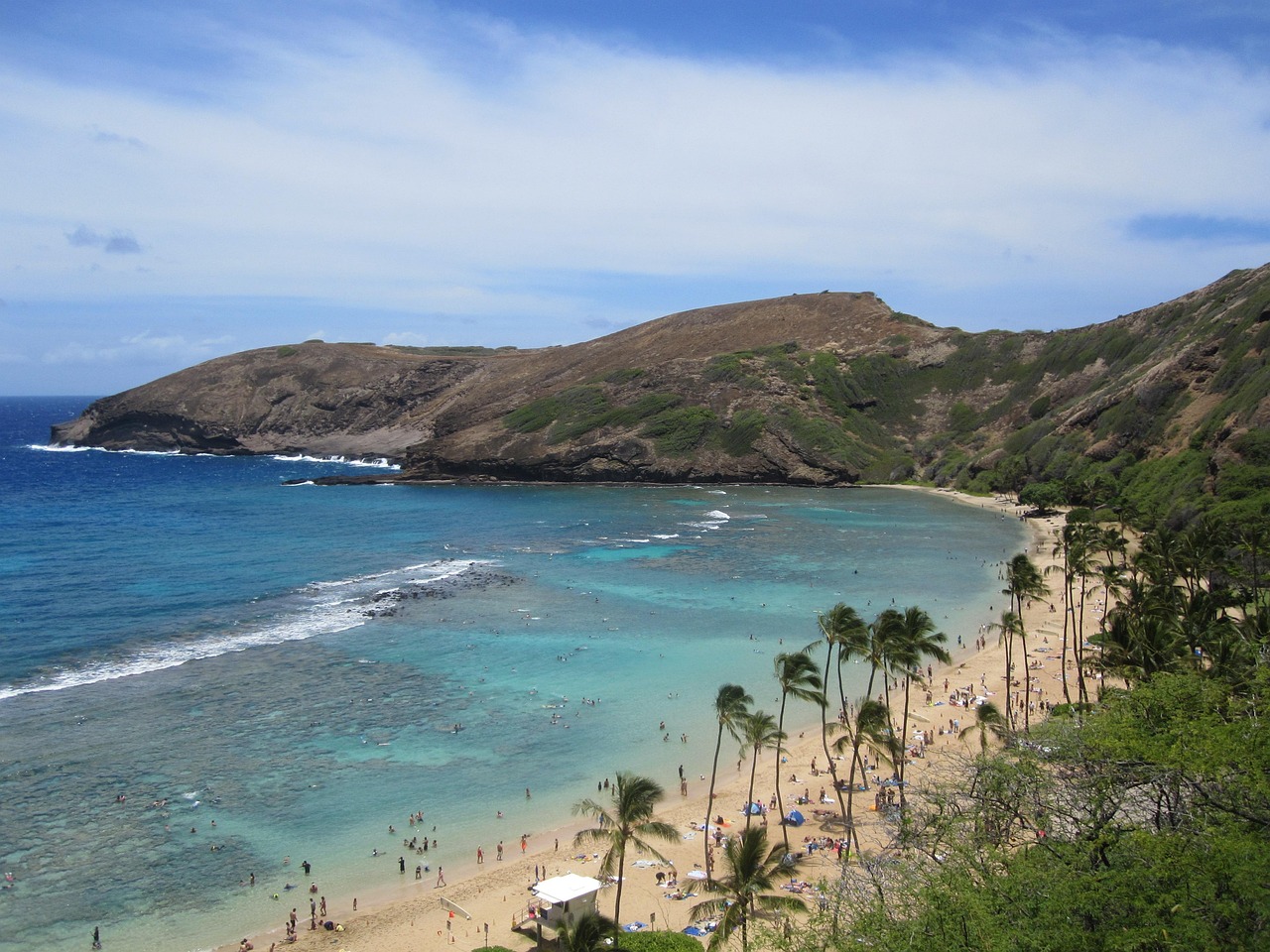
The islands are the visible tops of a volcanic conveyor: the Pacific plate slides over a stationary hot spot, raising each island in turn and carrying it northwest to erode into atolls and seamounts. Eight main islands anchor the chain’s young end, from Ni’ihau and ancient, sculpted Kaua’i to Hawai’i Island, where Kilauea still adds acreage and Mauna Kea, measured from its seafloor base, is the tallest mountain on earth.
Between sea and summit the islands stack every climate: rain forests soaked by some of the wettest slopes on the planet, leeward deserts, alpine stone where snow falls over the tropic sea. Life arriving once in a hundred millennia evolved into a biota found nowhere else, honeycreepers, silverswords, and the world’s most endangered flora.
Hawaiian geography is sacred geography: Mauna Kea is the firstborn mountain-child of sky father and earth mother, summit of temples and burials and, today, of telescopes whose siting has put ancient law and modern astronomy face to face on the access road.
The old land divisions, the moku and the ahupua’a wedges running ridge to reef, still underlie the state’s maps and its water law, a medieval cadastre that turns out to encode watershed management modern planners now study.

Ahupua’a, Fishponds, and the First Surfers
The ahupua’a was old Hawai’i’s masterpiece: a land division running from mountain crest to outer reef, within which a community held forest timber and birds, terraced lo’i taro flats fed by engineered ditches, kula gardens, and the fishery, everything a people needed inside one watershed’s walls. Konohiki land managers regulated planting and fishing seasons with a precision modern resource law still envies.
On the shore the Hawaiians built what no other Polynesians attempted at scale: hundreds of loko i’a, walled fishponds farming mullet and milkfish on the reef flats, aquaculture measured in tons that fed the chiefly households and buffered lean seasons.
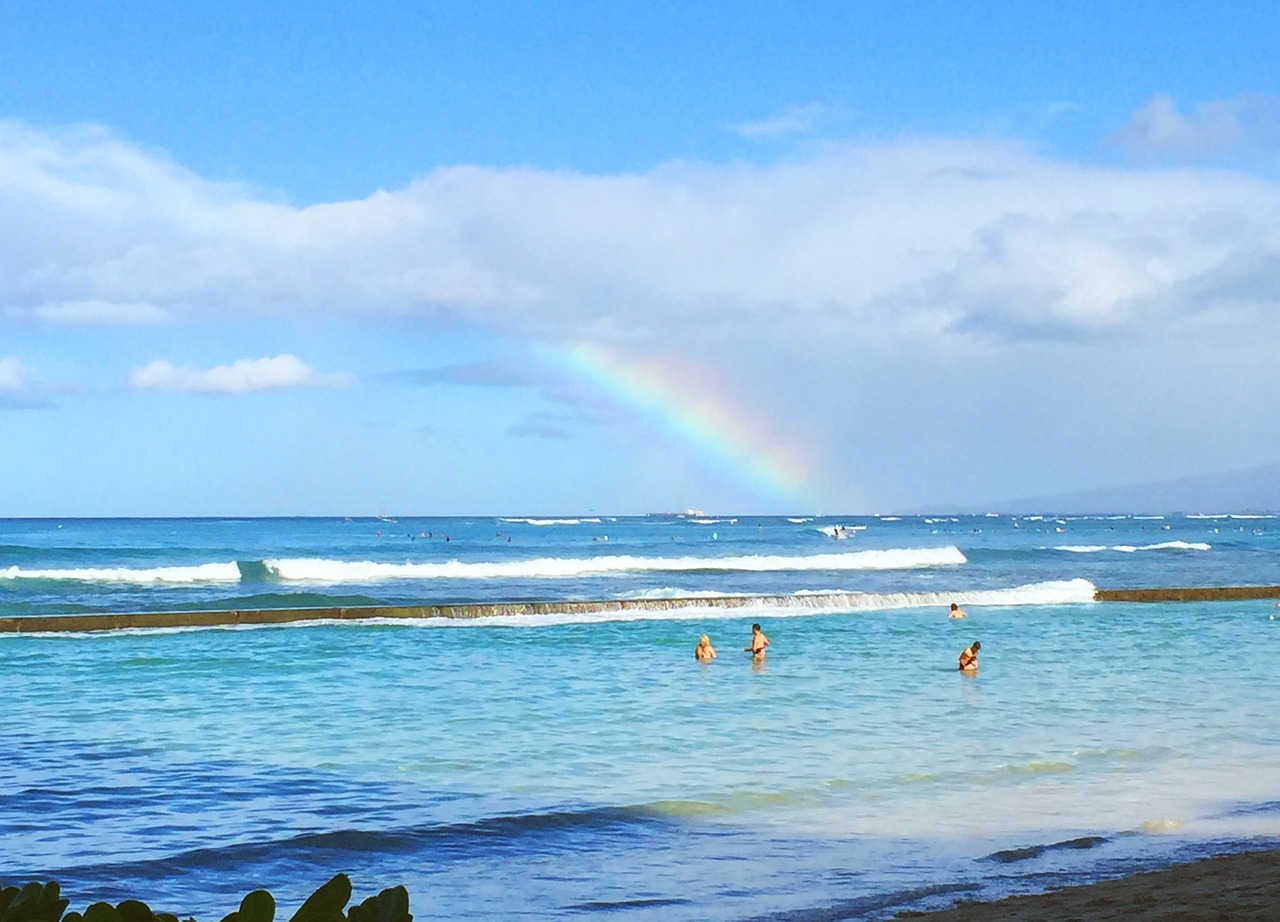
The sea was also the playing field. He’e nalu, wave sliding, was the sport of the whole society, chiefs on great olo boards of wiliwili wood, commoners on shorter alaia, with beaches, breaks, and even winter swells apportioned by rank. Betting, courtship, and prestige rode the waves; Hawai’i gave the world surfing entire.
Between harvests the people raced holua sleds down grassed stone ramps, boxed and wrestled at festivals, and flew kites and canoes before the trades, a civilization that took play seriously as an art of rank and grace.
The system fed perhaps eight hundred thousand people without metal, money, or the wheel, and its collapse under introduced cattle, thirsty sugar ditches, and fee-simple title is the ecological half of the kingdom’s fall; its restoration, lo’i by lo’i, is the renaissance’s most literal work.
The system fed perhaps eight hundred thousand people without metal, money, or the wheel, and its collapse under introduced cattle, thirsty sugar ditches, and fee-simple title is the ecological half of the kingdom’s fall; its restoration, lo’i by lo’i, is the renaissance’s most literal work.

Chiefs, Kapu, and the Order of the Land
Hawaiian society was the most stratified in Polynesia: ali’i chiefs ranked by the purity of genealogies chanted at their births, kahuna orders of priests, healers, and master craftsmen, and the maka’ainana, the people of the land, who farmed, fished, and paid tribute but could move between chiefs at will, and did, voting with their feet against cruelty.
Over all lay the kapu system, the sacred law: seasons closed and opened, shadows of chiefs not to be crossed, men’s and women’s eating separated, certain fish for certain months. Kapu was ecology, etiquette, and constitution in one, enforced to the death yet softened by the pu’uhonua, refuges where the fleeing wrongdoer, once inside, was absolved.
Within the hierarchy, life ran on the ‘ohana, the extended family sharing poi bowl and obligations, tracing itself through the ‘aumakua, ancestral guardians in shark or owl form, and rooted in its kuleana, a word that binds privilege and responsibility into one inheritance.
Women held parallel rank: chiefesses like Keopuolani outranked their husbands in sacred blood, and the queens of the nineteenth century, regents, lawgivers, and finally Lili’uokalani herself, stood on that old foundation when they governed.
The kapu’s end left the values beneath it standing: rank’s obligations became the etiquette of respect and generosity islanders still call local style, and the pu’uhonua idea, sanctuary and second chances, resurfaces in everything from restorative-justice programs to the defended encampments of Mauna Kea.
The kapu’s end left the values beneath it standing: rank’s obligations became the etiquette of respect and generosity islanders still call local style, and the pu’uhonua idea, sanctuary and second chances, resurfaces in everything from restorative-justice programs to the defended encampments of Mauna Kea.
Pele’s Fire and the Four Great Gods
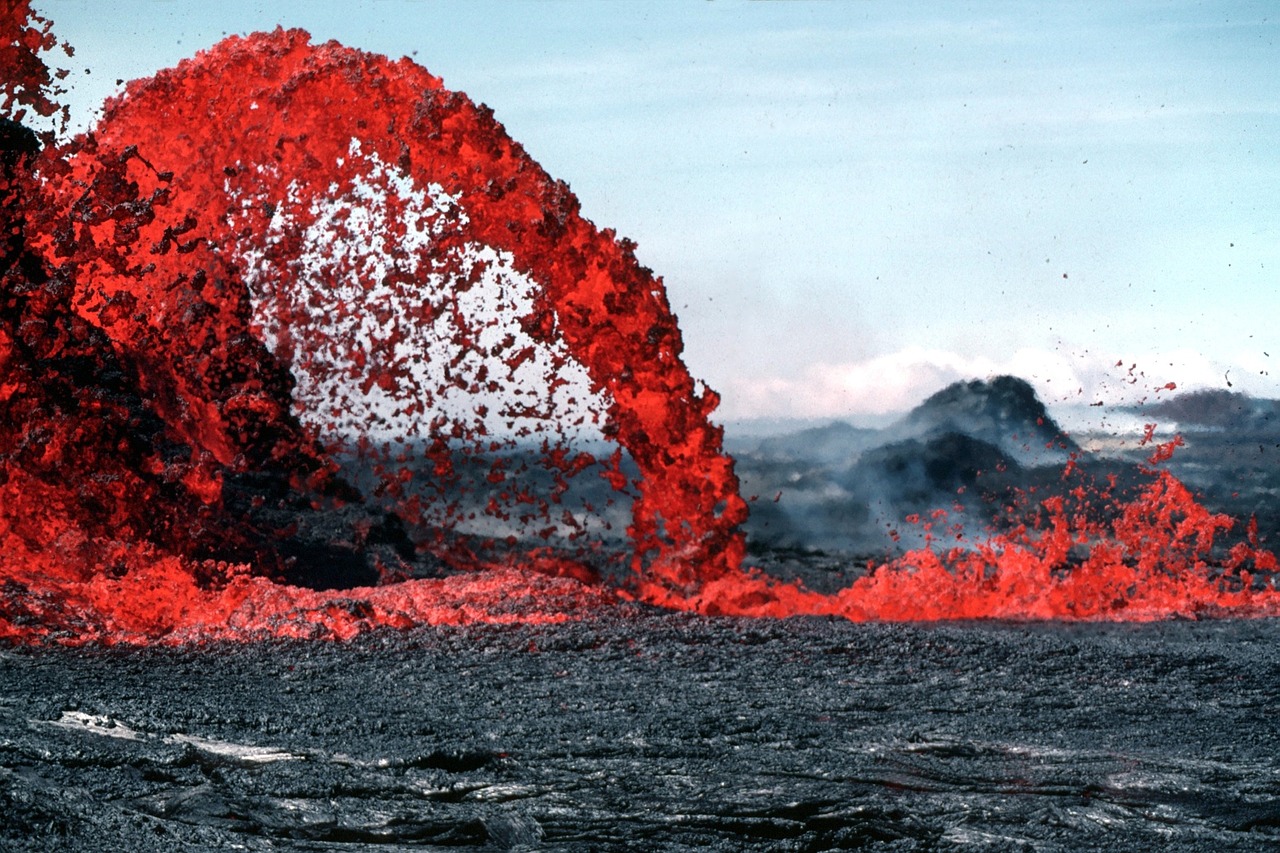
Four great gods ordered the Hawaiian cosmos: Kane of fresh water and creation, Ku of war and human work, Lono of rain, harvest, and peace, and Kanaloa of the deep sea. Beneath them thronged thousands of lesser gods and the ‘aumakua of each family, and above the volcanoes ruled Pele, whose lava is not disaster in Hawaiian thought but the goddess herself, building land.
Worship centered on the heiau, open-air stone temple platforms whose ruins still terrace headlands and hills, from agricultural shrines to the great luakini war temples of the highest chiefs where the kapu weighed heaviest.
The old order ended from within: in 1819, months before the missionaries, the young Kamehameha II ate publicly with the chiefess Ka’ahumanu, breaking the eating kapu and with it the system’s spine; the temples were closed by Hawaiian decision. New England Congregationalists arrived in 1820 into the vacuum and the kingdom became, within a generation, deeply and literately Christian.
Yet Pele still receives gin and lehua blossoms at the crater’s edge, families still know their ‘aumakua, and the modern renaissance has restored heiau, protocol, and chant, folding the old sacred back around the churches rather than against them.
The heiau restorations are worked with protocol as much as masonry: stones passed hand to hand at Pu’ukohola in 1991 by descendants of both sides of its bloody dedication two centuries before, a reconciliation the participants describe as the temple finishing its own story.
The heiau restorations are worked with protocol as much as masonry: stones passed hand to hand at Pu’ukohola in 1991 by descendants of both sides of its bloody dedication two centuries before, a reconciliation the participants describe as the temple finishing its own story.
Hula, Chant, and the Gift of the Lei
Hula is the archive of a people who wrote in movement before they wrote in letters. Hula kahiko, the ancient form, danced to chanted poetry and gourd or drum, preserves genealogies, migrations, and the deeds of chiefs and gods; hula ‘auana, the later style of steel guitar and song, carries the tradition into melody. Missionary disapproval drove it underground until King Kalakaua, the Merrie Monarch, restored it to state honor in the 1880s.
Behind the dance stands the chant, oli, the pure carried voice by which Hawaiians opened ceremonies, named children, grieved, and remembered; a trained chanter’s genealogical recall reached back centuries, and the protocols of asking entrance with a chant are again taught to children.
The lei, a garland of flowers, leaves, shells, or feathers, is the culture’s everyday sacrament: given at greeting and parting, graduation and grave, each material and knot carrying meaning, the making itself an act of regard timed to the wearer’s arrival.
Around these run the life customs that never lapsed: the baby luau at a first birthday, the paniolo rodeo traditions of the ranch islands, the outrigger canoe clubs whose regattas fill weekends, and the values named kuleana, malama, and aloha doing quiet daily work.
Halau hula, the schools of the dance, run on the old discipline of kumu and student, permission and lineage; a dancer’s ‘uniki graduation is a genealogy event, and the great kumu hula are public figures whose passing is mourned statewide.
Halau hula, the schools of the dance, run on the old discipline of kumu and student, permission and lineage; a dancer’s ‘uniki graduation is a genealogy event, and the great kumu hula are public figures whose passing is mourned statewide.

Featherwork, Kapa, and Canoes of Koa
The summit of Hawaiian art was featherwork: cloaks and capes of hundreds of thousands of red ‘i’iwi and golden ‘o’o feathers, snared, plucked sparingly, and knotted onto netting in crescents of rank. The great cloak of Kamehameha, made from the feathers of eighty thousand birds gathered over generations, remains among the most labor-dense garments ever made, and the return of chief Kalani’opu’u’s cloak from New Zealand in 2016 was received as a homecoming of state.
Kapa, the barkcloth of paper mulberry, was beaten to a fineness unmatched in the Pacific, watermarked with carved beaters, dyed and scented; its making died almost wholly and has been rebuilt, beater by beater, by modern practitioners from museum pieces.
The canoe was the master craft: hulls of great koa trees felled with adze and ceremony, lashed and rigged into the outriggers and doubles that fished, raced, and made war. The voyaging canoe Hokule’a, built to the old lines in 1975 and steered to Tahiti without instruments, refuted a century of drift theories and lit the renaissance; she has since circled the earth.
Stone and wood answered daily needs with sculptural economy, poi pounders, fishhooks of bone and pearl shell, the fierce imagery of temple figures, and the paniolo’s saddle and the ukulele, adopted and made Hawai’i’s own, carry the craft line into the present.
Museum partnerships now bring ancestral pieces home on loan and for good, and each return, a cloak, a drum, an idol of Ku, is met at the airport with chant, the objects treated not as artifacts but as elders returning from a long journey.
Museum partnerships now bring ancestral pieces home on loan and for good, and each return, a cloak, a drum, an idol of Ku, is met at the airport with chant, the objects treated not as artifacts but as elders returning from a long journey.

Kalo, Poi, and the Luau Table
First of all foods is kalo, taro, in tradition the elder brother of the first Hawaiian: the plant Haloa from whose stalk the people descend, tended in flooded lo’i and pounded on stone boards into poi, the staple paste eaten with two fingers from the communal bowl. To fight across an open poi bowl remains bad manners; Haloa is present.
The old cuisine balanced poi with fish from pond and reef, limu seaweeds, sweet potato, breadfruit, and pig and dog for feast days, cooked in the imu earth oven whose steam still perfumes every luau: kalua pig shredded from the leaves, laulau bundles, lomi salmon from the ship-trade era, chicken long rice from the plantation kitchens.
Plantation Hawai’i folded a dozen cuisines around the Hawaiian core, and the modern island plate, poke bowls now colonizing the mainland, saimin, plate lunch, mixes them without apology.
The food sovereignty movement is re-terracing lo’i from Waipi’o to Hanalei, restoring fishponds silted for a century, and asking a blunt question of an archipelago that imports most of its calories: what would it mean to eat like the ahupua’a again?
Ni’ihau and Moloka’i still salt fish and pound poi as households, not demonstrations, and the fishpond hui rebuilding walls at He’eia have made restored mullet harvests a community festival in their own right.
Ni’ihau and Moloka’i still salt fish and pound poi as households, not demonstrations, and the fishpond hui rebuilding walls at He’eia have made restored mullet harvests a community festival in their own right.

Makahiki Peace and the Merrie Monarch
The ancient year turned on Makahiki: four months from the rising of the Pleiades when war was kapu, tribute moved to the chiefs behind Lono’s image circling each island, and the people feasted, danced, and competed in games. Captain Cook had the fortune and misfortune to arrive during Makahiki, and the season’s peace shaped his welcome as its ending shaped his death.
The modern calendar’s crown is the Merrie Monarch Festival in Hilo each spring, hula’s world championship, a week of kahiko and ‘auana competition named for Kalakaua that fills the town years in advance and is broadcast statewide like a coronation.
Lei Day each first of May garlands the islands, Aloha Festivals parade through September, and Prince Kuhio and Kamehameha Days, state holidays both, honor the ali’i with floral parades, the great king’s statue draped in lei the length of a canoe.
On the water, the season peaks with the Moloka’i Hoe, the channel-crossing outrigger race rough enough to humble Olympians, and with the arrivals and departures of Hokule’a, met at every landfall with chant, conch, and the protocols of a voyaging nation still under sail.
Makahiki itself has returned: island communities and even the state’s prisons now mark the season with games, protocol, and truce, the old peace of Lono finding modern uses.
Makahiki itself has returned: island communities and even the state’s prisons now mark the season with games, protocol, and truce, the old peace of Lono finding modern uses.
A Kingdom Overthrown and a Nation Remembered
Cook’s arrival in 1778 opened the isolation, and epidemic disease did the rest of the century’s cruel arithmetic: a population in the hundreds of thousands fell by perhaps ninety percent within a hundred years, a collapse the culture carries still. Kamehameha I, rising from Hawai’i Island with foreign guns and native genius, united the archipelago into a kingdom by 1810.
The kingdom modernized at speed: constitutions from 1840, treaties and recognition from the powers, near-universal literacy, and a court that traveled the world. The 1848 Mahele privatized land in a form foreign buyers could work, and by century’s end sugar planters, mostly American, held the economy and wanted the flag to follow.
In January 1893 they took it: a committee backed by U.S. Marines deposed Queen Lili’uokalani, who yielded under protest to avoid bloodshed. Washington’s own commissioner called it an act of war; annexation followed in 1898 over petitions signed by nearly the whole native population; a century later, in 1993, the United States formally apologized by joint resolution for the overthrow of a nation whose people never relinquished their sovereignty.
The territory hollowed the culture, the language banned in schools, the land concentrated, Pearl Harbor making the islands a garrison, and statehood in 1959 was embraced by many and mourned by some; from that soil the renaissance of the 1970s grew.
The overthrow’s centennial in 1993 brought a hundred thousand marchers to ‘Iolani Palace, the only royal palace on American soil, and the sovereignty movement that filled that street has not left public life since; the apology resolution’s words, never relinquished, are quoted in courtrooms as living text.
The overthrow’s centennial in 1993 brought a hundred thousand marchers to ‘Iolani Palace, the only royal palace on American soil, and the sovereignty movement that filled that street has not left public life since; the apology resolution’s words, never relinquished, are quoted in courtrooms as living text.
Kanaka Maoli Rising in Their Own Homeland
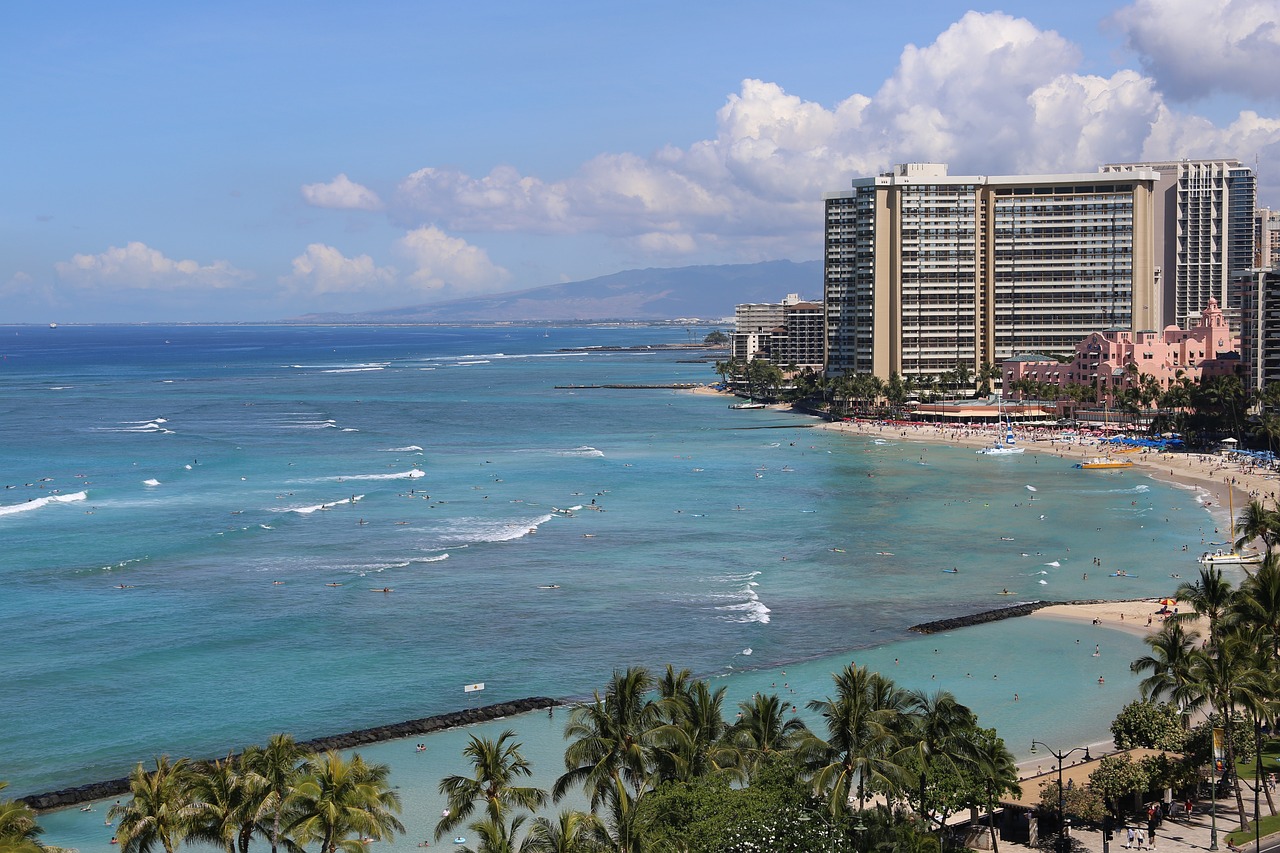
Roughly 700,000 people claim Native Hawaiian ancestry today, about half in the islands and half in a mainland diaspora concentrated in California, Nevada, and the Pacific Northwest; the number has doubled in a generation as pride and the census both widened. In Hawai’i, Kanaka Maoli are a fifth of the population of their own homeland, and the price of paradise, the country’s highest housing costs, pushes more away each year.
The renaissance has become institutions: immersion schools and a Hawaiian-language university college, the Office of Hawaiian Affairs and the Kamehameha Schools’ vast endowment, charter schools teaching in lo’i and fishpond, and courts that now hear arguments over water, burials, and Mauna Kea in terms the kingdom would recognize.
Sovereignty remains the open question, argued between federal recognition, independence restored, and everything between; what is settled is the direction of the culture, hula’s stages and voyaging canoes full, the language growing, protocol restored to public life.
On the mountain, at the shore, and in the courts, the operative word is aloha ‘aina, love of the land as kin. A people once scheduled for disappearance now sets much of the islands’ moral agenda, and the chant that answers the conch at Hokule’a’s rail is answered, increasingly, in the voices of children who learned it as a first language.
The tensions are not resolved, telescopes and temples, tourism’s forty million visitor-days and the shorelines it crowds, but they are now negotiated with a nation that has recovered its voice, and the state constitution itself names Hawaiian an official language and the islands’ host culture its trust obligation.
The tensions are not resolved, telescopes and temples, tourism’s forty million visitor-days and the shorelines it crowds, but they are now negotiated with a nation that has recovered its voice, and the state constitution itself names Hawaiian an official language and the islands’ host culture its trust obligation.

Related Peoples of the Region
- Kanak People of New Caledonia and Their Three Thousand Years on the Great Land
- Kanak People of New Caledonia and Their Three Thousand Years on the Great Land
- Chamorro People of the Mariana Islands and Their Four Thousand Years Between Empires
- Chamorro People of the Mariana Islands and Their Four Thousand Years Between Empires
- Samoan People of the Sacred Center and Their Unbroken Fa’a Samoa
- Samoan People of the Sacred Center and Their Unbroken Fa’a Samoa
- Tongan People of the Friendly Islands and Their Kingdom That Was Never Conquered
- Tongan People of the Friendly Islands and Their Kingdom That Was Never Conquered
You May Like
The Damara, an Ancient People of Namibia


One thought on “Native Hawaiians of the Polynesian Triangle’s Northern Star and Their Great Recovery”