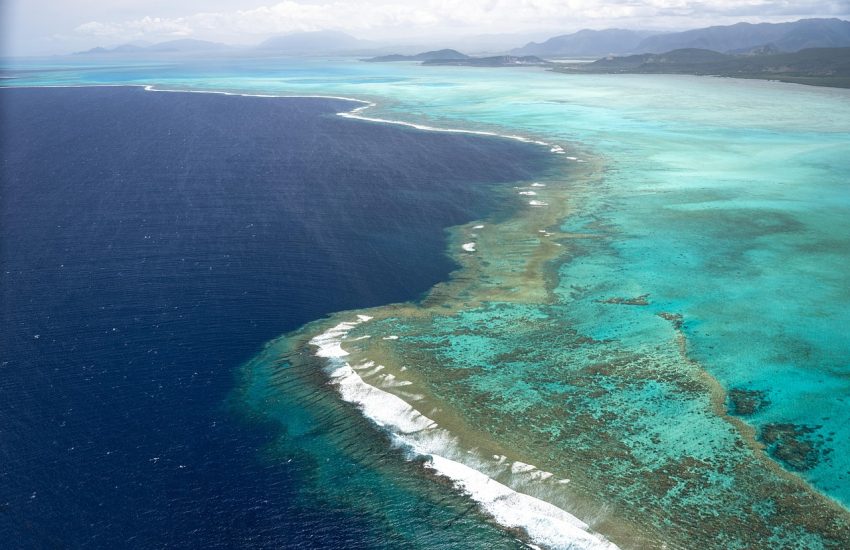
Halfway between Japan and New Guinea, where the Pacific plunges into its deepest trench, a chain of green islands has been home to the same people for four thousand years. The Chamorro of the Mariana Islands were the first humans to settle remote Oceania, raising stone latte pillars and sailing the swiftest canoes of the ancient sea, and they have since outlived four empires without letting go of their land, their maternal clans, or their name.
This portrait follows the taotao tano’, the people of the land, from the first crossing out of island Southeast Asia to modern Guam and Saipan: a language that wears a Spanish coat over Austronesian bones, a society steered by its women and its web of giving, a faith where saints and ancestral spirits share the jungle, and a history that runs from Magellan’s landfall to the strategic struggles of the present century.
Contents
- Four Thousand Years in the Mariana Islands
- A Name Born of Rank and Pride
- Chamorro, an Austronesian Tongue with a Spanish Accent
- Guam and the Chain of the Marianas
- Latte Stones, Sakman Canoes, and the Ancient Life
- Clans, Matriarchs, and the Duty of Inafa’maolek
- Ancestors in the Banyan Trees
- Chenchule’, Fiestas, and the Web of Obligation
- Weaving, Carving, and the Return of the Navigators
- Red Rice, Kelaguen, and the Fiesta Table
- Village Saints and Island Celebrations
- Spain, America, and the Longest Colonial Road
- Chamorro Voices in a Strategic Century
Four Thousand Years in the Mariana Islands
The Chamorro were the first people of remote Oceania. Around 1500 BC, seafarers from island Southeast Asia, most likely the Philippines, crossed more than two thousand kilometers of open ocean to reach the Mariana Islands, a voyage made a full millennium before Polynesia was touched. No other people on earth had yet sailed so far from sight of land, and archaeologists still debate how they did it against the prevailing winds.
The settlers found a chain of high volcanic and limestone islands, Guam at the south the largest, and made them home. Over three and a half thousand years they grew into a distinct civilization, raising the latte, paired stone pillars and capstones on which their great houses stood, monuments found nowhere else in the Pacific.
By the time Magellan’s ships staggered into their waters in 1521, ending the first circumnavigation’s long Pacific crossing, the Chamorro numbered in the tens of thousands, living in villages along every coast, masters of the fastest sailing canoes any European had ever seen.
Genetic studies confirm what tradition and language long suggested: the deepest roots of the Chamorro run back to island Southeast Asia, with later strands woven in from three centuries of Spanish, Mexican, and Filipino arrivals. The thread of descent from the first voyagers, though, was never cut.
The archaeology of those first centuries is vivid and strange: pottery with fine lime-filled stamping akin to the earliest Philippine wares, fishhooks of pearl shell, and villages set on beaches that have since become limestone terraces lifted by the slow breathing of the trench. Every excavation season adds detail to a story that Chamorro oral tradition has carried in outline all along, of a people born of the islands themselves and never replaced.
The archaeology of those first centuries is vivid and strange: pottery with fine lime-filled stamping akin to the earliest Philippine wares, fishhooks of pearl shell, and villages set on beaches that have since become limestone terraces lifted by the slow breathing of the trench. Every excavation season adds detail to a story that Chamorro oral tradition has carried in outline all along, of a people born of the islands themselves and never replaced.
A Name Born of Rank and Pride
The name Chamorro is usually traced to the indigenous word chamorri, the title of the high-ranking caste that led ancient Mariana society. Spanish chroniclers heard the word for the noble class and applied it to the whole people, and in their own language it happened to echo a Castilian word for shorn or bald, a coincidence that has muddied etymologies ever since.
The people today write the name CHamoru in the official orthography of Guam, reclaiming the sound of their own speech, while Chamorro remains common in the Northern Marianas and in English writing. Both names carry the same inheritance.
In the islands’ own terms, identity is bound to the phrase taotao tano’, the people of the land. It distinguishes those whose ancestors raised the latte stones from the many communities that have since made the Marianas home, and it anchors the modern movement for indigenous rights on Guam.
Whatever the spelling, the name marks a people who survived the near-annihilation of the seventeenth century, absorbed three empires, and remain, after four millennia, the living nation of the Marianas.

Chamorro, an Austronesian Tongue with a Spanish Accent
Chamorro is an Austronesian language, kin at the deepest level to the tongues of the Philippines and Indonesia rather than to its Micronesian neighbors, a linguistic fingerprint of that first westward origin. It kept its own grammar of verb-first sentences and complex agreement while its harbor filled, over three Spanish centuries, with borrowed words.
Perhaps half the modern vocabulary descends from Spanish: the numbers, the days of the week, tools, clothes, and prayers. Yet linguists class Chamorro not as a creole but as a language that borrowed massively while keeping its bones, and a speaker conjugating those Spanish loans does so with thoroughly Austronesian machinery.
American rule brought harsher pressure than Spanish ever had. English-only policies punished children for speaking Chamorro in school through much of the twentieth century, and by the 1990 census a majority of Guam’s Chamorro children no longer spoke the language at home. On Guam today fluent speakers are mostly past middle age, though the language remains strong among elders in the Northern Marianas.
Revival is now public policy and popular passion. Chamorro is an official language of Guam and the CNMI, immersion schools like the Hurao Academy raise children in it, university programs train teachers, and young musicians write in the language their grandparents were once beaten for speaking.
Scholars prize Chamorro as a natural laboratory of language contact, a tongue that swallowed half a dictionary without changing its grammar’s heart. For the islanders the stakes are more intimate: every immersion classroom, radio drama, and rosary chanted in Chamorro is a link in an unbroken chain of speech running back to the first canoes, and the phrase biba Chamorro, long live the Chamorro, closes rallies and song alike.
Scholars prize Chamorro as a natural laboratory of language contact, a tongue that swallowed half a dictionary without changing its grammar’s heart. For the islanders the stakes are more intimate: every immersion classroom, radio drama, and rosary chanted in Chamorro is a link in an unbroken chain of speech running back to the first canoes, and the phrase biba Chamorro, long live the Chamorro, closes rallies and song alike.
Guam and the Chain of the Marianas
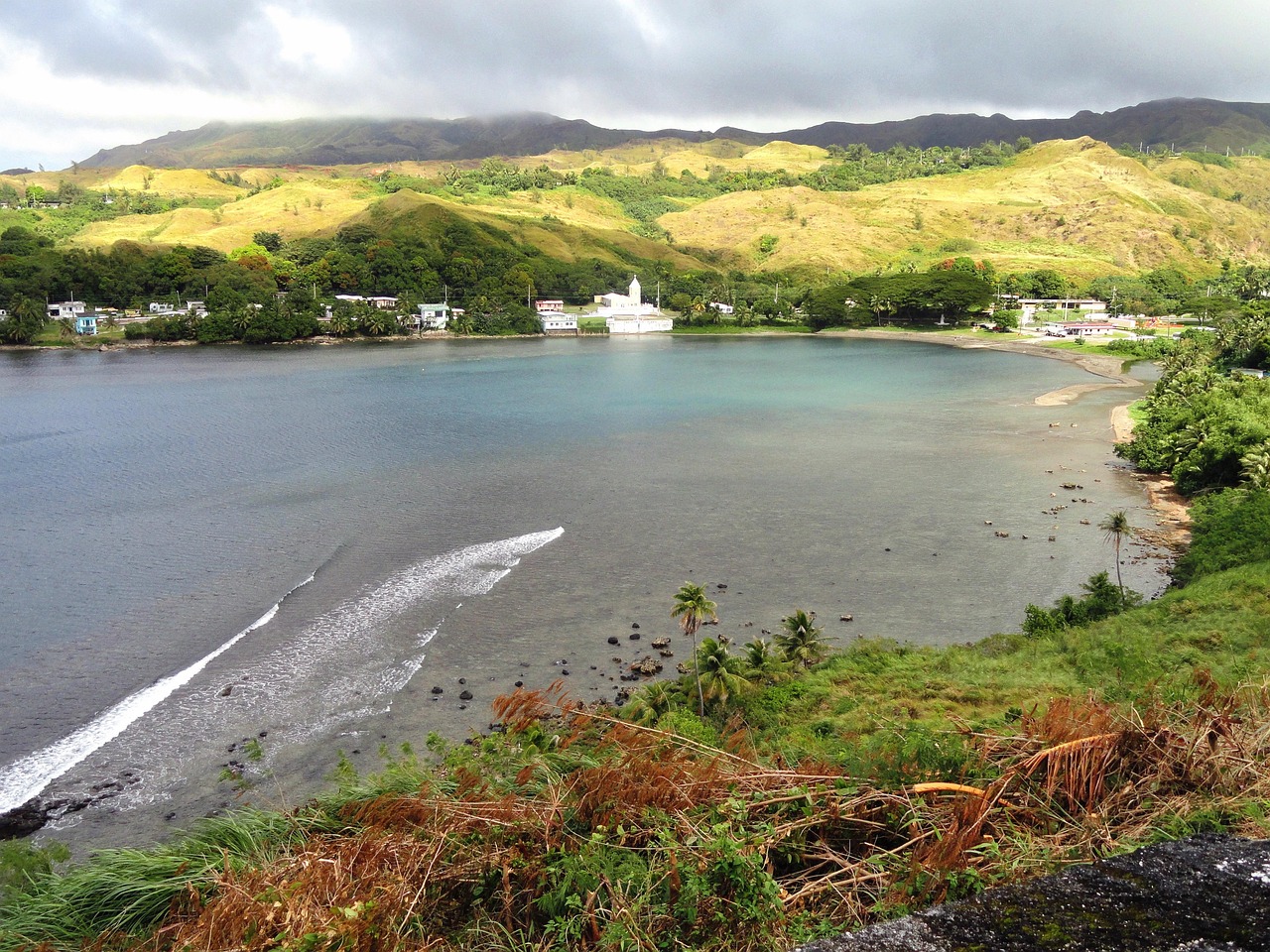
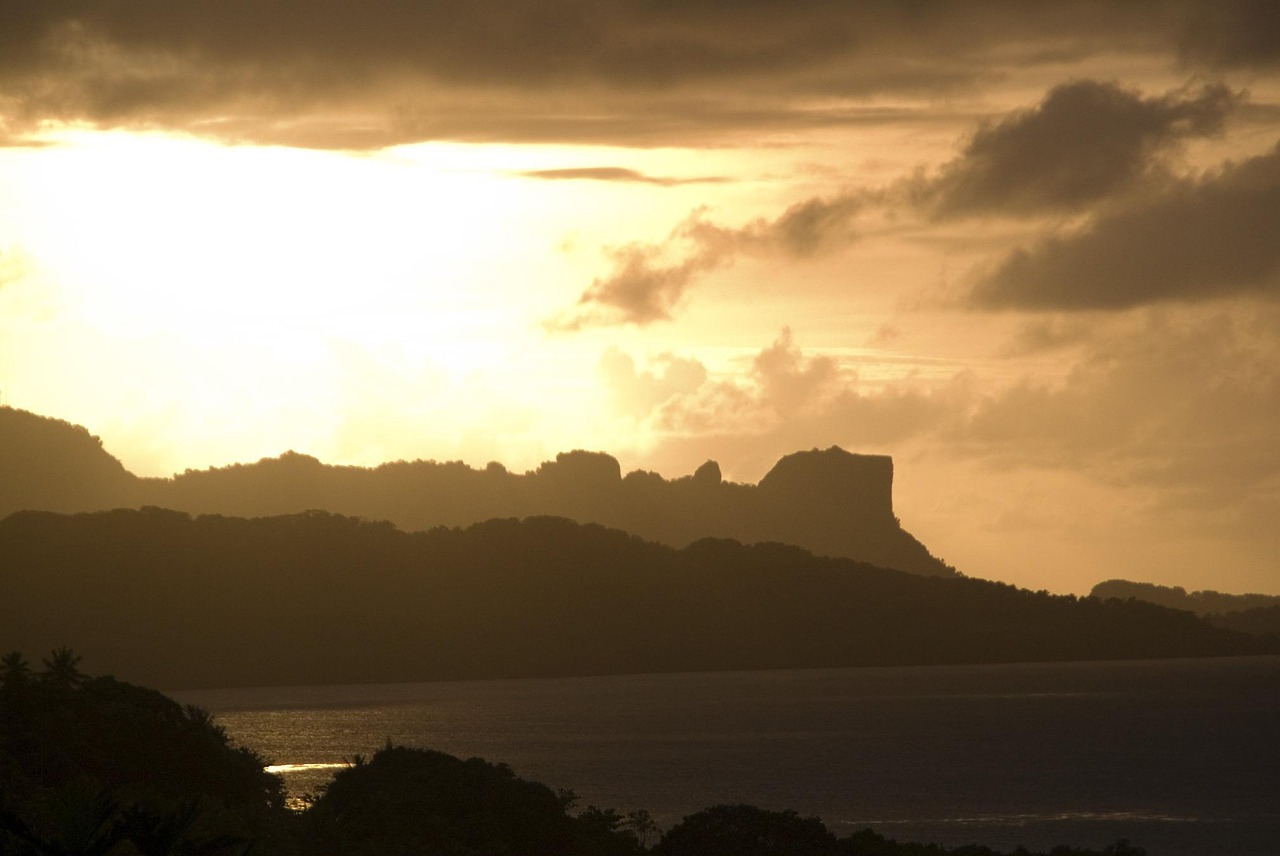
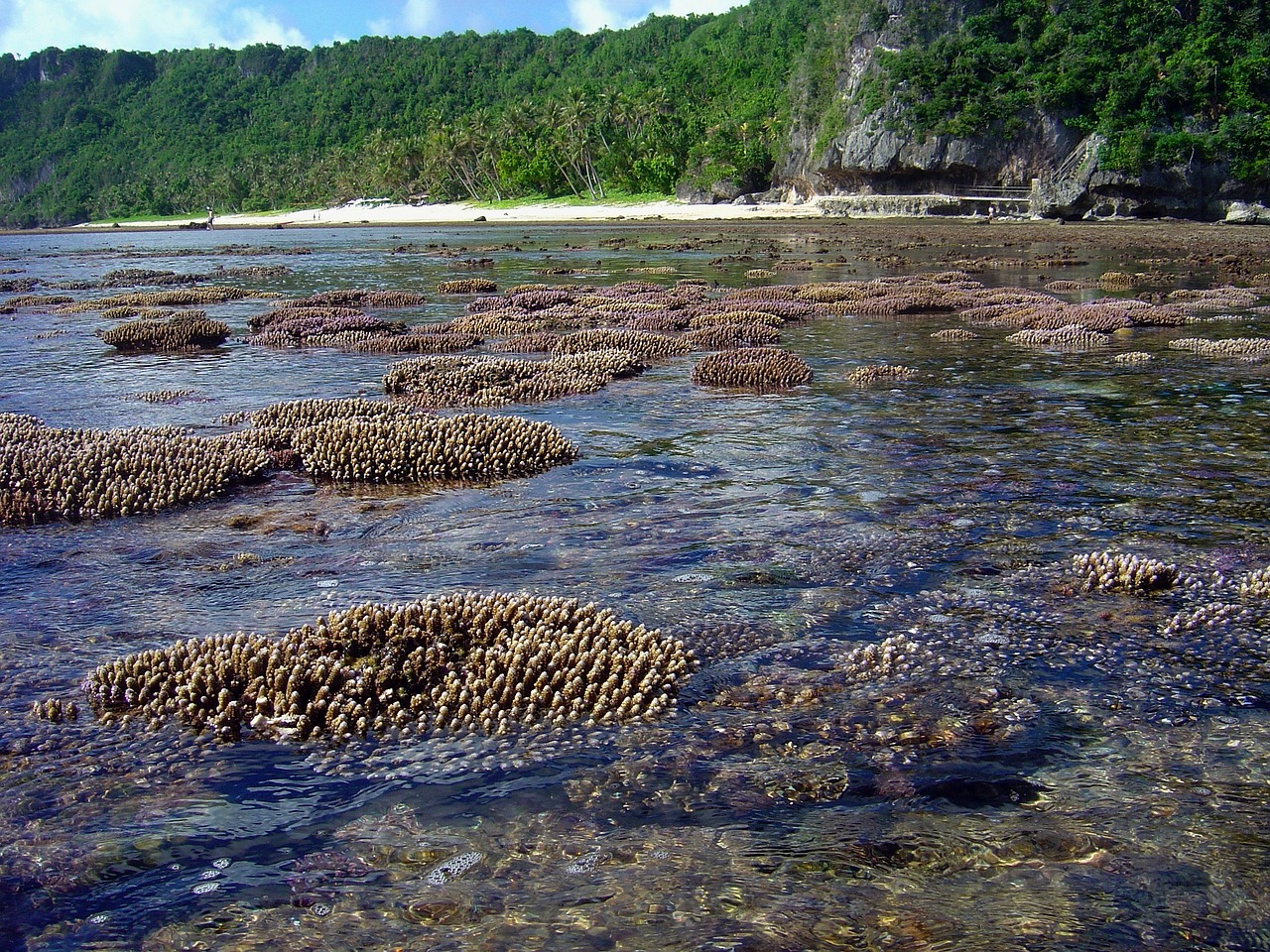
The Chamorro homeland is the Mariana archipelago, fifteen islands strung north to south for eight hundred kilometers along the edge of the deepest ocean trench on earth. Guam anchors the chain in the south, the largest island in Micronesia; north of it lie Rota, Tinian, Saipan, and a tail of volcanic islands that smoke and occasionally erupt.
The southern islands are old limestone plateaus ringed with reef, their cliffs riddled with caves that sheltered the ancient dead and, later, wartime refugees. Rivers run only on Guam’s volcanic south; elsewhere water seeps through the stone into lens-shaped aquifers that made settlement possible.
Politics divides what nature joined. Guam is an unincorporated territory of the United States, seized in 1898, while the fourteen northern islands form the Commonwealth of the Northern Mariana Islands, a separate American polity since 1978. One people thus lives under two flags of the same nation, neither with full voting rights in it.
The sea remains the other half of the homeland. The Marianas Trench Marine National Monument guards the abyssal waters, the reef flats still feed families, and the horizon that once carried the sakman canoes now carries a steady traffic of kin between Guam, Saipan, and the diaspora.

Latte Stones, Sakman Canoes, and the Ancient Life
Ancient Chamorro villages stood on stone. The latte, a carved limestone pillar crowned with a hemispherical capstone, was raised in paired rows of eight, ten, or twelve, and on these platforms the high-roofed houses of chiefs and the sheds of the great canoes were built. The largest, the House of Taga on Tinian, used stones five meters tall, and quarries with half-cut pillars still lie where the workers left them.
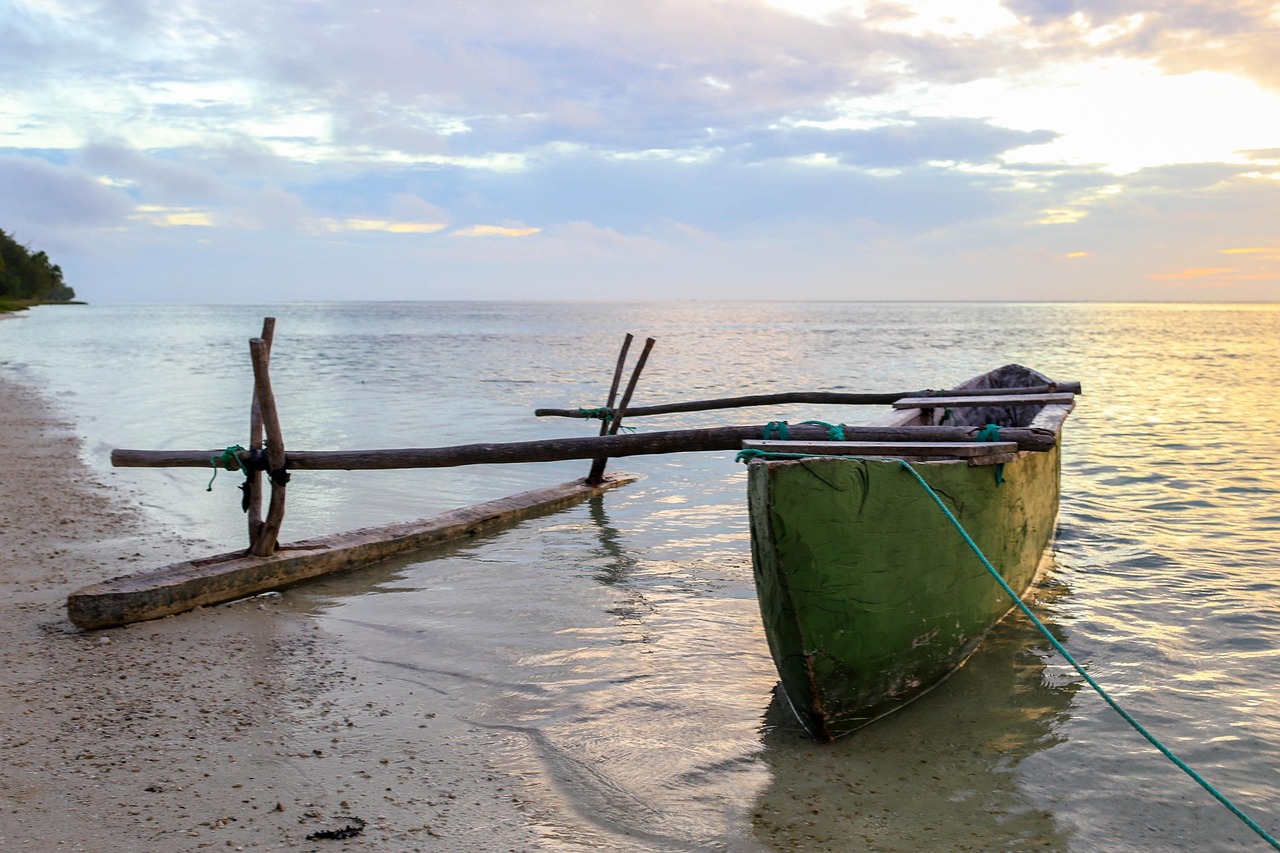
On the water the Chamorro were unmatched. Their sakman, swift single-outrigger canoes with lateen sails of woven mats, could reverse direction by shunting the sail from end to end, and the first Europeans clocked them running rings around their ships. Magellan’s chroniclers called the Marianas the Islands of the Lateen Sails before any other name stuck.
The economy wove sea and garden together: rice, unique in the pre-contact Pacific to the Marianas, grew in the wet south, alongside taro, yams, breadfruit, and coconut; men fished the reef and the deep with hooks of shell, nets, and weirs. Trade moved quarried stone, rice, and shell valuables up and down the island chain.
Society had three ranks, the chamorri nobles of the coast, a middle class, and the manachang inland, and rank passed through mothers. Villages competed in verse duels and canoe races, and the ancient dead were buried beneath the latte platforms of their own houses, keeping the ancestors underfoot and close.
The latte themselves grew over the centuries from knee-high supports to the colossal pillars of the late period, and their quarries, half-worked stones still rooted in the rock at As Nieves on Rota, freeze the moment the old world stopped. Modern Chamorros have made the two-piece silhouette their universal emblem, stamped on flags, licenses, and the jerseys of island teams.
The latte themselves grew over the centuries from knee-high supports to the colossal pillars of the late period, and their quarries, half-worked stones still rooted in the rock at As Nieves on Rota, freeze the moment the old world stopped. Modern Chamorros have made the two-piece silhouette their universal emblem, stamped on flags, licenses, and the jerseys of island teams.
Clans, Matriarchs, and the Duty of Inafa’maolek
Chamorro society has always run through its women. In the ancient rank system descent and title followed the mother’s line, and the eldest sister’s voice weighed as heavily as any chief’s. Spanish law and the Church overlaid a patriarchal frame, but the maga’haga, the senior women of the clans, never surrendered the household, the land papers, or the family’s memory.
The organizing ideal is inafa’maolek, usually translated as making things good for each other, interdependence as a moral order. A person exists inside a web of kin obligations, and prestige belongs to those who give, host, and show up, not those who accumulate.
Kinship is reckoned wide. The clan gathers second cousins and in-laws into one working unit that plants, builds, mourns, and celebrates together, and godparenthood, inherited from Spain, adds another layer of chosen kin. Respect is performed bodily: children still sniff the hands of their elders in the nginge’ greeting, asking a blessing.
Village life is organized through the parish, the mayor’s office, and the clan, three systems braided together. Decisions about land, the most emotional subject in the Marianas, are made in family meetings that can stretch across years and oceans, because land held since the latte era is not sold lightly.
Migration has stretched the clan across the Pacific without snapping it. Guam families livestream funerals for kin in California, chenchule’ arrives by wire transfer, and the family meeting that once filled a ranch house now fills a group chat spanning twelve time zones, still moderated, as ever, by the eldest sister.
Migration has stretched the clan across the Pacific without snapping it. Guam families livestream funerals for kin in California, chenchule’ arrives by wire transfer, and the family meeting that once filled a ranch house now fills a group chat spanning twelve time zones, still moderated, as ever, by the eldest sister.
Ancestors in the Banyan Trees
Before the missions, the Chamorro world was ordered by the aniti, the ancestral spirits, and by the skulls of forebears kept in the house and consulted before fishing or war. The makhana, spirit intermediaries, called on ancestors for rain, healing, and luck, and the first man and woman of legend, Puntan and Fu’una, made the islands from their own bodies, Fu’una becoming the rock at Fouha Bay from which people sprang.
Jesuit missionaries arrived in 1668 with the galleon trade, and within a generation the Marianas became the site of the Pacific’s first mission war. Conversion, once enforced, went deep: for three centuries the Chamorro have been among the most thoroughly Catholic peoples in Oceania, their villages named for saints, their year ordered by novenas and processions.
Yet the aniti never entirely left. They persisted as the taotaomona, the people of before, who dwell in banyan trees and ancient sites; islanders still ask their permission before entering the jungle, and disrespect is repaid with pinches, illness, or misfortune that hospital medicine cannot touch. Belief in them coexists comfortably with Sunday Mass.
Healing likewise runs on two tracks. The suruhanu and suruhana, traditional healers, treat ailments of natural and spiritual origin with massage and jungle plants, and their knowledge, once nearly lost, is now recorded and taught as cultural treasure.
Chenchule’, Fiestas, and the Web of Obligation
The great engine of Chamorro tradition is the fiesta and the exchange that surrounds it. Chenchule’, the formal gift of money, food, or labor presented at weddings, funerals, christenings, and village feasts, is recorded and remembered, to be returned in kind when the giver’s family has its own occasion. It is the ancient reciprocity of the clans wearing a modern envelope.
Life’s passages gather the whole web of kin. A funeral brings nine nights of rosaries with hundreds fed each evening; a first birthday or a wedding fills a village hall with red rice and roast pig; and at each, the maga’haga quietly directs who cooks, who serves, and who is owed.
Older arts persist inside the Catholic frame and increasingly outside it. Chanted verse and the improvised debate poetry called Kantan Chamorrita echo the ancient song duels; weaving demonstrations, coconut husking, and blacksmithing of the machete-like tools of the ranch fill cultural festivals; and respect protocols toward elders remain the daily grammar of island life.
Since the 1980s a deliberate cultural renaissance has rebuilt what empire eroded, from orthography reform to the revival of seafaring, and Guam’s hosting of the Festival of Pacific Arts in 2016 marked its coming of age.
Weaving, Carving, and the Return of the Navigators
Chamorro hands have always worked pandanus and coconut leaf. Weavers plait hats, baskets, mats, and the fans that cool every fiesta table, and masters of the art demonstrate at every cultural gathering, their fingers moving faster than the eye. Body ornaments of Spondylus shell, the orange-red treasure of the ancient Marianas, are again carved and worn with pride.
Carving turned serious with the renaissance. Craftsmen shape replicas of the sinahi, the crescent clamshell pendant of the ancient nobility, now the most visible marker of Chamorro identity on necklines from Hagåtña to San Diego, and latte-stone forms appear in jewelry, monuments, and architecture across the islands.
The proudest revival is the canoe. The art of building and navigating the sakman died in the seventeenth century, when Spanish authorities burned the canoes to stop escapes; three centuries later, Chamorro builders relearned the craft from surviving drawings and from master navigators of the Caroline Islands, whose stick charts and star courses preserved what the Marianas had lost.
Today sailing societies on Guam and Saipan launch full-scale sakman, young crews cross between the islands by the old star paths, and the fastest canoe of the ancient Pacific once again carries its own people.

Red Rice, Kelaguen, and the Fiesta Table
The center of every Chamorro table is the fiesta plate: red rice colored with achote seed, chicken kelaguen sharp with lemon and hot pepper, barbecue ribs, and finadene, the soy, vinegar, and pepper sauce that goes on everything. The cuisine is the history of the islands served warm, Austronesian roots, Spanish and Mexican seasonings from the galleon years, Filipino kinship dishes, and American abundance.
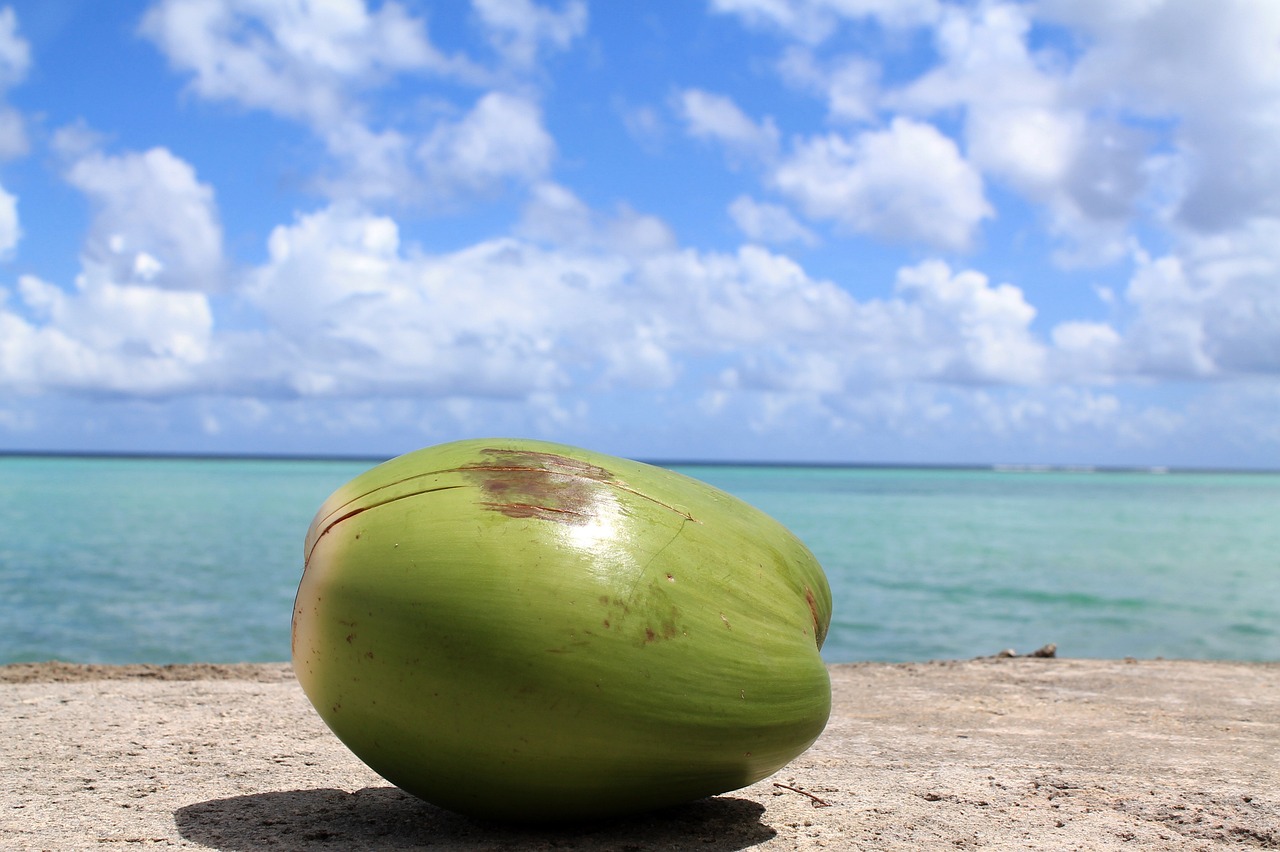
Kelaguen is the island’s signature invention, meat, shrimp, or fish cooked without fire in citrus and salt, folded with grated coconut. Kadon pika, spicy coconut stews, taro and breadfruit from the ranch, and the coconut in every form from tuba sap to shredded flesh keep the older Pacific pantry alive.
The galleon trade left corn as deep as any Spanish word: titiyas, flat cakes of corn or flour, sit beside rice at family meals, a tortilla that sailed west from Mexico and stayed four centuries.
Food is the language of inafa’maolek. No visitor leaves a Chamorro house unfed, no fiesta guest departs without a balutan, a wrapped plate for home, and the size of a family’s table at a christening is a public statement of its place in the web of giving.
Breadfruit roasted whole in its skin, mangoes with salt and pepper vinegar, and the patient coconut crab round out the island appetite, and the ranch, the family plot in the jungle, still supplies the fiesta pig and the hot peppers no store-bought jar can replace.
Breadfruit roasted whole in its skin, mangoes with salt and pepper vinegar, and the patient coconut crab round out the island appetite, and the ranch, the family plot in the jungle, still supplies the fiesta pig and the hot peppers no store-bought jar can replace.
Village Saints and Island Celebrations
Every village in the Marianas belongs to a saint, and every saint gets a fiesta. Through the year the calendar moves from village to village, a novena of evening prayers building to a procession through the streets and a feast open to practically anyone who arrives. For Chamorro families, the home village fiesta is the fixed star of the year, drawing kin back from military bases and mainland cities.
On Guam the grandest occasions are Santa Marian Kamalen’s procession each December, when thousands walk with the centuries-old image of the island’s patroness through Hagåtña, and Liberation Day on July 21, marking the American return in 1944, honored with a carnival and a parade in which the memory of the occupation’s survivors leads the line of march.
In the Northern Marianas, Saipan’s tourism-era festivals joined the saints’ days, and the Flame Tree Arts Festival each spring fills the island with carving, weaving, dance, and the scarlet blossom that gives it its name.
The biggest stage of all rotates across the ocean: at the Festival of Pacific Arts, held every four years, Chamorro delegations of navigators, weavers, chanters, and dancers stand with the other nations of Oceania, a people counted again among the Pacific’s living cultures.
Smaller observances keep the older calendar breathing beneath the saints’ days: blessings of new canoes, moon-counted fishing seasons, and the quiet Novena of the souls each November, when families clean the graves and the whole island smells of candle wax and plumeria.
Smaller observances keep the older calendar breathing beneath the saints’ days: blessings of new canoes, moon-counted fishing seasons, and the quiet Novena of the souls each November, when families clean the graves and the whole island smells of candle wax and plumeria.
Spain, America, and the Longest Colonial Road
Contact began with violence: Magellan’s 1521 landfall ended in burned houses and dead islanders over the taking of a skiff, and he named the islands for thieves. In 1668 Spain planted the Pacific’s first colonial mission in the Marianas, and within thirty years war, forced resettlement, and epidemic had reduced a population of many tens of thousands to a few thousand souls gathered under the bells of Guam.
That the people survived at all is the central fact of Chamorro history. Survivors intermarried with Spanish, Mexican, and Filipino soldiers and settlers while holding land, language, and the maternal clans; the culture bent around empire and did not break.
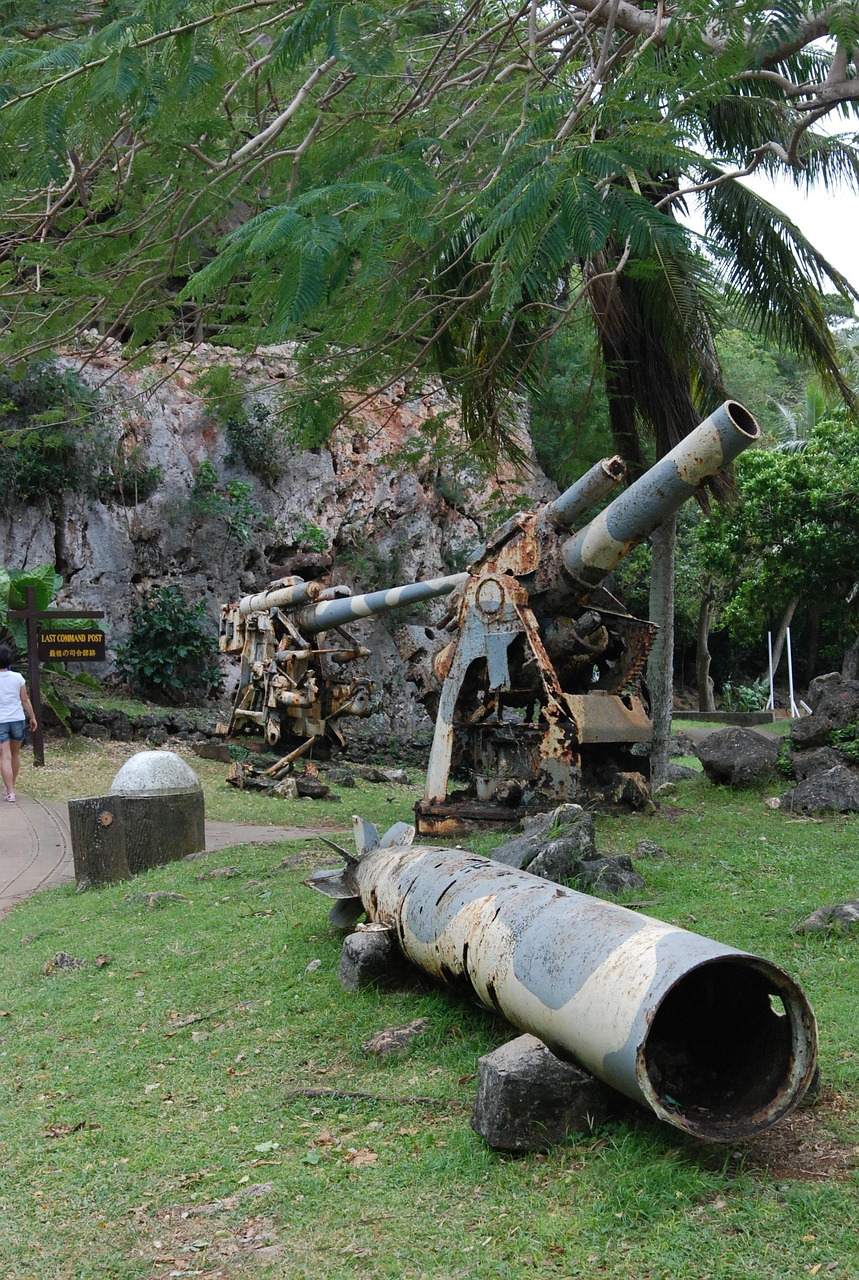
Empires kept trading the islands over their heads: Spain lost Guam to the United States in 1898 and sold the northern islands to Germany, which lost them to Japan in 1914. In December 1941 Japan seized Guam, and for thirty-one months its people endured forced labor, internment, and massacre; the American reconquest of 1944 that ended the occupation also flattened Hagåtña and took the land for bases.
After the war Guam’s people won citizenship in 1950 but no vote for president and no voting member of Congress, while the northern islands chose commonwealth in the 1970s. The wounds and loyalties of that century still shape every island debate.
Every July the survivors of the occupation, fewer each year, ride at the head of the Liberation Day parade, and their claims for war reparations, finally paid seven decades late, taught a younger generation how long the ledgers of empire stay open. History in the Marianas is not an academic subject; it is the explanation for where the fences run.
Every July the survivors of the occupation, fewer each year, ride at the head of the Liberation Day parade, and their claims for war reparations, finally paid seven decades late, taught a younger generation how long the ledgers of empire stay open. History in the Marianas is not an academic subject; it is the explanation for where the fences run.
Chamorro Voices in a Strategic Century
Roughly 150,000 people of Chamorro descent live in the United States and its Pacific territories today, and for the first time in their history most live away from the islands, in California, Washington, Texas, and around military bases worldwide. On Guam, Chamorros remain the largest ethnic group at about a third of the population; in the Northern Marianas they share the islands with a majority-Asian population drawn by the garment and tourism booms.
Guam’s strategic weight presses on daily life. A third of the island is held by the American military, a Marine base rose on contested ground at Ritidian despite protest, and the island’s location, closer to Beijing than to Hawaii, places it in the crosshairs of every regional crisis. Chamorro activists press for the decolonization vote long promised, for the return of unused federal land, and for a voice in the decisions made about their home.
Military service is meanwhile woven into modern identity; the Marianas enlist at some of the highest rates under the flag, and fiesta tables set places for kin deployed abroad. The same family may hold protest signs and dress blues without contradiction.
Against the erosions of empire, base, and diaspora, the culture is visibly regathering: the language taught to children, the sakman on the horizon, the sinahi on young necks, and inafa’maolek still setting the table. Four thousand years after the first canoes made landfall, the taotao tano’ remain the people of their land.
Tourism, the other pillar of the economy, sells the islands’ beauty to visitors from Japan and Korea, and Chamorro cultural performers walk a careful line between sharing the culture and staging it. The question of who the islands are for, raised the day Magellan anchored, has still not been fully answered.
Tourism, the other pillar of the economy, sells the islands’ beauty to visitors from Japan and Korea, and Chamorro cultural performers walk a careful line between sharing the culture and staging it. The question of who the islands are for, raised the day Magellan anchored, has still not been fully answered.
Related Peoples of the Region
- Pitjantjatjara People of the Western Desert and Their Sacred Heart at Uluru
- Warlpiri People of the Tanami Desert and Their World of Sand and Story
- Arrernte People of the Red Centre and Their Songlines Across the Desert
- Yolngu People of Arnhem Land and Their Unbroken Law of Two Worlds
- Maori People of Aotearoa and Their World of Marae, Haka, and the Long Voyage
- Maori People of Aotearoa and Their World of Marae, Haka, and the Long Voyage
- Kanak People of New Caledonia and Their Three Thousand Years on the Great Land
- Kanak People of New Caledonia and Their Three Thousand Years on the Great Land