In the western Pacific, where tradition says the creator Tagaloa first set the world in order, lies the archipelago many scholars call the cradle of Polynesia. The Samoans have held their islands for three thousand years without conquest or removal, and their way of life, fa’a Samoa, with its chiefs chosen by families, its walls-free houses, its fine mats and hand-tapped tattoos, remains one of the most intact indigenous social orders on earth.
This portrait follows the Samoan people across both modern Samoas and their worldwide diaspora: the sacred center their name proclaims, a language of two registers, the rule of the matai and the road of service, the church bell that orders the day, the umu smoke of Sunday, and a history in which three empires divided the islands and one unarmed movement won them back.
Contents
- Cradle of Polynesia in the Western Sea
- Sacred Center, the Meaning of Samoa
- Gagana Samoa, a Speech of Two Registers
- Upolu, Savai’i, and the Islands of Tutuila
- Open Houses and the Old Rhythm of the Villages
- Fa’a Samoa and the Rule of the Matai
- From Tagaloa to the Village Bell
- ‘Ava, Tatau, and the Fine Mats of Honor
- Builders, Weavers, and the Art of the Fale
- Umu Stones, Taro, and the Feast of Sunday
- Teuila Nights and the Season of Return
- Three Powers, One People, Two Samoas
- A Global Nation with a Village Heart
Cradle of Polynesia in the Western Sea
If Polynesia has a cradle, it rocks in the western Samoan islands. Lapita voyagers reached them around three thousand years ago, and it was in the archipelago they share with neighboring Tonga that the distinct Polynesian culture and language crystallized over the following thousand years. From these shores the great voyages east to Tahiti, the Marquesas, and beyond were launched; Samoan tradition never forgot the primacy, and other islanders long acknowledged it.
Samoan genealogies reach back dozens of generations to chiefs descended from Tagaloa, the creator, and unlike most of the Pacific, Samoa has no tradition of arriving from elsewhere. In the Samoan telling, the islands were not found; people began there. Archaeology agrees at least this far: the settlement of Samoa is among the oldest in Polynesia, with the earliest site, at Mulifanua, dated to about 800 BC and now lying beneath the lagoon.
For the next three millennia the islands were never isolated. Chiefs married across the water to Tonga and Fiji, wars and dynasties tangled the three archipelagos together, and the tools of Samoan basalt found on distant atolls show the reach of its quarries and canoes.
That deep, unbroken occupation is the bedrock of the culture’s confidence. Fa’a Samoa, the Samoan way, is spoken of not as heritage to be recovered but as a continuous possession, three thousand years old and never surrendered.
The chiefly system itself is the best archive of that antiquity. Titles like the Tui Manu’a, claimed as the oldest sovereignty in Polynesia, encode centuries of alliance and precedence, and when Samoan orators contest a point of history they cite genealogies the way lawyers cite cases, with the same expectation of being checked.
The chiefly system itself is the best archive of that antiquity. Titles like the Tui Manu’a, claimed as the oldest sovereignty in Polynesia, encode centuries of alliance and precedence, and when Samoan orators contest a point of history they cite genealogies the way lawyers cite cases, with the same expectation of being checked.
Sacred Center, the Meaning of Samoa
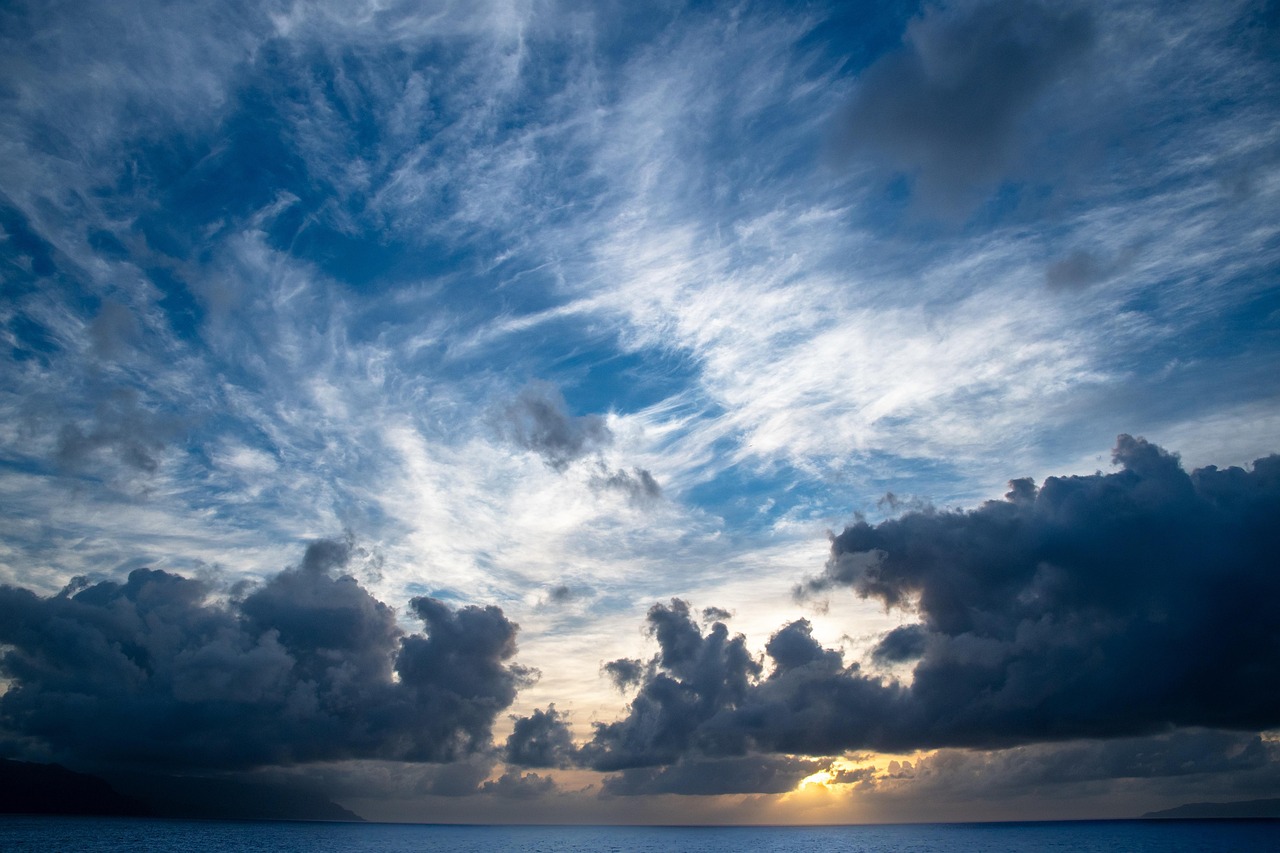
Samoan tradition explains the name Samoa as the sacred center, from sa, sacred, and moa, center, the place where the creator Tagaloa first called the world into order. Other tellings link moa to a chiefly line or to the moa bird; as with most things Samoan, the genealogical explanations are argued with relish and settled by rank and oratory.
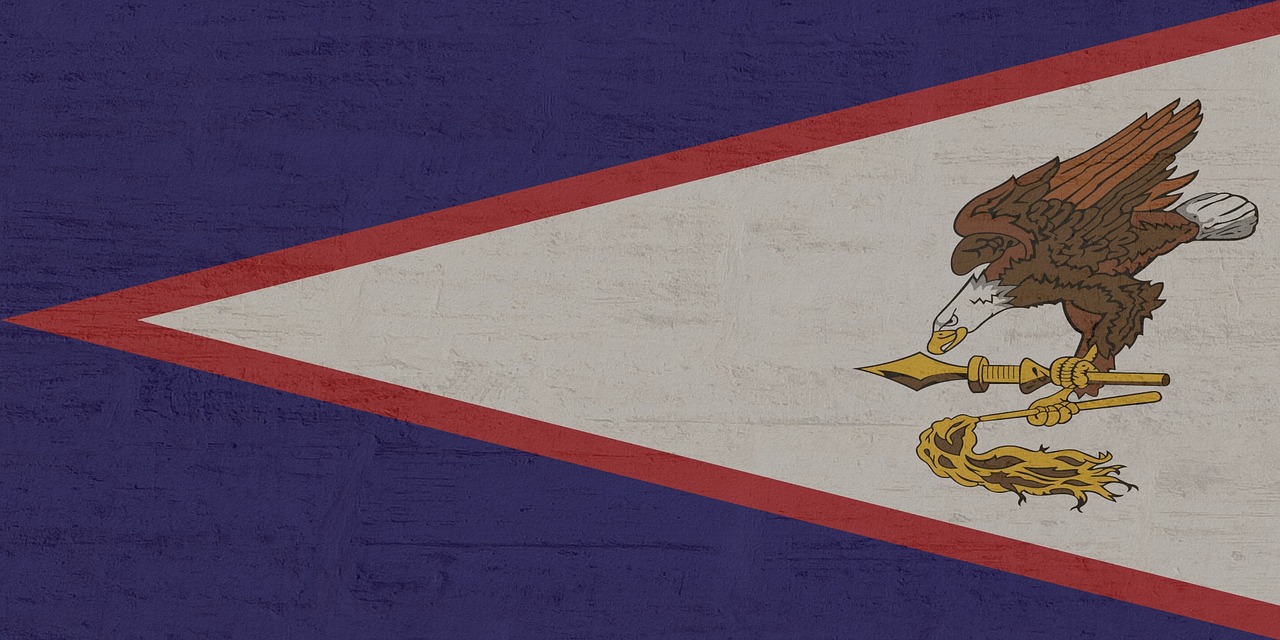
Whatever its origin, the name held while empires carved the archipelago in two. The western islands, once German Samoa, became the independent State of Samoa, known until 1997 as Western Samoa; the eastern islands remain American Samoa, an unincorporated territory of the United States. The people on both sides are one nation in language, custom, and kinship.
Samoans also carry the proud phrase tama a le eleele, children of the soil, and the culture’s own name for itself, fa’a Samoa, does the work that constitutions do elsewhere, naming at once a people, a way of life, and a claim about how the world should run.
The 1997 constitutional amendment that dropped Western from the country’s name was itself a statement: there is one Samoa, and the qualifiers belong to history.
Gagana Samoa, a Speech of Two Registers
Gagana Samoa is one of the oldest and most conservative of the Polynesian languages, closest to the ancestral speech that once linked the whole triangle from Hawaii to New Zealand to Rapa Nui. A Samoan hears family resemblances in Tongan, Tahitian, and Maori, but Samoan alone has kept archaic sounds and vocabulary the others shed, which is one reason linguists prize it.
Its most distinctive feature is social: Samoan runs on two registers. Everyday speech serves the household and the plantation, while an elevated chiefly register, with its own vocabulary for the persons and acts of the high-ranking, governs the ceremonial ground. To address a matai with commoner words is not informality but insult, and mastery of the polite register is the mark of an educated Samoan.
Oratory is the national art. The tulafale, the talking chief, wields proverb, genealogy, and scriptural allusion in speeches that can decide a village’s fortune, and the fue whisk and to’oto’o staff he carries are the regalia of the spoken word itself.
Unlike many Pacific languages, Samoan is not endangered; it is the daily tongue of the independent state, strong in American Samoa, and the second most spoken language in New Zealand homes after English and te reo. Diaspora radio, church services, and language weeks in four countries keep the two registers alive far from the lagoon.
The language also carries the islands’ humor and steel. Proverbs do the arguing in council, lullabies preserve village history, and the pointed courtesy of the chiefly register can flay a rival while flattering him, an art Samoans consider the true measure of intelligence.
The language also carries the islands’ humor and steel. Proverbs do the arguing in council, lullabies preserve village history, and the pointed courtesy of the chiefly register can flay a rival while flattering him, an art Samoans consider the true measure of intelligence.
Upolu, Savai’i, and the Islands of Tutuila
The Samoan archipelago rises mid-ocean, roughly halfway between Hawaii and New Zealand. The independent state holds the two great islands of Upolu, with the capital Apia, and Savai’i, one of the largest islands in Polynesia, a shield volcano whose lava fields swallowed villages as recently as 1911. Eastward lie Tutuila with the deep harbor of Pago Pago, and the Manu’a group, seat of the archipelago’s most ancient chiefly title, together forming American Samoa.
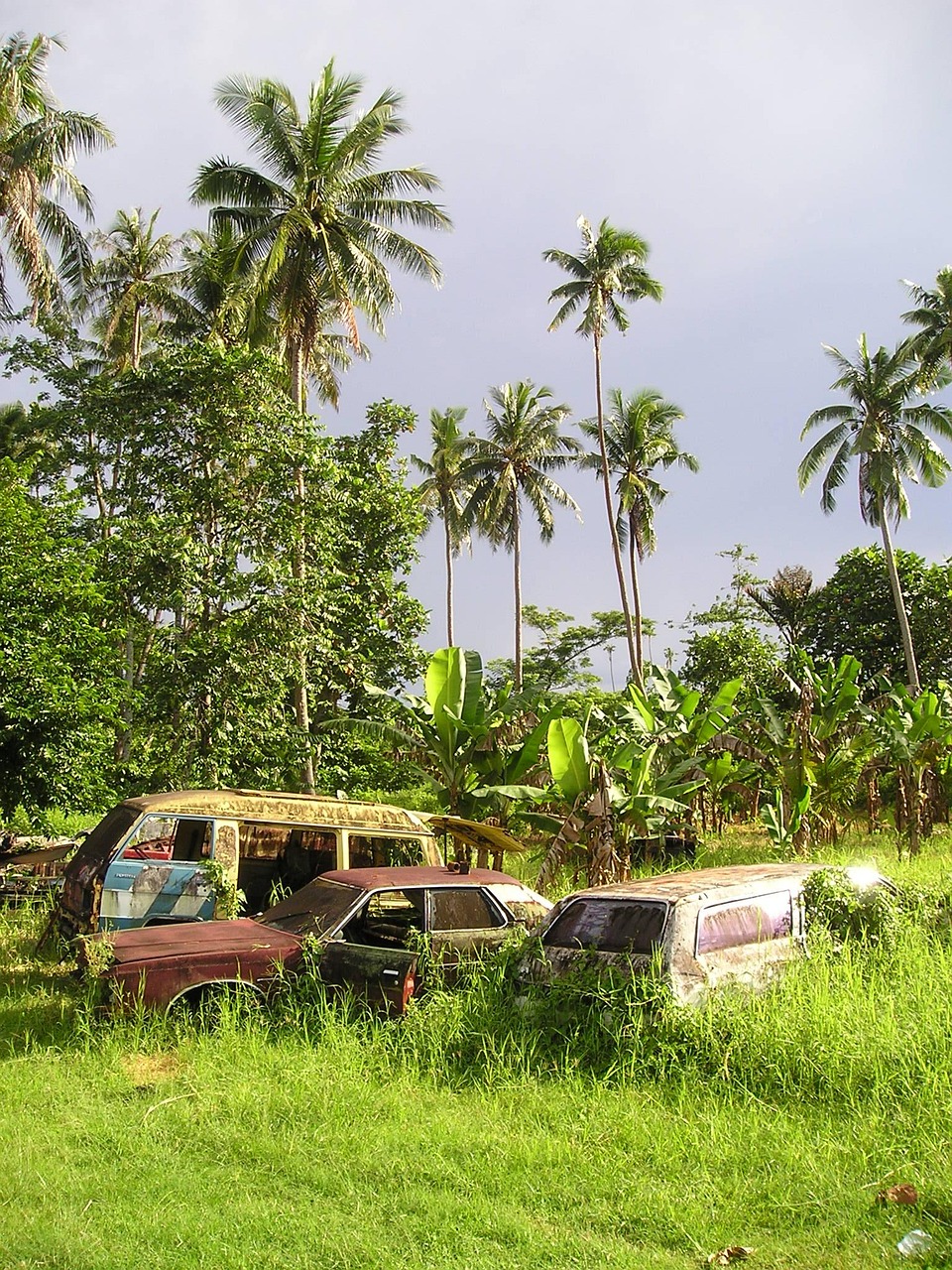
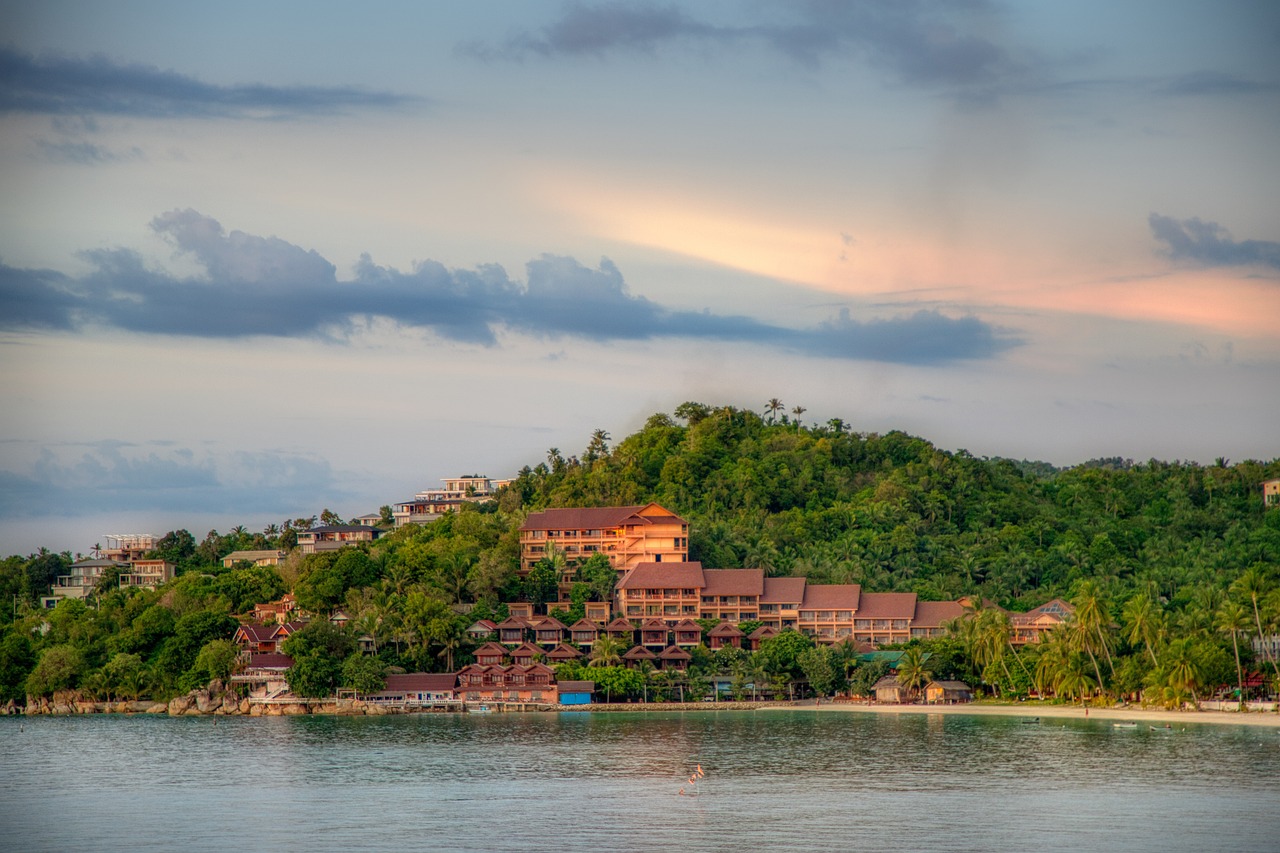
The islands are volcanic and lush, ringed by reef and lagoon, their interiors climbing through plantation belts of taro and coconut into rainforest and cloud. Waterfalls drop from the plateaus, and the blowholes of the lava coasts throw sea spray high over the roads.
Nearly all land, more than four fifths in the independent state, is customary, held by the extended families under the stewardship of their matai and inalienable by sale. The village, not the state, controls its lands and lagoons, and village councils still declare conservation closures in the old manner.
Cyclones and earthquakes are the homeland’s hard edge; the tsunami of September 2009 took nearly two hundred lives on the southern coasts. Villages rebuilt inland and uphill, as Samoan villages always have, and the reef flats filled again with fishers within the year.

Open Houses and the Old Rhythm of the Villages
The Samoan village turned its face to the malae, the open ceremonial green, ringed by the great oval houses called fale. A fale has no walls, only a dome of thatch on a circle of posts, with woven blinds lowered against rain; life inside is visible to the village, and privacy as the West knows it was neither possible nor prized. The architecture is a philosophy: an open society, ventilated by scrutiny.
Days moved with the tides and the plantations. Men worked family lands of taro, banana, and coconut inland and fished the lagoon from outrigger canoes; women kept the household economy, wove the mats that measured wealth, and gleaned the reef. Evening brought the sa, the village-wide pause for prayer, still marked today by a bell and a few minutes when traffic itself stops.
Great occasions turned on exchange. Fine mats and bark cloth moved against pigs and taro in the malaga visiting parties that knit villages together, and a marriage or a funeral was judged by the wealth that changed hands across the malae.
War came often enough, fought by village alliances over titles and precedence, but it was hedged by ritual and usually ended in the redistribution of honors. The deeper contest, then as now, was oratory on the malae, where a talking chief could win with a genealogy what others sought with clubs.

Fa’a Samoa and the Rule of the Matai
Fa’a Samoa rests on the aiga, the extended family, and the matai, the chief who leads it. Every Samoan belongs to one or more aiga, and each aiga holds chiefly titles conferred by consensus on the members, men or women, judged most able to serve. The matai administers family lands, speaks for the family in the village council, and answers for its conduct; in the independent state, only matai may stand for most parliamentary seats.
Titles rank into an aristocracy of astonishing intricacy. Ali’i, high chiefs, hold dignity and precedence; tulafale, orator chiefs, hold the word and the protocol. Above the villages rise the great paramount titles whose holders once contended for the informal kingship of all Samoa, and whose genealogies remain the archipelago’s high politics.
Service is the ladder of the system: o le ala i le pule o le tautua, the road to authority is service, is the most quoted proverb in the language. Young people serve their matai and aiga, remittances from Auckland or Honolulu counting as modern tautua, and in time the diligent server is called to a title.
The village council of matai, the fono, governs daily life with a firmness states envy, ruling on everything from curfews to land disputes, its sanctions running from fines of pigs and fine mats to the rare and dreaded banishment.
Critics inside and outside the islands debate the system’s frictions with individual rights, and reformers have loosened it at the edges, universal suffrage since 1990, women’s committees with real power, matai titles increasingly held by daughters and by clerks in distant cities. The structure absorbs the amendments as it has absorbed everything else, by making them serve the aiga.
Critics inside and outside the islands debate the system’s frictions with individual rights, and reformers have loosened it at the edges, universal suffrage since 1990, women’s committees with real power, matai titles increasingly held by daughters and by clerks in distant cities. The structure absorbs the amendments as it has absorbed everything else, by making them serve the aiga.
From Tagaloa to the Village Bell
The old Samoan cosmos descended from Tagaloa, the creator who dwelt in the ninth heaven and whose acts of ordering raised the islands from the sea. Yet ancient Samoa wore its religion lightly by Polynesian standards, with no walled temple precincts or priestly caste to rival Tahiti’s; the sacred ran instead through chiefs, ancestors, and the protocols of the malae.
Missionaries of the London Missionary Society arrived in 1830 aboard the Messenger of Peace, and Samoa converted with a speed that astonished them. Tradition eased the way: the war goddess Nafanua had prophesied a new authority from the sea, and the missionary John Williams landed, by grace or good staging, at her own district of Savai’i.
Christianity was absorbed into fa’a Samoa so completely that the two are now inseparable. The pastor stands beside the matai at the head of the village, his house often the finest on the malae; families compete in church building and offering; and the constitution of the independent state declares Samoa founded on God.
Sunday is the culture’s weekly festival: white-clad congregations fill the churches, hymnody in parts shakes the rafters, and the umu smokes before dawn so that the great to’ona’i lunch can follow the service. The evening prayer bell still empties the roads, a daily reminder that in Samoa the sacred keeps village hours.

‘Ava, Tatau, and the Fine Mats of Honor
Ceremony in Samoa begins with ‘ava. The dried root of the kava plant is pounded, mixed in the carved tanoa bowl, and served in coconut-shell cups in an order that maps the whole hierarchy of the gathering, each cup announced by the herald’s cry. No high visitor is received, no title conferred, and no great undertaking launched without the round of ‘ava on the malae.
On the body, tradition is written in ink. The male tatau, the pe’a, covers the waist to the knees in dense geometric work, applied over weeks with hand-tapped combs in a rite of endurance that has never lapsed; the female malu marks the thighs with a lighter lace. The tufuga ta tatau, the tattoo masters, hold hereditary rank, and Samoans call the unfinished tattoo the mark of shame that spurs completion.
Wealth still means fine mats. The ‘ie toga, woven of split pandanus to the softness of linen over months and years, are the currency of honor, exchanged in their dozens and hundreds at weddings, funerals, and title bestowals, each with its name and history recited.
Dance completes the repertoire: the graceful taualuga of the chief’s daughter closes every great occasion, the slap-dance of the men thunders beside it, and the fire knife whirled at festival nights descends from the war dance of the warrior’s blade.

Builders, Weavers, and the Art of the Fale
The master builders of Samoa, the tufuga fai fale, raise the great domed houses without a single nail, lashing breadfruit-wood ribs with kilometers of hand-plaited coconut sennit in patterns that are themselves an art. The guild of builders negotiates with a family as an equal power, feasted and paid in fine mats, and the finished fale tele stands as the family’s public face on the malae.
Women’s hands hold the archipelago’s treasury. Beyond the supreme ‘ie toga, they beat and stencil siapo bark cloth with dyes of earth and candlenut, weave the everyday mats and baskets of the household, and string the red pandanus seeds and shells of ceremonial dress. A bride’s side arrives at a wedding under a mountain of such work.
Men’s carving is spare and sure: the tanoa kava bowls on their many legs, war clubs and orator’s staffs, and the slim racing fautasi longboats that fly across Apia harbor each flag day behind forty rowers.
The craft register has adjusted to the age without breaking: sewing machines hum on puletasi and elei prints, builders bolt cyclone strapping beneath the thatch, and the tattoo masters’ combs, alone in the toolkit, remain exactly what they were.

Umu Stones, Taro, and the Feast of Sunday
Samoan cooking begins with the umu, the above-ground oven of fire-heated basalt stones laid each Sunday morning behind the houses. Onto the stones go taro and breadfruit, whole fish, and parcels of palusami, young taro leaves filled with coconut cream, all covered with banana leaves and left to steam while the village is at church.
Coconut cream is the cuisine’s signature, pressed fresh through the fibers of the husk into almost everything; taro is its bread and its pride, the crop a matai’s plantation is judged by. From the lagoon come reef fish eaten raw in lime and coconut as oka, octopus, crab, and the palolo worm whose one moonlit rising a year empties the villages onto the reef with lanterns and nets.
Feasting is the grammar of every occasion, and quantity is rhetoric: at a fa’alavelave, the trays of roast pig, tinned corned beef, and taro that pass between families are counted aloud, for food given is honor stated.
The diaspora kitchen has folded in new staples, and health campaigns now push back against the tinned and fried abundance; the answer being preached from pulpits and health fales alike is a return to the plantation plate, taro, fish, and coconut, the diet that built the islands.
Visitors are drawn into the system at the first meal: the guest eats first and best, watched with pleasure, and refusing a second helping requires diplomacy. Hospitality in Samoa is not a courtesy extended to strangers; it is a public performance of the family’s honor.
Visitors are drawn into the system at the first meal: the guest eats first and best, watched with pleasure, and refusing a second helping requires diplomacy. Hospitality in Samoa is not a courtesy extended to strangers; it is a public performance of the family’s honor.

Teuila Nights and the Season of Return
The showcase of the Samoan year is the Teuila Festival, held in Apia each September and named for the red ginger flower. For a week the waterfront fills with kapa haka’s Samoan cousins: village dance troupes, brass bands, tattooing demonstrations, umu competitions, and the crowning of the Miss Samoa whose title tours the diaspora. It is the season when overseas families time their returns.
Independence is celebrated hard on the first of June, marking 1962, when Samoa became the first Pacific island state to reclaim sovereignty. Flag Day in American Samoa each April answers it across the strait, with fautasi longboat races across Pago Pago harbor and oratory under the mountain.
White Sunday in October belongs to the children, who lead the services in new white clothes, recite and perform to beaming congregations, and are served first at the feast, a reversal that measures how completely the church calendar became the Samoan one.
Beneath the national dates runs the endless village cycle of fa’alavelave, the weddings, funerals, title bestowals, and church openings that gather hundreds and redistribute wealth. Samoans joke ruefully about their cost; no one proposes doing without them, for they are where fa’a Samoa performs itself.
Even the smallest village fiafia night, with its shilling dances and skits at the pastor’s fundraiser, follows the deep pattern: performance as gift, laughter as glue, and the takings announced to applause, honor and account book kept in the same breath.
Even the smallest village fiafia night, with its shilling dances and skits at the pastor’s fundraiser, follows the deep pattern: performance as gift, laughter as glue, and the takings announced to applause, honor and account book kept in the same breath.

Three Powers, One People, Two Samoas
The nineteenth century brought traders, missionaries, and then three empires at once. Germany, Britain, and the United States backed rival chiefly factions through decades of intrigue and civil war, their gunboats facing off in Apia harbor in 1889 until a hurricane sank six of them and forced a conference instead. In 1899 the powers simply divided the islands: Germany took the west, America the east, and Britain took compensation elsewhere.
New Zealand seized German Samoa in 1914 and governed it badly. The influenza ship Talune, negligently cleared in 1918, killed more than a fifth of the population; in 1929 police fired on a peaceful procession of the Mau independence movement, killing the paramount chief Tupua Tamasese among others. The Mau’s discipline, nonviolent and total, made the colony ungovernable and its cause unanswerable.
Independence came at last in 1962, first in the island Pacific, under a constitution that fused parliament with the matai system. New Zealand formally apologized in 2002 for the Talune and Black Saturday; the graves had waited eighty years.
American Samoa walked another road, keeping its lands and titles under a distant flag; its people are American nationals, not citizens, and their sons and daughters enlist at famous rates. The two Samoas mark each other’s holidays across a border their families cross constantly.
Memory of the division is kept without bitterness but without forgetting: the anniversary of the 1929 shooting is a national day of mourning in the independent state, and the hurricane of 1889 that drowned the imperial squadrons is retold with a certain satisfaction, as the day the sea took the side of the islands.
Memory of the division is kept without bitterness but without forgetting: the anniversary of the 1929 shooting is a national day of mourning in the independent state, and the hurricane of 1889 that drowned the imperial squadrons is retold with a certain satisfaction, as the day the sea took the side of the islands.

A Global Nation with a Village Heart
Around 220,000 people live in the independent state and 45,000 in American Samoa, but the nation is far larger than its islands: well over half a million people of Samoan descent live in New Zealand, Australia, and the United States, and Auckland is often called the largest Polynesian city in the world. Remittances from this global aiga are a pillar of the home economy, tautua performed by wire transfer.
The islands’ exports travel on other channels too. Samoan players power rugby codes on three continents, Samoan-heritage athletes fill American football rosters, and writers, ministers, and generals of Samoan blood serve across the Pacific rim. At home, tourism, fisheries, and taro fields carry an economy that cyclones and distance keep lean.
Politics stays vigorously Samoan. In 2021 the independent state weathered a constitutional standoff that ended with Fiame Naomi Mata’afa, daughter of the first prime minister, as its first woman to hold the office, sworn in beneath a tent when the parliament doors were locked. American Samoa debates autonomy and citizenship; both Samoas argue with rising seas.
Through it all the village endures: the bell still stops the road at dusk, the fine mats still cross the malae, the pe’a is still tapped by hand, and a child in Auckland or Carson still learns that the road to authority is service. Fa’a Samoa has outlasted three empires; it does not intend to yield to a fourth called the modern world.
Climate is the horizon question. King tides now wash through villages that stood dry for centuries, American Samoa’s tuna canneries and the independent state’s reefs both feel the warming sea, and Samoan diplomats speak for the Pacific in the world’s climate halls with the bluntness of people whose malae are measured in centimeters above the tide.
Climate is the horizon question. King tides now wash through villages that stood dry for centuries, American Samoa’s tuna canneries and the independent state’s reefs both feel the warming sea, and Samoan diplomats speak for the Pacific in the world’s climate halls with the bluntness of people whose malae are measured in centimeters above the tide.
Related Peoples of the Region
- Arrernte People of the Red Centre and Their Songlines Across the Desert
- Yolngu People of Arnhem Land and Their Unbroken Law of Two Worlds
- Maori People of Aotearoa and Their World of Marae, Haka, and the Long Voyage
- Maori People of Aotearoa and Their World of Marae, Haka, and the Long Voyage
- Kanak People of New Caledonia and Their Three Thousand Years on the Great Land
- Kanak People of New Caledonia and Their Three Thousand Years on the Great Land
- Chamorro People of the Mariana Islands and Their Four Thousand Years Between Empires
- Chamorro People of the Mariana Islands and Their Four Thousand Years Between Empires


