In the very heart of the African continent, in the vast rainforest that fills the great bowl of the central Congo basin, lives one of the largest peoples of the equatorial forest. They are the Mongo, a Bantu nation of the deep woodland whose many related groups occupy the enormous forested region enclosed within the great southward loop of the Congo River, a country of trees, rivers, and swamps among the most remote and least accessible in all of Africa. Among the forest peoples of the continent, the Mongo are one of the most numerous.
This is the story of the Mongo and the forest world they built without kings. It is a story of scattered and independent villages ordered by clan and elder, of a people of the canoe for whom the rivers are the roads, of the creator Nzakomba and the spirits of the wood, of the dugout hollowed from a single great tree, and above all of the great epic of Lianja, one of the treasures of African oral literature. It is also a story of the horrors of the rubber age and the isolation of the deep forest, told by one of the great peoples of the green heart of the continent.
Contents
- The People of the Heart of the Forest
- Mongo, Nkundo, and the Speakers of Lomongo
- Lomongo, a Language of the Rainforest
- The Great Forest of the Central Basin
- Villages, Lineages, and the Life Without Kings
- Clans, the Longhouse, and the Bonds of the Forest
- The Creator, the Ancestors, and the Spirits of the Wood
- The Canoe, the Drum, and the Epic of Lianja
- Canoe-Builders, Smiths, and the Weavers of the Forest
- Cassava, the Fish, and the Bounty of the Forest
- The Rites of Life and the Feasts of the Village
- From the Forest Depths to the Modern Congo
- The Mongo in the Heart of the Congo
The People of the Heart of the Forest
In the very heart of the African continent, in the vast rainforest that fills the great bowl of the central Congo basin, lives one of the largest peoples of the equatorial forest. They are the Mongo, a Bantu nation of the deep woodland whose many related groups occupy the enormous forested region south of the great bend of the Congo River, a country of trees, rivers, and swamps that is one of the most remote and least accessible in all of Africa. Among the forest peoples of the continent, the Mongo are one of the most numerous.
The Mongo are a Bantu people, part of the vast family whose ancestors spread across much of Africa, and they are in fact a broad grouping of many related peoples and clans, sometimes called the Mongo-Nkundo, who share a common language, a common culture, and a common origin in the depths of the forest. Unlike the great kingdom-builders of the savanna, the Mongo lived in scattered and independent forest villages, ordered by clan and lineage, a society without kings adapted with great skill to the demanding world of the rainforest.
Their story is one of a forest people who mastered the world of the trees and the rivers, who lived by fishing, hunting, and the cultivation of clearings hacked from the woodland, who ordered their society without any central state, and whose great epic, the tale of the hero Lianja, is one of the treasures of African oral literature. To understand the Mongo is to understand a numerous and enduring people of the deep equatorial forest, at home in the green heart of the continent.
Mongo, Nkundo, and the Speakers of Lomongo
The name Mongo covers a broad family of related peoples of the central forest rather than a single tightly bounded tribe, and the people are often called the Mongo-Nkundo, joining the wider name Mongo to the name of one of the most important of the constituent groups, the Nkundo. Beneath these names are gathered a great many peoples and clans spread across the forest of the central basin, each with its own local identity and name, yet all bound by the closely related languages, the shared culture, and the common origin that make them recognisably one great people.
The many groups of the Mongo, the Nkundo, the Ekonda, the Bolia, the Ntomba, and numerous others, occupy the enormous forested region enclosed within the great southward loop of the Congo River, and though they never formed a single political unit, they share the deep bonds of language, custom, and the traditions of common ancestry. The reciting of clan and lineage places a person within this web of kinship that reaches across the forest.
Beneath the many constituent groups lies the unity of the Mongo, expressed in the shared language, the shared way of forest life, and the common heritage of tradition and epic, above all the great cycle of the hero Lianja that belongs to the whole people. In the name Mongo, or Mongo-Nkundo, the many peoples of the central forest recognise their kinship as one of the great nations of the equatorial woodland.
Lomongo, a Language of the Rainforest
The Mongo speak Lomongo, also called Nkundo, a Bantu language of the Niger-Congo family and one of the important languages of the central Congo forest, spoken in its various dialects by the many groups of the Mongo people across their enormous forested homeland. As a Bantu language it is built on the system of noun-classes and the tonal patterns characteristic of that great family, and it exists as a chain of closely related dialects that shade one into another across the forest, understood among neighbours over wide distances.
For most of their history the Mongo passed their language and their knowledge by word of mouth, in a rich oral culture of tales, proverbs, songs, and above all the great epic of Lianja, the long and marvellous cycle of stories recounting the birth, the adventures, and the migrations of the hero Lianja and his people, one of the masterpieces of African oral literature. The recitation of this epic, sung and told through the night, carried the traditions, the values, and the imagined history of the people.
With the coming of the missionaries the language was reduced to writing, and Lomongo acquired a written form and a place in the churches and in schooling, and the great epic of Lianja was recorded and studied by scholars, preserving for the world one of the treasures of African literature. Today Lomongo flourishes in daily life across the forest, spoken alongside the wider trade languages of the Congo. In its dialects, its proverbs, and above all the epic of Lianja, the language of the Mongo carries the soul of a great forest people.
The Great Forest of the Central Basin
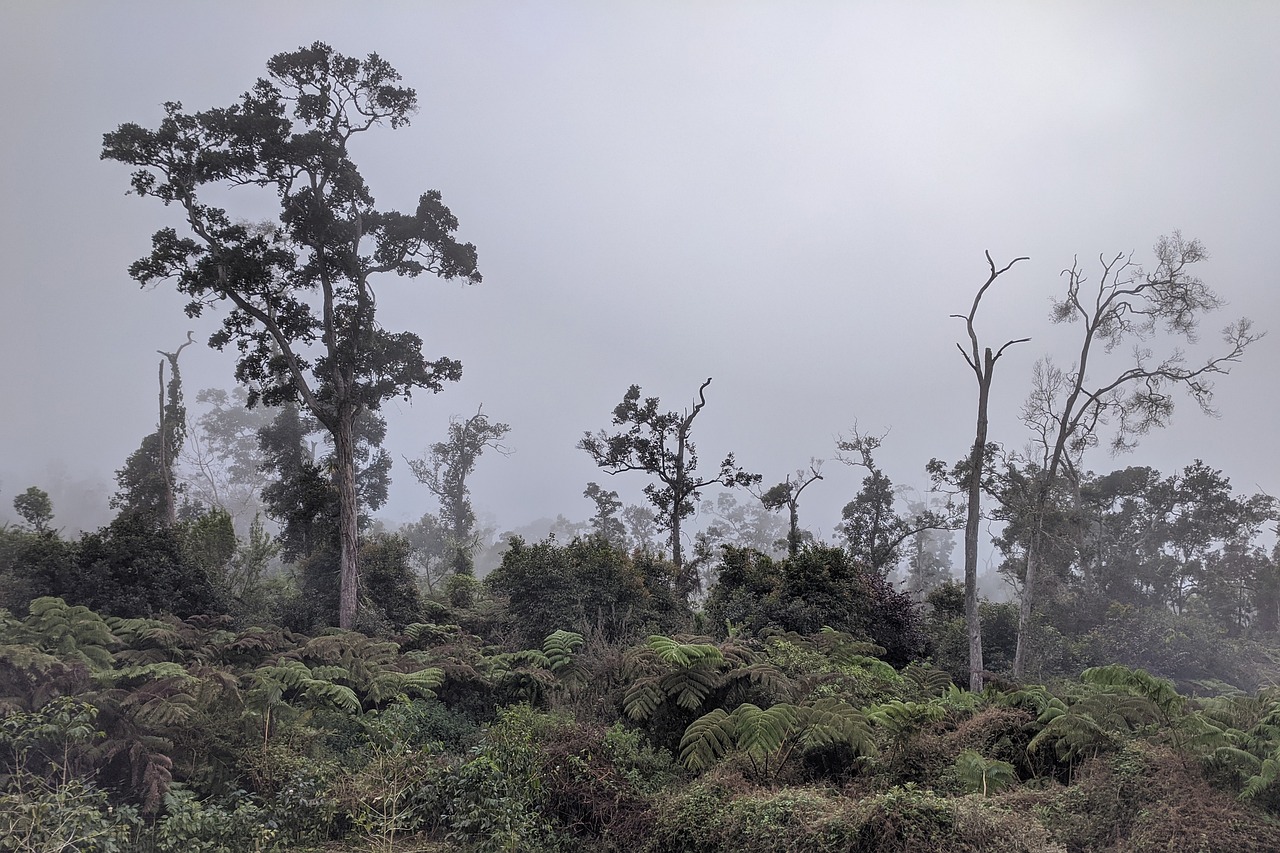
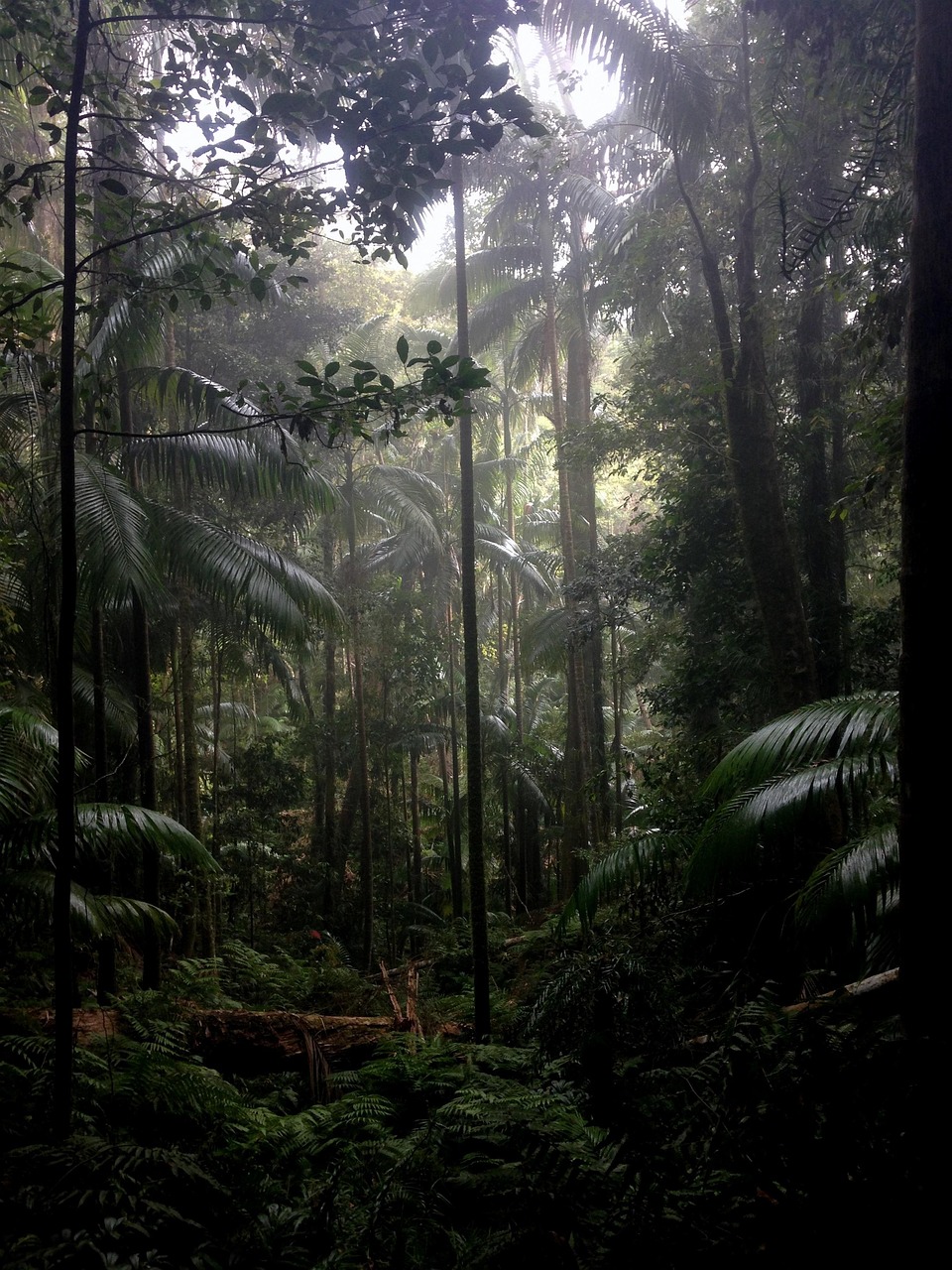
The Mongo homeland is the vast rainforest that fills the central basin of the Congo, the enormous low-lying bowl enclosed within the great southward loop of the Congo River and drained by its many tributaries, one of the largest expanses of tropical forest on earth. It is a country of towering trees, tangled undergrowth, winding rivers, and great stretches of swamp forest that flood with the rains, a hot, wet, and green world roofed by the high canopy and threaded everywhere by water, one of the most remote and least accessible regions of the continent.
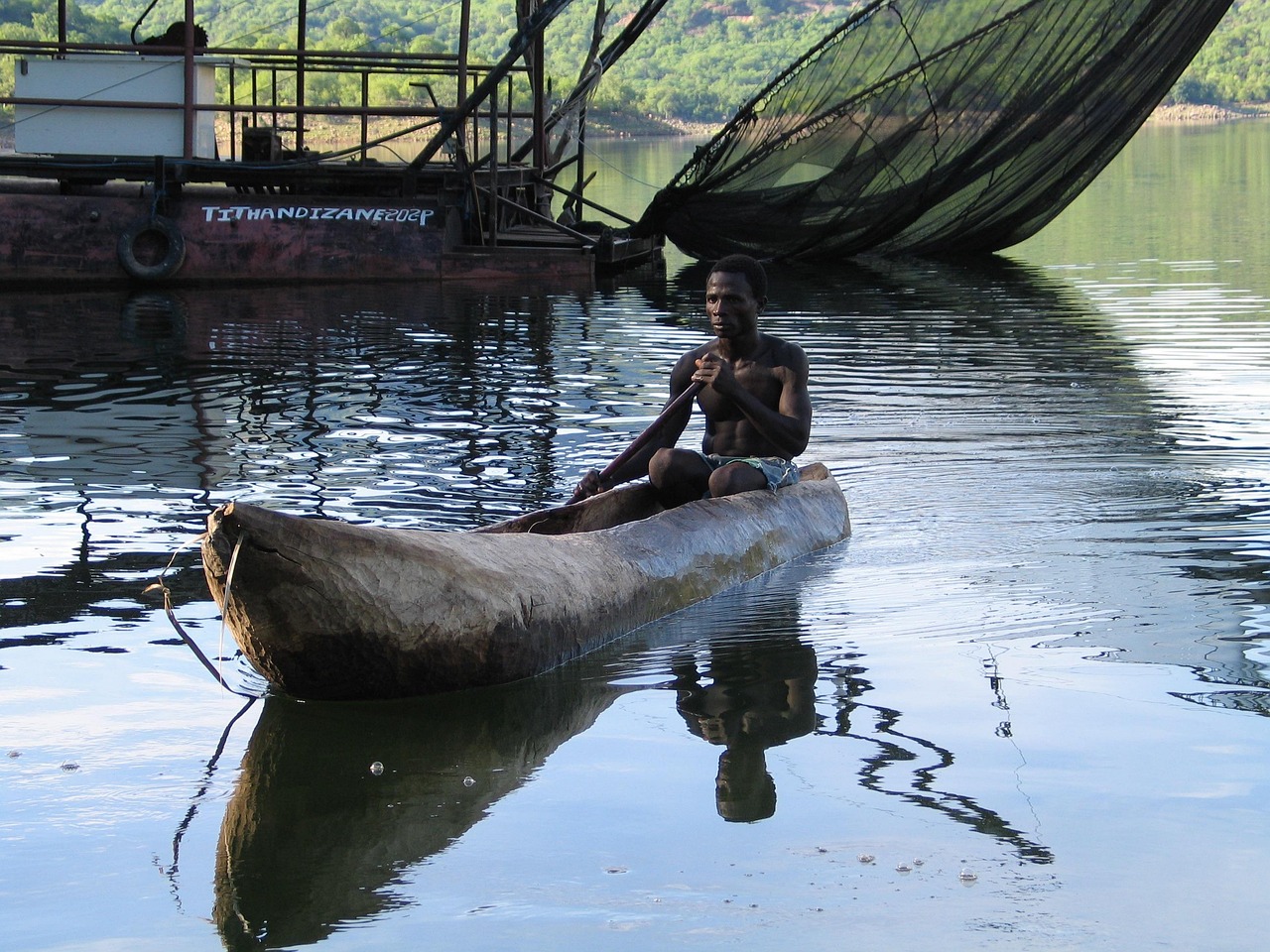
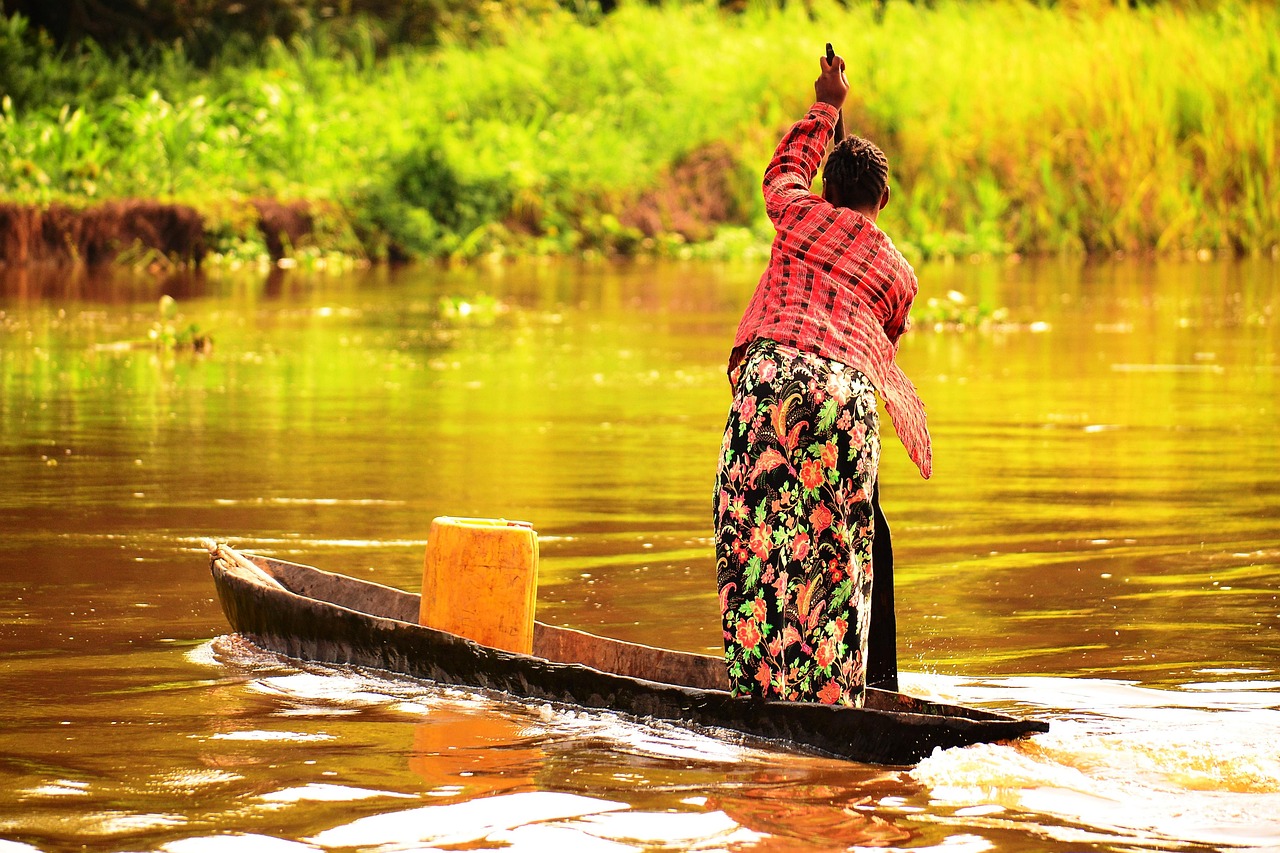
This is a land where the rivers are the roads, for the dense and often flooded forest makes travel by land slow and difficult, and the Mongo became a people of the canoe, moving, fishing, and trading along the countless waterways that lace their country. The forest gave them timber, game, honey, and the fruits, nuts, mushrooms, and caterpillars of the wild, the rivers and swamps gave an abundance of fish, and the clearings hacked from the woodland gave the gardens in which they grew their crops.
The climate is equatorial, hot and humid the year round, with heavy and abundant rain that swells the rivers and floods the swamp forests, and the Mongo adapted their life to this watery, forested world, building their villages on the higher ground and along the rivers and moving by canoe through the trees. On this immense and remote rainforest, in the green heart of the continent, the Mongo built their scattered villages and their forest civilisation.
Villages, Lineages, and the Life Without Kings
The old Mongo world was a society without kings, ordered not by any central state but by the clan, the lineage, and the village, in a pattern of scattered and independent communities adapted to the demanding world of the rainforest. Unlike the kingdom-builders of the savanna, the Mongo built no throne and no capital, living instead in autonomous forest villages bound to one another by kinship, by shared language and custom, and by the loose ties of the clan, a decentralised order in which authority rested on age, descent, and personal standing rather than on inherited rule.
The village, often a single long street or a cluster of houses set in a clearing, was the heart of Mongo life, home to a group of related families under the leadership of its elders and the heads of its lineages, and the affairs of the community were settled by the discussion of the men and the weight of the elders. A leader might rise through wealth, wisdom, and the following he could gather, but his authority was personal and rested on consent, and the villages guarded their independence in the isolation of the forest.
Binding the scattered villages was the lineage and the clan, the group tracing descent from a common ancestor, whose members recognised their kinship and their mutual obligations across the forest, and the genealogies that linked the living to the founding ancestors. The bonds of kinship, the shared traditions and epic, and the network of exchange and marriage that crossed the forest gave a unity to a people who had no single ruler. In clan, lineage, and village, the Mongo ordered a society without kings.
Clans, the Longhouse, and the Bonds of the Forest
Mongo society is built on the patrilineal lineage and clan, the group tracing descent through the male line from a common ancestor, and every Mongo places themselves in the world by their descent, able to recite the forefathers that tie them to their lineage and the wider people. The clans, spread across the forest, tie the scattered villages into a web of kinship, and the lineage held land, arranged marriages, and formed the framework of daily life, of mutual aid, and of the settling of disputes among the elders.
The village and the household were the setting of daily life, a group of related families under the elders, and marriage, sealed by the giving of bride-wealth from the family of the groom to that of the bride, joined lineages in alliance and was the foundation of the family and the continuity of the line. A man of many wives, children, and followers was a man of standing in a society that prized the increase and vigour of the lineage, and the ties of kinship reached across the forest through the exchange of marriage and gift.
The values of Mongo society were those of a forest people, respect for the elders and the ancestors, the prizing of eloquence and the arts of the tale and the epic, hospitality, the sharing of the hunt and the catch, and the strong bonds of clan and lineage. Authority came with age and standing, the ancestors were honoured, and the ceremonies of birth, initiation, marriage, and death gathered the kin and renewed the bonds of the lineage. In clan, lineage, and village, the Mongo wove a resilient forest society.

The Creator, the Ancestors, and the Spirits of the Wood
The traditional religion of the Mongo centred on a supreme creator God, often called Nzakomba, the maker and sustainer of all things, a high and majestic being turned to in the great matters of life, and on a rich world of ancestral spirits and the powers of the forest. The ancestors, the departed dead of the lineage, remained a living presence who watched over, blessed, and could trouble their descendants, and who had to be remembered and honoured, and the bond between the living and the dead was one of the moral foundations of Mongo life.
The deep forest was itself a place charged with the sacred and the dangerous, inhabited by spirits and powers that governed the hunt, the fishing, and the fortunes of the people, and ritual specialists and diviners mediated with this unseen world, reading the causes of misfortune and providing the charms, the rites, and the protective medicines that could restore health and order. Belief in the power of the unseen, in sorcery and its detection, and in the spirits of the wood and the water ran deep in the forest world.
With the coming of the missionaries into even the remote forest, many Mongo became Christians, and Christianity is now widespread among the people, yet the old reverence for the creator, the ancestors, and the spirits of the forest has never wholly disappeared, and the two worlds often live side by side, the church and the older beliefs woven together in the life of the people. In the creator, the ancestors, and the spirits of the wood, the Mongo found the meaning of their forest world.

The Canoe, the Drum, and the Epic of Lianja
The traditions of the Mongo are shaped by the life of the forest and the river, and none is more central than the canoe, for in a land where the rivers are the roads the dugout canoe, hollowed from a single great forest tree, is the essential vehicle of travel, fishing, and trade, and the skill of making and handling it is a proud inheritance. The great canoes, some large enough to carry many people and their goods, and the paddling songs that accompanied their journeys, belong to the heart of Mongo tradition.
Music and the epic fill the life of the people, above all the great cycle of Lianja, the long epic sung and told through the night that recounts the marvellous birth, the adventures, the battles, and the migrations of the hero Lianja and his sister and their people, a tale that carried the traditions and the imagined history of the whole nation. The drums, whose deep voices could carry messages across the forest, the songs of work and celebration, and the dances of the village accompanied every gathering and rite.
Dress, ornament, and the customs of the forest people carried their own meaning, and for celebration the Mongo adorned themselves with the products of the forest and, in later times, with cloth and beads, and marked the great passages of life with the appropriate rites. The elaborate courtesies of hospitality, the sharing of the hunt and the catch, and the respect shown to elders ordered daily life. In the canoe, the drum, and the epic of Lianja, the Mongo kept the traditions of the deep forest.
Canoe-Builders, Smiths, and the Weavers of the Forest
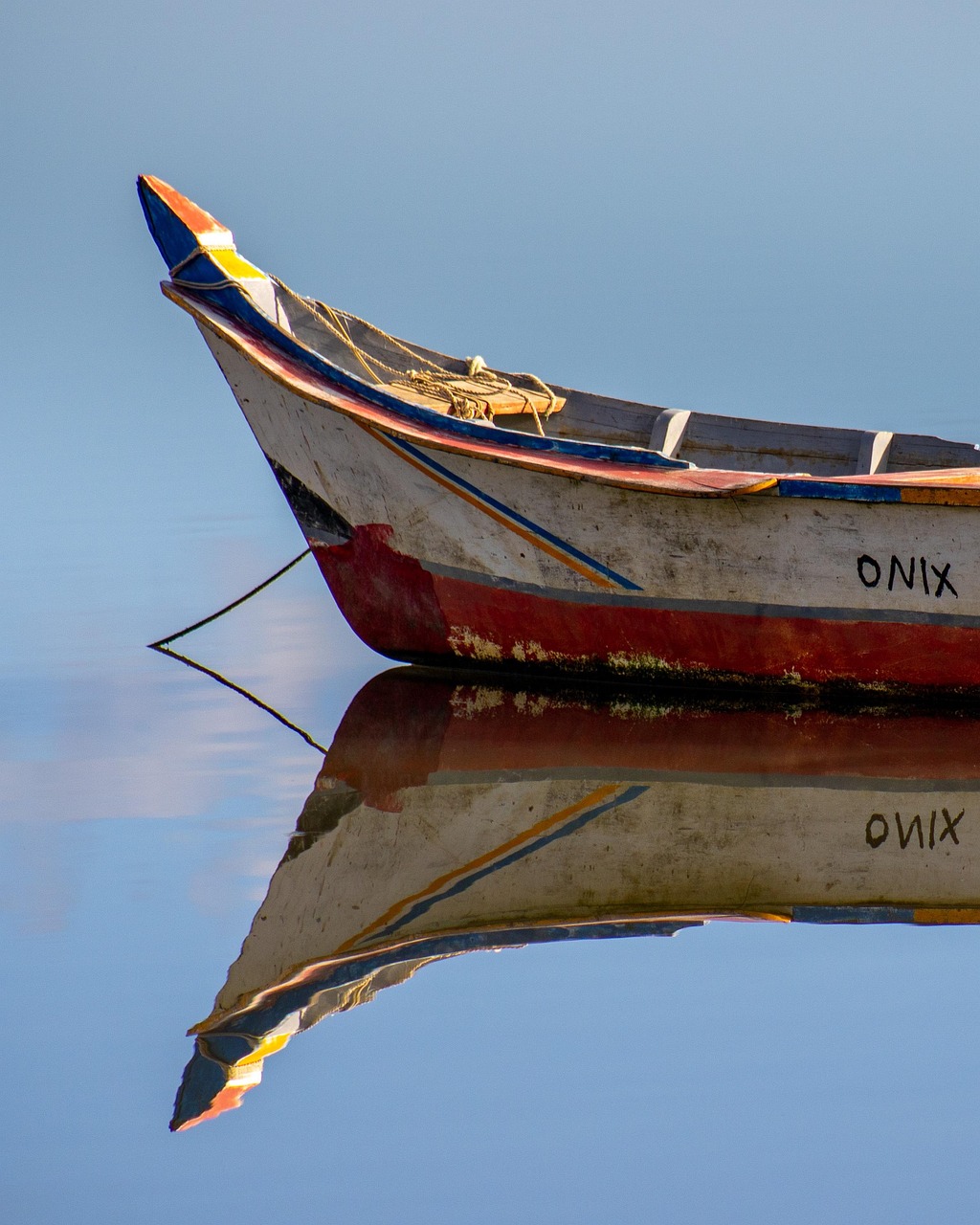
The crafts of the Mongo serve the life of the forest and the river, and the greatest of them is the building of the dugout canoe, hollowed and shaped by patient labour from the trunk of a single great forest tree, the essential craft of a people for whom the rivers are the highways. The making of the large canoes, together with the paddles, the fish traps, the nets, and the weirs with which the abundant fish of the rivers and swamps were caught, was a body of skill and knowledge handed down among the forest people.
The blacksmiths held an honoured place, forging the knives, the spears, the axes, the hoes, and the fishing implements of iron on which the forest life depended, and working the iron blades and objects that served as tools and as wealth, and their command of fire and metal carried the usual respect and mystery. The making of the great drums, hollowed and carved to carry their messages across the forest, was another craft of importance, as was the working of wood into the household objects, stools, and vessels of the village.
The women and the artisans wove baskets, mats, and traps from the fibres, canes, and leaves of the forest, worked the bark of certain trees into cloth, and shaped the pottery of the household, and they gathered and prepared the many products of the forest and the river. The building of the long forest houses was a communal craft. In the dugout canoe, the fish trap, the forged blade, and the woven basket, the crafts of the Mongo equipped a people who lived by the forest and the water.
Cassava, the Fish, and the Bounty of the Forest
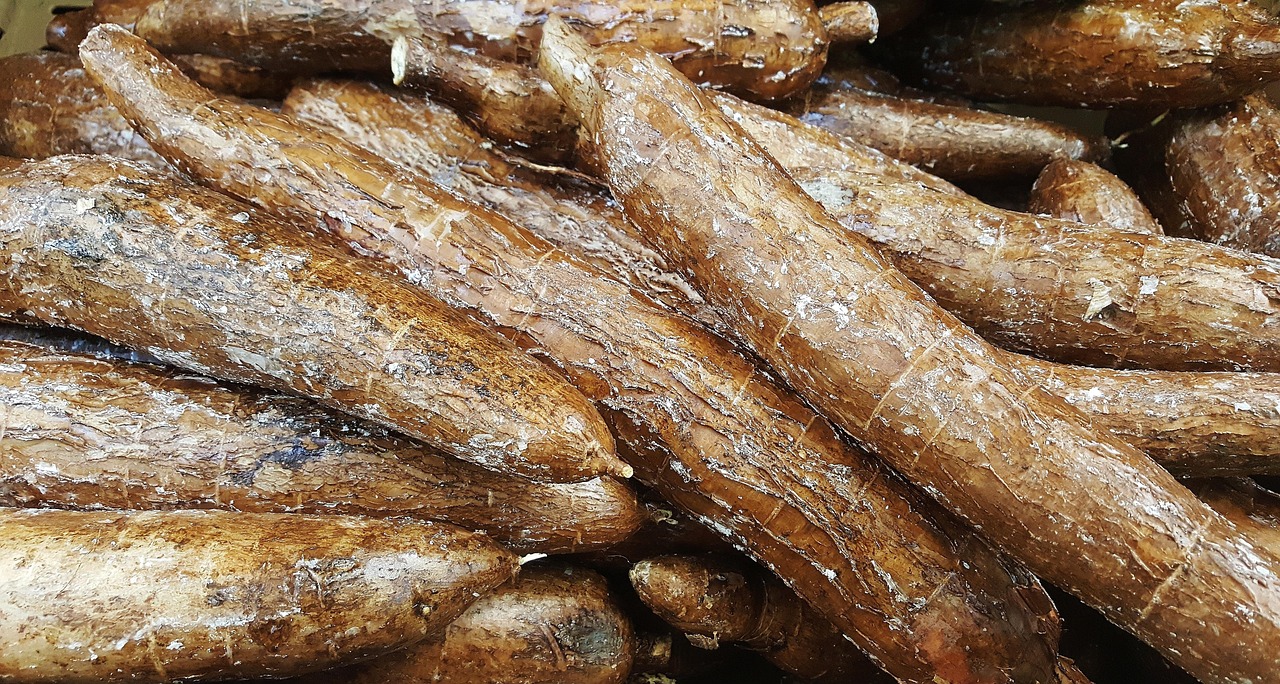
The food of the Mongo is the food of the rainforest and the river, built on the staple crops of the clearing and enriched by the great abundance of fish and the game of the forest. Cassava is the chief staple, its root soaked, dried, and pounded into flour and cooked into the thick paste eaten across the Congo, and its leaves cooked as a nourishing green, while the plantain and banana, roasted or boiled, are equally important, and the two together form the daily foundation of the meal, served with rich sauces and stews.
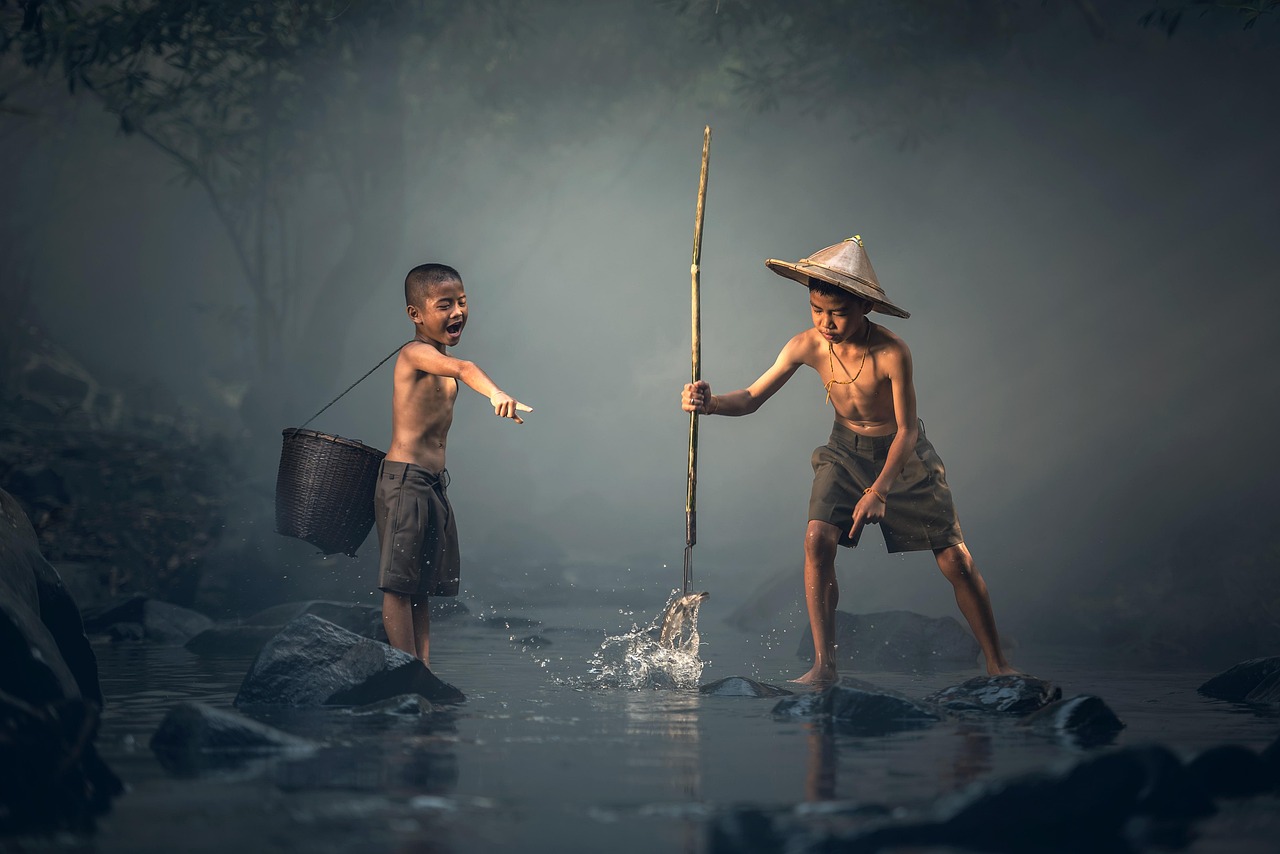
Fish is the great source of protein for this people of the rivers and swamps, caught in abundance in nets, traps, and weirs and eaten fresh, or smoked and dried to preserve it and to trade, so that fish runs through the whole of Mongo cooking. From the forest comes the game of the hunt, and the honey, the mushrooms, the wild fruits and nuts, and the edible caterpillars and grubs that are prized delicacies of the woodland, while the oil palm gives the red palm oil that colours and enriches the cooking and the sap tapped for palm wine.
A dish of cassava paste or plantain with a rich sauce of fish, greens, or game, fragrant with palm oil, is the heart of the Mongo table, and the sharing of food and the products of the hunt and the catch expresses the deep values of hospitality and community. Palm wine flows at celebrations and in the daily sociability of the people. In cassava, fish, and the bounty of the forest, the food of the Mongo is the taste of the deep rainforest of the central basin.
The Rites of Life and the Feasts of the Village
The great gatherings of the Mongo were tied above all to the passages of life and the rites of the lineage, for in a society without kings there were no grand ceremonies of state, but the rituals of birth, initiation, marriage, and death gathered the kin and the village in the deep forest. The initiations of the young into adulthood and the knowledge of the community, the marriages that joined lineages and set the bride-wealth flowing, and above all the funerals, prolonged affairs of mourning, feasting, and the honouring of the dead, were the great occasions of Mongo life.
Music, dance, and above all the recitation of the epic filled these gatherings, and the performance of the great cycle of Lianja, sung and told through the night by a skilled bard to the response of the listeners, could crown a celebration and bind the people to their traditions and their imagined past. The drums sounded, the songs of the forest rose, and the dances of the village accompanied the rites, and the sharing of the hunt, the catch, and the palm wine renewed the bonds of the community.
With the coming of Christianity the Mongo added the feasts of the church to their calendar, Christmas and Easter kept with worship and gathering, and the churches brought their own celebrations of song into the forest. Yet the rites of the lineage and the recitation of the epic remained the deep expressions of Mongo gathering. Through the rites of life, the recitation of Lianja, and the feasts of the village and the faith, the Mongo marked the passages of their forest existence.

From the Forest Depths to the Modern Congo
The history of the Mongo is deep but little recorded in writing, for they were a forest people without a central state, and their past lives in the oral traditions of migration and ancestry and above all in the great epic of Lianja, which tells in mythic form of the birth of the hero and the migrations of his people through the forest. The Mongo groups spread and settled across the vast central basin over many centuries, moving along the rivers and adapting to the demanding world of the rainforest, building the scattered society of villages and clans that the wider world found when it finally reached the interior.
The remoteness and difficulty of the great forest long shielded the Mongo from the outside world, but in the later nineteenth century their country was drawn into the horrors of the age, for the central Congo basin became the scene of the brutal exploitation of the Congo Free State, when the demand for wild rubber, gathered from the forest vines, brought forced labour, violence, and terrible suffering to the peoples of the region, the Mongo among them, in one of the darkest chapters of the colonial history of Africa.
Through the colonial period under Belgian rule and into the era of independence, the Mongo remained a numerous people of the forest interior, drawn slowly into the wider economy and the life of the Congo, though their remote homeland kept much of its isolation. In the vast and troubled modern Congo they have remained one of the major peoples. From the mythic migrations of Lianja to the modern nation, the Mongo have carried their forest heritage through a long and sometimes painful history.
The Mongo in the Heart of the Congo
Today the Mongo are one of the largest peoples of the Democratic Republic of the Congo, occupying the vast forested region of the central basin that is their homeland, a country still among the most remote and least developed in Africa, where the rivers remain the great highways and the forest still shapes the life of the people. Spread across the enormous woodland and drawn in growing numbers to the towns and to the distant capital, the Mongo remain a numerous and important people of the great Congo.
The modern history of the Mongo has been bound up with the turbulent history of their vast country, and the remoteness of the forest, which long sheltered them, has also meant isolation from the development, the roads, and the services that have been slow to reach the interior, while the wider troubles of the Congo, its conflicts and its hardships, have touched even the deep forest. Many Mongo have moved to the cities in search of work and education, even as the forest homeland remains the root of identity.
Through all these changes the culture of the Mongo endures. The Lomongo language is spoken across the forest, the great epic of Lianja is treasured as one of the masterpieces of African oral literature and is studied and celebrated far beyond the Congo, the canoe still carries the people along the rivers, and the bonds of clan and lineage still order the life of the village. Heirs to a great forest civilisation and one of the finest of African epics, the Mongo carry their heritage into the modern life of the vast Congo.
Related Peoples of the Region
- Kongo of the Lower River and Their Kingdom That Wrote to the Pope
- Luba of the Southern Savanna and Their Empire of Sacred Kings and Memory Boards
- Kuba of the Kasai and Their Kingdom Where Everything Became Art
- Fang of the Equatorial Forest and Their Guardian Figures That Changed Modern Art
- Chokwe of the Angolan Woodlands and Their Masks and Chairs of Carved Wonder
More Peoples of the World
You May Like
The Damara, an Ancient People of Namibia