Hidden deep in the rainforest on the border between Mexico and Guatemala, wrapped in a great loop of the Usumacinta River, lie the ruins of Yaxchilan. This was one of the most powerful Maya cities of the Classic period, famous above all for the extraordinary carved stone lintels that record the deeds of its kings.
Reachable even today mainly by boat, Yaxchilan retains a sense of remoteness and mystery. Its temples rise among the trees, and its sculptures preserve some of the finest and most vivid images of Maya royalty and ritual that survive anywhere.

Table of Contents
- A Maya City on a River Bend
- A Kingdom on the Usumacinta
- Reaching the Ruins by Boat
- Structure 33 and the Roof Combs
- The Famous Carved Lintels
- Shield Jaguar, Bird Jaguar, and the Kings
- Bloodletting and Royal Ritual
- The Great Plaza and the Acropolis
- Rivalry, Decline, and the Maya Collapse
- Rediscovery and Protection
- Nearby Places
- Closing Thoughts
A Maya City on a River Bend
Yaxchilan was built on a natural terrace inside a tight horseshoe bend of the Usumacinta River, which curls almost entirely around the site. The river served as a moat, a highway and a boundary all at once.
This dramatic setting gave the city both protection and control over river traffic. Yaxchilan grew rich and powerful partly by dominating trade and movement along this vital waterway.

A Kingdom on the Usumacinta
During the Classic period of Maya civilisation, roughly the fifth to ninth centuries AD, Yaxchilan was the capital of a significant kingdom. It competed with neighbouring cities for power along the river and beyond.
Its rulers left an unusually rich record of their reigns in stone, making Yaxchilan one of the best-documented of all Maya cities. Through their monuments we can trace a dynasty across many generations.

Reaching the Ruins by Boat
Even in the modern era, Yaxchilan is difficult to reach. There is no road to the site, and most visitors arrive as ancient travellers did, by boat along the Usumacinta, gliding past the forested banks.
This isolation has helped preserve the atmosphere of the place. Howler monkeys call from the canopy, and the temples appear suddenly out of the greenery, much as they must have looked to the first explorers.

Structure 33 and the Roof Combs
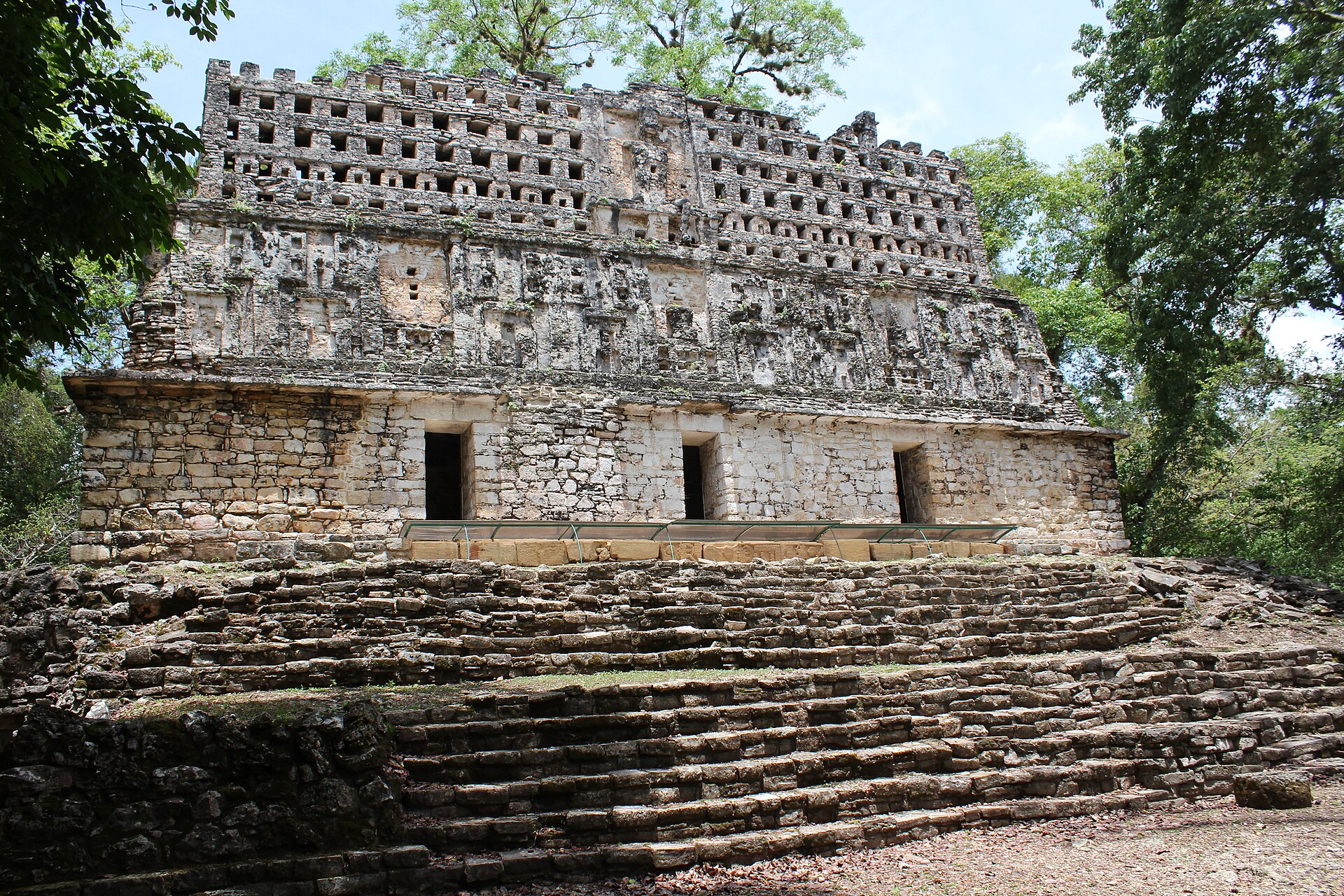
The most celebrated building at Yaxchilan is Structure 33, a beautifully proportioned temple standing above the main plaza. It is crowned by an elaborate roof comb, an ornamental crest that once bore painted stucco figures.
Such roof combs were a hallmark of Maya temple architecture, making the buildings appear taller and grander. Structure 33 is one of the best-preserved examples and dominates the heart of the ruined city.

The Famous Carved Lintels
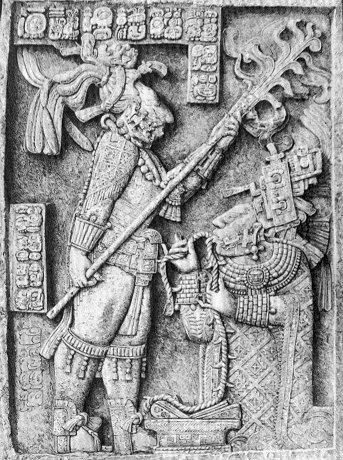
Yaxchilan is renowned for its carved stone lintels, the beams set above doorways, which are among the masterpieces of Maya art. Unlike the flat lintels of many cities, these are covered with detailed scenes.
They depict kings and queens performing rituals, going to war and communing with the gods, accompanied by hieroglyphic texts naming the participants and dates. Several were removed in the nineteenth century and are now in museums abroad.

Shield Jaguar, Bird Jaguar, and the Kings
The history of Yaxchilan is dominated by a line of powerful rulers with evocative names, above all Shield Jaguar and his son Bird Jaguar. Under their long reigns the city reached its height of power and artistic achievement.
Their monuments proclaim their victories, their accessions and their sacred duties. The care with which they recorded their reigns has allowed scholars to reconstruct the dynasty in remarkable detail.

Bloodletting and Royal Ritual
Among the most striking scenes carved at Yaxchilan are those of ritual bloodletting, in which royalty offered their own blood to the gods. One famous lintel shows a queen drawing a thorned cord through her tongue.
These acts of sacrifice were believed to sustain the cosmos and to bring visions of ancestors and deities. They reveal the profound and sometimes painful religious duties that Maya kingship demanded.
The Great Plaza and the Acropolis
Yaxchilan is arranged around a long main plaza beside the river, with temples rising on the terraces and hills behind it. Grand stairways climb to hilltop structures overlooking the whole site.
Stelae stood in the open spaces, carved with images of rulers, while the temples above held the precious lintels. The layout made clever use of the natural terrain to create a dramatic and sacred cityscape.
Rivalry, Decline, and the Maya Collapse
Yaxchilan was locked in long rivalry with neighbouring cities along the Usumacinta, and its inscriptions record wars and the capture of enemy lords. For a time it was among the dominant powers of the region.
But like other Classic Maya cities, Yaxchilan declined in the ninth and tenth centuries, part of the wider collapse that saw the great lowland cities abandoned. Its temples fell silent and the forest closed in.
Rediscovery and Protection
European explorers reached Yaxchilan in the nineteenth century, drawn by rumours of ruins on the river, and made drawings and photographs that revealed its remarkable sculptures to the world.
Today Yaxchilan is a protected archaeological site, valued both for its art and for its evocative jungle setting. Its lintels remain central to our understanding of Maya history, kingship and religion.
Nearby Places
- Tulum — a later Maya city on the Caribbean coast, a very different face of the same civilisation.
- Sacsayhuaman — a monumental site of the Andes, from the other great civilisation of the ancient Americas.
- Angkor — another tropical civilisation whose carved temples were swallowed and preserved by the jungle.
Closing Thoughts
Yaxchilan is the Classic Maya world at its most eloquent: a jungle city on a river bend whose kings had their triumphs and sacrifices carved into stone with breathtaking artistry.
Still reached mostly by boat, its temples rising among the trees to the calls of howler monkeys, Yaxchilan preserves both the beauty and the mystery of the Maya. Its lintels remain among the greatest achievements of the art of ancient America.
You May Like
Mafra, the Palace a King Built From a Vow


2 thoughts on “Yaxchilan: The Jungle Maya City on a River Bend and Its Masterpiece Lintels”