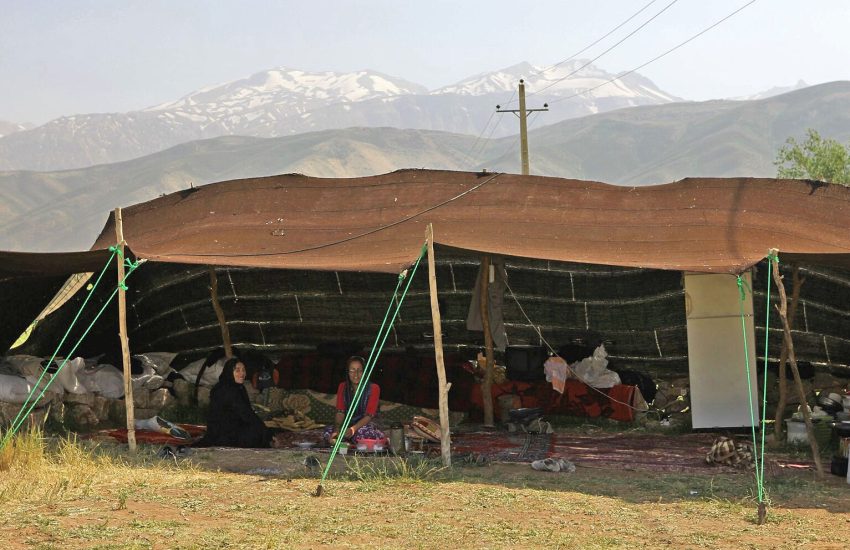
By the bend of the Yellow River where Gansu meets Qinghai, in the loess and mountain country of the northwest, lives one of the smallest of all China’s peoples, the Bonan. A Muslim people of Mongol root, born of the mingling of Mongol soldiers and the peoples of the Qinghai marches, they dwell in the county of Jishishan near the great river, keepers of a Mongolic tongue, a firm Islamic faith, and the famed craft of the knife, whose fine blades are sought across the whole northwest.
This account follows the Bonan from their origins among the Mongol soldiers of the Bao’an garrison in Qinghai, through their nineteenth-century migration to the Yellow River and their life about the mosque, into their Mongolic tongue, their Muslim faith, and the famed Bonan knife that marks them. It ends with the Bonan of today, one of the smallest peoples of China, smiths of the Yellow River bend, keeping their faith and their craft alive in modern China.
- The Muslim Smiths of the Yellow River Bend
- Bonan, Bao’an, and the Name of the People
- The Bonan Tongue of Mongol Root
- The Hills of Jishishan by the Yellow River
- The Villages, the Mosque, and the Old Order
- The Household, the Mosque, and the Bonds of the Faithful
- Islam, the Mosque, and the Faith of the People
- The Bonan Knife, the Faith, and the Ways of the People
- The Knife-Smiths, the Weavers, and the Makers of the Blade
- Wheat, Mutton, and the Table of the Northwest
- The Eid, the Fast, and the Feasts of Islam
- From Qinghai to the Bend of the Yellow River
- The Bonan in Modern China
The Muslim Smiths of the Yellow River Bend
By the bend of the Yellow River where the province of Gansu meets Qinghai, in the loess and mountain country of the northwest, lives one of the smallest of all China’s peoples, the Bonan. Numbering around twenty thousand, they dwell in the county of Jishishan near the great river, a small Muslim people of Mongol root, famed across the northwest for the fine knives that their smiths have forged for generations.
The Bonan are a people of mixed and remarkable origin, for their language is of the Mongolic family, close kin to the tongues of the Tu and the Dongxiang, yet their faith is Islam, and they are held to have grown from a body of Mongol soldiers, garrisoned in the days of the Yuan or after in the Qinghai region, who took up Islam and mingled with the Muslim and other peoples about them to become a new people.
For much of their history the Bonan dwelt further west, in the region of Tongren in Qinghai, where they lived among Tibetans and others, until, in the nineteenth century, religious strife drove the Muslim Bonan to leave and move east to the country by the Yellow River in Gansu, where they settled about Jishishan and have remained. This migration is remembered in the history of the people.
To speak of the Bonan is to speak of a very small Muslim people of the Yellow River bend, born of the mingling of Mongol soldiers and the peoples of the Qinghai marches, keepers of a Mongolic tongue, a firm Islamic faith, and the famed craft of the knife. On the loess and mountain marches of the northwest, they hold their own place among the peoples of China.
.jpg)
Bonan, Bao’an, and the Name of the People
The people are known as the Bonan, or in the official spelling Bao’an, the name they give themselves, drawn from the place of their old home in Qinghai, where a garrison called Bao’an once stood. It is by this name that the state recognises them as one of its nationalities, one of the smallest of the recognised peoples, in the county of Jishishan by the Yellow River.
The name Bao’an, meaning to protect the peace, was that of a military garrison in the Tongren region of Qinghai, where the forebears of the Bonan were settled, and the people took their name from that place of their origin. When they moved east to Gansu in the nineteenth century, they carried the name with them to their new home by the Yellow River.
The Bonan are close kin in speech to the Tu and the Dongxiang, the other Mongolic peoples of the northwest, all sprung in part from the Mongol soldiers and settlers of the age of the empire, yet the Bonan are a distinct people, marked off by their own history, their Muslim faith, and their fame as smiths. Those of their old kin who kept a different faith are counted among other peoples.
Whatever the spelling, the people know themselves as one, the Bonan, a small Muslim folk of the Yellow River bend, keepers of their tongue, their faith, and the famed craft of the knife. The name Bonan, drawn from the garrison of their old Qinghai home, marks them among the peoples of China as a Mongolic Muslim people of the northwest marches.
.jpg)
The Bonan Tongue of Mongol Root
The Bonan speak a language of the Mongolic family, close kin to the tongues of the Tu and the Dongxiang, the other Mongolic peoples of the northwest, and this Mongol root is the clearest mark of their origin among the Mongol soldiers and settlers of the age of the empire. It is the everyday speech of the Bonan villages by the Yellow River.
Set among Muslim, Tibetan, Chinese, and other neighbours far from the Mongolian heartland, the Bonan language took in a great many words from Chinese and from Tibetan, and from the Arabic and Persian of Islam, so that its vocabulary is rich in borrowings, above all in the terms of the faith. Yet it kept its Mongolic grammar and core through these borrowings.
For most of their history the Bonan had no writing of their own for their tongue, and used Chinese, or the Arabic script for religious purposes, in the manner of the Muslims of the northwest. Their language was carried in speech alone, and the learning of the faith was pursued in Arabic and Persian in the schools of the mosques.
In the modern age standard Chinese has spread through schooling and daily life, and most Bonan are bilingual, using Chinese for the wider world and their own Mongolic tongue at home. As one of the smallest of China’s peoples, the Bonan face strong pressure on their language, which is among the most fragile of the Mongolic tongues, and its keeping among the young is a matter of real concern.

The Hills of Jishishan by the Yellow River
The homeland of the Bonan is the county of Jishishan in the far west of Gansu, by the bend of the Yellow River where the province meets Qinghai, in the loess and mountain country of the northwest. Here, on the banks of the great river and among the dry hills, the Bonan settled after their migration from Qinghai, in three villages that became the heart of the people, near the town of Dahejia.
This is high, dry country on the edge of the Tibetan plateau, cut by the deep valley of the Yellow River, with loess hills and mountains rising on either side, cold in its long winters and hot in its summers. The Bonan settled the land by the river and among the hills, where they farmed the fields watered by the river and the streams and, above all, worked the forge for which they are famed.
The Bonan villages, of earthen houses gathered about their mosques, cluster by the Yellow River and in the hills of Jishishan, near the great snow mountain of the same name that rises to the west. The land gave the fields for grain and the water for the crops, and the trade of the river and the roads carried the famed Bonan knives out to the wider northwest.
Rooted to the Yellow River bend and the hills of Jishishan, and gathered in their few villages near Dahejia, the Bonan made their homeland in the loess and mountain marches of the northwest. It is a land of river, loess hill, and snow mountain, of earthen village and mosque and forge, where one of the smallest peoples of China kept its faith, its tongue, and its craft of the knife.

The Villages, the Mosque, and the Old Order
In the days before the reach of the modern state, the Bonan lived in their villages by the Yellow River as farmers and, above all, as smiths, under the sway of custom, the guidance of elders, and the religious leaders of the mosque. Each village gathered about its mosque, and the ahong, the religious teacher, held a place of the highest authority, guiding the community in faith and in the affairs of daily life.
The forging of the knife was the great and distinctive skill of the Bonan, and the Bonan knife, keen, strong, and beautiful, with its ornamented handle, became famed across the whole northwest, sought by the many peoples of the region and carried far by the traders. The making of the knife was the pride and the mark of the Bonan, and a mainstay of their livelihood beside the farming of the fields.
The faith of Islam ordered the whole of Bonan life, its daily prayers, its fasts, its feasts, and its rules of conduct, and the community was bound together by the mosque and by the brotherhoods and orders of Islam that spread through the Muslim northwest. Religious learning, pursued in the schools of the mosques, was honoured, and the learned men held great respect.
Governed by custom, by elders, and above all by the religious leaders, and ruled from afar by the empire, the Bonan lived as Muslim smiths and farmers of the Yellow River bend. A very small people bound by their faith and their tongue, famed for their knives, they kept their community and their religion through the turns of a hard history in the northwest marches.
.jpg)
The Household, the Mosque, and the Bonds of the Faithful
Bonan society rests on the household, the kin, and, binding them together, the community of the faithful gathered about the mosque. The family is the foundation, the extended household living within its walled earthen courtyard, and above it the ties of kin and the bonds of the village, but over all stands the community of Islam, the fellowship of believers that gives this small people its deepest unity.
The mosque is the heart of every Bonan village, and the ahong, the religious teacher who leads the prayers and teaches the faith, holds a place of the highest authority, guiding the community in religion and in much of daily life. The village gathers at the mosque for the prayers and the festivals, and the learned men of the faith are honoured above all others.
The Bonan, like the other Muslims of the northwest, were divided among the different brotherhoods and orders of Islam, whose divisions ran through the communities and, in the nineteenth century, brought the strife that drove the Bonan from their old Qinghai home to the Yellow River. A person belonged not only to a village and a kin but to a school of the faith.
Marriage was made within the community of the faithful, arranged by the families according to the custom and the law of Islam, and marked by the proper rites. Women kept the household and wore the head-covering of the faith, and the family and the mosque together, rather than any wider state, gave the Bonan the frame of their life by the great river.

Islam, the Mosque, and the Faith of the People
Islam is the heart of Bonan life, the faith that made the people one and set them on the path of their history. It was the taking up of Islam by the Mongol soldiers of the Bao’an garrison, and their mingling with the Muslim peoples about them, that made the Bonan a people, and it was religious strife that drove them from Qinghai to the Yellow River. Their religion is the very frame of who they are.
The five daily prayers, the fast of Ramadan, the giving of alms, and the other duties of Islam shape the rhythm of Bonan life, and the mosque, with its prayer-hall and minaret, stands at the heart of every village. The ahong leads the prayers and teaches the faith, and the schools of the mosques, where the Quran and the Arabic learning are pursued, train the religious men who guide the people.
The Bonan belong, like the other Muslims of the northwest, to the various brotherhoods and orders of Islam that spread through the region, and the divisions among them ran deep, shaping the life and, at times, the strife of the people, as in the troubles that drove them east. Religion was the very substance of the community’s life.
Through all the turns of their history the Bonan have held to their faith with firmness, for Islam is the thread that binds this small people together and sets them apart from their Tibetan and Han neighbours. The mosque, the ahong, the prayer, and the fast remain the heart of Bonan life, the deepest mark of a people born and bound together by the religion of Islam.

The Bonan Knife, the Faith, and the Ways of the People
The most famous tradition of the Bonan is the making of the knife, the Bonan knife, forged by the smiths of the people, keen, strong, and beautiful, with its handle of horn, bone, wood, and metal worked in fine patterns and inlaid with colour. The Bonan knife is famed across the whole northwest, a treasured possession and a thing of trade, and the craft of the smith is the great pride and the mark of the people.
The faith of Islam orders the great occasions of life and the year among the Bonan, the rites of birth, the naming of a child, the marriage, and the death, all kept according to the custom and the law of the faith, and the festivals of Islam, the two Eids and the other holy days, are the high points of the Bonan year.
The dress of the Bonan marks them as a Muslim people of the northwest, the men in the white or black cap of the faith and the elders with the beard, the women covering the head with the veil in the manner of Islam, while some of the women’s dress keeps a touch of the older Mongol and Tibetan style of their western origin. This dress sets the Bonan apart from their Han neighbours.
Around these run the customs of the household and the village, the hospitality shown to the guest, the sharing of food at the festivals, and the songs and traditions of a small hardworking people. Through the famed knife, the faith, and the rites of Islam, the Bonan mark their identity and the passages of life in ways carried down from their forebears by the Yellow River.
.jpeg)
The Knife-Smiths, the Weavers, and the Makers of the Blade
The master craft of the Bonan is the forging of the knife, in which they are famed across the whole northwest. The smiths heat, hammer, fold, and temper the iron and steel into knives of great keenness and strength, mount them with handles of horn, bone, wood, and metal worked in fine patterns and inlaid with colour, and adorn the scabbards, and the finest Bonan knives are treasured and sought far and wide.
So renowned is the Bonan knife that the making of it became the great trade and mark of the people, and the smiths passed the craft from father to son through the generations, each village and family with its skills and its styles. The knife, at once a tool, a weapon, and a work of art, carried the fame of the small people of the Yellow River across the northwest and beyond.
Beyond the forge the Bonan farmed the fields by the river, and the women wove and sewed the cloth and the dress of the household, and worked leather and made the goods of daily life. The building of the earthen house and the mosque, with its prayer-hall and minaret blending Chinese and Islamic forms, drew on the skills of the Muslim northwest.
The farming of the watered fields and the working of the forge were the mainstays of the Bonan, and the making of the knife their glory. Yet it is for the Bonan knife above all that the crafts of this small people are known, a blade famed across the northwest, the mark of a people who made the forge their pride by the bend of the Yellow River.

Wheat, Mutton, and the Table of the Northwest
The food of the Bonan is the food of the Muslim northwest, built on the wheat and other grains of their fields, ground into flour and made into the noodles, the flatbreads, and the steamed breads of the region. Wheat is the chief staple, and the hand-pulled noodles and the breads of the northwest are the daily food, prepared according to the ways of the region.
To the bread and noodles are added the mutton and beef that, as a Muslim people, the Bonan prepare according to the halal law of their faith, for the pig is forbidden and the meat must be lawfully slaughtered. Mutton is the meat of the festivals and of welcome, and the offering of meat and bread to a guest is a mark of the warm hospitality of the people.
Tea is drunk and offered to guests, above all the eight-treasure tea of the northwest, brewed with dried fruits, nuts, and sugar in a covered bowl, and the rules of the faith order the Bonan table, the forbidding of pork and wine and the keeping of the fast of Ramadan. The vegetables of the garden and the produce of the fields round out the fare of a farming people.
From the wheat and mutton of the northwest to the eight-treasure tea and the halal dishes of the faith, the food of the Bonan is that of a small Muslim people of the Yellow River bend. The bread, the noodles, and the mutton, prepared according to the law of Islam, and the tea offered to the guest, are the marks of the Bonan table.

The Eid, the Fast, and the Feasts of Islam
The festivals of the Bonan are the festivals of Islam, for their year is ordered by the calendar of the faith. The greatest are the two Eids, the feast that ends the fast of Ramadan and the feast of the sacrifice, kept with prayer at the mosque, the wearing of the best clothes, the visiting of kin, and the sharing of mutton and the good things of the table, the high points of the Bonan year.
The fast of Ramadan is the great observance of the year, when for a month the faithful take no food or drink from dawn to dusk, breaking the fast each evening and gathering for prayer, and the ending of the fast is met with the joyful feast of the lesser Eid. This month of discipline and devotion binds the small community in the shared observance of the faith.
The feast of the sacrifice, the greater Eid, recalls the willingness of Abraham to offer his son, and on it those who can afford it slaughter a sheep and share its meat with kin and the poor, a great occasion of prayer, feasting, and charity. The birthday of the Prophet and the other holy days of Islam are also kept, each with its prayers and observances.
The rites of life, the naming of the child, the marriage, and the burial of the dead in the manner of Islam, gather the kin for ceremony. At all these occasions the prayer at the mosque, the sharing of mutton and bread and tea, and the fellowship of the faithful bind the community, so that the Bonan mark the great moments of life and the year in the way of Islam.

From Qinghai to the Bend of the Yellow River
The Bonan were born of the mingling of peoples on the marches of Qinghai, sprung, it is widely held, from a body of Mongol soldiers garrisoned in the region in the days of the Yuan or after, who took up Islam and mingled with the Muslim, Tibetan, and Han peoples about them. From the garrison of Bao’an in the Tongren region they took their name, and there they dwelt for long generations.
In the nineteenth century the Muslim northwest was convulsed by risings and by strife among the brotherhoods of Islam and between Muslim and non-Muslim, and in this turmoil the Muslim Bonan of Tongren, pressed and endangered, left their old home and moved east to the country by the Yellow River in Gansu, settling about Jishishan and Dahejia, where they have remained. This migration is the great turning of their history.
Settled in their few villages by the great river, the Bonan grew into the small distinct people known today, keeping their Mongolic tongue and their Muslim faith and building the fame of their knives. Through the turns of the later empire and the modern age they held to their community by the Yellow River, a small people among larger neighbours.
After the founding of the People’s Republic the Bonan were recognised as one of the official nationalities of China, one of the smallest of the recognised peoples, and the Jishishan Bonan, Dongxiang, and Salar autonomous county was established in their homeland. In 2023 a great earthquake struck the Jishishan country, bringing death and ruin to the Bonan and their neighbours, a heavy blow to a small people, from which they have worked to recover.

The Bonan in Modern China
Today the Bonan number around twenty thousand, one of the smallest of China’s peoples, living still chiefly in their few villages by the Yellow River in the county of Jishishan in the far west of Gansu, near the town of Dahejia. A small Muslim people of Mongol root, they remain rooted in the loess and river country where their forebears settled after the migration from Qinghai.
Modern life has come to the Bonan villages in the shape of roads, schools, and the reach of the market, and the famed Bonan knife is made and sold as before, cherished as the mark of the people, though the modern rules on the carrying of knives have brought change to a craft once so central. Many Bonan, as of old, work the forge or go out in trade across the northwest.
In 2023 a great earthquake struck the Jishishan country in the depth of winter, bringing death, injury, and ruin to the Bonan and their neighbours, a heavy blow to so small a people, and much labour has since gone into the rebuilding of the homes and villages. The disaster brought the small people into the notice of the wider country and the world.
Through hardship and change the Bonan carry their heritage with firmness. Their Muslim faith and their mosques, their Mongolic tongue, and above all the famed Bonan knife endure as marks of who they are. One of the smallest peoples of China, born of the Mongol age and bound by Islam, smiths of the Yellow River bend, the Bonan keep their faith and their craft alive in modern China.

Related Peoples of the Region
- Derung of the Dulong Valley, a Hidden Mountain People of Yunnan
- Jing People of the Beibu Gulf, China’s Vietnamese Coast Dwellers
- Russians of China, an Orthodox People on the Northern Frontier
- Tatars of China
- Uzbeks of China
- Monba People
- Gaoshan People, the Austronesian Highlanders of Taiwan
- Lhoba People of the Eastern Himalaya, Forest Hunters of the Tibetan Gorges
More Peoples of the World
- Zulu of the Green Hills and Their Kingdom Forged by Shaka
- Xhosa of the Eastern Cape and Their Clicking Tongue and Rite of Manhood
- Basotho of the Mountain Kingdom and the Nation Moshoeshoe Forged
- Shona of the Zimbabwe Plateau and Their Cities of Stone
- Ndebele of the Highveld and Their Painted Homes
- Tswana of the Kalahari Plateau and the Kgotla
- Swazi of Eswatini and the Kingdom of the Two Rulers
You May Like
The Zaza, a Mountain People of Eastern Anatolia