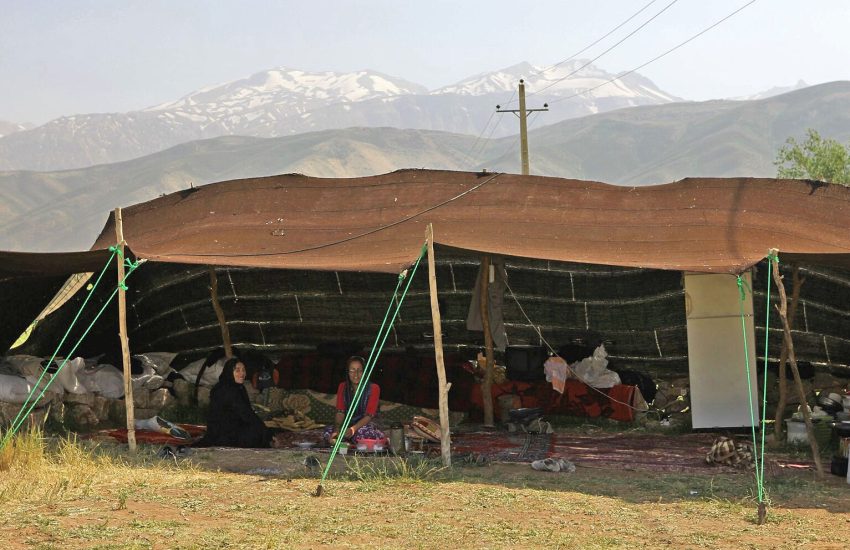
On the grasslands and in the mountains of the Qilian range, in the far west of Gansu where the province narrows into the old Silk Road corridor, live the Yugur, a small people of herders and one of the smallest of all China’s nationalities. Heirs of the old Uyghurs who scattered from the Mongolian steppe more than a thousand years ago, they are sometimes called the Yellow Uyghurs, and they are keepers of two distinct tongues, one Turkic and one Mongolic, and of the Tibetan Buddhism of the plateau.
This account follows the Yugur from their descent from the old Uyghurs, through their nomadic life of the felt tent and the herd, into their two endangered languages, their Buddhism and the reverence of the Qilian peaks, and the tall silver-hung headdress, the songs, and the festivals that mark them. It ends with the Yugur of today, a small people of the Qilian grasslands keeping their headdress and their songs alive in modern China.
- The Herders of the Qilian Pastures
- Yugur, Yellow Uyghur, and the Name of the People
- The Two Tongues of the Yugur
- The Grasslands of Sunan and the Qilian Mountains
- The Tent, the Herd, and the Old Order
- The Clan, the Tent, and the Bonds of the Yugur
- Tibetan Buddhism, the Ancestors, and the Old Rites
- The Headdress, the Song, and the Ways of the Yugur
- The Herders, the Weavers, and the Feltmakers
- Meat, Milk, and the Table of the Grassland
- The New Year, the Rites, and the Feasts
- From the Old Uyghurs to the People of Modern China
- The Yugur in Modern China
The Herders of the Qilian Pastures
On the grasslands and in the mountains of the Qilian range, in the far west of Gansu where the province narrows into the Hexi corridor, live the Yugur, a small people of herders. Numbering around fourteen thousand, one of the smallest of China’s peoples, they dwell above all in the Sunan Yugur autonomous county, on the pastures below the snow peaks of the Qilian mountains, near the old Silk Road that runs through the corridor.
The Yugur are held to descend from the old Uyghurs, the great Turkic people who once ruled an empire on the Mongolian steppe, and who, when that empire fell in the ninth century, scattered west and south, some to the oases that became the home of the modern Uyghurs, and some to the Gansu corridor, where they founded a kingdom and became, in time, the Yugur. For this reason the Yugur are sometimes called the Yellow Uyghurs.
Cut off in the Gansu corridor from their kin who went to the oases, and mingling over the centuries with Mongol, Tibetan, and other peoples, the Yugur grew into a distinct people, keepers of a herding life on the Qilian pastures and of the Tibetan Buddhism they took from the plateau, unlike the Islam that the Uyghurs of the west embraced. So the Yugur went a path of their own.
To speak of the Yugur is to speak of a small people of the Qilian grasslands, herders of the mountain pastures, heirs of the old Uyghurs, keepers of two distinct tongues and of the Buddhism of the plateau. On the marches of the Silk Road corridor, between the Mongol, the Tibetan, and the Han worlds, they hold their own place among the peoples of China.

Yugur, Yellow Uyghur, and the Name of the People
The people are known as the Yugur, the name they give themselves, which is held to be a form of the old name Uyghur, marking their descent from that ancient Turkic people. It is by this name that the state recognises them as one of its nationalities, one of the smallest of the recognised peoples, in the Sunan county of the Qilian mountains.
Because the Yugur descend from the old Uyghurs of the Gansu corridor, they are sometimes called the Yellow Uyghurs, to set them apart from the modern Uyghurs of Xinjiang, who are Muslims of the western oases, while the Yugur are Buddhists of the eastern grasslands. The two peoples share an ancient common origin in the old Uyghur world, but went their separate ways after the fall of the steppe empire.
The Yugur themselves are of two groups, marked by their two distinct languages, the Western Yugur who speak a Turkic tongue and the Eastern Yugur who speak a Mongolic one, a division within so small a people that reflects their mingled origins from the old Uyghurs and from the Mongol peoples with whom they joined. Yet both count themselves one people under the name Yugur.
Whatever the group or the tongue, the people know themselves as one, the Yugur, a small folk of the Qilian grasslands, heirs of the old Uyghurs, keepers of the Buddhism of the plateau. The name Yugur, an echo of the ancient Uyghur, marks them among the peoples of China as a people of the corridor, of Turkic and Mongol root, distinct from the Muslim Uyghurs of the west.
.jpg)
The Two Tongues of the Yugur
A striking feature of the Yugur, remarkable in so small a people, is that they speak not one language but two, quite unrelated to one another. The Western Yugur speak a language of the Turkic family, a descendant of the old Uyghur tongue and among the more archaic of the Turkic languages, while the Eastern Yugur speak a language of the Mongolic family, kin to the tongues of the Mongols and the other Mongolic peoples.
This division of one people between a Turkic and a Mongolic tongue reflects the mingled origins of the Yugur, from the old Uyghurs who brought the Turkic speech and from the Mongol peoples with whom they joined in the Gansu corridor. The two Yugur languages are so different that speakers of the one cannot understand the other, and Chinese often serves as the common tongue between them.
For most of their history the Yugur had no writing of their own in daily use, and their store of song, legend, and lore was carried by memory and by mouth, while for the affairs of religion the Tibetan script and language served, in which the Buddhist scriptures were kept. The great body of Yugur tradition, above all the rich store of their songs, lived in the spoken and the sung word.
In the modern age standard Chinese has spread through schooling and daily life and serves as the common tongue of the two Yugur groups, and most Yugur are bilingual or more. Both Yugur languages, spoken by so few and unwritten, are among the most endangered in all of China, and their keeping is a matter of the deepest concern, for they are precious survivals of the old Turkic and Mongol speech.

The Grasslands of Sunan and the Qilian Mountains
The homeland of the Yugur is the country of the Qilian mountains and their pastures, in the far west of Gansu where the province narrows into the Hexi corridor, the old highway of the Silk Road between China and the west. The greater number live in the Sunan Yugur autonomous county, a long strip of mountain and grassland along the northern flank of the Qilian range, with a further group to the east.
This is high country, the great snow-capped Qilian mountains rising to the south and the grasslands and valleys spreading below, cold in its long winters and cool in its short summers, watered by the streams that run down from the snows. The Yugur settled the mountain pastures and the valleys, where the grass gave grazing for their herds, in a land of peak, meadow, and stream on the edge of the plateau.
Theirs is a pastoral homeland, a land not of fields but of grazing, for on the high cold pastures the Yugur have lived by their herds of sheep, yaks, horses, camels, and cattle, moving with them between the summer and the winter pastures. The felt tent, in the manner of the steppe and the plateau, was the home that moved with the herds across the grasslands of the Qilian.
Rooted to the pastures of the Qilian and gathered in the long county of Sunan, the Yugur made their homeland on the marches of the Silk Road corridor. It is a land of snow mountain and grassland, of felt tent and herd, where a small people of Turkic and Mongol root, heirs of the old Uyghurs, kept their herding life, their two tongues, and the Buddhism of the plateau.

The Tent, the Herd, and the Old Order
In the days before the reach of the modern state, the Yugur lived as nomadic herders of the Qilian pastures, moving with their flocks and herds between the summer grazing on the high mountain meadows and the sheltered winter camps in the valleys. Their home was the felt tent, warm against the mountain cold, easily raised and struck and carried with the herds on the move, in the manner of the steppe and the plateau.
Society was ordered by the clan and the tribe, for the Yugur reckoned themselves by their lines of descent, and the clan held the pastures and led in the affairs of the people, and the chiefs and headmen guided the community. Above them, the Yugur lived under the officials of the empire and, in the Qing, under a system of native chiefs, on the marches of the Silk Road corridor.
Wealth was reckoned in the herd, above all the sheep, the yaks, and the horses that gave meat, milk, wool, and transport, and the standing of a family and a chief rested on the size of the herd and the strength of the clan. The Buddhism of the plateau, taken from the Tibetans, ordered much of the spiritual life, and it was honoured for a family to send a son to the monastery.
Governed by the clan and the chiefs, and moving with their herds across the Qilian pastures, the Yugur lived as free nomadic herders of the mountains. A small people of Turkic and Mongol root, heirs of the old Uyghurs, keepers of two tongues and of the Buddhism of the plateau, they held to their pastoral ways through the long centuries on the marches of the corridor.

The Clan, the Tent, and the Bonds of the Yugur
Yugur society rests on the clan and the tent, the ties of descent that bind the herding families of the Qilian pastures. Descent is reckoned through the father’s line, and the Yugur are ordered into clans, each bearing its name and tracing a common ancestor, and the members of a clan honour the same forebears, owe one another the duties of kin, and marry outside the clan.
The clan held the pastures and the herds, led in the affairs of the people, and gave each family its place and its support, and the chiefs and headmen of the clans guided the community. Above the clans, the Yugur lived under the officials of the empire and the native chiefs, and the tent and the clan, rather than any wide state of their own, were the frame of Yugur life.
Marriage was made outside the clan, arranged by the families and sealed with the gift of livestock as bridewealth, so that the giving and taking of brides and herds bound the clans together. The felt tent was the home of the family, and within it a proper order of places and honour was kept, the honouring of elders and guests running through the life of the people.
Women held a place of real standing in the pastoral life, keeping the tent, milking the herds, making the felt and the food, and joining in the moves between the pastures, and the Yugur woman was known for her fine dress and, above all, her tall and ornate headdress hung with silver and coral. Through the clan, the tent, and the ties of kin and marriage, the Yugur individual was bound into a proud society of herders.
.jpg)
Tibetan Buddhism, the Ancestors, and the Old Rites
The faith of the Yugur is the Tibetan Buddhism of the plateau, which they took from their Tibetan neighbours and which orders much of their spiritual life, unlike the Islam that the Uyghurs of the western oases embraced. Monasteries of the Tibetan form stood in the Yugur country, and it was honoured for a family to send a son to become a monk, binding the people to the faith and the culture of the plateau.
The Yugur revered the lamas and the incarnate teachers, kept the festivals and the merit-making of the Buddhist year, and honoured the monasteries as the centres of their spiritual life. The round of the Buddhist calendar, its rites and its ceremonies, shaped the life of the people, joined to the herding round of the pastures.
Beneath and beside the Buddhism ran an older layer of belief, the reverence of the sky and the mountains, the spirits of the natural world, and the ancestors, and something of the old shamanism of the steppe. The great mountains, above all the sacred peaks of the Qilian, and the spirits of the pastures were honoured, and the older beliefs blended with the Buddhist faith in the life of the herders.
In the modern age the old faith has weakened under the pressures of change, yet among the Yugur the Buddhism of the plateau endures, joined to the older reverence of the mountains and the ancestors. The monastery, the lama, and the sacred peaks of the Qilian remain part of the Yugur world, the faith of a small herding people, heirs of the old Uyghurs, on the marches of the plateau.

The Headdress, the Song, and the Ways of the Yugur
The most striking mark of the Yugur is the dress of the women, and above all their tall and ornate headdress, a long band or panel hung with strings of silver, coral, agate, and shell, reaching down the back and framing the face, worn with the fine robe and the ornaments of the pastoral dress. This headdress, heavy with the wealth of the family, is the pride of the Yugur woman and the emblem of the people.
Song is a great tradition of the Yugur, a people rich in the songs of the pastures, of courtship, of work, of the wedding, and of the festivals, and their oral literature, carried in the two tongues, is a treasure the more precious for the fewness of the people. The rich store of Yugur song is among the great heritages of this small folk of the grassland.
The Buddhism of the plateau, with its monasteries, its festivals, and its merit-making, is a great tradition of the Yugur, joined to the older reverence of the mountains and the ancestors and the customs of the herding life. The felt tent, the herds, and the moves between the pastures are the frame of the traditions of the people.
Around these run the customs of the year and of life, the herding round, the courtship and the weddings with their gifts of livestock, the honouring of the ancestors and the sacred peaks, and the Buddhist festivals. Through the headdress, the song, and the Buddhism and the herds, the Yugur mark their identity and the passages of life in ways carried down from their forebears on the Qilian pastures.

The Herders, the Weavers, and the Feltmakers
The crafts of the Yugur are the crafts of herders of the high pastures, and chief among them is the working of the wool and the products of the herds. The women beat and rolled the wool into the felt that clothed the tent and made the warm garments of the mountain cold, and wove and spun the wool into cloth, blankets, and the goods of the pastoral home, a labour of the household.
The making of the felt tent, in the manner of the steppe and the plateau, was a craft of the people, and the working of leather and hide from the herds gave the harness, the vessels, and the gear of the herding life. The Yugur made the ropes, the bags, and the tools of the pastures from the wool, the hair, and the hide of their animals.
The great adornment of the Yugur, the tall headdress and the ornaments of the women, drew on the work of silversmiths and on the trade in coral, agate, and shell, strung and worked into the finery that was the wealth and the pride of the family. The making and the keeping of the headdress and the ornaments was a matter of care and a mark of the household.
The building and adorning of the Buddhist monasteries drew on the arts of the Tibetan world, and the making of the images and the ritual objects served the faith. Yet it is for the felt and the wool of the pastures, and for the tall silver-hung headdress of the women, that the crafts of the Yugur are known, an art bound to the herds and the dress of the Qilian grasslands.

Meat, Milk, and the Table of the Grassland
The food of the Yugur is the food of herders of the high pastures, built above all on the meat and the milk of their flocks and herds. Mutton is the chief meat, boiled and served on the bone, and beef and, in the manner of the plateau, the meat of the yak give the mainstay of the table, eaten at the great occasions and through the long winter from the salted and dried store.
The milk of the herds gives a wealth of dairy foods, the sheep, the cow, and the yak all milked, and the milk made into sour milk, into dried curds that keep through the winter, into butter, cream, and cheese. Milk tea, the brick tea boiled with milk and salt in the manner of the plateau and the steppe, is the great daily drink, taken with the parched barley meal and offered to every guest.
Barley and the products of grain, got by trade or grown where the land allowed, round out the table, above all the parched barley meal, the tsampa of the plateau, mixed with tea and butter, a food taken from the Tibetan world. Bread and noodles of wheat, in the manner of the Gansu corridor, also have their place at the Yugur table.
Grain and milk wine, and the drinking of milk tea, are the marks of Yugur hospitality, and the offering of tea, meat, and milk to a guest is a sacred duty among the herders. From the boiled mutton and the yak of the pastures to the dried curds, the milk tea, and the barley meal, the food of the Yugur is that of a herding people of the high Qilian grasslands.

The New Year, the Rites, and the Feasts
The festivals of the Yugur turn on the herding year, the Buddhist calendar, and the honouring of the mountains and the ancestors. The new year, kept in the depth of the highland winter, is a great occasion of the gathering of kin, the wearing of the finest dress and the tall headdress, the sharing of the good things of the table, and the visiting that binds the community after the long cold.
The festivals of the Tibetan Buddhist year, kept at the monasteries with their great ceremonies, prayers, and dances, are observed by the Yugur, who go to the monasteries for the holy days and share in the round of the Buddhist calendar. The lamas and the incarnate teachers lead these rites, and the people gather for the great occasions of the faith.
The rites of the sacred mountains and the pastures, with offerings to the spirits of the peaks and the grass and prayers for the herds and the welfare of the people, are among the great communal observances of the Yugur year, joining the older reverence of the mountains to the Buddhist faith. The whole community gathers for these rites with feasting, song, and, at times, the games of the herders.
The passages of life, birth, marriage, and death, gather the kin for ceremony, the wedding above all celebrated with feasting, the gift of livestock, and the songs for which the Yugur are known. At all these occasions the fine dress and the tall silver-hung headdress, the songs, the milk tea, and the meat bring colour and warmth, so that the Yugur meet the great moments of life and the year with feast and song.

From the Old Uyghurs to the People of Modern China
The Yugur trace their descent from the old Uyghurs, the great Turkic people who built an empire on the Mongolian steppe and who, when that empire fell to the Kyrgyz in the ninth century, scattered west and south. Some went to the oases of the Tarim that became the home of the modern Uyghurs, and some to the Gansu corridor, where they founded the kingdom of the Ganzhou Uyghurs and became, in time, the Yugur.
In the Gansu corridor the Yugur lived on the old highway of the Silk Road, and their kingdom flourished for a time before it was overrun by the rising powers of the region, the Tanguts and later the Mongols. Under the Mongols and after, the Yugur mingled with the Mongol peoples, taking in the Mongolic tongue that the Eastern Yugur speak, and they took up the Tibetan Buddhism of the plateau.
Through the long centuries the Yugur lived as herders of the Qilian pastures on the marches of the corridor, under the officials of the empire and the native chiefs, keeping their two tongues and the Buddhism of the plateau, a small people between the Mongol, the Tibetan, and the Han worlds. Their numbers, never great, were reduced by the hard turns of the region’s history.
After the founding of the People’s Republic the Yugur were recognised as one of the official nationalities of China, one of the smallest of the recognised peoples, and the Sunan Yugur autonomous county was established in their homeland. The modern age has brought roads, schools, and settlement to the pastures, drawing the Yugur into the wider life of the country, while the keeping of their two endangered tongues is a matter of growing care.

The Yugur in Modern China
Today the Yugur number around fourteen thousand, one of the smallest of China’s peoples, living still chiefly on the pastures and in the mountains of the Qilian range in the far west of Gansu, above all in the Sunan Yugur autonomous county. A small people of herders, heirs of the old Uyghurs, they remain rooted in the grasslands below the snow peaks of the corridor.
Modern life has come to the Qilian pastures in the shape of roads, schools, and the reach of the state and the market, and many Yugur have settled in fixed villages and towns, though the herding of sheep, yaks, and horses on the mountain pastures remains the way of many. A growing trade in tourism draws visitors to the grasslands and the scenery of the Yugur country along the old Silk Road.
The pull of the towns and standard Chinese schooling bear heavily upon the two Yugur tongues, the Turkic of the west and the Mongolic of the east, which, spoken by so few and unwritten, are among the most endangered languages in all of China. Much care now goes into recording and keeping them, for they are precious survivals of the old Turkic and Mongol speech.
Through change the Yugur carry their heritage with pride. The tall silver-hung headdress of the women, the felt tent and the herds, the Buddhism of the plateau and the reverence of the Qilian peaks, and above all their two ancient tongues and their rich store of song endure as marks of who they are. A small people of the Qilian grasslands, heirs of the old Uyghurs, the Yugur keep their headdress and their songs alive in modern China.

Related Peoples of the Region
- Derung of the Dulong Valley, a Hidden Mountain People of Yunnan
- Jing People of the Beibu Gulf, China’s Vietnamese Coast Dwellers
- Russians of China, an Orthodox People on the Northern Frontier
- Tatars of China
- Uzbeks of China
- Monba People
- Gaoshan People, the Austronesian Highlanders of Taiwan
- Lhoba People of the Eastern Himalaya, Forest Hunters of the Tibetan Gorges
More Peoples of the World
- Zulu of the Green Hills and Their Kingdom Forged by Shaka
- Xhosa of the Eastern Cape and Their Clicking Tongue and Rite of Manhood
- Basotho of the Mountain Kingdom and the Nation Moshoeshoe Forged
- Shona of the Zimbabwe Plateau and Their Cities of Stone
- Ndebele of the Highveld and Their Painted Homes
- Tswana of the Kalahari Plateau and the Kgotla
- Swazi of Eswatini and the Kingdom of the Two Rulers
You May Like
The Zaza, a Mountain People of Eastern Anatolia