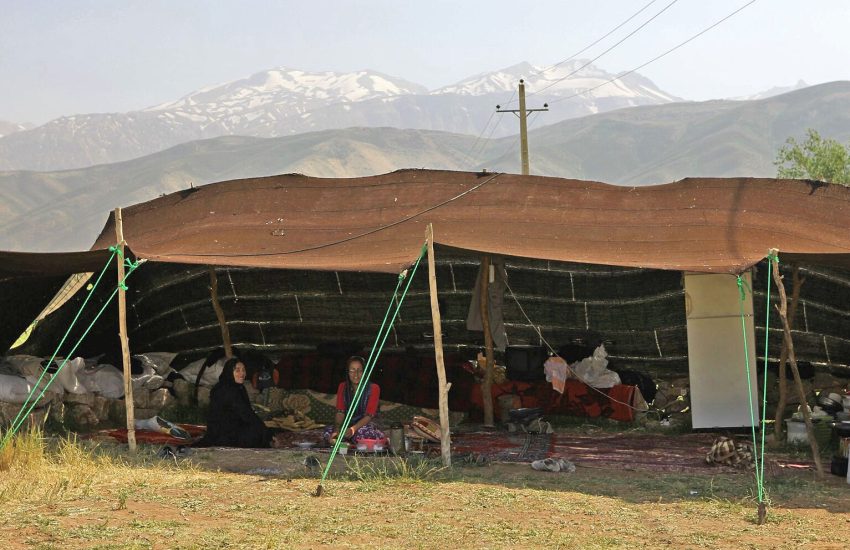
In the highlands of northern Guizhou, in the mountainous heart of the Chinese southwest, live the Gelao, one of the oldest peoples of the province and among the more scattered of China’s minorities. Held to be among the original inhabitants of Guizhou and heirs perhaps to the ancient kingdom of Yelang, they are farmers of the highland slopes, keepers of a distinct and now fragile tongue, of the reverence of the bamboo, and of customs of great age.
This account follows the Gelao from their ancient origins among the first peoples of the southwest, through their highland villages and their scattering among the Han, into their distinct Tai-Kadai language, their worship of the ancestors and the bamboo, and the old rites, the Ox King festival, and the customs that mark them. It ends with the Gelao of today, an ancient and dispersed people keeping their identity alive in the highlands of modern China.
- The Old People of the Guizhou Highlands
- Gelao, Klau, and the Name of the People
- The Gelao Tongue and Its Scattered Speakers
- The Highlands of Northern Guizhou
- The Villages, the Clans, and the Old Order
- The Clan, the Village, and the Bonds of the Gelao
- The Ancestors, the Bamboo, and the Spirits
- The Tooth Rite, the Song, and the Ways of the Gelao
- The Weavers, the Farmers, and the Makers of Cloth
- Maize, Rice, and the Table of the Highlands
- The New Year, the Ox King, and the Feasts
- From the Ancient Yelang to the People of Modern China
- The Gelao in Modern China
The Old People of the Guizhou Highlands
In the highlands of northern Guizhou, in the mountainous heart of the Chinese southwest, live the Gelao, one of the oldest peoples of the province and among the more scattered of China’s minorities. Numbering some half a million and more, they are held to be among the original inhabitants of Guizhou, a people whose roots in the land reach back before the coming of the Han and of many of their present neighbours.
The Gelao are counted among the descendants of the ancient peoples of the southwest, and many scholars connect them to the old kingdom of Yelang, a state that flourished in what is now Guizhou more than two thousand years ago, before the reach of the Chinese empire. If this link holds, the Gelao are the heirs of one of the oldest civilisations of the region, a people of great antiquity in their mountain home.
Their language, of the Tai-Kadai family but of a branch of its own, sets them apart from their neighbours and points to their ancient and distinct origin. Once far more numerous and widespread across Guizhou and the neighbouring lands, the Gelao were over the centuries scattered, reduced, and in many places absorbed by the Han and other peoples who came to the highlands.
To speak of the Gelao is to speak of an ancient and scattered people of the Guizhou highlands, farmers of the mountain slopes, heirs perhaps of the old kingdom of Yelang, and keepers of a distinct tongue and of customs of great age. Reduced and dispersed yet enduring, they hold their place among the peoples of China as one of the oldest of the southwestern hills.

Gelao, Klau, and the Name of the People
The people are known to China and the world as the Gelao, the Chinese rendering of their name, and it is by this name that the state recognises them as one of its nationalities and sets aside the autonomous counties of their homeland in northern Guizhou. The name appears in the old records under various forms, a mark of the people’s long presence in the region.
Among themselves the people call their nation by a name close to Klau or Gelao, their own word for who they are, and it is from this that the Chinese name is drawn. The name binds together the scattered communities of the Guizhou highlands and the neighbouring lands, a people much dispersed yet holding to a common identity rooted in their ancient origin.
In the old records the Gelao and their forebears appear under many names, for they were once numerous and widespread across the southwest, and the Chinese chroniclers noted their customs, at times with wonder, among them practices now long gone. These old accounts bear witness to a people who were, in ancient times, among the great populations of the region.
Whatever the name, the Gelao know themselves as one people, an ancient folk of the Guizhou highlands, scattered now among the Han and other peoples yet holding to the memory of their long presence in the land. The name Gelao, borne through the centuries, marks them as one of the oldest of the peoples of the southwest, heirs perhaps to the ancient kingdom of Yelang.

The Gelao Tongue and Its Scattered Speakers
The Gelao speak a language of the Tai-Kadai family, but one that forms a branch of its own, the Ge-Chi or Gelao branch, set apart from the Tai, the Kam-Sui, and the other branches of that great family. This distinct position points to the ancient and separate origin of the people, whose tongue diverged long ago from those of their Tai-Kadai kin.
The Gelao language is today in a fragile state, for the scattering and the reduction of the people over the centuries, and their close mingling with the Han and other neighbours, have led most Gelao to give up their own tongue for Chinese or for the languages of the peoples around them. Only a small number of the Gelao still speak their ancestral language, and it survives in scattered pockets.
Where it is still spoken, the Gelao tongue is divided into dialects so different that speakers of the far ones may not understand one another, a mark of the scattering of the people across a wide country. This deep division, unusual in so reduced a people, reflects the long isolation of the remnant communities that kept the old language.
For most Gelao today the everyday language is Chinese, or the tongue of a neighbouring people, and the ancestral language is among the most endangered of the Tai-Kadai family, spoken by only a fraction of the people and by few of the young. Its keeping and study are a matter of concern for those who cherish this rare and ancient survival of the speech of old Guizhou.

The Highlands of Northern Guizhou
The homeland of the Gelao is the highlands of northern and western Guizhou, a green and mountainous country of hills, plateaus, and deep valleys in the heart of the Chinese southwest, with communities also in the neighbouring parts of Yunnan, Sichuan, and Guangxi. The greater number live in and around the autonomous counties set aside for them in the north of Guizhou, above all near Wuchuan and Daozhen.
This is high, cool upland country, much of it above the mist, a land of karst hills and forested slopes, of terraced valleys and open plateaus swept by the highland wind. The Gelao settled the slopes and the valleys, where they cleared and terraced the land for their crops, and they gathered the produce of the hills and the forests around them, in a country of considerable beauty but often hard for the farmer.
Because the Gelao were over the centuries scattered and reduced, and mingled closely with the Han and other peoples, they nowhere form a solid block but live dispersed, their villages sprinkled among those of their neighbours across the highlands. The autonomous counties of the north mark the places where they are most numerous, but Gelao communities are found widely across the province.
Rooted to the highland slopes and valleys of northern Guizhou, and scattered among the peoples around them, the Gelao made their homeland in the mountainous heart of the southwest. It is a land of karst and forest, of terraced hill and highland plateau, where an ancient and dispersed people kept their identity and, among a remnant, their old tongue through the long centuries.

The Villages, the Clans, and the Old Order
In the days before the reach of the modern state, the Gelao lived in their highland villages as farmers of the slopes and valleys, under the sway of custom, the guidance of elders, and the bonds of the clan. In ancient times, if the link to the kingdom of Yelang holds, their forebears were part of a great southwestern state, but in later ages the Gelao lived without kings, in scattered communities of their own.
The old records of the Chinese chroniclers noted the customs of the Gelao and their forebears with wonder, among them practices now long gone, such as, in some accounts, the knocking out of certain teeth at the coming of adulthood, and distinctive ways of burial and of dress. These old customs, remembered in the records, bear witness to the antiquity and the once separate world of the people.
Life turned on the farming of the highland slopes, the growing of maize, rice, and other crops on the terraced land, and the keeping of stock, and wealth was reckoned in land and in the produce of the fields. As the centuries passed and the Han settled the highlands in growing numbers, the Gelao were pressed, reduced, and in many places drawn into the ways of their neighbours.
Governed by custom, by elders, and by the clan, and ruled from afar by the empire, the Gelao lived as highland farmers of a scattered and dwindling people. Heirs perhaps to an ancient kingdom, keepers of customs of great age, they held to their identity through the long centuries even as they were dispersed and reduced among the peoples of the Guizhou highlands.

The Clan, the Village, and the Bonds of the Gelao
Gelao society rests on the household, the clan, and the village, the ties of descent that bind families across the scattered highland communities. Descent is reckoned through the father’s line, and members of a clan share a common ancestor, honour the same forebears, and owe one another the duties of kin, while the village, often shared with other peoples, is the everyday frame of life.
Because the Gelao were scattered and reduced and mingled closely with the Han and others, their society in many places came to resemble that of their neighbours, and the old distinctions faded. Yet the ties of clan and the memory of a common origin held the Gelao together as a people, even where they lived dispersed among others and had taken on much of their neighbours’ ways.
Marriage among the Gelao was made outside the clan and marked by the exchange of gifts and by feasting, and in the old days the coming of adulthood was marked, in some accounts, by distinctive rites. The ties of marriage bound the households and clans of a district together, and the family and the clan, rather than any wider state, gave the Gelao the frame of their life.
Women worked beside the men in the fields and, as weavers, clothed the household in the cloth they made, and the dress of the Gelao women, in the old days distinctive, marked them among their neighbours. Through the clan, the village, and the bonds of kin, the Gelao individual was bound into a community that held to its identity through scattering and reduction across the highlands.

The Ancestors, the Bamboo, and the Spirits
The religion of the Gelao is rooted in the worship of the ancestors and in a rich belief in the spirits of the highland world, the spirits of the mountains, the trees, the rivers, and the fields. The forebears of the clan are honoured with offerings, for their goodwill is held to guard the family, and the bond between the living and the dead is carefully kept through the rites of the household.
A distinctive mark of Gelao belief is the reverence of the bamboo, held sacred by many communities, who trace in their legends a tie between the people and the bamboo, and honour it in ritual. This reverence, tied to their myths of origin, sets the Gelao apart and speaks to the ancient roots of their faith in the highland world of Guizhou.
Around the worship of the ancestors and the bamboo the Gelao held a belief in a host of spirits and in the powers of the natural world, and their ritual specialists performed the ceremonies of healing, of the crop, and of the dead, and read the omens that guided the people. Offerings and rites kept the spirits content and secured their blessing on the fields and the herds.
In later times, through their long mingling with the Han, the Gelao took in much of the Taoism, the Buddhism, and the folk religion of their neighbours, and the old faith blended with these. Yet the honouring of the ancestors, the reverence of the bamboo, and the belief in the spirits of the highland world remain at the root of the Gelao sense of themselves and their ancient home.

The Tooth Rite, the Song, and the Ways of the Gelao
Among the old traditions of the Gelao, remembered in the records of the chroniclers, was the rite of the teeth, in which, in some accounts, a young person at the coming of adulthood had certain teeth knocked out or filed, a mark of the passage to maturity and of belonging to the people. This striking custom, now long gone, set the Gelao apart in the eyes of the old writers.
The reverence of the bamboo runs through Gelao tradition, tied to the myths of the people’s origin, and the honouring of the ancestors and the spirits of the highland world orders the great occasions of life and the year. The rites of birth, of marriage, and of death, and the festivals of the crop and the seasons, are kept in the ways handed down from the forebears.
Song and dance run through Gelao life, in courtship, at weddings, and at the festivals, and the people are known for their songs and for the playing of instruments at their gatherings. The distinctive dress of the Gelao women, in the old days marked by particular styles and adornments, was worn at the great occasions and set the people apart among their neighbours.
Around these run the customs of the year and of life, the honouring of the ox at its festival, the rites of the ancestors and the bamboo, and the courtship carried on in song. Through these traditions, some now only remembered and some still kept, the Gelao mark the passages of life and the turning of the year in ways carried down, though much changed, from their ancient forebears of the highlands.

The Weavers, the Farmers, and the Makers of Cloth
The crafts of the Gelao are the crafts of a highland farming people. Chief among them was the making of cloth by the women, who spun and wove hemp and cotton, dyed it, and sewed the dress of the household, and in the old days the Gelao were noted for a distinctive weaving and a dress marked by particular styles that set them apart among their neighbours.
The Gelao were known in earlier times for the working of hemp into cloth, and for a fine and distinctive weaving, and the women adorned the dress with embroidery and, at the festivals, with ornaments. The making of a woman’s dress was a labour of care and a measure of her skill, though as the people mingled with the Han much of the old distinctive dress and craft faded.
Beyond cloth the Gelao practised the crafts of a highland people, the building of houses of timber, earth, and stone, the plaiting of bamboo into baskets and mats, and the carving of the tools of daily life. The reverence of the bamboo gave that plant a special place, and the working of bamboo into the goods of the household was a craft of the people.
The tending of the highland fields, the terracing of the slopes, and the growing of the crops of the uplands were the great skills of the Gelao, a farming people of the mountains. Yet as the centuries passed and the people were scattered and drawn into the ways of their neighbours, many of the old distinctive crafts faded, surviving best among the remnant communities that kept the old ways.

Maize, Rice, and the Table of the Highlands
The food of the Gelao is the food of the Guizhou highlands, built on the maize, rice, and other crops that the terraced slopes and valleys will bear. Maize and rice are the chief staples, cooked as porridge, cakes, or steamed grain, and to them are added the vegetables of the garden, the beans, and the wild greens gathered from the hills, with meat as the food of festivals and welcome.
The Gelao share in the food traditions of Guizhou, a province famed for its love of the sour and the pungent, and the sour and pickled dishes, the chilli, and the fermented foods of the region have their place at the Gelao table. Pork is the everyday meat of the household, kept and killed for the great occasions, and the forests and streams yield wild plants and game to enrich the table.
A drink closely tied to the highlands is the sipping wine, the grain wine drunk through a slender reed from a common jar, shared among the company as a mark of hospitality and festivity, a custom the Gelao share with other peoples of the region. Tea, grown on the slopes of the province, is drunk and offered to guests in the manner of the highlands.
Rice and grain wine, brewed in the household, is the drink of hospitality and of ritual, poured for guests, shared at the festivals, and offered to the ancestors and the spirits. From the maize and rice of the terraced slopes to the sour dishes of Guizhou and the reed-sipped wine, the food of the Gelao is rooted in the fields and the customs of the highland southwest.

The New Year, the Ox King, and the Feasts
The festivals of the Gelao turn on the farming year and on the honouring of the ancestors and the spirits, and they gather the community for feasting, song, and dance. The new year is kept, as among their neighbours, with the gathering of kin, the wearing of the finest dress, and the sharing of the good things of the table, the high point of the Gelao year.
A festival especially dear to the Gelao is that of the ox, the Ox King festival, held to honour the beast that draws the plough and bears so much of the labour of the highland farm. On this day the ox is rested, fed with good things, and honoured with offerings, in thanks for its toil, a festival that speaks of the deep tie between the Gelao and the farming life of their slopes.
The reverence of the bamboo and the honouring of the ancestors bring their own observances, with offerings and rites at the sacred places, and the turning of the seasons brings the festivals of planting and harvest, when the community gives thanks for the crop and prays for the next. These occasions gather the scattered kin for offering, feasting, and song.
The passages of life, birth, marriage, and death, gather the kin for ceremony, and among the Gelao the wedding and the courtship are carried on in song. At all these occasions the dress and adornments of the people, the songs and the reed-sipped wine, and the fellowship of kin bring colour and warmth, so that the Gelao meet the great moments of life and the year with feast and song.

From the Ancient Yelang to the People of Modern China
The Gelao are held to be among the oldest peoples of Guizhou, and many scholars connect them to the ancient kingdom of Yelang, a state that flourished in the southwest more than two thousand years ago, before the Chinese empire reached the region. If this link holds, the Gelao are the heirs of one of the earliest civilisations of the southwest, a people of the deepest antiquity in their highland home.
In ancient and medieval times the forebears of the Gelao were far more numerous and widespread across Guizhou and the neighbouring lands, and they appear in the old records under many names, noted for their distinctive customs. They were among the great populations of the region before the tide of Han settlement and the coming of other peoples changed the face of the highlands.
Over the long centuries, as the Han settled Guizhou in growing numbers and other peoples moved into the highlands, the Gelao were pressed, scattered, and in many places reduced and absorbed, so that a people once great became one of the more dispersed and dwindling. Yet remnant communities held to their identity, their customs, and, among a few, their ancient tongue.
After the founding of the People’s Republic the Gelao were recognised as one of the official nationalities of China, and autonomous counties, shared in some places with the Miao and others, were established in their northern Guizhou homeland. The modern age has brought roads, schools, and the reach of the state to the Gelao highlands, and efforts to record and revive their fading language and customs.

The Gelao in Modern China
Today the Gelao number some half a million and more, living still chiefly in the highlands of northern and western Guizhou, above all in and around their autonomous counties near Wuchuan and Daozhen, with communities scattered elsewhere in the province and beyond. An ancient and dispersed people, they remain rooted in the mountains that their forebears held before the coming of the Han.
Modern life has come to the Gelao highlands in the shape of roads, schools, and the reach of the market, and the same forces that touch all of rural China, the pull of the cities and of migrant labour, draw many younger Gelao away to the factories and towns. Living so closely among the Han, the Gelao face strongly the pressures that blur the lines between peoples.
The ancestral language, spoken now by only a small remnant, is the most fragile part of the Gelao heritage, and most Gelao have long spoken Chinese or the tongue of a neighbouring people. Efforts have been made to record and revive the old language and customs, and the autonomous counties give a measure of recognition to a people once nearly lost among their neighbours.
Through scattering and reduction the Gelao carry their heritage with a quiet pride. The memory of their ancient origin, perhaps in the kingdom of Yelang, the reverence of the bamboo, the honouring of the ancestors, the Ox King festival, and the remnant of their old tongue endure as marks of who they are. One of the oldest peoples of Guizhou, the Gelao keep their identity alive in modern China.

Related Peoples of the Region
- Derung of the Dulong Valley, a Hidden Mountain People of Yunnan
- Jing People of the Beibu Gulf, China’s Vietnamese Coast Dwellers
- Russians of China, an Orthodox People on the Northern Frontier
- Tatars of China
- Uzbeks of China
- Monba People
- Gaoshan People, the Austronesian Highlanders of Taiwan
- Lhoba People of the Eastern Himalaya, Forest Hunters of the Tibetan Gorges
More Peoples of the World
- Zulu of the Green Hills and Their Kingdom Forged by Shaka
- Xhosa of the Eastern Cape and Their Clicking Tongue and Rite of Manhood
- Basotho of the Mountain Kingdom and the Nation Moshoeshoe Forged
- Shona of the Zimbabwe Plateau and Their Cities of Stone
- Ndebele of the Highveld and Their Painted Homes
- Tswana of the Kalahari Plateau and the Kgotla
- Swazi of Eswatini and the Kingdom of the Two Rulers
You May Like
The Zaza, a Mountain People of Eastern Anatolia