At the north-eastern tip of Asia, where Siberia reaches toward Alaska across the Bering Strait, live the Chukchi, one of the northernmost peoples on earth. On the frozen tundra and icy seas of Chukotka they built a life around two great livelihoods: herding reindeer and hunting the walrus and the whale.
Theirs is a heritage of the skin-covered yaranga and the shaman’s drum, of walrus-ivory carving and a fierce independence that kept even the Russian Empire at bay. To know the Chukchi is to meet a people who mastered survival at the very edge of the human world.
Chukotka on Film
Contents
- Origins
- The Name
- The Language
- The Homeland
- The Old Way of Life
- Society and Community
- Religion and Belief
- Traditions
- Crafts
- Food
- Festivals
- History
- Today
Origins

The Chukchi are an indigenous people of the far north-east of Siberia, living on the Chukotka Peninsula, the corner of Asia that reaches toward Alaska across the Bering Strait. They are one of the northernmost peoples on earth, adapted to survive in one of its harshest environments, a land of frozen tundra and Arctic seas.
The Chukchi are traditionally divided into two ways of life: the inland reindeer Chukchi, who herded across the tundra, and the coastal or maritime Chukchi, who hunted sea mammals along the shore. Together they formed one people, speaking a language of the small Chukotko-Kamchatkan family found only in this remote region.
The Name

The name Chukchi comes from a word in their own language, chauchu, meaning rich in reindeer, the term used by the inland herders. The people call themselves Luoravetlan, meaning the true or genuine people.
The distinction between the reindeer Chukchi of the interior and the maritime Chukchi of the coast runs through their history and identity. Together they are the dominant indigenous people of Chukotka, at the very edge of the Asian continent.
The Language

The Chukchi language belongs to the small Chukotko-Kamchatkan family, unrelated to the Turkic and Tungusic languages of most of Siberia, and is spoken only in Chukotka. It is known for its complex grammar and, traditionally, for differences between men’s and women’s pronunciation.
The Chukchi had no writing until the twentieth century, when a script was devised, though a herder named Tenevil famously invented his own pictographic system in the 1920s. Today the language is written in Cyrillic but, like other small Siberian tongues, is under heavy pressure from Russian.
The Homeland

The Chukchi homeland is Chukotka, the vast, remote peninsula at the north-eastern tip of Asia, a land of Arctic tundra, mountains, and a long coastline on the Arctic and Pacific oceans, facing Alaska across the Bering Strait. It is a region of long, dark, bitterly cold winters and brief, cool summers.
The treeless tundra, grazed by reindeer, and the icy seas, rich in walrus, seals, and whales, provided the two great livelihoods of the Chukchi. Few peoples live in a harsher or more remote homeland.
The Old Way of Life

The inland Chukchi were nomadic reindeer herders, following their vast herds across the tundra and depending on the reindeer for meat, clothing, and the coverings of their tents. The coastal Chukchi were hunters of the sea, taking walrus, seals, and whales from skin boats along the shore.
Both lived in the yaranga, a large dome-shaped tent of poles covered with reindeer or walrus skins, with an inner sleeping chamber warmed by a seal-oil lamp. The two groups traded reindeer products for the goods of the sea, and together sustained life at the edge of the world.
Society and Community

Chukchi society was organised around the family, the herding or hunting band, and ties of kinship and mutual aid, without powerful chiefs or a centralised structure. Survival in the Arctic demanded cooperation, and bonds between families were reinforced by exchange and alliance.
The Chukchi were famous for their independence and their fierce resistance to Russian conquest, the only Siberian people the Russian Empire never fully subdued by force. Under the Soviet Union their nomadic life was collectivised and transformed, but their attachment to the reindeer and the sea endured.
Religion and Belief

The Chukchi traditionally followed shamanism and animism, believing in a world filled with spirits of animals, places, and natural forces, with shamans who healed and divined through drumming and trance. Ritual and sacrifice, especially of reindeer, were central to their relationship with the spirit world.
Great importance was placed on the proper treatment of the animals they depended on, and on rituals to ensure success in herding and hunting. These beliefs, suppressed under Soviet rule, survive in memory and in a modern revival of interest.
Traditions

Chukchi tradition is bound to the reindeer and the sea. Festivals marked the killing of the first seal or the autumn slaughter of reindeer, and drumming, dance, and song accompanied these and other occasions. The Chukchi drum, made of skin stretched over a wooden hoop, was central to both celebration and shamanic ritual.
Traditional facial tattooing, especially among women, storytelling, and the customs of the herding and hunting life marked the culture. These traditions carried the identity of a people living at the extreme edge of the human world.
Crafts

The Chukchi are celebrated for their carving of walrus ivory and bone, an ancient art of the Bering coast producing figures, tools, and engraved scenes of hunting and daily life. The workshop at Uelen remains famous for this delicate work.
The sewing of warm, waterproof clothing from reindeer hide and sealskin, essential for survival in the Arctic, was a highly developed skill, as was the making of the yaranga and the skin boats. These practical crafts were matched by the beauty of the ivory carving.
Food
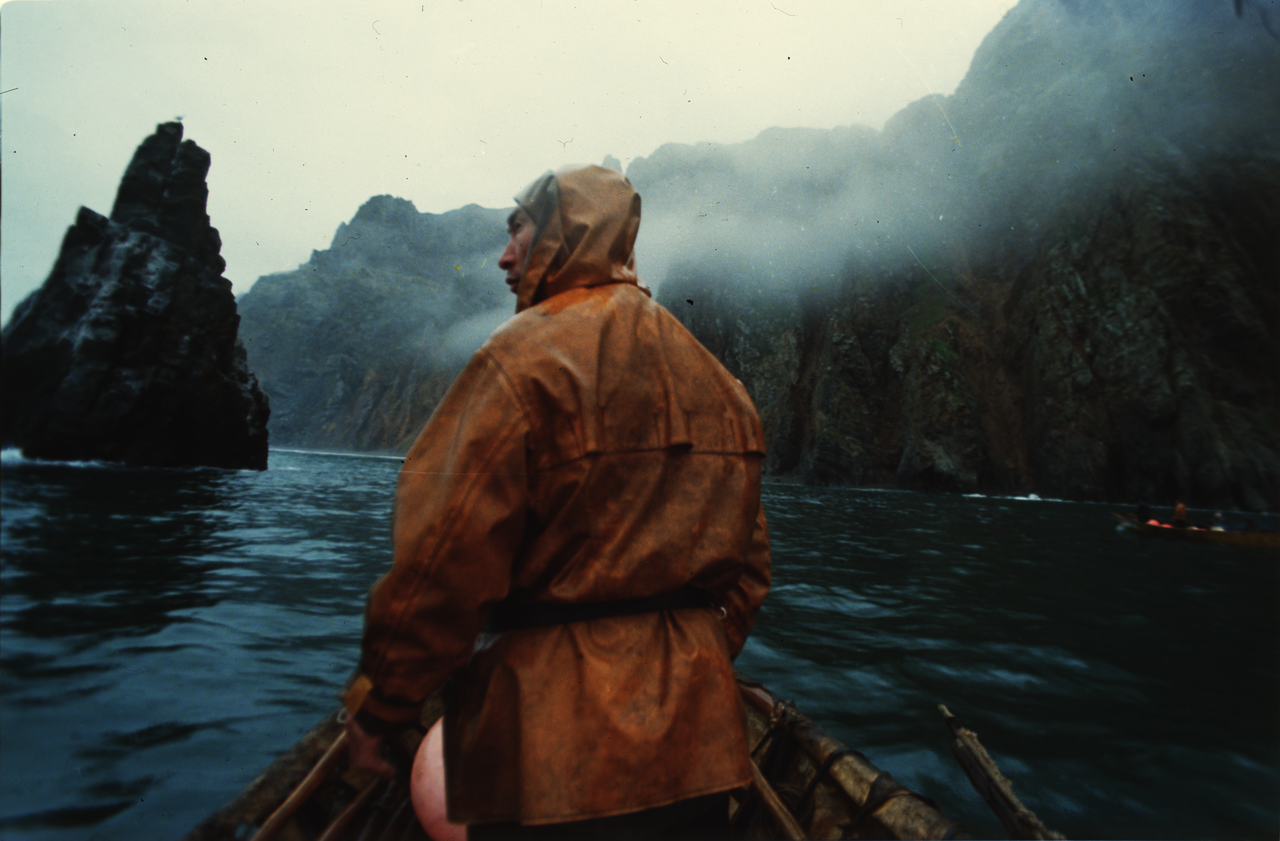
Chukchi food came almost entirely from the reindeer and the sea, for little can be grown in the Arctic. The inland people ate reindeer meat, fresh, boiled, or frozen, while the coastal people lived on the meat and blubber of walrus, seals, and whales.
Meat and fat were often eaten raw or frozen to preserve their nutrients in a land without vegetables, supplemented by fish, wild greens, and berries gathered in the short summer. This diet, rich in fat and protein, sustained life through the long Arctic winter.
Festivals

The festivals of the Chukchi followed the cycle of herding and hunting. Coastal communities held ceremonies to honour the whale, the walrus, and the seal, thanking the animals and ensuring future success, while reindeer herders marked the seasons of the herd with their own rites.
These festivals, filled with drumming, dance, sacrifice, and feasting, bound the community and honoured the spirits of the animals on which life depended. Modern revivals of these celebrations help sustain Chukchi identity.
History

The Chukchi famously resisted the Russian Empire, defeating Cossack expeditions in the eighteenth century so effectively that Russia abandoned attempts to conquer them by force, instead drawing them into trade. They remained largely independent longer than almost any other Siberian people.
Under the Soviet Union, however, the Chukchi were collectivised, their children sent to boarding schools, and their nomadic life reorganised into state farms. The collapse of the Soviet Union brought economic hardship to Chukotka, though later investment improved conditions in the region.
Today

Today the Chukchi number around fifteen thousand, the largest indigenous people of the Chukotka Autonomous District, whose capital is Anadyr. Some still herd reindeer on the tundra or hunt sea mammals along the coast, while many now live in the settlements and towns of the region.
Modern Chukchi life combines the old livelihoods of reindeer and the sea with the realities of a remote and challenging corner of Russia. Their language, their ivory carving, their traditions, and their extraordinary adaptation to the Arctic continue to define one of the northernmost peoples on earth.
Related Peoples of the Region
More Peoples of the World
You May Like

The Ryukyuans, an Island People of Okinawa