On the long chain of subtropical islands between Japan and Taiwan live the Ryukyuans, an island people whose gentle culture, distinct languages, and proud history set them apart within Japan. From the fifteenth century they built the Ryukyu Kingdom, a prosperous maritime state that traded across the seas of Asia.
Theirs is a heritage of the sanshin and the eisa drum dance, of vivid bingata cloth and rooftop shisa lions, of karate and a cuisine linked to the famous longevity of Okinawa. To know the Ryukyuans is to meet the distinctive island people at the southern edge of Japan.
Okinawa on Film
Contents
- Origins
- The Name
- The Language
- The Homeland
- The Old Way of Life
- Society and Community
- Religion and Belief
- Traditions
- Crafts
- Food
- Festivals
- History
- Today
Origins
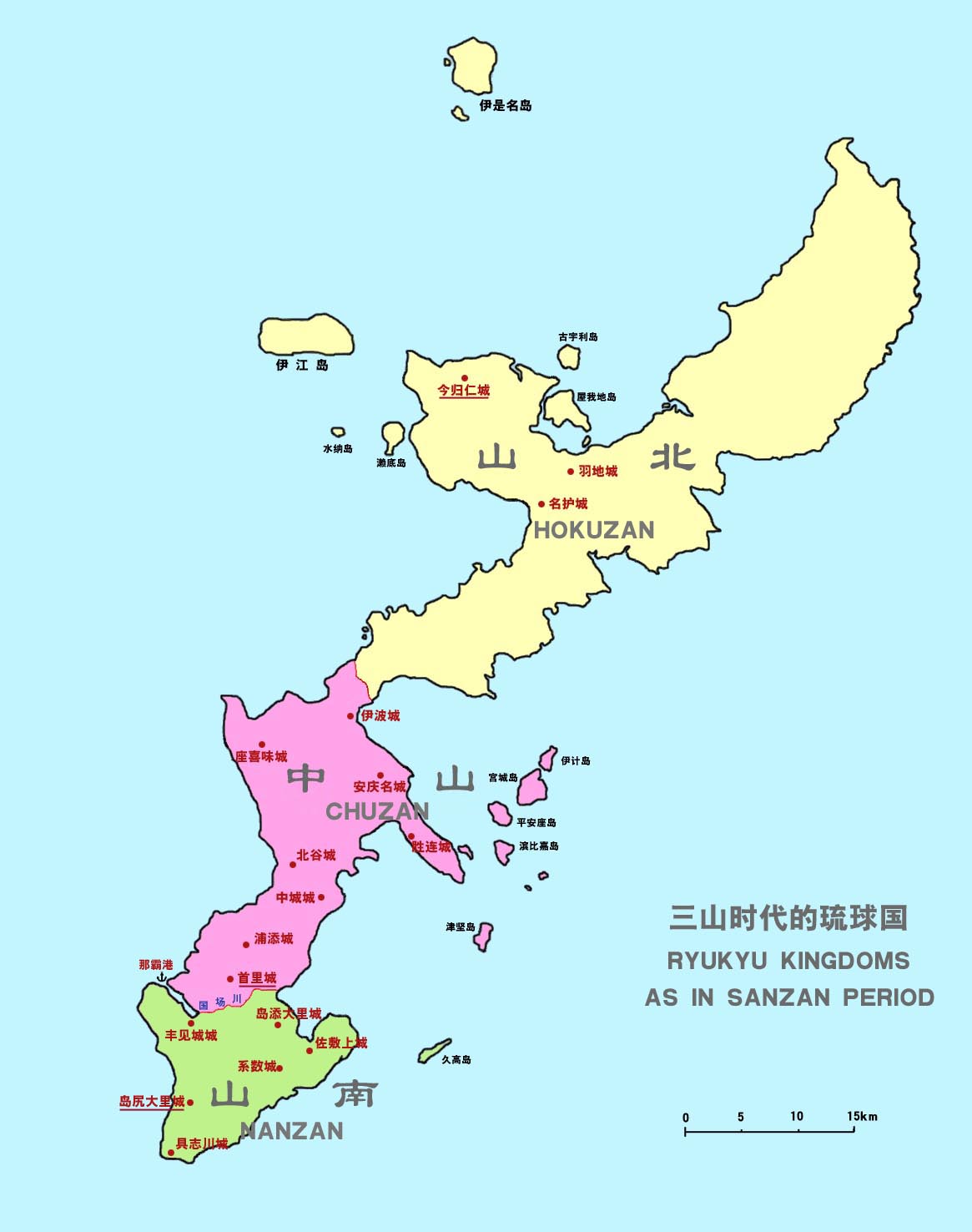
The Ryukyuans are the indigenous people of the Ryukyu Islands, the long chain of subtropical islands stretching between the main islands of Japan and Taiwan, centred on Okinawa. Though today part of Japan and closely related to the Japanese, they have a distinct history, language, and culture of their own.
The Ryukyuans developed on their scattered islands, and by the fifteenth century the three small kingdoms of Okinawa were united into the Ryukyu Kingdom, a prosperous maritime state that traded across East and Southeast Asia. This kingdom, poised between China and Japan, gave the Ryukyuans a proud and cosmopolitan heritage.
The Name
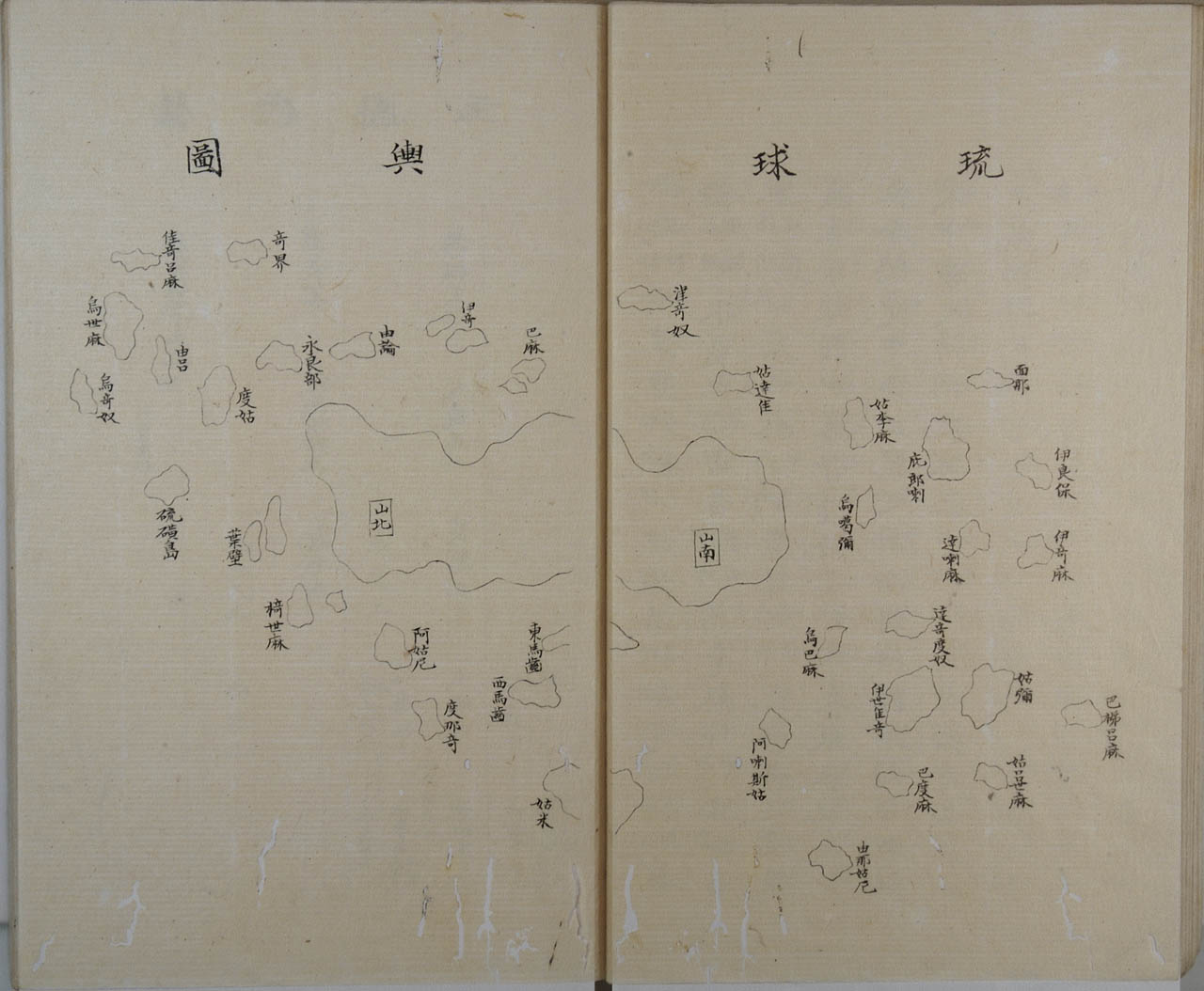
The Ryukyuans take their name from the Ryukyu Islands, and are also widely known by the name of their largest island and cultural centre, Okinawa. They call themselves and their homeland by names in their own languages, distinct from the Japanese.
Long an independent kingdom, the Ryukyus were absorbed into Japan only in the late nineteenth century, and the Ryukyuans retain a strong sense of being a distinct people. Okinawan identity, in particular, remains vivid within the modern Japanese state.
The Language

The Ryukyuan languages form, with Japanese, the small Japonic family, but they are distinct languages, not dialects, and are not mutually intelligible with Japanese. Several Ryukyuan languages are spoken across the islands, including Okinawan, Miyako, and Yaeyama.
These languages, once the everyday speech of the islands, are now endangered, as standard Japanese has become dominant since the islands’ incorporation into Japan. Efforts to record and revive the Ryukyuan languages are an important part of the movement to preserve the culture.
The Homeland

The Ryukyuan homeland is the arc of subtropical islands stretching for hundreds of miles between Kyushu and Taiwan, of which Okinawa is the largest. Ringed by coral reefs and warm seas, blessed with a mild climate, they are a world apart from the temperate main islands of Japan.
White beaches, turquoise waters, and lush greenery mark the islands, whose warm climate and distinctive way of life have been linked to the famous longevity of the Okinawan people. The sea has always been central to Ryukyuan life.
The Old Way of Life

Traditionally the Ryukyuans were farmers, fishers, and traders, growing rice, sweet potato, and sugar cane on their islands and drawing a rich harvest from the surrounding seas. The Ryukyu Kingdom grew wealthy as a hub of maritime trade, its ships linking China, Japan, Korea, and Southeast Asia.
Village life, the sea, and the rhythms of the subtropical seasons shaped the old way of life. A distinctive feature of Ryukyuan society was the important religious role of women as priestesses, the noro, who led the community’s rituals.
Society and Community

Ryukyuan society was shaped by the kingdom, with its royal court at Shuri, its aristocracy, and its scholar-officials, and by the village communities of farmers and fishers. A striking feature was the spiritual authority of women, who as priestesses held a status without parallel in neighbouring cultures.
Family, community, and a famous ethos of gentleness and hospitality mark Okinawan society, along with the concept of yuimaru, mutual cooperation. These values, and the reputation of the islanders for long and healthy lives, are central to the Ryukyuan sense of self.
Religion and Belief

The traditional religion of the Ryukyuans is an indigenous faith centred on the worship of ancestors and of nature spirits, and on sacred groves and sites called utaki. Uniquely, its priestly roles were held by women, the noro and the yuta, who mediated with the spirits and the ancestors.
The guardian lion-dog figures called shisa, set on rooftops and at gates to ward off evil, are a beloved emblem of Okinawan folk belief. Buddhism and, in modern times, other faiths have spread among the Ryukyuans, but the old reverence for ancestors and sacred places endures.
Traditions
Ryukyuan tradition is rich in music and dance. The sanshin, a three-stringed instrument covered in snakeskin, is the heart of Okinawan music, accompanying song and the graceful classical dances of the old court. The lively eisa, a drum dance performed at the summer festival of the ancestors, fills the streets with energy.
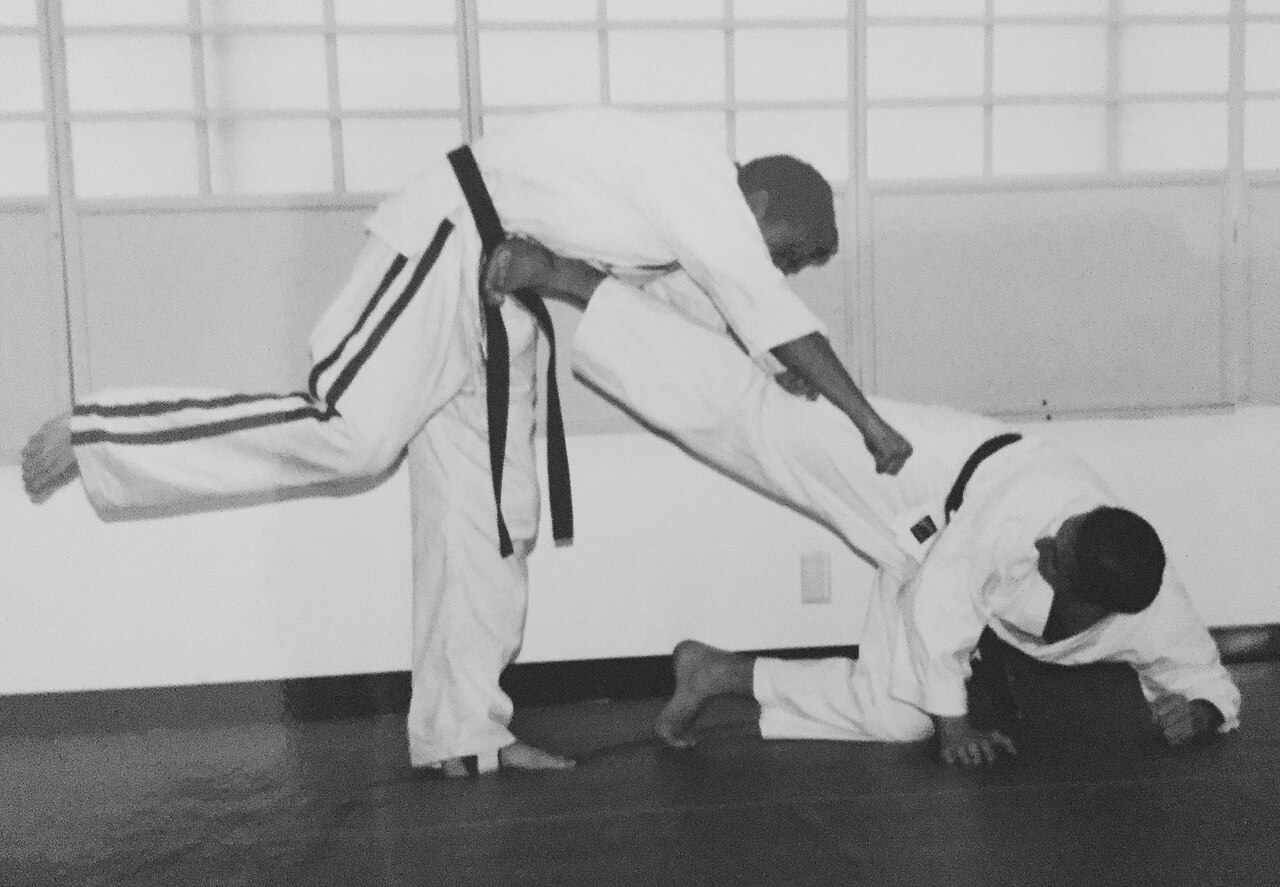
Okinawa is also the birthplace of karate, the martial art developed on the islands and now practised around the world. Music, dance, and the martial arts, together with the customs of ancestor veneration, express the distinctive Ryukyuan spirit.
Crafts

The Ryukyuans are renowned for beautiful crafts. Bingata, a vivid stencil-dyed cloth in brilliant colours and bold patterns, is the signature textile of Okinawa, once worn by royalty. Ryukyuan lacquerware, glassware, pottery, and fine textiles such as bashofu, woven from banana fibre, are all celebrated.
These arts, developed in the service of the royal court and the villages, drew on the islands’ trading contacts across Asia to create a distinctive style. Ryukyuan craft remains a proud part of the culture and a draw for visitors.
Food
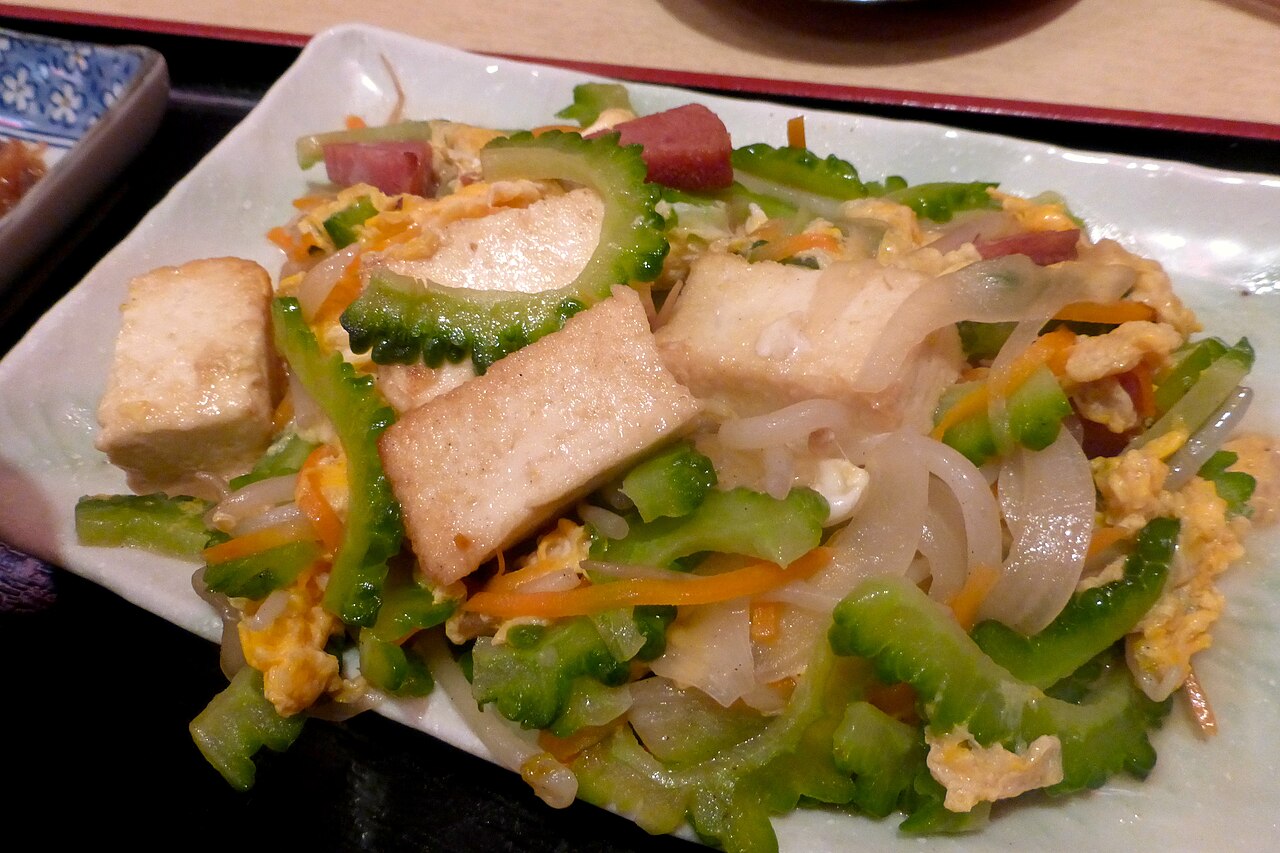
Okinawan cuisine is distinct within Japan and famous for its association with health and longevity. It makes generous use of the bitter melon goya, the sweet potato, pork in every form, seaweed, and tofu, in dishes such as goya chanpuru, a stir-fry of bitter melon, tofu, egg, and pork.
Long life on the islands has been linked to this diet of vegetables, soy, and modest portions, together with an active and sociable way of life. Pork, goya, and the produce of land and sea lie at the heart of the Okinawan table.
Festivals
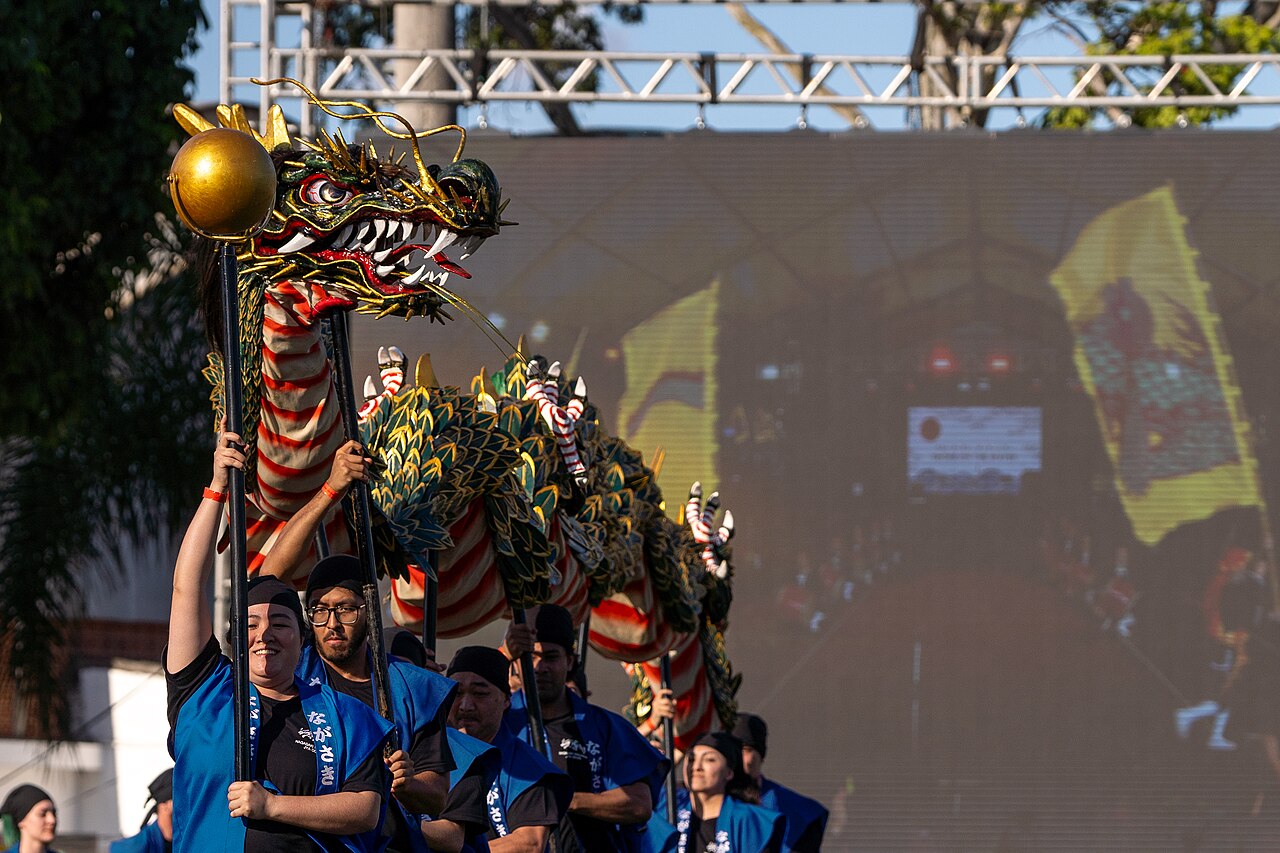
The great festival of the Ryukyuans is the summer Obon, when the ancestors are welcomed home and the streets fill with the drumming and dancing of eisa. Harvest festivals, boat races in dragon-shaped canoes, and the rituals of the sacred groves mark the island year.
The festivals blend the veneration of ancestors, the music of the sanshin, and the exuberant energy of eisa. Through them the Ryukyuans celebrate their distinct heritage and the bonds of family and community.
History

The Ryukyu Kingdom flourished for centuries as an independent maritime state, paying tribute to China while trading widely, until in 1609 it fell under the control of the Japanese domain of Satsuma while keeping its king. In 1879 Japan formally annexed the kingdom, abolishing the monarchy and making it Okinawa Prefecture.
The islands suffered terribly in 1945, when the Battle of Okinawa, among the bloodiest of the Second World War, devastated the land and killed a large part of the population. After the war Okinawa was held by the United States until 1972, and it still hosts major American bases, a source of ongoing tension.
Today
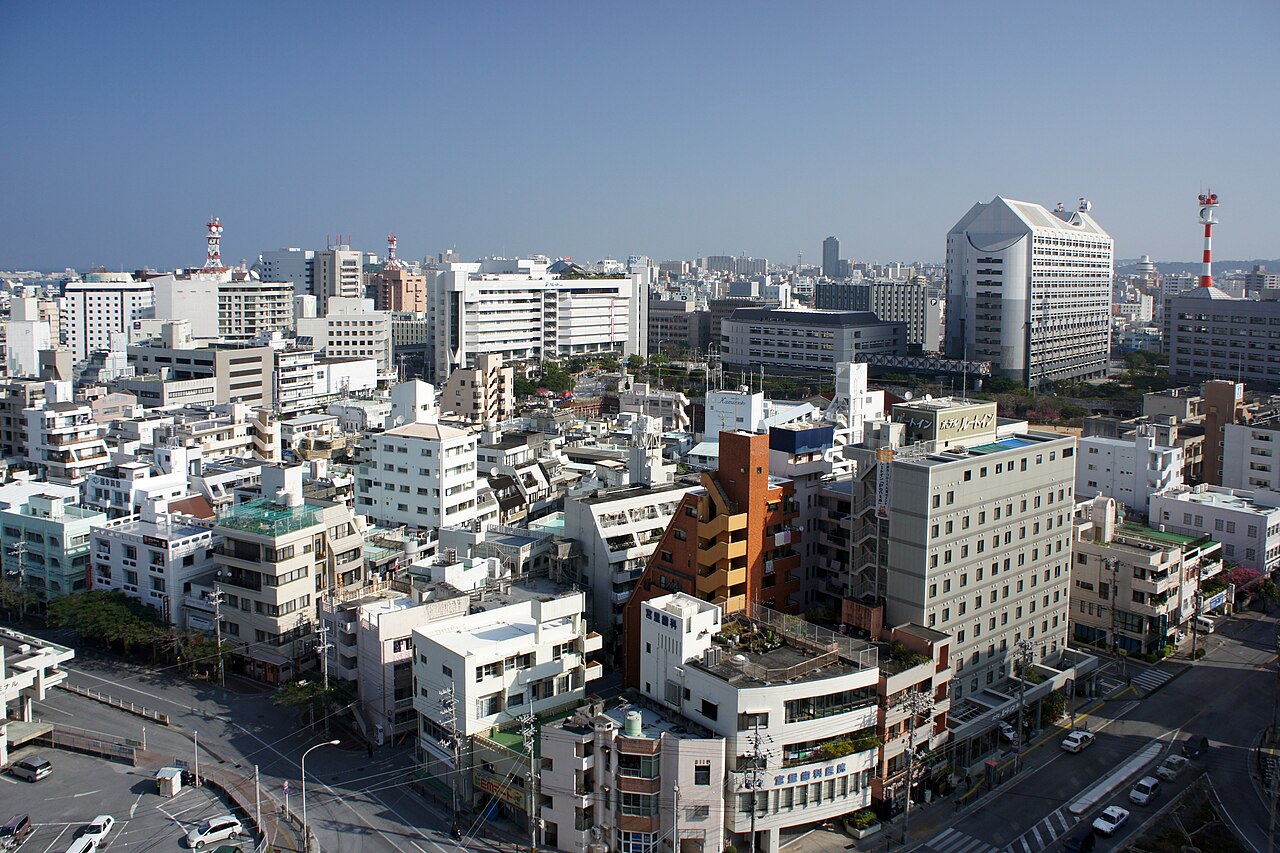
Today the Ryukyuans number well over a million in Okinawa Prefecture, with communities also on the Japanese main islands and in a diaspora reaching Hawaii, Brazil, and beyond. Okinawa is a popular subtropical destination, famed for its beaches, its cuisine, and the longevity of its people.
Modern Ryukyuans balance integration into Japan with a strong pride in their distinct identity, working to preserve their endangered languages, their music, their crafts, and the memory of their kingdom. Their sanshin, their eisa, their shisa, and their gentle island culture continue to set the Ryukyuans apart within Japan.
Related Peoples of the Region
More Peoples of the World
You May Like
The Damara, an Ancient People of Namibia