Along the narrow, green coast of western India, between the Arabian Sea and the Western Ghats, live the Konkani people, speakers of the Konkani tongue whose heartland is sun-blessed Goa. An ancient coastal and trading people, their culture was reshaped by four centuries of Portuguese rule into a unique blend of India and Europe.
Theirs is a heritage of Hindu temples and grand Catholic basilicas, of fish curry and cashew feni, of the melancholy mando and the lively tiatr theatre. To know the Konkani people is to discover the vibrant, cosmopolitan culture of the Konkan coast.
Goa on Film
Contents
- Origins
- The Name
- The Language
- The Homeland
- The Old Way of Life
- Society and Community
- Religion and Belief
- Traditions
- Crafts
- Food
- Festivals
- History
- Today
Origins
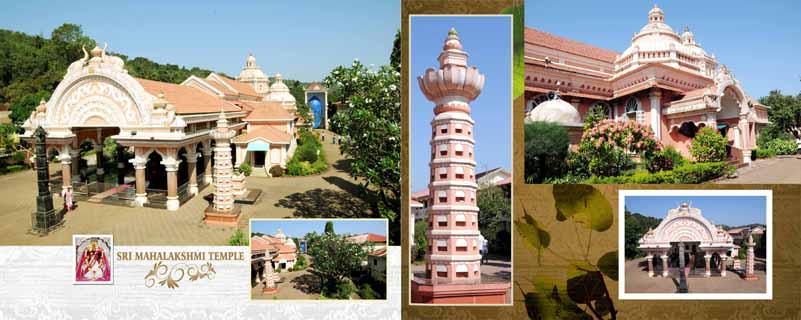
The Konkani people are the speakers of the Konkani language, native to the Konkan, the narrow, lush coastal strip of western India between the Arabian Sea and the Western Ghats. Their heartland is Goa, but Konkani communities are also spread down the coast into Maharashtra, Karnataka, and Kerala.
The Konkanis are an ancient coastal people, their homeland long a hub of maritime trade linking India with Arabia, Africa, and beyond. Their history was transformed in the sixteenth century by the arrival of the Portuguese, whose long rule over Goa gave part of the Konkani people a distinctive blend of Indian and European culture.
The Name
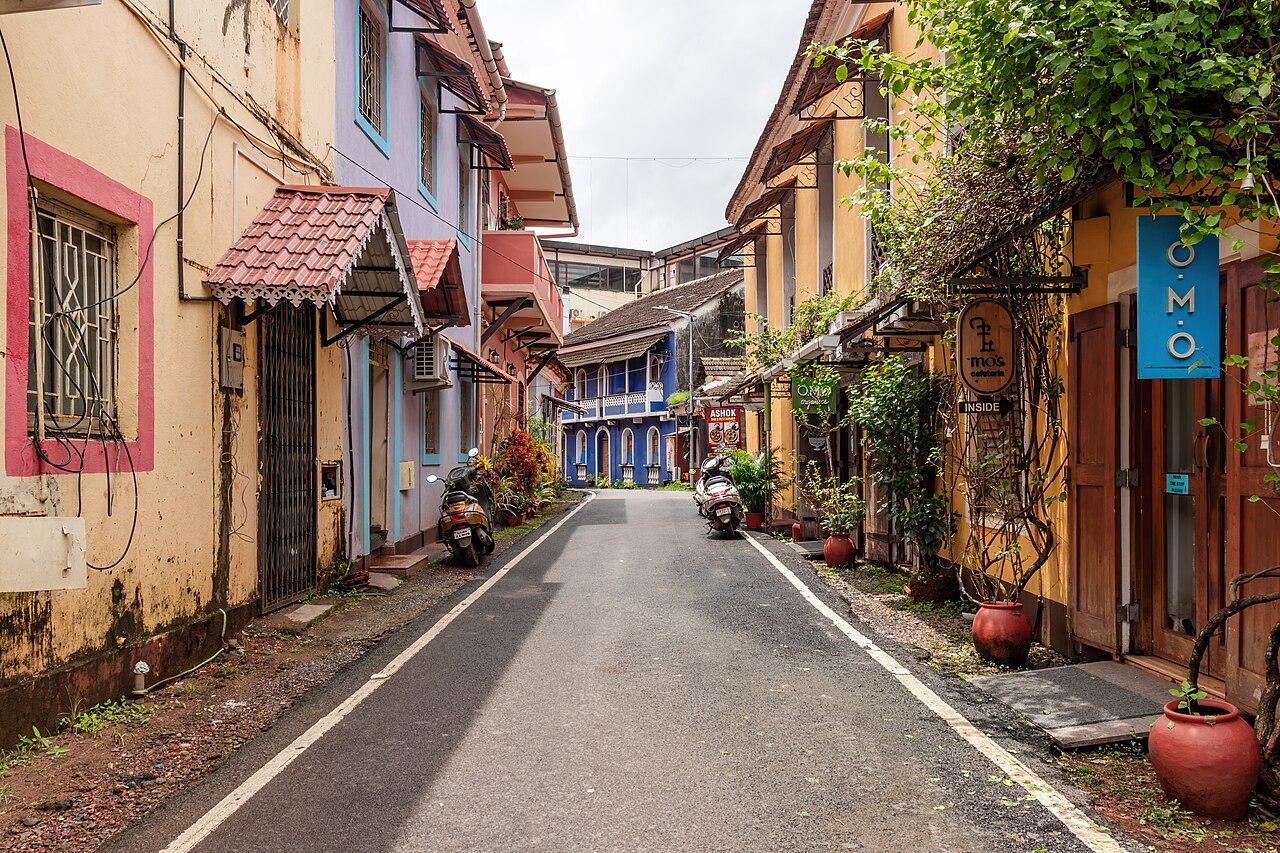
The Konkani people take their name from their language and their homeland, the Konkan coast. They are not a single religious or regional bloc but a linguistic community, united by Konkani across differences of faith and place.
Goans, the Konkani people of Goa, are the most famous group, but Konkani speakers include Hindus, Catholics, and Muslims spread along the western coast. What binds them is the Konkani tongue and a shared coastal culture.
The Language
Konkani is an Indo-Aryan language of the western coast, written in several scripts, including Devanagari and, among Goan Catholics, the Roman alphabet, a legacy of Portuguese rule. It is the official language of Goa and has a rich literary and musical tradition.
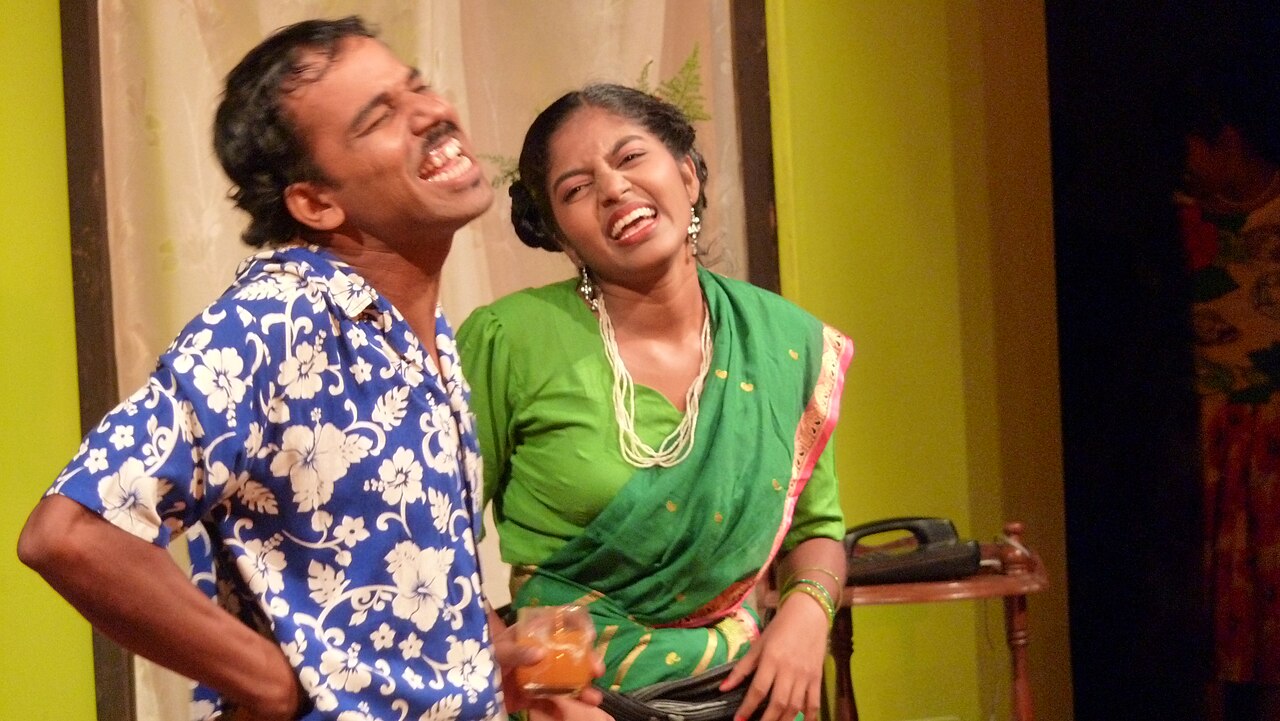
The language is famous for its songs and for the lively Konkani folk theatre known as tiatr, which blends music, comedy, and social commentary. Konkani identity is bound up above all with this distinctive language.
The Homeland

The Konkani homeland is the Konkan, a narrow, green, and beautiful coastal plain running along the western edge of India, backed by the forested slopes of the Western Ghats and fronted by the Arabian Sea. Goa, with its beaches, rivers, and palm groves, lies at its heart.
It is a land of monsoon rains, rice fields, coconut and cashew groves, and old ports, laced with rivers and blessed with a mild, wet climate. The sea and the coast have always shaped the life of the Konkani people.
The Old Way of Life
Traditionally the Konkani people were fishers, farmers, and traders, drawing a living from the sea and from the rice fields, coconut palms, and cashew and areca groves of the coast. The fishing boat and the rice paddy were at the centre of coastal life.
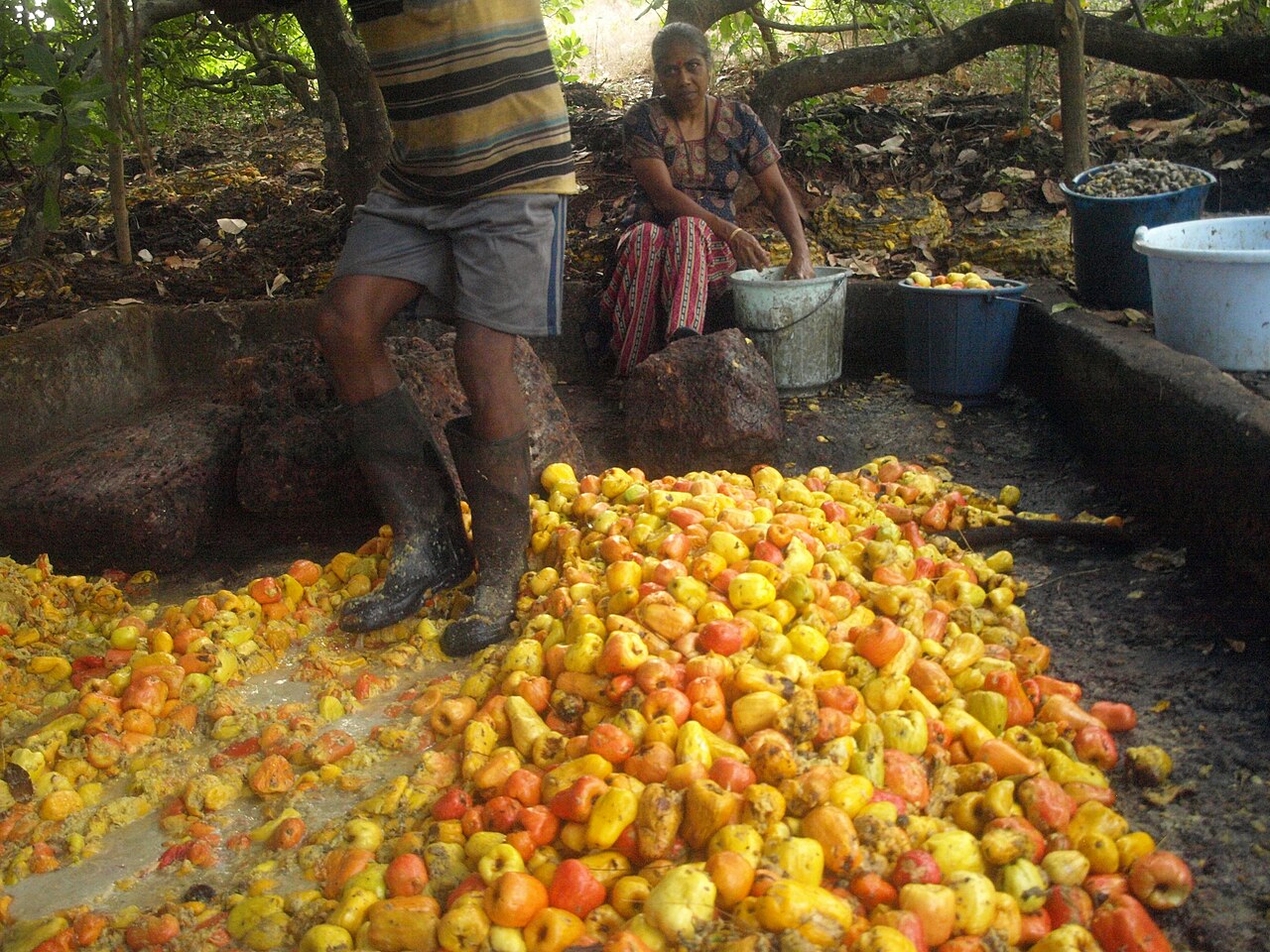
Trade along the coast and across the Arabian Sea brought prosperity and outside influences to the Konkan. In Goa, the Portuguese introduced the cashew, from which the local spirit feni is distilled, and reshaped village life around the parish church, while Hindu villages kept their temples and older ways.
Society and Community
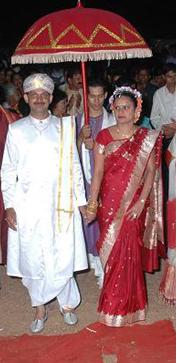
Konkani society is diverse, divided by religion between Hindus and a large Catholic community, especially in Goa and among the Mangalorean Catholics further south, along with Konkani Muslims. Village community, extended family, and caste have shaped social life among all groups.
In Goa, centuries of Portuguese rule produced a distinctive Indo-Portuguese culture among the Catholics, seen in dress, music, names, and cuisine, while Hindu Konkanis preserved their temples and traditions. A relaxed, coastal, and cosmopolitan spirit is often said to mark the Konkani people.
Religion and Belief
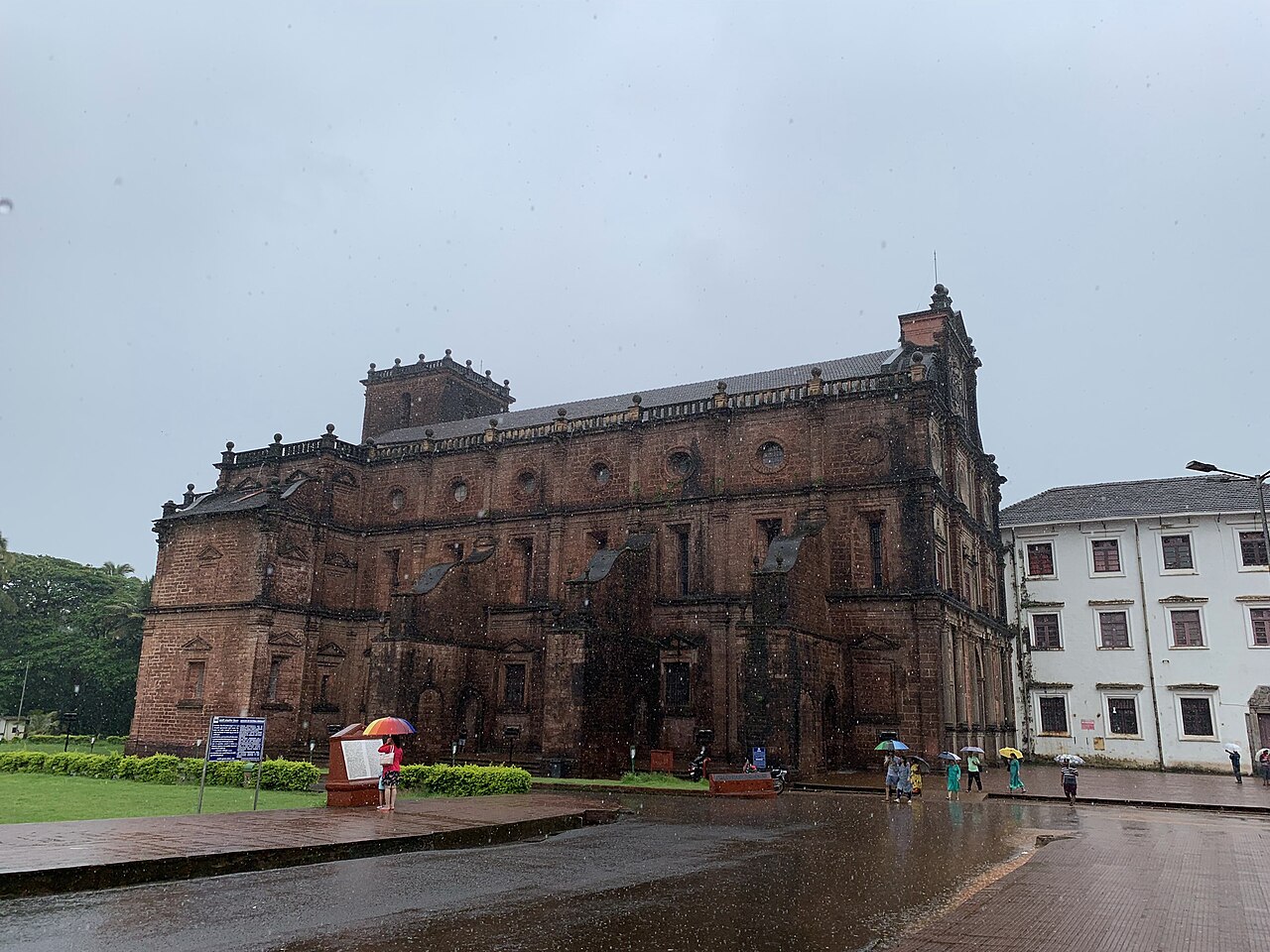
The Konkani people are divided chiefly between Hinduism and Roman Catholicism. Hindu Konkanis worship at ancient temples along the coast, many rebuilt after the destruction of the Portuguese era, and follow the traditions of coastal Hinduism.
Goan and Mangalorean Catholics, converted under Portuguese rule, form one of India’s most established Christian communities, and the great churches of Goa, above all the Basilica of Bom Jesus holding the relics of Saint Francis Xavier, are centres of their faith. Konkani Muslims add a third strand to the religious life of the coast.
Traditions
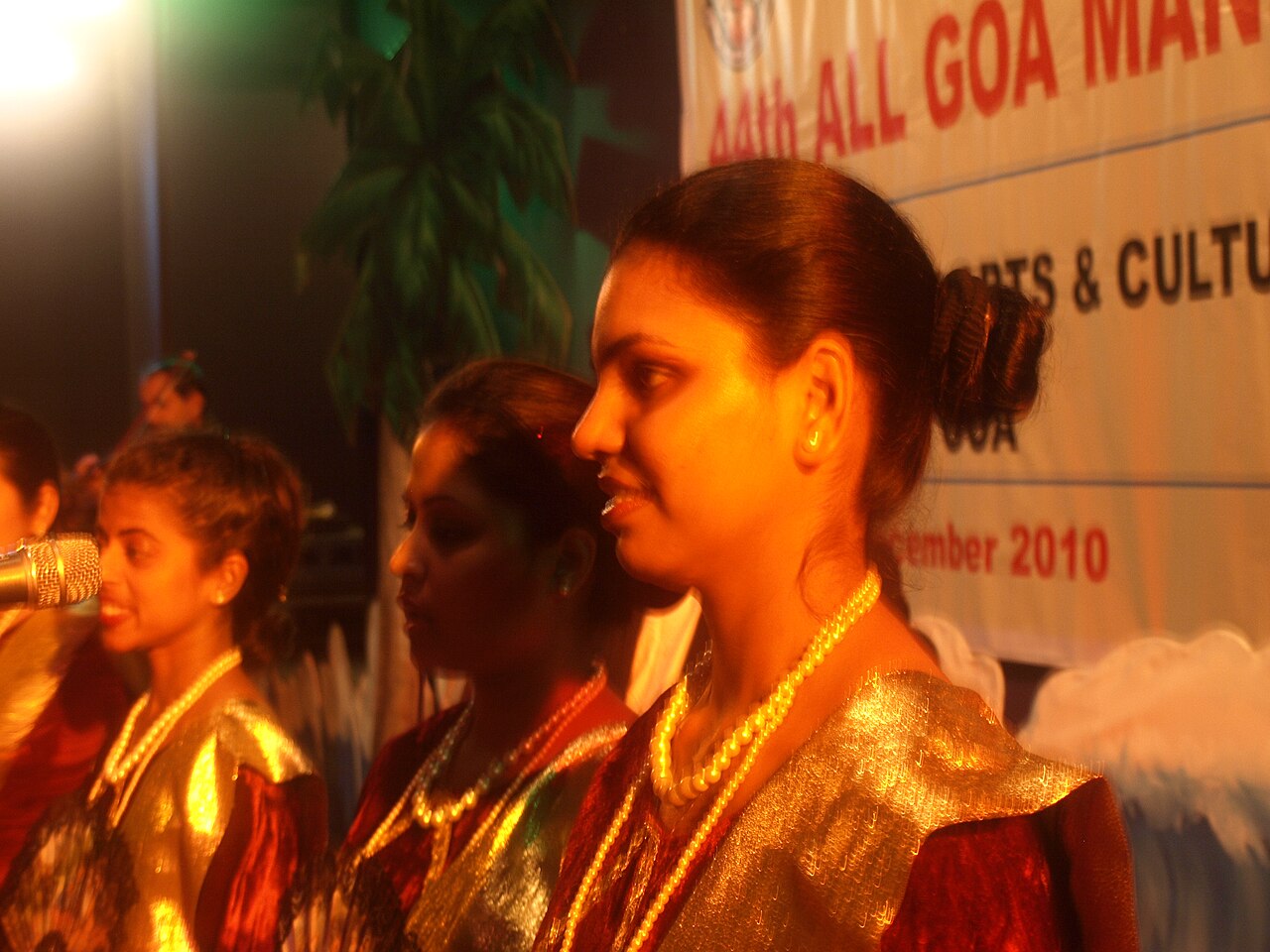
Konkani tradition is rich in music and dance. Among Goan Catholics, the mando, a graceful and melancholy song-dance performed in fine dress, and the lively dulpod express a unique Indo-Portuguese heritage, while Hindu Konkanis keep the folk dances and temple traditions of the coast.
The Konkani folk theatre of tiatr, the songs of the coast, and the customs surrounding weddings and religious festivals mark the culture. Feasting, music, and a love of celebration run through Konkani life across communities.
Crafts
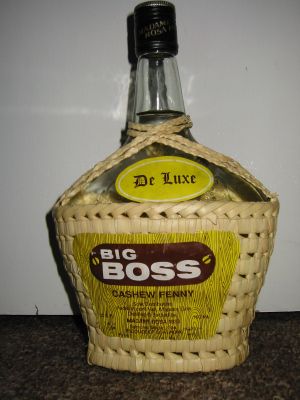
Konkani craft reflects the resources and history of the coast. In Goa, the distilling of feni from cashew and coconut, the making of azulejo painted tiles in the Portuguese style, and the crafting of pottery and coir products from coconut fibre are characteristic.
Along the coast, boat-building, fishing gear, and the working of coconut and cane belong to the material culture. Bakery and the making of sweets, shaped by Portuguese influence in Goa, are also treasured Konkani traditions.
Food
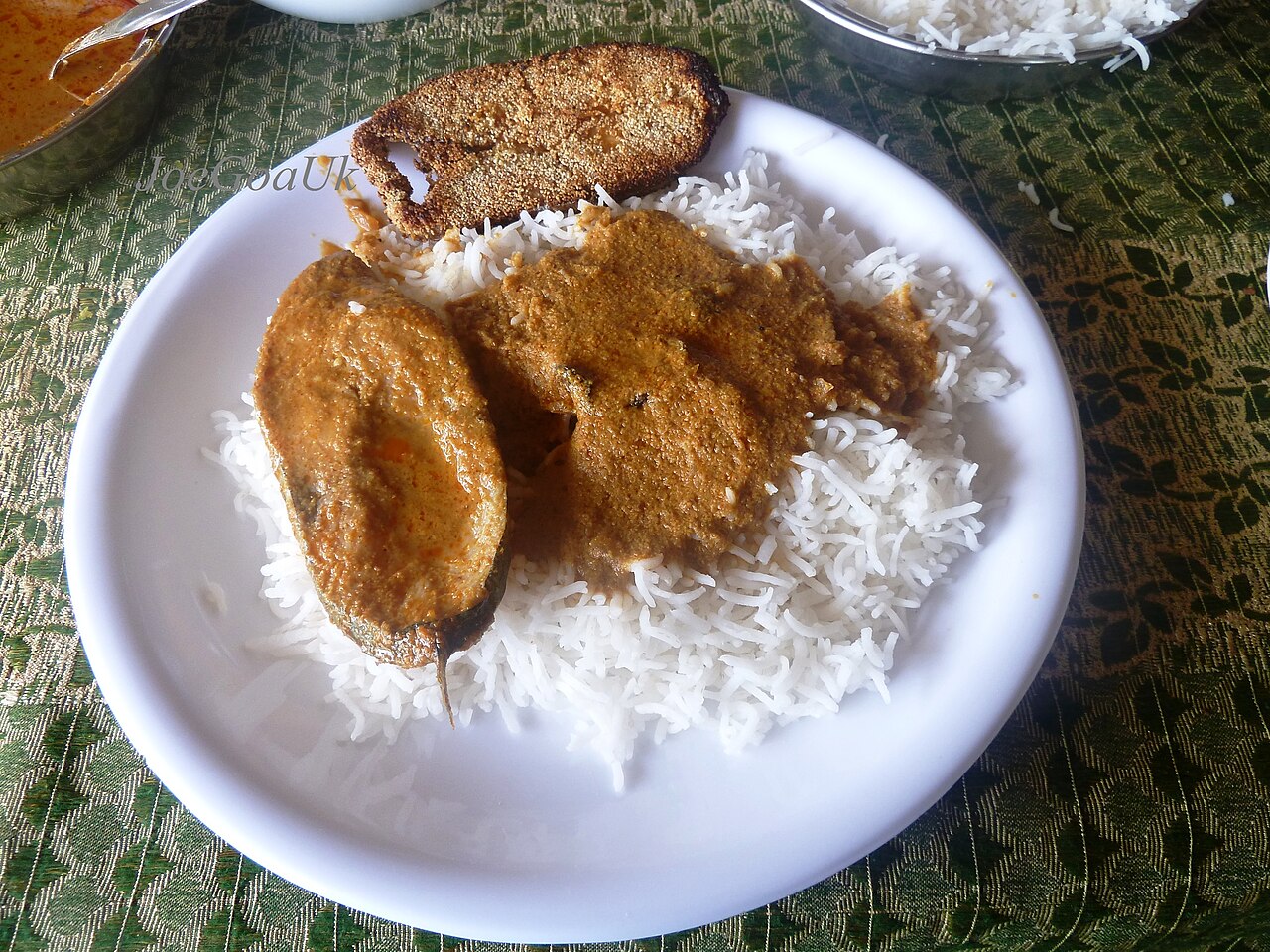
Konkani cuisine is coastal Indian food at its finest, built on rice, fish, coconut, and a fragrant array of spices, with tangy, spicy flavours from tamarind, kokum, and chilli. Fish curry and rice is the everyday staple all along the Konkan coast.
Goan cuisine adds a distinctive Portuguese influence, seen in dishes such as the fiery vindaloo, the sausage chouriço, and rich pork and seafood dishes, along with elaborate sweets. Coconut, seafood, and bold spicing mark the Konkani table across its Hindu, Catholic, and Muslim communities.
Festivals
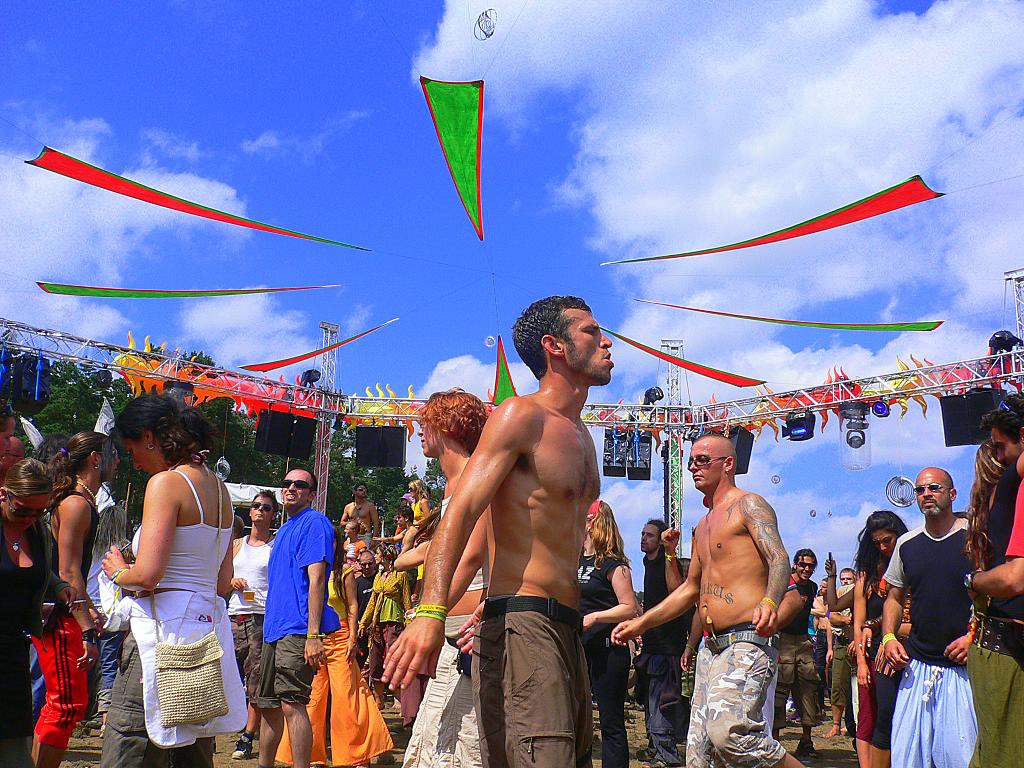
The Konkani year is filled with festivals. In Goa the pre-Lenten Carnival, a legacy of Portuguese Catholic culture, fills the streets with floats, music, and revelry, and the feast of Saint Francis Xavier draws great crowds. Hindu Konkanis celebrate the festivals of coastal Hinduism, such as Ganesh Chaturthi, with great devotion.
Village temple festivals, church feasts, and the harvest celebrations of the coast mark the calendar. Music, feasting, and a spirit of joyful celebration are common to Konkani festivals across communities.
History
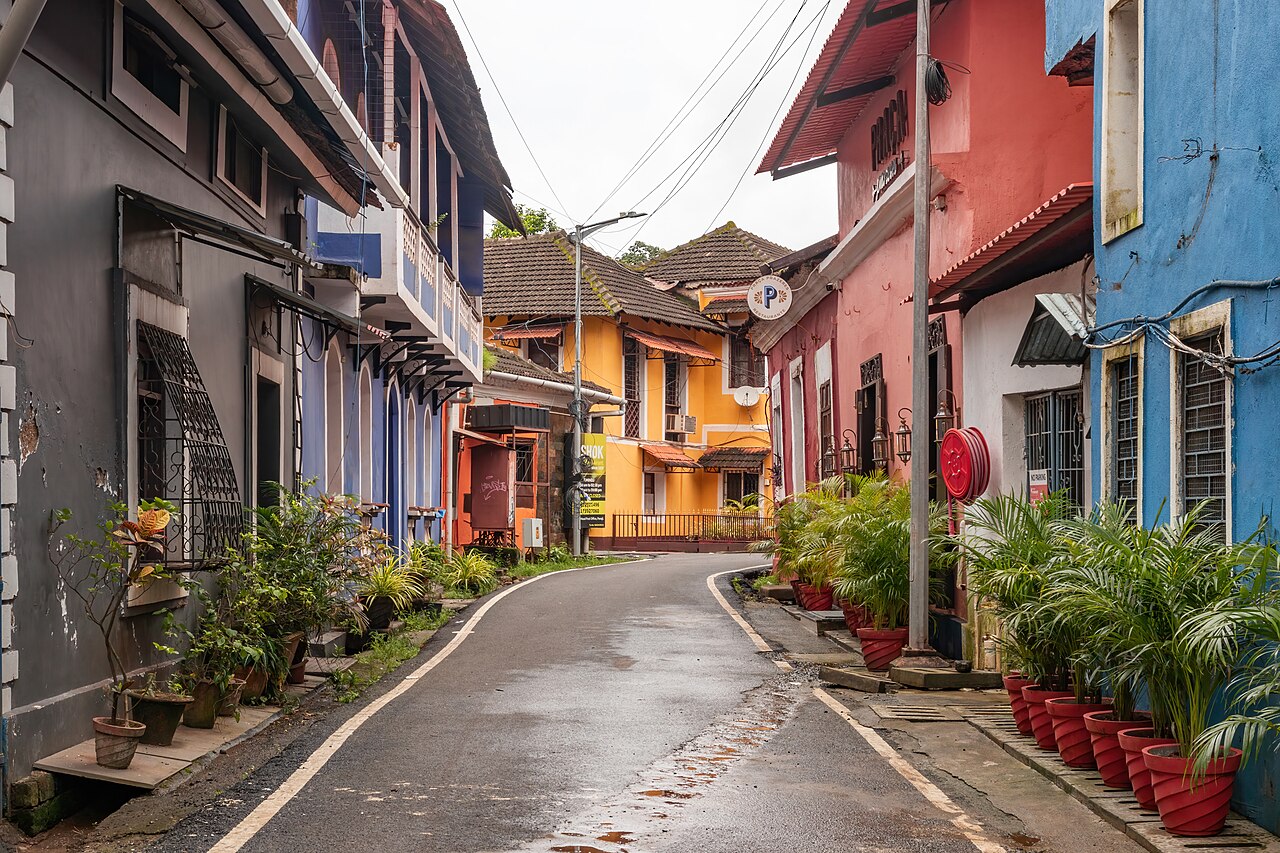
The Konkan coast was long ruled by a succession of Indian dynasties and was an important centre of maritime trade. In 1510 the Portuguese seized Goa, making it the capital of their eastern empire and the base for their trade and missionary work across Asia for over four centuries.
Portuguese rule brought Catholicism, the destruction and later rebuilding of Hindu temples, and a deep cultural transformation in Goa, while the rest of the Konkan followed the wider history of western India under Maratha and then British rule. Goa remained Portuguese until it was incorporated into India in 1961.
Today
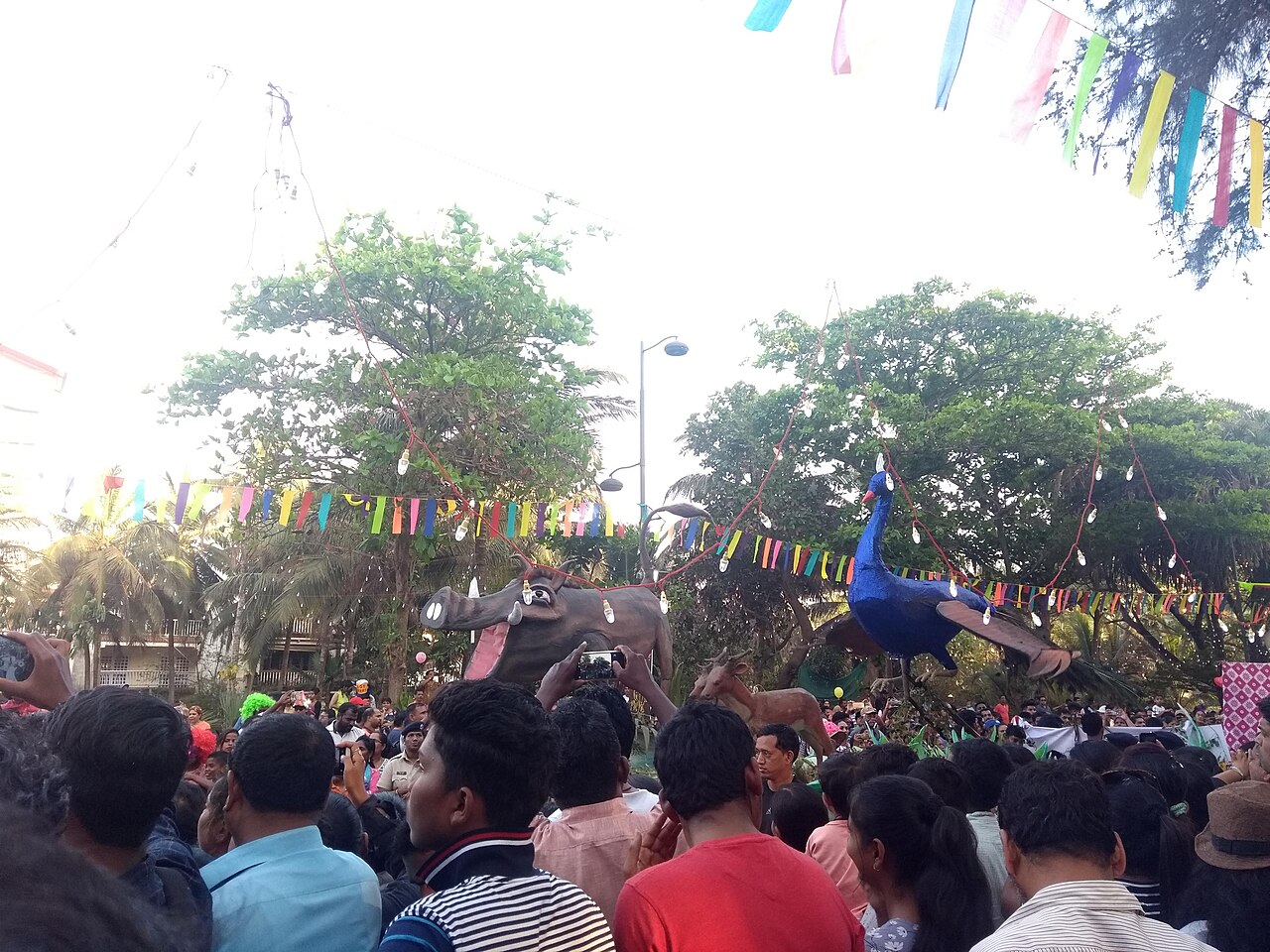
Today the Konkani people number several million, concentrated in Goa and along the western coast, with a significant diaspora in the Gulf, East Africa, and the wider world, especially among Goan Catholics. Goa itself has become one of India’s most popular tourist destinations and among its most prosperous states.
Modern Konkani life blends the coast’s Hindu, Catholic, and Muslim traditions with the pressures and opportunities of tourism and development. Their language, their coastal cuisine, their music, and Goa’s distinctive Indo-Portuguese heritage continue to define this vibrant people of the western shore.
Related Peoples of the Region
More Peoples of the World
You May Like
The Damara, an Ancient People of Namibia


One thought on “The Konkani People, a Coastal Culture of Goa and the Konkan”