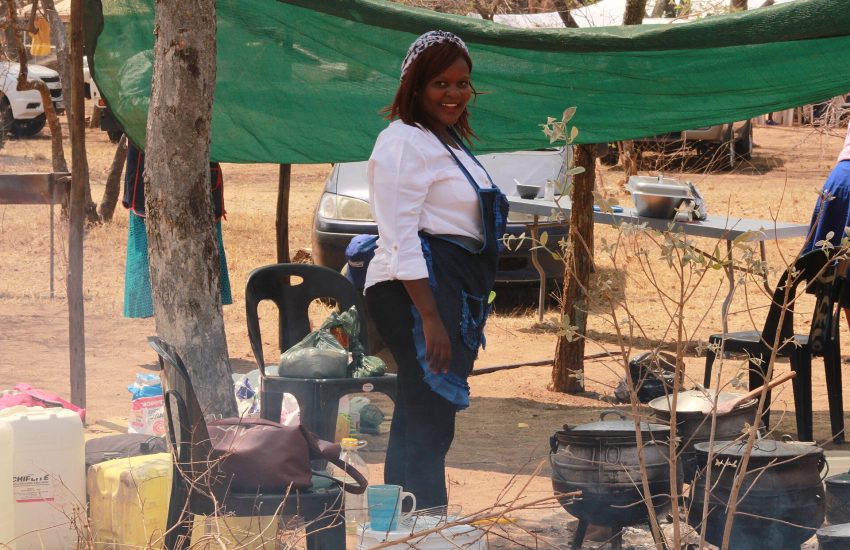
On the green coast of south-western India, between the Western Ghats and the Arabian Sea, live the Tulu people, a Dravidian nation with their own language and one of Indias most striking traditions of spirit worship. Their homeland, Tulu Nadu, around Mangalore and Udupi, is a land of rice fields, temples, and the sea.
Theirs is a heritage of the dramatic Bhuta Kola spirit rituals and the dazzling Yakshagana dance-drama, of buffalo races through the paddy mud and a delicate coastal cuisine. To know the Tulu people is to enter the vivid ritual world of the Karnataka coast.
Tulu Nadu on Film
Contents
- Origins
- The Name
- The Language
- The Homeland
- The Old Way of Life
- Society and Community
- Religion and Belief
- Traditions
- Crafts
- Food
- Festivals
- History
- Today
Origins

The Tulu people, or Tuluva, are a Dravidian people of the south-western coast of India, living in the region of Tulu Nadu that spans the coastal districts of Karnataka and the northern tip of Kerala. Their heartland lies around the cities of Mangalore and Udupi, between the Western Ghats and the Arabian Sea.
An ancient coastal people, the Tuluva have their own Dravidian language and a distinctive culture shaped by the sea, the rice fields, and a rich tradition of spirit worship. Their homeland was long a centre of trade and of powerful temples, and it retains a strong regional identity within India.
The Name
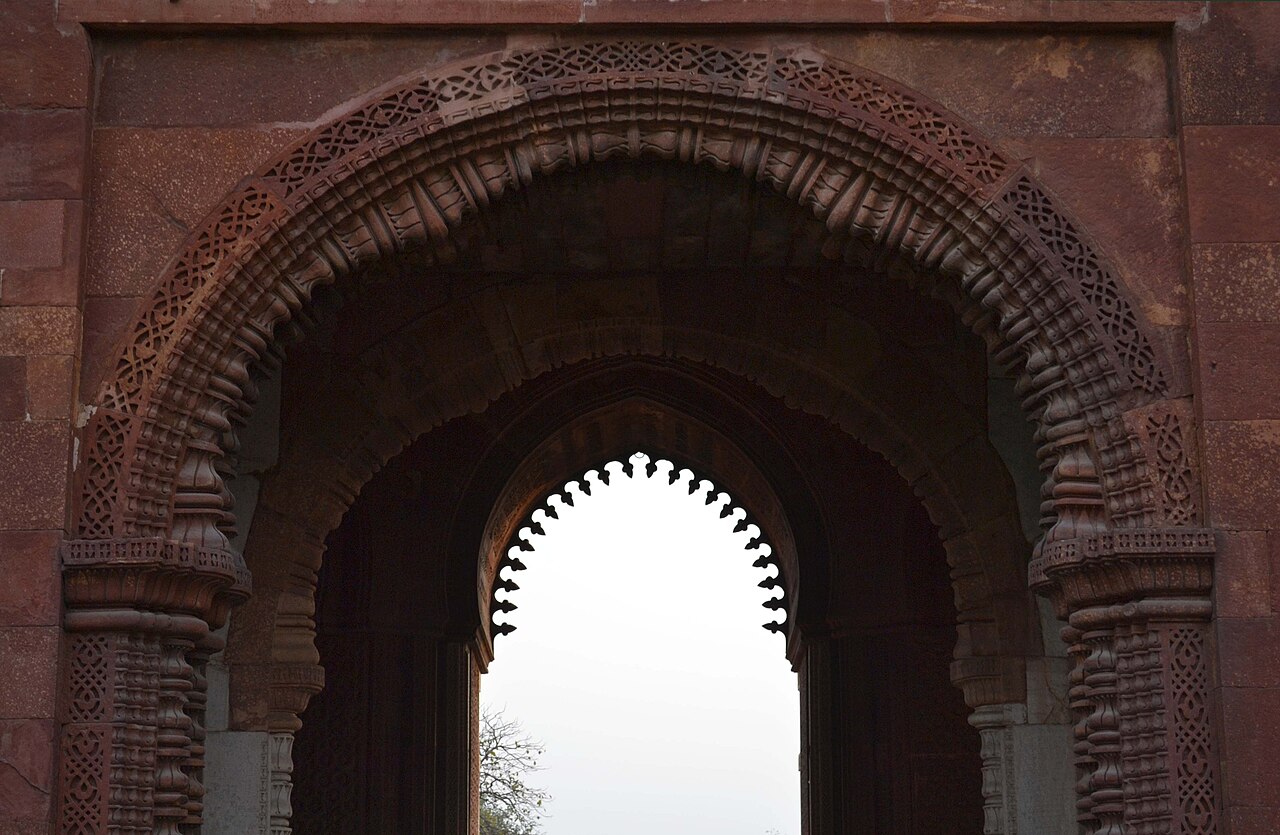
The Tulu people take their name from their language, Tulu, and their homeland is known as Tulu Nadu, the land of the Tulu. They call themselves Tuluva, and their region has a proud sense of being distinct within the larger state of Karnataka.
Though most Tuluva are Hindus, the region is also home to Christians and Muslims who share the Tulu language and much of the coastal culture. What binds the Tuluva is their tongue and their distinctive traditions of the coast.
The Language

Tulu is a Dravidian language, one of the older members of the family, distinct from the neighbouring Kannada and Malayalam. It is spoken by several million people in Tulu Nadu, though it has no official status and is largely a spoken language today.
Tulu once had its own script, the Tulu alphabet, in which old manuscripts were written, and there is a movement to revive it. The language has a rich oral tradition, above all the great epic poems, the paddana, sung during the spirit rituals of the coast.
The Homeland

The Tulu homeland, Tulu Nadu, is a narrow, lush coastal strip in south-western India, backed by the forested Western Ghats and fronted by the Arabian Sea. It is a green land of rice fields, coconut and areca palms, rivers, and beaches, watered by heavy monsoon rains.
The port cities of Mangalore and Udupi are its centres, and the coast has long been a hub of trade and fishing. This fertile, watery landscape between mountains and sea has shaped the agricultural and maritime life of the Tuluva.
The Old Way of Life

Traditionally the Tuluva were rice farmers and fishers, working the paddies of the coastal plain and drawing a rich harvest from the sea. The buffalo, used to work the flooded rice fields, gave rise to the famous kambala, a race of buffaloes driven through the mud by their handlers.
Village life centred on the rice field, the temple, and the shrines of the local spirits, and society was long organised around a matrilineal system of inheritance in many communities. Rice, the coast, and the veneration of the spirits shaped the traditional Tulu world.
Society and Community

Tulu society was traditionally distinguished by matrilineal inheritance, in which property and family name passed through the mother’s line, a system known as aliyasantana that set the Tuluva apart from much of India. Extended family, caste, and the temple ordered social life.
The Tuluva are famous for their enterprise, and Tulu-speaking communities founded the Udupi restaurants and the banks of coastal Karnataka that spread across India. Strong communal bonds, a distinct regional pride, and the shared traditions of the coast mark Tulu society.
Religion and Belief

Most Tuluva are Hindus, and Tulu Nadu is famous for its great temples, such as the Krishna temple of Udupi and the pilgrimage centre of Dharmasthala. Yet the most distinctive feature of Tulu religion is Bhuta Kola, the worship of local spirits and deified ancestors called daivas.
In these dramatic night-long rituals, a performer, elaborately costumed and painted, becomes possessed by the spirit, dancing and delivering judgements in a tradition of great antiquity and power. This spirit worship, alongside temple Hinduism, lies at the heart of Tulu religious life.
Traditions
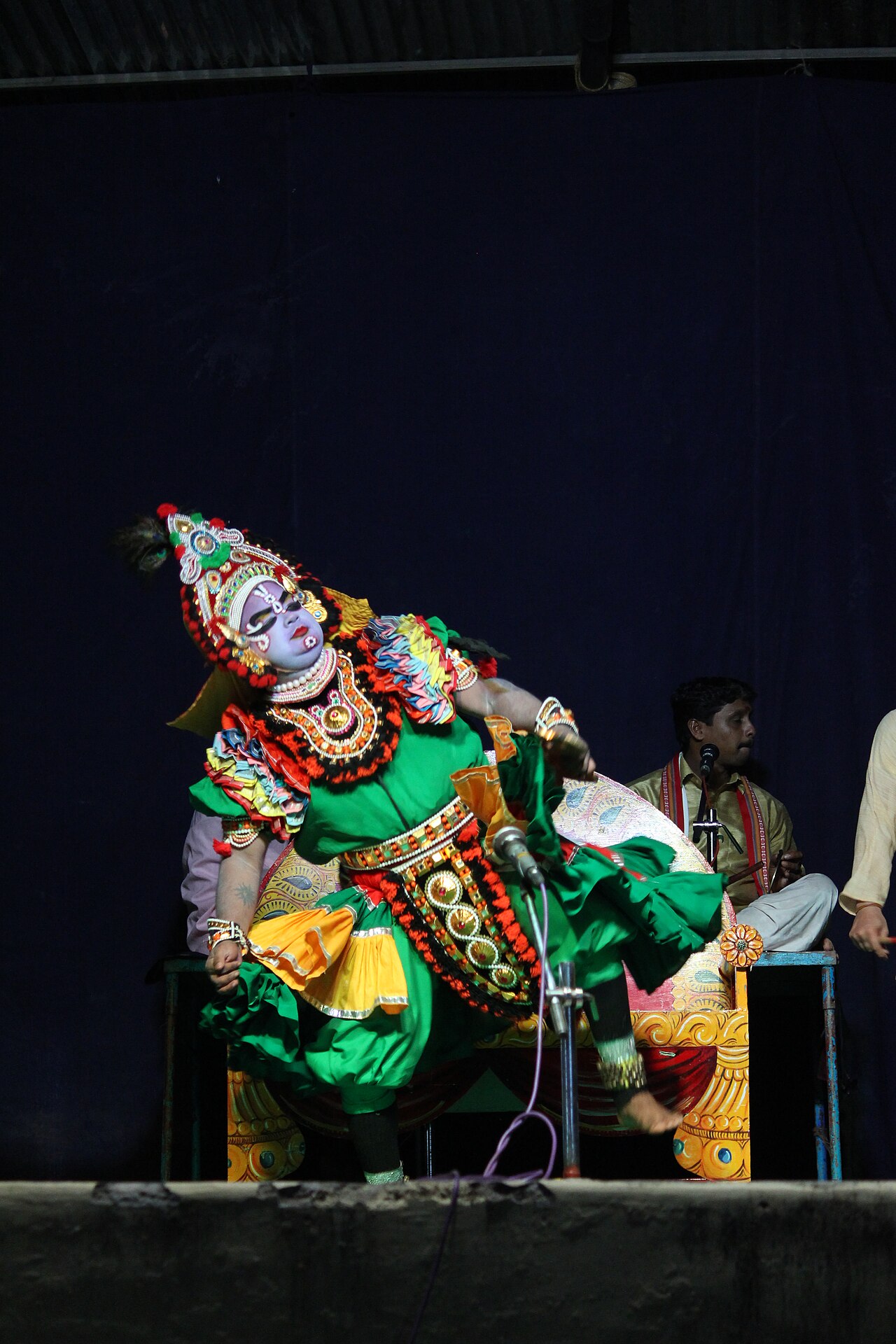
The great traditions of the Tuluva are Bhuta Kola, the spirit-possession ritual, and Yakshagana, the vivid all-night dance-drama of coastal Karnataka, in which performers in dazzling costumes and towering headdresses enact stories from the epics to the beat of drums. Both are treasured expressions of Tulu culture.
The kambala buffalo races, the singing of the paddana epics, and the customs surrounding the temples and spirit shrines mark the culture. These traditions, ancient and dramatic, give Tulu Nadu its distinctive character.
Crafts

Tulu craft is seen in the elaborate costumes and makeup of Yakshagana and Bhuta Kola, in which performers are transformed with paint, ornaments, and towering headdresses into gods, heroes, and spirits. The making of these costumes is a highly developed art.
The carving of the region’s temples, work in wood and metal, and the crafts of the fishing and farming life belong to Tulu material culture. Pottery, weaving, and the making of ritual objects for the spirit shrines are also part of the heritage.
Food

Tulu cuisine is coastal South Indian food, rich in rice, coconut, seafood, and spices. The delicate neer dosa, a soft rice crepe, and an array of fish and vegetable curries fragrant with coconut and chilli are staples of the Mangalorean table.
The region gave India the Udupi style of vegetarian cooking, spread across the country through its temples and restaurants, along with distinctive seafood dishes such as fish gassi and kori rotti. Rice, coconut, and the produce of the sea lie at the heart of Tulu food.
Festivals
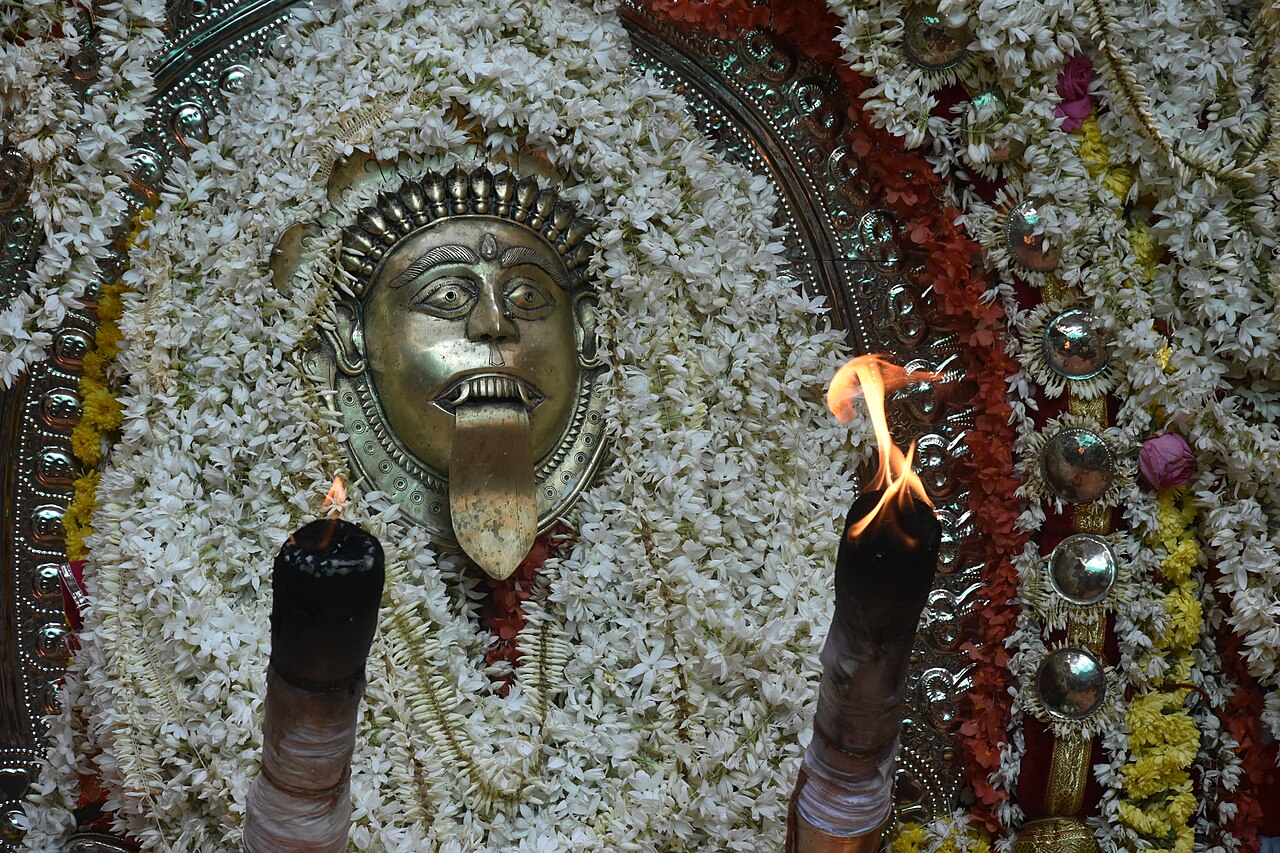
The Tulu year is marked by temple festivals and by the great spirit rituals of Bhuta Kola, held in villages across Tulu Nadu, when the daivas are honoured with night-long dance and possession. The regional new year, Bisu, and harvest festivals also mark the calendar.
The car festivals of the great temples, the kambala races of the season, and Yakshagana performances fill the year with colour and devotion. Through these festivals, the Tuluva celebrate their gods, their spirits, and their distinctive coastal heritage.
History
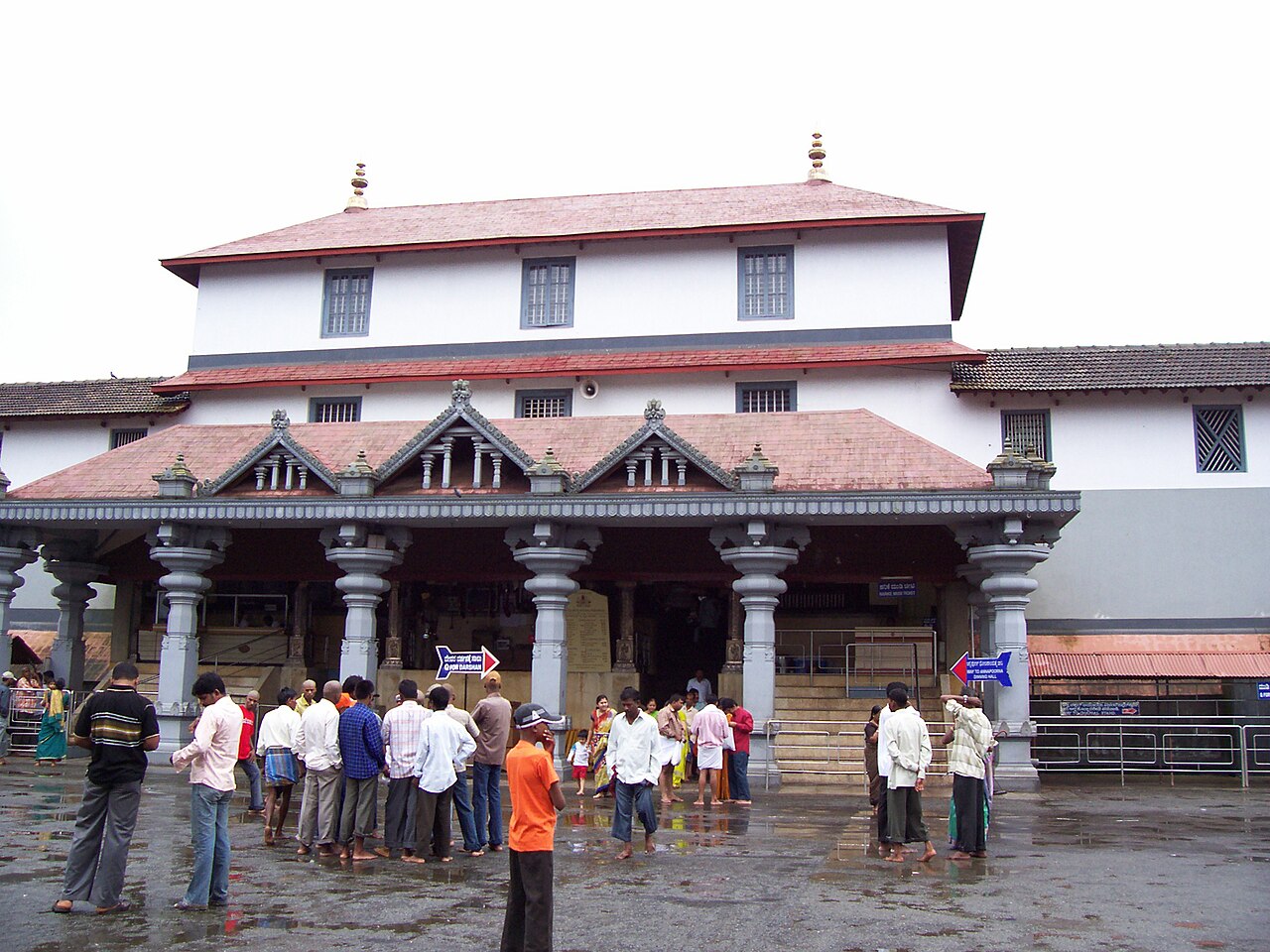
Tulu Nadu was ruled through the medieval centuries by the Alupa dynasty and other coastal powers, and its ports traded across the Arabian Sea. The region later came under the Vijayanagara empire and local chiefs before passing to the kingdom of Mysore and then British rule.
The coast saw the rise of Christian and Muslim communities alongside its Hindu majority, and the Mangalorean Catholics in particular became a distinct group. Under modern India, Tulu Nadu became part of Karnataka, and its people have prospered in banking, business, and the professions across the country.
Today

Today the Tuluva number several million, concentrated in coastal Karnataka and northern Kerala, with a large diaspora in the Gulf, Mumbai, and beyond, prominent in banking, business, and the restaurant trade. Mangalore has grown into a major port and educational hub.
Modern Tulu life blends the ancient traditions of temple and spirit worship with the energy of a prosperous, outward-looking coast. Their language, their Bhuta Kola and Yakshagana, their cuisine, and their strong regional identity continue to define the distinctive people of Tulu Nadu.
Related Peoples of the Region
- The Odia
- The Assamese
- The Kashmiris
- The Sindhis
- The Rajasthanis
- The Manipuris
- The Naga
- The Konkani People
More Peoples of the World
You May Like
The Damara, an Ancient People of Namibia