At the mouth of the great Amur River and on the northern half of Sakhalin Island, in the Russian Far East, live the Nivkh, an ancient people of the river and the sea. Formerly known as the Gilyak, they speak a language isolate unrelated to any other on earth, a sign of their deep and separate roots.
Theirs is a heritage of salmon fishing and dog sleds, of clothing sewn from fish skin, and of the great bear festival at the heart of their spiritual life. To know the Nivkh is to meet one of the oldest and most distinctive peoples of northeast Asia.
The Nivkh on Film
Contents
- Origins
- The Name
- The Language
- The Homeland
- The Old Way of Life
- Society and Community
- Religion and Belief
- Traditions
- Crafts
- Food
- Festivals
- History
- Today
Origins

The Nivkh are an indigenous people of the Russian Far East, living at the mouth of the Amur River on the mainland and on the northern half of the island of Sakhalin. Formerly known as the Gilyak, they are one of the ancient peoples of this region, quite distinct from their Tungusic and other neighbours.
The Nivkh are remarkable for speaking a language isolate, unrelated to any other in the world, a sign of their deep and separate roots in the lands of the lower Amur and Sakhalin. They are believed to be among the oldest inhabitants of the region, a people of the great river and the cold northern seas.
The Name
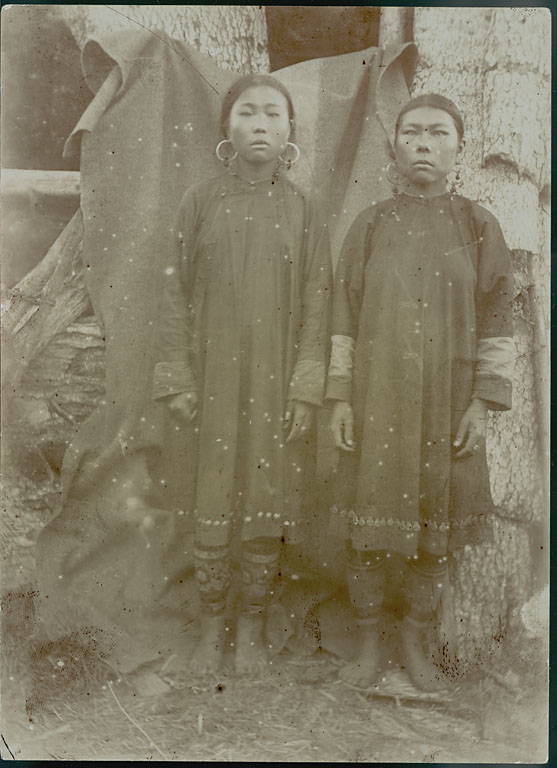
The people call themselves Nivkh, meaning simply man or person, a name that has replaced the older term Gilyak used by outsiders. Their identity is bound to the lower Amur and to Sakhalin, the two halves of their scattered homeland.
Divided between the mainland at the Amur mouth and the island of Sakhalin, the Nivkh nonetheless form one people, united by their unique language and their culture of the river and the sea.
The Language

The Nivkh language is a language isolate, one of the great linguistic puzzles of Asia, with no proven relatives anywhere in the world. It has two main dialects, of the Amur and of Sakhalin, and a complex grammar that has fascinated linguists.
Traditionally an oral language, Nivkh was given a written form only in the twentieth century, and today it is critically endangered, spoken fluently by only a small number of elders. Efforts are under way to record and revive this ancient and unique tongue.
The Homeland
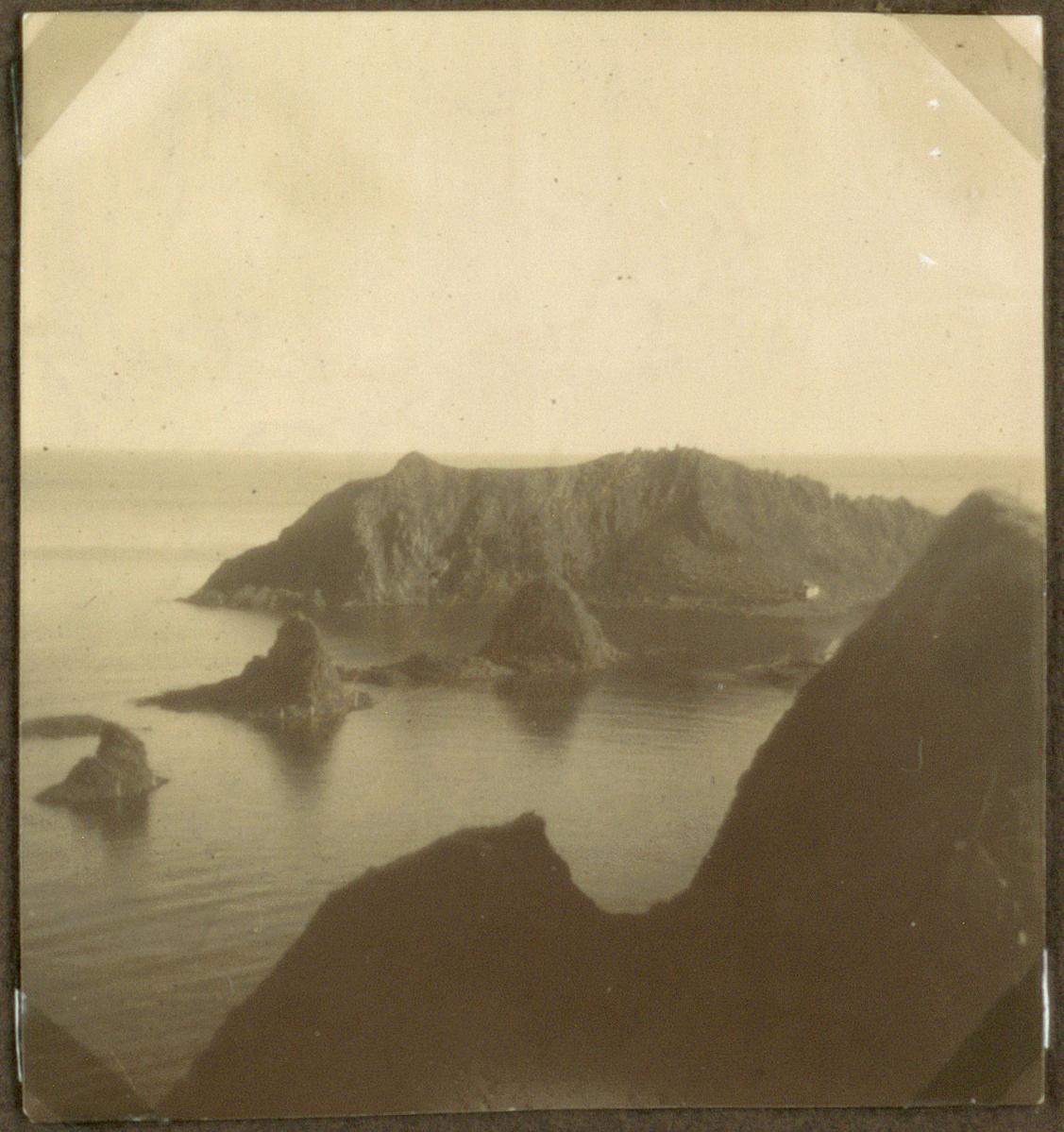
The Nivkh homeland lies at the mouth of the Amur, one of the great rivers of the world, and on the northern part of Sakhalin, the long island off the Russian Far East coast. It is a land of river, forest, and cold seas, of long winters and short summers, rich above all in fish.
The rivers, teeming with salmon, and the coasts and estuaries shaped the life of the Nivkh, who were people of the water rather than the open tundra. This remote northern homeland, shared today with Russian settlers, remains the heart of Nivkh identity.
The Old Way of Life

The Nivkh were traditionally fishers above all, depending on the great runs of salmon in the Amur and the rivers of Sakhalin, which they caught, dried, and stored for the winter. They also hunted seals and other sea mammals along the coast and game in the forests.
They lived in settled villages along the rivers and coasts, in winter houses dug partly into the ground and lighter dwellings in summer, and travelled by canoe and, in winter, by dog sled. Fish, and the dogs that pulled their sleds and shared their diet, were central to Nivkh life.
Society and Community

Nivkh society was organised around clans and extended families, bound by kinship, marriage alliance, and the sharing of the catch. Without powerful chiefs, the clan and the village community were the foundations of social life along the river and coast.
Under Russian and then Soviet rule the Nivkh were settled, collectivised, and drawn into the fishing industry, and they became a small minority in their own land. Yet clan ties and attachment to the rivers and the fishing life endured.
Religion and Belief
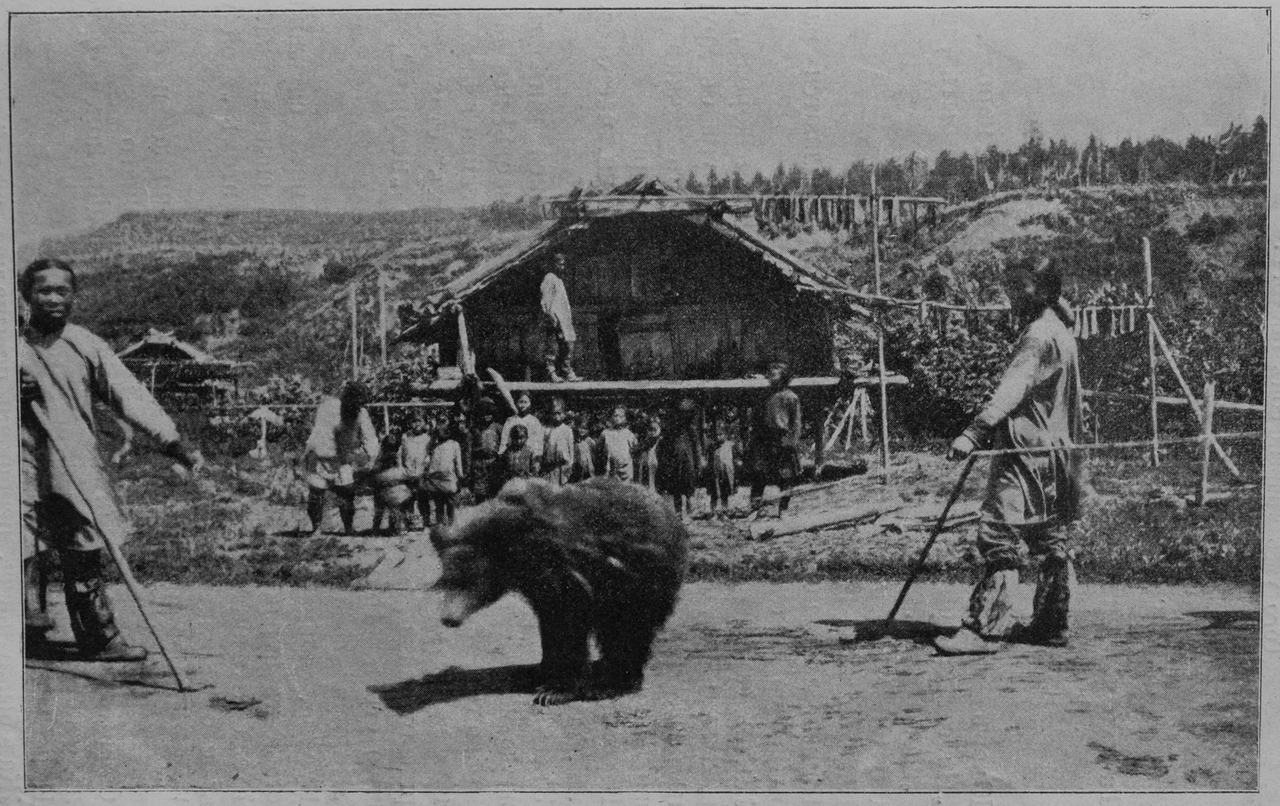
The Nivkh traditionally followed animism and shamanism, believing in a world alive with spirits of the river, the forest, the sea, and the animals, with shamans mediating between people and spirits. Central to their religion was a profound reverence for the bear, honoured as a sacred being.
The great expression of this was the bear festival, in which a bear, raised in the village, was ceremonially sent back to the spirit world in an elaborate rite believed to ensure the goodwill of the spirits. These beliefs, suppressed under Soviet rule, survive in memory and revival.
Traditions
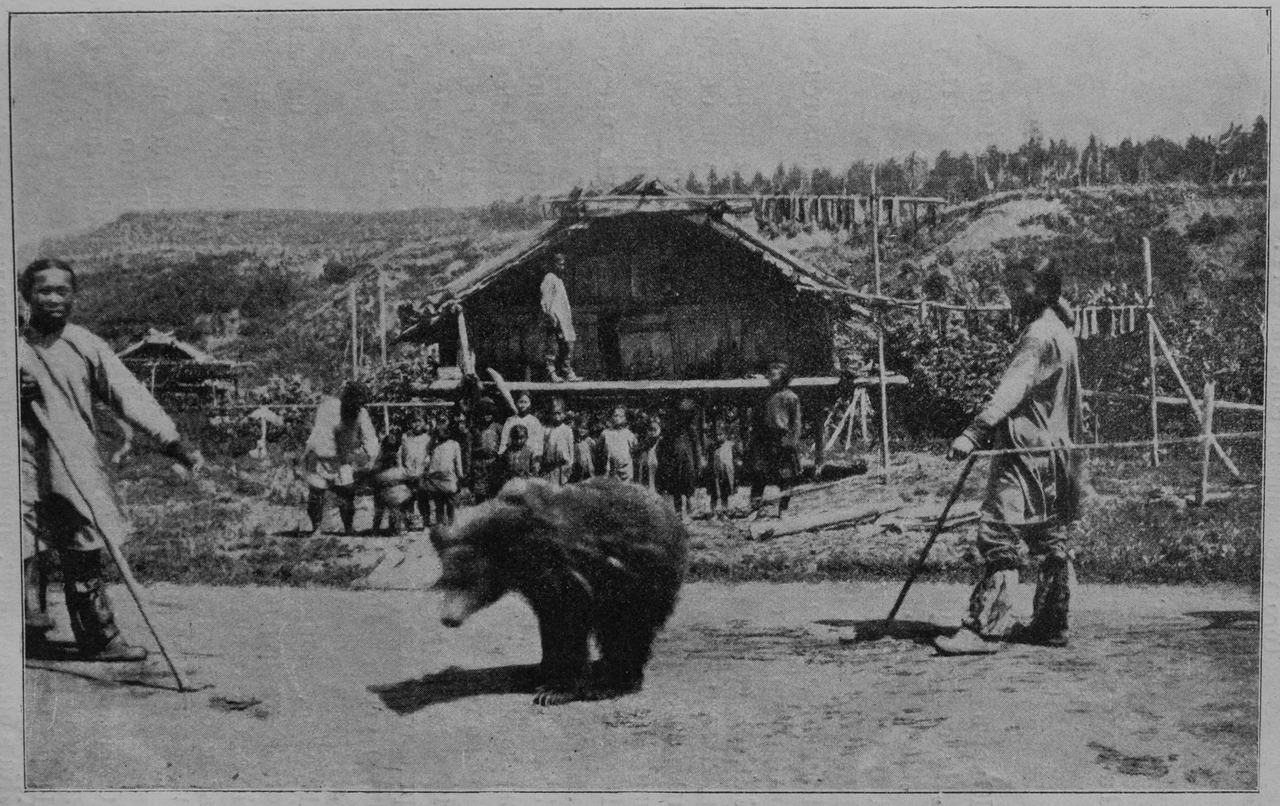
The most famous Nivkh tradition was the bear festival, the central ceremony of their religious and social life, at which the whole community gathered for days of ritual, feasting, and the honouring of the sacred bear. It bound clans together and renewed the bond between people and spirits.
Storytelling, song, dog-sledding, and the customs of the fishing life marked Nivkh tradition. Skin and fish-skin clothing, decorated with intricate patterns, and the crafts of the river people expressed a distinctive culture.
Crafts

The Nivkh were known for a remarkable craft: the making of clothing and other goods from fish skin, tanned and sewn into supple, waterproof garments decorated with elegant curling patterns. This art, suited to a people who lived by the salmon, was among the most distinctive in Siberia.
Carving in wood and bone, birch-bark work, and the making of canoes, sleds, and fishing gear also belonged to Nivkh craft. The flowing ornamental designs applied to clothing and objects are a hallmark of the culture.
Food

Nivkh food came above all from the river and the sea. Salmon was the staple, eaten fresh, dried for the winter, and prepared in many ways, and seal and other sea mammals provided meat and fat. Fish was so central that it fed both the people and their sled dogs.
A characteristic dish was mos, a jellied dish made from fish skin, seal fat, berries, and other ingredients. Fish, sea mammal fat, and the berries and plants of the brief summer sustained the Nivkh through the long northern winter.
Festivals

The great festival of the Nivkh was the bear festival, held in winter, when a bear raised by the community was honoured with ceremony, feasting, and ritual before being sent back to the spirit world. It was the supreme religious and social occasion of the Nivkh year.
Ceremonies marking the salmon runs and the seasons of the fishing life, and gatherings of the clans, also filled the calendar. These traditions, tied to the bear, the salmon, and the spirits, are today the subject of cultural revival.
History

The Nivkh lived for millennia at the mouth of the Amur and on Sakhalin, trading with their neighbours and with the Chinese and Japanese who reached their shores. The region was contested between Russia and Japan, and Sakhalin was divided between them, bringing the Nivkh under changing foreign rule.
Under the Soviet Union the Nivkh were collectivised, resettled from their scattered villages into larger centres, and their traditional way of life and language severely disrupted. The upheavals of the twentieth century reduced their numbers and endangered their culture.
Today

Today the Nivkh number around four or five thousand, a small minority on Sakhalin and along the lower Amur, most now living in mixed towns and villages. Their language is critically endangered, and the traditional life of fishing and the bear festival has largely passed.
Yet the Nivkh work to preserve what remains, recording their unique language, reviving their crafts and festivals, and asserting their identity as one of the ancient peoples of the Amur and Sakhalin. Their fish-skin art, their bear rites, and their language isolate keep alive a truly distinctive heritage.
Related Peoples of the Region
More Peoples of the World
You May Like
The Damara, an Ancient People of Namibia