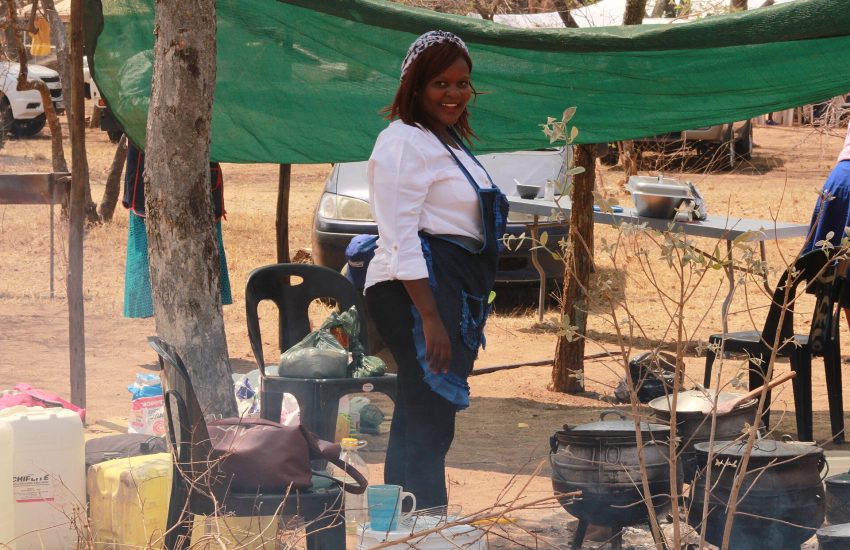
In the upper valley of the mighty Yenisei, on the golden steppes of the Minusinsk basin in southern Siberia, live the Khakas, a Turkic people heir to one of the richest ancient landscapes in Asia. Their homeland is strewn with the burial mounds and standing stones of forgotten civilisations.
Theirs is a heritage of horse-herding on the open steppe, of shamans and sacred stones, and of heroic epics chanted to the zither in the haunting style of throat singing. To know the Khakas is to meet the modern heirs of the Yenisei Kyrgyz and the ancient steppe peoples of Siberia.
Khakassia on Film
Contents
- Origins
- The Name
- The Language
- The Homeland
- The Old Way of Life
- Society and Community
- Religion and Belief
- Traditions
- Crafts
- Food
- Festivals
- History
- Today
Origins

The Khakas are a Turkic people of southern Siberia, living in the Republic of Khakassia in the upper valley of the Yenisei River, in the Minusinsk basin ringed by the mountains of the Sayan range. They are heirs to one of the oldest and richest archaeological landscapes in Asia, a steppe strewn with ancient burial mounds and standing stones.
The Khakas trace their descent from the Yenisei Kyrgyz, a Turkic people who once dominated this region and even, for a time, the wider steppe, and from the various Turkic-speaking groups of the Minusinsk basin. Out of these peoples, gathered under Russian rule, the modern Khakas nation took shape.
The Name
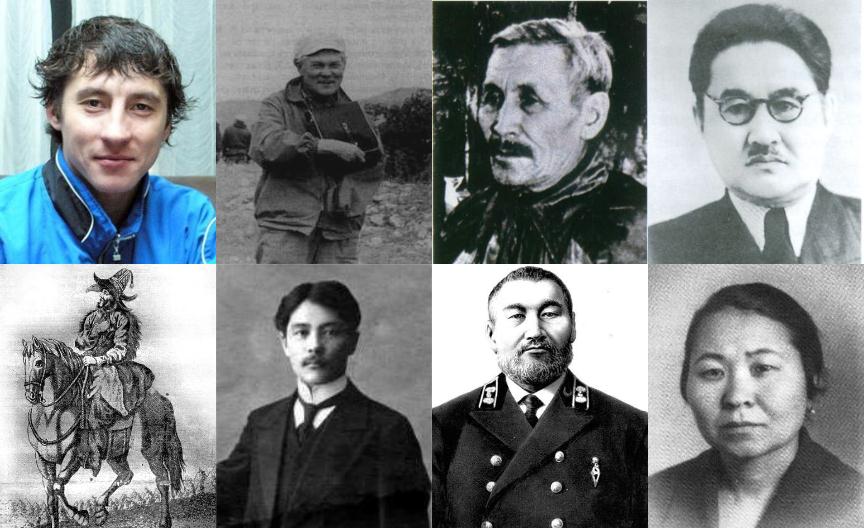
The name Khakas was adopted in the twentieth century, under Soviet rule, as a common name for the several related Turkic groups of the region, including the Kachin, Sagai, and Kyzyl. Before that, the Russians often called them the Minusinsk or Abakan Tatars.
The people themselves are sometimes known as Tadar, and their identity is bound to the Yenisei valley and the steppe of the Minusinsk basin. The various groups, united under the Khakas name, share a language and a common homeland.
The Language

The Khakas language belongs to the Turkic family, part of the Siberian Turkic branch, and is related to the tongues of other south Siberian peoples. It preserves features of the ancient Turkic speech once written in the Yenisei runic inscriptions that still stand on the steppe.
Written today in a Cyrillic-based alphabet, Khakas has a modern literature but, like many Siberian languages, faces pressure from Russian. It remains an important marker of identity for the Khakas people.
The Homeland
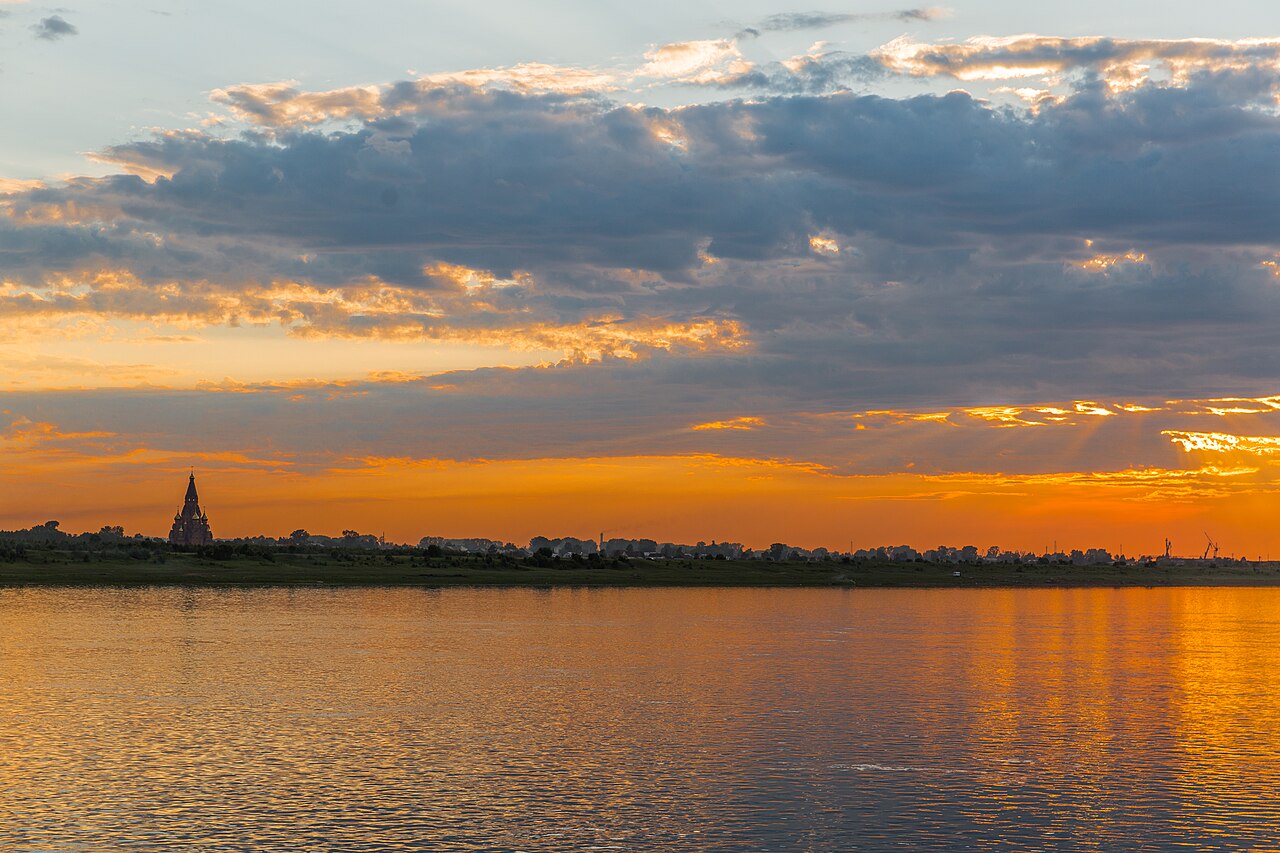
The Khakas homeland is the Republic of Khakassia, in the upper Yenisei valley and the Minusinsk basin of southern Siberia, a land of open steppe, wooded hills, and the mountains of the western Sayan. The great Yenisei, one of the longest rivers in the world, runs through the region.
This is a land of grassy plains ideal for grazing, dotted with lakes and, above all, with the burial mounds and standing stones of ancient peoples. The steppe and river of the Minusinsk basin shaped the herding life of the Khakas.
The Old Way of Life

Traditionally the Khakas were semi-nomadic herders, raising horses, cattle, and sheep on the rich steppe of the Minusinsk basin, moving with their animals between seasonal pastures. Some also farmed and hunted in the wooded hills.
They lived in felt-covered or timber dwellings and organised their lives around the herds, the seasons, and the clan. The open steppe, the horse, and the herd were at the centre of the traditional Khakas world, as they had been for the steppe peoples of the region for thousands of years.
Society and Community

Khakas society was traditionally organised around clans and extended families, with a herding economy and a strong attachment to the ancestral steppe. Under the Russian and then Soviet state, the old clan structure and nomadic life were transformed, and many Khakas were settled and drawn into farming and industry.
Kinship, respect for elders, and ties to the land and the herds shaped Khakas social life. Today the Khakas are a minority in their own republic, alongside a large Russian population, but they maintain a strong sense of their distinct identity.
Religion and Belief

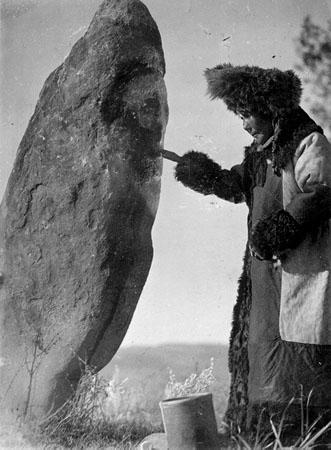
The Khakas traditionally followed shamanism, honouring the spirits of the sky, the land, the rivers, and the mountains, with shamans mediating between the human and spirit worlds through drumming and trance. Sacred sites, springs, and above all the ancient standing stones were, and remain, objects of reverence.
Under Russian rule many Khakas were converted to Orthodox Christianity, though shamanic beliefs and practices survived strongly beneath and alongside the new faith. In recent times there has been a revival of interest in the old shamanic traditions.
Traditions

Khakas tradition is rich in epic song and music. Heroic epics, chanted to the accompaniment of the chatkhan, a long zither, and performed in the remarkable style of throat singing, carry the heritage of the people. Music, storytelling, and the customs of the herding life mark the culture.
Reverence for the ancestral spirits and the sacred stones, the rituals of the seasons, and the customs surrounding the horse and the herd all belong to Khakas tradition. The revival of festivals and folk arts has become important to the modern Khakas.
Crafts

The Khakas and their ancestors were skilled workers of the steppe. The ancient peoples of the Minusinsk basin were famous metalworkers, and their bronze and gold, together with the carved standing stones and stelae they left behind, count among the treasures of Siberian antiquity.
Traditional Khakas crafts included leatherwork, felt-making, woodwork, and embroidery, the practical arts of a herding people. Carving, metalwork, and the making of the chatkhan and other instruments belonged to the culture.
Food

Khakas cuisine is that of a herding people, built on the meat and milk of their animals. Mutton, beef, and horsemeat, boiled or dried, and an array of dairy products, including cheeses, cultured milk, and fermented mare’s milk, were the staples of the steppe diet.
Roasted barley flour, known as talkan, mixed with milk or tea, and hearty meat soups filled the Khakas table. Food drawn from the herds, simple and sustaining, suited the life of the open steppe and the cold Siberian winters.
Festivals
The great traditional festival of the Khakas is Tun Payram, the spring holiday marking the first milk of the season and the move to the summer pastures, celebrated with horse races, wrestling, music, and feasting on the steppe. It has been revived as a great celebration of Khakas culture.
Rituals at the sacred stones and springs, and seasonal festivals tied to the herding year, mark the Khakas calendar. Through these celebrations, and the revival of throat singing and epic performance, the Khakas affirm their heritage.
History
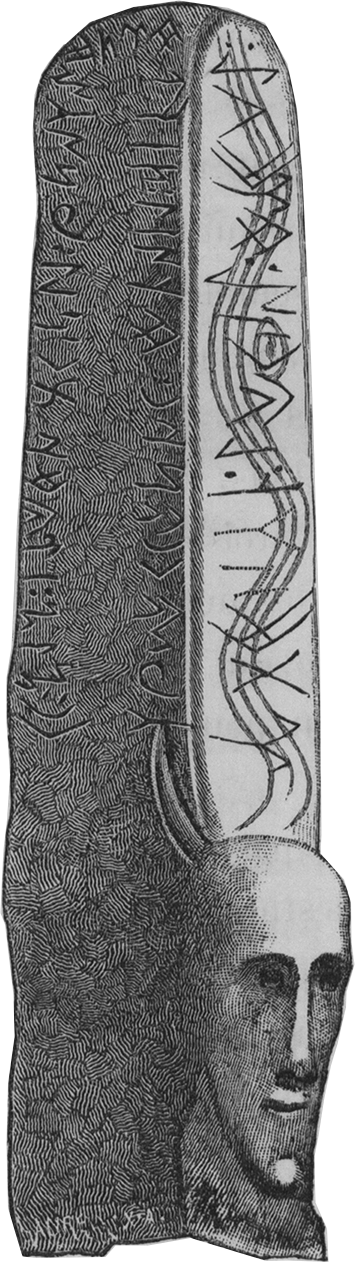
The Minusinsk basin was home to a succession of brilliant ancient cultures, and the Yenisei Kyrgyz who ruled here even overthrew the Uyghur empire of the steppe in the ninth century. The Khakas lands later fell under Mongol and then, from the eighteenth century, Russian control.
Under the Soviet Union the region was organised as an autonomous area and then a republic, and the Khakas were settled, educated in their own written language, but also heavily outnumbered by Russian settlers. The upheavals of the twentieth century transformed their traditional way of life.
Today
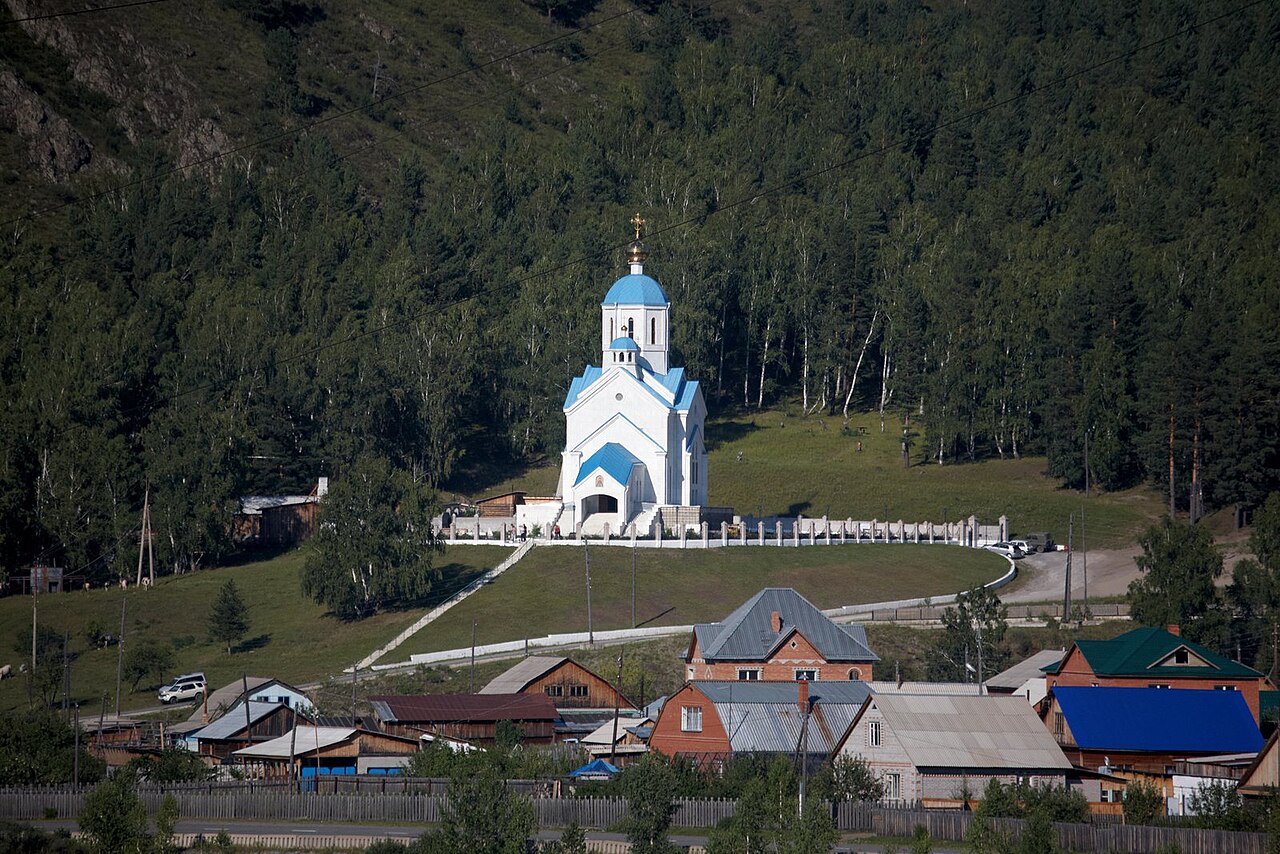
Today the Khakas number around seventy thousand, a minority within the Republic of Khakassia, whose capital is the city of Abakan. Most now live a modern life, in farming, industry, and the towns, and the Khakas language and traditions face the pressures common to small Siberian peoples.
Yet the Khakas maintain a strong sense of identity, with a revival of interest in their language, their epic songs and throat singing, their festivals such as Tun Payram, and the ancient sacred landscape of their homeland. Their heritage keeps alive the memory of the Turkic peoples of the Yenisei.
Related Peoples of the Region
More Peoples of the World
You May Like
The Damara, an Ancient People of Namibia