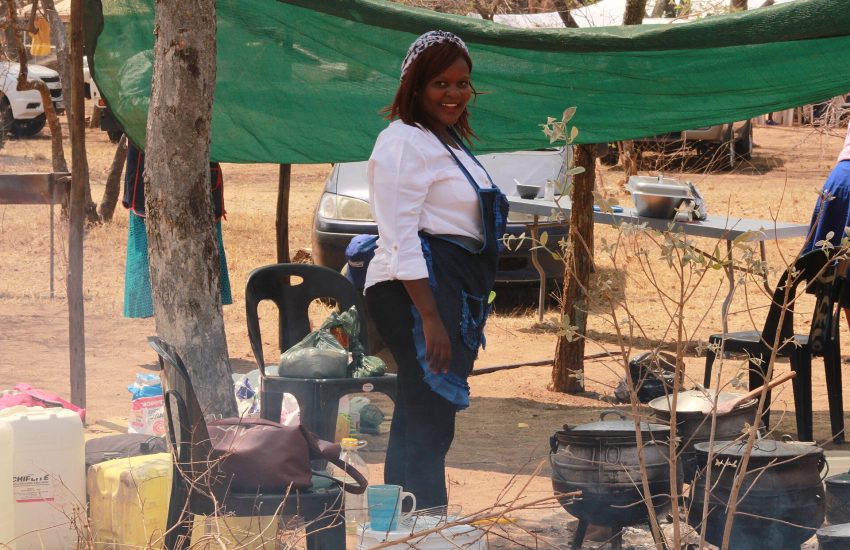
On the rugged island of Timor, at the far eastern edge of the Indonesian archipelago, live the Timorese, a people of mixed Austronesian and Papuan heritage on the frontier between Asia and the Pacific. In the east they built, through a long and bloody struggle, one of the worlds youngest nations, Timor-Leste.
Theirs is a heritage of the sacred ancestral house and the woven tais cloth, of Portuguese-flavoured Catholicism and highland coffee, forged through centuries of colonial rule and a hard-won independence. To know the Timorese is to meet a resilient people at the meeting point of two worlds.
Timor-Leste on Film
Contents
- Origins
- The Name
- The Language
- The Homeland
- The Old Way of Life
- Society and Community
- Religion and Belief
- Traditions
- Crafts
- Food
- Festivals
- History
- Today
Origins

The Timorese are the people of the island of Timor, at the eastern end of the Indonesian archipelago, divided today between the independent nation of Timor-Leste in the east and the Indonesian province of West Timor. They are a people of mixed Austronesian and Papuan heritage, reflecting Timor’s position on the frontier between the Malay world and Melanesia.
Many distinct groups, speaking a variety of languages, make up the Timorese, bound together above all in the east by the shared experience of Portuguese colonial rule and a long, hard struggle for independence. Their culture blends indigenous traditions of the sacred house and the ancestors with Catholicism and Portuguese influence.
The Name

The name Timor comes from the Malay word for east, timur, for the island lay at the eastern edge of the known archipelago. The eastern half is the nation of Timor-Leste, whose name doubles the meaning as the east of the east.
The Timorese of the east distinguish themselves by their Portuguese and Catholic heritage and their hard-won independence, while West Timor forms part of Indonesia. The many local peoples, such as the Tetum, Mambai, and Fataluku, together make up the Timorese.
The Language

The Timorese speak many languages, both Austronesian and Papuan in origin, reflecting the island’s frontier position. In Timor-Leste the main lingua franca is Tetum, an Austronesian language, which shares official status with Portuguese, the language of the former colonial power and the Church.
This unusual mix, Tetum and Portuguese as official languages, Indonesian and English widely used, and dozens of local tongues spoken in the villages, makes Timor-Leste one of the most linguistically complex small nations on earth. Language is closely tied to local and national identity.
The Homeland

The Timorese homeland is the mountainous island of Timor, a rugged land of steep ranges, dry lowlands, and a monsoon climate at the meeting point of Asia and the Pacific. The interior rises to high mountains, and much of the land is dry and sparsely wooded compared to the lush islands to the west.
Villages cluster in the highlands and along the coasts, and the sacred house of the ancestors stands at the heart of community life. This harsh, beautiful island, long fought over for its sandalwood and its strategic position, shaped the resilient character of the Timorese.
The Old Way of Life
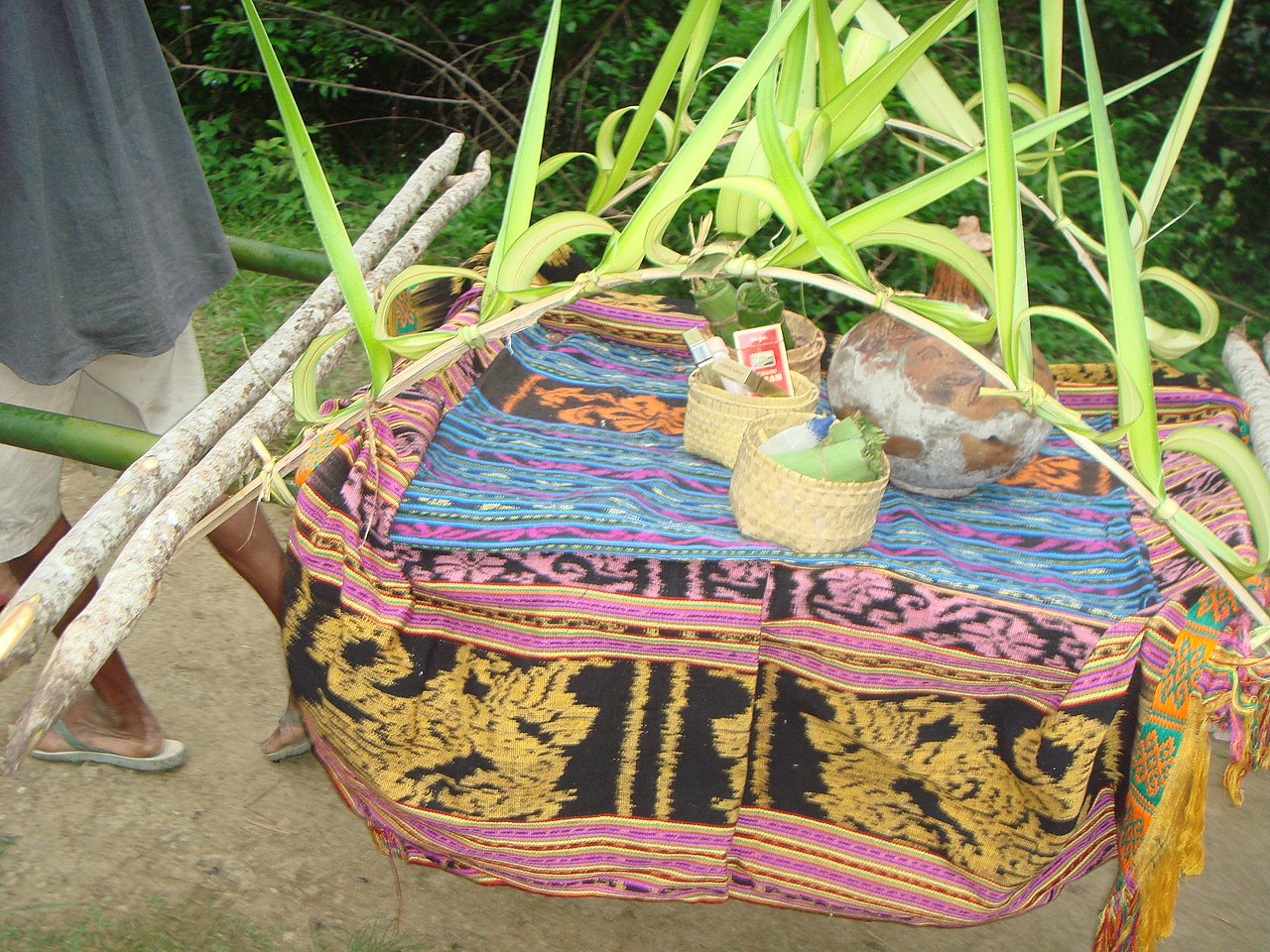
Traditionally the Timorese were farmers and herders, growing maize, rice, and root crops in the highlands and lowlands and raising livestock, in a land where the dry season could be hard. Village life centred on the extended family and the uma lulik, the sacred house, home of the ancestors and the ritual heart of the community.
Society was organised around clans and their sacred houses, bound by elaborate customs of alliance, exchange, and ancestral obligation. The rhythms of farming, the ancestors, and the sacred house shaped the traditional Timorese world.
Society and Community
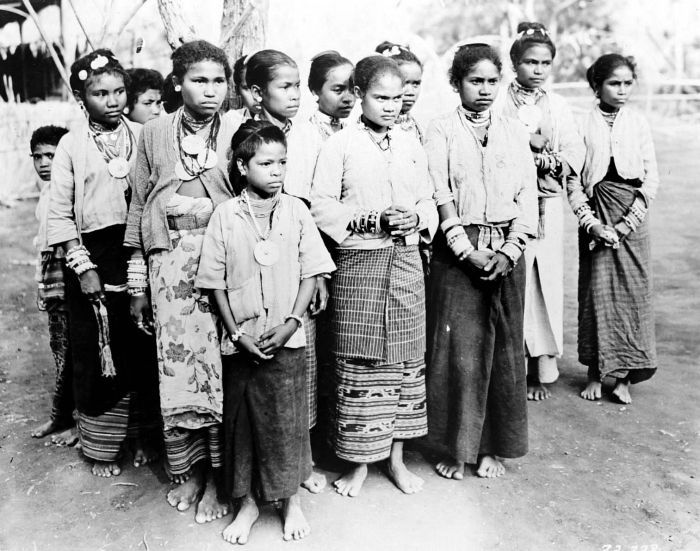
Timorese society is built around the clan and the sacred house, the uma lulik, which links the living to their ancestors and to the land. Elaborate ties of marriage alliance and the exchange of traditional valuables bind clans and houses together, and customary law, known as lisan or adat, governs much of village life.
The long years of occupation and the struggle for independence forged a powerful sense of national identity among the Timorese of the east, alongside their older loyalties to house and clan. Family, faith, and community remain the foundations of Timorese life.
Religion and Belief

The Timorese of the east are overwhelmingly Roman Catholic, a legacy of Portuguese rule that deepened during the years of Indonesian occupation, when the Church became a refuge and a defender of the people. Timor-Leste is one of the most devoutly Catholic nations in the world, and the faith is central to its identity.
Beneath and alongside Catholicism, older indigenous beliefs in the ancestors and the spirits of the land endure, honoured at the sacred houses and in traditional ritual. In West Timor, many Timorese are Protestant Christians, and some follow Islam or traditional beliefs.
Traditions

Timorese tradition centres on the sacred house, the ancestors, and the rituals that bind the clans. Ceremonial dances, the beating of drums and gongs, and the wearing of the woven tais cloth and elaborate ornaments mark celebrations and rites of passage. The exchange of traditional valuables seals marriages and alliances.
Story, song, and the customs of the sacred house carry the heritage of the people, blended in the east with Catholic ritual and festival. Through these traditions the Timorese honour their ancestors and affirm the bonds of clan and community.
Crafts

The signature Timorese craft is the weaving of tais, the traditional cloth woven by women on backstrap looms in bold patterns and colours that vary from region to region. Tais is worn at ceremonies, given as a mark of respect, and treasured as a symbol of Timorese identity.
The carving of the sacred houses and ritual objects, basketry, and the making of ornaments and traditional valuables also belong to Timorese craft. Tais weaving in particular has become a proud emblem of the young nation.
Food

Timorese cuisine is simple, hearty highland fare built on maize, rice, root crops, and beans, with fish along the coasts. A characteristic dish is batar daan, a stew of corn, mung beans, and pumpkin, reflecting the staples of the land.
Grilled fish and meat, vegetables, and rice fill the Timorese table, and Timor-Leste is famous for its high-quality coffee, grown in the highlands and one of the nation’s chief exports. Food and coffee are central to Timorese hospitality.
Festivals
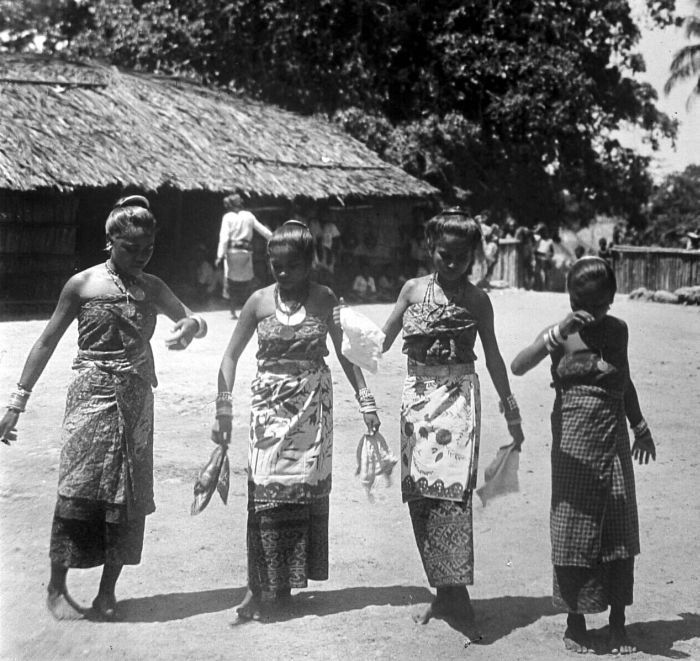
The festivals of the Timorese of the east blend the Catholic calendar with older traditions. The great Christian feasts, above all Christmas and Easter, are celebrated with deep devotion, and religious processions fill the towns. Independence and remembrance days recall the long struggle for freedom.
Ceremonies at the sacred houses, marking harvests, marriages, and the honouring of ancestors, continue alongside the Christian festivals. Traditional dance, tais, and communal feasting mark these occasions, joining old and new in the life of the Timorese.
History

Timor was divided for centuries between the Portuguese in the east and the Dutch in the west, valued for its sandalwood. When Portugal withdrew in 1975, East Timor briefly declared independence before being invaded and annexed by Indonesia, beginning a brutal occupation in which perhaps a quarter of the population died.
After decades of resistance and repression, the Timorese voted overwhelmingly for independence in 1999, enduring a final wave of violence before international intervention. In 2002 Timor-Leste became a fully independent nation, one of the youngest countries in the world.
Today
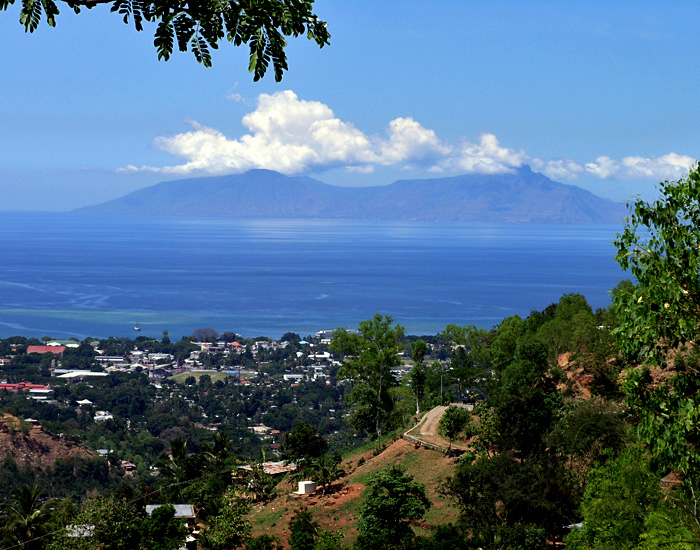
Today the Timorese of Timor-Leste number over a million in their young nation, rebuilding after the devastation of occupation and war, while the Timorese of West Timor form part of Indonesia. Timor-Leste remains a poor country, reliant on coffee and offshore oil and gas, and still recovering from its traumatic past.
Modern Timorese balance the building of a new nation with deep Catholic faith and enduring traditions of the sacred house and the ancestors. Their tais cloth, their languages, their coffee, and above all their hard-won independence continue to define one of the world’s newest peoples.
Related Peoples of the Region
More Peoples of the World
You May Like
The Damara, an Ancient People of Namibia