In the cool highlands of North Sumatra, around the vast volcanic lake of Toba, live the Batak, a family of related peoples who long kept their independence in the mountainous interior. With their own script, their soaring gabled houses, and a society built on the clan, they developed one of Indonesias most distinctive cultures.
Theirs is a heritage of the sacred ulos cloth and the stately tor-tor dance, of ancestral tombs on Samosir and a cuisine seasoned with the tongue-numbing andaliman pepper. To know the Batak is to enter the highland world of Lake Toba and its proud, enterprising people.
Lake Toba on Film
Contents
- Origins
- The Name
- The Language
- The Homeland
- The Old Way of Life
- Society and Community
- Religion and Belief
- Traditions
- Crafts
- Food
- Festivals
- History
- Today
Origins

The Batak are a group of related peoples of the highlands of North Sumatra in Indonesia, centred on the great volcanic lake of Toba. Austronesian in origin, they are divided into several closely related groups, including the Toba, Karo, Simalungun, Pakpak, Angkola, and Mandailing, sharing a broad common heritage.
Living in the rugged interior around Lake Toba, long isolated from the coastal Malay world, the Batak developed a distinctive culture with their own script, religion, and social order. For centuries they kept their independence in the highlands, and outsiders spun fearsome tales of these proud mountain people.
The Name

The name Batak is applied to the whole family of related highland peoples of North Sumatra, though each group also has its own name. Their society is organised around the marga, the patrilineal clan, and a Batak’s clan name, carried through the male line, is central to identity.
The heartland of the Batak is Lake Toba and the island of Samosir at its centre, from which the Toba Batak, the largest group, take their name. The many Batak groups, though distinct, share language, custom, and a sense of common origin in these highlands.
The Language

The Batak languages belong to the Austronesian family and form a closely related cluster, the speech of the different Batak groups, mutually intelligible in varying degrees. They were traditionally written in the Batak script, an elegant alphabet used above all by ritual specialists for magic, divination, and sacred texts inscribed on bark books.
This script, one of several indigenous alphabets of Sumatra, is a proud emblem of Batak heritage. Today Indonesian is the language of education and public life, but the Batak languages remain strong in home and community.
The Homeland

The Batak homeland is the highland interior of North Sumatra, centred on Lake Toba, one of the largest and deepest volcanic crater lakes in the world, formed by a colossal ancient eruption. At its heart lies the island of Samosir, the cultural core of the Toba Batak.
Around the lake rise cool green highlands, worked into rice fields and set with villages of distinctive houses. This dramatic landscape of water, mountains, and highland plateau shaped the Batak world and set it apart from the tropical lowlands.
The Old Way of Life

Traditionally the Batak were farmers, growing rice in the highland fields and raising livestock, living in villages of the striking rumah bolon, great timber houses with soaring saddle-shaped roofs, richly carved and raised on stout posts. Several families shared these communal houses.
Society was organised around the clan and the village, governed by adat, the body of customary law, and by a complex system of alliances between wife-giving and wife-taking clans. Rice farming, fishing in the lake, and the weaving of cloth sustained the highland way of life.
Society and Community
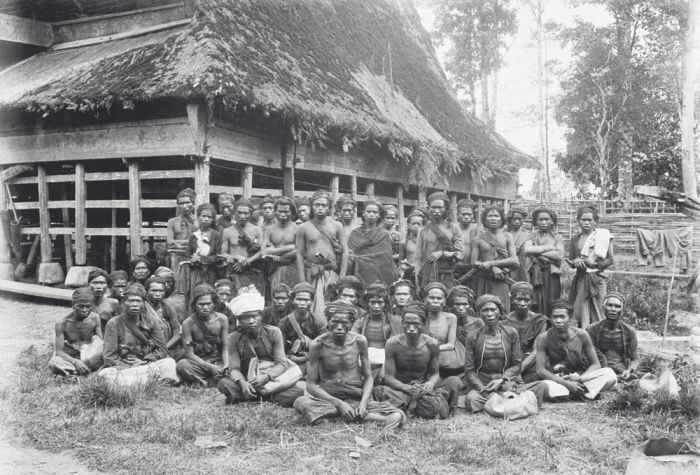
Batak society is built on the marga, the patrilineal clan, and on a sophisticated system of kinship and marriage alliance that binds clans together across the generations. A person’s clan governs identity, marriage, and obligation, and the ritual relationships between clans structure ceremonial life.
The exchange of gifts, above all the giving of the sacred ulos cloth by the wife-giving clan, cements these bonds at weddings, births, and funerals. Clan solidarity, respect for elders, and the customs of adat remain powerful in Batak society at home and in the diaspora.
Religion and Belief

Most Batak today are Christians, above all Protestants, converted by German and other missionaries from the nineteenth century, and the Batak Protestant Christian Church is one of the largest churches in Southeast Asia. The Mandailing and Angkola groups, however, are largely Muslim.
Before conversion the Batak followed their own religion, honouring ancestors and a world of spirits under a high god, with rituals led by priests and the magic of the datu, or shaman. Elements of these older beliefs survive, blended with Christianity and Islam, in Batak ceremony and custom.
Traditions

Batak tradition is rich in music, dance, and elaborate ceremony. The tor-tor, a stately ritual dance performed to the powerful gondang drum-and-gong ensemble, accompanies the great occasions of life. On Samosir, the sigale-gale, a life-sized wooden puppet, is danced at funerals in a haunting rite.
The ceremonies surrounding weddings, funerals, and the reburial of ancestral bones in ornate tombs are central to Batak culture, binding the living, the dead, and the clans. Song, oratory, and the giving of ulos mark these gatherings.
Crafts

The most sacred Batak craft is the weaving of ulos, ceremonial cloths given at every important occasion and believed to convey blessing and warmth. Woven in dark reds, blues, and blacks with intricate patterns, the ulos is central to Batak ritual life.
Woodcarving, seen in the decoration of the great houses and in ritual objects, the making of the bark books inscribed in Batak script, and metalwork all belonged to Batak craft. These arts, tied to house, ceremony, and clan, remain treasured expressions of the culture.
Food
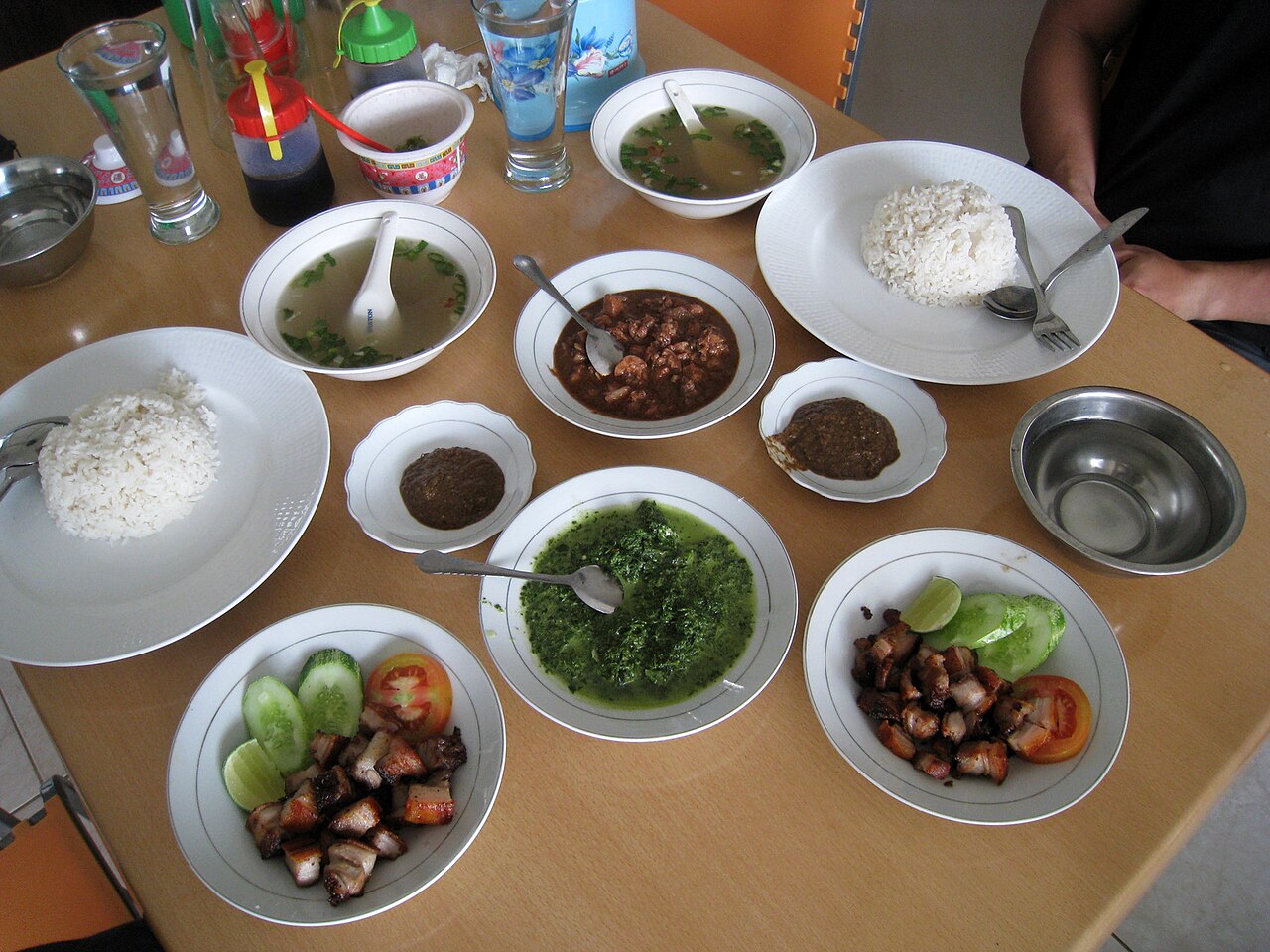
Batak cuisine is bold and distinctive within Indonesia, and, among the largely Christian Toba, includes pork, unlike the cuisine of Muslim regions. Its signature dishes include saksang, meat cooked with blood and spices, and naniura, a dish of raw fish cured with sour andaliman pepper.
The andaliman, a citrusy, tongue-numbing spice akin to Sichuan pepper, gives Batak food its unique character, along with grilled meats, spicy sauces, and lake fish. Food is central to the great clan ceremonies and to Batak hospitality.
Festivals
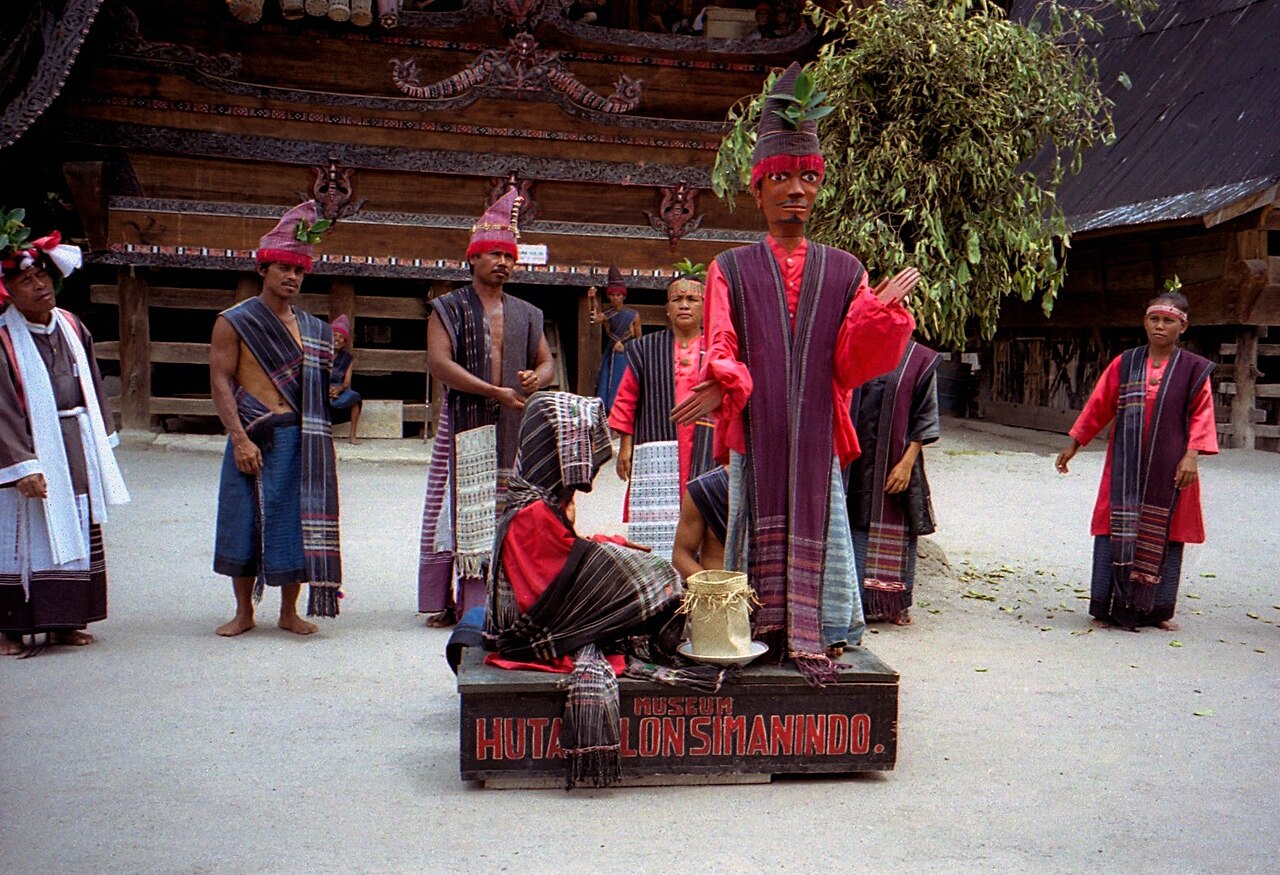
Batak communal life centres on great ceremonial gatherings, above all weddings and funerals, which can last for days and draw together whole clans for feasting, tor-tor dancing, and the exchange of ulos and gifts. The funeral of an elder, and the later reburial of ancestral bones, are especially important occasions.
Christian festivals, above all Christmas, are celebrated with great warmth among the Batak, and cultural festivals around Lake Toba showcase music, dance, and tradition. Through these gatherings the Batak affirm the bonds of clan and community.
History
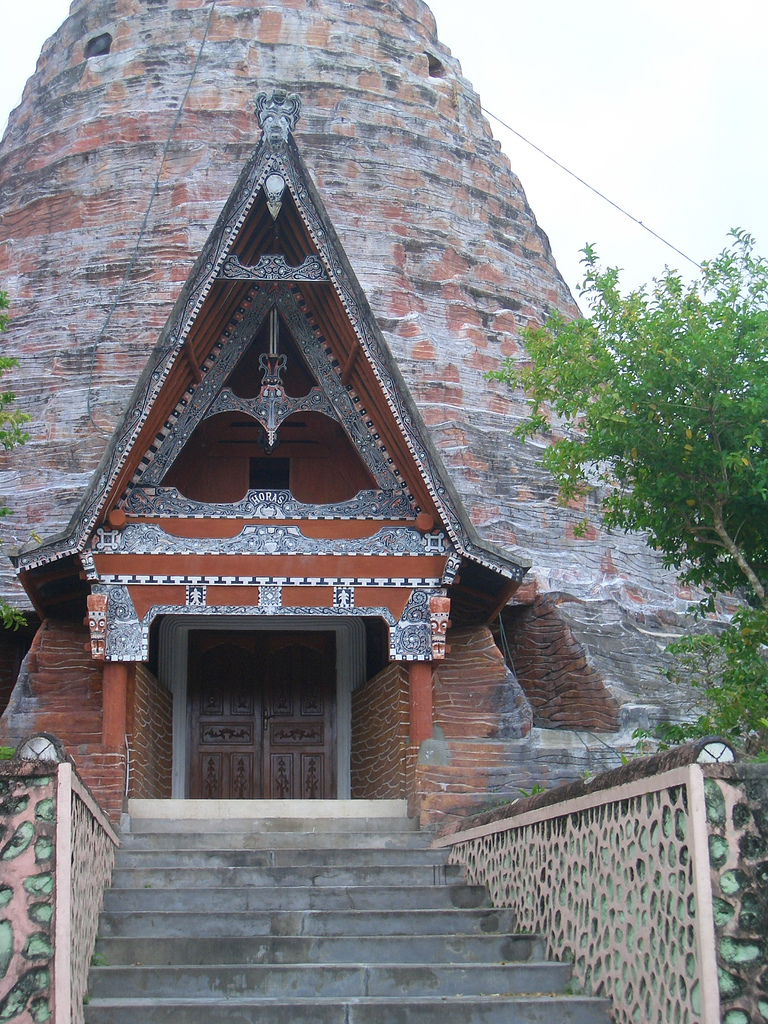
For centuries the Batak lived independently in their highland fastness around Lake Toba, resisting the influence of the Muslim coastal states and preserving their own religion and customs. In the nineteenth century Christian missionaries, above all the German Ludwig Nommensen, converted much of the Toba Batak, transforming their society.
Under Dutch colonial rule and then within independent Indonesia, the Batak, with their strong tradition of education fostered by the missions, produced many teachers, lawyers, officials, and professionals, and migrated in large numbers to the cities. They became one of Indonesia’s most prominent and successful peoples.
Today

Today the Batak number several million, one of the larger peoples of Indonesia, with a great many living far from the homeland in Medan, Jakarta, and other cities across the country. Lake Toba, their ancestral heart, has become a major tourist destination.
Modern Batak are known throughout Indonesia in the professions, music, and public life, while maintaining strong ties to clan and homeland. Their clans, their ulos cloths, their music, and their distinctive cuisine continue to define one of Sumatra’s great and enterprising peoples.
Related Peoples of the Region
More Peoples of the World
You May Like
The Damara, an Ancient People of Namibia