Along the shores and straits of maritime Southeast Asia live the Malays, an Austronesian people whose language once served as the lingua franca of the whole region. From the great trading sultanate of Malacca they spread Islam, the Malay tongue, and a refined courtly culture across the seas and islands.
Theirs is a heritage of stilt-house villages and gold-threaded songket, of the flying wau kite and the spiritual kris, all bound to Islam and the customs of adat. To know the Malays is to enter the world of the sultanates and the great maritime crossroads of Southeast Asia.
The Malay World on Film
Contents
- Origins
- The Name
- The Language
- The Homeland
- The Old Way of Life
- Society and Community
- Religion and Belief
- Traditions
- Crafts
- Food
- Festivals
- History
- Today
Origins

The Malays are an Austronesian people of Southeast Asia, native to the Malay Peninsula, the coasts of Sumatra and Borneo, and the smaller islands between. They form the majority of Malaysia and Brunei and a significant population in Singapore, Indonesia, and Thailand, bound together by a shared language, the Islamic faith, and Malay custom.
The Malay world grew up around the sea and the great trading routes that passed through the straits between the Indian and Pacific oceans. From early Hindu-Buddhist kingdoms such as Srivijaya to the great Islamic sultanate of Malacca, the Malays built maritime states that grew rich on trade and made their language the lingua franca of the region.
The Name
The name Malay, or Melayu, is very old, linked to an early kingdom on Sumatra and later to the sultanate of Malacca, from which Malay identity spread across the region. To be Malay came to mean, in a famous formulation, to speak Malay, to follow Islam, and to practise Malay custom, or adat.
This definition, tying together language, religion, and custom rather than descent alone, allowed the Malay identity to absorb many peoples over the centuries. The Malay world, the alam Melayu, stretches across the seas and islands of maritime Southeast Asia.
The Language
The Malay language is an Austronesian tongue that became the great lingua franca of maritime Southeast Asia, the language of trade, diplomacy, and Islam across the region for centuries. In its standardised forms it is the national language of Malaysia, Indonesia, Brunei, and Singapore, spoken in some form by hundreds of millions.
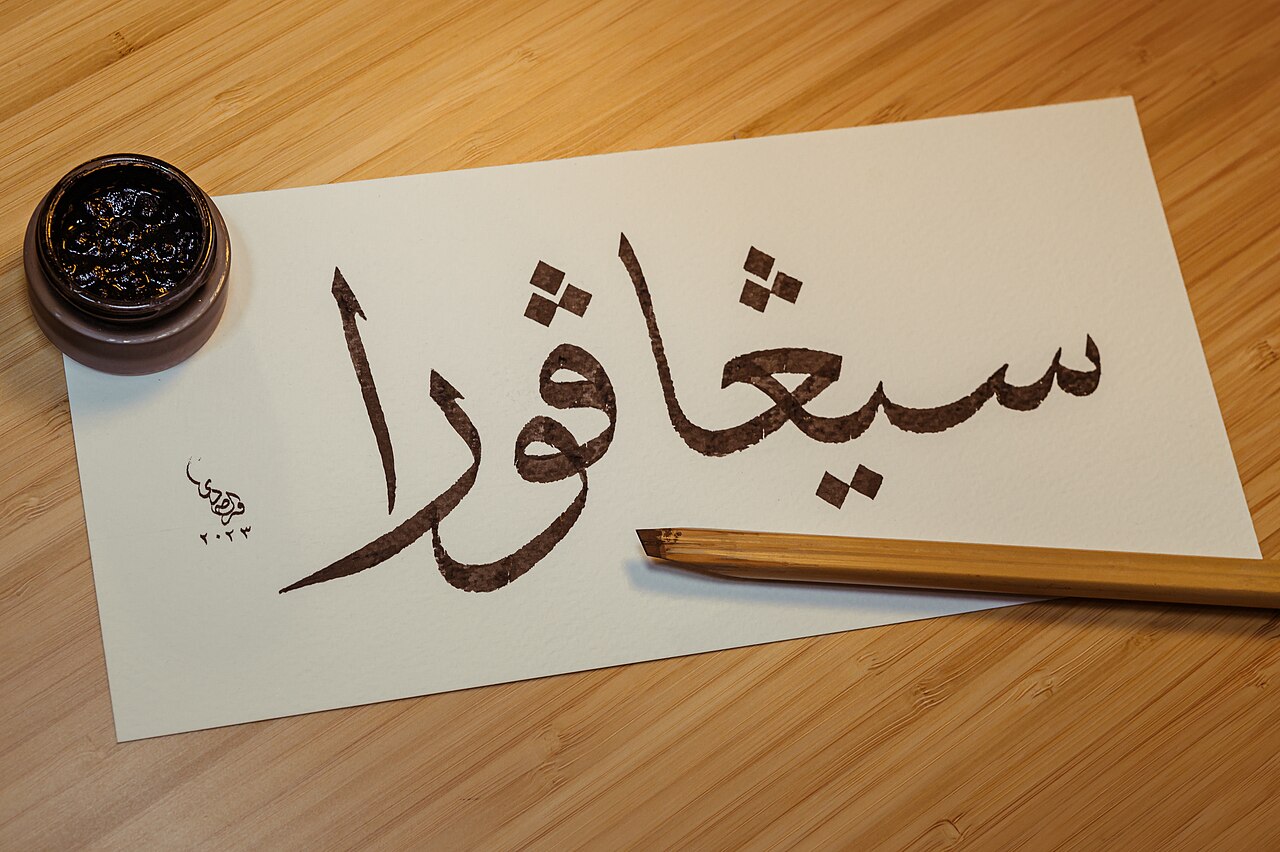
Malay was long written in Jawi, an adapted Arabic script, which carried a rich literature of court chronicles, poetry, and religious texts, though today the Latin alphabet is standard. The spread and prestige of the Malay language is one of the great facts of the region’s history.
The Homeland

The Malay homeland centres on the Malay Peninsula and the shores of the great islands around it, above all eastern Sumatra and the coasts of Borneo, together with the Riau islands that lie at the heart of the Malay world. It is a land of tropical coasts, rivers, and rainforest, oriented always toward the sea.
The Malays were traditionally a coastal and riverine people, their villages, or kampung, strung along the waterways and shores. The straits and seas that others might see as barriers were, for the Malays, the highways that bound their world together.
The Old Way of Life

Traditionally the Malays lived by fishing, trading, and the growing of rice, living in kampung villages of timber houses raised on stilts along the coasts and rivers. The sea and the river were the sources of livelihood and the routes of travel and commerce.
Malay society was organised under sultans and chiefs, with the coastal trading port and its ruler at the centre of political life. Rice farming in the interior and fishing and trade along the coasts sustained a way of life shaped by water, and governed by the customs of adat.
Society and Community

Malay society traditionally centred on the sultanate, the village community, and the extended family, governed by the interplay of Islamic law and adat, the inherited body of Malay custom. The sultans, rulers of the various Malay states, remain revered figures, and several still reign in Malaysia today.
Courtesy, respect for elders and rulers, and a strong sense of communal harmony mark Malay social life. The bonds of kampung, family, and faith, and the graceful codes of Malay etiquette, continue to shape the culture.
Religion and Belief

The Malays are overwhelmingly Sunni Muslims, and Islam is so central to Malay identity that, by the traditional definition, to be Malay is to be Muslim. Islam came to the region through trade from around the thirteenth century, spreading from Malacca across the Malay world.
Mosques stand at the heart of Malay towns and villages, and the rhythm of prayer, the fast of Ramadan, and the Islamic festivals structure Malay life. Older beliefs and customs, blended into adat, survive alongside a devout adherence to the faith.
Traditions

Malay tradition is rich in music, dance, and courtly art. The gentle sway of Malay dance, the music of the gamelan and the frame drum, and traditional theatre and shadow puppetry carry the heritage of the sultanates. The flying of the great decorated wau kites and the spinning of giant tops are beloved pastimes.
The martial art of silat, the elaborate customs of the Malay wedding, and the ceremonies of Islamic and courtly life all express Malay identity. Refinement, grace, and the codes of adat run through these traditions.
Crafts

The Malays are renowned for fine craftsmanship, above all the weaving of songket, a luxurious cloth patterned with gold and silver thread, worn on ceremonial occasions. The making of batik, fine woodcarving, and silverwork are also celebrated arts.
The forging of the kris, the wavy-bladed dagger regarded as a spiritual as well as a practical object, is among the most storied of Malay crafts. These arts, developed in the service of the courts and of daily life, remain treasured markers of Malay heritage.
Food

Malay cuisine is rich, aromatic, and built on rice, coconut, and a fragrant array of spices and herbs. Its most iconic dish is nasi lemak, rice cooked in coconut milk and served with sambal, anchovies, peanuts, egg, and cucumber, eaten across the Malay world for breakfast and beyond.
Rendang, a slow-cooked spiced beef, satay skewers, laksa noodle soups, and a wealth of curries and sambals fill the Malay table. Coconut milk, lemongrass, chilli, and shrimp paste give the cuisine its distinctive depth, and food is central to festival and hospitality.
Festivals

The great festival of the Malays is Hari Raya Aidilfitri, the celebration marking the end of the fasting month of Ramadan, when families gather, homes are opened to guests, and special dishes are shared in a joyful spirit of forgiveness and renewal. Hari Raya Haji and the other Islamic holy days are also observed.
Weddings, with their elaborate ceremony, feasting, and the seating of the couple in state on a decorated dais, are among the great celebrations of Malay life. Through these festivals, centred on faith and family, the Malays affirm their culture and community.
History

The Malay world was shaped by great maritime kingdoms, from the Hindu-Buddhist empire of Srivijaya to the Islamic sultanate of Malacca, which in the fifteenth century made the Malay language and Islam dominant across the region. The fall of Malacca to the Portuguese in 1511 began centuries of European involvement.
The Portuguese, Dutch, and finally the British contended for control of the Malay lands and their trade, and by the twentieth century most of the region was under British or Dutch rule. Malaysia won independence in 1957 and later united with other territories, while Brunei remained a separate sultanate and the Malays of Indonesia and Singapore followed their own paths.
Today

Today the Malays number in the tens of millions across maritime Southeast Asia, forming the majority in Malaysia and Brunei and important communities in Singapore, Indonesia, and southern Thailand. In Malaysia they hold a central place in national life, and several sultans still reign as constitutional rulers.
Modern Malay life blends deep traditions of Islam, adat, and the sultanates with the energy of prosperous, fast-developing societies, symbolised by the soaring towers of Kuala Lumpur. Their language, their faith, their courtly arts, and their customs continue to define one of the great peoples of Southeast Asia.
Related Peoples of the Region
More Peoples of the World
You May Like
The Damara, an Ancient People of Namibia