At the northern tip of Sumatra, where the Indian Ocean meets the Strait of Malacca, live the Acehnese, a devoutly Muslim people known as the dwellers on the veranda of Mecca. Through this gateway Islam first entered Southeast Asia, and here rose one of its greatest sultanates.
Theirs is a heritage of a proud maritime kingdom and a fierce anti-colonial spirit, of the hypnotic saman dance and the emblematic rencong dagger, tested by decades of war and by the catastrophe of the 2004 tsunami. To know the Acehnese is to meet one of Indonesias most independent and devout peoples.
Aceh on Film
Contents
- Origins
- The Name
- The Language
- The Homeland
- The Old Way of Life
- Society and Community
- Religion and Belief
- Traditions
- Crafts
- Food
- Festivals
- History
- Today
Origins

The Acehnese are a people of the northern tip of the island of Sumatra, in the Indonesian province of Aceh, where the Indian Ocean meets the Strait of Malacca. An Austronesian people with a fiercely independent history and a deep Islamic faith, they occupy one of the most strategic corners of maritime Southeast Asia.
Aceh was among the first places in Southeast Asia to embrace Islam, brought by traders across the Indian Ocean, and it became known as the veranda of Mecca, the gateway through which pilgrims and the faith passed. From the sixteenth century the Sultanate of Aceh grew into a great power, trading in pepper and gold and resisting the Europeans who coveted its wealth.
The Name
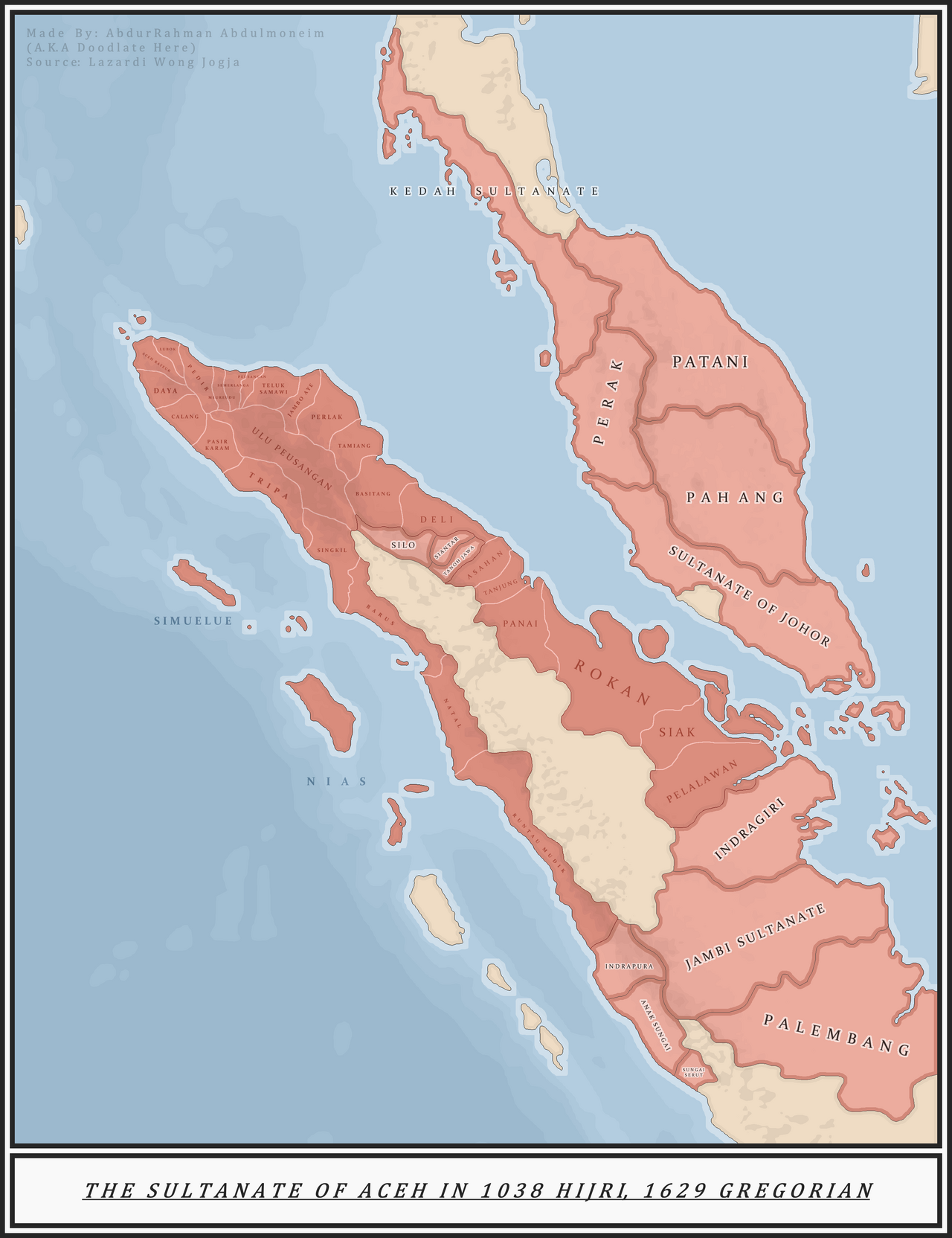
The Acehnese take their name from their land, Aceh, the northernmost region of Sumatra. Their sultanate, at its height, was one of the strongest states of the Malay world, and the memory of that golden age remains central to Acehnese pride.
Known as the veranda of Mecca for its early and devout embrace of Islam, Aceh has long seen itself as distinct from the rest of Sumatra and Indonesia, a distinctness reflected in its special autonomous status and its own strong sense of identity.
The Language
The Acehnese speak Acehnese, an Austronesian language of the Malayo-Polynesian branch, related to the languages of coastal Sumatra and, more distantly, to those of mainland Southeast Asia. It was traditionally written in Jawi, the Arabic-derived script, reflecting the deep Islamic culture of the region.
Aceh is also home to other peoples with their own languages, such as the Gayo of the highlands. Indonesian serves as the national and official language, but Acehnese remains the mother tongue and a marker of identity for the people of the coasts and lowlands.
The Homeland

The Acehnese homeland is the province of Aceh, occupying the northern end of Sumatra, a land of coastal plains, rivers, and mountainous interior, ringed by the Indian Ocean and the Strait of Malacca. Its position on the sea lanes made it a crossroads of trade and a gateway between worlds.
The fertile lowlands grow rice, and the cool Gayo highlands around Lake Laut Tawar are famed for their coffee. Facing the open ocean, Aceh was also terribly exposed to the sea, as the catastrophic tsunami of 2004 revealed.
The Old Way of Life
Traditionally the Acehnese lived by farming, fishing, and trade. Rice was grown in the coastal plains, pepper and other spices were raised for the great export trade, and the sea provided both food and the routes of commerce that made Aceh wealthy.
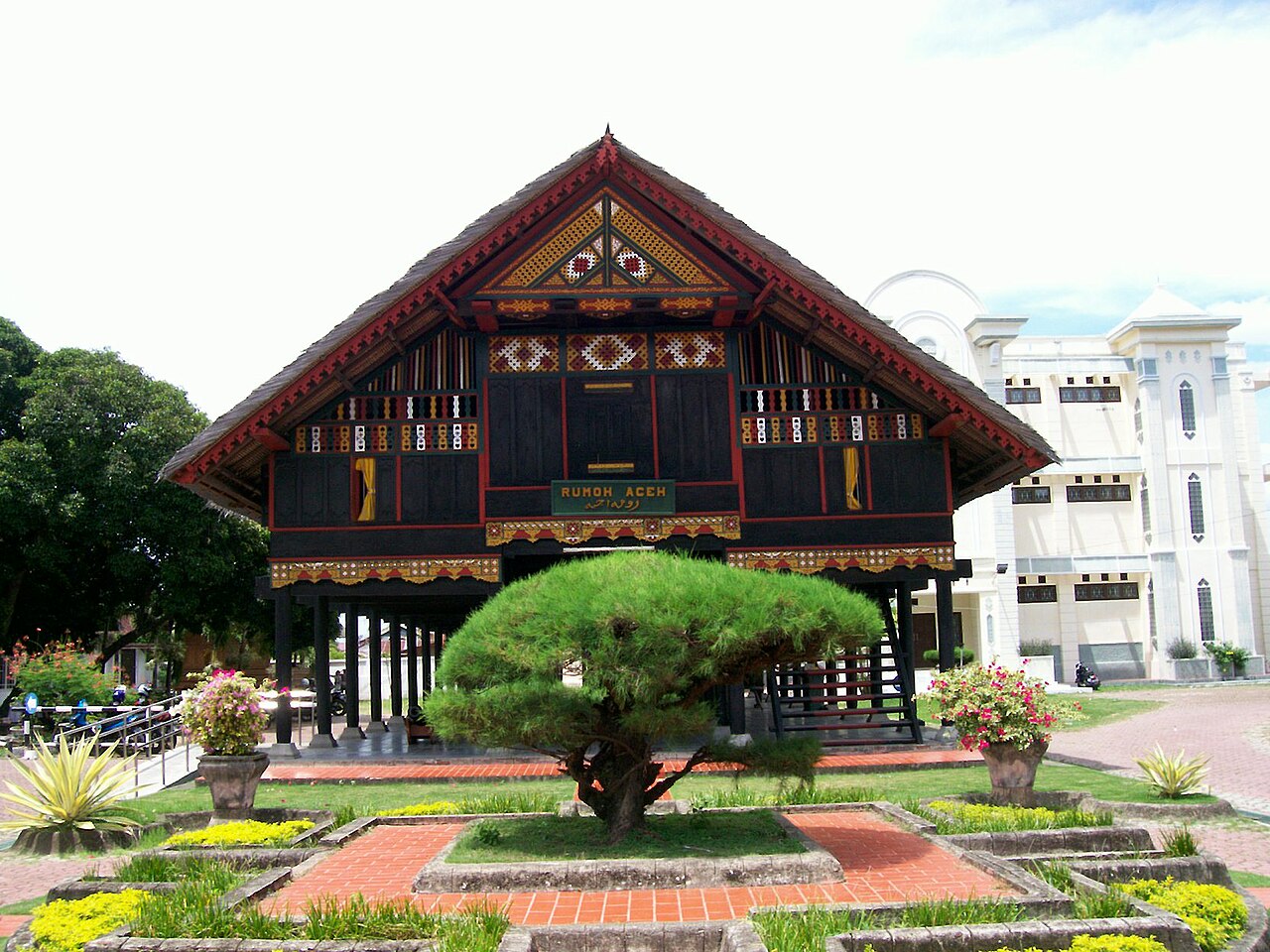
Village life centred on the mosque and the traditional stilt house, the rumoh Aceh, built of timber and raised against floods. Society was organised under the sultanate and local chiefs, and shaped throughout by the strong Islamic faith of the people.
Society and Community
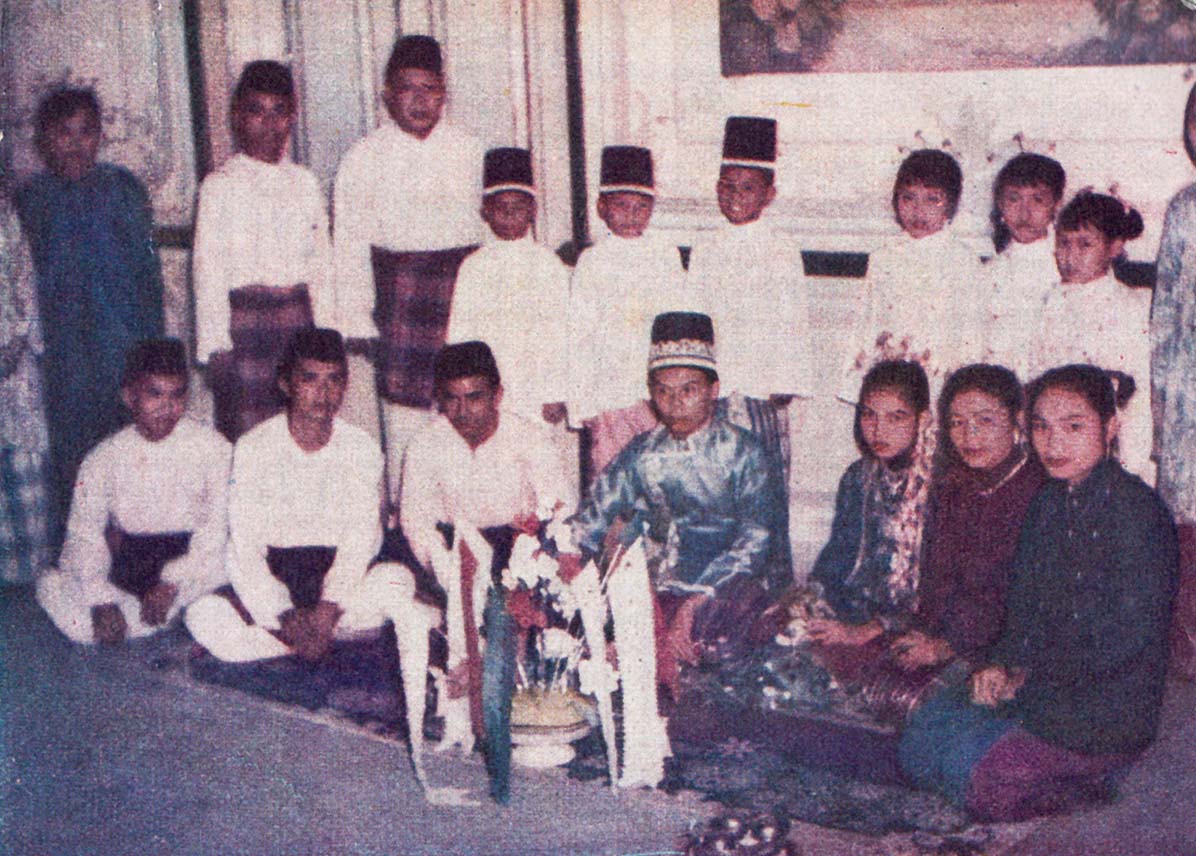
Acehnese society is devoutly Muslim and organised around the family, the village, and the mosque, with Islamic values and law playing a central role. Aceh is the only province of Indonesia to implement Islamic sharia law, a reflection of the strength of the faith among its people.
Kinship, respect for religious scholars, or ulama, and the customs of adat blended with Islam shape social life. Acehnese women have historically held notable positions, and the sultanate was even ruled by several sultanas, or queens, in its history.
Religion and Belief
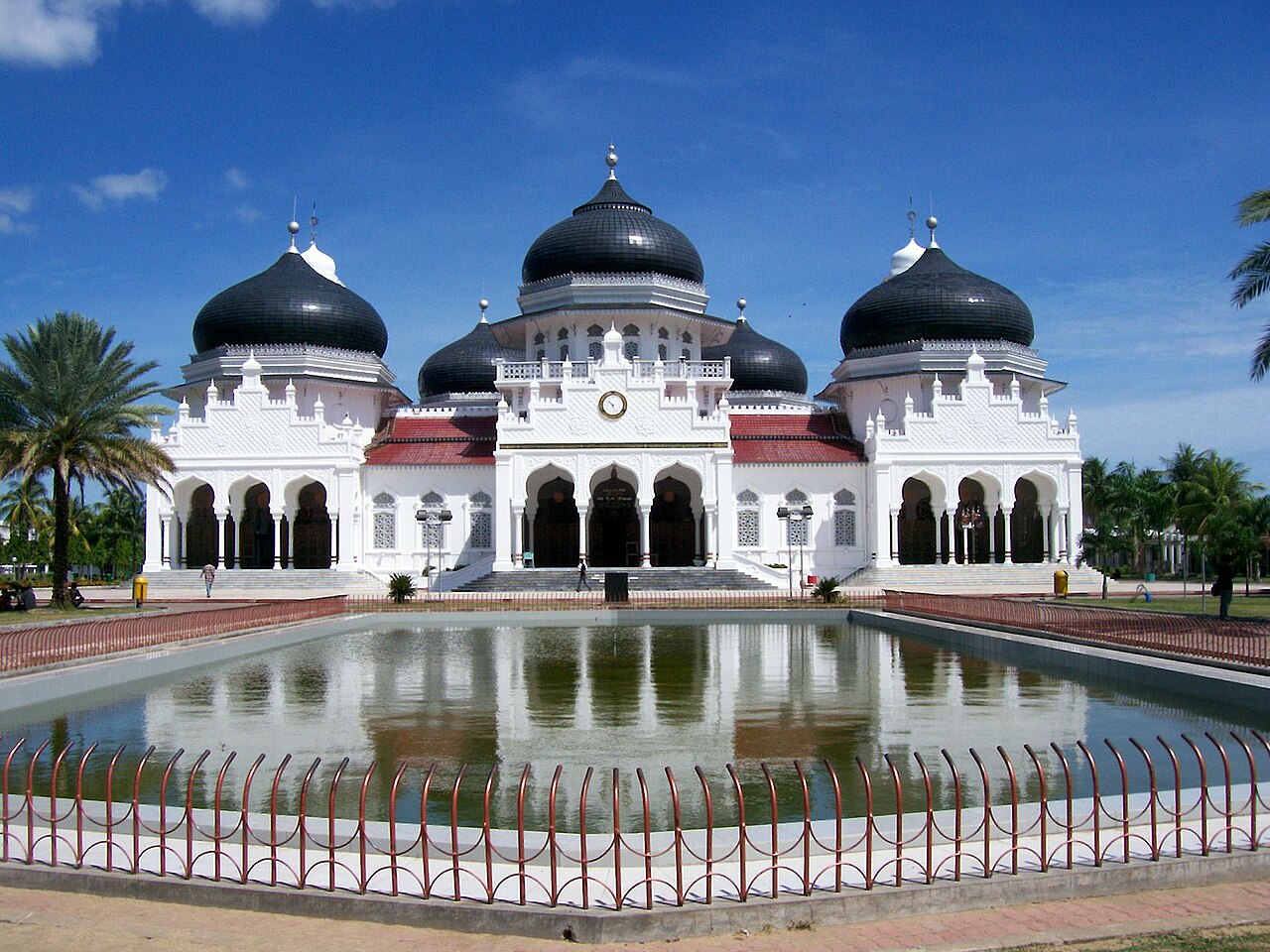
The Acehnese are overwhelmingly devout Sunni Muslims, and Islam is the very heart of their identity, giving Aceh its name as the veranda of Mecca. The faith arrived early through Indian Ocean trade, and Aceh became a centre of Islamic learning and a launching point for the pilgrimage to Mecca.
The magnificent Baiturrahman Grand Mosque in Banda Aceh, which survived the 2004 tsunami, stands as the symbol of Acehnese faith and resilience. Islamic law, scholarship, and devotion permeate Acehnese life more strongly than in most of Indonesia.
Traditions
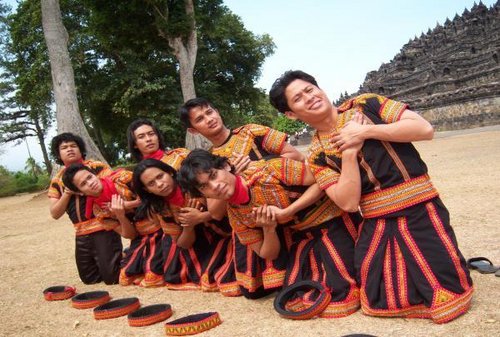
The most famous Acehnese tradition is the saman, a mesmerising seated dance of the Gayo people in which rows of performers clap, slap, and sway in perfect, accelerating unison, recognised as a masterpiece of world heritage. Other dances, such as the ratoh, and devotional music mark celebrations.
The customs surrounding Islamic festivals, weddings, and the life-cycle, all deeply coloured by the faith, structure Acehnese tradition. Poetry, storytelling, and the martial heritage of a people long at war also run through the culture.
Crafts

The emblematic Acehnese craft is the forging of the rencong, a curved dagger whose shape is said to echo the Arabic word for God, worn as a symbol of Acehnese identity and honour. Fine gold and silver jewellery, embroidery, and weaving are also celebrated arts.
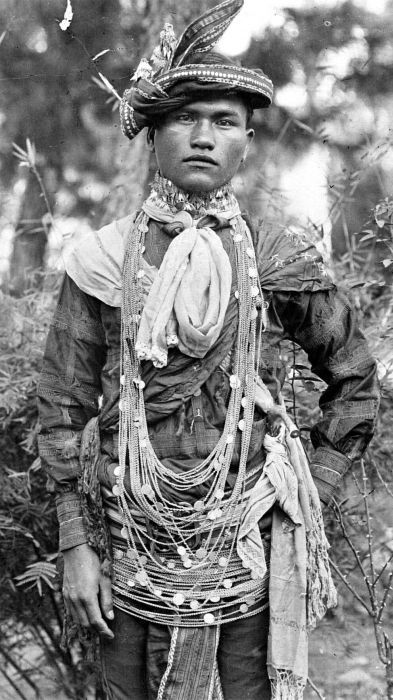
Acehnese songket and embroidered textiles, worn at weddings and festivals, display rich patterns often in gold thread. These crafts, tied to ceremony and identity, remain treasured markers of Acehnese heritage.
Food
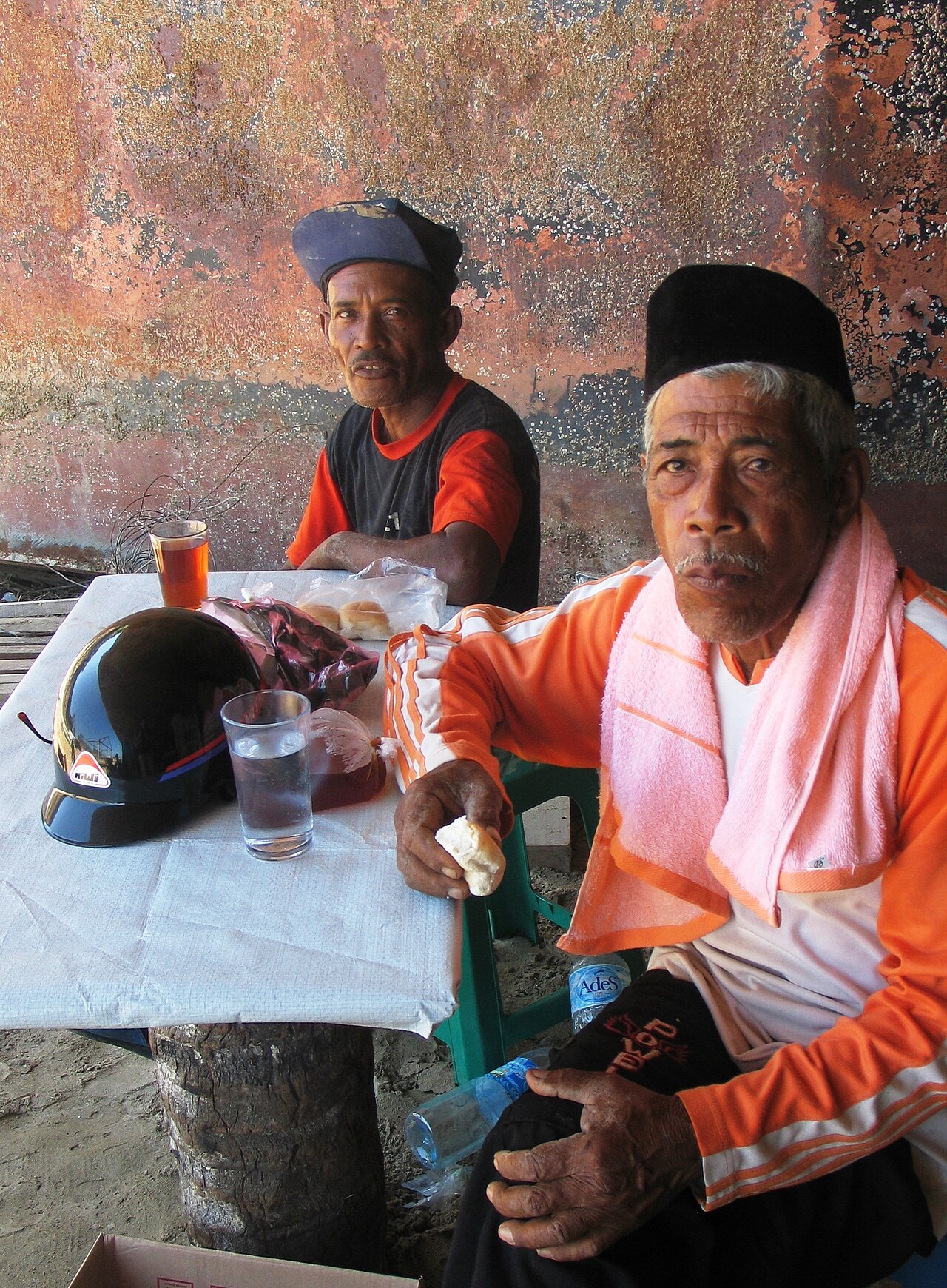
Acehnese cuisine is among the most richly spiced in Indonesia, reflecting centuries of Indian, Arab, and Malay trade. Its signature dish is mie Aceh, a hearty spiced noodle dish served with beef, mutton, or seafood, fragrant with curry spices.
Curries thick with coconut and spice, grilled fish, and rice dishes fill the Acehnese table. Above all, Aceh is famous for its coffee, above all the highland Gayo beans, and the coffee shop is a central institution of Acehnese social life.
Festivals
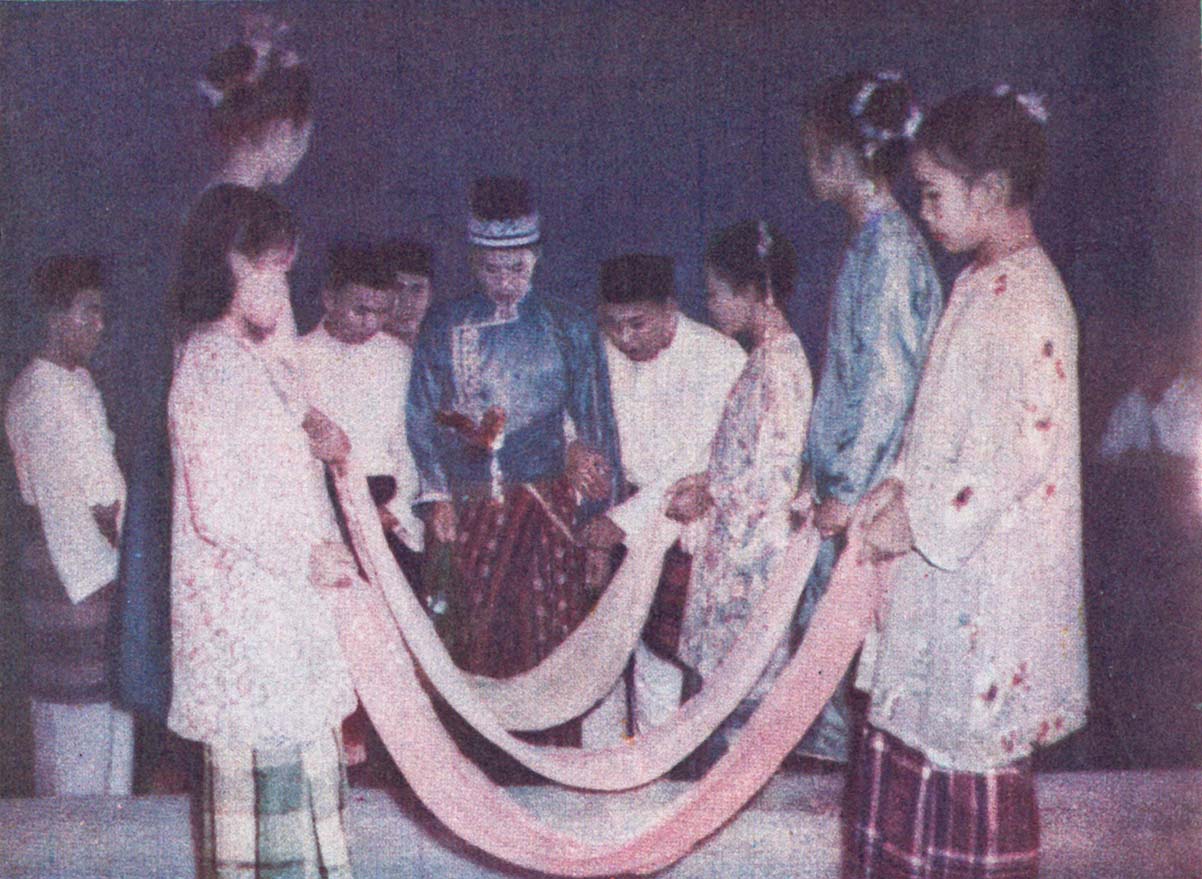
The great festivals of the Acehnese follow the Islamic calendar, above all the two Eids, celebrated with prayer, feasting, and family gatherings in a deeply devout spirit. Ramadan is observed with special seriousness in this most Islamic of Indonesian provinces.
Weddings, with their elaborate ceremony, feasting, and display of finery, are among the great celebrations of Acehnese life, and cultural festivals showcase the saman and other traditional arts. Through these occasions, faith and custom are joined in the life of the community.
History

The Sultanate of Aceh rose in the sixteenth century to become a great maritime and Islamic power, resisting the Portuguese and Dutch and dominating the pepper trade. Its long war against Dutch colonial conquest, beginning in the 1870s, was one of the fiercest and longest anti-colonial struggles in the region.
After Indonesian independence Aceh chafed under central rule, and a separatist movement waged a long insurgency for independence from the 1970s. The catastrophic tsunami of December 2004, which killed well over a hundred thousand people in Aceh, helped bring the conflict to an end, leading to a peace deal and special autonomy for the province.
Today
Today the Acehnese number several million, the majority in their autonomous province at the tip of Sumatra, rebuilt after the devastation of the tsunami. Aceh governs itself with special autonomy and is the only Indonesian province to apply Islamic law.
Modern Acehnese life blends deep Islamic devotion and pride in the sultanate’s glorious past with recovery from war and disaster. Their faith, their coffee, their saman dance, and their fierce sense of independence continue to define one of Indonesia’s most distinctive peoples.
Related Peoples of the Region
More Peoples of the World
You May Like
The Damara, an Ancient People of Namibia