At the heart of mainland Southeast Asia live the Thai, the majority people of Thailand and the greatest of the Tai peoples of the region. Speakers of a tonal language and devout Buddhists, they built the golden kingdoms of Sukhothai, Ayutthaya, and Bangkok, and forged a civilisation famed for its temples, its arts, and its cuisine.
Theirs is a heritage of glittering wats and masked dance-drama, of fragrant curries and the water-splashing joy of Songkran, all bound to Buddhism, the monarchy, and a proud tradition of independence. To know the Thai is to enter one of the richest cultures of Southeast Asia.
Thailand on Film
Contents
- Origins
- The Name
- The Language
- The Homeland
- The Old Way of Life
- Society and Community
- Religion and Belief
- Traditions
- Crafts
- Food
- Festivals
- History
- Today
Origins
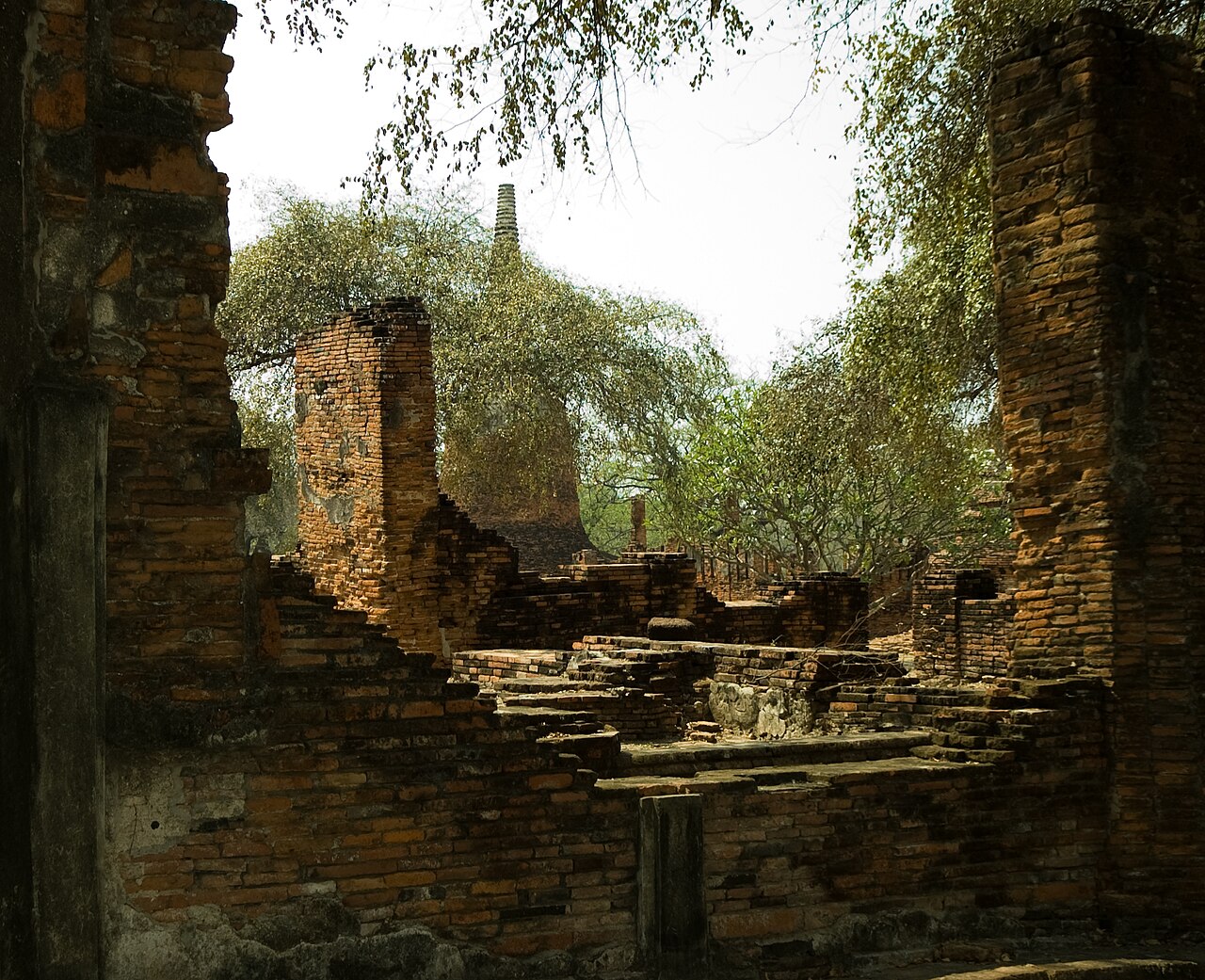
The Thai are the majority people of Thailand, a nation in the heart of mainland Southeast Asia, and the largest of the Tai peoples who spread across the region over the medieval centuries. Speaking the Thai language and overwhelmingly Buddhist, they built a series of powerful kingdoms that made their culture the dominant one of the land.
The Tai ancestors of the Thai migrated southward from what is now southern China into the fertile river valleys of the Chao Phraya, absorbing older Mon and Khmer civilisations. From the thirteenth century they founded the kingdoms of Sukhothai and then Ayutthaya, forging the distinctive Thai civilisation that endures today.
The Name

The Thai take their name from the word Tai, shared by their kinfolk across Southeast Asia, and understood to mean free. Their country was long known to the outside world as Siam, and the people as Siamese, before both were renamed Thailand and Thai in the twentieth century.
The name change expressed a proud national identity centred on the Thai people, their language, their monarchy, and their Buddhist faith. Thailand, alone among the countries of the region, was never colonised by a European power, a fact of great importance to Thai self-understanding.
The Language

The Thai language belongs to the Tai family, related to Lao, Shan, and the other Tai tongues, and quite distinct from the Mon-Khmer and Sino-Tibetan languages of many neighbours. It is a tonal language, written in its own graceful script derived from ancient Indian models by way of the Khmer.
The Thai script is traditionally credited to King Ramkhamhaeng of Sukhothai in the thirteenth century, and the language is rich in words borrowed from Pali and Sanskrit through Buddhism. Thai has a long literary tradition and is the national language uniting the peoples of the country.
The Homeland
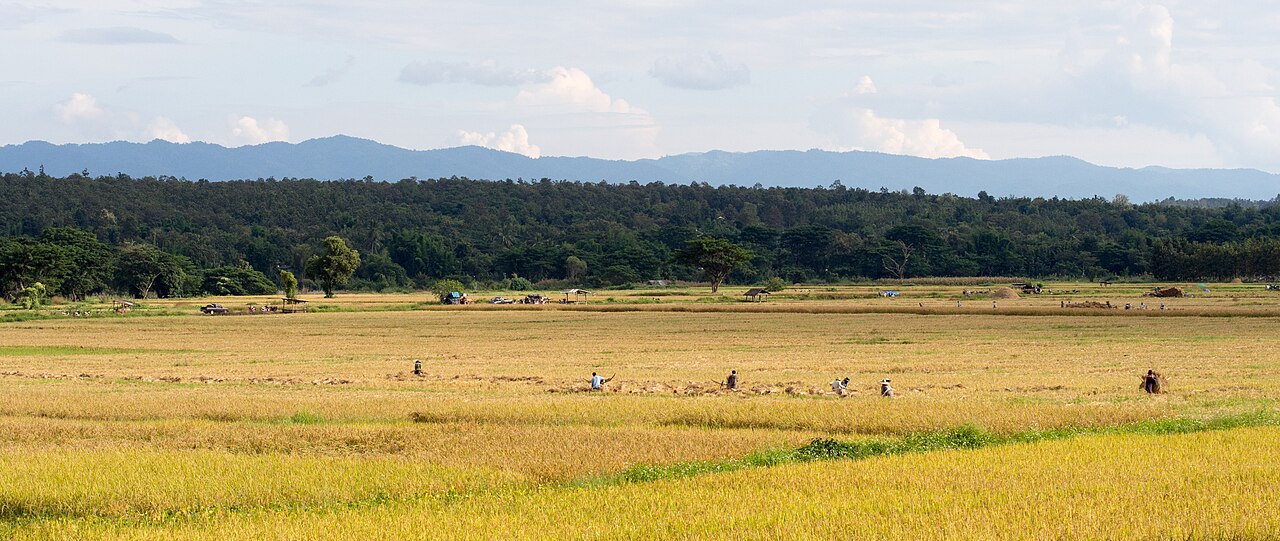
The Thai homeland is Thailand, a land of great variety at the centre of Southeast Asia, from the northern hills and the Khorat plateau of the northeast to the fertile central plain and the long peninsula reaching south towards Malaysia. The great river Chao Phraya, watering the central rice plain, has always been the heart of the country.
Bangkok, the vast capital on the river, dominates modern Thailand, but the country’s soul lies also in the rice fields, canals, and temple-dotted countryside. Monsoon rains, tropical forests, and the sea shape a rich and productive land.
The Old Way of Life
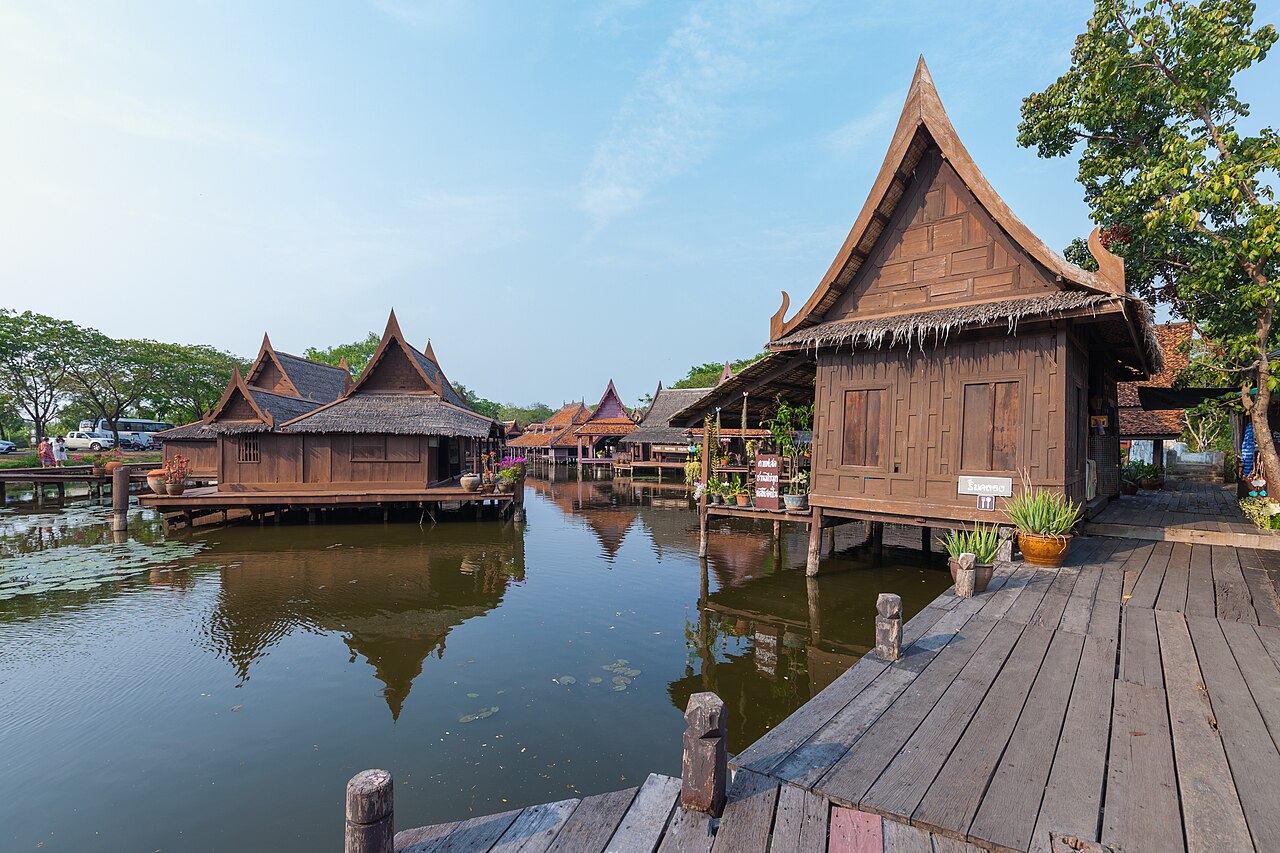
For most of their history the Thai were rice farmers, growing wet rice in the fertile plains and valleys, with the river and its network of canals serving as the highways of the country. Villages of wooden houses raised on stilts clustered around the Buddhist temple and the water.
Life followed the rhythm of the rice cycle and the Buddhist calendar, with the temple at the centre of village life as school, meeting place, and place of worship. Floating markets, where goods were sold from boats, reflected a way of life built around the waterways.
Society and Community
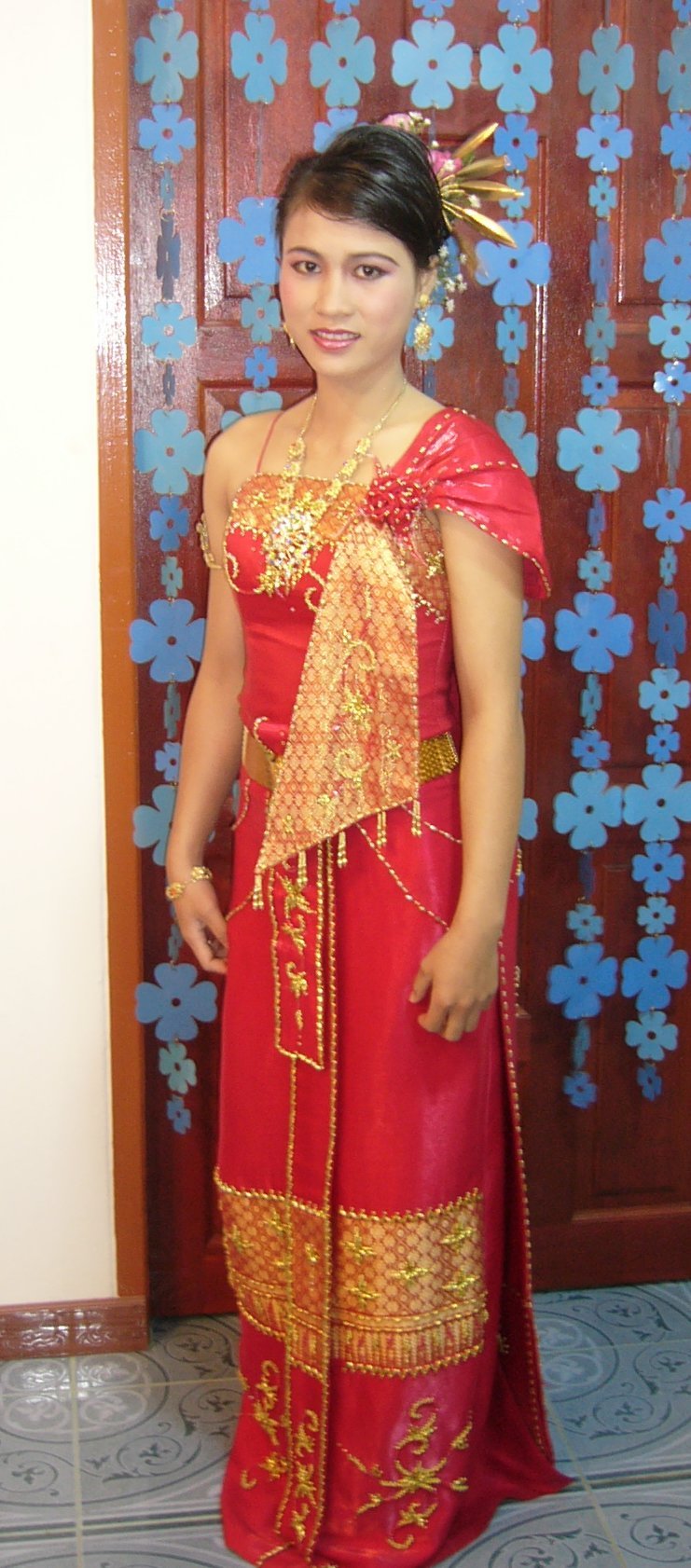
Thai society traditionally centred on the village, the family, and the Buddhist temple, held together at the top by the revered institution of the monarchy. A strong sense of hierarchy and respect, expressed in the graceful wai greeting and in careful codes of politeness, orders social relations.
The values of the culture emphasise harmony, the avoidance of open conflict, and a light-hearted enjoyment of life often summed up in the phrase sanuk, meaning fun. Buddhism, the monarchy, and the nation form the three pillars of Thai identity.
Religion and Belief

The Thai are overwhelmingly Theravada Buddhists, and Buddhism is woven into every aspect of national life. The land is covered with temples, or wats, their golden spires rising over towns and villages, and it is customary for young men to spend a period as monks, an honoured rite of passage.
Merit-making, the daily giving of alms to monks, and the great Buddhist festivals structure Thai religious life. Older beliefs in spirits, honoured at the little spirit houses found outside homes and businesses, coexist with Buddhism, and Hindu-derived rituals surround the monarchy.
Traditions

Thai tradition is rich in classical dance, music, and ritual. The masked khon dance-drama, enacting the Ramakien epic, and the graceful movements of Thai classical dance, performed to the sound of the piphat ensemble, are treasured arts. Muay Thai, the martial art of Thai boxing, is both sport and heritage.
The wai greeting, the customs of respect toward elders, monks, and the king, and the ceremonies surrounding ordination, marriage, and death all express Thai values. Festivals fill the calendar with colour, water, light, and devotion.
Crafts

The Thai are renowned for fine craftsmanship. Thai silk, woven in brilliant colours and lustrous textures, is famous around the world, and the weaving villages of the northeast are centres of a living tradition. Gold and lacquer work, the decoration of temples, and intricate wood carving adorn the great religious buildings.
Benjarong porcelain, nielloware, silverwork, and the making of elaborate offerings and decorations all belong to Thai craft, much of it developed in the service of the temples and the court. These arts remain a source of national pride.
Food

Thai cuisine is celebrated the world over for its bold balancing of sweet, sour, salty, spicy, and bitter flavours. Fragrant with lemongrass, galangal, lime, chilli, and fish sauce, it ranges from fiery curries and spicy salads to the famous fried noodle dish pad thai and the soothing soup tom yum.
Rice is the heart of every meal, eaten with an array of shared dishes, and the food of each region has its own character. Street food stalls and floating markets make Thai cooking a vibrant part of everyday life, and food is central to Thai hospitality and pleasure.
Festivals

The great festival of the Thai is Songkran, the traditional New Year in April, when the whole country celebrates with the joyous splashing of water to wash away the old year, alongside temple visits and the honouring of elders. Loi Krathong, the festival of lights, sees candlelit floats set adrift on rivers and canals in one of the country’s most beautiful celebrations.
Buddhist holy days, temple fairs, and royal ceremonies fill the calendar, blending devotion, festivity, and national pride. Through these festivals the Thai express the deep bond between their people, their faith, and their land.
History

From the kingdoms of Sukhothai and Ayutthaya, the Thai built a powerful and sophisticated civilisation, and after the fall of Ayutthaya to the Burmese in the eighteenth century a new capital rose at Bangkok under the Chakri dynasty, which reigns to this day. Skilful diplomacy allowed Siam to remain independent as its neighbours fell to European empires.
The twentieth century brought the end of absolute monarchy in 1932, followed by decades of alternating military and civilian rule, rapid modernisation, and repeated political upheaval. Through it all the monarchy and Buddhism remained central to Thai identity, even amid recurring cycles of coups and protest.
Today

Today the Thai number around sixty million, the great majority of Thailand’s population, in a country that has become one of Southeast Asia’s more developed economies, built on agriculture, industry, and a vast tourism industry. Bangkok is one of the world’s great cities, and Thai culture is known across the globe.
Modern Thai life blends deep Buddhist tradition and reverence for the monarchy with the energy of a fast-changing, globally connected society. Their language, their faith, their cuisine, and their festivals continue to define one of the great peoples of Southeast Asia.
Related Peoples of the Region
- The Sinhalese
- The Sri Lankan Tamils
- The Maldivians
- The Bamar
- The Shan
- The Karen
- The Chin
- The Rohingya
More Peoples of the World
You May Like
The Nivkh, an Ancient People of the Amur and Sakhalin


