Scattered across the Indian Ocean on nearly twelve hundred coral islands live the Maldivians, an island people whose whole culture has been shaped by the sea. On the lowest-lying land on earth, they built a maritime nation of fishermen, sailors, and traders, with their own language, script, and long line of sultans.
Theirs is a heritage of tuna and coconut, of coral-stone mosques and the thunder of the bodu beru drums, poised between South Asia and the wider ocean world. To know the Maldivians is to meet a people whose fragile island homeland now stands on the front line of a rising sea.
The Maldives on Film
Contents
- Origins
- The Name
- The Language
- The Homeland
- The Old Way of Life
- Society and Community
- Religion and Belief
- Traditions
- Crafts
- Food
- Festivals
- History
- Today
Origins

The Maldivians are the people of the Maldives, a nation of coral islands scattered across the Indian Ocean southwest of Sri Lanka and India. Living on some of the lowest and most remote islands on earth, they developed a distinctive maritime culture shaped entirely by the sea that surrounds them.
The islands were settled more than two thousand years ago, probably by seafarers from South India and Sri Lanka, and later enriched by traders from Arabia, Persia, and Africa who plied the ocean routes. Out of this mingling emerged the Maldivian people, with their own language, their own long line of sultans, and a culture poised between South Asia and the wider Indian Ocean world.
The Name

The name Maldives is thought to derive from words meaning a garland or chain of islands, an apt description of the long strings of coral atolls that make up the country. The Maldivians call their land Dhivehi Raajje, the island kingdom, and themselves Dhivehin, the islanders.
Their identity is inseparable from the atolls, the ring-shaped coral reefs enclosing lagoons that give the Maldives its very name in the language of geography. To be Maldivian is to belong to this world of scattered islands and encircling sea.
The Language
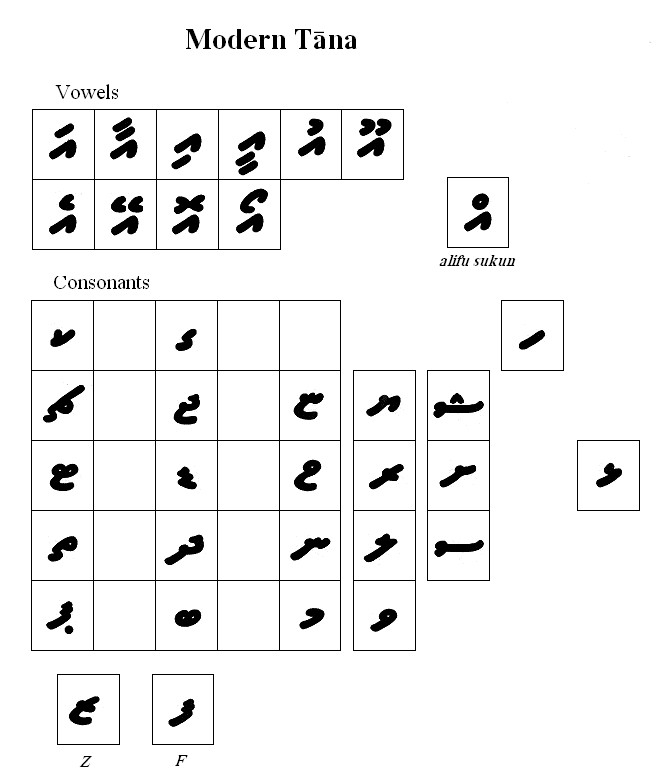
The Maldivians speak Dhivehi, an Indo-Aryan language related to Sinhala and ultimately to the languages of northern India, but shaped over centuries of isolation into something wholly their own. It is written in Thaana, a unique script written from right to left, whose letters derive in part from numerals.
Dhivehi carries loanwords from Arabic, Persian, Hindi, and later Portuguese and English, reflecting the islands’ place on the ocean trade routes. Distinct dialects are spoken on the southern atolls, and the language is a cornerstone of Maldivian identity.
The Homeland
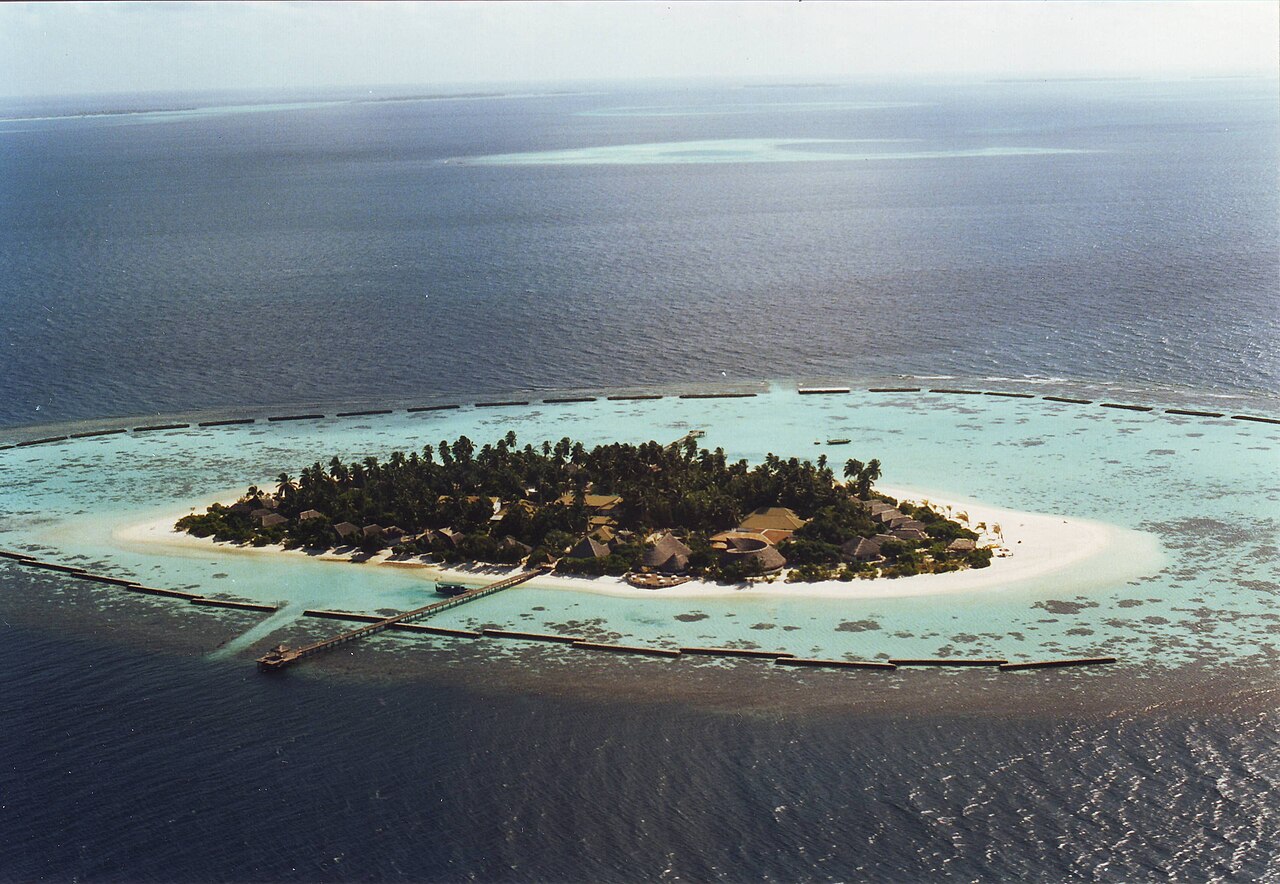
The Maldivian homeland is a nation of nearly twelve hundred coral islands grouped into some two dozen atolls, spread over a vast area of the Indian Ocean though covering very little land. None of the islands rises more than a few metres above the sea, making the Maldives the lowest-lying country on earth.
It is a world of white beaches, turquoise lagoons, coconut palms, and coral reefs teeming with life, with the sea always close at hand. This fragile, low-lying homeland leaves the Maldivians acutely exposed to the rising seas of a warming world.
The Old Way of Life

For most of their history the Maldivians lived by the sea, above all by fishing for tuna, which has been the mainstay of the islands for centuries. Skilled sailors, they built the dhoni, a graceful wooden boat, and ranged across the ocean to fish and to trade.
On the tiny islands they grew coconuts, breadfruit, and a few other crops in the thin coral soil, but the sea provided most of their livelihood. Cowrie shells gathered in the lagoons were once exported as currency across Asia and Africa, tying the Maldives into a vast trading world.
Society and Community

Maldivian society is organised around the island community and the extended family, with each inhabited island forming a close-knit village world of its own. Historically the country was ruled by a sultan, with a class of nobles and officials centred on the capital, Male.
Life on the small islands fostered strong bonds of cooperation and a shared identity, while the sea both isolated and connected the scattered communities. Islam, family, and the rhythms of fishing and the tides shaped the pattern of Maldivian life.
Religion and Belief
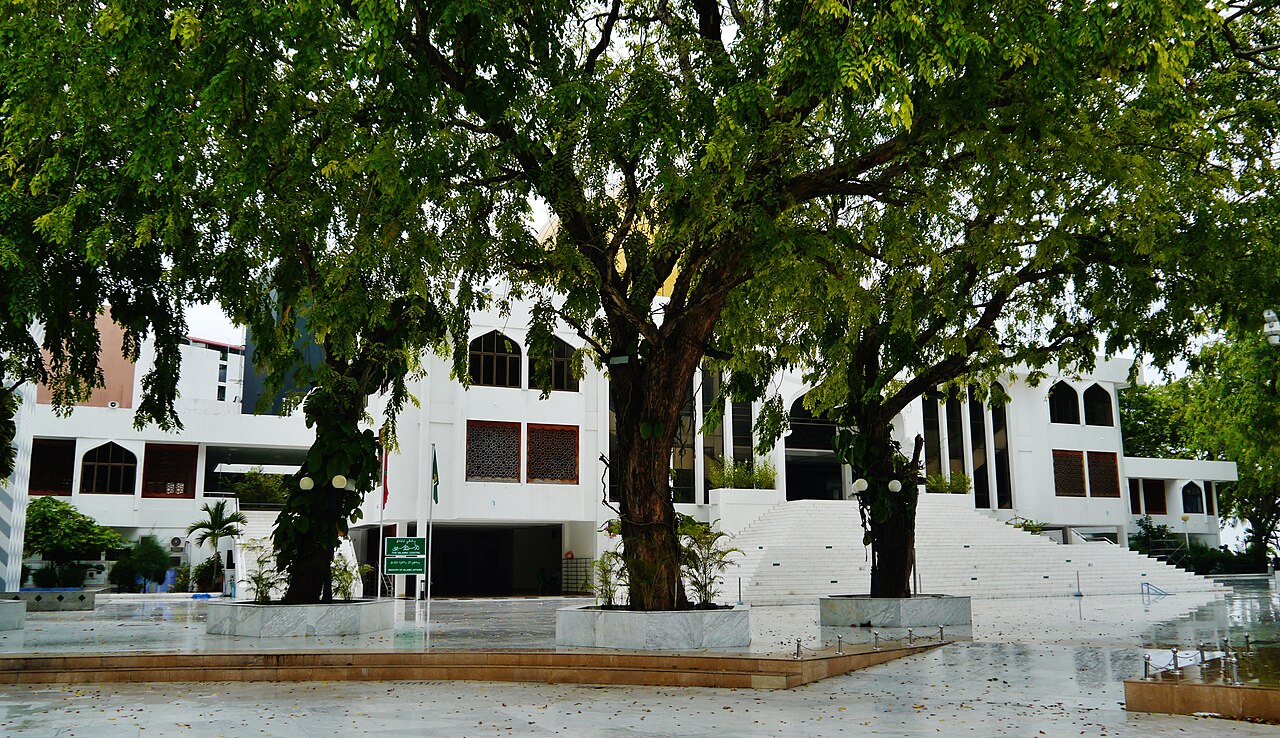
The Maldivians are Sunni Muslims, and Islam is central to national identity; by law all citizens are Muslims. The islands were converted to Islam in the twelfth century, when the last Buddhist king embraced the faith, and mosques became the heart of every island community.
Before Islam the Maldivians were Buddhists and, earlier still, Hindus, and the ruins of ancient temples survive on some islands. Today the coral-stone mosques of Male, carved with intricate detail, are treasured monuments, and the Islamic calendar governs the rhythm of Maldivian life.
Traditions
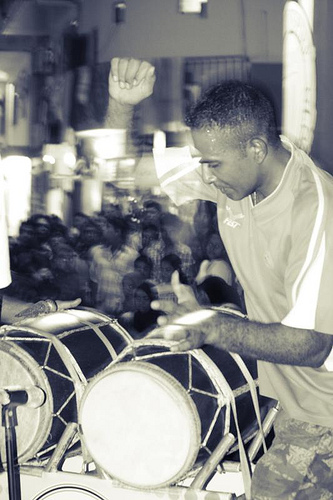
The heartbeat of Maldivian tradition is bodu beru, big-drum music, in which performers sing and drum with rising intensity while dancers move to the quickening rhythm. Brought in part from Africa across the ocean, it is the classic music of island celebration.
Folk tales of the sea and its spirits, traditional games, and the customs surrounding fishing, boat-building, and the great festivals fill Maldivian culture. These traditions, rooted in island and ocean life, bind the scattered communities together.
Crafts

Maldivian craft reflects the resources of the islands and the sea. Lacquer work, in which wooden boxes and vessels are turned and decorated in bright layered colours, is among the most distinctive island arts, along with the fine weaving of mats from local reeds.
Coral-stone carving, seen at its finest in the old mosques, boat-building, and the making of rope and rigging from coconut fibre all belonged to Maldivian material culture. Jewellery and the crafts of the fishing life completed a heritage shaped by island living.
Food

Maldivian cuisine revolves around fish, above all tuna, together with coconut and rice. Fish is eaten smoked, dried, and fresh, and dried tuna, known as Maldive fish, is a prized ingredient traded across the region. Coconut, in milk and grated form, flavours nearly every dish.
Short eats such as the fried fish-and-coconut balls called gulha and hedhikaa snacks are much loved, along with fish curries and rice. Sweet, fishy, and coconut-rich, Maldivian food reflects the bounty of the surrounding sea.
Festivals

The great festivals of the Maldivians follow the Islamic calendar, above all the two Eids, celebrated with prayer, feasting, and, on some islands, days of bodu beru drumming, dancing, and games. Eid in the Maldives is a time of communal joy across the atolls.
The Prophet’s birthday and the Islamic New Year are also observed, and national days mark the country’s independence and history. Music, feasting, and the gathering of island communities are central to all these celebrations.
History

For most of its history the Maldives was an independent sultanate, growing wealthy on the trade in cowrie shells, dried fish, and coir rope. Briefly seized by the Portuguese in the sixteenth century, the islands were freed by the national hero Muhammad Thakurufaanu and later became a British protectorate while keeping their sultan.
The Maldives gained full independence in 1965 and became a republic soon after. In recent decades the country has been transformed by the rise of luxury tourism, which brought sudden wealth, even as political turbulence and the growing threat of climate change have shaped its modern story.
Today

Today the Maldivians number around half a million, more than a third of them crowded onto the tiny capital island of Male, one of the most densely populated places on earth. Tourism and fishing dominate the economy, and the country has become a byword for luxury island holidays.
Yet the Maldivians live under the shadow of rising seas that threaten their very homeland, and they have become prominent voices in the world’s debate on climate change. Their language, their faith, their drumming, and their deep bond with the ocean continue to define this small but distinctive island nation.
Related Peoples of the Region
- The Yazidis
- The Lurs
- The Lezgins
- The Kumyks
- The Kabardians
- The Karachay-Balkars
- The Sinhalese
- The Sri Lankan Tamils
More Peoples of the World
You May Like
The Damara, an Ancient People of Namibia


One thought on “The Maldivians, an Island People of the Indian Ocean”