Along the long, curving coast of Southeast Asia, from the Red River delta in the north to the Mekong in the south, live the Vietnamese, the Kinh people who make up the great majority of Vietnam. Shaped by a thousand years of Chinese rule and by their own fierce independence, they built one of Asias most resilient cultures.
Theirs is a heritage of terraced rice fields and water puppets, of the graceful ao dai and the steaming bowl of pho, of ancestor altars in every home and the joyful family reunion of Tet. To know the Vietnamese is to meet a people forged along a narrow coast through conquest, expansion, and war, and risen anew in our own time.
Vietnam on Film
Contents
- Origins
- The Name
- The Language
- The Homeland
- The Old Way of Life
- Society and Community
- Religion and Belief
- Traditions
- Crafts
- Food
- Festivals
- History
- Today
Origins

The Vietnamese, who call themselves the Kinh, are the majority people of Vietnam, the long coastal nation on the eastern edge of mainland Southeast Asia. Speaking an Austroasiatic language and shaped profoundly by a thousand years of contact with China, they built one of the most resilient national cultures in Asia.
The Vietnamese trace their origins to the peoples of the Red River delta in the north, where an ancient civilisation arose more than two thousand years ago. After a millennium of Chinese rule, they won their independence in the tenth century and, over the following centuries, expanded steadily southward down the coast to the Mekong delta, absorbing new lands and peoples along the way.
The Name

The Vietnamese call themselves the Kinh, to distinguish the lowland majority from the many highland minority peoples of the country. The name Vietnam derives from the ancient term for the southern Viet peoples, and the country has borne several names, including Dai Viet, the Great Viet, through its long history.
The move of the people and the name southward over the centuries, from the Red River in the north to the Mekong in the south, is one of the central themes of Vietnamese history. To be Vietnamese is to belong to this people forged along the length of a narrow, S-shaped coast.
The Language
The Vietnamese language belongs to the Austroasiatic family, related to Khmer, and is tonal, having acquired its tones over centuries of contact with Chinese. It borrowed a vast vocabulary from Chinese and was long written in Chinese characters and in a derived script called Nom.
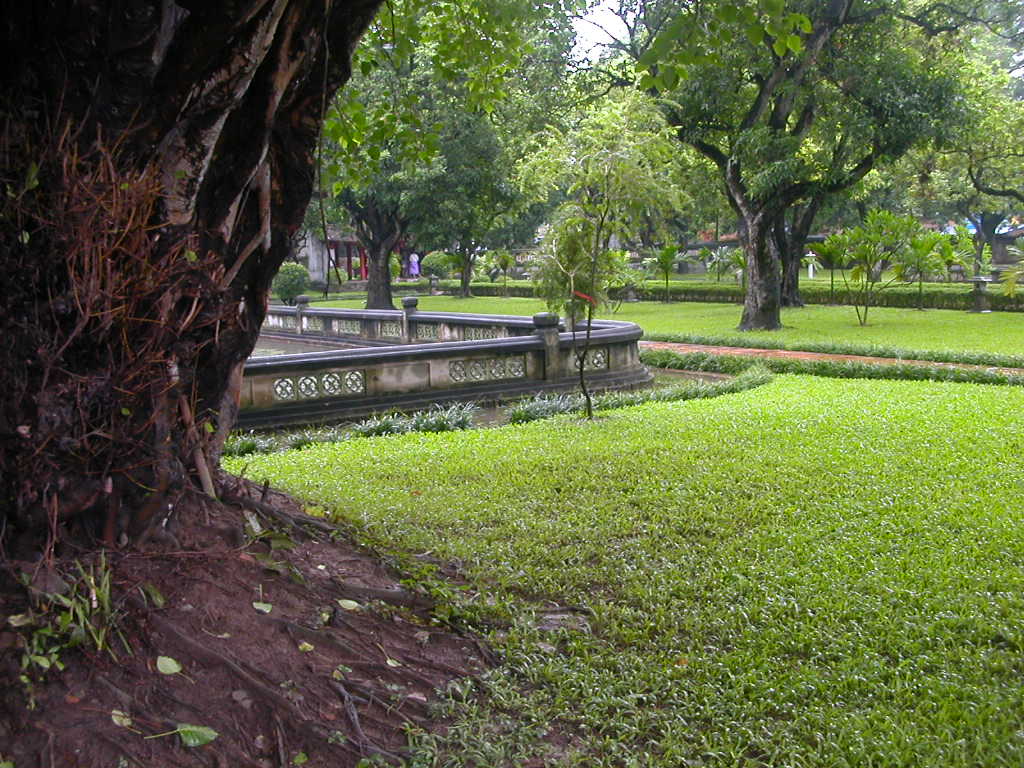
In the seventeenth century European missionaries devised a romanised alphabet, quoc ngu, which in the twentieth century became the standard way of writing Vietnamese, making it unusual in the region for using the Latin script. The scholarly tradition, symbolised by the ancient Temple of Literature in Hanoi, gave learning a revered place in Vietnamese culture.
The Homeland

The Vietnamese homeland is the long, narrow country of Vietnam, stretching more than a thousand miles down the eastern coast of the Indochinese peninsula. Its two great rice-growing deltas, the Red River in the north and the Mekong in the south, are joined by a slender waist of coastal plain backed by mountains.
This is a land of rice paddies, rivers, and a long coastline on the South China Sea, from the terraced highlands of the north to the watery Mekong delta of the south. The two deltas, cradles of Vietnamese life, are among the most densely populated and productive regions of Asia.
The Old Way of Life
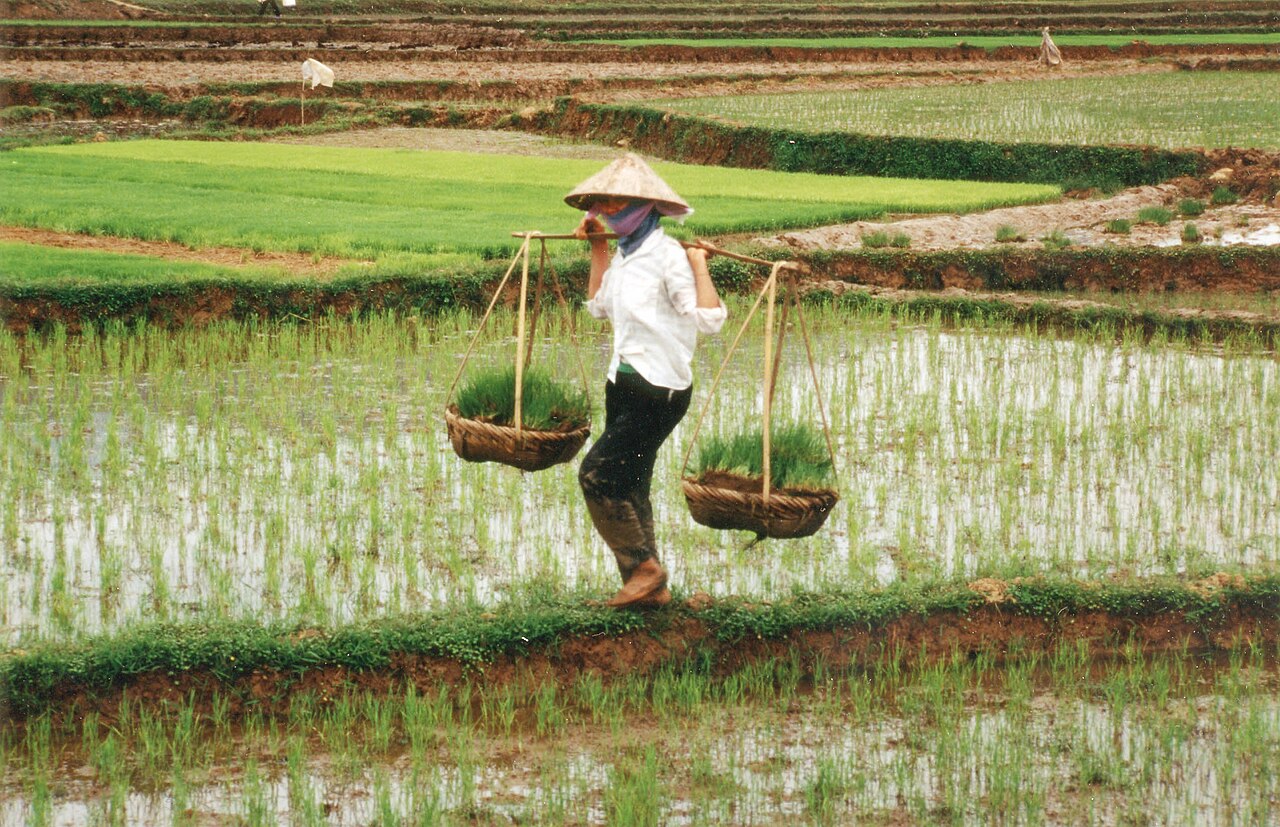
For most of their history the Vietnamese were rice farmers, working the flooded paddies of the deltas and coastal plains in one of the most intensive systems of wet-rice cultivation in the world. The village, ringed by its bamboo hedge and centred on its communal house and rice fields, was the foundation of society.
Fishing along the coast and rivers, and the growing of rice in the deltas, sustained a dense rural population. Life followed the rhythm of the rice cycle and the lunar calendar, and the conical hat and the water buffalo in the paddy became enduring images of the Vietnamese countryside.
Society and Community
Vietnamese society was shaped by Confucian values inherited from China, emphasising the family, respect for elders and ancestors, education, and a hierarchy crowned in the past by scholar-officials chosen through examination. The extended family and the veneration of ancestors lie at the heart of the culture.
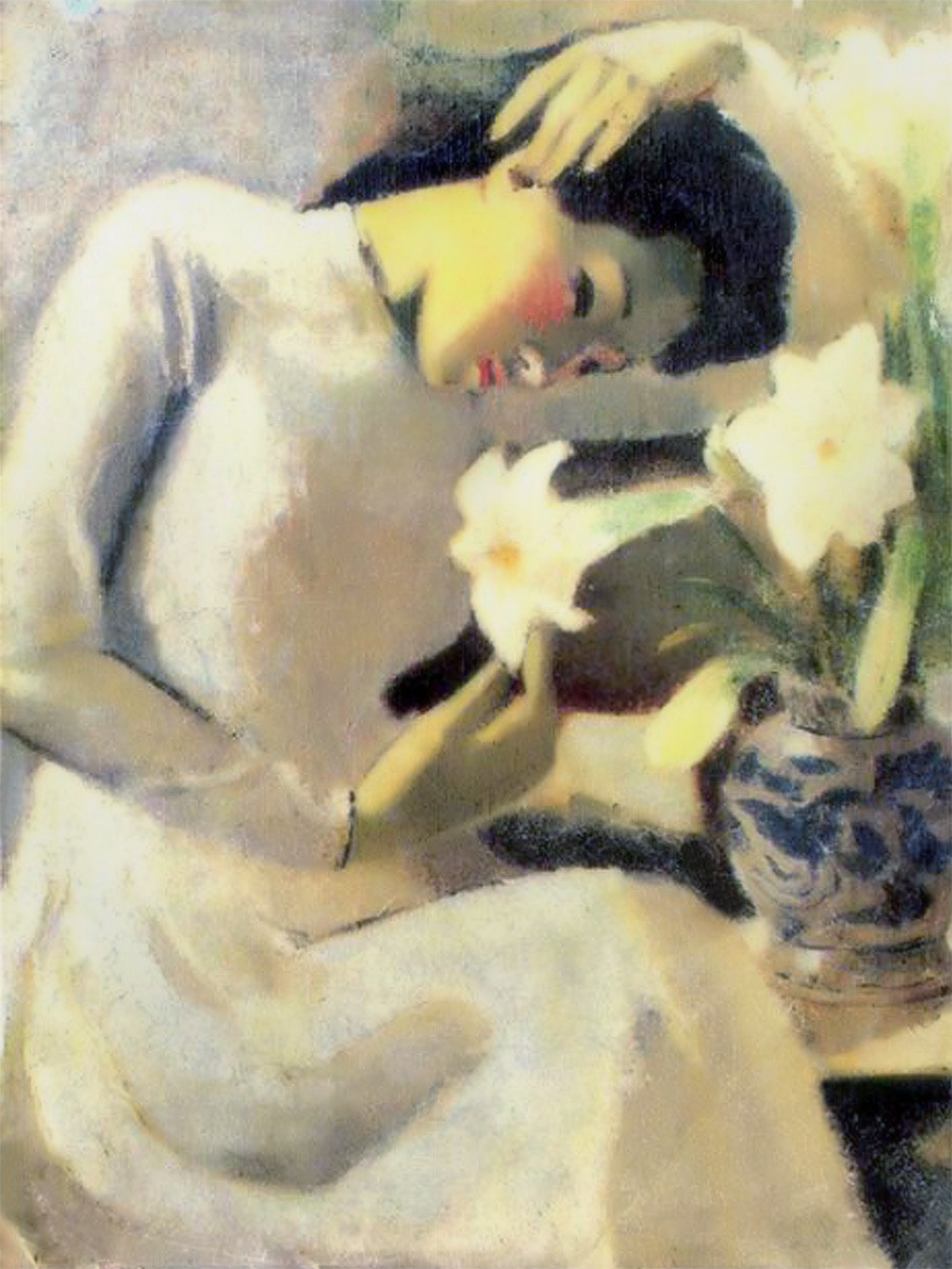
The village community, with its communal house and its guardian spirit, was the basic unit of rural life. Diligence, learning, and family loyalty remain deeply valued, and the elegant ao dai, the long tunic worn over trousers, is the graceful national dress.
Religion and Belief

Vietnamese religious life is a rich blend, often called the three teachings, of Mahayana Buddhism, Confucianism, and Taoism, woven together with the deep-rooted worship of ancestors and local spirits. Pagodas and family altars are found throughout the country.
A significant minority of Vietnamese are Roman Catholics, a legacy of European missionaries, and the homegrown Cao Dai and Hoa Hao faiths have many followers in the south. Above all, the veneration of ancestors, honoured at the family altar in every home, unites Vietnamese of every faith.
Traditions

A uniquely Vietnamese tradition is water puppetry, in which carved wooden puppets dance on the surface of a pool to music and story, an art born in the flooded rice fields of the Red River delta. Traditional music, from courtly forms to folk song, and the recitation of classical poetry are treasured.
The customs surrounding ancestor worship, the lunar festivals, and the ceremonies of marriage and death mark the Vietnamese year. Traditional dress, above all the ao dai, and the rituals of family and village life carry the culture from one generation to the next.
Crafts
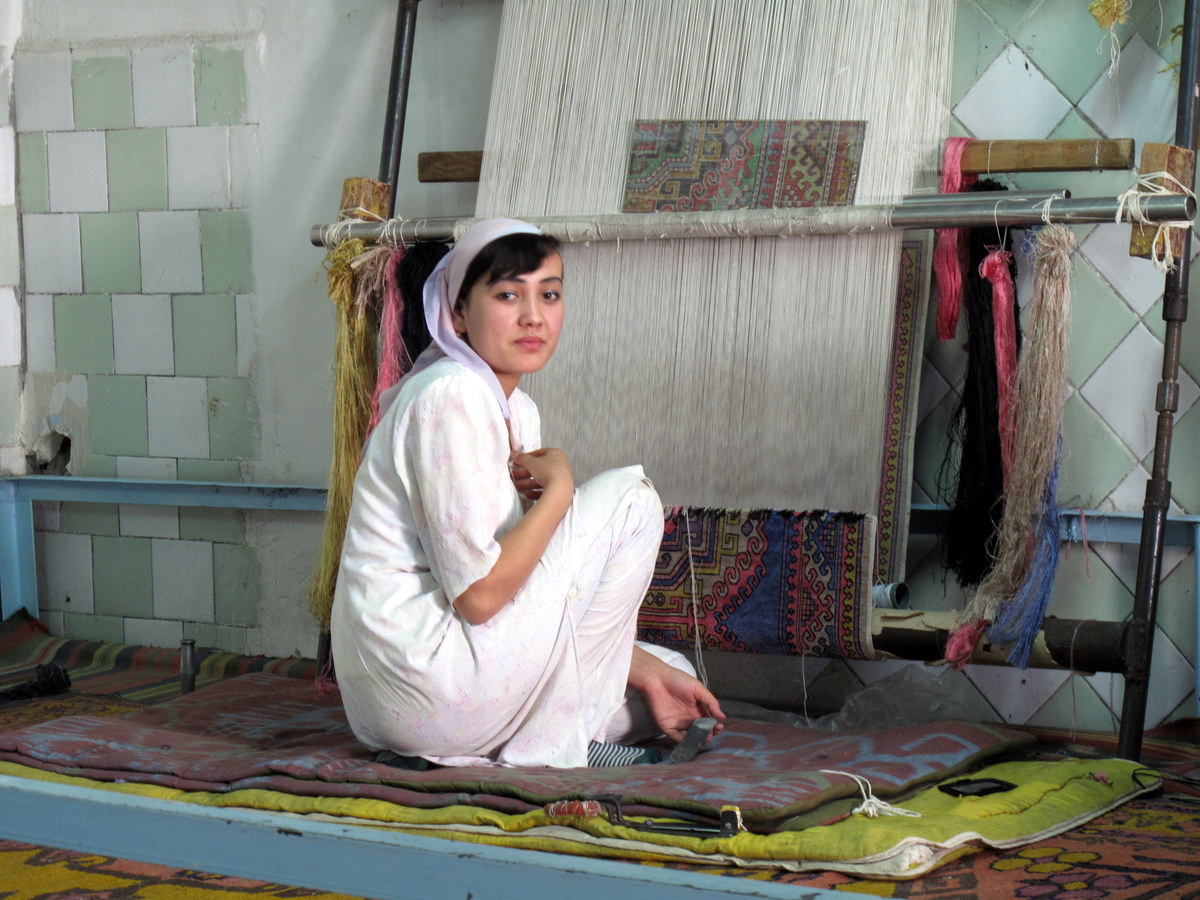
The Vietnamese have a long tradition of fine craftsmanship, organised in the past into specialised craft villages around the deltas. Silk weaving, lacquerware inlaid with mother-of-pearl, ceramics, wood carving, and the making of conical hats and paper goods are all celebrated arts.
Lacquer painting, developed into a fine art, and the blue-and-white ceramics of villages such as Bat Trang are especially prized. These crafts, many still practised in their traditional villages, remain an important part of Vietnamese heritage and economy.
Food
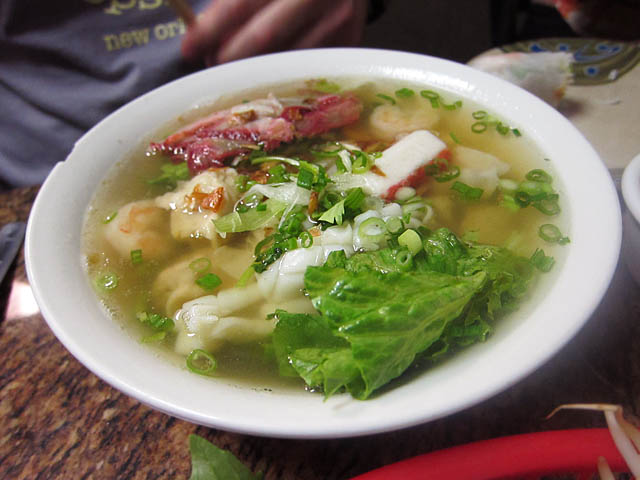
Vietnamese cuisine is light, fresh, and fragrant, celebrated worldwide for its balance of herbs, vegetables, and delicate flavours. Its most famous dish is pho, a beef or chicken noodle soup fragrant with star anise and fresh herbs, eaten at any time of day. Fish sauce, fresh herbs, and rice in every form are the foundations of the cuisine.
Fresh spring rolls, the baguette sandwich banh mi born of the French colonial era, and countless regional specialities fill the Vietnamese table. Balancing fresh, sour, sweet, and savoury, and making generous use of vegetables and herbs, Vietnamese food is among the most admired in the world.
Festivals
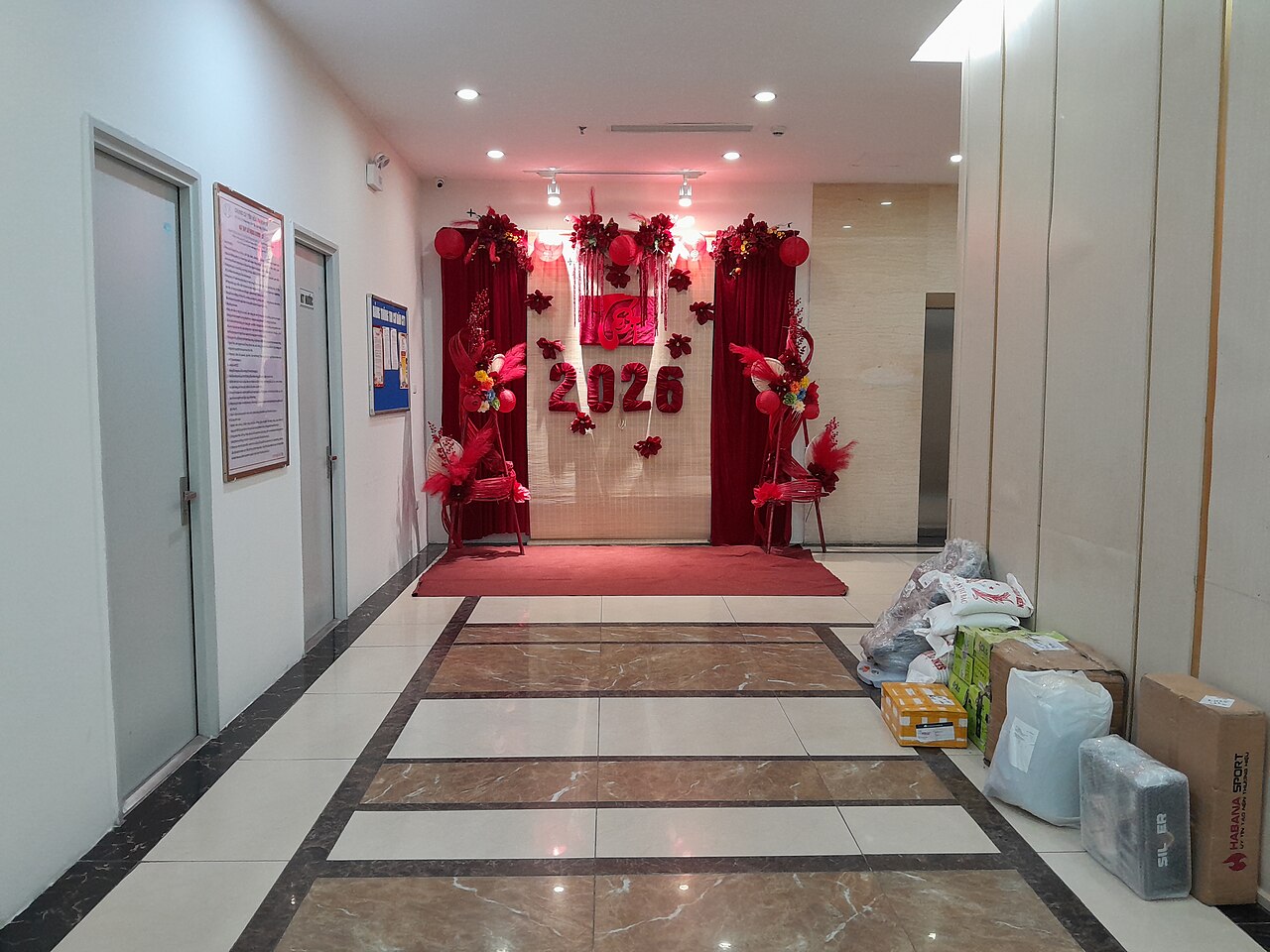
The great festival of the Vietnamese is Tet, the lunar new year, the most important holiday of the year, when families gather, honour their ancestors, decorate their homes with peach and apricot blossom, and welcome the new year with feasting and hope. The whole country comes to a joyful halt for the celebration.
The Mid-Autumn Festival, beloved of children with its lanterns and mooncakes, and the many local village and temple festivals fill the calendar. These celebrations, centred on family and ancestors, express the deepest values of Vietnamese culture.
History

After winning independence from China in the tenth century, the Vietnamese built a series of dynasties and expanded steadily southward, absorbing the kingdom of Champa and the Khmer lands of the Mekong delta. In the nineteenth century Vietnam fell under French colonial rule as part of French Indochina.
The twentieth century brought decades of war: the struggle against the French, then the long and terrible war between a communist north and a US-backed south, ending with the fall of Saigon in 1975 and the reunification of the country under communist rule. Since the reforms of the 1980s, Vietnam has risen from the devastation of war to become one of Asia’s fastest-growing economies.
Today
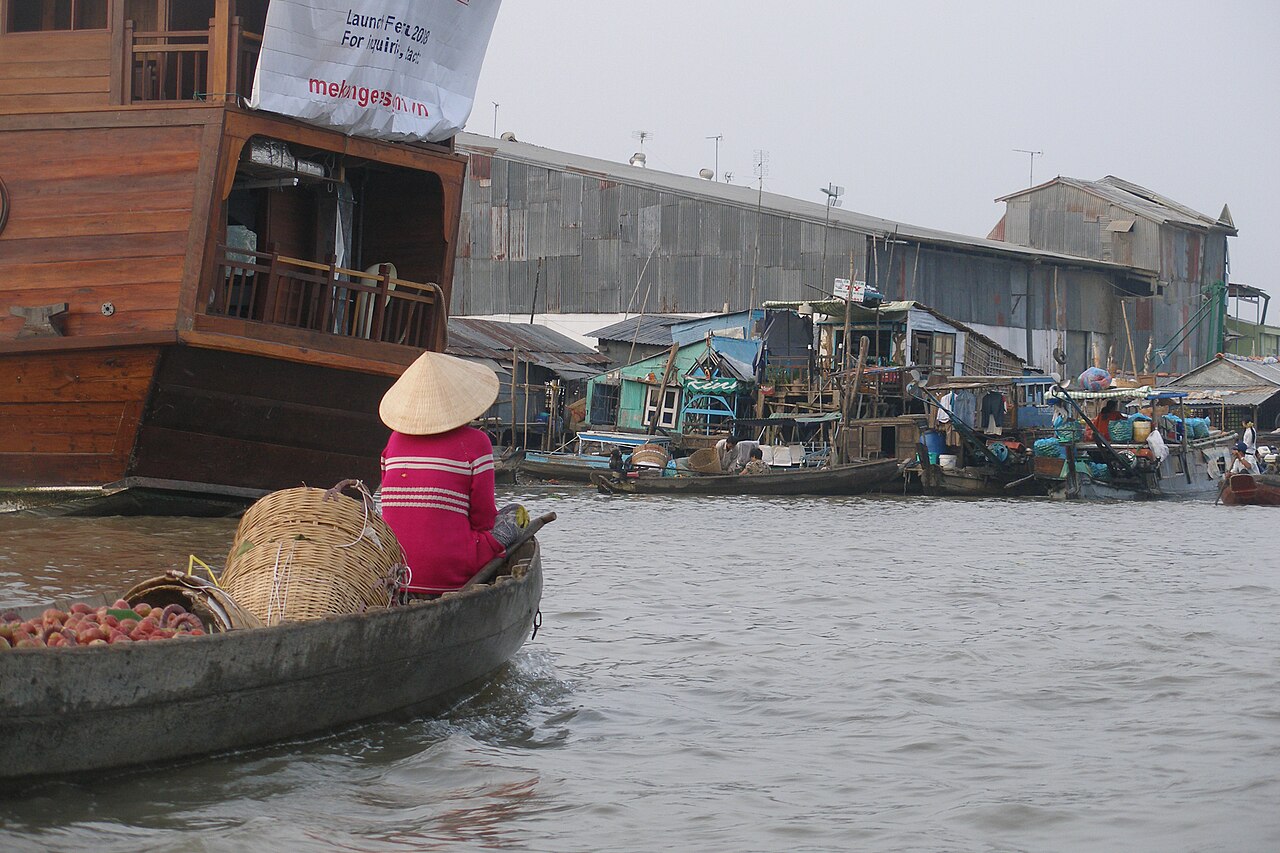
Today the Vietnamese number around ninety million in Vietnam, with a large diaspora in the United States, France, Australia, and beyond, formed in large part by those who fled after 1975. The country, governed by a single communist party, has embraced market reforms and rapid development, and its cities hum with energy and enterprise.
Modern Vietnamese life blends deep traditions of family, ancestor worship, and learning with the dynamism of a young, fast-changing society. Their language, their cuisine, their reverence for family, and their remarkable resilience continue to define one of the great peoples of Southeast Asia.
Related Peoples of the Region
More Peoples of the World
You May Like
The Damara, an Ancient People of Namibia