In the volcanic highlands of West Sumatra live the Minangkabau, famous the world over as the largest matrilineal society on earth, where family name, house, and land descend through the mothers line. Devoutly Muslim yet matrilineal, they hold together two ways of life others might think opposed.
Theirs is a heritage of soaring buffalo-horn houses and gold-threaded songket, of the plate dance and the tradition of merantau migration that carried them across the world, and of rendang, one of the finest dishes ever created. To know the Minangkabau is to meet one of Indonesias most remarkable peoples.
Minangkabau on Film
Contents
- Origins
- The Name
- The Language
- The Homeland
- The Old Way of Life
- Society and Community
- Religion and Belief
- Traditions
- Crafts
- Food
- Festivals
- History
- Today
Origins
The Minangkabau are a people of the highlands of West Sumatra in Indonesia, famous as the largest matrilineal society in the world, where lineage, property, and family name pass through the mother’s line. Austronesian in origin and devoutly Muslim, they combine a strong Islamic faith with this remarkable matrilineal custom.
The Minangkabau homeland lies in the cool, fertile highlands around the old kingdom of Pagaruyung, whose rulers once claimed authority over much of Sumatra. From these highlands the Minangkabau developed a distinctive culture and a tradition of migration that carried them across the Malay world.
The Name
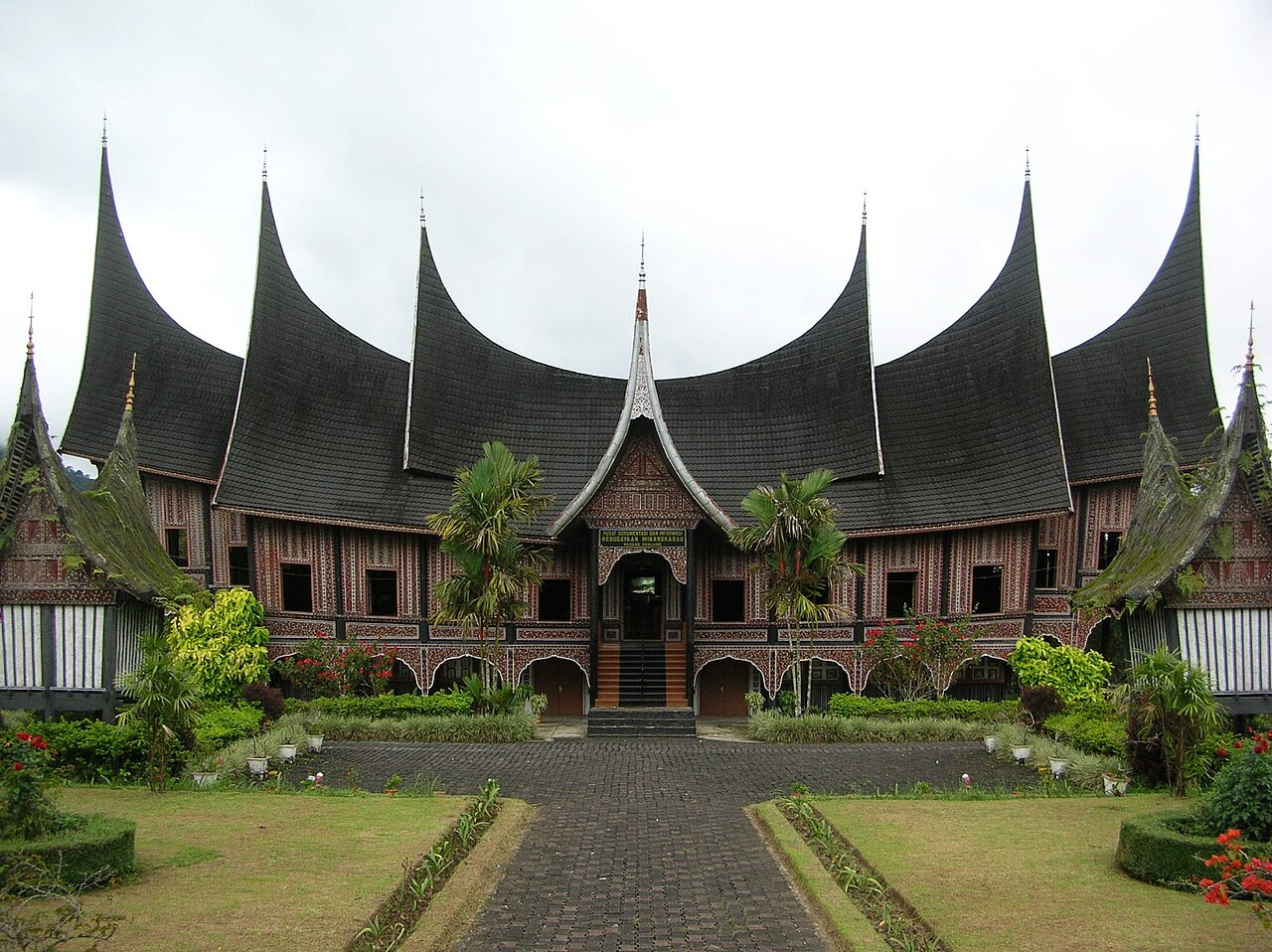
The name Minangkabau is popularly explained by a legend meaning the victorious buffalo, from a contest said to have been won by a Minangkabau calf against a foreign bull; the curved buffalo horns are echoed in the soaring roofs of their houses. The people call themselves Urang Minang.
Whatever the truth of the legend, the buffalo horn has become the great emblem of the Minangkabau, crowning their houses, their headdresses, and their sense of identity. Their homeland is the highland core of West Sumatra, from which their people have spread far and wide.
The Language
The Minangkabau language is an Austronesian tongue closely related to Malay, so much so that it is sometimes considered a dialect, though the Minangkabau regard it as their own distinct language. It is rich in proverbs and in the elaborate ceremonial oratory prized in their culture.
Because of its closeness to Malay, and the Minangkabau tradition of migration and trade, the people have long been at home in the wider Malay-speaking world. Indonesian, itself based on Malay, serves as the national language, while Minangkabau remains the language of home and custom.
The Homeland

The Minangkabau homeland is the highlands of West Sumatra, a land of volcanoes, highland valleys, canyons, and fertile rice fields, cooler and greener than the tropical lowlands. Around the towns of Bukittinggi and Padang Panjang lies the cultural heartland, set among dramatic scenery such as the Sianok canyon.
The lowland port of Padang opens the region to the sea and the wider world. This highland homeland, worked into terraced rice fields and dotted with the great horned-roof houses, shaped the settled, prosperous culture of the Minangkabau.
The Old Way of Life
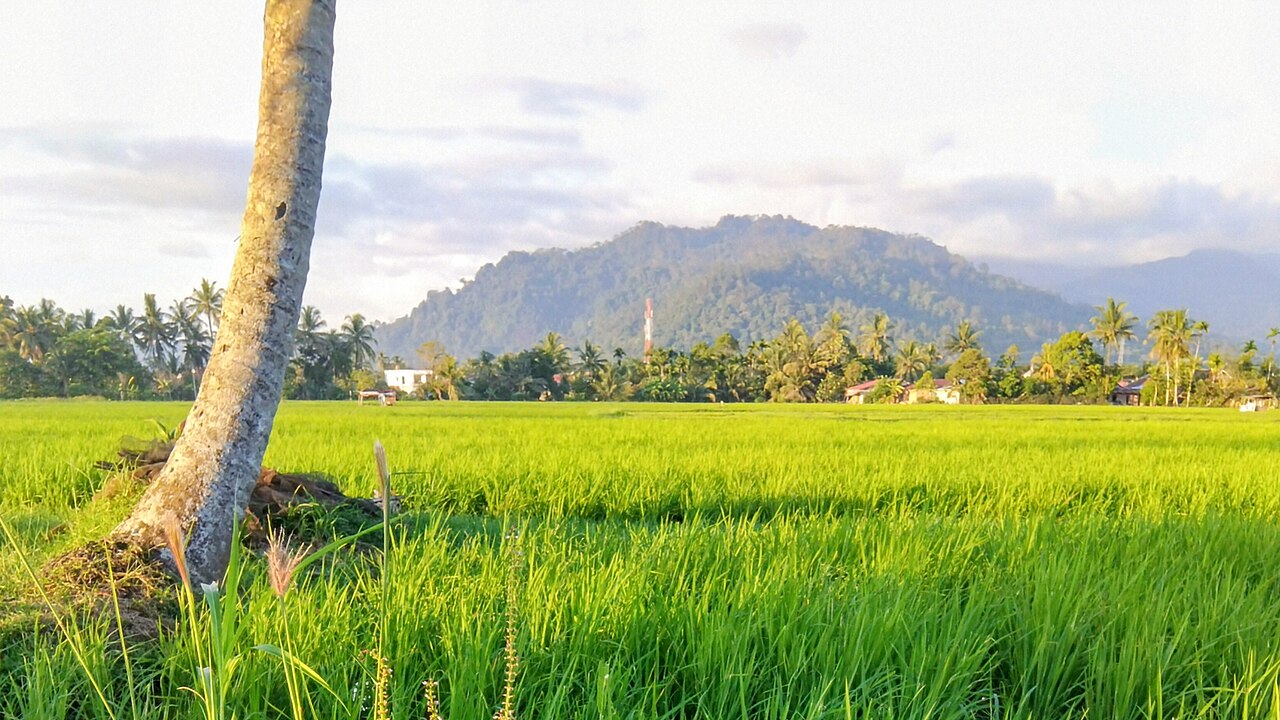
Traditionally the Minangkabau were rice farmers and traders, working the fertile highland fields and living in villages, or nagari, that were largely self-governing republics. Ancestral property, above all rice land and the great house, was held by the matrilineal clan and passed from mother to daughter.
Men, holding no permanent claim on the clan lands, took up the famous custom of merantau, migrating in search of trade, learning, and fortune, before returning home. This blend of settled matrilineal farming and male migration gave Minangkabau society its distinctive shape.
Society and Community
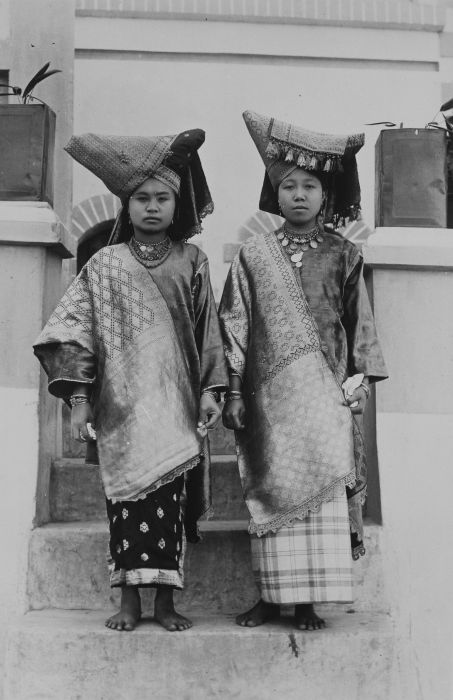
Minangkabau society is the world’s largest matrilineal culture, in which clan membership, family name, and ancestral property descend through women, and the great house belongs to the women of the lineage. Yet the society is also devoutly Muslim and, in public and religious life, men hold leading roles, so that authority is shared between the maternal uncle and the clan.
The nagari, the traditional self-governing village republic, and the matrilineal clan are the foundations of society, and consensus and elaborate custom govern communal affairs. This balancing of matriliny, Islam, and custom is the genius of Minangkabau social life.
Religion and Belief

The Minangkabau are devout Sunni Muslims, and Islam is central to their identity, held in a famous and creative tension with their matrilineal custom, or adat. A treasured saying holds that custom rests upon religion, and religion upon the Book of God, binding the two together.
Mosques, often built in the traditional tiered-roof style, stand at the heart of every nagari, and the region has long been a centre of Islamic learning and reform. The Minangkabau produced many prominent Muslim scholars and thinkers in Indonesian history.
Traditions
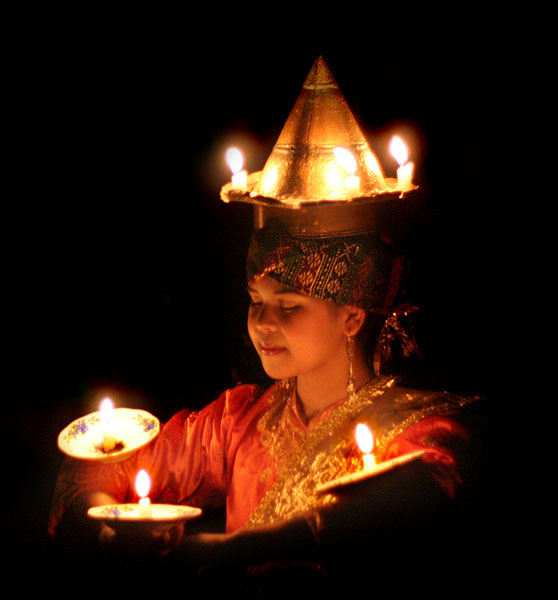
Minangkabau tradition is rich in dance, music, and ceremonial oratory. The tari piring, or plate dance, in which dancers whirl holding plates in their palms, is among the most famous of Indonesian dances. The martial art of silek, or silat, is both a fighting skill and a cultural discipline taught to the young.
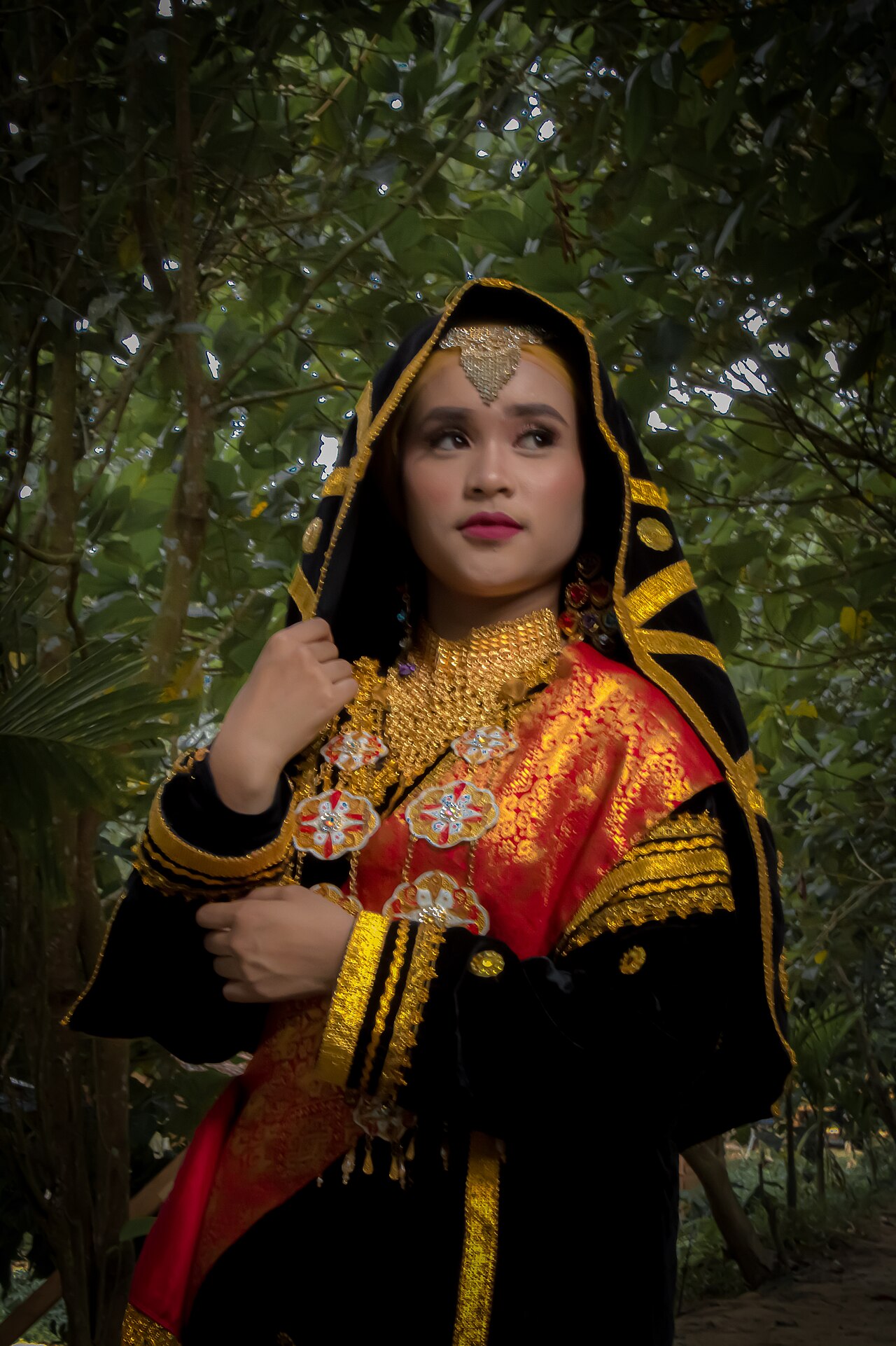
Elaborate weddings and ceremonies, governed by adat and marked by splendid dress and the horned headdress of the women, are central to Minangkabau life. Proverbs, ceremonial speech, and the customs of the nagari carry the culture from one generation to the next.
Crafts
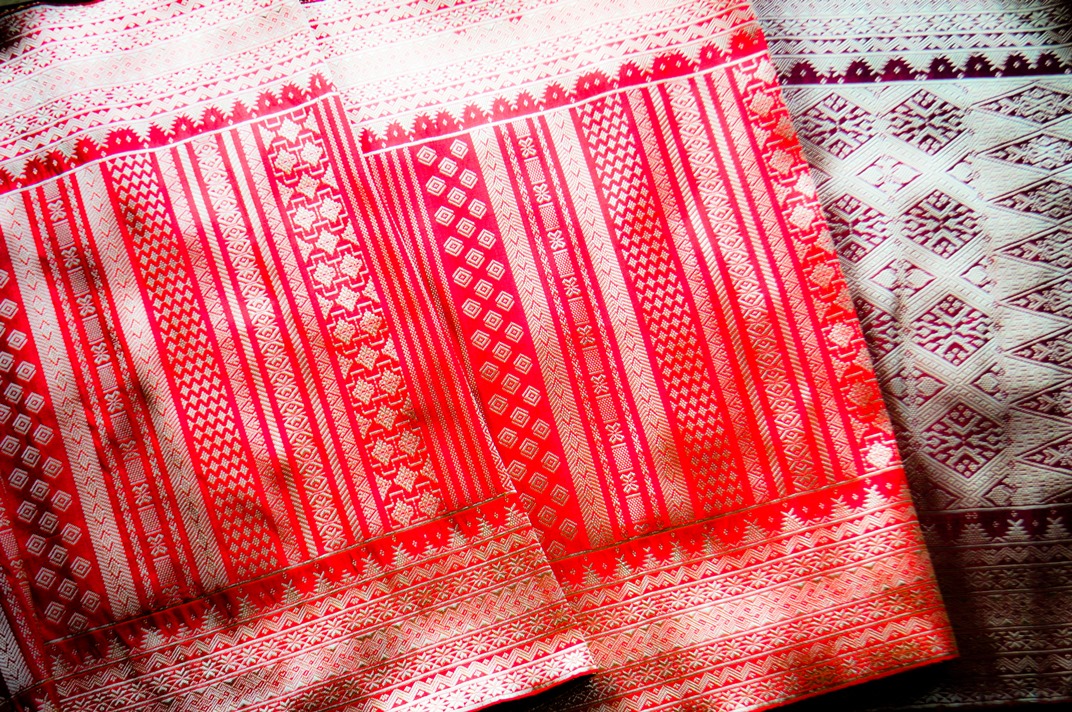
The Minangkabau are celebrated weavers, and their songket, cloth patterned with gold and silver thread, is worn at weddings and ceremonies as a mark of status and beauty. Fine woodcarving, seen in the ornate decoration of the great houses, and silverwork and embroidery are also honoured arts.
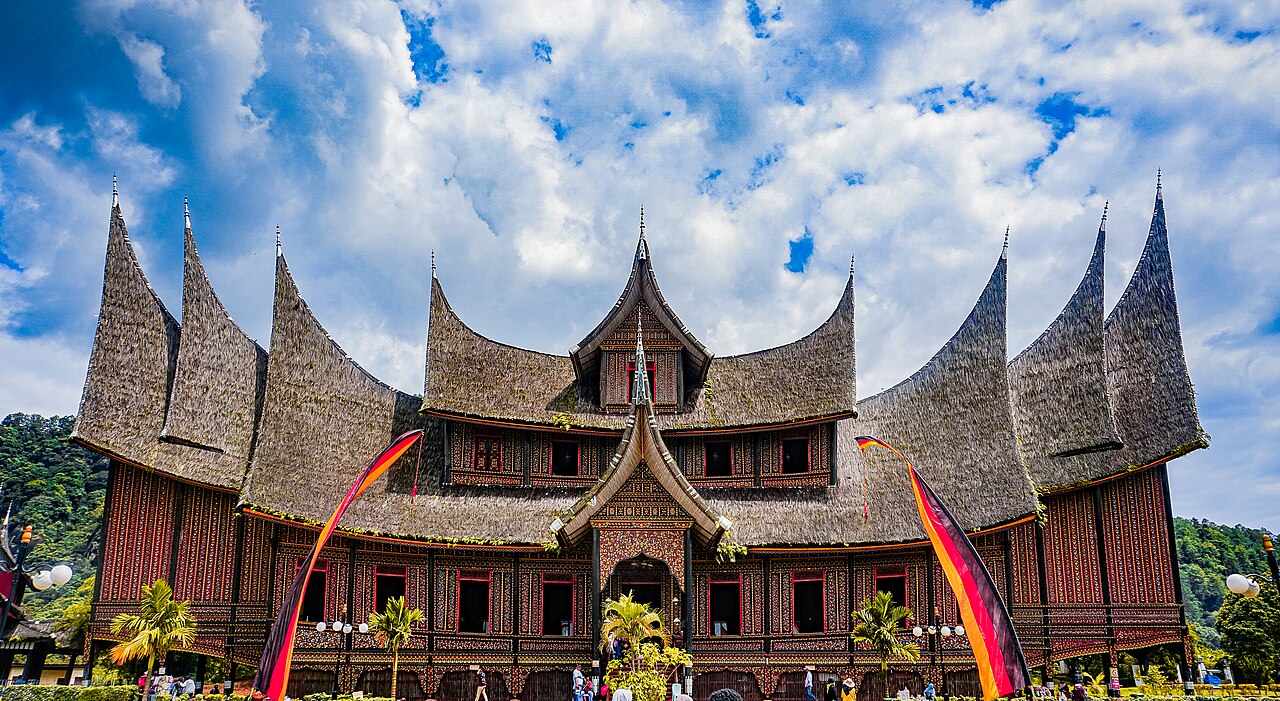
The building of the rumah gadang itself, with its soaring buffalo-horn roofs and carved and painted walls, is a supreme expression of Minangkabau craft. These arts, tied to house, ceremony, and clan, remain treasured emblems of the culture.
Food
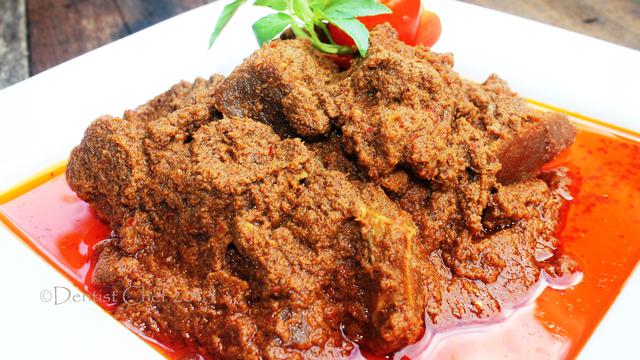
Minangkabau cuisine, known worldwide as Padang food, is among the most famous and richly spiced in Indonesia. Its greatest creation is rendang, beef slowly simmered for hours in coconut milk and a wealth of spices until dark, tender, and intensely flavoured, often hailed as one of the world’s finest dishes.
Padang restaurants, found across Indonesia and beyond, serve an array of curries, sambals, and spiced dishes laid out together with rice, a style carried far and wide by the migrating Minangkabau. Fiery, aromatic, and generous, the cuisine is one of the people’s great gifts to the world.
Festivals
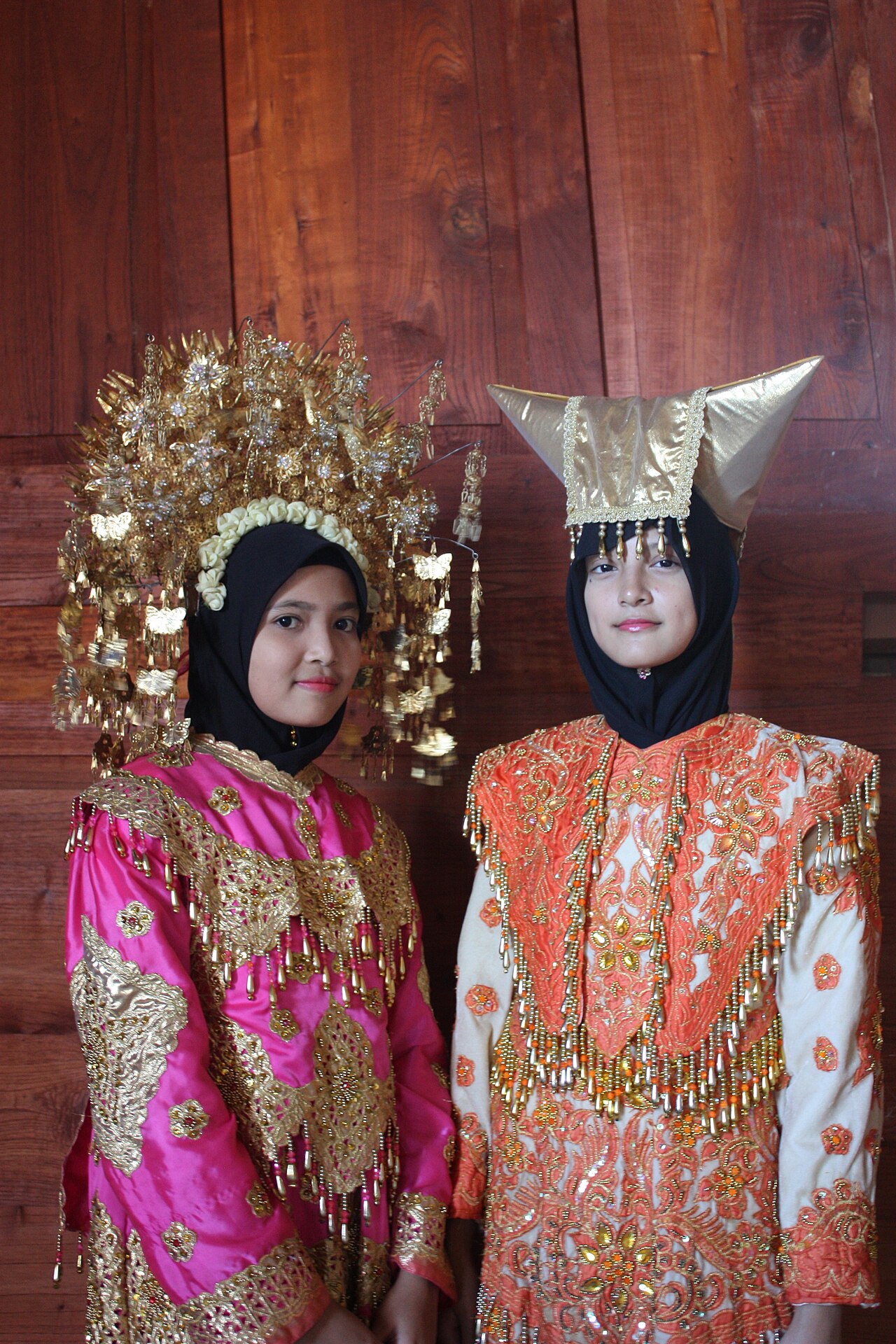
The great occasions of Minangkabau life are the ceremonies of the clan and the nagari, above all weddings, which are governed by elaborate adat and marked by splendid traditional dress, feasting, and oratory. The installation of clan chiefs and other rites of custom draw the community together.
The Islamic festivals of Eid are celebrated with devotion and with the return of many who have migrated away, and cultural festivals showcase the tari piring, silek, and other arts. Through these gatherings the Minangkabau affirm the bonds of clan, custom, and faith.
History
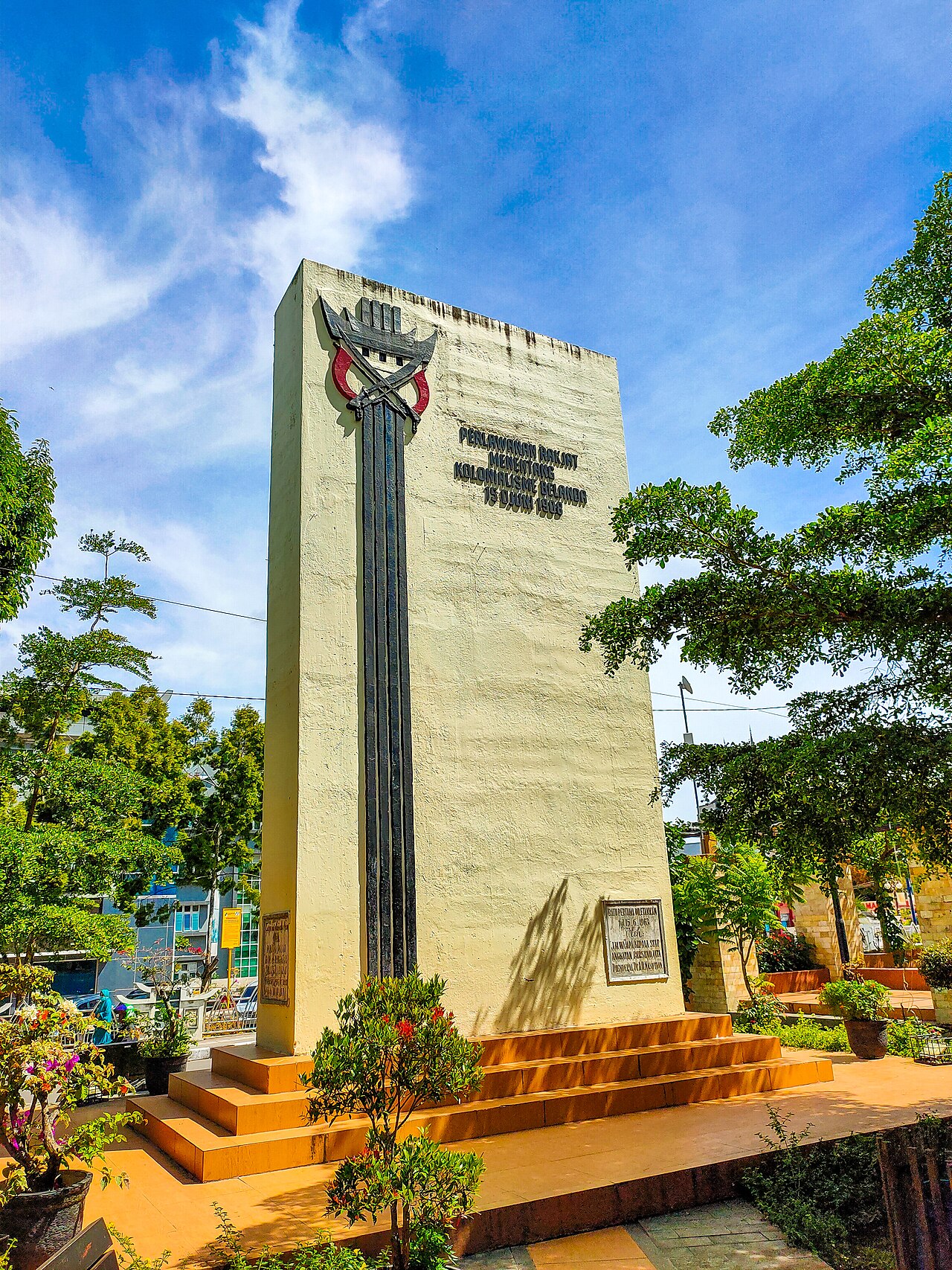
The old kingdom of Pagaruyung once claimed sway over the Minangkabau highlands and beyond, its rulers revered across the Malay world. In the early nineteenth century the Padri movement, a reformist Islamic uprising, convulsed the region before the Dutch imposed colonial rule.
Renowned for learning and trade, the Minangkabau produced many leaders of the movement for Indonesian independence and of the young republic, prominent figures in politics, letters, and Islam far out of proportion to their numbers. Their tradition of migration spread them across Indonesia and the wider region.
Today
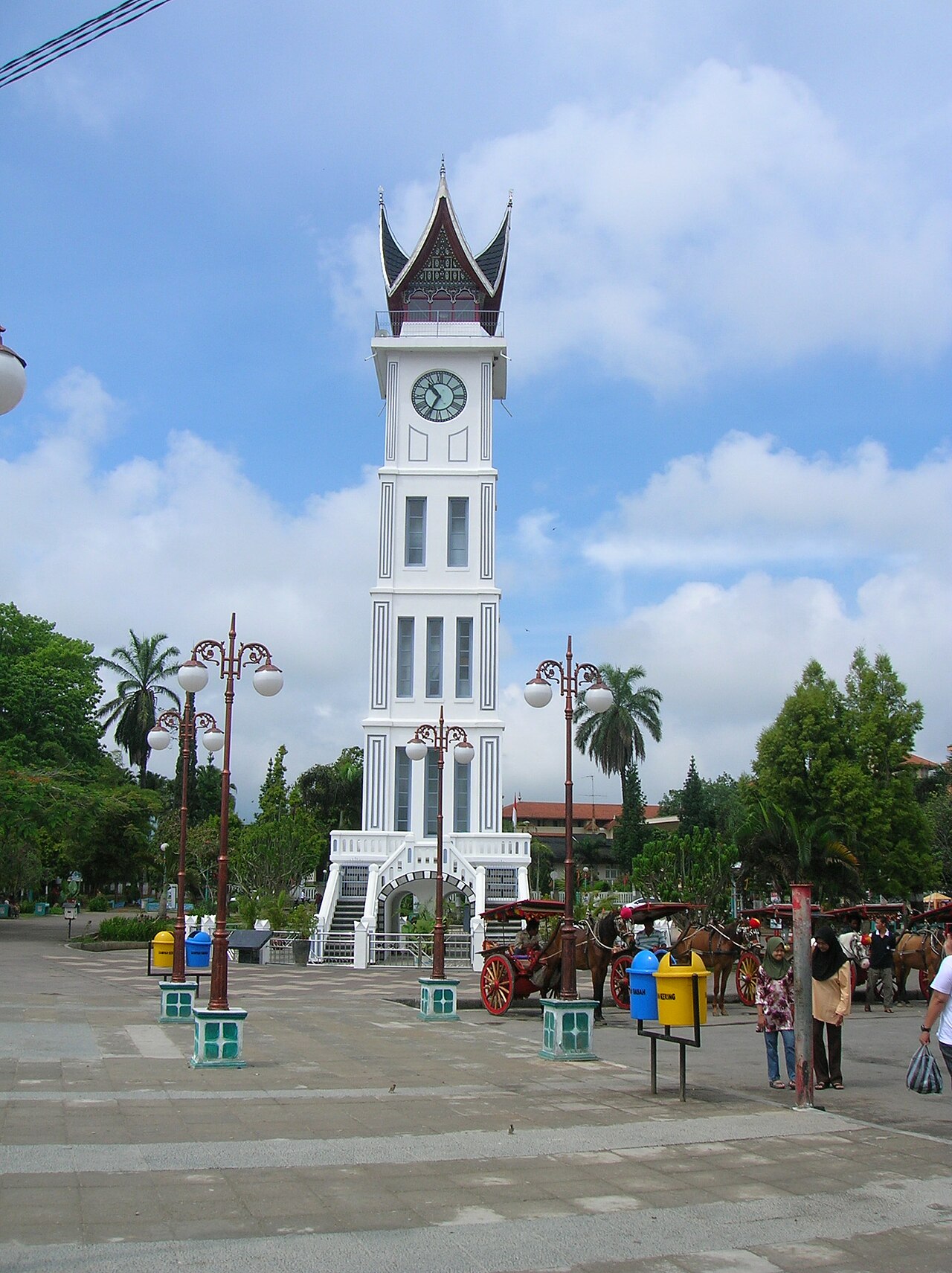
Today the Minangkabau number several million in their West Sumatran homeland, with a very large diaspora spread by the custom of merantau across Indonesia, Malaysia, and beyond, prominent in business, the professions, and public life. Padang restaurants carry their cuisine around the world.
Modern Minangkabau balance their remarkable matrilineal tradition and devout Islam with life in a fast-changing society. Their horned-roof houses, their songket, their rendang, and above all their unique blend of matriliny and faith continue to define one of Indonesia’s most distinctive peoples.
Related Peoples of the Region
More Peoples of the World
You May Like
The Damara, an Ancient People of Namibia