Deep in the rainforests and along the great rivers of Borneo live the Dayak, the indigenous peoples of the worlds third-largest island. Not a single tribe but a family of many groups, from the Iban to the Ngaju and Kayan, they long dwelt in communal longhouses far from the Muslim coasts.
Theirs is a heritage of the longhouse and the mandau sword, of intricate tattoos and beadwork, of the hornbill and the rice harvest festival of Gawai, once shadowed by the sacred practice of headhunting. To know the Dayak is to enter the forest world of Borneos native peoples.
The Dayak on Film
Contents
- Origins
- The Name
- The Language
- The Homeland
- The Old Way of Life
- Society and Community
- Religion and Belief
- Traditions
- Crafts
- Food
- Festivals
- History
- Today
Origins
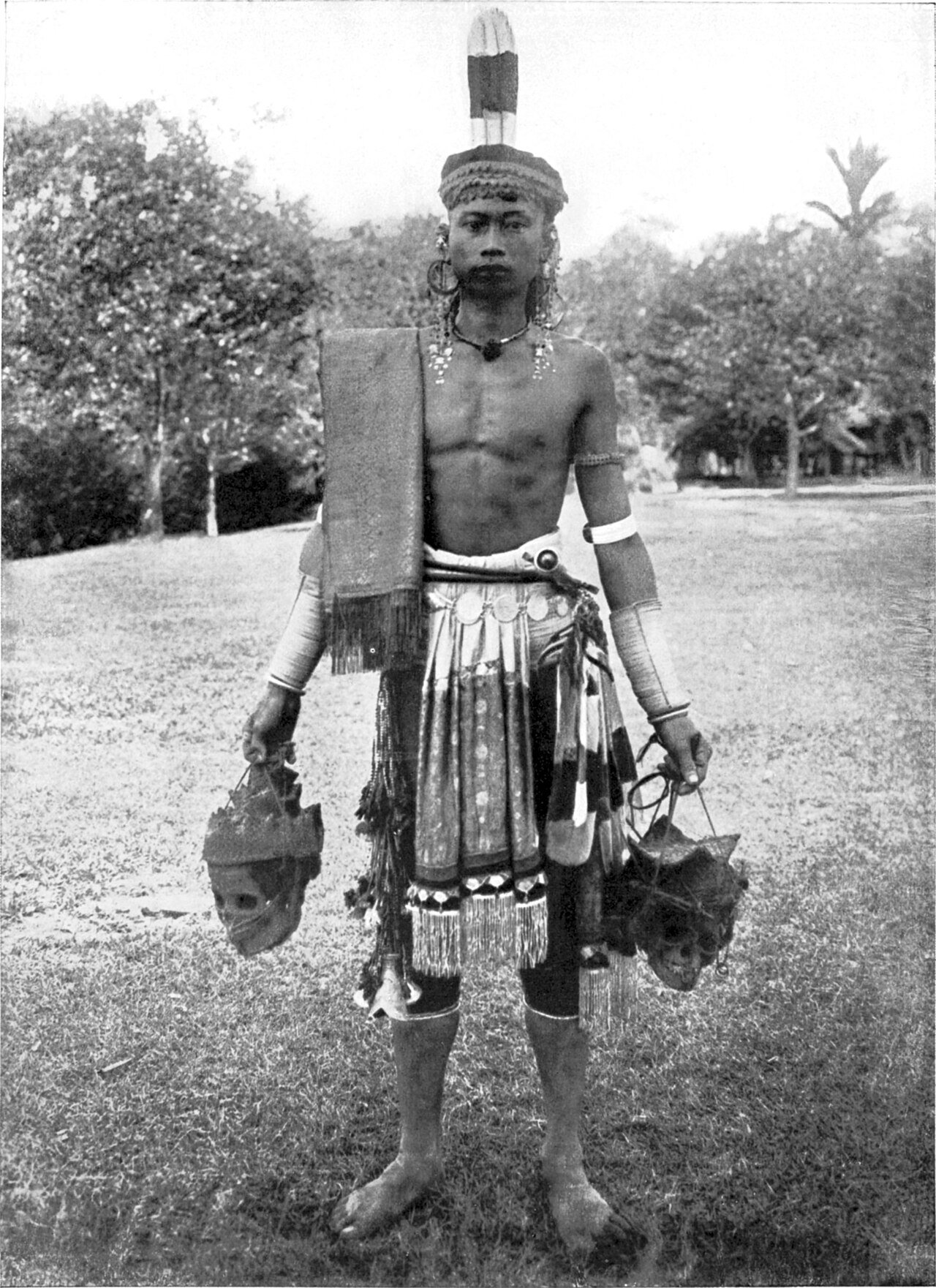
The Dayak are the indigenous peoples of the great island of Borneo, dwelling above all in the interior of Indonesian Kalimantan and the Malaysian states of Sarawak and Sabah. Dayak is not a single tribe but a broad term for the many native, non-Muslim peoples of the island, including the Iban, Ngaju, Kayan, Kenyah, and dozens more.
Austronesian in origin, the Dayak settled Borneo over thousands of years, living along its rivers and in its rainforests as farmers, hunters, and, in the past, famed headhunters. Isolated in the vast interior, they developed a rich diversity of cultures, languages, and customs while sharing many broad features of a common way of life.
The Name
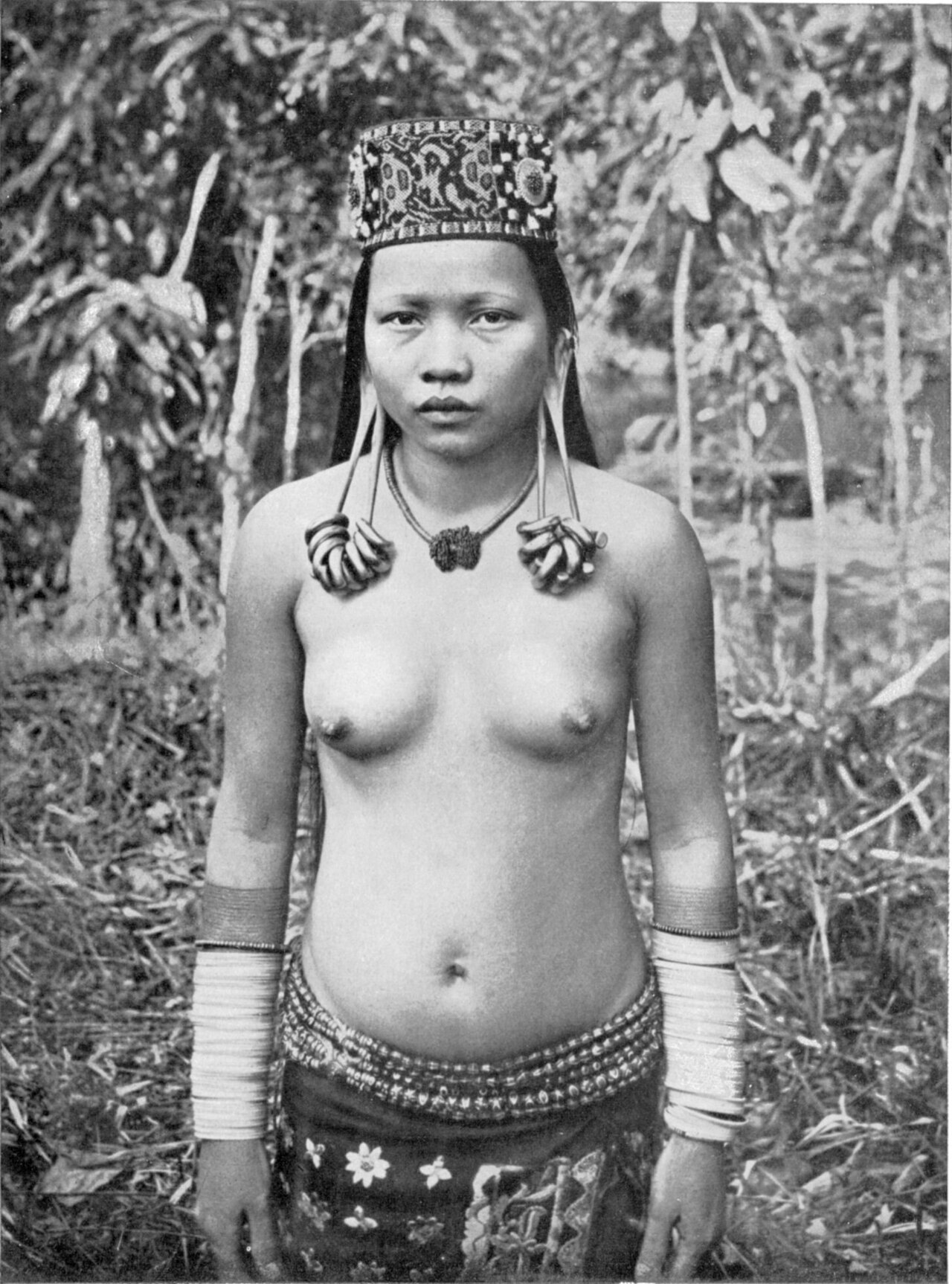
The name Dayak, meaning roughly the people of the interior or the upstream people, was applied broadly to the native peoples of Borneo, in contrast to the Muslim Malays of the coasts. The many Dayak groups each have their own names, such as Iban, Ngaju, and Kayan.
Despite their diversity, the Dayak peoples share enough in culture and history that the common name has taken on real meaning, especially in modern times as a badge of indigenous identity. To be Dayak is to belong to the native, riverine, forest peoples of Borneo.
The Language
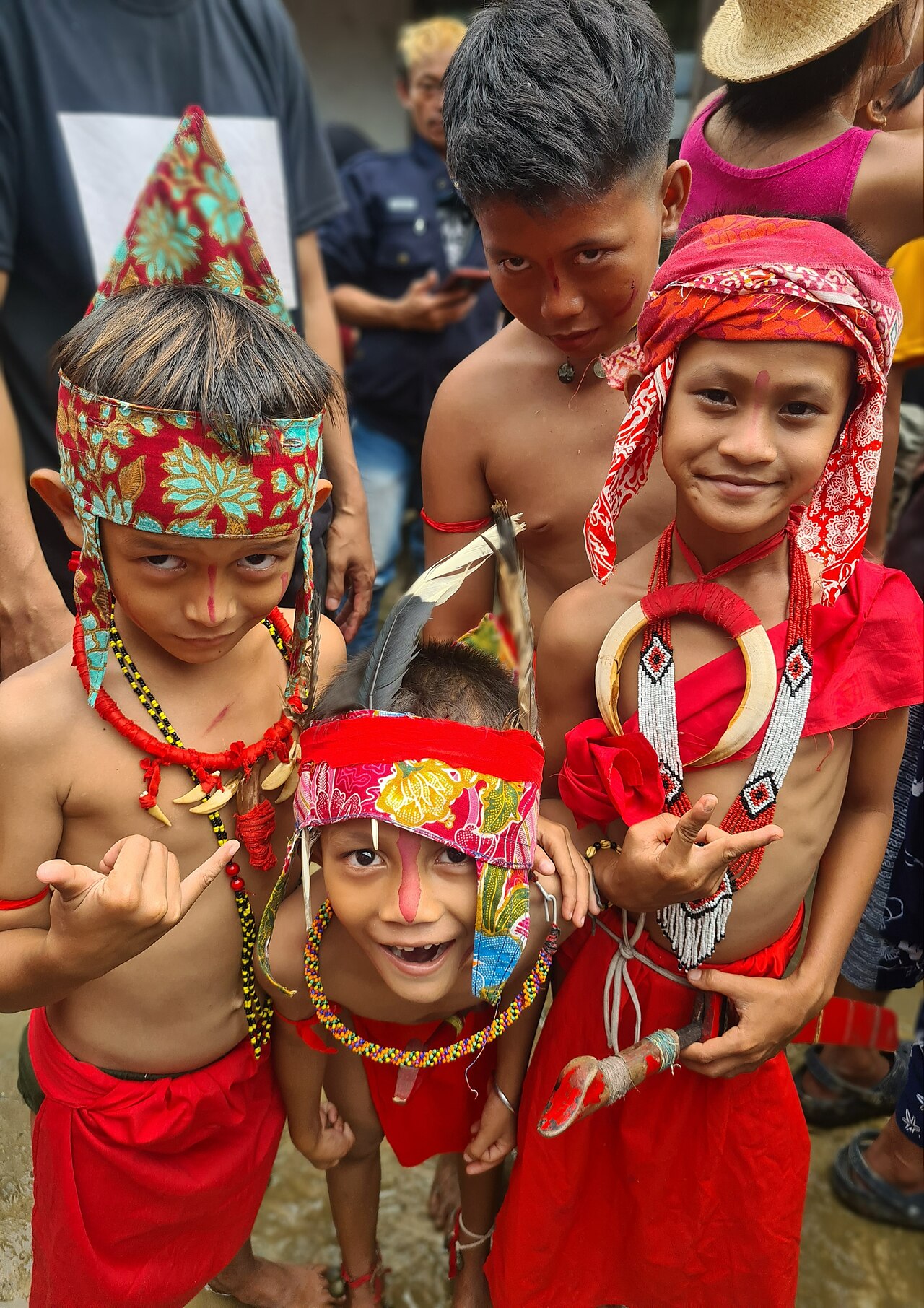
The Dayak peoples speak many languages, all belonging to the Austronesian family but often quite different from one another, reflecting the great diversity of the groups scattered across Borneo’s interior. Iban, Ngaju, Kenyah, and many others are spoken along the island’s rivers.
Traditionally these were oral cultures, their history, law, and epic poetry carried in memory and in the chants of ritual specialists. Today Indonesian and Malay serve as the wider languages, but the many Dayak tongues remain central to community identity.
The Homeland
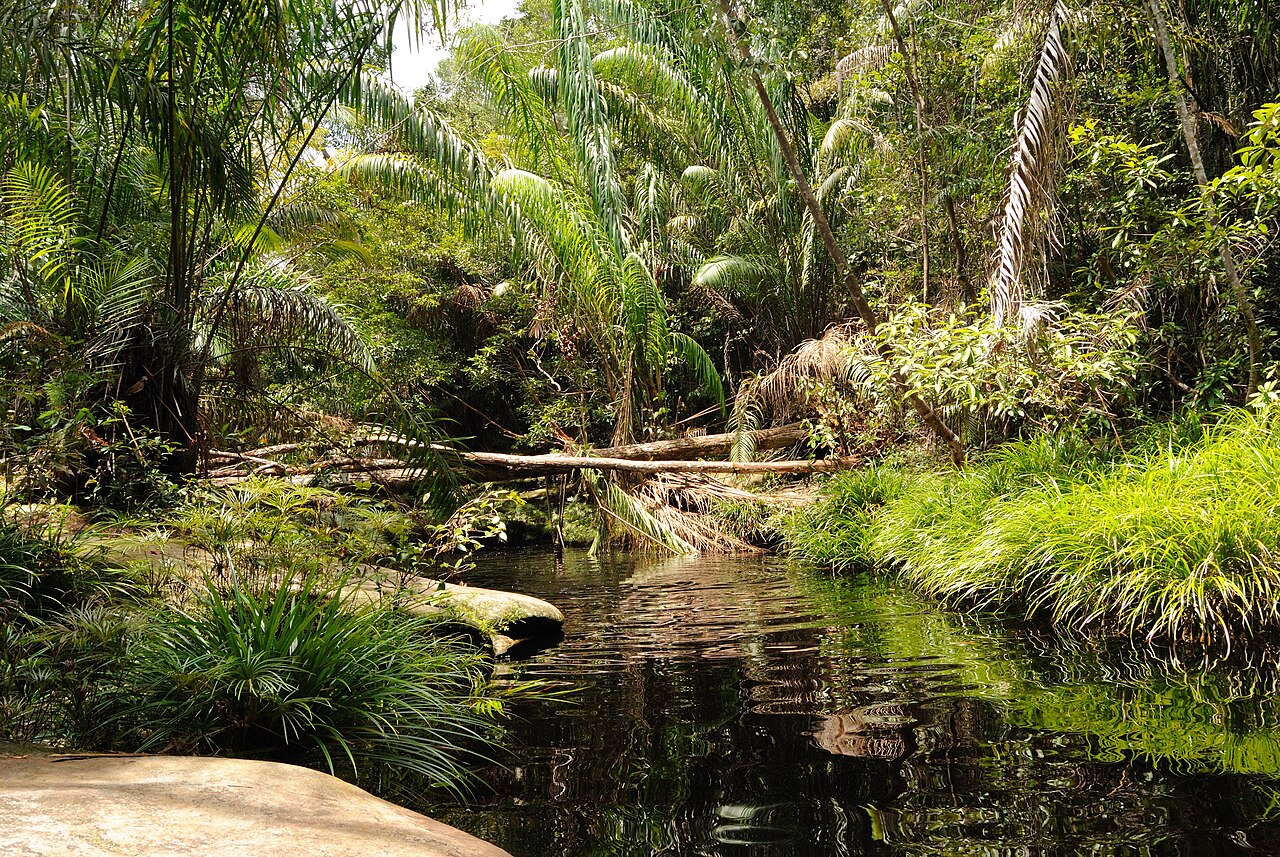
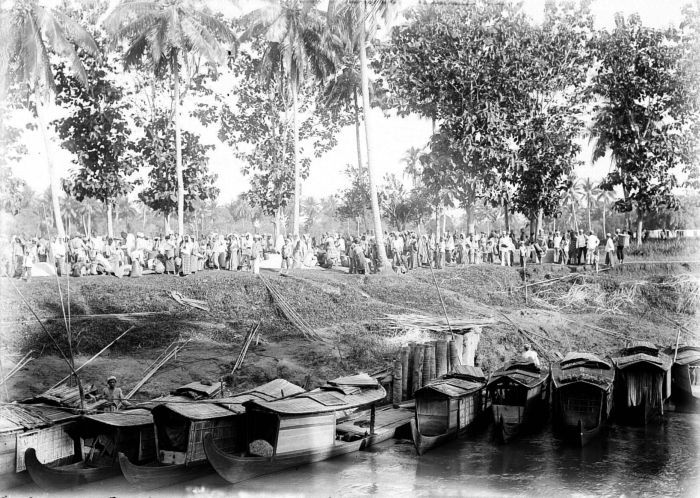
The Dayak homeland is the interior of Borneo, the third-largest island in the world, a land of dense tropical rainforest, mighty rivers, and rugged mountains. The rivers were the highways of the Dayak world, and villages were built along their banks, deep in the forest.
This is one of the richest natural environments on earth, home to orangutans, hornbills, and countless other species. In recent decades the Dayak homeland has been transformed by the clearing of the rainforest for timber and palm oil, a grave threat to their traditional way of life.
The Old Way of Life
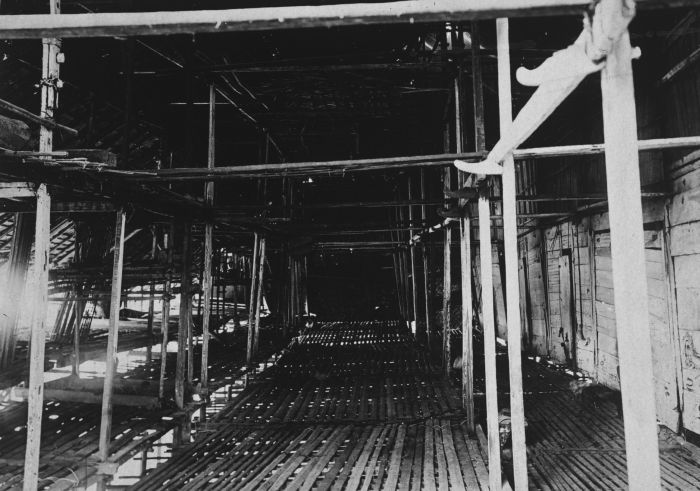
Traditionally the Dayak lived in longhouses, great communal dwellings raised on stilts along the rivers, each home to many families under one roof, forming a village in a single building. They practised shifting cultivation of hill rice, along with hunting, fishing, and the gathering of forest produce.
Life was bound to the river and the forest, and organised around the longhouse community. In the past, headhunting was a central and sacred practice, tied to prestige, fertility, and the spirit world, though it was suppressed under colonial rule.
Society and Community
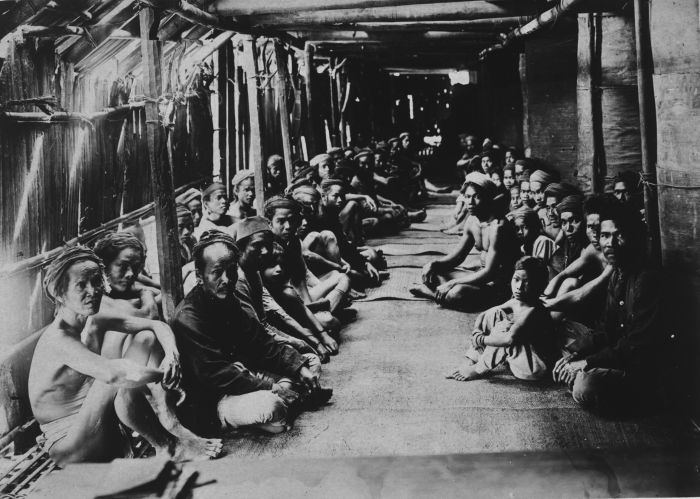
Dayak society traditionally centred on the longhouse community, a close-knit group of families living together under the leadership of a headman and bound by custom, or adat. Cooperation in farming, ritual, and defence held the community together.
Among some groups, such as the Kayan, there were nobles, commoners, and, in the past, slaves, while others, like the Iban, were more egalitarian. Kinship, the longhouse, and the customs of adat remained the foundations of Dayak social life across the many groups.
Religion and Belief
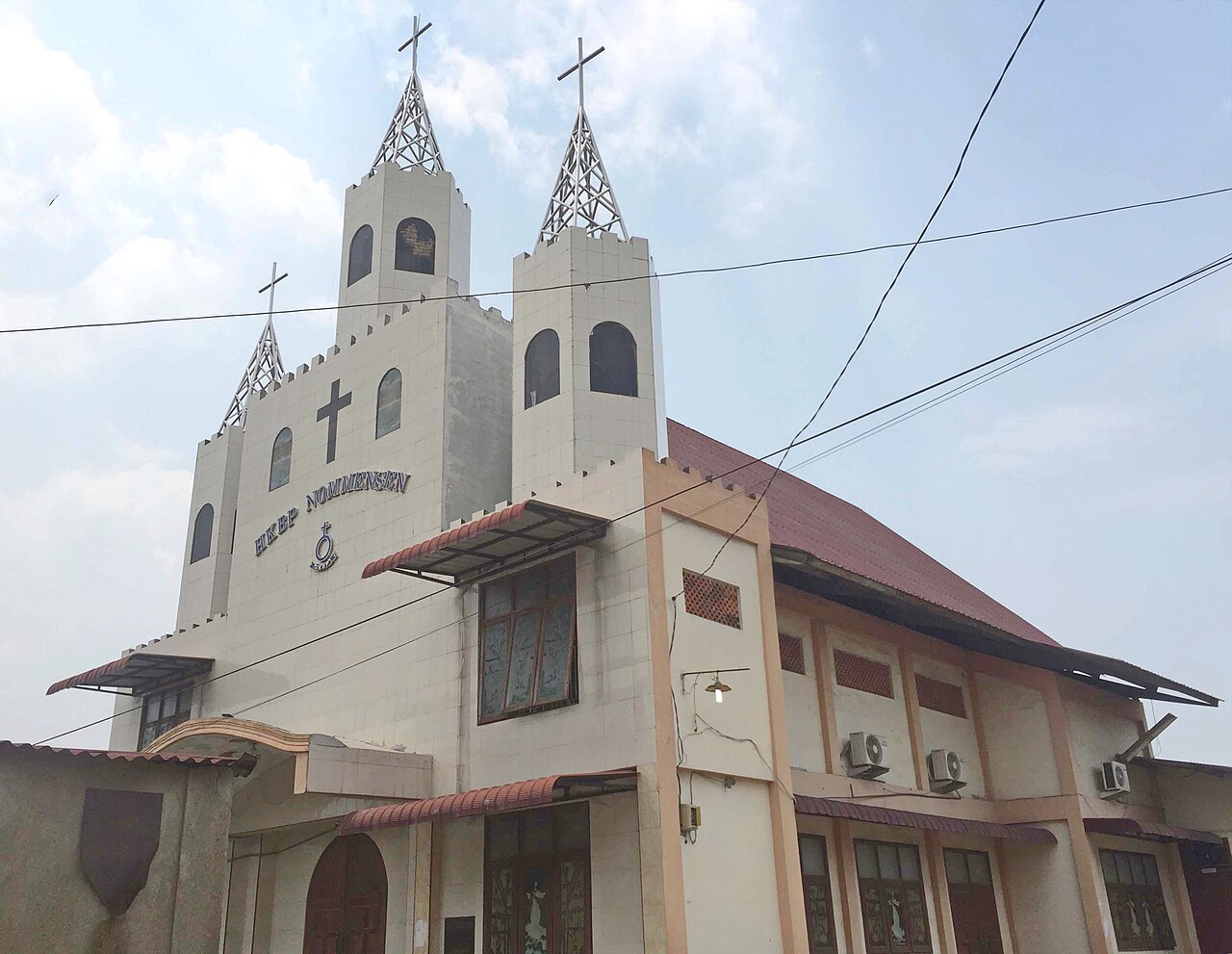
Traditionally the Dayak followed their own religions, honouring a world of spirits, ancestors, and gods, with elaborate rituals led by priests and priestesses and bound up with rice, the forest, and the hornbill, a sacred bird. The Kaharingan faith of the Ngaju is one such indigenous religion still practised today.
Christian missionaries converted many Dayak from the nineteenth century, and a large proportion are now Christians, while some have embraced Islam. Older beliefs and rituals, however, survive strongly, often blended with the newer faiths.
Traditions
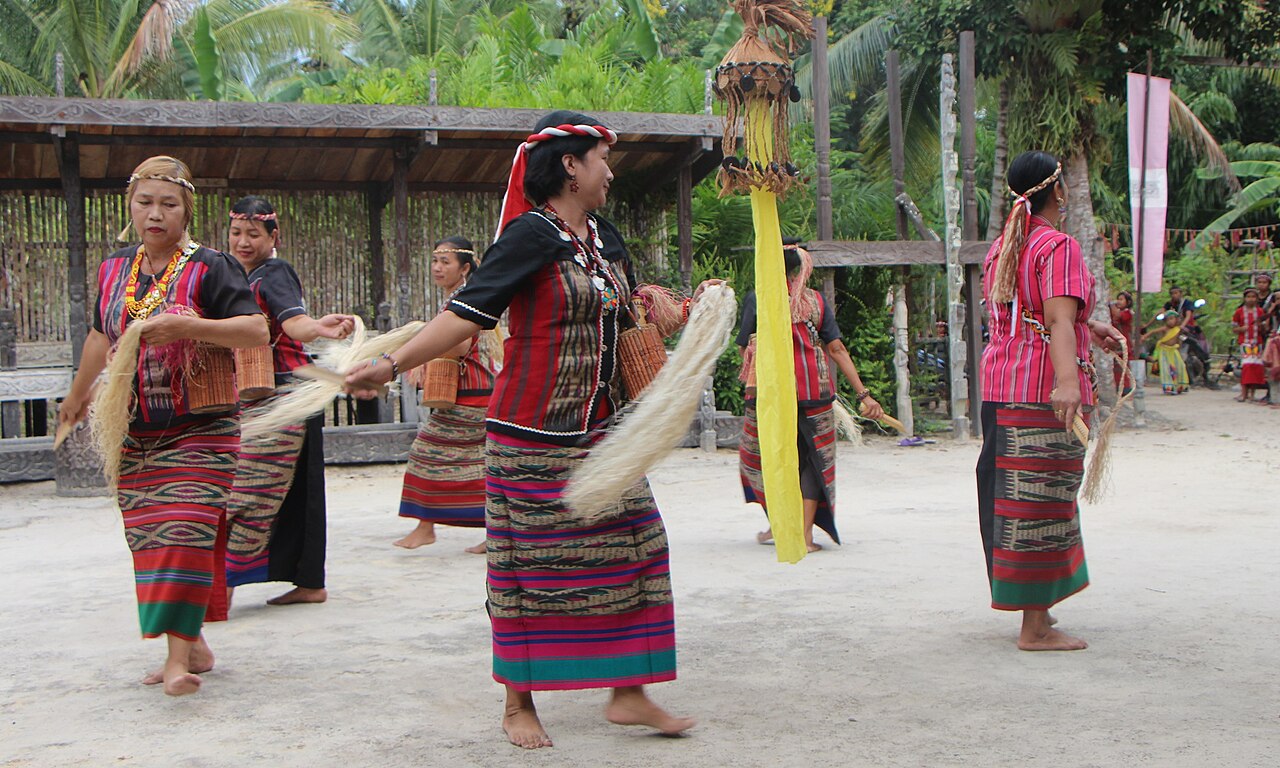
Dayak tradition is rich in dance, music, and ritual, much of it tied to rice, the spirits, and the hornbill. Warrior dances, the graceful movements of women’s dances, and the music of the sape lute mark celebrations. Elaborate body tattooing, once a record of a person’s deeds and journeys, was a central Dayak art.
The rituals of the farming year, of headhunting in the past, and of the great communal festivals bound the longhouse together. Distinctive dress, feather headdresses, and beadwork express the identity of the many Dayak groups.
Crafts
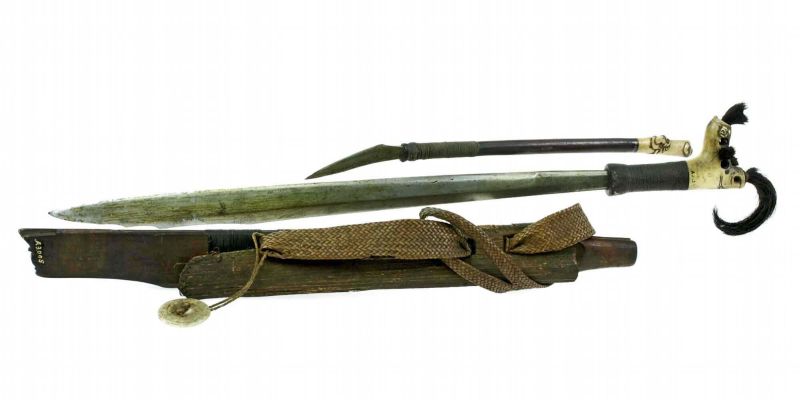
The Dayak are skilled craftspeople. The forging of the mandau, the traditional sword, the intricate beadwork adorning clothing and baby carriers, and the weaving of the sacred pua kumbu cloth by the Iban are among their finest arts. Woodcarving decorates longhouses, tools, and ritual objects.
Basketry and mat-weaving from rattan and other forest materials, the making of feather and bead ornaments, and the carving of masks and figures all belong to Dayak material culture. These crafts, tied to daily life and ritual, remain treasured expressions of the culture.
Food
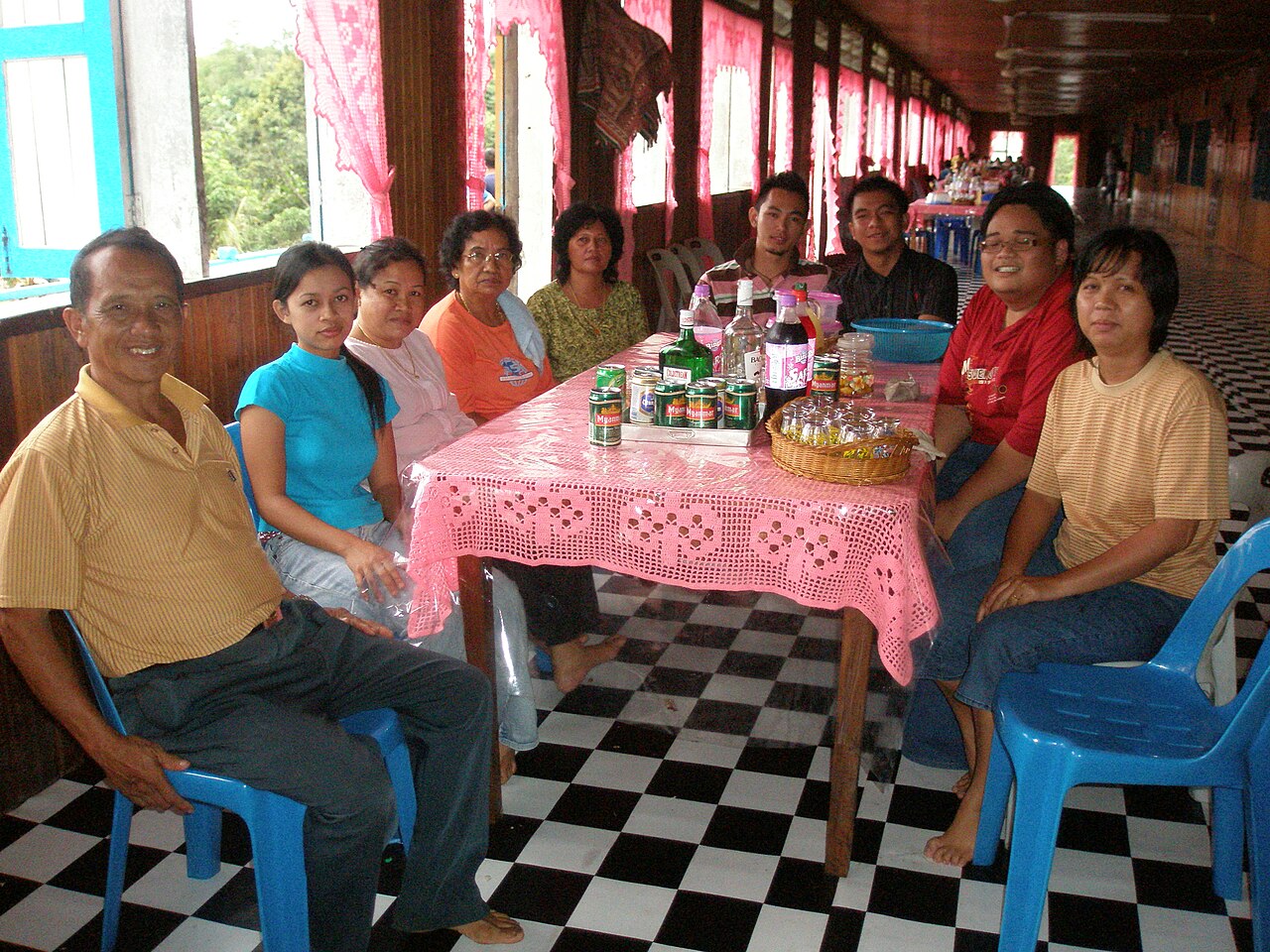
Dayak food is drawn from the rice fields, the rivers, and the forest. Hill rice is the staple, often cooked in bamboo tubes, and is eaten with river fish, wild game, forest vegetables, and the shoots and hearts of jungle plants. Rice wine, brewed for festivals, holds a special place.
Food cooked in bamboo, fresh forest greens, and the fish of the rivers fill the Dayak table, and great feasts accompany the festivals and rituals of the longhouse. Sharing food and rice wine is central to Dayak hospitality and celebration.
Festivals
The great festival of many Dayak is Gawai, the rice-harvest celebration held in Sarawak and West Kalimantan, when longhouses fill with feasting, dancing, rice wine, and the wearing of splendid traditional dress. It is both a thanksgiving for the harvest and a great affirmation of Dayak identity.
Rituals surrounding rice, the spirits, and, in the past, the taking of heads marked the traditional calendar, and Christian festivals are now important among the converted. Through Gawai and other celebrations, the Dayak keep their heritage alive.
History
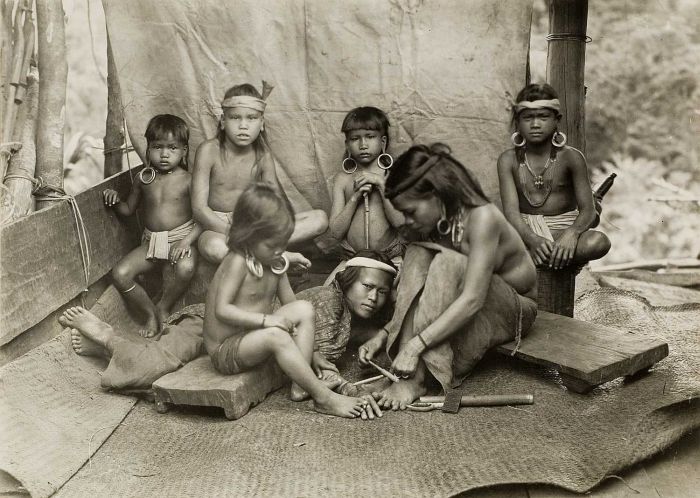
For centuries the Dayak lived independently in the interior of Borneo, their longhouse communities beyond the reach of the coastal Malay sultanates. Feared as headhunters, they were also skilled farmers and traders in forest goods along the rivers.
In the nineteenth century the Brooke dynasty of white rajahs in Sarawak, along with Dutch colonial rule in Kalimantan, suppressed headhunting and brought the Dayak under outside control, while missionaries spread Christianity. In modern times the Dayak have struggled to defend their lands and forests against logging, plantations, and migration.
Today
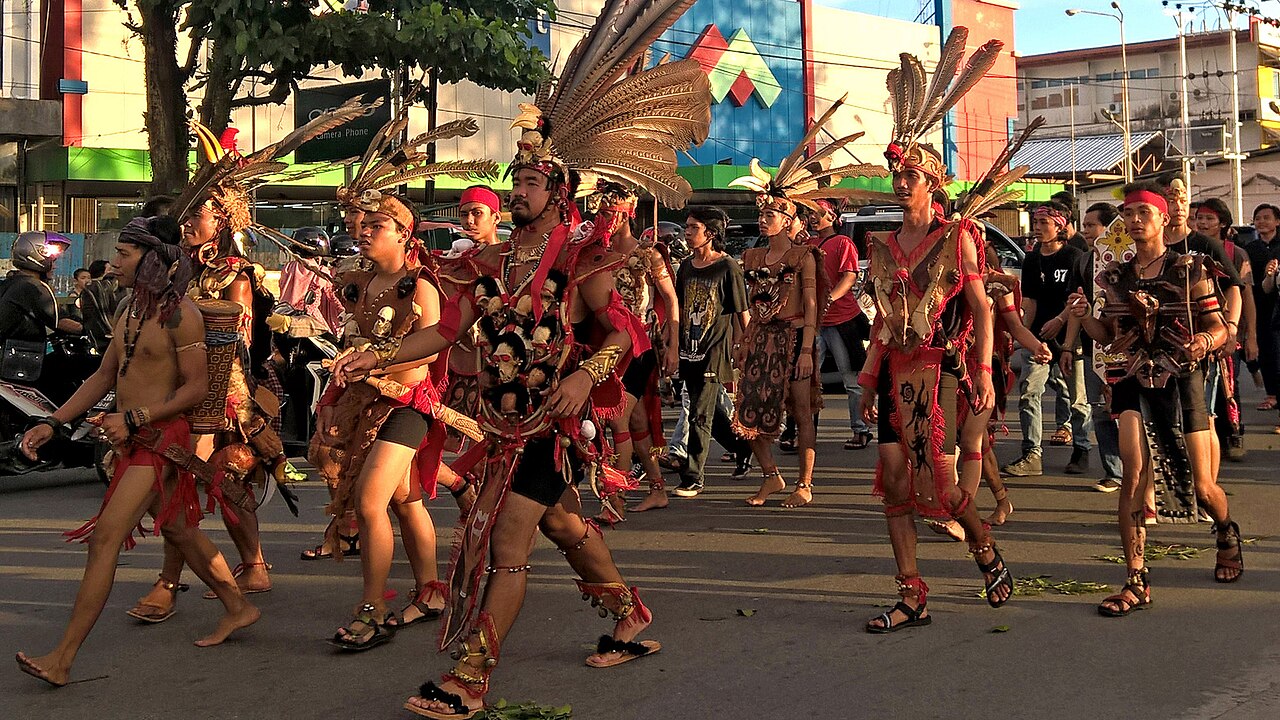
Today the Dayak number several million across Borneo, divided between Indonesian Kalimantan and Malaysian Sarawak and Sabah, and belonging to many distinct groups. Many still live along the rivers, though logging and oil-palm plantations have transformed much of their homeland and drawn many into the towns.
Modern Dayak have become increasingly assertive in defending their land rights and celebrating their indigenous identity, through festivals such as Gawai and through political and cultural revival. Their longhouses, their crafts, their dances, and their bond with the rainforest continue to define the native peoples of Borneo.
Related Peoples of the Region
More Peoples of the World
You May Like
The Damara, an Ancient People of Namibia