On the southern peninsula of Sulawesi live the Bugis, one of the great seafaring peoples of Indonesia, famed as sailors, shipbuilders, and traders whose wooden schooners ranged across the archipelago and beyond. Devoutly Muslim and fiercely proud, they carried their name to every corner of the eastern seas.
Theirs is a heritage of the hand-built pinisi ship and the vast La Galigo epic, of a fierce code of honour and the ancient bissu priests who transcend gender. To know the Bugis is to meet a maritime nation whose sails once inspired both awe and fear across Southeast Asia.
The Bugis on Film
Contents
- Origins
- The Name
- The Language
- The Homeland
- The Old Way of Life
- Society and Community
- Religion and Belief
- Traditions
- Crafts
- Food
- Festivals
- History
- Today
Origins

The Bugis are a people of the southern peninsula of the island of Sulawesi in Indonesia, one of the great seafaring and trading nations of the archipelago. Austronesian in origin and devoutly Muslim, they are famous above all as sailors, shipbuilders, and merchants whose vessels ranged across the seas of Southeast Asia and beyond.
The Bugis developed in the fertile lowlands of South Sulawesi, where they built a number of kingdoms whose rivalries and alliances fill their history. From these coastal realms they took to the sea, and Bugis traders and adventurers spread across the archipelago, founding communities and even dynasties far from home.
The Name
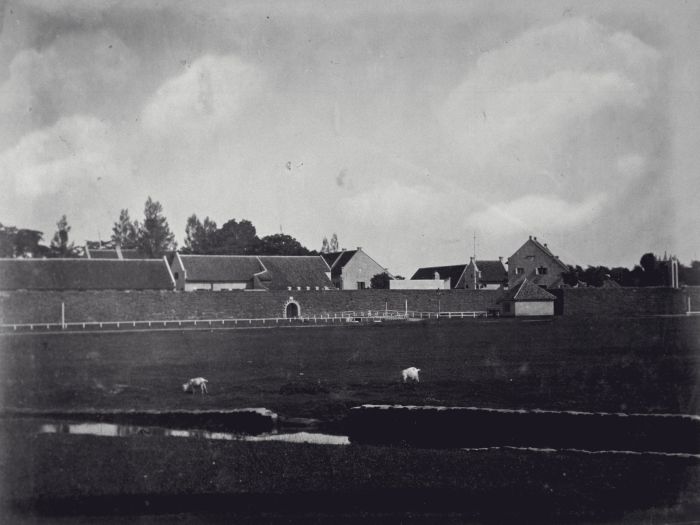
The Bugis call themselves To Ugi, and they share their homeland and much of their culture with the neighbouring Makassar people, with whom they are often linked as the Bugis-Makassar. Their heartland is the southern arm of Sulawesi, around the great port city of Makassar.
Long famed as bold seafarers, the Bugis gave their name, some say, to the English word bogeyman, a memory of the fear their far-ranging sailors once inspired. To be Bugis is to belong to this maritime people of the southern seas.
The Language
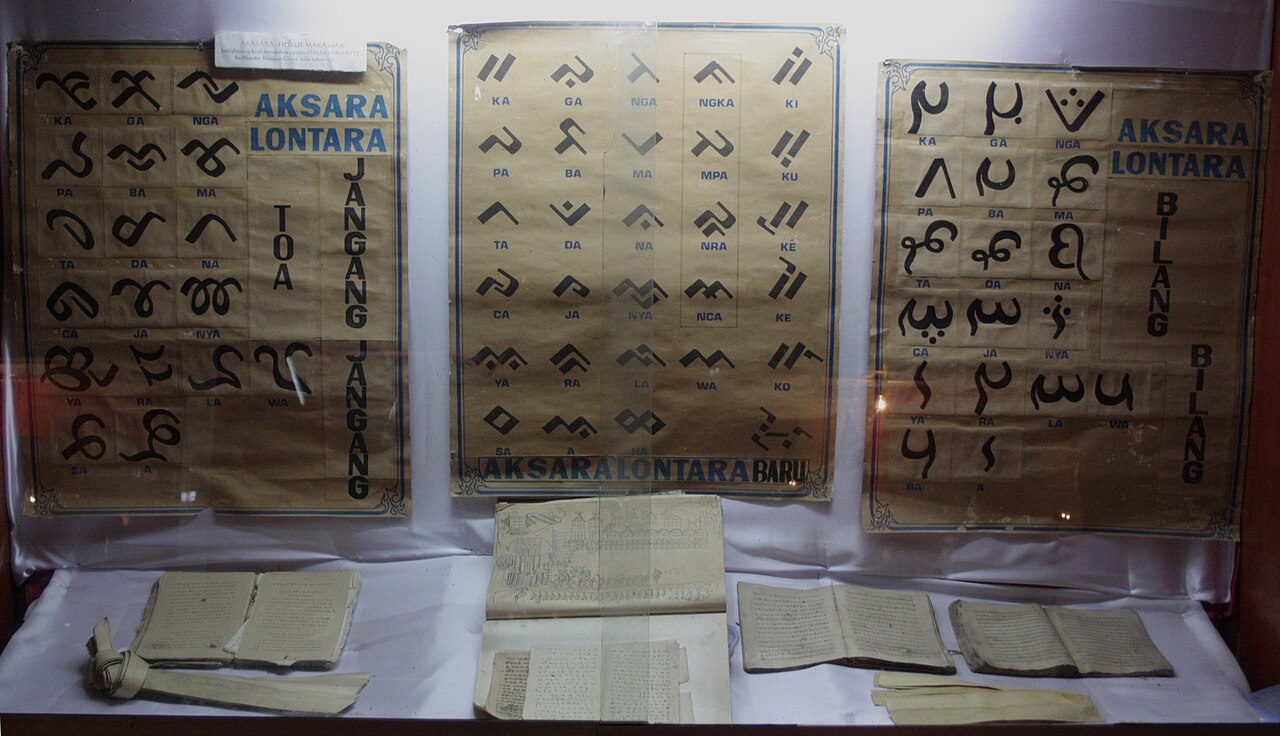
The Bugis language is an Austronesian tongue of South Sulawesi, with a large body of speakers and a distinguished literary tradition. It was traditionally written in the Lontara script, an elegant alphabet used for chronicles, contracts, and above all the great epic poetry of the people.
The Bugis possess in the La Galigo one of the longest works of literature in the world, a vast mythological epic preserved in Lontara manuscripts. Indonesian serves as the national language, but Bugis remains strong in home, trade, and cultural life.
The Homeland

The Bugis homeland is the southwestern peninsula of Sulawesi, a land of fertile rice plains, lakes, and a long coastline on the seas between Borneo and the eastern islands. The great city of Makassar, one of Indonesia’s major ports, has long been the hub of the region.
Facing the sea on almost every side, and set on the maritime crossroads of the archipelago, the Bugis homeland naturally turned its people toward trade and seafaring. Rice farming in the plains and fishing and trade along the coasts sustained the Bugis world.
The Old Way of Life

The Bugis were both rice farmers and seafarers. In the fertile lowlands they grew rice under their kingdoms, while along the coasts they built and sailed the pinisi, the great wooden schooners that carried Bugis trade across the archipelago and as far as northern Australia.
Bugis sailors and merchants settled in ports throughout maritime Southeast Asia, and their reputation as traders, warriors, and sometimes pirates spread widely. This blend of settled rice kingdoms and far-ranging seafaring gave the Bugis their distinctive character.
Society and Community
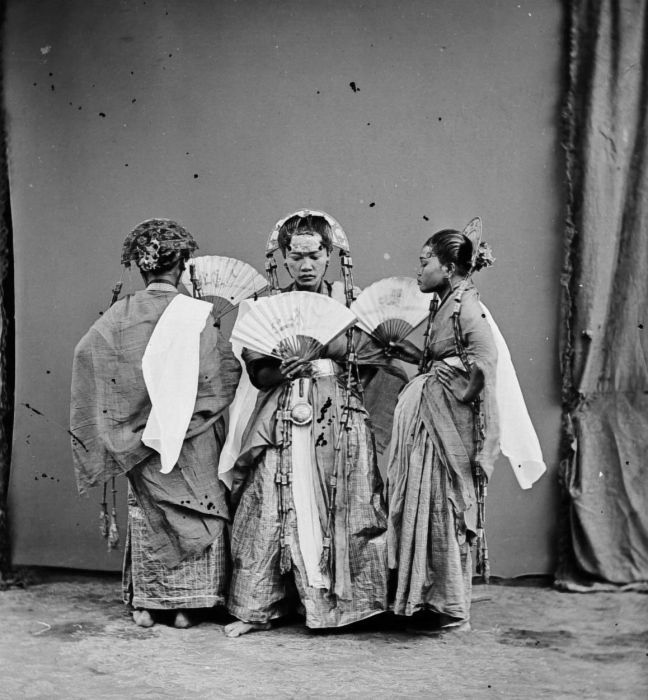
Bugis society was traditionally aristocratic, organised under kings and nobles in a number of competing states, with a strong sense of honour, or siri, that governed behaviour and could demand the defence of one’s dignity at any cost. Rank, kinship, and honour ordered social life.
The Bugis are also known for a remarkable traditional recognition of several gender roles beyond male and female, including the bissu, ritual specialists regarded as transcending gender. Honour, courage, and enterprise, on land and at sea, are central Bugis values.
Religion and Belief
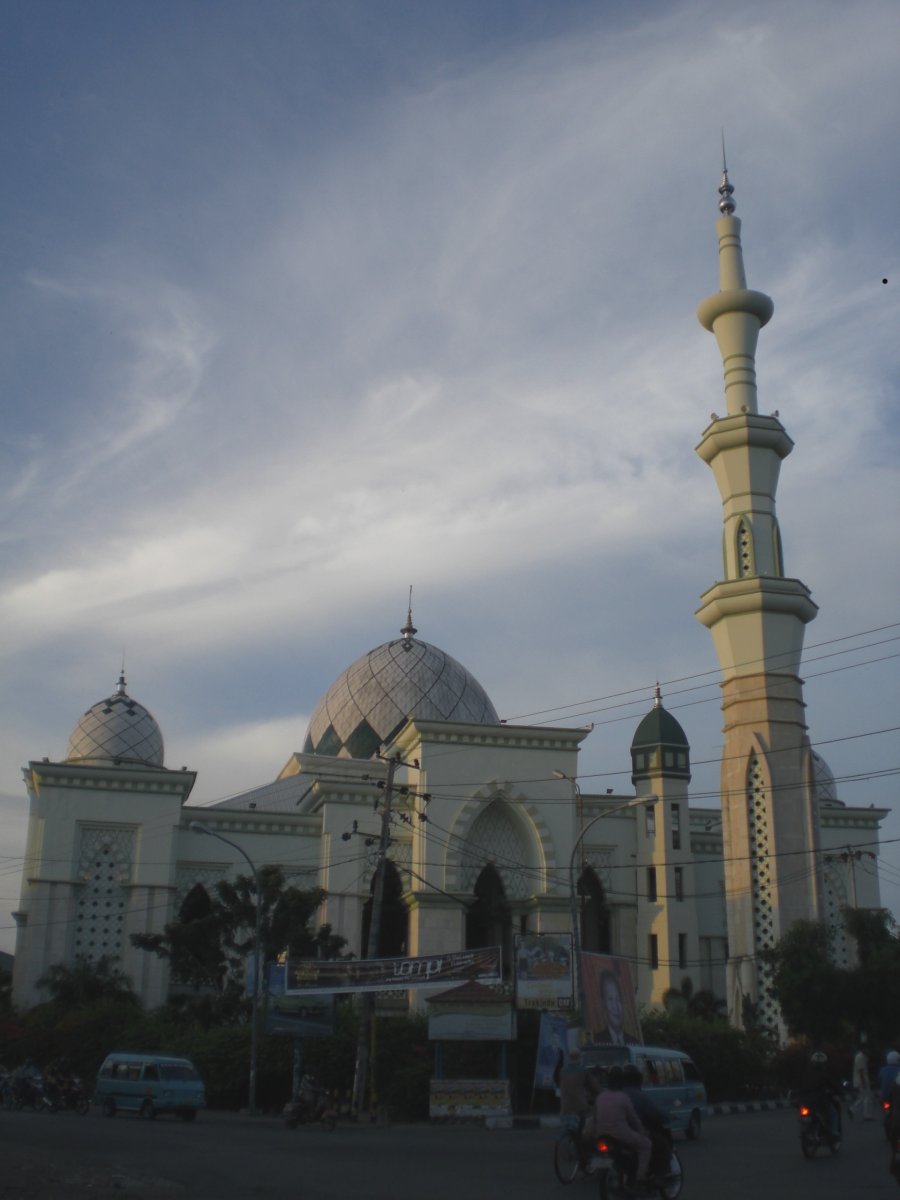
The Bugis are devout Sunni Muslims, Islam having been adopted by their kingdoms in the early seventeenth century, and the faith is central to their identity. Mosques stand at the heart of Bugis towns and villages, and Islamic law and custom shape daily life.
Yet older traditions survive alongside Islam, above all in the bissu, the androgynous priests who guard pre-Islamic rituals and the sacred regalia of the old kingdoms, performing the trance dance of the maggiri. This blend of devout Islam and ancient custom is distinctive of the Bugis.
Traditions
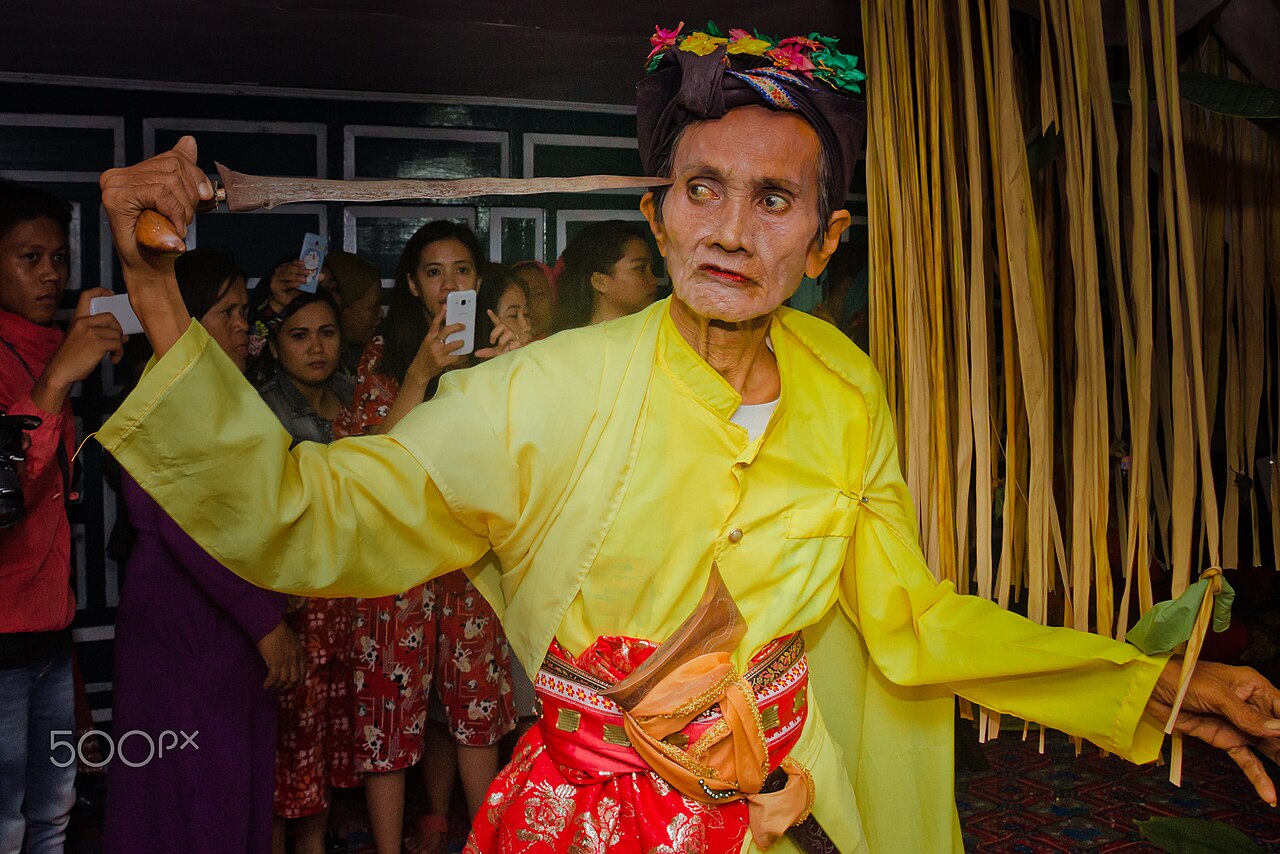
Bugis tradition is rich in epic poetry, ceremony, and the customs of the sea. The recitation of the vast La Galigo epic, the rituals of the bissu priests, and the great ceremonies of the aristocratic courts carry the heritage of the people. The building and launching of ships were themselves attended by ritual.
Elaborate weddings, governed by rank and honour, and the customs surrounding birth, marriage, and death mark Bugis life. Dance, music, and the codes of siri honour run through the culture of this proud maritime people.
Crafts

The supreme Bugis craft is shipbuilding. In the boatyards of South Sulawesi, master builders construct the pinisi, the great wooden sailing ships, entirely by hand and largely without written plans, in a tradition recognised as a treasure of world heritage. These vessels are the pride of the Bugis.
Bugis women are renowned weavers of silk sarongs in bright checked patterns, and metalwork, the making of the Lontara manuscripts, and other crafts belong to the culture. But it is the pinisi, above all, that expresses the genius of the Bugis.
Food

Bugis and Makassar cuisine is bold and savoury, built on rice, fish, and the abundant seafood of the surrounding seas. Its most famous dish is coto Makassar, a rich beef and offal soup spiced and served with rice cakes, a speciality of the region’s tables.
Grilled fish, sour and spicy soups, and dishes of rice and seafood fill the Bugis table, along with palm-sugar sweets. Food is central to the great ceremonies of weddings and festivals and to the hospitality of the people.
Festivals
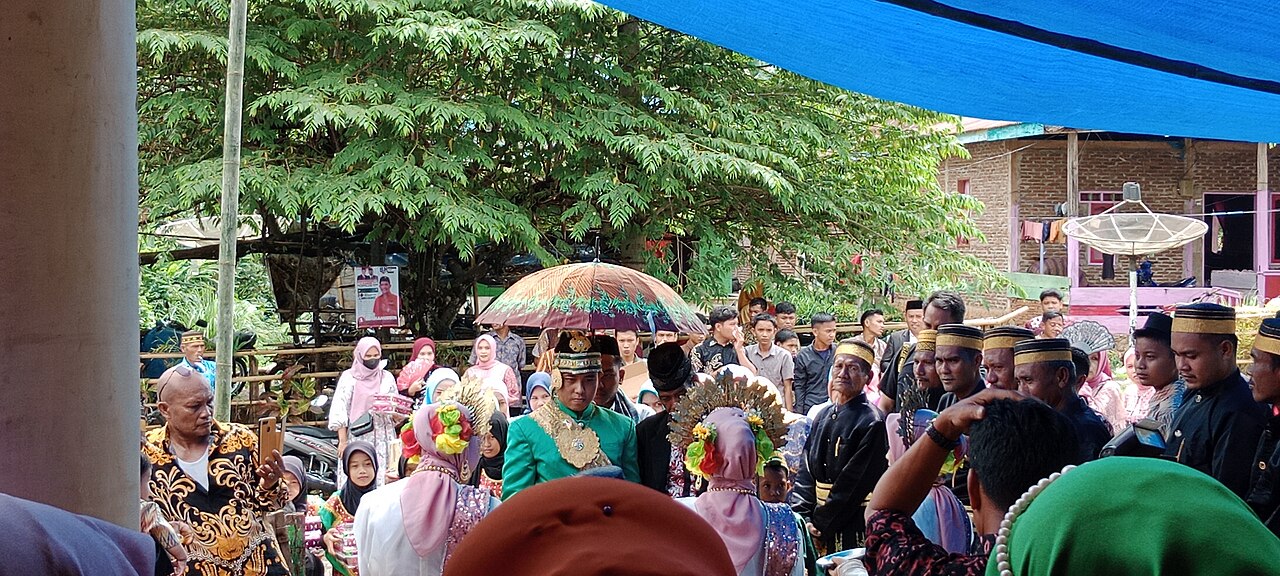
The great occasions of Bugis life are weddings, celebrated with elaborate ceremony, splendid dress, and feasting in keeping with the rank and honour of the families. The Islamic festivals of Eid are observed with devotion and family reunion.
Rituals surrounding the sea and the launching of ships, and the ceremonies guarded by the bissu priests, add a distinctive dimension to Bugis festival life. Through these gatherings the Bugis affirm the bonds of family, honour, and community.
History

The Bugis kingdoms of South Sulawesi, above all Bone and its rivals, competed for power with one another and with the neighbouring Makassar sultanate of Gowa. After the Dutch, allied with the Bugis prince Arung Palakka, conquered Makassar in the seventeenth century, Bugis seafarers dispersed even more widely across the archipelago.
Bugis adventurers founded or ruled states as far away as the Malay Peninsula and Borneo, and the Bugis played a major role in the politics of the wider Malay world. Under Dutch and then Indonesian rule, South Sulawesi remained a distinct and proud region.
Today
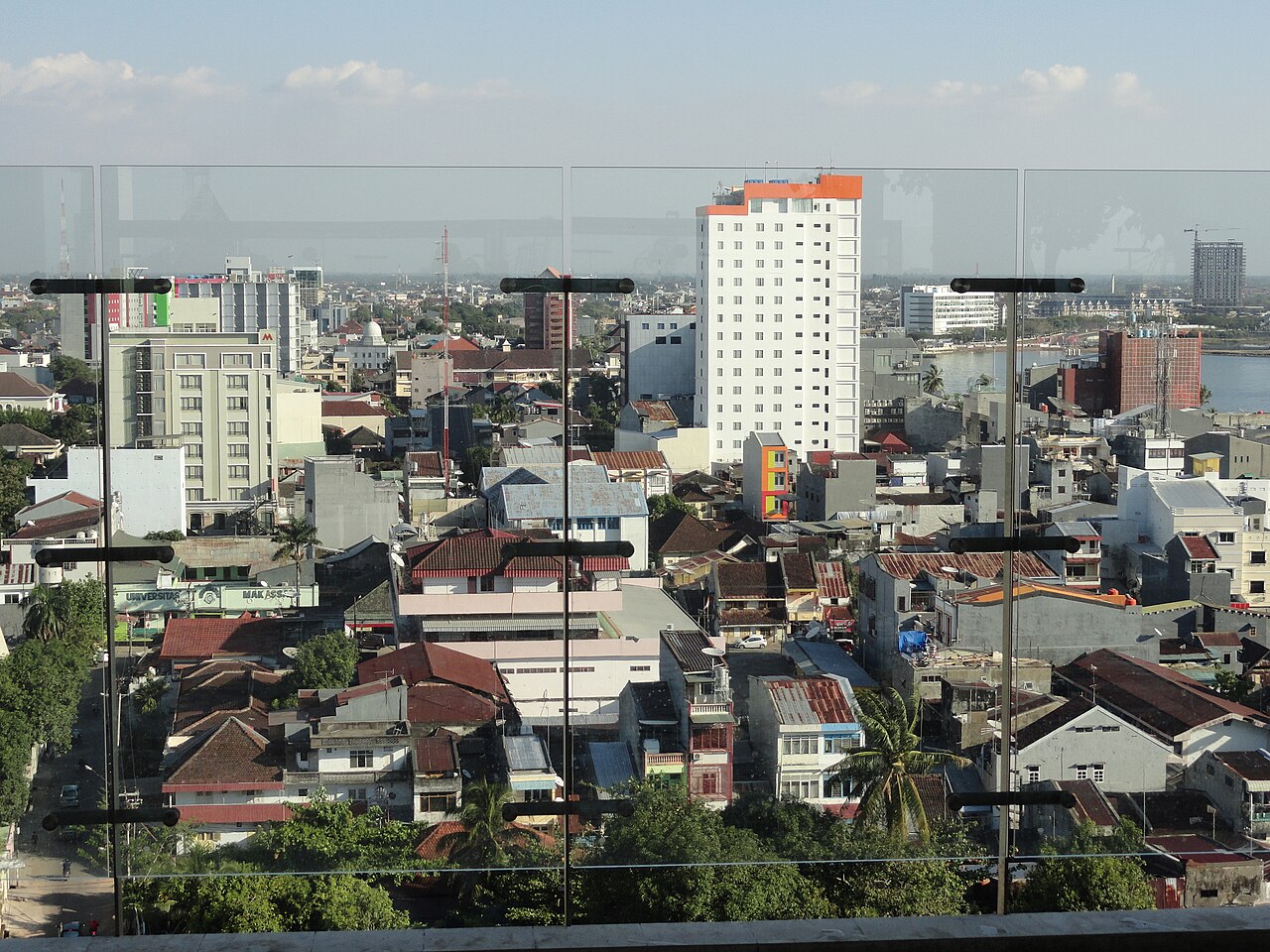
Today the Bugis number several million in South Sulawesi and in a wide diaspora across Indonesia, Malaysia, and beyond, formed by centuries of seafaring and migration. Makassar has grown into a major modern city and a gateway to eastern Indonesia.
Modern Bugis remain known throughout the region as traders, sailors, and entrepreneurs, while still building their famous pinisi ships by hand. Their epic literature, their seafaring heritage, their Islamic faith, and their fierce code of honour continue to define one of Indonesia’s great maritime peoples.
Related Peoples of the Region
More Peoples of the World
You May Like
The Damara, an Ancient People of Namibia