In the cool, volcano-studded highlands of West Java live the Sundanese, the second-largest people of Indonesia, distinct in language and character from the Javanese of the east. Heirs to the old kingdom of Sunda and known for a warm and easygoing spirit, they are the people of the green western uplands.
Theirs is a heritage of shaken bamboo angklung and carved wooden rod-puppets, of fresh highland cuisine and the lively jaipongan dance, set among terraced rice fields and volcanoes. To know the Sundanese is to meet one of Indonesias great and gentle peoples.
West Java on Film
Contents
- Origins
- The Name
- The Language
- The Homeland
- The Old Way of Life
- Society and Community
- Religion and Belief
- Traditions
- Crafts
- Food
- Festivals
- History
- Today
Origins

The Sundanese are the second-largest ethnic group of Indonesia, native to the western third of the island of Java, a land distinct in language and culture from the Javanese heartland to the east. Austronesian in origin and today devoutly Muslim, they are the people of the cool highlands and terraced valleys of West Java.
The Sundanese trace their history through the ancient Hindu-Buddhist kingdoms of the region, above all the kingdom of Sunda, or Pajajaran, which flourished until the sixteenth century. From these highland realms grew a people with their own language, arts, and gentle, easygoing reputation.
The Name

The Sundanese take their name from Sunda, the old name for western Java and its kingdom; they call themselves Urang Sunda, the people of Sunda. The word is often linked to notions of brightness and purity, and the region is sometimes called Tatar Sunda, the land of Sunda.
Their identity is centred on West Java, with the city of Bandung as its modern capital, and is distinguished from the Javanese proper of central and eastern Java. Language, custom, and homeland together define the Sundanese as a distinct people.
The Language

The Sundanese language is an Austronesian tongue, distinct from Javanese though sharing a system of speech levels that reflect politeness and status. It is one of the most widely spoken regional languages of Indonesia, the mother tongue of tens of millions in West Java.
Traditionally written in its own Sundanese script, seen in old inscriptions such as those of the Sunda kingdom, the language has a rich heritage of poetry, song, and oral literature. Indonesian serves as the national language, but Sundanese remains strong in daily life.
The Homeland
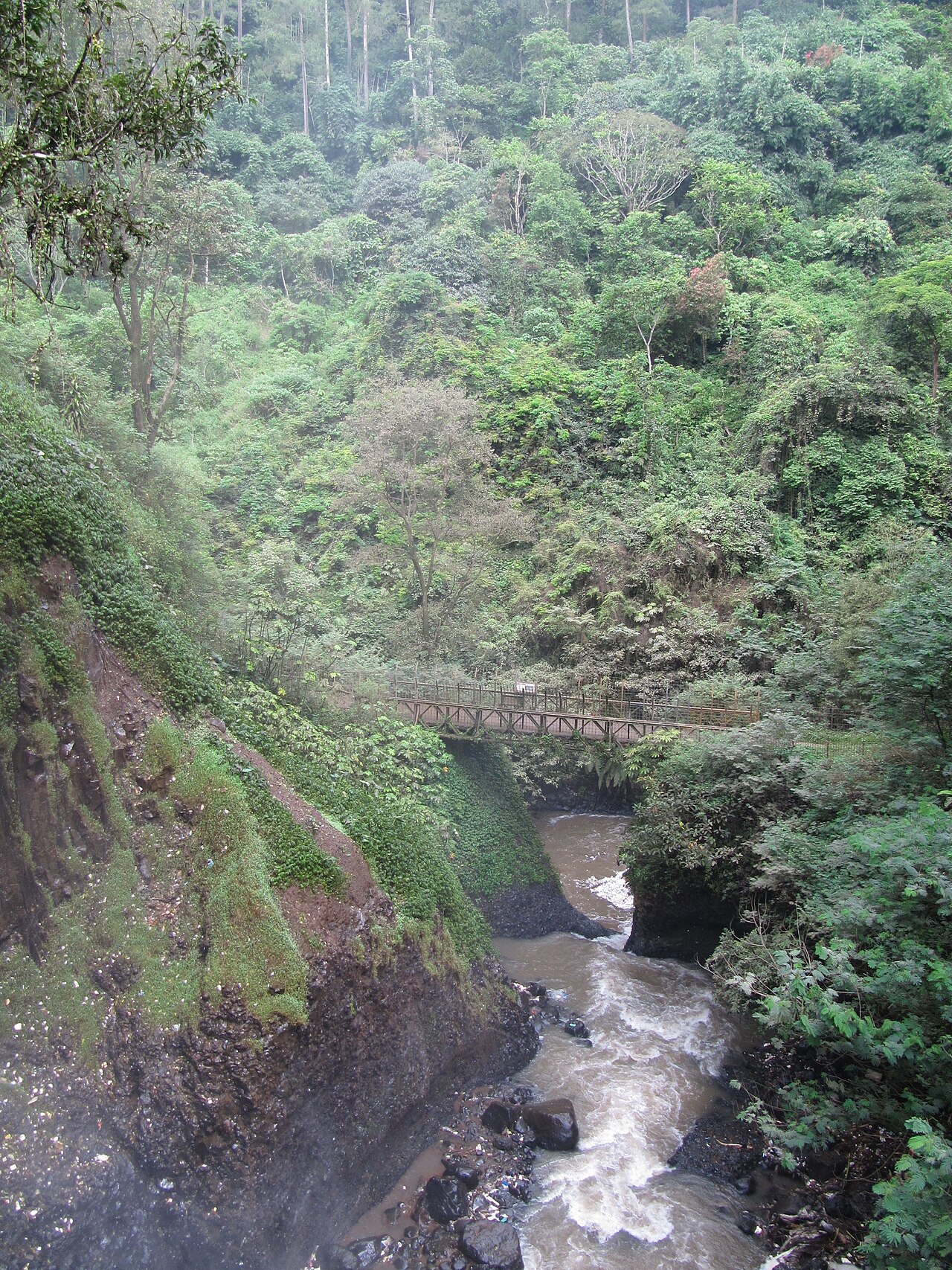
The Sundanese homeland is the western part of Java, a land of volcanoes, cool highlands, and fertile terraced valleys, greener and more mountainous than much of the island. The highland climate around Bandung is famously pleasant, and the region is dotted with volcanoes such as Tangkuban Perahu.
Rice terraces climb the hillsides, tea plantations cover the uplands, and rivers run down to the lowlands and the sea. This highland homeland shaped the agricultural, village-centred culture of the Sundanese.
The Old Way of Life

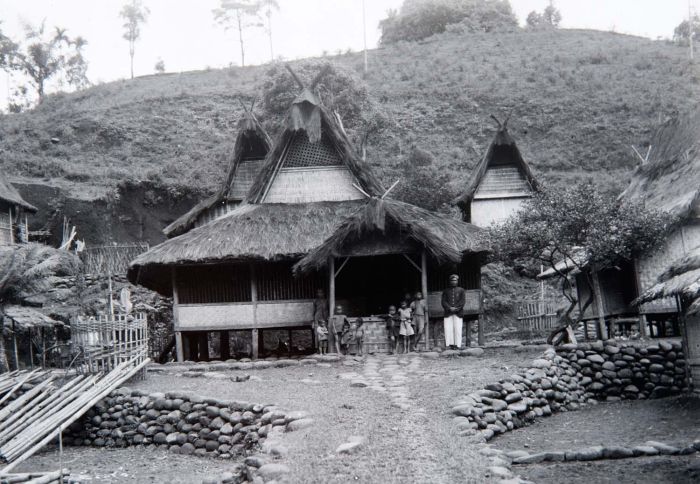
Traditionally the Sundanese were rice farmers, working both irrigated paddies and, in the past, dry hill rice, in villages set among the terraces and forests of West Java. The village community, with its rice fields and shared customs, was the foundation of life.
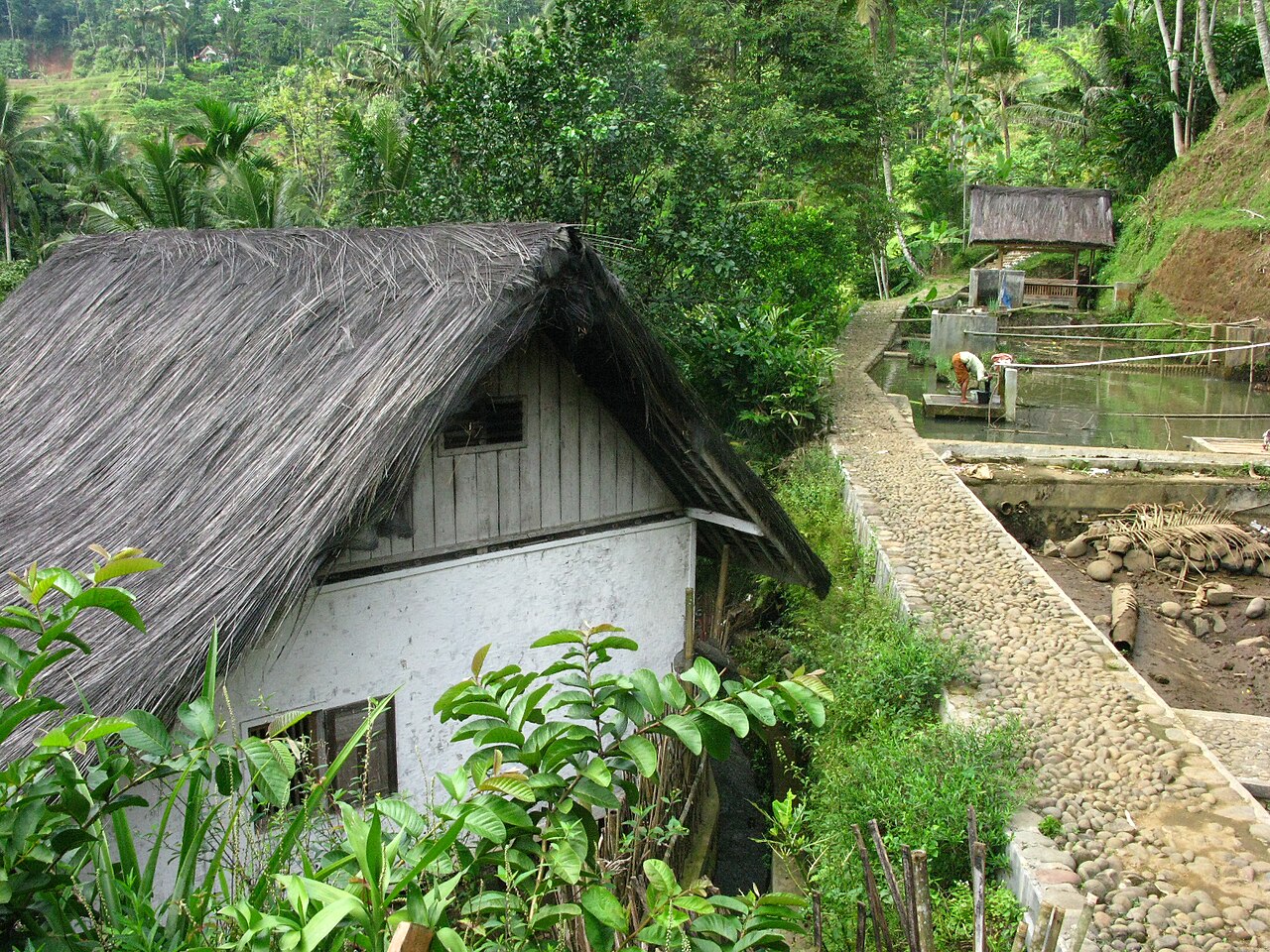
Traditional villages such as Kampung Naga preserve the old Sundanese way of living, with their timber houses, communal customs, and careful harmony with the land. Rice, the forest, and the rhythms of the agricultural year shaped this settled highland culture.
Society and Community
Sundanese society is village-centred and known for its relatively relaxed and egalitarian character, without the elaborate court hierarchy of central Java. Family, village community, and Islam are the foundations of social life, and the Sundanese are noted for their warmth and gentle humour.
Respect for elders, hospitality, and communal cooperation shape Sundanese values. While the region has its own aristocratic and courtly traditions, the culture as a whole is often seen as more down-to-earth than that of the Javanese.
Religion and Belief
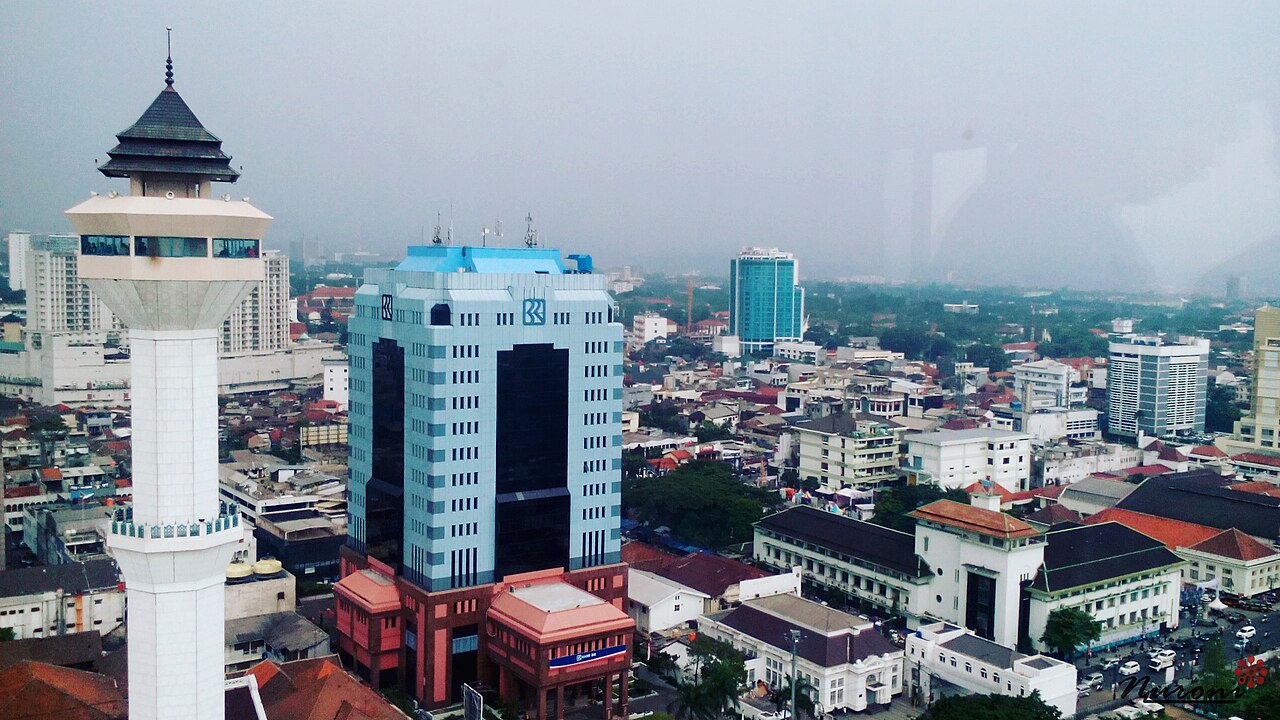
The Sundanese are overwhelmingly Sunni Muslims, and West Java is one of the more devoutly Islamic regions of the island. Islam is woven into daily life, and mosques stand at the heart of every town and village.
Before Islam the Sundanese followed Hindu-Buddhist and indigenous beliefs, and a small community, the Baduy of the interior, still preserves an ancient Sundanese religion and way of life in deliberate isolation from the modern world. For most Sundanese, however, Islam is central to identity.
Traditions
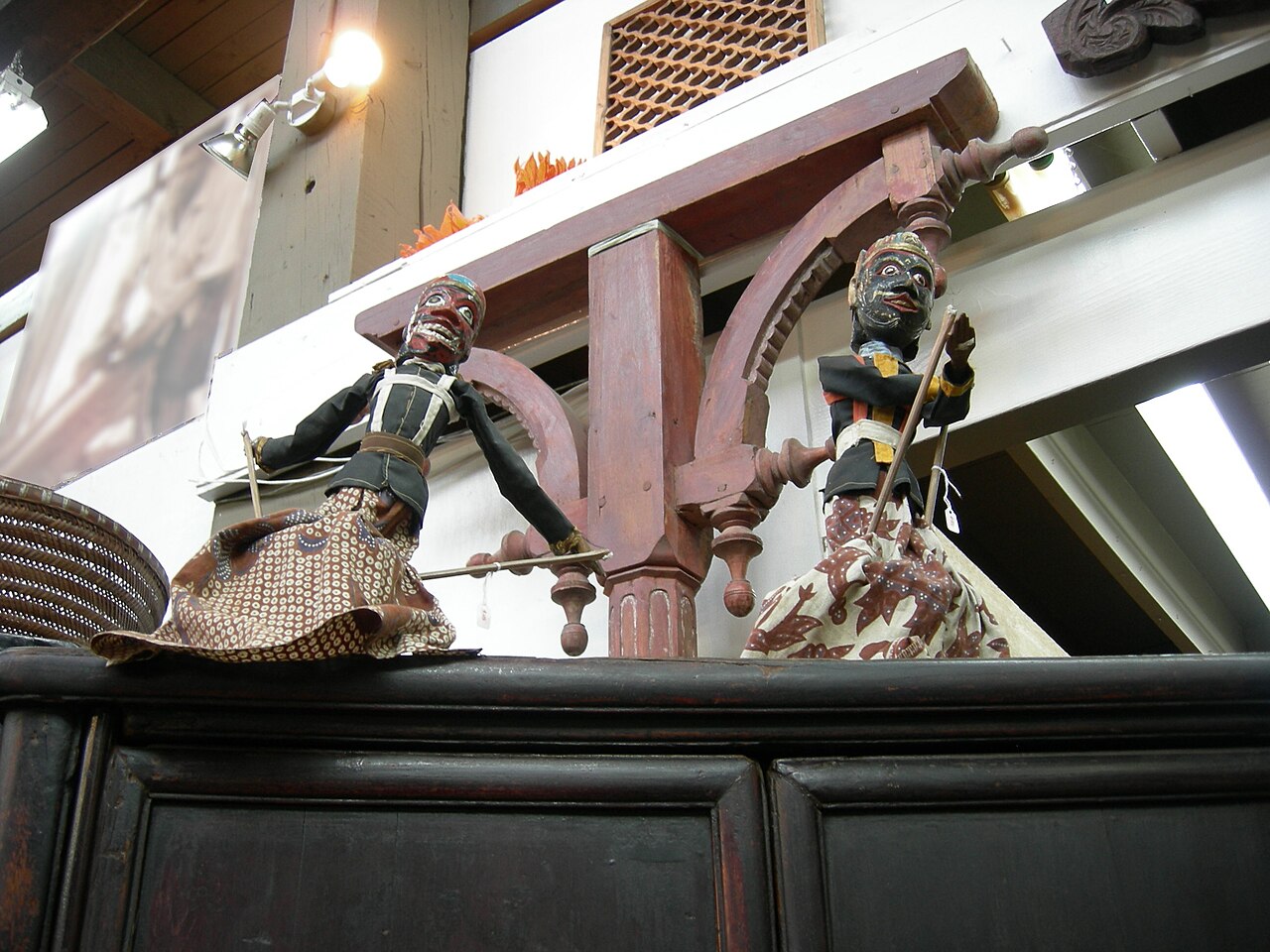
The Sundanese are famous for their music and puppetry. The angklung, a set of tuned bamboo tubes shaken to produce notes, is the signature Sundanese instrument, now played by ensembles the world over and recognised as a treasure of world heritage. Wayang golek, a theatre of carved wooden rod-puppets, enacts the great epics.
The lively jaipongan dance, the gentle music of the kecapi zither and suling flute, and the customs of village and family life all express Sundanese culture. Music, in particular, lies close to the heart of the people.
Crafts

The making of the angklung and other bamboo instruments is a signature Sundanese craft, along with the carving and costuming of the wayang golek puppets. Bamboo, abundant in the highlands, is worked into instruments, houses, tools, and containers of every kind.
Weaving, basketry, and the crafts of the traditional village belong to Sundanese material culture. These arts, tied to music, theatre, and daily life, remain living traditions of West Java.
Food
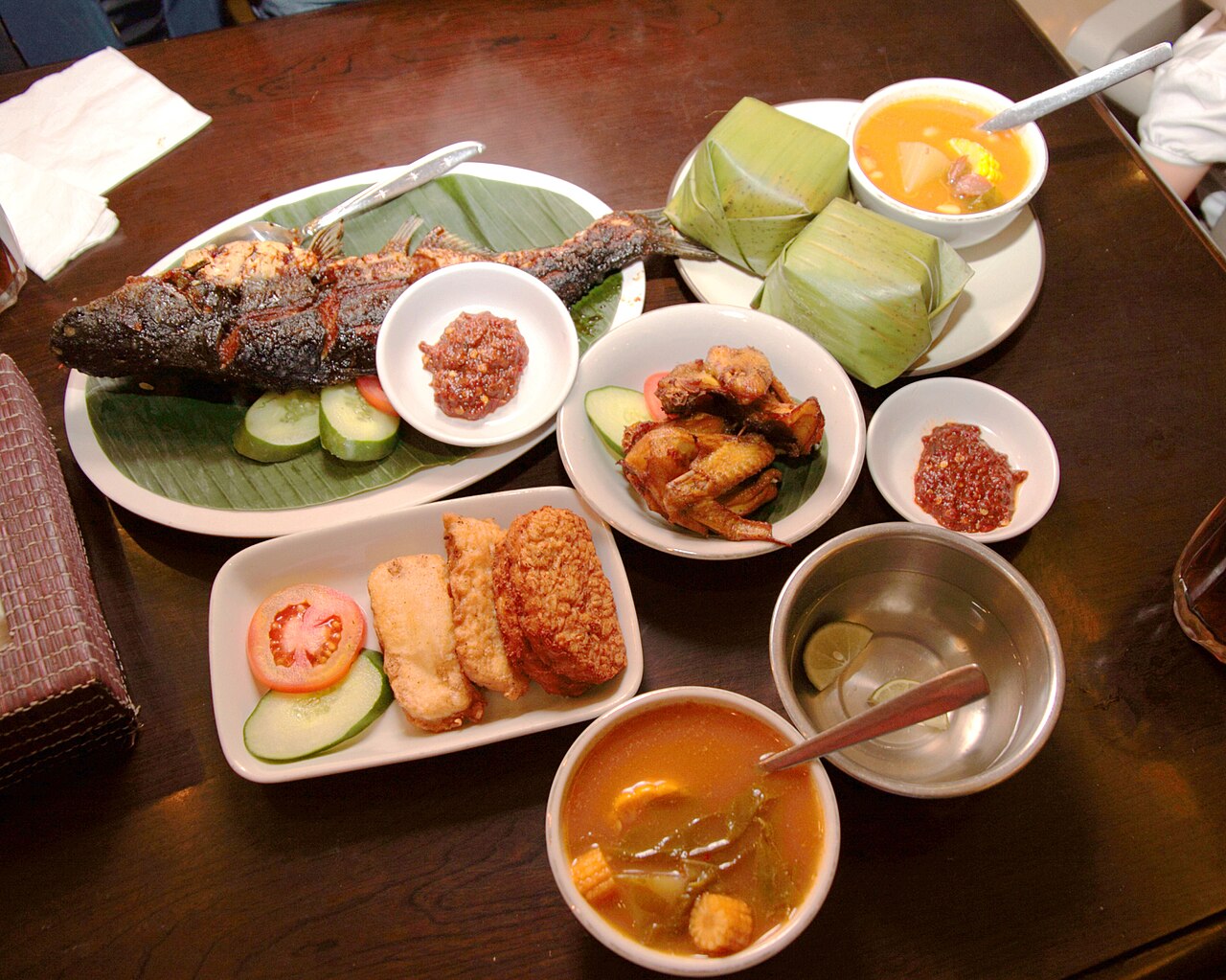
Sundanese cuisine is among the freshest in Indonesia, famous for its raw and lightly cooked vegetables eaten as lalab with a fiery sambal, and for grilled and fried freshwater fish and chicken. The emphasis on fresh greens and simple, clean flavours sets it apart from the sweeter Javanese food to the east.
Dishes such as karedok, a raw vegetable salad in peanut sauce, nasi timbel, rice wrapped in banana leaf, and a wealth of sambals and grilled foods fill the Sundanese table. Fresh, savoury, and often spicy, the cuisine reflects the produce of the highlands.
Festivals
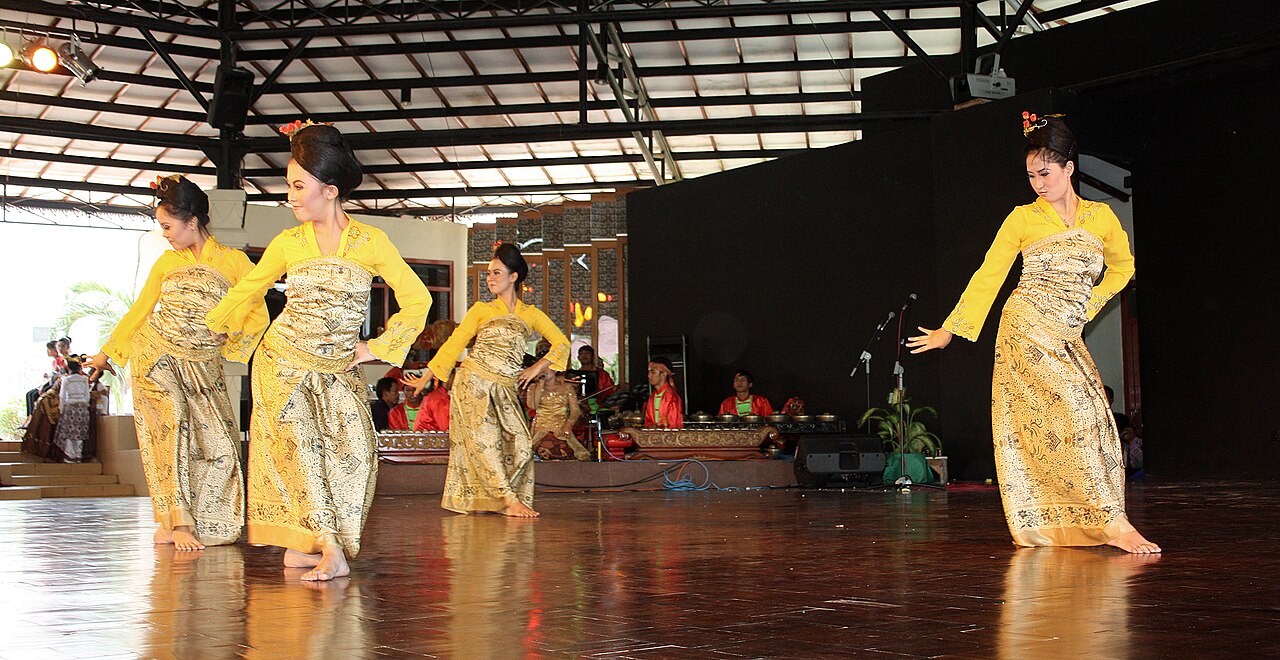
The festivals of the Sundanese blend the Islamic calendar with older seasonal and village ceremonies. The Seren Taun, a traditional rice-harvest thanksgiving, is still celebrated in some communities with processions, music, and offerings in gratitude for the harvest.
The Islamic Eids are observed with devotion and family reunion, and cultural festivals showcase the angklung, wayang golek, and jaipongan. Weddings, with their music and ceremony, are among the great celebrations of Sundanese life.
History
The kingdom of Sunda, or Pajajaran, ruled western Java for centuries as a Hindu realm before falling to the rising Islamic sultanates in the sixteenth century, after which the Sundanese gradually embraced Islam. The region later came under the sultanate of Mataram and then Dutch colonial rule.
Under the Dutch, the highlands of West Java became a centre of tea and coffee cultivation, and Bandung grew into an elegant colonial city. Within independent Indonesia the Sundanese, as the nation’s second-largest people, have played an important role in its cultural and political life.
Today

Today the Sundanese number over forty million, the second-largest ethnic group in Indonesia, concentrated in the populous province of West Java around the great city of Bandung. Many also live in Jakarta and across the country, and West Java is a major centre of industry and population.
Modern Sundanese life blends devout Islam, a warm village-centred culture, and rich musical traditions with the energy of one of Indonesia’s most populous regions. Their language, their angklung and wayang golek, their fresh cuisine, and their gentle reputation continue to define one of the great peoples of Indonesia.
Related Peoples of the Region
More Peoples of the World
You May Like
The Damara, an Ancient People of Namibia