In the golden mountains where Russia, Kazakhstan, Mongolia, and China draw near live the Altai, a Turkic people of one of the most beautiful and ancient regions of Siberia. Their homeland, close to the cradle of the Turkic peoples, holds the frozen tombs of the Scythian horsemen of antiquity.
Theirs is a heritage of horse-herding in high alpine valleys, of shamans and sacred peaks, and of vast heroic epics chanted in the throat-singing style of kai. To know the Altai is to enter the mountain world at the very heart of Asia.
The Altai on Film
Contents
- Origins
- The Name
- The Language
- The Homeland
- The Old Way of Life
- Society and Community
- Religion and Belief
- Traditions
- Crafts
- Food
- Festivals
- History
- Today
Origins
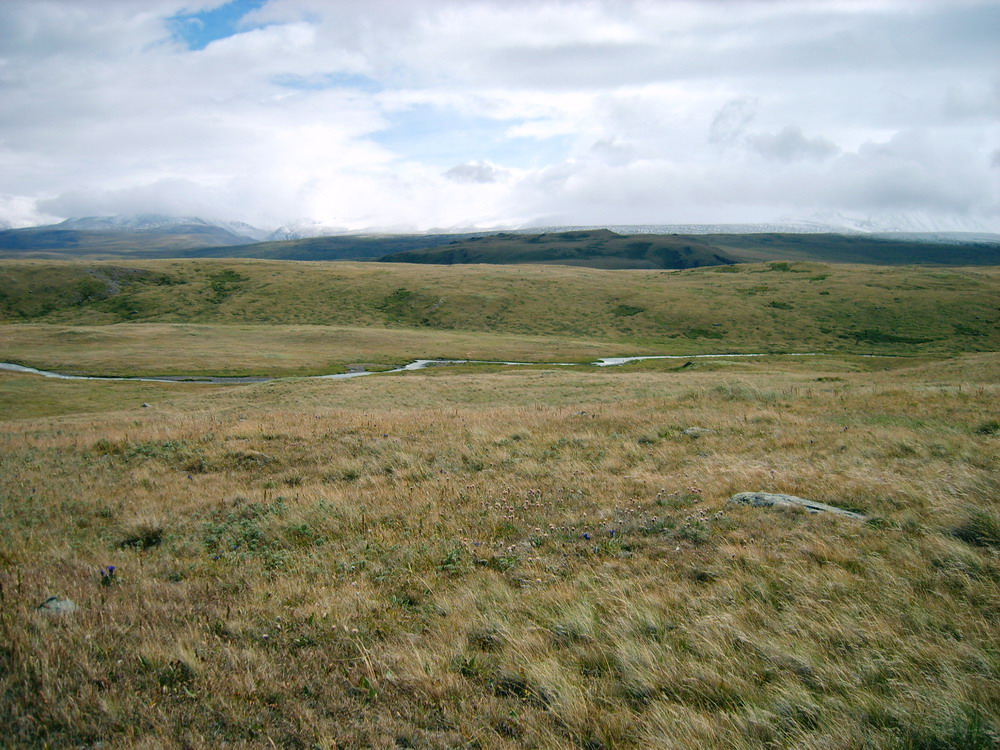
The Altai, or Altaians, are a Turkic people of the Altai Mountains in southern Siberia, living in the Altai Republic of Russia where the borders of Russia, Kazakhstan, Mongolia, and China draw near. They are the indigenous people of one of the most beautiful and archaeologically rich mountain regions on earth.
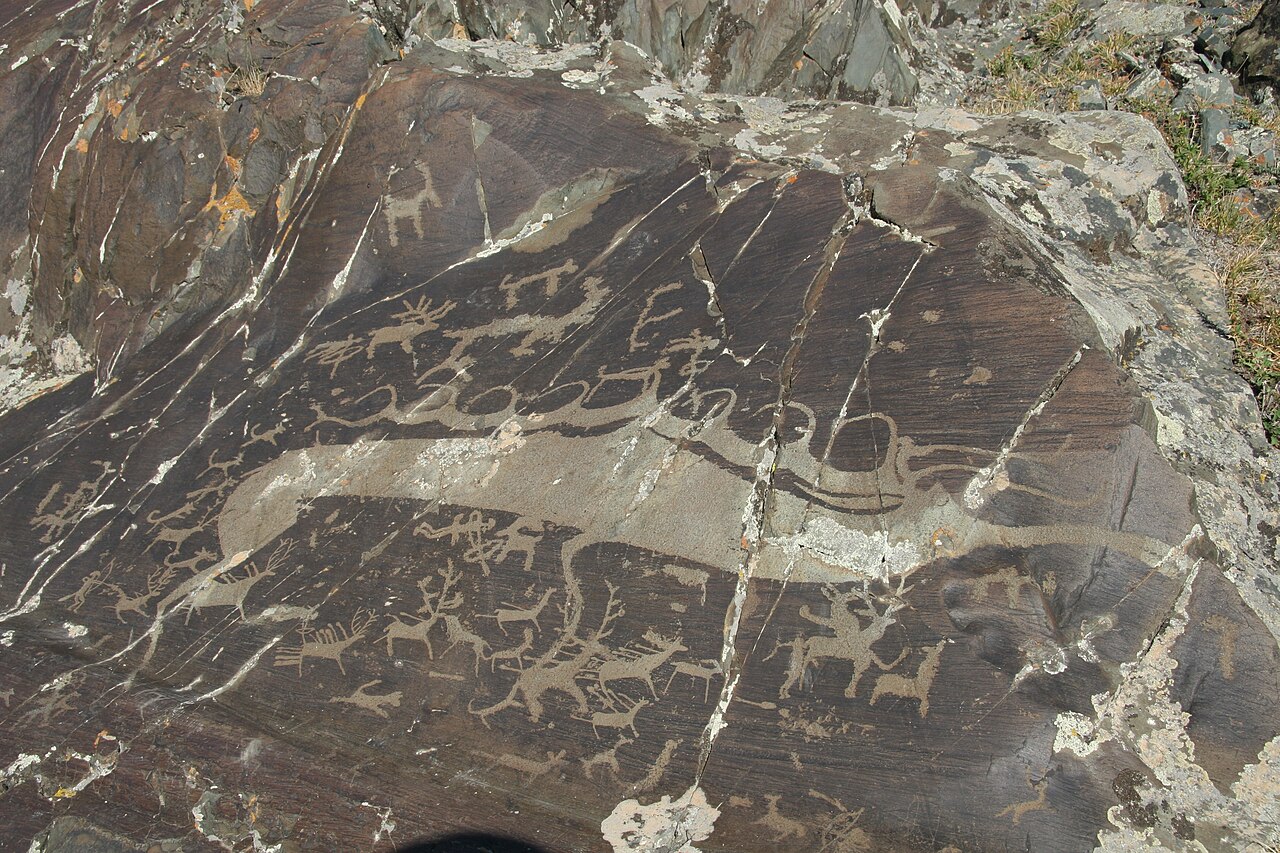
The Altai region is regarded by many as close to the ancient homeland of the Turkic peoples themselves, and its high plateaus, above all the Ukok, hold the frozen tombs of the ancient Pazyryk culture, Scythian horsemen whose tattooed mummies have survived for millennia. The modern Altai are heirs to this deep steppe and mountain heritage.
The Name

The Altai take their name from the Altai Mountains, whose name is often said to mean the golden mountains. They are made up of several groups, the northern and southern Altai, including the Altai-Kizhi, Telengit, and others, once known collectively by the Russians as the Oyrot or mountain Kalmyks.
United under the name Altai in modern times, they share a homeland in the mountains and a Turkic language and culture. To be Altai is to belong to these golden mountains at the heart of Asia.
The Language
The Altai language belongs to the Turkic family, forming its own branch of Siberian Turkic, with northern and southern dialect groups. It preserves ancient features of Turkic speech and is rich in the oral epic poetry for which the region is famous.
Written today in a Cyrillic-based alphabet, Altai has a modern literature, though, like other Siberian languages, it faces pressure from Russian. The recitation of heroic epics, chanted in the throat-singing style called kai, is one of the glories of the language.
The Homeland

The Altai homeland is the Altai Mountains, a majestic range of snow-capped peaks, deep valleys, turquoise rivers, and high plateaus in the heart of Asia. The turquoise Katun River, the sacred peak of Belukha, the highest in Siberia, and the remote Ukok Plateau are among its wonders.
This is a land of alpine meadows and forests, ideal for herding, and of a stark, high beauty that has made it a place of pilgrimage and legend. The mountains have shaped the herding life and the deep spirituality of the Altai people.
The Old Way of Life

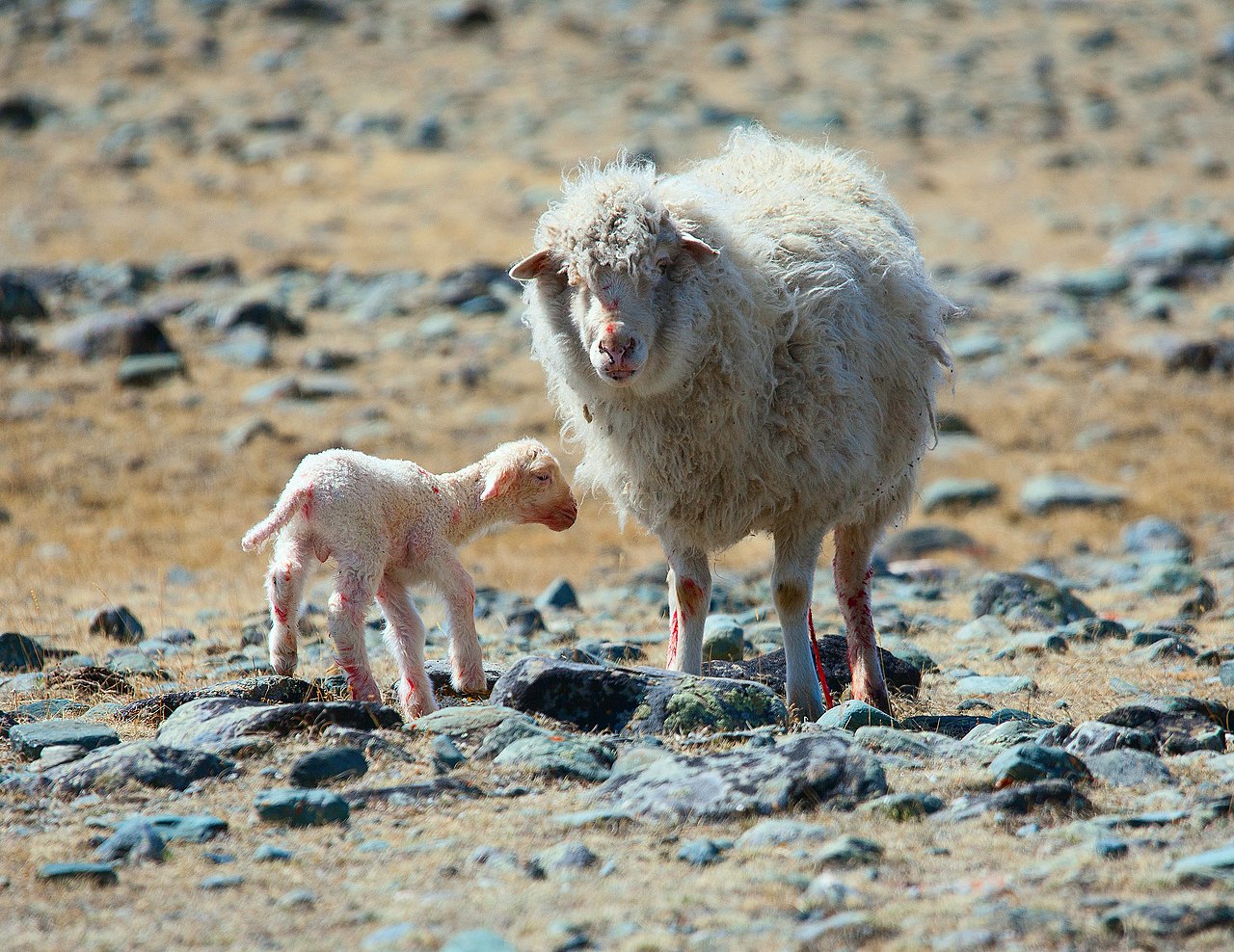
Traditionally the Altai were semi-nomadic herders, raising horses, sheep, cattle, and goats in the mountain valleys and moving with them between seasonal pastures. The horse held a central place in their life, as mount, source of food, and companion.
They lived in the ail, a distinctive conical or hexagonal timber or felt dwelling, and organised their lives around the herds, the clan, and the mountains. Hunting in the forests and the gathering of wild plants supplemented the herding economy.
Society and Community

Altai society was traditionally organised around clans, the seok or bone lineages traced through the father, which governed identity and marriage. Kinship, the herd, and attachment to the ancestral mountains and valleys shaped social life.
Under Russian and Soviet rule the Altai were settled and their old way of life transformed, and they are now a minority in their own republic alongside a Russian majority. Yet clan identity, respect for elders, and ties to the mountains remain important to the Altai.
Religion and Belief

The Altai traditionally followed shamanism, honouring the spirits of the mountains, rivers, and sky, with shamans mediating through drum and trance, and holding the peaks and passes as sacred. Sacred trees, springs, and cairns were, and remain, objects of reverence.
In the early twentieth century a distinctive new faith, Burkhanism, or the white faith, arose among the Altai, blending elements of shamanism and Buddhism in a movement of spiritual and national revival. Orthodox Christianity also spread under Russian rule, but the old reverence for the sacred mountains endures.
Traditions

The great Altai tradition is the epic, vast heroic poems chanted by bards in the remarkable throat-singing style known as kai, accompanied by the two-stringed topshuur lute, sometimes for hours or days on end. This epic singing is among the treasures of world oral culture.
Horsemanship, the customs of the herding life, and reverence for the sacred mountains run through Altai tradition. The great festival of El-Oyin gathers the people for horse games, wrestling, music, and the display of their heritage.
Crafts

The Altai and their ancient forebears were masters of the crafts of the steppe and mountains. The Pazyryk people of the Altai left behind some of the finest ancient artefacts ever found, including the world’s oldest surviving carpet and exquisite felt, leather, and gold work preserved in the frozen tombs.
Traditional Altai crafts include felt-making, leatherwork, woodcarving, and the making of the topshuur and other instruments. These practical and beautiful arts, tied to the herding life, carry forward an ancient heritage.
Food
Altai cuisine is that of a herding people, built on the meat and milk of their animals. Mutton, horsemeat, and beef, boiled or dried, and a rich variety of dairy products, including cheeses, cultured milk, and butter, are the staples of the mountain diet.
Barley flour, milk tea, and hearty meat dishes fill the Altai table, along with the fermented milk drinks of the steppe. Food drawn from the herds sustained life in the high, cold mountains and remains central to Altai hospitality.
Festivals

The great festival of the Altai is El-Oyin, a national celebration held every two years that gathers the people from across the mountains for horse racing, wrestling, archery, music, epic singing, and the display of traditional dress. It is a great affirmation of Altai identity.
Seasonal rituals honouring the sacred mountains and springs, and the ceremonies of the herding year, mark the Altai calendar. Through these gatherings, and the revival of epic singing and folk arts, the Altai celebrate their heritage.
History

The Altai Mountains lie at the heart of the ancient world of the steppe nomads, from the Scythian Pazyryk culture to the Turkic khaganates and the Mongol empire. The Altai people themselves emerged from the Turkic and Mongol groups of the region, long subject to powerful steppe and forest neighbours.
In the eighteenth century the region passed from the Oyrot Mongols to the Russian Empire, and under the Soviets it became an autonomous area and then a republic. The discovery of the frozen Pazyryk tombs, including the famous Ice Maiden of Ukok, drew world attention to the Altai and stirred debate over their heritage.
Today
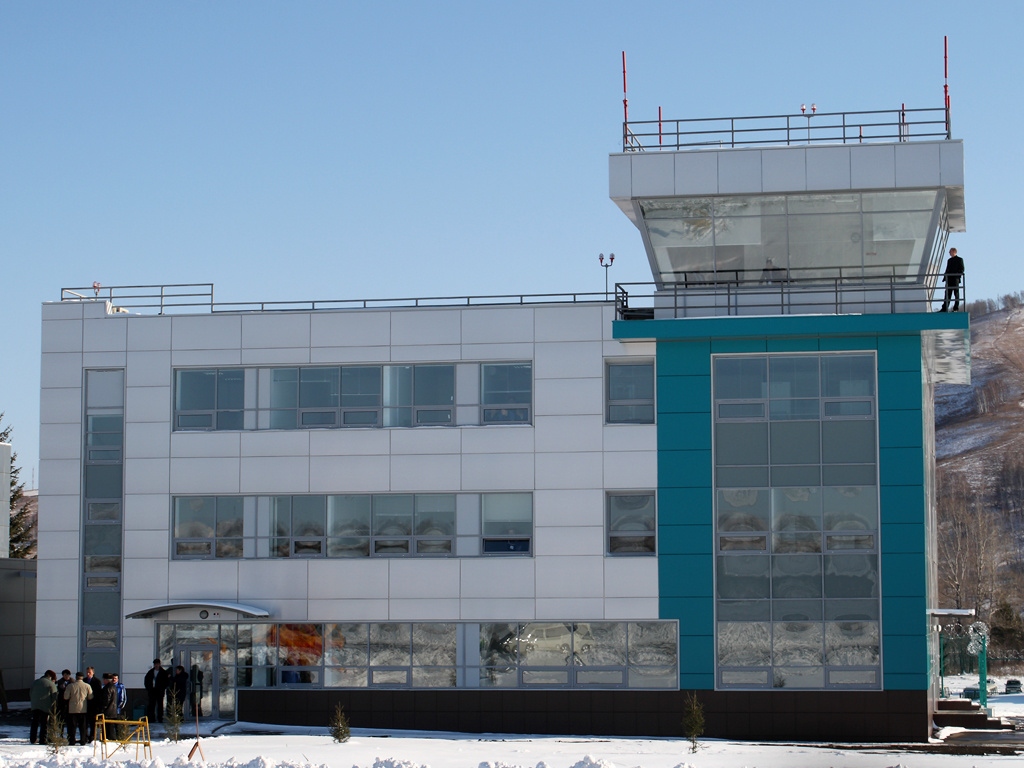
Today the Altai number around seventy thousand, a minority within the Altai Republic, whose capital is Gorno-Altaysk. Many now live a modern life in farming, herding, and the towns, while the spectacular mountains draw growing numbers of tourists and pilgrims.
The Altai maintain a strong sense of identity, with a revival of their language, their epic singing, their festivals such as El-Oyin, and their reverence for the sacred mountains. Their heritage keeps alive the memory of the ancient Turkic and steppe peoples of the golden mountains.
Related Peoples of the Region
More Peoples of the World
You May Like
The Damara, an Ancient People of Namibia